What is Silver Wholesale?
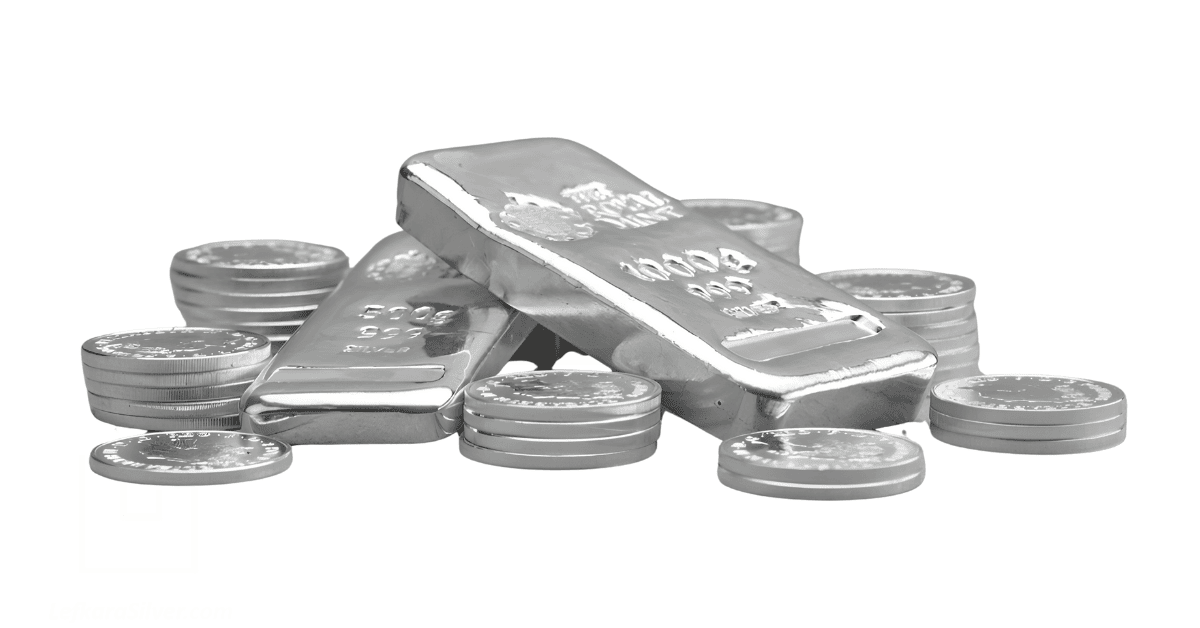
Wholesale silver refers to the bulk purchase and sale of silver products at discounted prices, typically for resale or industrial use. This market encompasses various forms of silver, including bullion, jewelry, and industrial-grade silver. Wholesale silver is typically sold in larger quantities, often 500 ounces or more, and at prices closer to the spot price of silver.
In this comprehensive guide, we’ll learn everything you need to know about silver wholesale from start to finish. We’ll cover several topics, including silver wholesale key statistics as of October 2026, the top 10 online suppliers of silver wholesale globally, and the state of the global silver wholesale market.
We’ll also cover the ins and outs of buying wholesale sterling silver, and what to look for when purchasing bulk 99.9% silver. There’s more! We’ll look at wholesale silver coins, track price trends, and spotlight some notable silver wholesale jewelry distributors. For entrepreneurial spirits out there, we’ll discuss how to start a silver-wholesale business. And of course, we’ll shine a light on the state of silver wholesale in the USA.
This article is packed with the latest information as of October 2026, ensuring you have the most current insights in the silver wholesale market.
Silver Wholesale Key Statistics as of October 2026
Let’s look into eye-opening statistics about silver and the wholesale market. Each fact and figure here has been thoroughly fact-checked and sourced from reliable industry data to give you a solid foundation for understanding the silver wholesale market.
- The global silver market is projected to reach $51.49 billion by 2027, with a compound annual growth rate of 5.1%.
- In 2023, global silver production hit a record high of 27,000 metric tons, with Mexico leading the pack as the top producer.
- The industrial sector accounts for approximately 50% of annual silver consumption, highlighting its importance beyond jewelry and investment.
- The average silver purity in wholesale markets is 99.9%, or “three nines fine.”
- As of 2026, the spot price of silver hovers around $30 per ounce, a 20% increase from the previous year.
- The jewelry industry consumes about 20% of the annual silver supply, making it the second-largest consumer after industrial applications.
- India remains the world’s largest importer of silver, accounting for nearly 25% of global imports.
- The silver recycling industry has grown significantly, supplying about 20% of market demand.
- Online silver wholesale transactions have increased by 35% since 2020, reflecting a shift towards digital platforms in the precious metals trade.
The Top 10 Online Suppliers of Silver Wholesale Globally
The following brands have earned their spots on our list through stellar customer reviews, reliability, and a consistent supply of high-quality silver for wholesale. These suppliers span the globe, with a diverse range of options for silver collectors and businesses alike.
1. Kitco
Kitco is known for its comprehensive offerings and market insights. They provide a wide range of silver products, from bullion to coins, catering to both small-scale buyers and large wholesalers. Their user-friendly website and real-time price updates make them a go-to source for many in the industry. Kitco’s silver market reports are considered some of the most reliable in the business.
2. APMEX
American Precious Metals Exchange (APMEX) stands out for its vast inventory and competitive pricing. They offer everything from silver bars to rare numismatic coins, appealing to collectors and investors alike. Their top-notch customer service and its buyback program are significant draws for many customers. They have a 4.9/5 rating on Trustpilot, reflecting their commitment to customer satisfaction.
3. JM Bullion
JM Bullion has made a name for itself with its straightforward approach and extensive educational resources. They offer a wide selection of silver products, including some exclusive designs. Their pricing is transparent, and they frequently run promotions that can benefit wholesale buyers.
4. SD Bullion
SD Bullion prides itself on offering “the lowest price, period.” They back this claim with a robust inventory of silver products and a price match policy. Their wholesale program is particularly attractive, offering volume discounts and dedicated account managers. SD Bullion’s innovative “Vault Storage” program allows for secure storage of large silver purchases.
5. BullionVault
BullionVault is an online platform for buying and selling physical gold and silver. They offer a unique proposition: the ability to buy silver in small increments and store it in secure vaults worldwide. This model particularly appeals to investors looking to build their silver holdings gradually. BullionVault’s live order board allows for real-time trading, mimicking a professional trading environment.
6. Goldsilver.com
Founded by well-known precious metals expert Mike Maloney, Goldsilver.com offers a wealth of educational content alongside its silver products. They cater to both small buyers and large wholesale orders. Their price protection program is a unique feature that allows customers to lock in prices for future purchases.
7. Silver.com
As the name suggests, Silver.com specializes in all things silver. Their focus allows them to offer various silver products, from popular bullion coins to obscure collectibles. Their wholesale program is robust, with dedicated representatives for large-volume buyers.
8. SilverGoldBull
SilverGoldBull has built a reputation for excellent customer service and a wide product range. They offer competitive prices on silver bars and coins, with additional discounts for larger orders. Their website is user-friendly, with detailed product information and educational resources.
9. Silver Trader
Silver Trader focuses exclusively on silver, offering a specialized service for enthusiasts. They provide a range of silver products, from small rounds to large bars, catering to various investment strategies. Their expertise in silver makes them a valuable resource for market insights and product information.
10. Blanchard and Company
Blanchard and Company is one of the oldest precious metals dealers in the U.S., known for its personalized service and expert market analysis. They offer a curated selection of silver products, focusing on quality over quantity. Their team of precious metals specialists provides tailored advice for large wholesale purchases.
Bonus: Lefkara Silver
Lefkara Silver, based in the historic village of Paphos in Cyprus, offers a unique traditional craftsmanship and wholesale silver supply. They specialize in handcrafted silver jewelry and ornamental pieces, as well as raw silver for other artisans.
Their products carry the legacy of centuries-old silversmithing techniques, making them a favorite among those who want authentic, artisanal silver. Lefkara Silver’s commitment to preserving traditional craftsmanship while meeting modern wholesale demands sets them apart in the global market.
The Global Silver Wholesale Market
Silver, often dubbed the “poor man’s gold,” is a precious metal with unique properties that set it apart from its glitzier cousins. Unlike gold, which is primarily used for jewelry and as a store of value, silver straddles the line between precious and industrial metal. Its high electrical and thermal conductivity, along with its antibacterial properties, make it indispensable across various industries, from electronics to healthcare.
We’ve been closely monitoring the growing demand from the renewable energy sector, particularly for solar panels, which use silver in their production. This surge in industrial demand is creating an exciting dynamic in the market, pushing prices up while also stimulating increased mining activity.
Here are some current news in the silver market:
- The push for green energy is driving up silver demand, with solar panel manufacturers consuming record amounts of the metal.
- Cryptocurrency volatility has led some investors to view silver as a more stable alternative, increasing investment demand.
- Supply chain disruptions in major silver-producing countries are causing price fluctuations and concerns about future availability.
- The rise of electric vehicles is creating a new source of demand for silver, used in various automotive electrical components.
- Increased industrial applications for silver nanoparticles in medical devices and water purification systems are opening up new market segments.
- The ongoing global economic uncertainty reinforces silver’s role as a safe-haven asset, alongside gold.
Buying Wholesale Sterling Silver
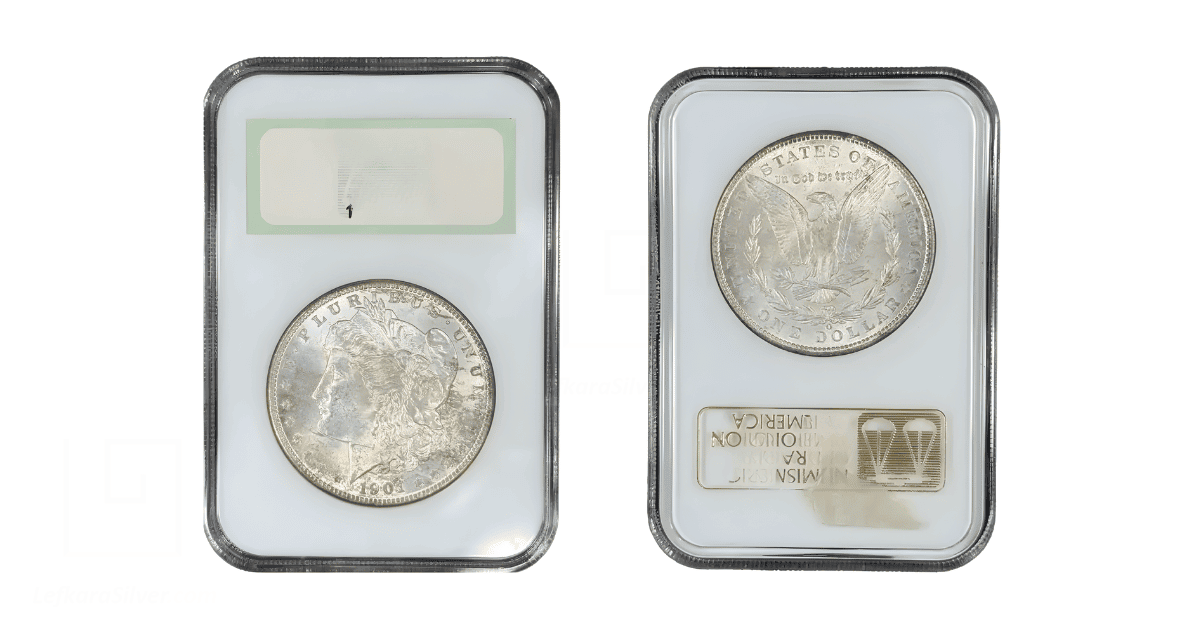
Sterling silver is an alloy containing 92.5% pure silver and 7.5% other metals (usually copper). Its durability compared to pure silver and its lower price range relative to gold make it an attractive option for jewelry makers and industrial users. The rise of artisanal and small-batch jewelry brands has further fueled demand for wholesale sterling silver.
Here are five trusted suppliers of wholesale sterling silver, each with unique selling points:
- Hoover & Strong: Focuses on eco-friendly and recycled sterling silver, offers refined silver grain for casting, and provides detailed metal testing reports with each order
- Metalliferous: Based in New York’s Diamond District, it offers competitive pricing on bulk sterling silver orders, and is known for its knowledgeable staff and personalized service
- Rio Grande: Offers a vast selection of sterling silver findings, wire, and sheet metal. It is known for excellent quality control and fast shipping, and provides free instructional videos and resources for jewelers
- Halstead Bead: Specializes in sterling silver jewelry components, offers low minimum orders, perfect for small businesses, and provides detailed metal sourcing information for ethical buyers
- Stuller: This is one of the largest wholesale jewelry suppliers in North America. It It offers a wide range of sterling silver products, from raw materials to finished pieces, and known for its advanced online ordering system and fast turnaround times
What to Look for When Buying Bulk 99.9% Silver for Sale
Pure silver, also known as fine silver, is a world apart from sterling silver. While sterling silver contains 92.5% silver and 7.5% other metals, pure silver contains 99.9% silver. This purity gives it unparalleled luster and malleability, which makes it softer and more prone to scratches and dents.
The market for pure silver is diverse and dynamic. We looked into this thoroughly and found that industries ranging from electronics to solar energy drive demand for this precious metal. Investors and collectors also prize pure silver for its intrinsic value and potential for appreciation. As of 2026, the global demand for pure silver continues to outpace supply, creating a market for bulk buyers.
Here are some key factors to consider when buying 99.9% Silver in bulk:
- Certification: Ensure the silver is certified by a reputable assayer.
- Hallmarks: Look for proper hallmarks indicating purity and origin.
- Price Comparison: Compare prices across multiple dealers to ensure competitive pricing.
- Storage and Shipping: Consider secure storage options and shipping insurance.
- Reputation of Seller: Research the seller’s reputation and customer reviews.
- Form of Silver: Decide between bars, rounds, or grain based on your needs.
- Minimum Order Quantities: Check if the supplier’s MOQ meets your requirements.
- Refund and Return Policies: Understand the seller’s policies for disputes or quality issues.
Some reliable websites for exploring pure silver purchases include:
- Kitco.com
- APMEX.com
- JMBullion.com
- BullionVault.com
Some Ins and Outs of Silver Bullion Wholesale
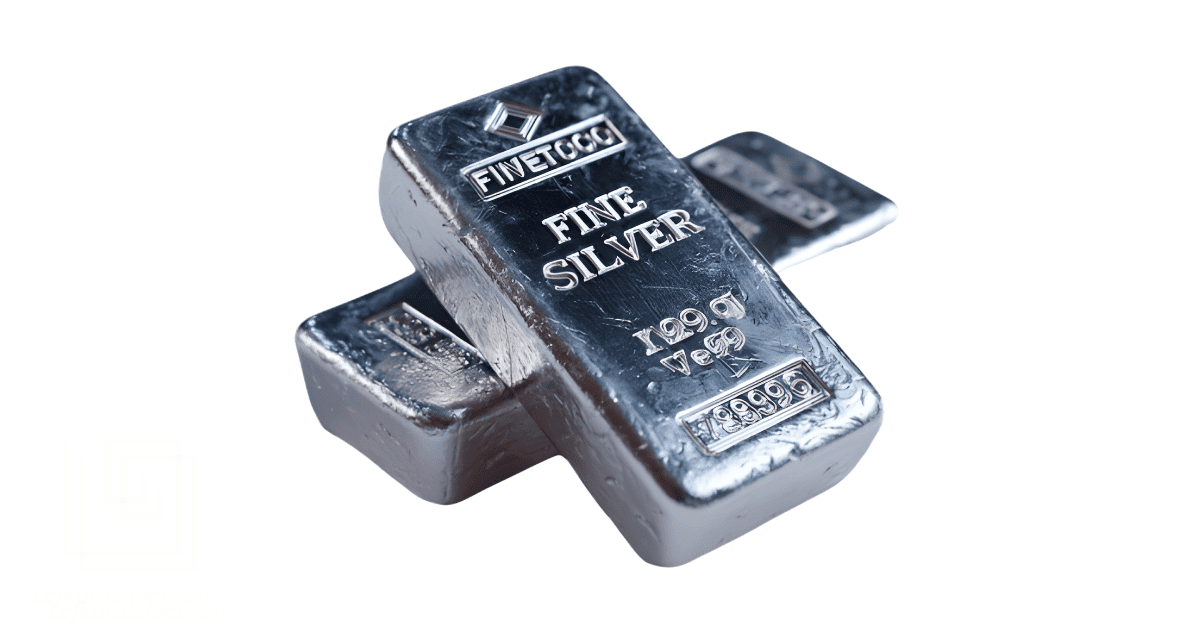
Silver bullion refers to physical silver in bars, ingots, or coins, valued primarily for its precious metal content rather than any artistic or numismatic worth. These standardized forms of silver are the backbone of the wholesale silver market, offering investors and industries a tangible asset that’s easily traded, stored, and quantified.
Silver bars, in particular, are a popular choice for bulk buyers. They come in various sizes, typically 1 ounce to 1000 ounces, with the 100-ounce and 1000-ounce bars being favorites in the wholesale market.
When it comes to sourcing quality silver bullion, it’s best to deal with reputable dealers. The London Bullion Market Association (LBMA) maintains a list of accredited refiners whose products are considered “good delivery” in major markets worldwide. Purchasing from these sources or their authorized dealers ensures you get genuine, high-quality silver bullion.
Verifying the authenticity of silver bullion is critical in the wholesale market. Here are some key methods you can follow:
- Look for precise stampings of weight, purity, and manufacturer.
- Silver is not magnetic; strong attraction could indicate fake bullion.
- Genuine silver bars produce a distinctive ring when struck.
- Silver has a specific gravity of 10.49, which can be measured.
- This advanced method accurately determines metal composition.
Many buyers insist on assay certificates from independent laboratories for large wholesale purchases, providing an extra layer of authenticity and peace of mind.
Should You Buy Wholesale Silver Coins?
Unlike bullion, coins often carry additional value due to their design, historical significance, or rarity. From what we’ve seen, the wholesale silver coin market caters to different buyers, from investors seeking an inflation hedge to collectors seeking specific mintages.
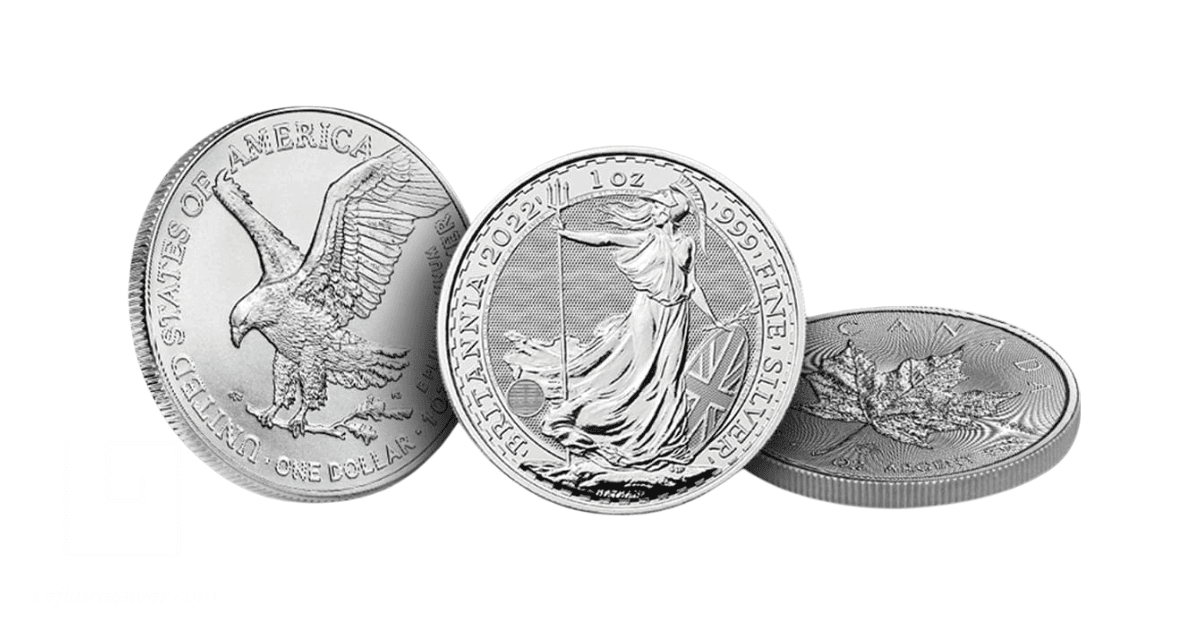
What makes silver coins in the wholesale market appealing is their versatility and liquidity. Government-minted silver coins, such as American Silver Eagles or Canadian Silver Maple Leafs, are recognized worldwide, making them easy to trade. They also often carry a face value, technically making them legal tender, though their silver content is typically worth far more.
Sourcing quality silver coins for wholesale requires due diligence. Reputable mints like the U.S. Mint, Royal Canadian Mint, and Perth Mint are primary sources for newly minted coins.
Authenticating silver coins involves several steps:
- Visual Inspection: Check for crisp design details and correct font.
- Weight and Dimensions: Compare to official specifications.
- Magnetic Test: Silver is not magnetic.
- Sound Test: Silver coins produce a distinctive ring when tapped.
- Professional Grading: For valuable coins, consider services like PCGS or NGC.
Before going into wholesale silver coin trading, you have to understand silver spot prices and numismatic premiums, and learn that proper storage is crucial to maintain coin condition. You should develop expertise in identifying genuine coins, and decide whether to focus on investors, collectors, or both.
Be aware of the legal requirements for dealing with precious metals, and note that a substantial initial investment may be necessary. Also, endeavor to establish relationships with suppliers and potential buyers. The wholesale silver coin market offers exciting opportunities, but success requires numismatic knowledge, and meticulous attention to detail.
Tracking the Silver Wholesale Price Trends
The silver market is known for its volatility, making price tracking a crucial skill for wholesalers. After discussing this as a team, we’ve compiled comprehensive insights into silver pricing trends, factors influencing these trends, and what to expect when dealing in the wholesale silver market.
Typical Pricing for Silver Wholesale
Silver prices are typically quoted per troy ounce in USD. Earlier this year, the spot price of silver hovered around $30 per ounce, but wholesale prices can vary significantly based on several factors, including:
- Volume discounts are common, with larger purchases often securing lower per-ounce prices.
- The form of silver (bars, coins, or grain) affects pricing, with coins often carrying higher premiums.
- Purity levels impact price, with 99.9% silver commanding a premium over lower purities.
Factors Influencing Silver Wholesale Pricing
Several key factors can cause fluctuations in silver wholesale prices:
- Global economic conditions, particularly inflation rates and currency strength
- Industrial demand, especially from the technology and renewable energy sectors
- Investment demand, influenced by market sentiment and alternative asset performance
- Supply disruptions due to geopolitical events or mining issues
- Regulatory changes affecting precious metals trading or mining
What to Expect from Sellers
Reputable silver wholesale sellers should provide:
- Certificates of authenticity for all products
- Transparent pricing structures, including any premiums or fees
- Secure shipping options with insurance
- Clear return and refund policies
- Responsive customer service and expert advice
Silver Wholesale Jewelry Distributors
The silver wholesale jewelry market continues to thrive, driven by the metal’s affordability and versatility. As of 2026, the global silver jewelry market is valued at approximately $21 billion, with a projected CAGR of 6.3% through 2030. This growth is fueled by increasing demand for affordable luxury and the rising popularity of silver in fashion accessories.
Here are some of the top silver wholesale jewelry distributors in 2026:
Stuller, Inc.
Stuller stands as one of the largest wholesale jewelry suppliers in North America. Their extensive catalog includes a vast array of silver jewelry, from ready-to-wear pieces to components for custom designs.
What sets Stuller apart is their commitment to innovation and customer service. They offer same-day shipping on most orders and provide advanced online tools for jewelers, including 3D design software and virtual inventory management. Their silver products range from sterling silver findings to finished pieces, catering to both small boutiques and large retail chains.
Rio Grande
Rio Grande has been a stalwart in the jewelry supply industry since 1944. They offer an impressive selection of silver jewelry components, tools, and finished pieces for wholesale customers.
Rio Grande is known for their educational resources, including free instructional videos and workshops, making them a favorite among artisan jewelers. They also prioritize ethical sourcing, offering recycled silver options and transparent supply chain information. Their competitive pricing and low minimum order requirements make them accessible to businesses of all sizes.
Lefkara Silver
Hailing from the historic village of Lefkara in Cyprus, Lefkara Silver offers a unique blend of traditional craftsmanship and wholesale silver supply. They specialize in handcrafted silver jewelry that carries the legacy of centuries-old silversmithing techniques.
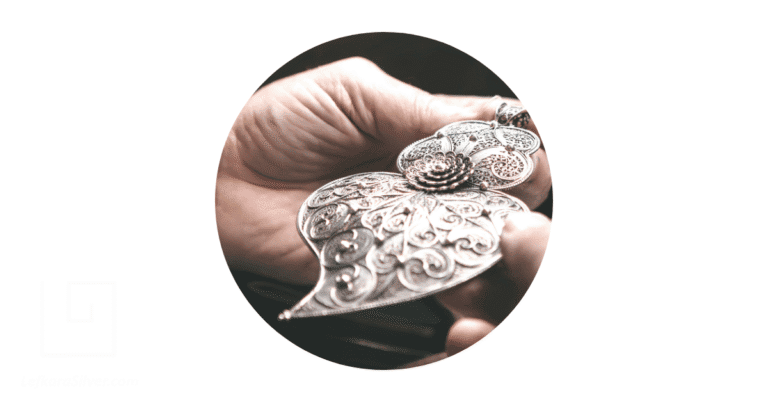
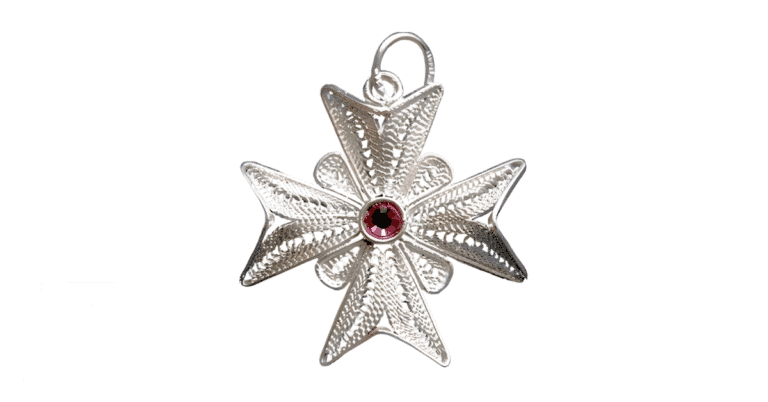
What makes Lefkara Silver stand out is their commitment to preserving cultural heritage while meeting modern wholesale demands. They offer both finished jewelry pieces and raw materials for other artisans. Their products often feature intricate filigree work and traditional Cypriot designs, providing wholesalers with unique, artisanal options that tell a story of craftsmanship and history.
Halstead Bead
Halstead Bead has carved out a niche as a go-to supplier for small to medium-sized jewelry businesses. They specialize in silver jewelry components and findings, focusing on quality and affordability.
Halstead is renowned for their excellent customer service and educational resources for jewelry entrepreneurs. They offer detailed guides on starting and growing a jewelry business, making them an invaluable partner for new entrants to the wholesale market. Their low minimum orders and a curated selection of trending styles make them particularly appealing to boutique designers and small-batch producers.
How to Start a Silver Wholesale Business?
Starting a silver wholesale business can be exciting and potentially lucrative. However, success lies in thorough market research, establishing reliable supplier relationships, and developing a solid business plan.
To start, you must decide on your niche within the silver wholesale market. Will you focus on bullion, jewelry, or industrial silver? Each sector has its own dynamics and requirements. For instance, the jewelry wholesale market might require less capital but more attention to design trends. In contrast, bullion wholesale typically demands a higher initial investment but offers more straightforward pricing structures.
Once you’ve chosen your niche, building a network of reliable suppliers is crucial. This might involve traveling to major silver-producing countries or attending industry trade shows. Establishing direct relationships with miners or refineries can give you a competitive edge in pricing.
Equally important is setting up the legal framework for your business. This includes registering your company, obtaining necessary licenses, and ensuring compliance with regulations around precious metal trading. Silver wholesale businesses are subject to strict reporting requirements in many jurisdictions to prevent money laundering.
Risks and Pitfalls
Starting a silver wholesale business comes with its share of challenges:
- Market volatility: Silver prices can fluctuate dramatically, potentially leading to significant losses if not managed properly.
- Capital intensity: Substantial upfront investment is often required to purchase inventory.
- Authenticity concerns: The risk of encountering counterfeit silver is real and can damage your reputation if not carefully managed.
- Regulatory compliance: Staying abreast of and complying with changing regulations can be complex and time-consuming.
- Security risks: Storing and transporting valuable silver inventory has inherent security challenges.
Long-term Benefits
Despite the risks, a well-managed silver wholesale business can offer significant long-term benefits:
- Potential for high returns: As global demand for silver continues to grow, particularly in industrial applications, there’s potential for substantial profits.
- Diversification: Silver can hedge against economic uncertainties, providing a stable business foundation.
- Scalability: Once established, a silver wholesale business can be scaled up relatively quickly by expanding into new markets or product lines.
- Network building: The business allows for developing a global network of contacts in the precious metals and jewelry industries.
Success in the silver wholesale business requires risk management skills, and building strong relationships across the supply chain. With careful planning and execution, it can be a rewarding venture in the dynamic world of precious metals.
The State of Silver Wholesale in the USA
The silver wholesale market in the United States continues to be a dynamic and evolving sector, playing a crucial role in both the domestic and global precious metals trade. As one of the world’s largest consumers and producers of silver, the USA significantly influences global market trends.
In recent years, the U.S. silver wholesale market has seen a surge in demand driven by various factors. Industrial applications, particularly in the renewable energy sector, have become a major driver of silver consumption. The push for green technologies, especially solar panels, has created a steady demand for silver, with the USA being at the forefront of this trend.
The investment sector also plays a significant role in shaping the U.S. silver wholesale market. With economic uncertainties and inflationary pressures, many American investors have turned to silver as a hedge, driving up demand for silver coins and bars. This trend has been particularly noticeable among retail investors, who view silver as a more accessible precious metal than gold.
Our assessment concludes that the U.S. silver wholesale market is poised for continued growth. The combination of industrial demand, investment interest, and the country’s strong position in global trade makes the USA a key player in the silver market. However, this growth is not without challenges.
One of the primary challenges facing the U.S. silver wholesale market is supply chain disruptions. The COVID-19 pandemic highlighted vulnerabilities in the global supply chain, prompting many U.S. wholesalers to seek more domestic sources or diversify their international supplier base. This shift has increased interest in North American silver mining operations and refining facilities.
Another factor shaping the U.S. market is regulatory oversight. The precious metals industry in the USA is subject to stringent regulations, particularly regarding anti-money laundering (AML) and know-your-customer (KYC) requirements. While these regulations ensure market integrity, they also create compliance challenges for wholesalers, especially smaller operations.
Despite these challenges, innovation in the U.S. silver wholesale market is thriving. Many wholesalers are adopting new technologies to streamline operations and improve transparency. Blockchain technology, in particular, is being explored to enhance supply chain traceability and combat fraud in the silver trade.
The U.S. silver wholesale market is expected to continue its growth trajectory. The increasing adoption of electric vehicles and 5G technology, which rely heavily on silver components, will likely drive industrial demand further. Meanwhile, the investment side of the market remains robust, with American investors showing sustained interest in silver as a store of value.
Silver Wholesale: Key Takeaways
Throughout this guide, we looked into everything about silver wholesale. From key statistics to the top 10 suppliers online, we examined the global silver wholesale market. We’ve also provided insights on starting a silver wholesale business, and discussed wholesale sterling silver.
We also covered silver bullion and coins wholesale, pricing trends, and the silver wholesale jewelry distributors, with the most updated information as of October 2026.
Here are some of the most interesting facts to remember:
- The global silver market is projected to reach $51.49 billion by 2027.
- Industrial applications account for approximately 50% of annual silver consumption.
- Online silver wholesale transactions have increased by 35% since 2020.
- The USA plays a crucial role in shaping global silver market trends.
- Blockchain technology is being explored to enhance traceability in the silver trade.
- The push for green energy is significantly driving up silver demand.
- Artisanal and small-batch jewelry brands fuel sterling silver’s rising popularity.
Follow our website, LefkaraSilver.com, for regular updates and expert insights into the fascinating world of silver wholesale and beyond!

Silver Wholesale FAQs
Here are answers to some frequently asked quetions about silver wholesale in 2026:
How Does the Silver Wholesale Market Work?
The silver wholesale market operates globally, connecting miners, refiners, dealers, and end-users. Prices are primarily influenced by the London Bullion Market Association (LBMA) silver price, which is set twice daily. Wholesale transactions often involve contracts for large quantities, with the global silver supply reaching approximately 1 billion ounces annually.
The market is highly liquid, with trades conducted through exchanges like the COMEX or directly between parties. Wholesale dealers typically offer silver products, from 1000-ounce bars for industrial use to smaller units for investors and jewelry makers, with pricing usually based on weight and purity.
Where Can I Find Reputable Silver Wholesale Dealers?
Reputable silver wholesale dealers can be found through industry associations, precious metals exchanges, and online marketplaces. The London Bullion Market Association (LBMA) lists over 150 accredited members worldwide, many of whom deal in wholesale silver. Online platforms like Kitco, APMEX, and JM Bullion also offer wholesale services.
Trade shows such as the International Precious Metals Institute (IPMI) conference also provide networking opportunities with established dealers. When selecting a dealer, look for those with industry certifications, transparent pricing, and positive customer reviews, as the wholesale silver market sees annual trading volumes exceeding $5 trillion.
What Are the Benefits of Buying Silver Wholesale?
Buying silver wholesale offers several advantages, primarily cost savings and access to larger quantities. Wholesale purchases can reduce premiums by 30-50% compared to retail prices, making it attractive for businesses and serious investors. Bulk buying also ensures a consistent supply, which is crucial for manufacturers that use silver in their products.
Wholesale silver provides greater liquidity, as larger quantities are more accessible to sell in institutional markets. Wholesale buyers often have access to a wider range of products and purities, from .999 fine silver to specialized alloys, catering to diverse needs in an industry where global demand reached 1.05 billion ounces in 2023.
How Can I Ensure the Quality of Silver in Wholesale Purchases?
Ensuring quality in silver wholesale purchases involves several key steps. Always buy from reputable dealers certified by organizations like the London Bullion Market Association (LBMA), which maintains a list of Good Delivery refiners. Use professional assay services to verify purity; standard .999 fine silver should contain at least 99.9% pure silver. Invest in testing equipment like XRF analyzers, which can provide accurate composition analysis within seconds.
Be aware of common hallmarks and certifications; for instance, most investment-grade silver bars are stamped with their weight, purity, and manufacturer’s mark.
How Does the Price of Silver Wholesale Compare to Retail?
Silver wholesale prices typically offer significant savings compared to retail prices. On average, wholesale silver can be 30-50% cheaper than retail prices, depending on the quantity purchased and market conditions. For instance, while a retail investor might pay a premium of $3-5 per ounce over the spot price for small quantities, wholesale buyers can often secure prices within $0.50-$1 of the spot price for large orders.
The difference is more pronounced in fabricated products like jewelry, where retail markups can exceed 100% of the silver’s value. However, these savings come with higher minimum purchase requirements, often starting at 500 ounces or more. In 2023, the average spot price of silver was around $23 per ounce, with wholesale transactions closely tracking this benchmark.
How Can I Negotiate Prices in the Silver Wholesale Market?
Negotiating prices in the silver wholesale market requires market knowledge and a strategic approach. Start by monitoring spot prices and understanding premium structures; the spot price of silver fluctuated between $22 and $26 per ounce in 2023, providing a baseline for negotiations. Build relationships with multiple suppliers to compare offers and leverage competition.
Volume is key; larger orders, typically over 1,000 ounces, can command lower premiums, sometimes as low as 1-2% over spot. Timing is crucial; consider purchasing during periods of lower demand or price dips. Be prepared to act quickly, as silver prices can change rapidly, with historical daily price movements of up to 5%. Remember, while negotiating, dealer premiums typically range from 3-8% for wholesale transactions, depending on product type and market conditions.
What Are the Risks Involved in Silver Wholesale Trading?
Silver wholesale trading carries several significant risks. Market volatility is a primary concern; silver prices can fluctuate dramatically, with historical annual price changes exceeding 50% in extreme cases. Counterparty risk is crucial, as fraudulent dealers or quality issues can lead to substantial losses in large transactions. Storage and security risks are heightened due to the physical nature of silver, with professional storage costs averaging 0.5-1% of the metal’s value annually.
Regulatory risks exist, particularly in cross-border trades, with changing policies potentially affecting import/export regulations or taxation. Liquidity risk can occur during market stress, potentially making it difficult to sell large quantities quickly without significant price concessions. Economic factors like interest rates and currency fluctuations can also impact silver prices, with a typical inverse relationship to the US dollar strength.