Gold Coins – What You Need to Know
Gold coins are a primary way for people to own physical gold. They combine the metal’s inherent value with detailed artistry and historical weight. This makes them a popular choice for building a tangible asset collection. Many use gold coins to protect their wealth against inflation and economic shifts.
This article covers the essential aspects of gold coins. We will look at key statistics for October 2026 and 6 reputable gold coin dealers for 2026. We’ll also explain the different types of gold coins available. You will learn about the best kinds of gold coins to buy, essential tips to follow, and the easiest ways to sell your collection.
We’ll examine the average price of gold coins, their purity levels, the pros and cons of investing, and even how to properly clean them. All information is current as of October 2026.
Gold Coin Key Statistics of October 2026
Gold’s performance in October 2026 is marked by prices holding steady around $4,000 per ounce, a 58% year-over-year surge in US gold demand, and record-breaking daily trading volumes exceeding $200 billion.
- The price of gold hovers near $4,000 per troy ounce as of early October 2026.
- Overall gold demand in the U.S. grew by 58% year-over-year in the third quarter of 2025, reaching 186 tonnes.
- Investment in U.S.-listed gold-backed ETFs surged by 160% year-over-year in Q3 2025, with inflows totaling 137 tonnes.
- Daily trading volumes for gold in the U.S. reached a record high of US$208 billion in October 2025, a 51% increase from the previous month.
- While investment demand soared, U.S. consumer demand for physical gold bars and coins saw a sharp decline, falling 64% year-over-year in Q3 2025.
- The most popular investment-grade gold coins, like the American Gold Buffalo and Canadian Maple Leaf, feature .9999 fine (24-karat) gold.
- The American Gold Eagle, one of the world’s most traded bullion coins, is minted with 91.67% pure (22-karat) gold for enhanced durability.
- Financial advisors typically recommend that precious metals, including gold coins, make up no more than 5% to 10% of a diversified investment portfolio.
- Central banks are expected to continue their strong purchasing trend, with forecasts projecting they will buy 900 tonnes of gold in 2026.
6 Reputable Dealers of Gold Coins in 2026
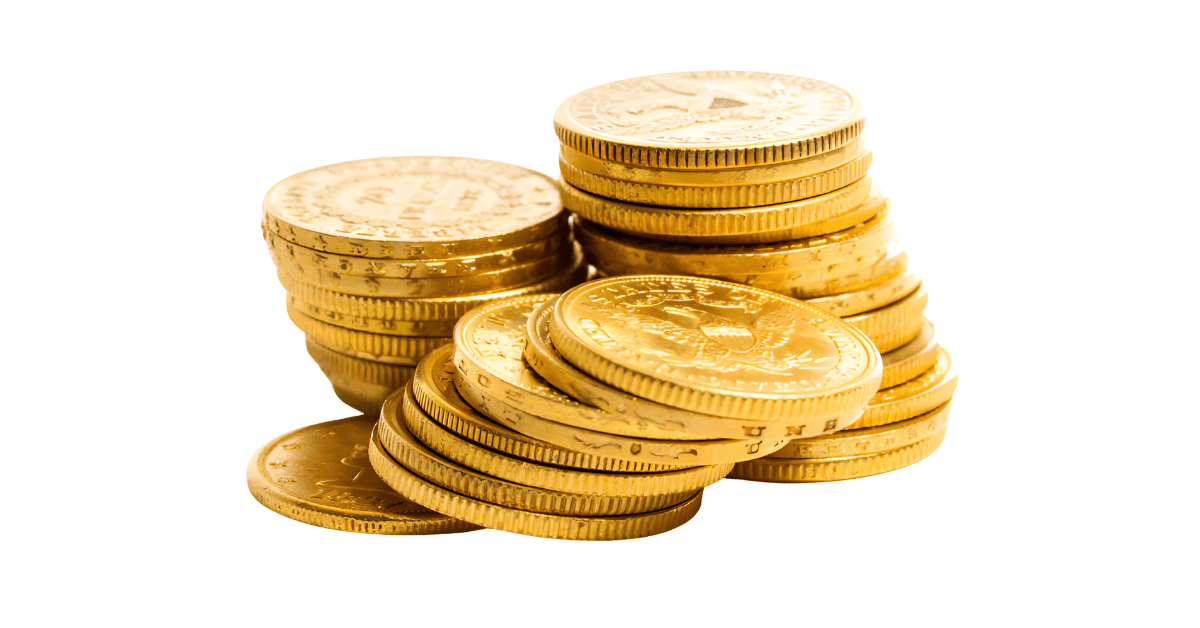
When you decide to buy or sell gold coins, choosing a reputable dealer is critical to ensure you receive authentic products and a fair price. Reputable dealers provide transparent pricing, adhere to industry standards, and have a proven track record of positive customer experiences, helping protect you from counterfeit items and excessive markups.
1. APMEX (American Precious Metals Exchange)
Established in 2000, APMEX is one of the largest and most recognized online precious metals retailers in the world. Headquartered in Oklahoma City, the company boasts an extensive inventory of over 20,000 products, catering to both investors and collectors. Their selection includes a vast range of gold, silver, platinum, and palladium products, from IRA-eligible bullion and rare numismatic collectibles to exclusive MintDirect® coins. With millions of orders fulfilled, APMEX has built a strong reputation for reliability and customer service.
APMEX offers several features that appeal to a broad customer base, including a loyalty program, the APMEX Club, an “AutoInvest” tool for regular purchases, and secure storage options through its subsidiary, Citadel. While their premiums can sometimes be higher than competitors’, especially on exclusive items, they are known for exceptional packaging, fast shipping, and a strong buyback program. APMEX offers free shipping on domestic orders of $199 or more and provides a wealth of educational resources, including price charts and market news, to help buyers make informed decisions.
2. JM Bullion
JM Bullion has rapidly grown into a leading online dealer known for its competitive pricing and user-friendly platform. The company is a popular choice for cost-conscious investors seeking low premiums on gold and silver bullion. The website is designed to be intuitive and straightforward, simplifying the buying process for both new and experienced investors. JM Bullion provides detailed product information, including item history, weight, and condition, along with transparent pricing tiers that vary by payment method.
JM Bullion offers a wide selection of gold coins, bars, and rounds from major sovereign mints. They offer free shipping on orders over $199, and customers can receive discounts for paying by eCheck, paper check, or bank wire. While the company has a strong buyback program, it maintains a minimum “Sell-To-Us” amount of $1,000. During periods of high demand, customer support response times can sometimes be delayed, but the company remains a top choice for those prioritizing low costs and fast delivery.
3. Bullion Exchanges
Operating out of New York City’s Diamond District since 2012, Bullion Exchanges has established itself as a premier dealer for its competitive pricing and diverse product selection. Unlike many of its online-only competitors, Bullion Exchanges also has a physical retail storefront, allowing customers the option for in-person transactions and consultations. The company offers a vast inventory of gold, silver, platinum, and palladium, as well as exclusive releases and certified numismatic coins.
Bullion Exchanges is particularly noted for offering some of the lowest premiums online and a price match guarantee. Other standout features include its Bullionaire Club Rewards Program, which allows customers to earn points for discounts on future purchases, and market alert notifications. Orders over $199 qualify for free shipping, making bulk purchases more cost-effective. While some users have noted the website can be challenging to navigate due to its extensive inventory, Bullion Exchanges is a top choice for investors and collectors looking for the lowest prices and a loyalty program.
4. SD Bullion
SD Bullion, founded in 2012, has built its brand on the motto “the lowest prices, period.” The company focuses on a no-frills, cost-effective approach to investing in precious metals, which has attracted over 300,000 customers. They are a popular option for investors seeking low premiums on standard bullion products like gold and silver bars and coins. Their website is simple and straightforward, prioritizing an easy shopping experience.
While SD Bullion offers some of the most competitive pricing in the industry, its product selection is more focused on investment-grade bullion rather than rare numismatic collectibles. The company also has minimal educational content compared to larger dealers like APMEX. However, its strong customer satisfaction ratings and transparent pricing structure make it an excellent choice for bulk buyers and investors who prioritize getting the most metal for their money.
5. Money Metals Exchange
Founded in 2010 and based in Eagle, Idaho, Money Metals Exchange is a full-service bullion dealer that is particularly friendly to beginners. The company stands out for its strong focus on customer education, providing a wealth of articles, market analysis, and news updates. They offer a diverse selection of gold, silver, platinum, and palladium products, with a notable emphasis on fractional gold for those looking to start with a smaller budget.
One of Money Metals Exchange’s unique features is its monthly savings plan, which allows investors to automatically accumulate precious metals over time. They also have a straightforward buyback program for customers looking to liquidate their holdings. While the company has a smaller catalog of rare and collectible coins compared to larger competitors, its commitment to education and accessible investment options makes it an excellent choice for new and experienced investors alike. Learning how to sell gold coins can be a crucial part of the investment journey.
6. Orion Metal Exchange
Orion Metal Exchange is recognized for its strong customer service and a low-pressure, personalized buying experience. The company offers competitive pricing and a lowest-price guarantee, promising to beat competitors’ advertised prices. Orion provides a range of gold, silver, platinum, and palladium products, with a particular focus on supporting precious metals IRAs through a dedicated in-house department.
Unlike some dealers that require customers to call for pricing, Orion lists prices for all its metal coin products on its website and allows for online purchases. However, pricing and availability for precious metal bars require a phone call. The company has a high minimum purchase requirement of $10,000, which may be a barrier for smaller investors. Despite offering fewer educational resources than some competitors, its fee-free buyback program and excellent customer support make it a trusted choice for serious investors.
What Are the Different Types of Gold Coins?
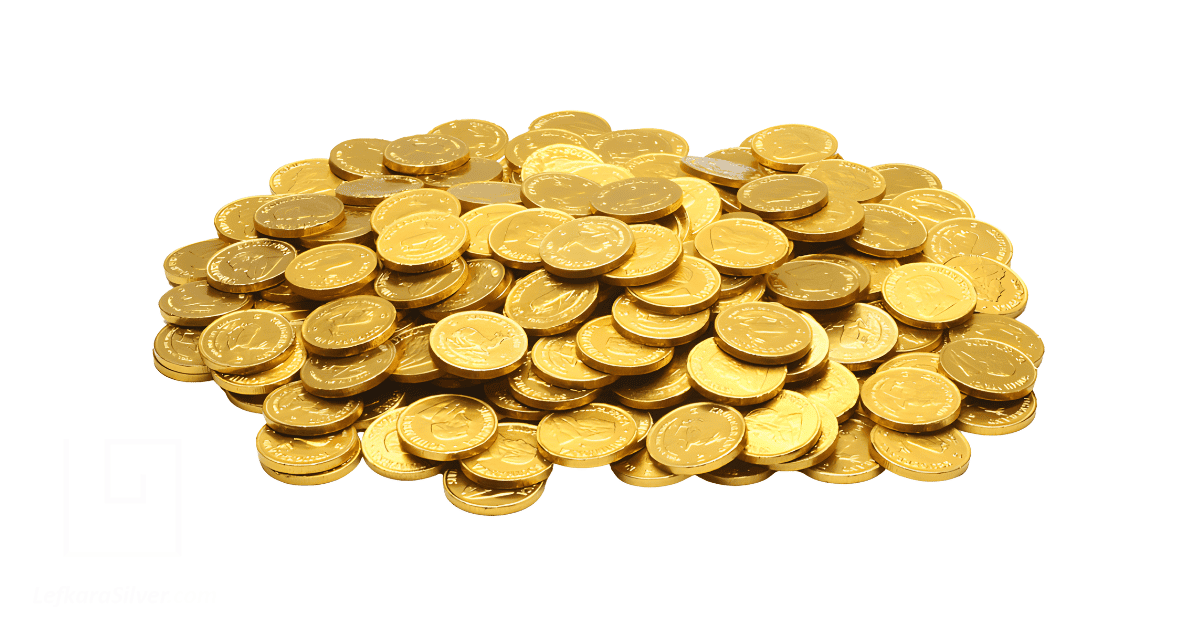
Gold coins are one of the most popular ways to invest in physical gold. Minted by sovereign governments around the world, these coins are produced in various weights, purities, and designs. They are generally categorized into two main types: bullion coins, valued primarily for their gold content and trading at a small premium over the spot price, and numismatic coins, which carry additional value based on rarity, condition, and collector demand.
The purity of a gold coin is a critical factor, typically measured in karats or fineness. A 24-karat coin is considered pure gold (.9999 fineness), while a 22-karat coin contains 91.67% gold mixed with other alloys like copper and silver to enhance durability. Investment-grade coins must have a purity of at least 22 karats. Most modern bullion coins are available in various fractional sizes, such as 1/10 oz, 1/4 oz, and 1/2 oz, in addition to the standard 1 oz coin, making them accessible to a wide range of investors.
Among the most globally recognized and liquid gold coins are the American Gold Eagle, Canadian Gold Maple Leaf, South African Krugerrand, and Austrian Philharmonic. Each coin is backed by its respective government for weight and purity, making them easy to buy, sell, and trade anywhere in the world. Their universal recognition ensures a high level of trust and liquidity, which are key advantages for investors.
Here are some of the world’s most popular gold bullion coins:
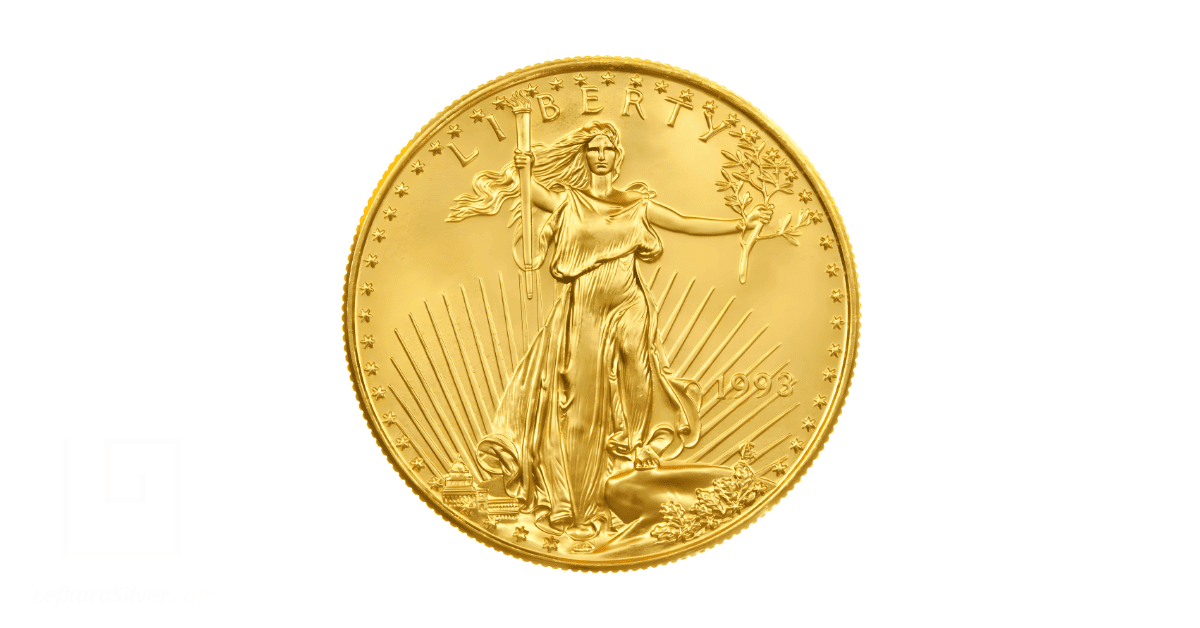
- American Gold Eagle: First issued in 1986, the American Gold Eagle is the official gold bullion coin of the United States. It is minted in 22-karat gold, making it highly durable. Its iconic design features Lady Liberty on the obverse and a family of eagles or an eagle’s head on the reverse, depending on the year.
- Canadian Gold Maple Leaf: Known for its exceptional purity, the Canadian Gold Maple Leaf was one of the first bullion coins to be minted in .9999 fine (24-karat) gold. Introduced in 1979, it features the iconic maple leaf and advanced security features like radial lines and a micro-engraved laser mark.
- South African Krugerrand: As the world’s first modern gold bullion coin, the Krugerrand was introduced in 1967 to help market South Africa’s gold. It is made of 22-karat gold and contains exactly one troy ounce of pure gold, with a copper alloy that gives it a distinct orange hue and makes it very durable.
- Austrian Philharmonic: The Gold Philharmonic is the only European bullion coin with a face value in euros. Struck in .9999 fine gold since 1989, it celebrates Austria’s rich musical heritage with a design featuring orchestral instruments from the Vienna Philharmonic.
- Chinese Gold Panda: Introduced in 1982, the Chinese Gold Panda is a .999 fine gold coin known for its annually changing design of the giant panda, which makes it popular among both investors and collectors.
- British Britannia: The British Gold Britannia has been minted since 1987 and is now produced in 24-karat gold. It features the iconic image of Britannia and incorporates advanced security features to prevent counterfeiting.
The Best Type of Gold Coins to Buy
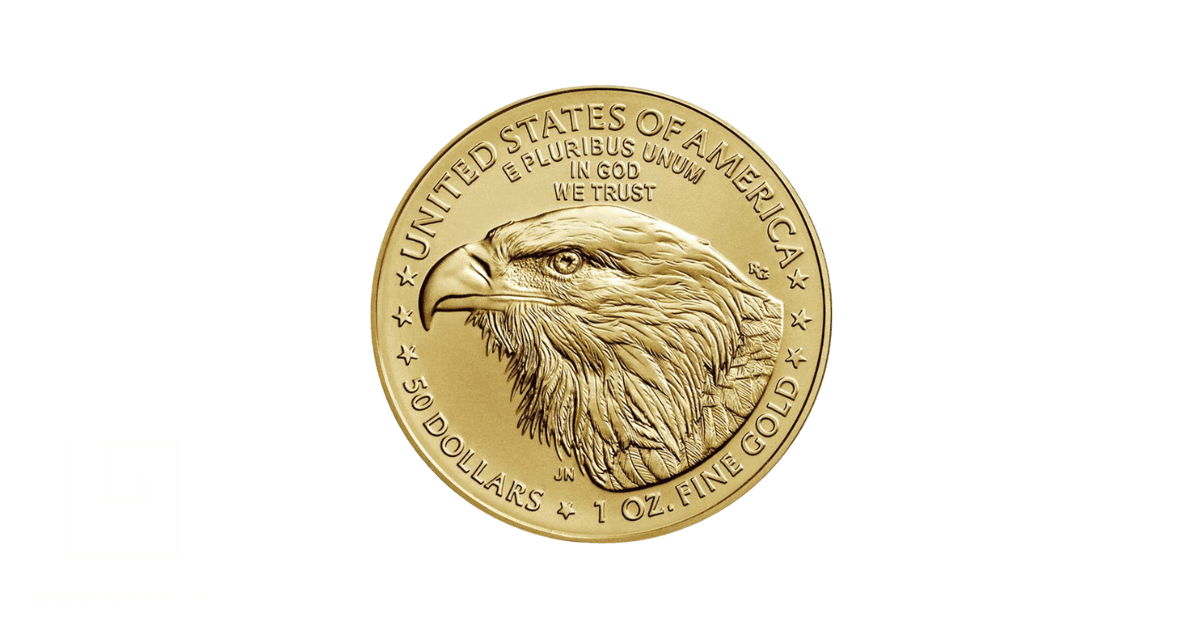
Almost any gold coin you choose is a solid investment because its fundamental worth is tied to its gold content. That said, some coins offer better liquidity, recognition, and value retention, making them standouts for anyone looking to buy in 2026.
The American Gold Eagle is arguably the most popular and trusted gold bullion coin in the world. Backed by the U.S. government, its weight and purity are guaranteed, which gives it immediate recognition and makes it incredibly easy to sell later. Minted from 22-karat gold, it is more durable and resistant to scratches than pure coins. This durability is a practical advantage for handling and storage. The Gold Eagle is available in 1 oz, 1/2 oz, 1/4 oz, and 1/10 oz sizes, providing accessible entry points for various budgets. Its widespread acceptance among dealers means you’ll always find a ready market for it.
For investors who prioritize purity, the Canadian Gold Maple Leaf is a top choice. The Royal Canadian Mint produces this coin with .9999 fine gold, making it one of the purest government-issued coins available. First issued in 1979, the Maple Leaf has a long history and is recognized globally. To combat counterfeiting, the mint has incorporated advanced security features, including precise radial lines and a micro-engraved maple leaf that is visible under magnification. This extra security adds a layer of confidence for buyers.
The South African Krugerrand holds the distinction of being the first modern gold bullion coin, minted initially in 1967 to help market South Africa’s gold. Its composition is 22-karat gold, alloyed with copper, which gives it a unique reddish hue and makes it very durable. As the coin that pioneered the private ownership of gold, the Krugerrand is one of the most recognized and liquid gold coins on the planet. Another excellent option is the Austrian Philharmonic, the only bullion coin issued in euros and also .9999 fine gold.
Tips to Follow When Buying Gold Coins
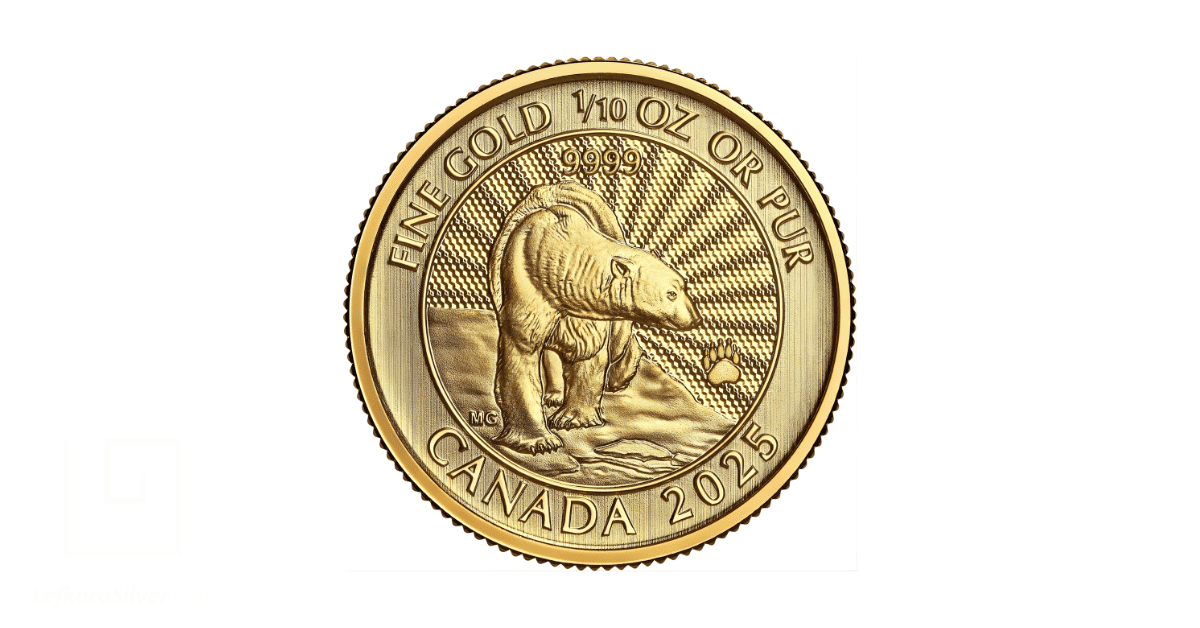
Purchasing gold coins requires careful consideration to ensure you are making a sound investment and getting a fair price.
- Work With Reputable Dealers: Always buy from trusted and established dealers. Look for affiliations with professional organizations like the Professional Numismatists Guild (PNG) or the Accredited Precious Metals Dealers (APMD). A reputable dealer guarantees the authenticity of their products and provides transparent pricing.
- Understand Premiums: The price of a gold coin is always higher than its melt value, which is based on the current spot price of gold. This additional cost is called a premium and covers minting, distribution, and dealer profit. Premiums for common 1 oz bullion coins typically range from 2% to 6% over the spot price. Compare premiums from different sellers to find the best deal.
- Know the Difference Between Bullion and Numismatic Coins: Bullion coins are valued based on their gold content and are ideal for investors focused on precious metals. Numismatic coins are collectors’ items whose value depends on rarity, condition, and historical importance. Their prices can be much higher and are less tied to the gold market. For a first-time buyer, sticking to common bullion coins is the safer, more straightforward approach. You can learn more about how to sell gold coins to understand their resale characteristics.
- Verify Purity and Weight: Be aware of the coin’s specifications. For example, a 1 oz American Gold Eagle is 22-karat and weighs slightly more than a troy ounce to account for the alloy, while a 1 oz Canadian Gold Maple Leaf is 24-karat and weighs exactly one troy ounce. Knowing these details ensures you are getting what you pay for.
- Plan for Secure Storage: Physical gold requires a secure storage plan. Options include a high-quality home safe, a bank safe deposit box, or a third-party depository service. Storing your gold in an insured, professional vault outside the traditional banking system offers enhanced security and peace of mind.
- Never Clean Your Coins: It can be tempting to polish a coin, but doing so can severely damage its value. Cleaning creates microscopic scratches and removes the coin’s original surface, or patina. A cleaned coin can lose up to 50% of its collector value. Professional grading services can easily spot a cleaned coin, which results in a lower grade and decreased value.
The Easiest Ways to Sell Your Gold Coins
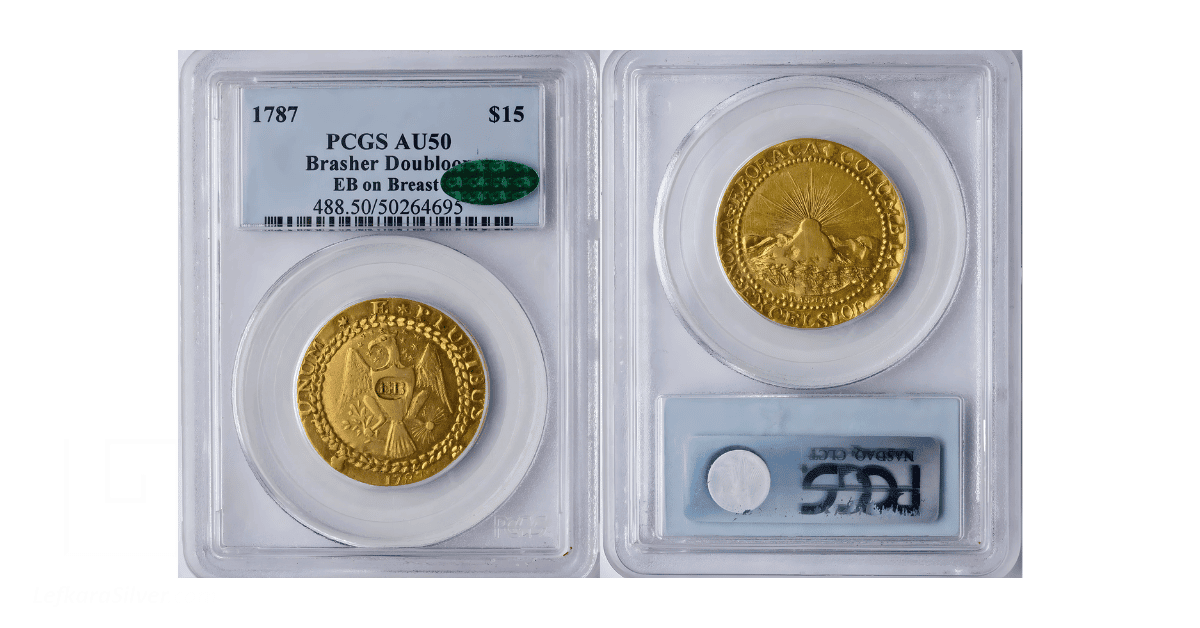
Selling gold coins effectively comes down to choosing a method that combines convenience with fair market pricing. The most direct route is to sell to an online gold buyer or a local coin dealer. Online dealers have become a preferred option due to their lower overhead costs, which often translates to higher payout offers for your coins. Reputable online buyers typically offer between 90% and 95% of the spot price for gold.
The process is streamlined for ease: you start by getting a free appraisal online, then receive a prepaid, insured shipping label to send your coins. Once the buyer receives and verifies your items, payment is issued quickly, often within 24 hours. This method eliminates the need to travel and allows you to compare offers from multiple national dealers from home, ensuring you find a competitive price.
Alternatively, selling in person to a local coin shop offers the benefit of an immediate transaction. You can walk in with your coins and leave with cash, which is a significant advantage if you need funds quickly. However, local shops have higher operating costs and often offer prices that are 60% to 80% of the spot price.
It is critical to sell only to specialized coin dealers rather than pawn shops or jewelers, as the latter often only value the melt weight of the gold and overlook any numismatic premium. Regardless of the method you choose, preparation is key. Always know the current spot price of gold, gather your coins, and get at least one appraisal to establish a baseline value before you commit to a sale.
What is the Average Price of Gold Coins?
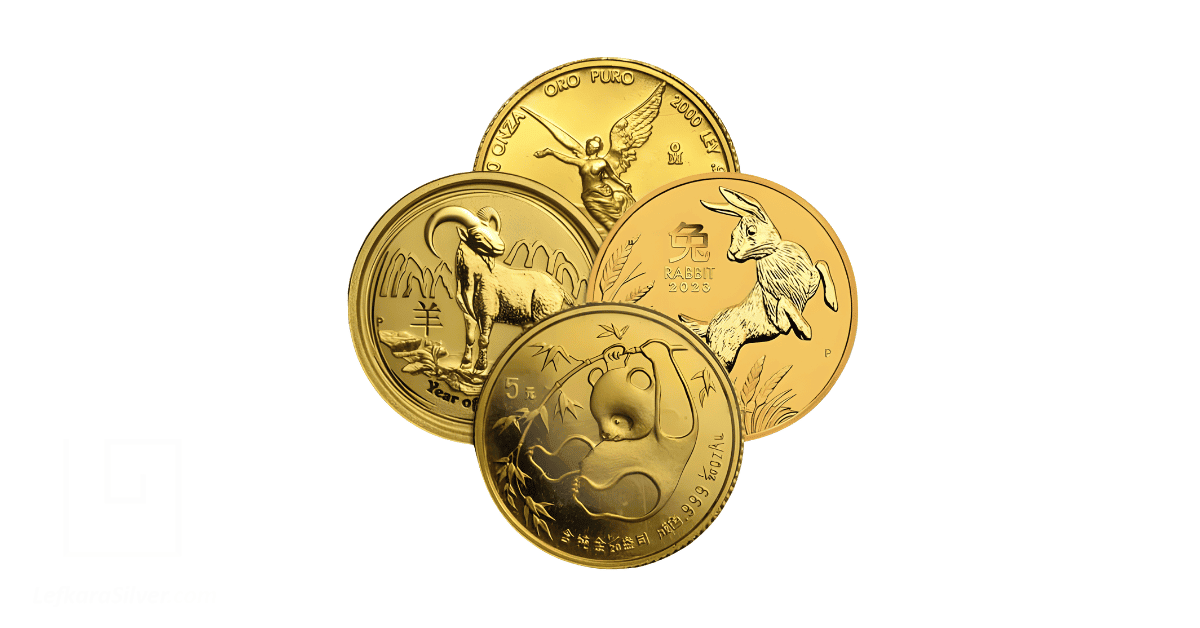
The price of a gold coin is not a single, fixed number; it is determined by a combination of factors that create a final value for buyers and sellers. Understanding these elements is key to determining a coin’s value.
- Spot Price: This is the live market price for one troy ounce of pure gold and serves as the baseline for any gold coin’s value. It fluctuates throughout the day based on global trading.
- Gold Content and Purity: The amount of pure gold in a coin, measured by its weight (e.g., 1 oz, 1/4 oz) and purity (measured in karats), dictates its intrinsic or “melt” value. For example, a 24-karat coin (0.9999 fine) like the American Buffalo is pure gold, while a 22-karat coin (0.9167 fine) like the American Eagle contains other metals to increase durability.
- Premium: This is the amount charged above the spot price to cover the costs of minting, distribution, and the dealer’s profit margin. Premiums are typically higher on smaller fractional coins (like 1/10 oz) than on full 1 oz coins.
- Numismatic Value: This is the collector value, which is separate from the gold content. It is influenced by a coin’s rarity, historical significance, mint date, and physical condition (grade). A rare, high-grade coin can be worth many times its melt value.
- Supply and Demand: The popularity and availability of certain coins also affect their price. Widely recognized coins like the Canadian Maple Leaf or South African Krugerrand are highly liquid and have strong demand, which can influence their premium.
For a common 1 oz modern bullion coin, you can expect to pay the current spot price plus a premium of 2% to 5%. With the price of gold trading around $4,000 per ounce in late 2025, a typical 1-oz American Gold Eagle or Canadian Maple Leaf would cost approximately $4,080 to $4,200. Numismatic coins are different, with prices ranging from slightly above their gold value to hundreds of thousands of dollars for the rarest specimens.
Looking ahead, market forecasts suggest a continued bullish trend for gold. Factors such as persistent central bank buying, geopolitical instability, and inflation concerns are expected to support prices. Many analysts project gold could reach the $4,200 to $4,500 per ounce range by 2026. This would, in turn, increase the baseline price of all gold bullion coins.
What is the Purity of Gold Coins?
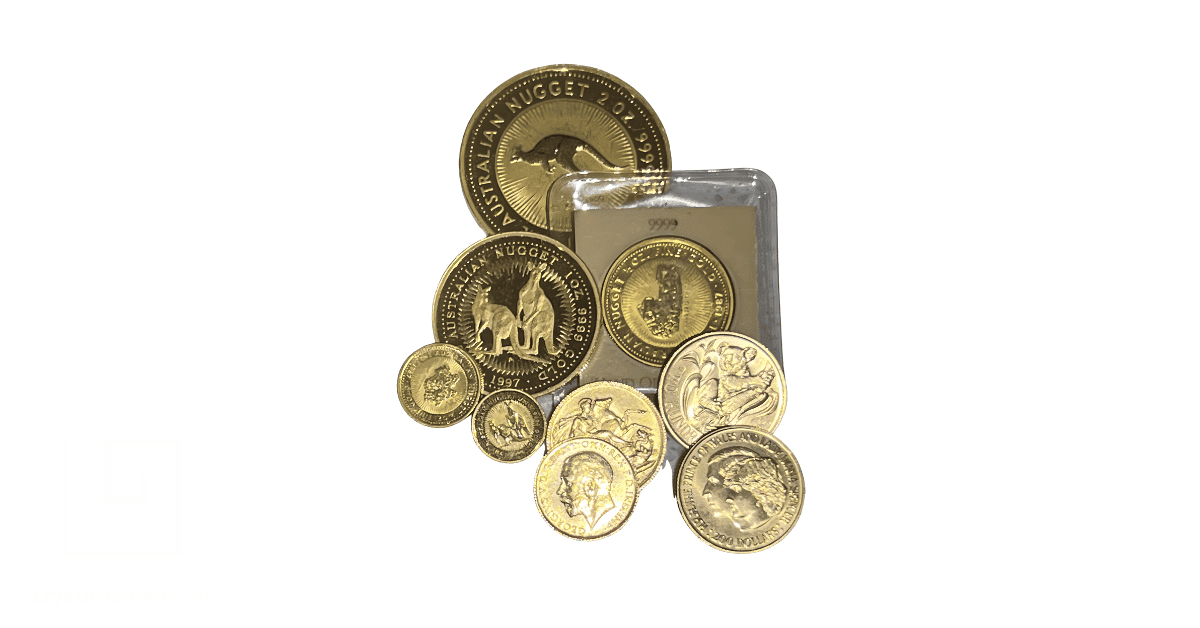
The purity of a gold coin refers to its proportion of pure gold relative to other metals, known as alloys. This measurement is expressed in two standard systems: karats and fineness. The karat system is based on 24 parts, where 24-karat (24k) gold is considered pure, containing 24 parts gold out of 24. In practice, this equates to 99.9% purity or higher.
Coins with lower karat ratings, like 22k or 18k, are made from an alloy of gold mixed with metals like copper or silver. Fineness provides a more precise scale, measuring gold content in parts per thousand. For example, a gold coin with a fineness of .9999 is 99.99% pure gold, which is the standard for many modern bullion coins, such as the Canadian Gold Maple Leaf and the American Buffalo.
Alloys are intentionally mixed with gold to improve a coin’s durability. Pure 24k gold is a very soft and malleable metal, making it susceptible to scratches, dents, and other forms of damage from handling. By adding a small percentage of stronger metals like copper and silver, mints create a hardier coin that can better preserve its intricate design details. The American Gold Eagle, for instance, is a 22k coin with a fineness of .9167, meaning it is 91.67% gold, with the remainder being a mix of silver and copper. It is important to understand that a 1 oz American Gold Eagle still contains one full troy ounce of pure gold; its total weight is just over one ounce to account for the alloys.
Most government-minted bullion coins intended for investment have a high purity level, typically 22k or 24k. The South African Krugerrand, first issued in 1967, set the standard for modern bullion coins with its 22k composition. The British Britannia and Austrian Philharmonic are other popular coins known for their high purity levels. While purity is a key factor, the choice between 22k and 24k often comes down to personal preference—whether an investor prioritizes the toughness of a 22k coin or the pure gold content of a 24k coin.
The Pros and Cons of Investing in Gold Coins
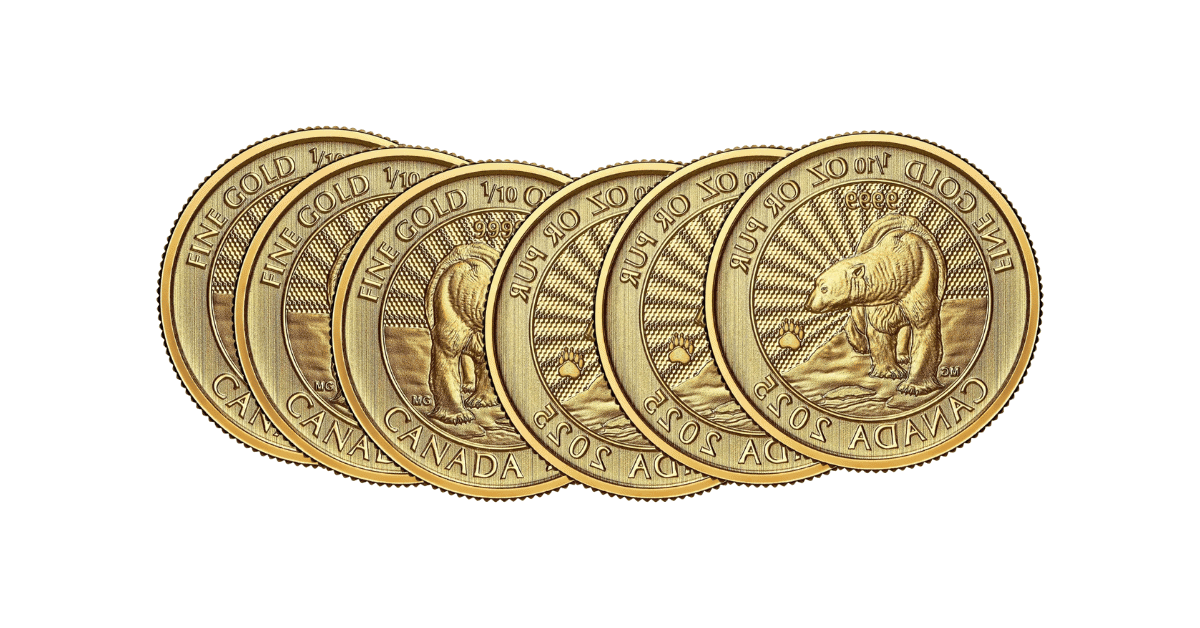
Investing in gold coins is a popular strategy for those looking to own a tangible asset that can preserve wealth and diversify a portfolio.
| Pros | Cons |
|---|---|
| Gold’s value often rises as the purchasing power of currencies declines, protecting your wealth. | Unlike stocks or bonds, gold coins do not pay dividends or interest. Profit is entirely dependent on price appreciation. |
| During times of economic or geopolitical uncertainty, investors often turn to gold, which can drive its price higher. | Physical gold requires secure storage, such as a home safe or a professional vault, which adds extra costs. |
| Gold often has a low correlation to stocks and bonds, helping to reduce overall portfolio risk and volatility. | Coins are sold at a premium above the gold’s market price to cover minting, distribution, and dealer costs. |
| As a physical asset, you have direct control and possession of your investment, free from counterparty risk. | While a long-term store of value, gold prices can experience significant short-term fluctuations. |
| Popular, government-issued bullion coins are recognized globally and can be easily bought and sold. | Owning a physical asset carries the inherent risk of theft if it is not properly secured. |
Other than gold coins, you can choose to invest in gold bars instead.
How to Clean Gold Coins?
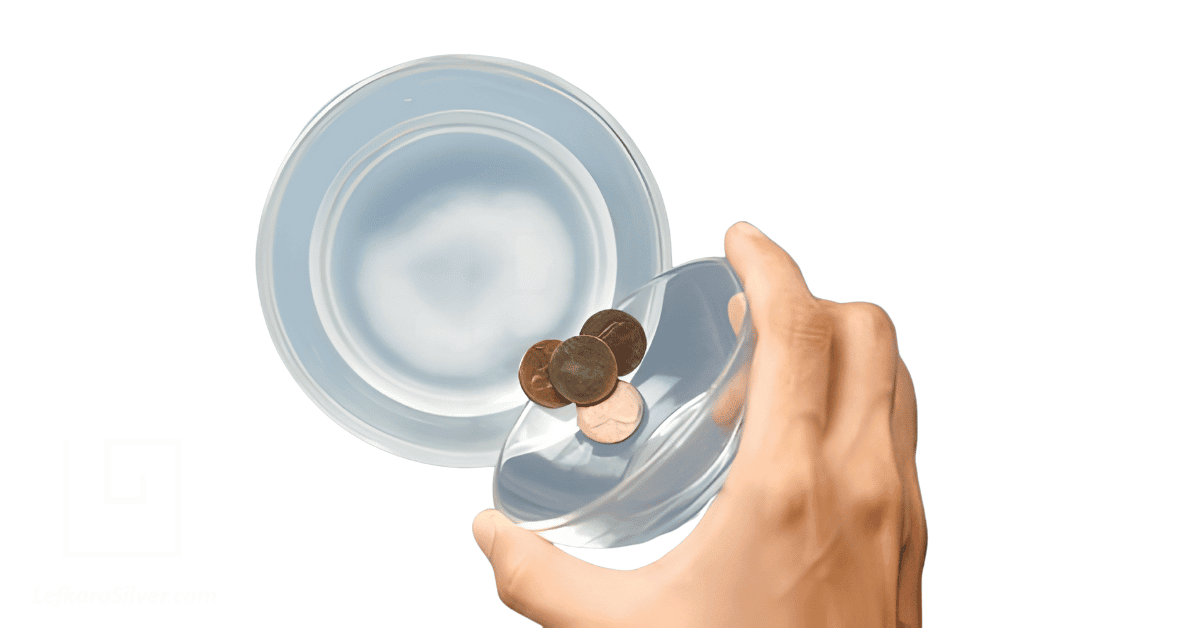
Properly cleaning gold coins is crucial for their long-term preservation, but it must be approached with extreme caution. Improper cleaning can reduce a collectible coin’s value by 50-90%, as it can strip away the natural patina valued by collectors and create microscopic scratches on the gold’s soft surface. For rare or old coins, professional conservation is always the best route. However, if a bullion coin has been exposed to dirt or contaminants, a few gentle methods can be used.
Here are a few techniques for carefully cleaning gold coins:
- Distilled Water Soak: This is the safest first step. Place the coin in a small plastic container filled with room-temperature distilled water. Let it soak for a few minutes up to a few hours to loosen any surface dirt. Never use tap water, as its minerals and chemicals can damage the coin’s surface. After soaking, rinse it with fresh distilled water and pat it dry with a soft, lint-free cloth—do not rub it.
- Mild Soap Solution: If dirt remains, add a single drop of mild, unscented dish soap to a cup of distilled water. Let the coin soak in this solution for about 10-15 minutes. Afterward, rinse it thoroughly with distilled water to remove all soap residue and pat dry gently.
- Olive Oil Method: For removing stubborn grime, you can apply a small amount of olive oil with a soft cloth. Rub the coin’s surface very gently, then wipe it clean with a separate dry, soft cloth to remove the oil and lift the dirt.
- Baking Soda Paste: On heavily soiled older coins, a paste of baking soda and water can be gently applied with a soft cloth. This method is slightly more abrasive and should be used with great care, followed by a thorough rinse with distilled water.
- Professional Cleaning: For any coin with potential numismatic or historical value, using a professional conservation service from organizations like the Numismatic Guaranty Company (NGC) or the Professional Coin Grading Service (PCGS) is the recommended path. They have the expertise to clean coins without damaging their value.
The Future of Gold Coins: Key Takeaways
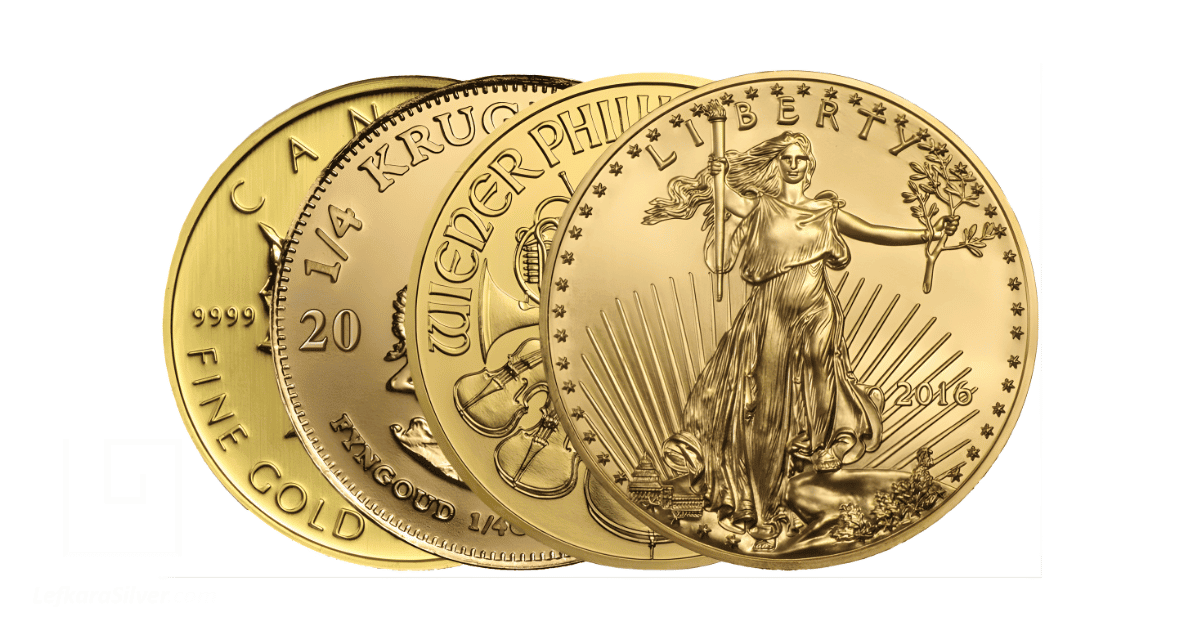
We’ve looked into the world of gold coins, covered the key market statistics for October 2026, identified six reputable dealers for 2026, including Bullion Exchanges and APMEX, and explained the different types of gold coins available. We pointed out the best coins to buy, such as the American Eagle and Canadian Maple Leaf, and offered tips on purchasing and the easiest ways to sell your holdings.
We also looked at how the average price of gold coins is set, the importance of gold purity, the pros and cons of investing in gold coins, and how to properly care for them.
Here are some of the most interesting facts to remember:
- As of late 2026, the price of gold has consistently traded at or near $4,000 per troy ounce.
- The South African Krugerrand, first minted in 1967, holds the distinction of being the world’s first modern gold bullion coin created for private investors.
- The American Gold Buffalo, introduced in 2006, was the first 24-karat (.9999 fine) gold coin that the U.S. Mint produced for the public.
- Gold is exceptionally rare. The world produces more steel in a single hour than all the gold that has been poured in recorded history.
- Cleaning a collectible gold coin can slash its value by as much as 90%, as collectors highly prize a coin’s original surface and natural toning.
- Central banks have been consistent net buyers of gold for 15 consecutive years, a trend that provides strong, ongoing support for gold’s value.
Last updated: October 2026.
Gold Coins FAQs
Here are answers to some frequently asked questions about gold coins in 2026:
Are Gold Coins Worth Any Money?
Yes, gold coins derive their value from two main factors: their gold content (bullion value) and their rarity (numismatic value). A standard one-ounce gold coin’s base value tracks the gold spot price, which is trading around $4,000 in late 2025. A collectible coin, however, can be worth many times its weight in gold.
How Much is a US$20 Gold Coin Worth?
A historic U.S. $20 Double Eagle coin contains nearly one full troy ounce of gold, making its base value around $4,000. However, its numismatic value, based on rarity and condition, can push its worth much higher. These coins are highly sought after by collectors for their historical significance and classic designs like the Saint-Gaudens.
Are Gold Coins Taxed?
Yes, profits from selling gold coins are typically subject to capital gains tax. However, tax laws vary by country; for example, UK-issued gold coins like the Sovereign and Britannia are exempt from Capital Gains Tax for UK residents. In France, sellers can choose between a flat-rate tax of 11.5% or a tax on the capital gain.
How Much is a $100 Gold Coin Worth Today?
A coin’s face value is largely symbolic, as its true value comes from its precious metal content. For instance, the Austrian Gold Philharmonic has a face value of €100, but since it contains one ounce of pure gold, its market value is approximately $4,000. Its worth fluctuates with the daily spot price of gold.
How Much is a 1 Oz Gold Coin Selling for Today?
A one-ounce gold coin sells for the current spot price of gold, around $4,000, plus a small premium. Dealers typically add a premium of 2% to 5% to cover minting, distribution, and business costs. This means you can expect to pay slightly more than the base metal value.
How Much Gold is in a $10 Gold Eagle Coin?
The American Gold Eagle coin with a $10 face value contains exactly one-quarter (1/4) troy ounce of pure gold. While the coin itself is heavier because it includes a copper and silver alloy to increase durability, its value is determined by its quarter-ounce gold content. This makes it a popular choice for investors wanting to buy smaller amounts.
Why is it Illegal to Own a $20 Gold Piece From 1933?
Owning a 1933 Double Eagle is illegal because they were never officially issued after President Roosevelt recalled gold in Executive Order 6102. The coins were ordered to be melted down, so any surviving pieces are considered stolen government property. One specimen that was later legalized sold for a record $18.9 million at auction.
How Does The IRS Know if I Sell Gold?
Precious metals dealers are legally required to file a Form 1099-B with the IRS for certain transactions. This includes the sale of specific quantities of bullion, such as 25 or more one-ounce Maple Leaf coins at once. Additionally, cash transactions exceeding $10,000 must be reported, making it crucial for sellers to report their own capital gains.
Is Costco Gold Coin Real?
Yes, the gold coins and bars sold by Costco are authentic. They source their products directly from reputable sovereign mints, such as the U.S. Mint and Canada’s Royal Canadian Mint. These items, often 24-karat gold, are popular with members and are a legitimate way to purchase real, investment-grade bullion through a trusted retailer.
Does Gold Lose Value Over Time?
Gold has historically maintained its purchasing power and does not lose intrinsic value over the long run. It serves as a classic hedge against inflation and currency devaluation. For instance, an ounce of gold has consistently been able to buy a fine men’s suit for over a century, demonstrating its role as a stable store of value.
Which Brand of Gold Coin is Best?
The “best” coin brand depends on your goals, but coins from major sovereign mints are top choices. The U.S. Mint’s American Gold Eagle is valued for its global liquidity and recognition. For those prioritizing purity, the Royal Canadian Mint’s Gold Maple Leaf is a leader, containing .9999 fine gold, making it a favorite among investors.
What is the Safest Gold Coin to Buy?
The safest gold coins for investment are highly recognizable, government-backed bullion coins like the American Gold Eagle or South African Krugerrand. Their authenticity and gold content are guaranteed by a sovereign government, making them easy to buy and sell globally. Their value is tied closely to the spot price, avoiding the volatility of rare collectibles.