Silver Coins – Everything You Need to Know
Silver coins have been a trusted form of currency and a measure of wealth for thousands of years. Today, they are a way for people to invest in a physical asset and for collectors to own a piece of history. Whether you’re just starting or looking to expand your collection, understanding the world of silver coins is key.
This guide breaks down the essential details, from silver coins’ key statistics as of October 2026, to the 10 best places to buy them on a budget. We will also cover what silver coins are used for, how to identify them, and the different grades of silver you might find. You’ll get familiar with the most popular silver coins to buy, find out if they are a good investment, and get tips for both selling and collecting them, including how to preserve their condition for years to come.
Silver Coins Key Statistics of October 2026
As of October 2026, silver’s performance shows a 50% year-to-date increase, with the gold-to-silver ratio indicating significant market shifts.
- The spot price of silver is trading above $49 per ounce, reaching a three-week high in early November.
- The gold-to-silver ratio is approximately 82:1, meaning it takes about 82 ounces of silver to equal the value of one ounce of gold.
- Year-to-date, silver’s value has increased by 50%, outperforming gold’s 28% advance.
- Silver reached a peak price of $54.86 earlier in 2025, its highest nominal price in over a decade.
- Industrial applications account for over 50% of silver usage, with demand from the solar energy sector expected to exceed 230 million ounces annually by 2026.
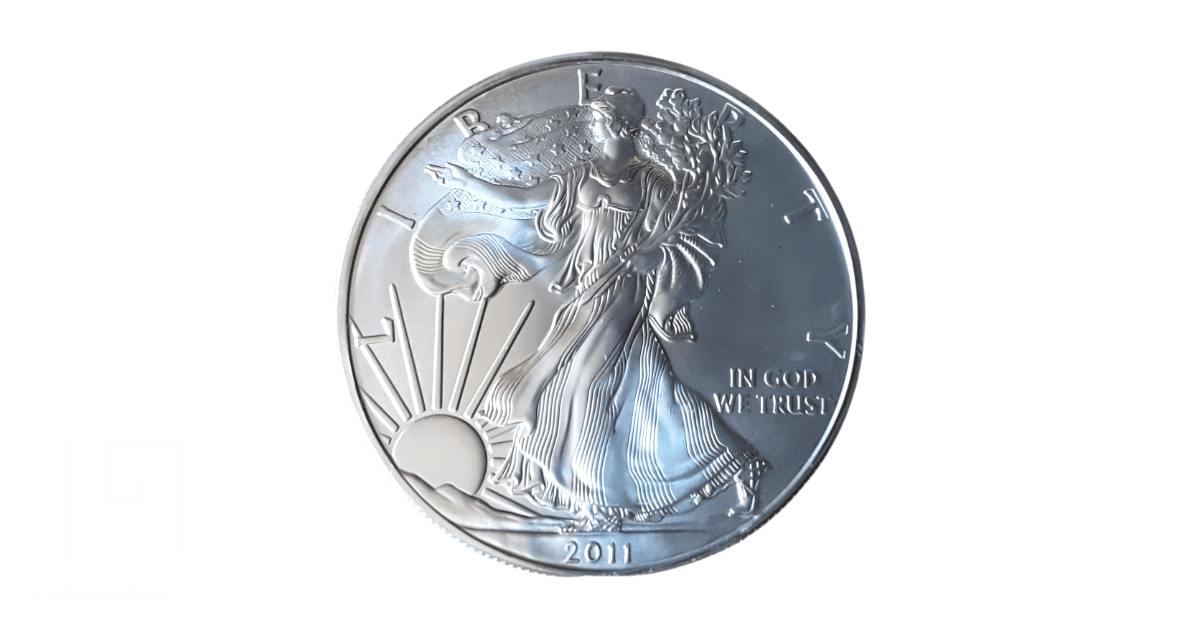
- The U.S. Mint’s American Silver Eagle coin contains one troy ounce of 99.9% pure silver and has a face value of $1.
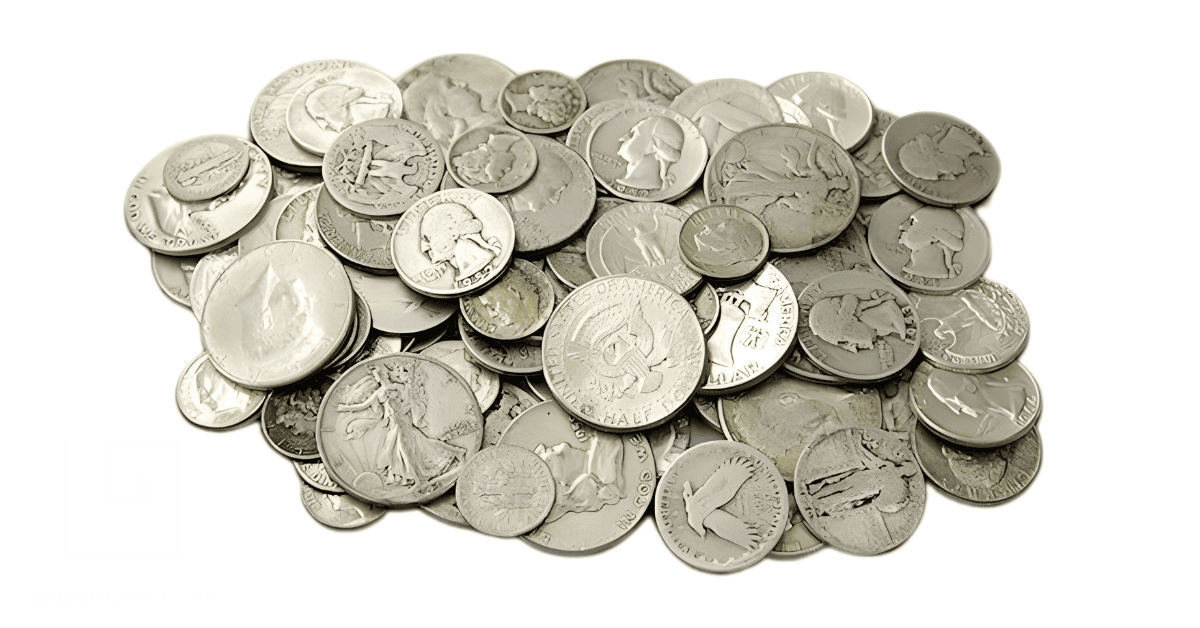
- “Junk silver” refers to pre-1965 U.S. coins, which are made of 90% silver.
- Kennedy half dollars minted between 1965 and 1970 contain 40% silver.
- A troy ounce, the standard for measuring precious metals, weighs 31.07 grams.
- The Canadian Silver Maple Leaf coin is one of the purest available, containing 99.99% fine silver.
10 Places to Buy Silver Coins on a Budget
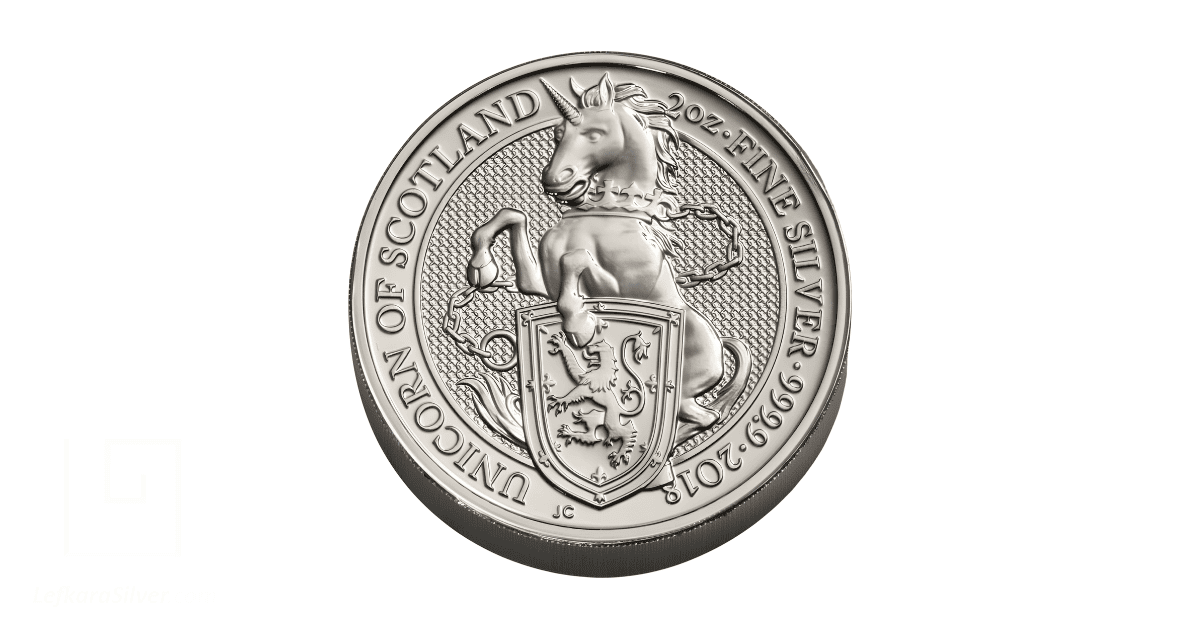
Finding a trustworthy silver coin dealer is the first step to building your collection without overpaying. Many online sellers offer competitive pricing and a wide selection, making it easy to find options that fit your budget.
Below are some of the top places known for good value and reliability.
1. Money Metals Exchange
Money Metals Exchange has built a reputation for offering some of the lowest prices in the market. They are particularly friendly to new or budget-conscious buyers with their monthly savings plan, which allows you to automatically purchase small amounts of gold and silver for as little as $100 per month. This makes accumulating silver a manageable process over time.
A standout option for those looking to get the most metal for their money is their “Bargain Bin Silver.” This product is sold by the troy ounce and consists of circulated silver items like bars, rounds, or coins from various mints. While the condition and design are random, every piece is guaranteed to be .999+ pure silver, making it ideal for investors focused purely on stacking silver content over collectible appeal. They also offer loans against gold and silver holdings.
2. SD Bullion
SD Bullion operates under the tagline “lowest prices,” and they are serious about competing on cost. They offer a wide range of silver coins and bullion products, and they have a buyback program that guarantees the highest payout —a great feature when you decide to sell.
To get the best value, you’ll need to meet their $199 minimum for free shipping and insurance, a common threshold among online dealers. The company primarily ships to domestic U.S. addresses. Beyond coins, they also sell accessories for safekeeping and cleaning your silver, helping you protect your growing collection.
3. JM Bullion
For over a decade, JM Bullion has been a leading online retailer in the U.S., known for a straightforward purchasing process and a vast inventory. They have a zero-commission policy, which is a big plus for keeping costs down. Their website often features a page with the best weekly deals, and they also sell “junk silver,” which are pre-1965 U.S. coins containing 90% silver.
JM Bullion provides a price match guarantee, ensuring you get competitive pricing. They also offer secure storage through their partnership with Transcontinental Depository Services (TDS) Vaults, a TDS-compliant option for investors who prefer not to store their silver at home. Military members can also receive discounts.
4. APMEX (American Precious Metals Exchange)
As one of the world’s largest online precious metals retailers, APMEX has a massive selection of products that caters to everyone from serious investors to casual collectors. With over two decades in the business, they have established partnerships with mints and retailers worldwide, giving them access to a diverse inventory.
While their prices aren’t always the absolute lowest, their loyalty program offers rewards that can be valuable for repeat buyers. They often run sales and promotions on specific silver coins. APMEX also offers secure storage through Citadel, providing an alternative to home storage. Their minimum order for online purchases is $99.
5. Silver Gold Bull
This retailer is a solid choice for budget buyers because of its price-matching policy. If you find a lower price from a competitor, they will match it, taking the guesswork out of finding the best deal. They offer a wide selection of silver coins and bullion products from around the globe.
Silver Gold Bull offers free shipping on orders over $199 and provides discounts if you use certain payment methods. Their buy-and-store program is available but comes at an extra cost, which is something to factor in if you don’t plan on taking physical delivery of your silver.
6. BGASC (Buy Gold and Silver Coins)
BGASC is one of the larger online precious metals retailers in the U.S. and is a good source for a wide variety of silver coins, including rare and numismatic pieces for collectors. They offer a 24/7 online ordering service, which is convenient for buying whenever you have the time.
Their shipping policy requires a higher minimum for free delivery, with orders needing to be over $5,000 to qualify. For smaller, budget-focused purchases, you’ll need to account for shipping costs. They also have a minimum sell-to-us amount of $1,000, which is something to keep in mind for the future.
7. Golden Eagle Coins
With a history stretching back to 1974, Golden Eagle Coins has seen decades of market highs and lows. They have the lowest minimum for free shipping on this list, making them a great option for smaller, incremental purchases without added delivery costs.
They charge no commissions when you order through their website. The main trade-off for the lower shipping threshold is that orders can sometimes take up to 14 business days to ship, so it may not be the best choice if you need your silver in a hurry.
8. GoldSilver, LLC
This online retailer has a global reach and has been operating for over 15 years. They are known not just for selling precious metals but also for providing extensive educational resources to help investors make informed decisions. This is particularly helpful for beginners who are still learning the ropes.
They offer services in both English and Spanish and have a mobile app for tracking the value of your investments. Their minimum purchase for free shipping is on the higher side at $499, so it’s better suited for larger– or consolidated purchases.
9. American Hartford Gold
While often associated with Precious Metals IRAs, American Hartford Gold also sells gold and silver coins and bars directly to customers. They stand out with their strong buyback promise, which provides an easy way to sell your metals back at fair prices.
A major perk is their policy of free shipping and insurance on all orders, with no minimum purchase required. This is a significant advantage for budget buyers making smaller purchases, as shipping costs can eat into your investment. They are based in Los Angeles, California.
10. Birch Gold Group
Birch Gold Group is another dealer that focuses on precious metals for retirement accounts but also facilitates direct purchases. They are notable for their low minimum investment requirement of $10,000, which, while not small, is lower than many other IRA-focused companies.
Their fee structure is transparent, with a flat annual fee of $200 for storage, regardless of account size. For transfers over $50,000, they waive the first year of fees. This makes them a predictable option for those planning larger, long-term holdings. They offer investments in gold, silver, platinum, and palladium.
If you prefer bars, you can check out the best silver mint bars of the year.
What Are Silver Coins Used For?
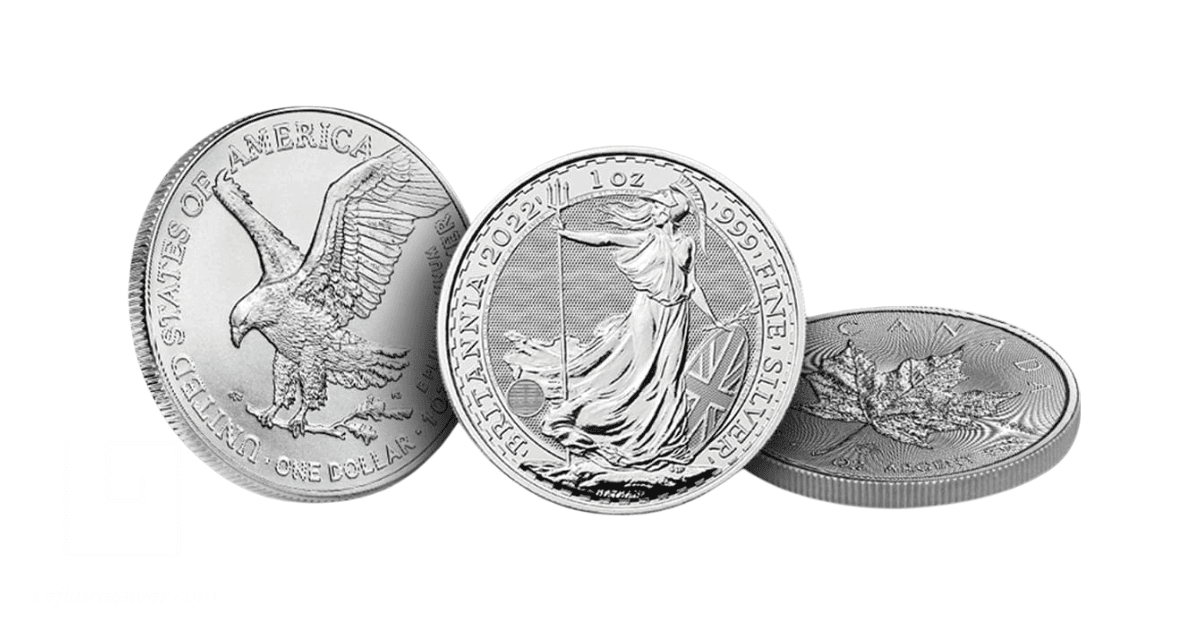
Silver coins have come a long way from being just pocket change. Today, they serve several distinct purposes, blending investment, history, and even practical utility. Their value is often determined by much more than just the metal they contain.
One of the primary uses for silver coins today is as an investment and a tool for wealth preservation. Silver is a tangible asset, meaning you can physically hold it, unlike stocks or digital currencies. This provides a sense of security for many people. Investors often buy silver coins as a hedge against inflation and economic uncertainty.
When the value of paper currency declines, precious metals like silver tend to hold their value or even increase in price. Bullion coins, such as the American Silver Eagle or the Canadian Silver Maple Leaf, are explicitly minted for this purpose. These coins are guaranteed by a sovereign government for their weight and purity, typically .999 fine silver, making them highly liquid and easy to buy or sell worldwide.
Beyond their bullion value, many silver coins are prized for their collectibility, also known as numismatic value. This value is based on factors like rarity, historical significance, condition, and the coin’s design. A rare coin in mint condition can be worth many times its silver weight. For example, Morgan Silver Dollars, minted from 1878 to 1921, are highly sought after by collectors. Certain years and mint marks of these coins are exceptionally rare and command high prices at auction. This adds another layer to owning silver coins, as they can appreciate in value from both rising silver prices and growing collector demand. This is why it is important to know how to Ensure Silver Coins are Real.
Finally, silver coins are also considered a practical asset for bartering in a potential economic collapse. Because silver is more affordable than gold, silver coins come in smaller, more manageable denominations. A one-ounce silver coin is useful for smaller transactions, making it a more practical choice for everyday exchanges if traditional currency fails. This ties into the long history of silver as a medium of exchange, a role it has played for thousands of years across various civilizations. Additionally, silver coins are often given as gifts to mark special occasions like weddings or festivals, particularly in cultures like India and China, where they symbolize wealth, purity, and good fortune.
How to Identify Silver Coins?
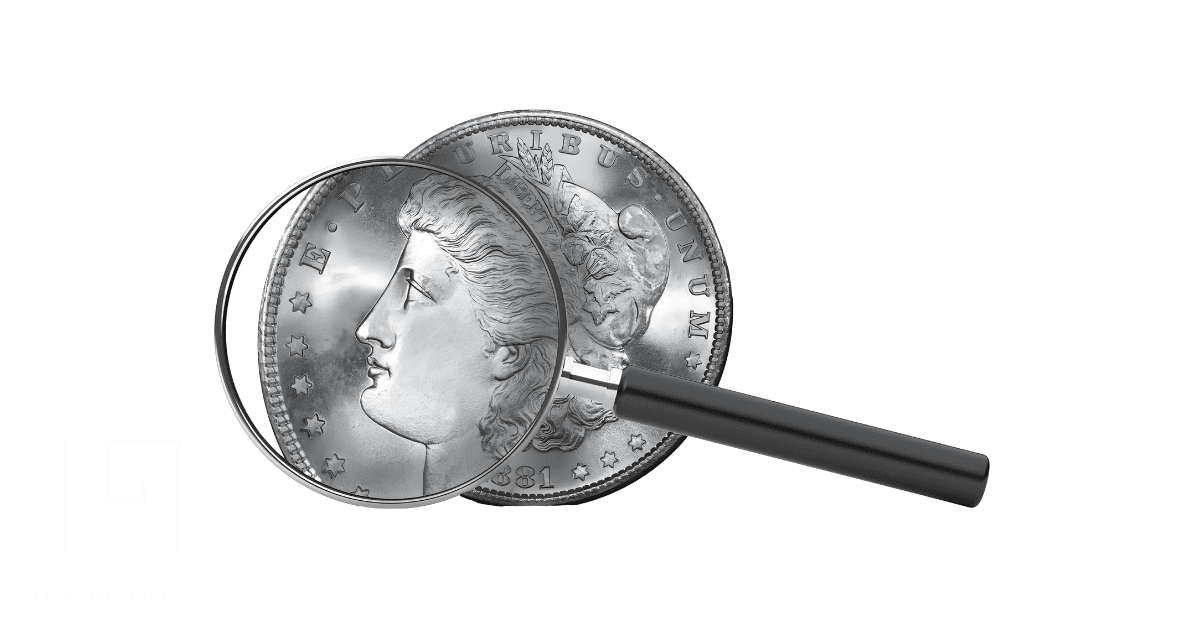
The market for silver coins is booming, but so is the demand for fakes. Counterfeit coins are more sophisticated than ever, so it has become incredibly important for you to know how to spot a fake before you spend your money. A few simple checks can protect your investment and ensure you’re getting the real deal.
Here are some straightforward ways to authenticate a silver coin:
Visual Inspection: Start with a close look. Genuine silver coins, especially modern bullion, are struck with incredible precision. Look for sharp, clear details in the design, lettering, and rim. Counterfeits often appear soft, with mushy details or an uneven finish. Check for official stamps indicating purity, such as “.999” for fine silver or “.925” for sterling. Modern coins like the British Silver Britannia have advanced security features, including a latent image that changes from a padlock to a trident and a background of animated waves.
Weight and Dimensions: Every official coin is produced to exact specifications. A digital scale and a set of calipers are essential tools. For example, a genuine American Silver Eagle weighs exactly 1 troy ounce (31.103 grams) and has a diameter of 40.6 mm. If a coin’s weight or measurements are off, even slightly, it is almost certainly a fake.
The Magnet Test: One of the easiest tests to perform. Silver is not magnetic. If you place a strong magnet like a neodymium magnet on your coin and it sticks, the coin is not genuine silver. Real silver is diamagnetic, meaning it will show a very slight repulsive effect; a strong magnet may slide slowly down its surface when tilted, but it will never stick.
The Ping Test: Real silver has a unique sound. Balance the coin on the tip of your finger and gently tap its edge with another coin. A genuine silver coin will produce a clear, high-pitched ringing sound that lasts for a couple of seconds. A base metal coin will create a dull “thud” with no resonance. For the tech-inclined, apps can analyze the sound frequency; pure silver rings at about 6145 Hz.
The Ice Test: Silver has the highest thermal conductivity of any metal. Place an ice cube directly on the coin. The ice should begin melting almost instantly, as if it were on a hot surface. This happens because the silver rapidly transfers heat from the air and your hand to the ice. Comparing it to an ice cube on a non-silver coin will show a dramatic difference.
Edge Inspection: For older U.S. coins, the edge tells the story. Dimes, quarters, and half-dollars minted before 1965 were made of 90% silver. These coins have a solid silver-colored edge. If you see a reddish-brown copper stripe along the edge, it is a clad coin made after 1964.
The Bleach Test: Use this method with care, as it will damage the coin’s surface. A single drop of bleach on real silver will cause it to tarnish and turn black almost immediately. If there is no reaction, it is likely a counterfeit. Test on a small, inconspicuous spot if you must use this method.
The Different Grades of Silver Coin
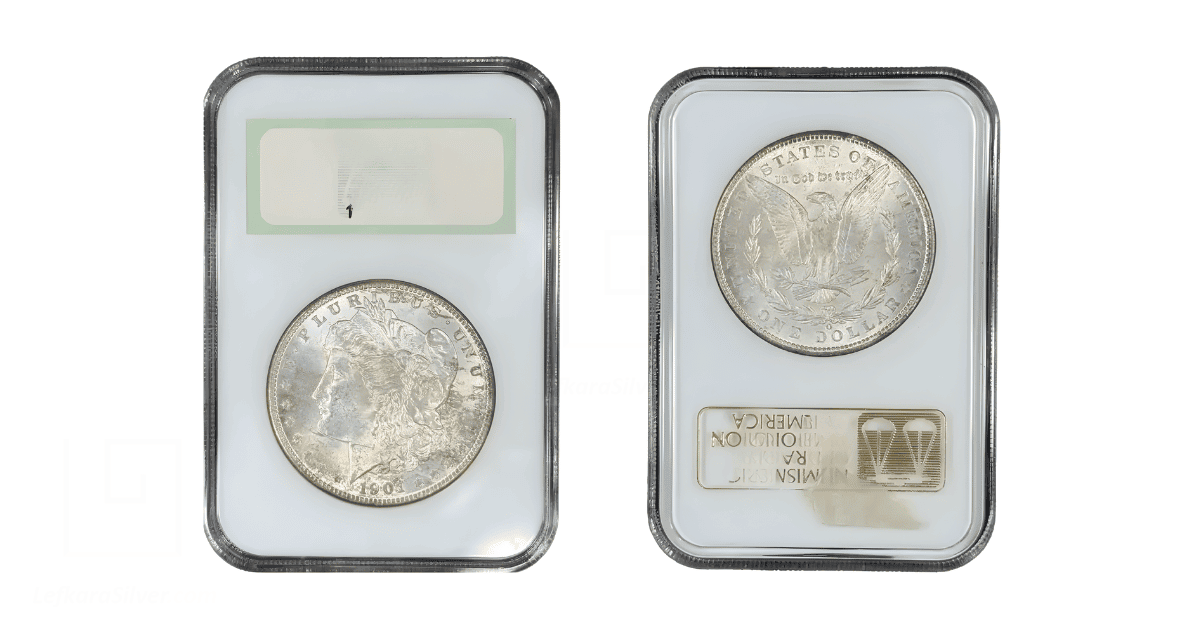
Silver coins are graded by their purity, also known as fineness. This grade indicates the amount of pure silver in the coin relative to other metals added to increase durability. Fineness is measured in parts per thousand, so a coin marked “999” is 999 parts silver out of 1,000, or 99.9% pure. This grading directly affects the coin’s melt value, a key factor in selling your silver coins effectively.
Here are the most common grades of silver you will find in coins:
Fine Silver (.999): This is 99.9% pure silver and is the standard for most modern investment-grade bullion coins, such as the American Silver Eagle. Some mints go even further; the Royal Canadian Mint’s Silver Maple Leaf coin has a .9999 purity, often called “four nines fine.” Because fine silver is quite soft, it is not practical for items that see regular handling but is perfect for bullion.
Britannia Silver (.958): With a purity of 95.8% silver, this was the mandatory standard for silver items in Great Britain between 1697 and 1820. While historically significant, modern Britannia bullion coins minted since 2013 have been updated to the .999 fine silver standard.
Sterling Silver (.925): The most recognized silver standard globally, sterling silver is 92.5% pure silver, with the remaining 7.5% typically being copper. The addition of copper makes the metal much harder and more durable, which is why it is the standard for jewelry, silverware, and some older coinage.
Coin Silver (.900): This grade consists of 90% silver and 10% copper. It was the standard composition for circulating U.S. silver coins—dimes, quarters, half-dollars, and dollars—minted before 1965. These coins are often called “junk silver” by investors, not because they are worthless, but because their value is tied to their silver content rather than any collectible status.
Low-Grade Silver (35-40%): Some U.S. coins have a lower silver content. “War Nickels,” produced from mid-1942 to 1945, contain 35% silver. Kennedy Half Dollars minted between 1965 and 1970 are composed of 40% silver.
| Grade Name | Purity (Thousandths) | Purity (%) | Common Use |
|---|---|---|---|
| Fine Silver | .999+ | 99.9%+ | Bullion Coins & Bars |
| Britannia Silver | .958 | 95.8% | Historic British Silverware & Coins |
| Sterling Silver | .925 | 92.5% | Jewelry, Flatware, Decorative Items |
| Coin Silver | .900 | 90.0% | U.S. Coins (pre-1965) |
| Low-Grade Silver | .350-.400 | 35%-40% | Specific U.S. Coins (1942-1970) |
Most Popular Silver Coins to Buy
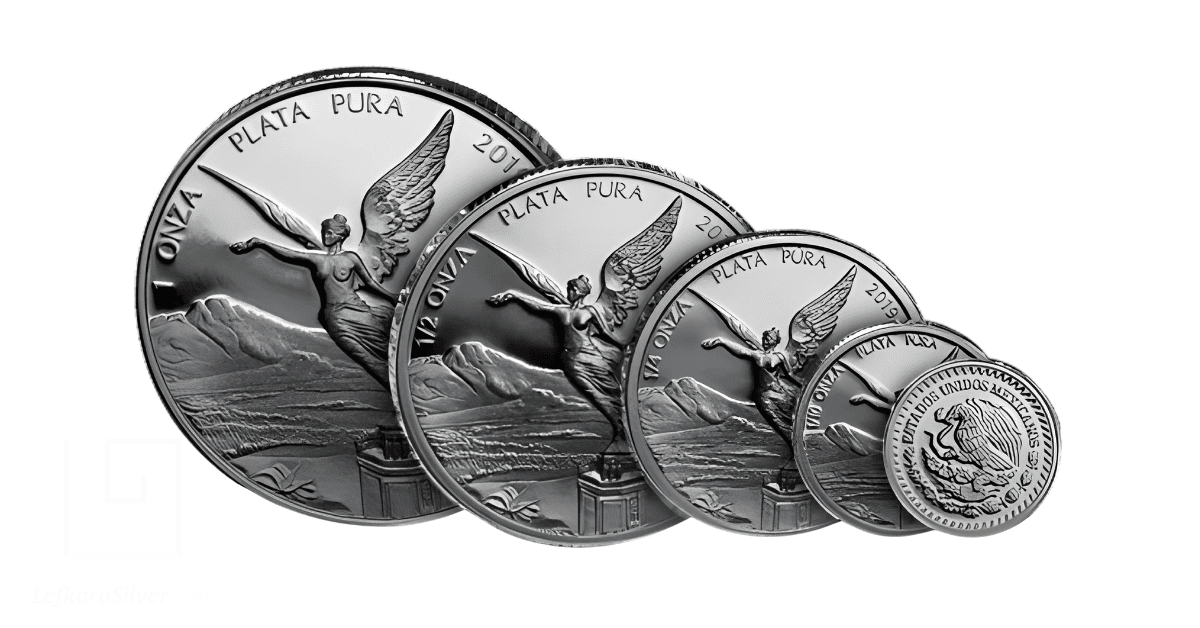
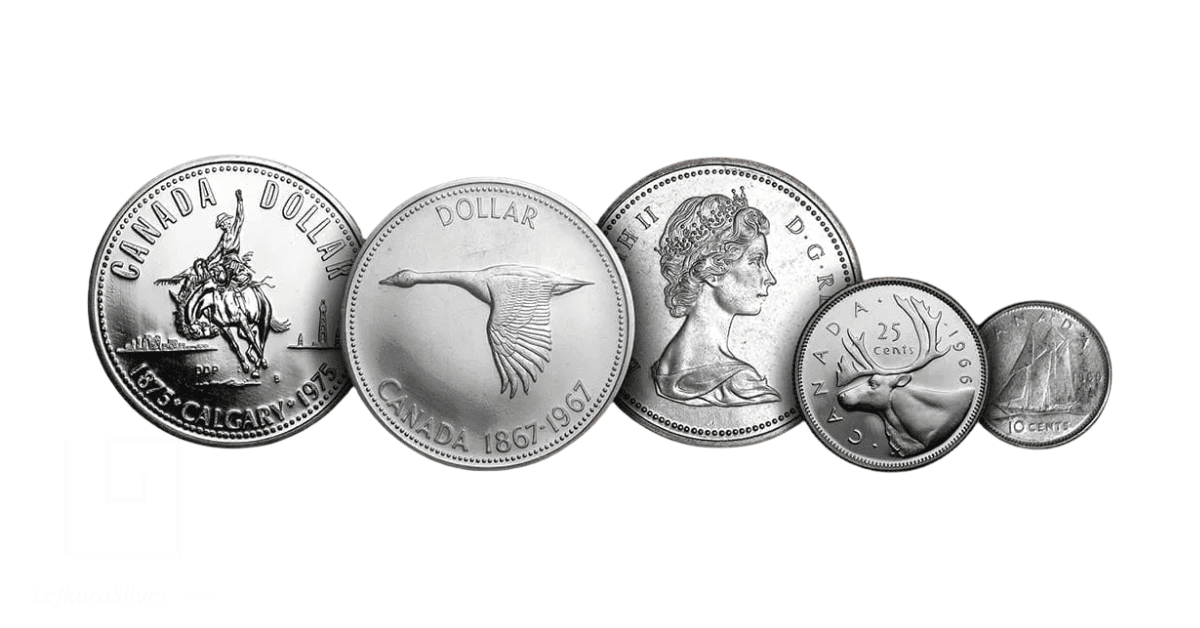
Silver coins are not all created equal. They generally fall into a few key categories: bullion coins, prized by investors for their metal content; numismatic or collectible coins, valued for their rarity and history; and “junk silver,” a term for older circulation coins (like pre-1965 U.S. dimes and quarters) that contain a high percentage of silver.
For most people looking to buy silver, government-minted bullion coins are the most popular and trusted option because their weight and purity are guaranteed, making them easy to buy and sell anywhere in the world.
Here are some of the most popular silver coins on the market:
- American Silver Eagle: As the official silver bullion coin of the United States, it’s one troy ounce of .999 fine silver is backed by the U.S. government. Its iconic “Walking Liberty” design makes it instantly recognizable, and its high liquidity means you’ll never have trouble finding a buyer.
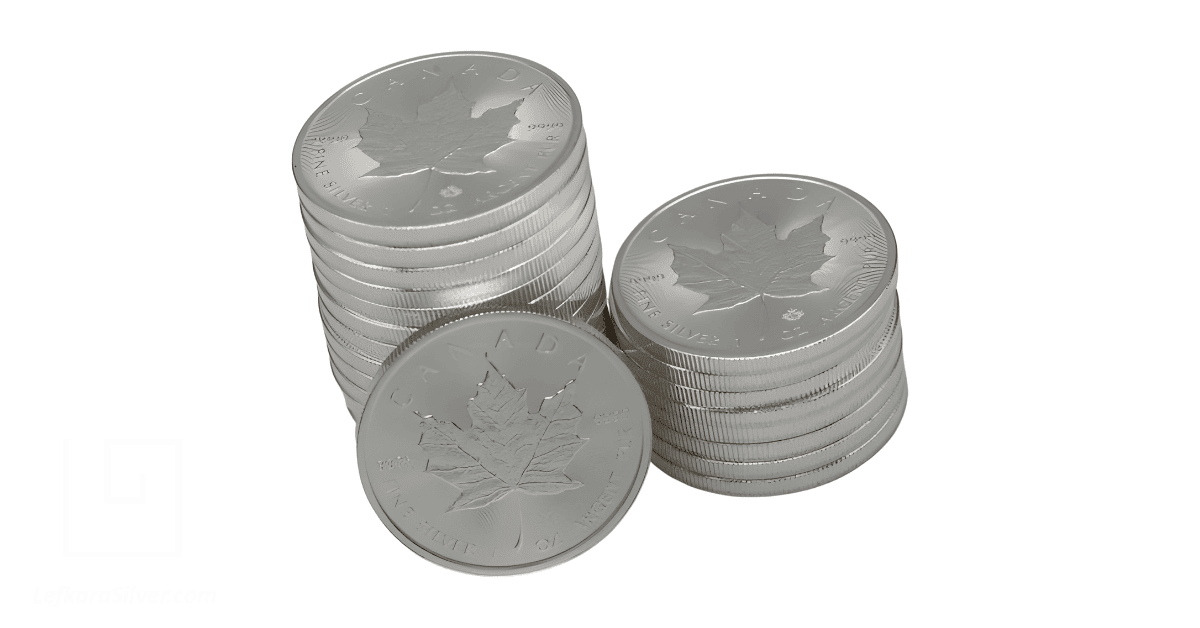
- Canadian Silver Maple Leaf: A close second in popularity, the Maple Leaf is known for its exceptional purity. It contains .9999 fine silver, making it one of the purest silver coins available. Produced by the Royal Canadian Mint, it also has advanced security features, like microscopic engravings and radial lines, which make it very difficult to counterfeit.
- British Silver Britannia: The official silver coin of the United Kingdom, the Britannia features the iconic warrior goddess who symbolizes the nation’s strength. Since 2013, these coins have been struck in .999 fine silver. They are a top choice for UK investors because they are exempt from Capital Gains Tax (CGT).
- Austrian Silver Philharmonic: Celebrating the world-famous Vienna Philharmonic Orchestra, this coin is the most popular silver bullion coin in Europe. It’s made of .999 fine silver and is known for its beautiful design featuring musical instruments.
- Morgan Silver Dollar: While not a modern bullion coin, the Morgan Dollar is a classic that’s a favorite among both collectors and investors. Minted from 1878 to 1921, it’s made of 90% silver. Its value comes from a mix of its silver content and its numismatic, or collectible, appeal. Certain years and mint marks are very rare and command high prices.
Are Silver Coins a Good Investment?
Silver coins offer a compelling case for anyone looking to add a physical asset to their portfolio. One of the biggest upsides is that silver is a tangible store of wealth. Unlike a stock or a bond, which are digital entries, a silver coin is something you can physically hold. This provides a sense of security and eliminates counterparty risk—you aren’t relying on someone else to honor a contract. Silver also acts as a strong hedge against inflation. When the purchasing power of currencies like the dollar declines, hard assets like silver tend to hold their value, or even increase.
Another key advantage is silver’s dual role in the market. It’s not just an investment metal; it’s a critical industrial one. In fact, industrial applications account for over 50% of annual silver demand. It is essential in manufacturing everything from solar panels and electric vehicles to smartphones and medical equipment. This constant industrial need provides a solid floor for its price. Plus, compared to gold, silver is far more affordable. The lower price point makes it accessible for investors who want to start small and accumulate physical metal over time without a huge initial investment.
However, investing in silver coins isn’t without its drawbacks. Silver’s price is notoriously more volatile than gold’s. While this volatility can lead to bigger gains, it also means the potential for sharper losses. You need to be prepared for a bit of a price rollercoaster. When you buy a silver coin, you also pay a “premium” above the spot price of the metal. This premium covers the costs of minting, distribution, and the dealer’s profit. As a percentage of the total cost, these premiums are typically higher for silver than for gold, meaning the price has to rise more for you to break even.
You also have to think about storage. Since silver is a physical asset, you need a secure place to keep it, whether that’s a home safe or a professional vault, which adds to the cost of your investment. It’s also worth noting that silver is much less dense than gold, so storing $50,000 worth of silver takes up about as much space as a shoebox, while the same value in gold would fit in your pocket. Finally, depending on where you live, you might have to pay Value Added Tax (VAT) when you buy silver, and any profits you make when you sell could be subject to Capital Gains Tax.
Silver coins can be a smart addition to a diversified investment strategy. They offer protection against economic uncertainty and have strong long-term demand drivers from both investors and the industry. The key is to understand the risks, such as volatility and premiums, and to focus on buying popular, low-premium bullion coins that are easy to trade. For those who appreciate both its history as money and its role in future technology, silver holds a unique position.
Tips for Selling Silver Coins
Selling your silver coins can be a straightforward process, though many people find it tricky. The key is to be informed so you can get the best possible price for what you have.
- Check the Spot Price: Before you do anything, check the current market price for silver. This price, known as the “spot price,” is typically listed per troy ounce (31.1 grams) and gives you a baseline for your coins’ melt value.
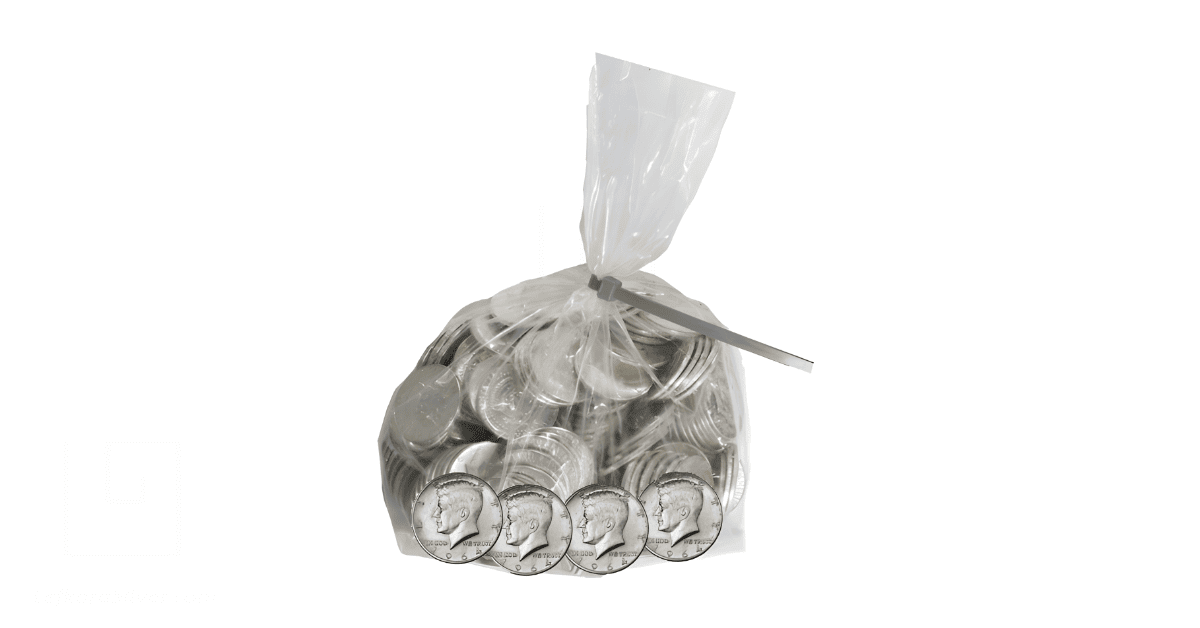
- Know Your Coins: Figure out exactly what you’re holding. Silver coins fall into a few main categories. “Junk silver” refers to common-date U.S. coins minted before 1965, which contain 90% silver. Bullion coins, like the American Silver Eagle, are valued for their high silver content (.999 pure). Collectible, or numismatic, coins have value based on their rarity and condition, which can far exceed their silver content.
- Separate and Organize: Group your coins by type. Put all the pre-1965 Washington quarters in one pile, Mercury dimes in another, and American Silver Eagles in a third. This makes the evaluation process much smoother for a potential buyer.
- Don’t Clean Them: It might be tempting to polish your old coins, but this is a major mistake. Cleaning can strip away a coin’s natural patina and leave tiny scratches, which can drastically reduce its collectible value. Let the buyer see them as they are.
- Get Multiple Opinions: Don’t accept the first offer you receive. Visit a few local coin dealers or precious metal buyers to get different appraisals. This gives you a better sense of your collection’s true market value and helps you find a fair offer. Reputable buyers will be transparent about how they arrive at their pricing.
- Choose the Right Buyer: Where you sell matters. Local coin shops are convenient for quick transactions. Online marketplaces can reach a wider audience of collectors but require you to handle listing, shipping, and vetting buyers. For rare or high-value coins, a professional auction house might get you the best price, as competitive bidding can drive up the final sale.
- Negotiate Politely: Once you have a few offers, you can negotiate. If you know the value of your coins and have competing prices, you can often get a buyer to improve their initial offer.
- Secure the Transaction: If you sell in person, meet at the buyer’s shop or another secure public location. For online sales, always use an insured and trackable shipping method to protect yourself against loss or damage.
Qualities to Search for When Collecting Silver Coins
Building a silver coin collection is about more than just accumulating shiny metal; it’s about connecting with history and making smart acquisitions. While an investor might focus solely on stacking as many ounces as possible for the lowest price, a collector looks for specific qualities that give a coin value beyond its weight in silver. Being careful in your selections is what separates a random pile of silver from a truly valuable collection.
Here are the key qualities to search for when adding to your silver coin collection:
- “90 Silver”: This term is essential for collectors of U.S. coinage. It refers to dimes, quarters, and half-dollars minted for circulation in 1964 or earlier, which were made of 90% silver and 10% copper. These coins are a popular and accessible entry point for new collectors.
- Junk Silver: This is a bit of a misnomer, as these coins are far from junk. The term describes common-date 90% silver coins that are in circulated condition and don’t have significant numismatic or collectible value. They are primarily valued for their silver content and are a great way to invest in physical silver.
- Silver Bullion Coins: These are modern coins produced by government mints specifically for investment purposes. They have a high purity, typically .999 fine silver or higher, and their value is closely tied to the spot price of silver. Popular examples include the American Silver Eagle, Canadian Silver Maple Leaf, and the Austrian Philharmonic.
- Collectible (Numismatic) Coins: These are the coins that can be worth much more than their silver content. Their value is driven by several factors:
- Rarity: Look for coins with low mintage numbers, meaning few were produced. Certain date-and-mint-mark combinations, like the 1893-S Morgan Dollar, are exceptionally rare and valuable.
- Condition: A coin’s state of preservation is critical. Coins are graded on a scale from 1 (Poor) to 70 (Mint State Perfect). An uncirculated coin with no wear will always be worth more than a heavily worn one.
- Historical Significance: Coins connected to important events or eras often carry a premium. For instance, the 1964 Kennedy Half Dollar was the last 90% silver half-dollar intended for circulation and is popular among collectors.
- Demand: Some coins are simply more popular than others. Morgan Silver Dollars (1878-1921) and Peace Silver Dollars (1921-1935) are consistently in high demand among collectors.
Silver Coins Preservation Tips
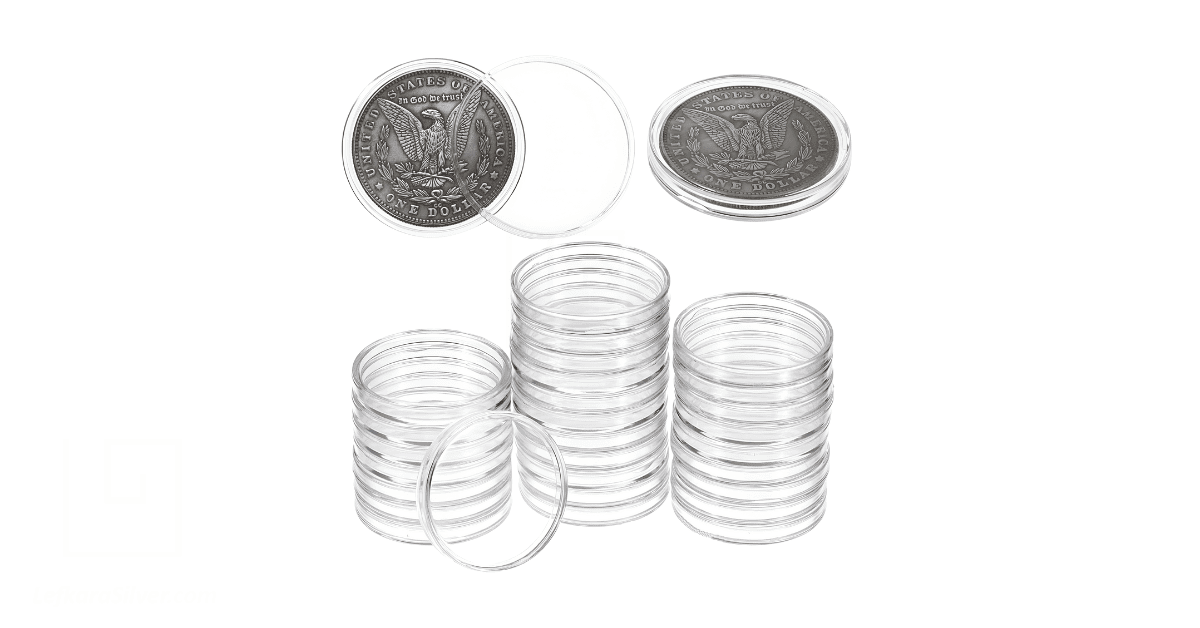
Preserving your silver coins is critical for maintaining their condition, which directly impacts their long-term value. Whether you hold them for investment or as a collection, proper storage and handling will protect them from environmental damage and physical wear.
Here are some essential preservation tips:
- Handle with Care: Always hold coins by their edges. The oils and acids from your skin can cause permanent damage to a coin’s surface. For valuable or uncirculated coins, wearing soft cotton gloves is the best practice.
- Choose the Right Containers: Properly storing coins is your first line of defense. Airtight Capsules is ideal for high-value or proof coins. For stacking multiple bullion coins of the same size, plastic tubes are a great option. They are cost-effective and keep the coins from scratching each other.
- Control the Environment: Silver’s biggest enemy is humidity and airborne sulfur, which cause tarnishing. Store your collection in a cool, dry place with a stable temperature. Placing silica gel packs in your safe or storage box can help absorb excess moisture.
- Store Securely: For any collection of significant value, a home safe is a good starting point. For very high-value coins, consider a bank’s safety deposit box or a third-party depository service for insured, professional vaulting.
- Do Not Clean Your Coins: This is the golden rule of coin collecting. Cleaning a coin, especially with abrasive polishes or dips, strips away its natural toning or patina. Collectors often prize this patina, and removing it can drastically lower a coin’s numismatic value. If you believe a coin needs cleaning, consult a professional numismatist. When it comes time to part with your collection, knowing how to sell silver coins for the most value includes presenting them in their original, unaltered state.
A Final Word on Silver Coins
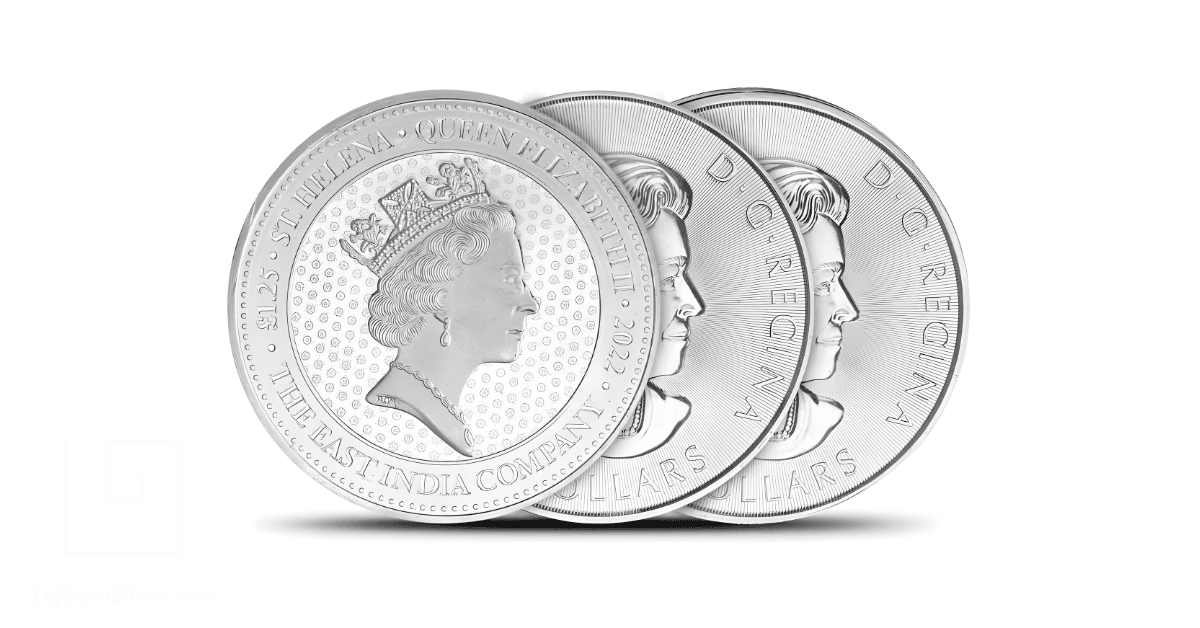
Throughout this guide, we’ve covered key market statistics for October 2026, 10 budget-friendly places to buy silver, what silver is used for, and how to identify authentic coins. We also broke down the different grades of silver, reviewed the most popular coins to buy, and considered whether silver coins are a good investment. Finally, we offered tips for selling your collection and qualities to look for when collecting, along with vital preservation advice.
- Silver has the highest thermal and electrical conductivity of any metal, a property that drives its significant industrial demand.
- U.S. dimes, quarters, and half-dollars minted before 1965 contain 90% silver and are widely known in the market as “junk silver.”
- You can perform a quick “ice test” to check for authenticity; real silver’s high thermal conductivity causes ice to melt almost instantly.
- NASA has used silver ions to purify drinking water for astronauts aboard the International Space Station.
- The term “sterling” is a guarantee of quality, indicating the item is made of at least 92.5% pure silver, which is why you’ll see a “925” stamp on such pieces.
This content was last updated in October 2026.
Silver Coins FAQs
Here are answers to some frequently asked questions about silver coins:
Are Silver Coins Worth Any Money?
Absolutely, their value comes from both their silver content and collectibility. For instance, U.S. dimes and quarters minted before 1965 contain 90% silver, making their melt value far exceed their face value. Exceptionally rare coins, like the 1794 Flowing Hair dollar, can be worth millions, selling for over $10 million at auction.
What’s the Best Silver Coin to Buy?
For investors, the American Silver Eagle is a top choice as it’s the world’s most popular silver bullion coin, and its weight is backed by the U.S. government. The Canadian Silver Maple Leaf is another excellent option, prized for its high purity of .9999 fine silver and advanced anti-counterfeiting features, making it highly liquid globally.
How Much is 1 Oz Of Silver Right Now in USD?
Currently, the spot price of silver is fluctuating around $49 per ounce, marking a three-week high. The market has been strong, with silver showing a year-to-date gain of roughly 50%, significantly outpacing gold’s performance. This rally is driven by both investment demand and industrial use.
How Much is $1 Silver Coin Worth Today?
The value depends entirely on the coin, not its face value. An American Silver Eagle with a $1 face value contains one ounce of silver, making it worth around $49. Older U.S. silver dollars, like the Morgan and Peace dollars, contain about 0.77 troy ounces of silver, giving them a base value of over $37 plus collector value.
Should I Cash in My Silver Coins?
Timing is key, and with silver prices up over 50% year-to-date in late 2025, it’s a strong seller’s market. Before selling, check the daily spot price, as it can be volatile, and get a professional appraisal. This ensures you get a fair price based on both the metal content and any potential collector value.
How Not to Store Silver Coins?
Never store silver coins in soft plastic flips containing PVC, as these can degrade and release acids that cause permanent green residue on the coin’s surface. Avoid storing them loose in a box or drawer where they can scratch each other, which diminishes their numismatic value. Also, keep them out of humid places like basements to prevent accelerated tarnishing.
Can You Store Silver Coins in Plastic Bags?
That depends entirely on the type of plastic. Storing coins in bags containing PVC (polyvinyl chloride) is a critical error, as it can leach out and cause permanent, sticky green damage. For safe, long-term storage that preserves a coin’s condition and value, always use archival-safe options like Mylar flips or individual airtight capsules.
What Does Putting a Silver Coin in Water Do?
It purifies it due to silver’s powerful antimicrobial properties. This is why pioneers would put silver dollars in milk to keep it from spoiling. When in water, silver releases ions that kill bacteria. In fact, NASA uses silver ionization to purify drinking water for astronauts on the International Space Station.
Why is Costco Selling Silver Coins?
Costco sells silver to add a unique, high-value product to its diverse inventory, attracting investors and collectors to its membership model. They use their bulk-purchasing power to offer precious metals at competitive prices. This strategy drives sales and reinforces the value of a Costco membership for those seeking tangible assets.
Is Buying Silver From Costco a Good Investment?
It can be a good deal if the price is very close to the spot price of silver. Costco’s business model often results in very low premiums over spot, which is a primary goal for any bullion investor. Always compare their final price against the live market rate to confirm you are getting a competitive deal.
Does Costco Sell Real Silver?
Yes, Costco is a major retailer that sells genuine silver coins and bars from reputable sources. They have offered products from well-known institutions like the Royal Canadian Mint. The silver sold is typically .999 or .9999 fine, ensuring customers receive a legitimate, investment-grade product.
When Did Costco Start Selling Silver?
Costco began selling silver coins online in early 2024, following the viral success of its gold bar sales that launched in the fall of 2023. This expansion into precious metals quickly became a popular category, with the company reporting hundreds of millions in sales within just a few months.