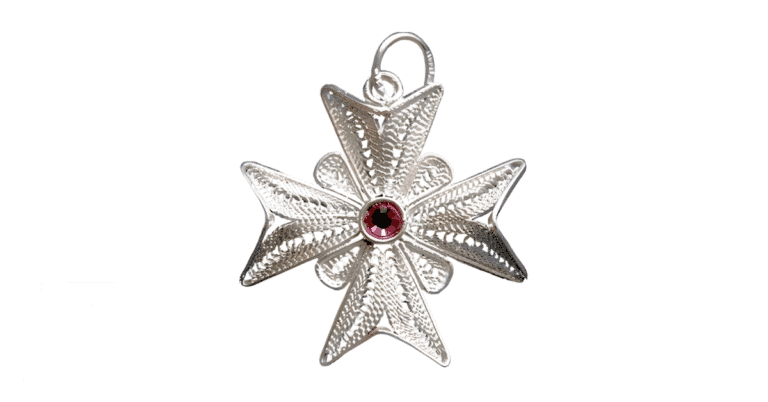
What is Filigree Art?
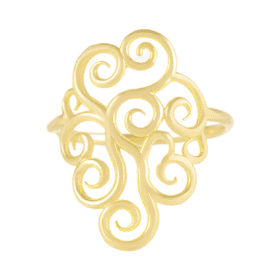
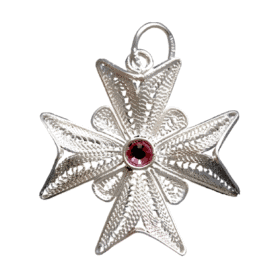
The filigree art is an age-old metalworking technique in which jewelers twist, curl, and bend fine threads of precious metal into lace-like patterns. Instead of carving away metal or setting heavy stones into solid plates, this method uses thin wires, often silver or gold, to build detailed, airy designs. The process relies on patience and precision, as the wires are soldered together to form complex motifs, including delicate floral patterns and geometric shapes.
This article provides the latest information as of October 2026. We will look at the trending filigree art styles of 2026, share 6 easy styling tips for every event, and provide a brief history of the craft. We will also break down the differences between various styles, help you spot genuine handmade pieces, and offer practical maintenance tips to keep your collection in top shape.
Trending Filigree Art Styles of 2026
Filigree art is becoming more popular in 2026 as more people seek out detailed, artisanal pieces that break away from minimalist trends. The shift toward delicate metalwork reflects a broader desire for handmade jewelry that feels like a wearable conversation piece rather than a disposable accessory.
One of the most prominent trends this year is the fusion of geometric, sharp lines with traditional, organic scrollwork. This “new vintage” approach allows wearers to pair delicate wirework with clean-cut modern wardrobes, effectively bridging the gap between old-world craftsmanship and contemporary fashion.
Another major trend for 2026 is the use of high-contrast color palettes within filigree settings. Rather than sticking to a monochrome gold or silver look, many trending pieces now feature intense gemstone accents, such as deep emeralds, dark onyx, or vibrant sapphires, nestled within the wirework. This provides a bold focal point that balances the delicate nature of the metal threads.
Additionally, we are seeing a rise in larger, statement-sized filigree earrings that emphasize movement, as people increasingly seek jewelry that catches the light and adds a dynamic element to their overall style.
6 Easy Filigree Art Styling Tips for Every Event
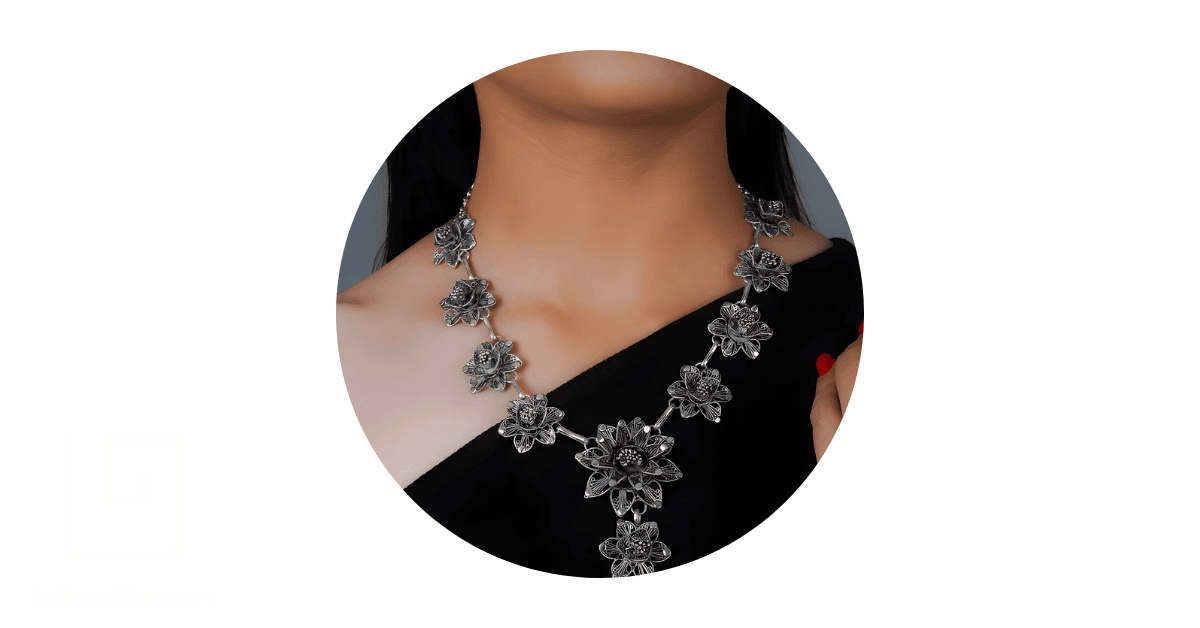
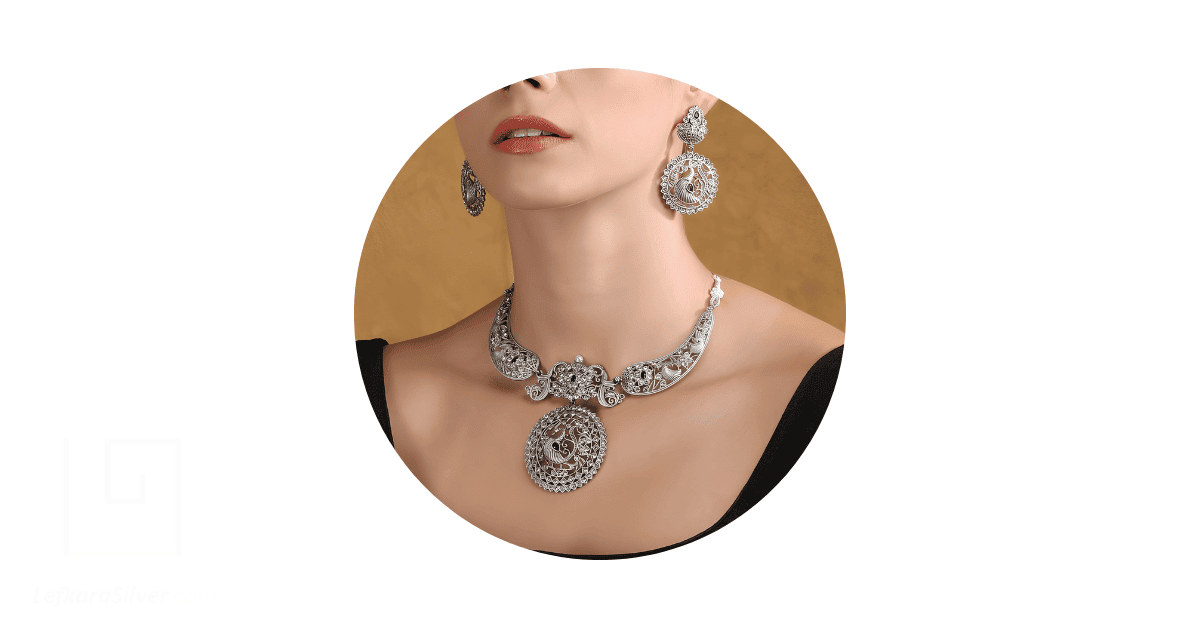
Filigree jewelry is trending right now, especially among folks who are bored with mass-produced, cookie-cutter designs. There is something about that detailed, lace-like metalwork that appeals to people who want their accessories to show off a bit of personality and history.
Knowing how to put these pieces together is the secret to making them work for you. Whether you are headed to a casual brunch or a gala, you need to understand how to let the filigree shine without overwhelming your vibe.
1. Let the Statement Ring be the Centre of Focus
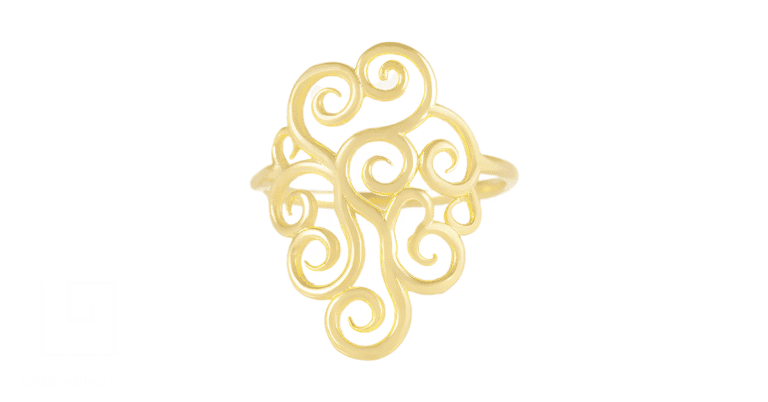
When you pick a bold filigree ring, keep the rest of your hand clear. If you stack three different rings on the same finger, you lose the fine detail that makes filigree special in the first place.
For a daytime event, let a single, large filigree ring be the main piece on your hand. It adds plenty of character to an outfit without needing backup. If you want to wear more jewelry, put your bracelets on the opposite arm. This keeps your look balanced instead of cluttered.
2. Pair Delicate Pieces with Simple Necklines
Filigree necklaces often have an airy, open design that can get lost if you wear them over a busy pattern or a high, chunky collar. These pieces work best when they have some negative space around them to stand out.
Wear a filigree pendant with a solid-colored crew neck or an open v-neck shirt. If you are going for a formal event, a deeper neckline works perfectly because it gives the metalwork room to sit against your skin. You want people to notice the craftsmanship, not wonder where the jewelry ends and your shirt begins.
3. Balance Bold Earrings with Minimal Hair Styling
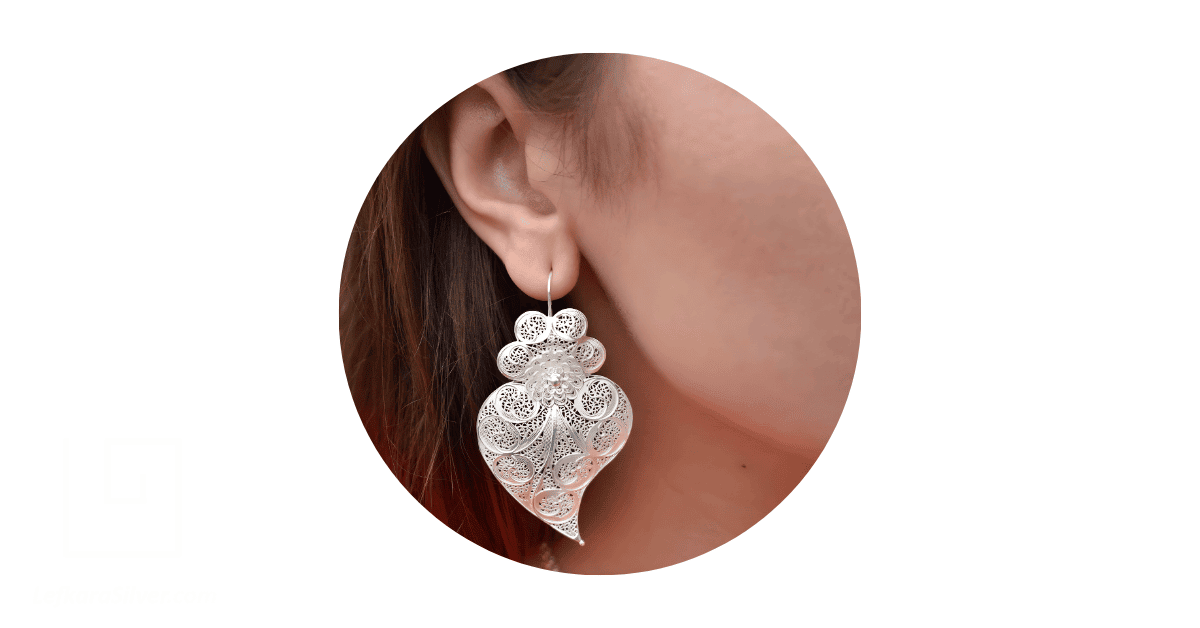
Large filigree drop earrings are fun and add movement to your face, but they can be a lot. If you wear them with your hair down and loose, they tend to get tangled or just disappear behind your locks.
Pull your hair back in a low bun or a sleek ponytail when you wear big filigree earrings. This gives the jewelry space to catch the light and makes sure those intricate wire patterns stay front and center. Keep your necklace very thin and simple, or skip it entirely, to avoid competing with your ears.
4. Mix Textures Carefully
You might be tempted to pair filigree with other textured jewelry, like heavy link chains or chunky beaded pieces, but this usually creates a mess. Filigree has a delicate, lace-like visual weight, and heavy textures will crush its aesthetic.
If you want to layer, stick to smooth, plain metal chains of different lengths. The plain metal provides a solid contrast to the busy patterns in the filigree, making the whole stack look intentional rather than haphazard.
5. Match the Metal to Your Outfit Palette
Silver filigree has a cool, bright tone that pops against black, navy, or jewel tones, while gold filigree brings a warm glow to creams, earth tones, and warm reds. Treating the metal color as part of your color palette makes your styling look much more professional.
Avoid mixing too many different metal colors if your filigree piece is the star. If you are wearing silver filigree, keep your other jewelry silver-toned too. This consistency makes the filigree look like a deliberate choice rather than just a collection of whatever you grabbed from your box.
6. Keep Formal Wear Sleek and Tailored
For evening events, you can go a bit bolder with filigree, but don’t let it clash with a complicated dress. If your outfit has sequins, lace, or ruffles, the filigree will just blend into the noise.
Save your most intricate, heavy filigree sets for outfits with clean, sharp lines. A classic little black dress or a well-tailored suit gives the filigree the perfect background to be seen. You want the jewelry to be the thing people notice first when you walk into the room.
A Brief History of Filigree Art
The practice of twisting fine metal wires into delicate shapes has been around for at least 5,000 years. This craft grew out of the ancient world. Early records point to the Middle East as the primary starting point. Artisans in these areas learned to draw metal into thin, pliable threads and then coil or twist them into delicate, lacy patterns. This was a massive technical step forward, as it allowed jewelers to create visually heavy, impressive objects that were actually quite light to wear because of the open spaces between the wires.
As trade routes expanded, this skill traveled rapidly across the Asian continent and into the Mediterranean. Different cultures began to add their own signature flourishes to the basic technique. By the time it reached the Greek and Etruscan periods, it had become a highly prized skill used to make everything from complex religious objects to the personal crowns worn by royalty. It takes intense concentration to manage wires sometimes thinner than dental floss, and this work was originally a standard skill expected of every professional jeweler.
By the time it became popular in later European eras, the technique had been refined to a point where it could mimic the appearance of fabric lace. While technology has enabled faster production, the core method of using heat and precise hand placement of wire remains the standard for high-quality pieces. The fact that this style has survived for thousands of years, despite major shifts in fashion and industrial capabilities, proves its enduring place in design history. You can learn more about the origin of filigree art here.
Different Filigree Art Styles
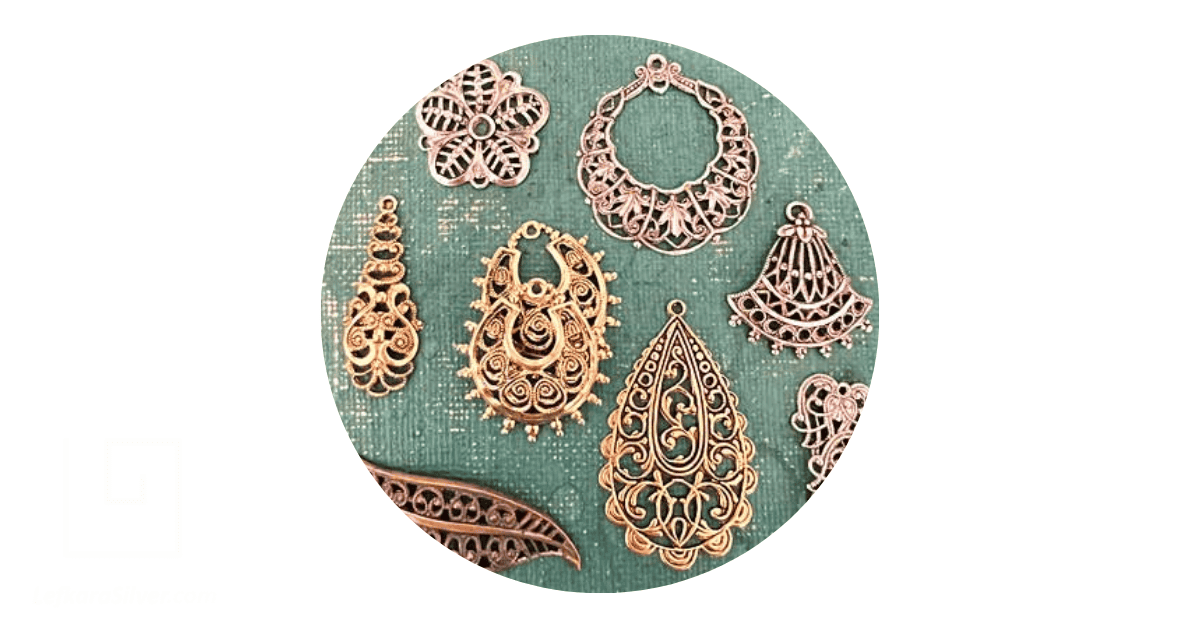
Filigree shows up in various forms across the globe, ranging from simple wire loops to complex, layered webs. The style often depends on local traditions, the specific metal used, and how the artist shapes the thread. These designs vary from bold, geometric patterns to soft, organic shapes that mimic plants or lace.
- Openwork Filigree: Metal threads are soldered together to form a self-supporting, lace-like pattern with no solid background.
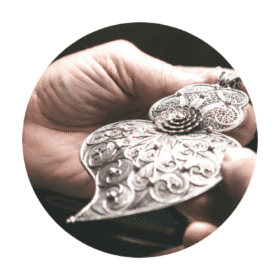
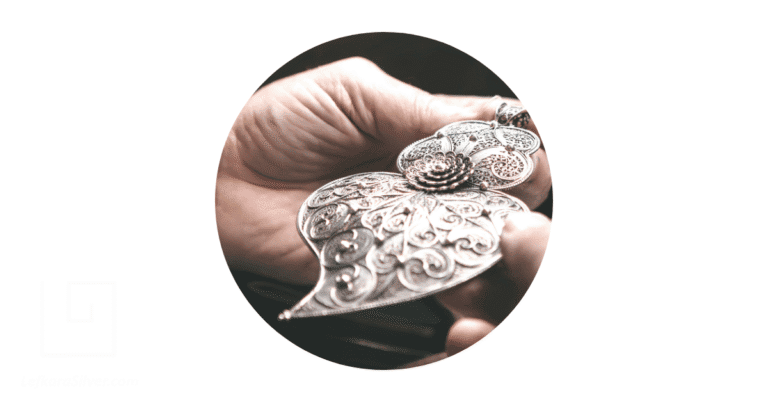
- Heart-Shaped Filigree: A romantic style that uses swirls and curls to create intricate heart motifs.
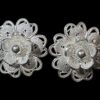
- Floral Filigree: Designs that take inspiration from nature, using twisted wire to create petals, vines, and leaves.
- Retro/Vintage Style Filigree: Pieces that draw on specific historical looks, often featuring heavy scrollwork or sharp geometric lines from past eras.
- Filigree Bead Work: Hollow spheres made from fine metalwork, often used as accents in necklaces or bracelets.
Openwork is perhaps the most well-known form. Because the design has no backing, light passes through the piece, which creates a shadow effect on the skin. This method makes the jewelry look much larger than its actual weight, which is a major benefit for anyone who wants a substantial look without the heavy feel of solid metal. Artisans create these pieces by carefully bending wires and soldering each contact point to keep the structure rigid despite its delicate look.
Other styles lean heavily into regional identity and specific cultural motifs. For example, some traditions favor tight, dense coils that cover the entire surface, while others leave more space between the wires to emphasize the design’s silhouette. When you look at floral or heart-shaped pieces, the artist often uses thicker wire for the main frame and much thinner threads to fill in the interior. This distinction between the frame and the fill is what gives filigree its characteristic depth and strength.
The Best Filigree Artists
Great filigree artists work in small studios all over the world, keeping this old technique alive through steady hands and hours of focus. Finding a skilled person to handle this work is easier than most people expect if you know where to look for those who specialize in hand-forged wire rather than mass-produced castings.
Our team spent time finding the top places where you can buy high-quality filigree or get a custom piece made. Here are the best sources for this work:
- Filigree Jewelers: Located in Minneapolis, they hold a large inventory of vintage and antique pieces.
- NOVICA: A platform that connects you with artisans globally, including those working in the Andes and Southeast Asia.
- Lefkara Silver: Experts in traditional Cypriot designs, focusing on handmade sterling silver work.
- Antique Jewelry Mall: A go-to site for reproduction filigree that mirrors Edwardian and Art Deco styles.
- Portugal Jewels: A primary source for authentic Portuguese filigree, including the well-known Heart of Viana design.
- Savara Filigrana: A Portuguese workshop that blends traditional methods with current, modern aesthetics.
- Roman Malakov: Offers high-end, durable settings that feature intricate wirework.
- Past Era: A shop dedicated to sourcing and verifying genuine antique pieces.
- Viana Jewelry: A group of local artisans in Portugal who focus on keeping regional motifs accessible.
- Etsy: A large marketplace for handmade minimalist and elaborate filigree from independent makers worldwide.
Sixty-seven percent of jewelry wearers want pieces that express their personality, and custom filigree remains one of the best ways to achieve this. Working with these artists allows you to select the metal, the weight of the wire, and the specific patterns that hold personal meaning for you.
Is Filigree Art Nouveau?
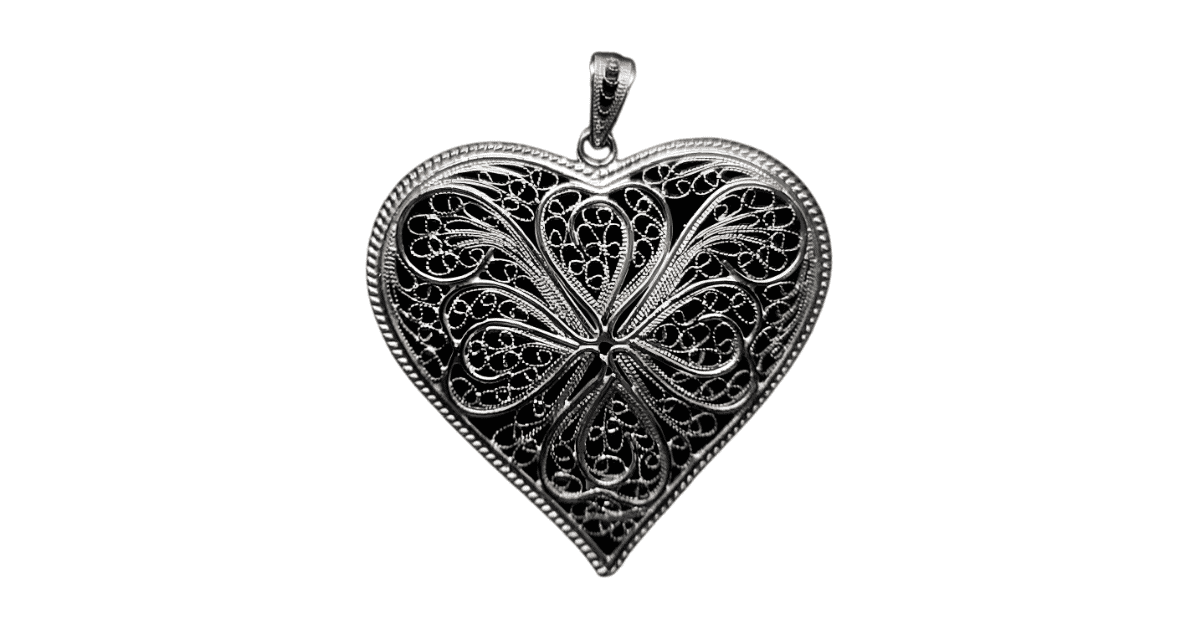
Art Nouveau appeared in the late 1800s as a reaction against the mass production of the Industrial Revolution. This style features organic, flowing lines, asymmetrical shapes, and motifs taken straight from nature, such as dragonflies, vines, and flowers. Makers often used enamel and softer, semi-precious stones to highlight the artistic intent rather than the high cost of the materials. By contrast, Art Deco emerged in the 1920s, celebrating the machine age with sharp, geometric lines, perfect symmetry, and a preference for platinum and diamonds.
Filigree is not exclusive to Art Nouveau. While the flowing curves of Art Nouveau frequently incorporated filigree to mimic natural stems or leaves, filigree is a technique that predates both movements by thousands of years. During the Art Deco period, filigree evolved to fit the new aesthetic, shifting from organic curves toward rigid, symmetrical, and geometric openwork patterns. Filigree was a staple technique in both eras, adapting its form to match the style of the time.
The Best Places to Buy Filigree Art Deco Rings
People love Art Deco filigree rings because they combine detailed, lacy metalwork with the bold, architectural geometry of the 1920s. These pieces offer a distinct look that feels both delicate and strong, making them popular for those who want a ring with history.
You can find authentic Art Deco rings at specialized antique jewelry dealers, estate shops, and dedicated vintage jewelry websites. These vendors often provide pieces with high-quality platinum settings and original diamonds. Prices at these specialized shops vary based on the size of the center stone and the complexity of the filigree metalwork, often ranging from $1,500 for simpler bands to over $10,000 for pieces with larger diamonds or sapphire accents. Estate jewelry auctions are another way to find these rings, often at lower starting bids, though prices can climb quickly once bidding starts.
If you prefer a new ring with antique design elements, many custom jewelers now create reproductions in modern materials. These makers often use cast or die-struck components to mimic the look of 1920s metalwork at a lower cost than an original antique. Depending on whether you choose gold or platinum and the type of stones used, these rings typically cost between $800 and $4,000. Handmade filigree often costs more than machine-cast versions because of the extra hours required to manually twist and solder the fine metal wires.
Making Silver Filigree Jewelry
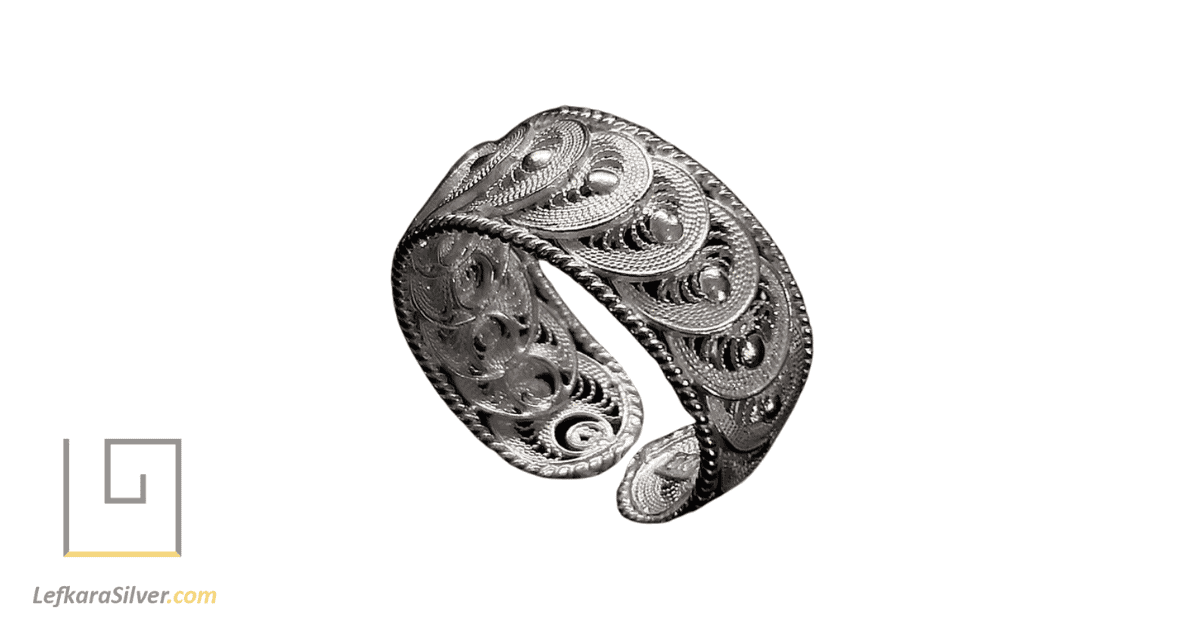
Creating silver filigree pieces is far more complex than it appears at first glance. It is not just about twisting wire; it is a labor-intensive practice that demands extreme patience and steady hands. The process transforms simple, raw metal into delicate, lace-like structures that seem almost too light to be real.
Several specific techniques define this work. The most common is openwork, where the metal threads are soldered to form a self-supporting, airy pattern without a solid background. Other approaches include applying these wire patterns over a solid metal plate or using small spheres, known as granulation, to fill spaces and add texture.
To make a piece from start to finish, here are the steps to follow:
- Wire Preparation: Pure silver or sterling silver is melted and drawn through a drawplate to create threads that are often less than half a millimeter in diameter. These wires are then twisted or flattened to provide structure and strength.
- Frame Creation: The jeweler bends a slightly thicker wire to create the outer boundary or skeleton of the piece. This frame holds the internal design in place.
- Filling the Pattern: Using tweezers, the artisan bends the thinner wires into curls, scrolls, and other shapes. These are arranged inside the frame to form the desired pattern. The level of detail achieved during this stage depends entirely on the artisan’s skill and time investment.
- Soldering: Each point where the wires touch the frame or each other must be carefully joined. This is done with a tiny flame and specialized solder, ensuring the heat does not melt the delicate wires themselves.
- Finishing: After the joints are secure, the piece is cleaned and polished to bring out the bright shine of the silver.
Because of the high degree of precision required, a single piece can take hours or even days to complete.
How to Spot Genuine Handmade Filigree Art Jewelry
When you shop for filigree, you will encounter two distinct types: pieces made entirely by hand and those manufactured by machines. While they might look similar from a distance, they represent completely different worlds of craftsmanship.
Handmade filigree is born from a series of manual steps, from hand-drawing the wire to placing every single coil with tweezers. Mass-produced items, by contrast, use stamped or cast components created with high-pressure molds or laser cutters. These factory-made pieces lack the subtle, individual variations that come from human labor.
The differences are clear when you look at them closely. A handmade piece has a certain fluidity in its curves and a natural consistency in its design. Machine-made versions often have a uniform, flat appearance, sometimes with visible seams or signs of being stamped from a solid sheet of metal. In factory pieces, the “wires” are often part of a solid, cast piece rather than separate threads joined together.
If you want to spot genuine handmade filigree, keep these tips in mind:
- Check for Asymmetry: Look closely at the patterns. If every single curve is identical to the millimeter, it is likely machine-made. Real handmade filigree often contains tiny, near-invisible irregularities that prove a person, not a machine, shaped the wires.
- Examine the Joints: Use a magnifying glass to check where the wires connect. Handmade filigree shows evidence of careful soldering at these points. If the connections look thick, blobby, or non-existent because the piece is a single cast object, it is not handmade.
- Test the Weight: Authentic handmade filigree is remarkably light because it consists of thin wires with open space in between. If the piece feels heavy and solid, the pattern is likely just a texture stamped into a thick sheet of metal.
- Look at the Back: Turn the piece over. In a true openwork filigree piece, you should see the same level of detail and finish on the back as you do on the front. Machines often produce pieces with a finished front and a flat, unrefined back.
- Inspect the Wires: Use a loupe to see if the wires appear to be individual, rounded threads. If the “wires” appear flat on one side and look like they were carved or molded out of a solid block, you are looking at a mass-produced item.
Filigree Art Maintenance Tips
Taking care of your pieces is the secret to keeping your filigree in prime shape for years. Because filigree relies on thin, twisted wires and precise soldering, these items are more fragile than standard solid metal bands or pendants. Neglecting routine upkeep can cause dirt to accumulate in crevices, leading to stubborn tarnish or even weakened structural integrity over time.
To keep your collection looking fresh, stick to these straightforward maintenance steps:
- Avoid wearing your pieces during physical activities or while cleaning, as impacts or harsh chemicals can bend the wires or damage the solder points.
- Store your items in individual soft pouches or separate compartments in a jewelry box. This prevents the delicate wires from snagging on other items, which can easily deform the pattern.
- For general maintenance, use a small, soft-bristled brush—an unused toothbrush works perfectly—to remove dust from the intricate gaps.
- Mix a few drops of mild dish soap into warm water. Soak your piece for a few minutes, brush it gently, rinse thoroughly with clean water, and pat it dry with a lint-free cloth. Never use abrasive cleaners, as they will scratch the surface and ruin the fine finish.
- These machines use high-frequency vibrations that can be too intense for delicate wirework, potentially loosening soldered joints or damaging stone settings.
- Store in a cool, dry place. Humidity and direct sunlight accelerate oxidation. Keeping your jewelry in a stable, dry environment helps prevent silver from darkening prematurely.
If you are dealing with heavier tarnish or grime, you might need a commercial silver polish, but always check the manufacturer’s instructions first. If your piece features soft stones like opals or pearls, skip the DIY methods and take it to a professional, as household cleaners can damage these materials.
Filigree Art – Concluding Thoughts
We have covered a lot of ground regarding this craft, from the rapid evolution of trending filigree art styles in 2026 to practical advice on spotting genuine handmade pieces. We examined the importance of filigree art maintenance tips, delved into the brief history of the craft, and compared how different styles like the geometric Art Deco look stand apart from the organic, nature-inspired motifs of other eras.
Whether you are searching for the best places to buy antique rings, wondering how to integrate these pieces into your daily wardrobe with easy styling tips, or simply curious about the skill involved in making silver filigree, this guide provides all the information you need.
Some key takeaways:
- Filigree dates back over 5,000 years to ancient Mesopotamia.
- The global jewelry market is projected to see a steady compound annual growth rate of 5.10% through 2032.
- Approximately 67% of jewelry wearers now actively seek out personalized pieces.
- Gold remains the most popular metal for jewelry, accounting for 78% of global sales.
- Genuine handmade filigree requires no machine-casting, making each piece inherently unique.
- The term “filigree” comes from the Latin words for “thread” and “grain.”
This content was last updated in October 2026. Follow our website, LefkaraSilver.com, to stay informed about new jewelry offers, news, and buying guides.
Filigree Art FAQs
Here are answers to some frequently asked questions about the filigree art in 2026:
Which City is Famous for Filigree Work?
The city of Midyat in the Mardin province of Turkey remains a world-renowned hub for this craft. Local artisans have produced traditional wirework here for centuries, maintaining the specific style known as telkari. Midyat continues to serve as a primary center for authentic production today.
What Culture is Filigree From?
This art form traces its earliest roots back to ancient Mesopotamian and Egyptian civilizations. It later spread across the Mediterranean, becoming a major part of Greek, Roman, and Phoenician cultural traditions. It remains a vital signature of artistic identity in countries like Portugal, Malta, and India.
How Old is the Art of Filigree?
This intricate technique dates back over 5,000 years to its origins in Mesopotamia. Archaeological findings from the Royal Tombs of Ur confirm that master jewelers practiced this craft as early as 2600 BC. It is widely recognized as one of the oldest decorative metalworking methods created by humans.