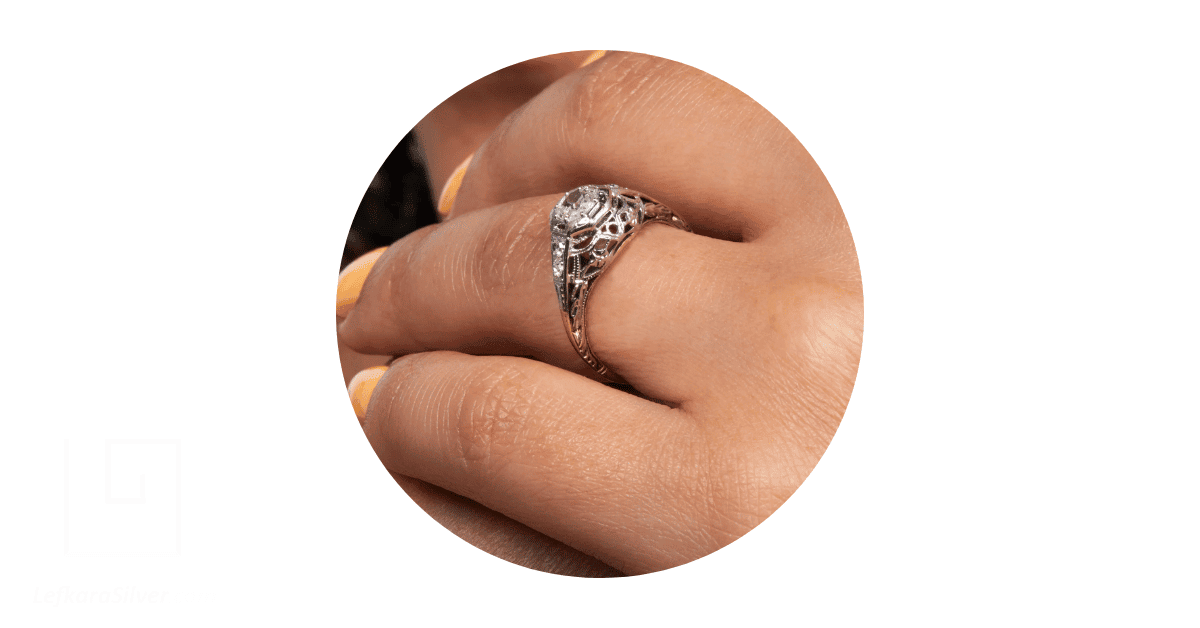
When buying filigree wedding bands, consider the different styles and settings and how they sit on your finger. You also want to make sure it complements your engagement ring.
Your band should also fit your lifestyle. If you work with your hands a lot, keep that in mind as you weigh your options.
In this guide, we’ll look at some interesting facts about filigree wedding bands, highlight top filigree wedding band jewelers who make unique custom pieces, and compare popular filigree wedding band styles.
We will also weigh the differences between silver, gold, and platinum options. To understand filigree wedding bands in a broader context, see our filigree jewelry guide.
Interesting Facts About Filigree Wedding Bands
Here are some really interesting facts about filigree bands:
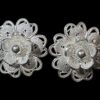
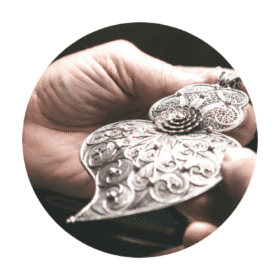
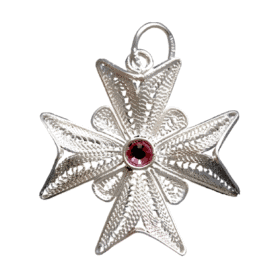
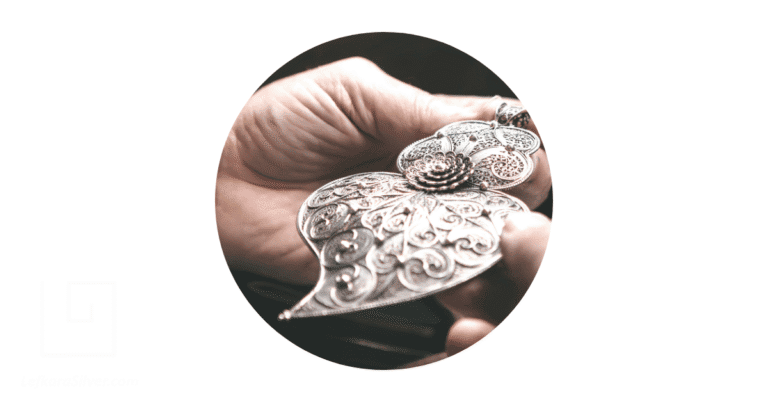
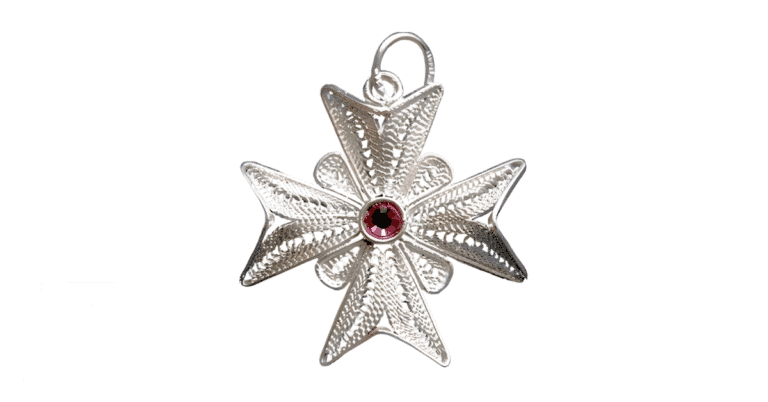
- Filigree wedding bands and, in fact, other filigree jewelry look like metallic lace.
- The earliest filigree comes from Mesopotamia and dates to around 3000 BCE.
- The oldest filigree was found in the royal tombs of Ur in Mesopotamia.
- Filigree wedding bands can be made from any material.
- The filigree technique reduces the quantity of the material used and the weight of the final piece.
- When you take a closer look at filigree jewelry, it resembles embroidery.
- Without proper cleaning and storage, filigree will require frequent maintenance.
5 Top Filigree Wedding Band Artists for Unique Custom Pieces
We looked into the market to find artists who consistently deliver high-quality, custom work that withstands daily wear.
These artists include:
1. Lefkara Silver
If you want a jeweler who still uses traditional filigree techniques, Lefkara Silver is the best place to go. Our filigree bands are unique and completely handmade.
Our artists study how light moves through the wirework to make sure the ring looks balanced on the finger.
If you want a custom design that looks indistinguishable from a piece made a century ago, we can help. We also offer guidance on choosing the right metal, like platinum for strength or 18k gold for the right color tone.
2. Whitehouse Brothers
This studio has been around since 1898 and has grown into America’s foremost jewelry manufacturer. Skilled artisans hand-craft their filigree using recycled metals. Their mission is to keep creating heirloom pieces to pass down from generation to generation.
3. Gemvy
This jewelry store is in Toronto, Canada, from where they ship their collections worldwide. Their filigree wedding bands are made in a vintage style to showcase the uniqueness and craftsmanship that the brand is known for.
4. Knox Jewelers
While they are well known for their moissanite, Charles & Colvard also produce filigree wedding bands that appeal to those seeking a modern twist on a classic style. They use ethical, lab-grown stones and recycled metals, which makes their rings a popular choice for eco-conscious couples.
5. Rare Earth Jewelry
Rare Earth Jewelry focuses on antique-style bands that feel like they have a history. They are known for unique gemstone cuts and filigree patterns that range from simple scrolls to complex floral arrangements.
Popular Filigree Wedding Band Styles
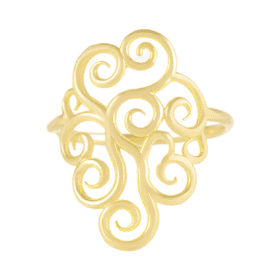
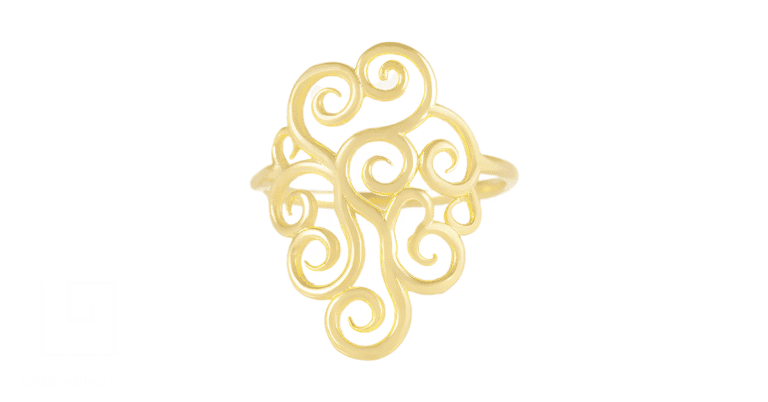
Scrollwork is still the most popular style for filigree wedding rings. These bands have S-curves and spiral patterns that look like vines or flowing water. The curves are soft and comfortable against the skin, and they look simple, but they require a high level of skill to keep the spirals uniform around the band.
Floral patterns are just as popular as scrollwork. These designs use wire to form leaves, petals, and buds. They fit well with engagement rings that have colored gemstones. These bands feel romantic and would suit you if you want your ring to look organic.
Geometric styles suit a more modern bride. These bands use triangles, squares, and straight lines to create a repetitive pattern. They have a crisp, sharp look that stands out.
Lacework styles use extremely fine wire to create a mesh-like surface. These are very fragile and require extra care.
No matter the style you choose, make sure you care for them properly. Avoid ultrasonic cleaners for filigree.
Silver vs Gold vs Platinum Filigree Wedding Ring
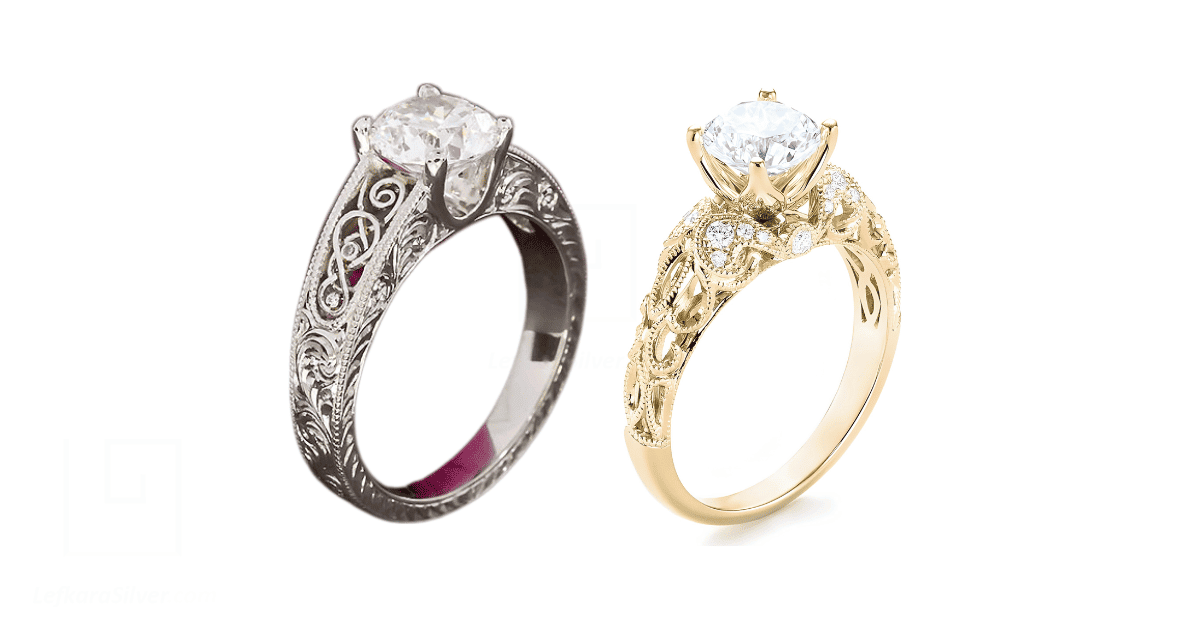
If you prefer that vintage, old-world vibe on a budget, then silver is best for you. It’s naturally soft and easy to shape into the tiny, complex patterns that define this style. You will find that many antique pieces are made of silver for this very reason.
However, silver reacts with air over time, which makes it prone to tarnish, so if you choose a silver band, be prepared to clean it often.
Gold is a great metal to use for filigree bands, but you need to consider the karat. You should avoid 24k gold for these bands because it is too soft to hold up against the daily bumps and scrapes a wedding ring takes. Instead, look for 14k or 18k gold.
If you want a ring to pass down for generations, the best metal to use is Platinum. It is much denser and stronger than gold or silver, so jewelers can pull the wire into thinner, more precise shapes without worrying that the ring will break. Platinum is naturally white and does not tarnish, so your ring will maintain its color without needing to be plated.
If you want the best option, platinum wins for long-term durability and peace of mind.
Men’s Filigree Wedding Band Styles & Sizing
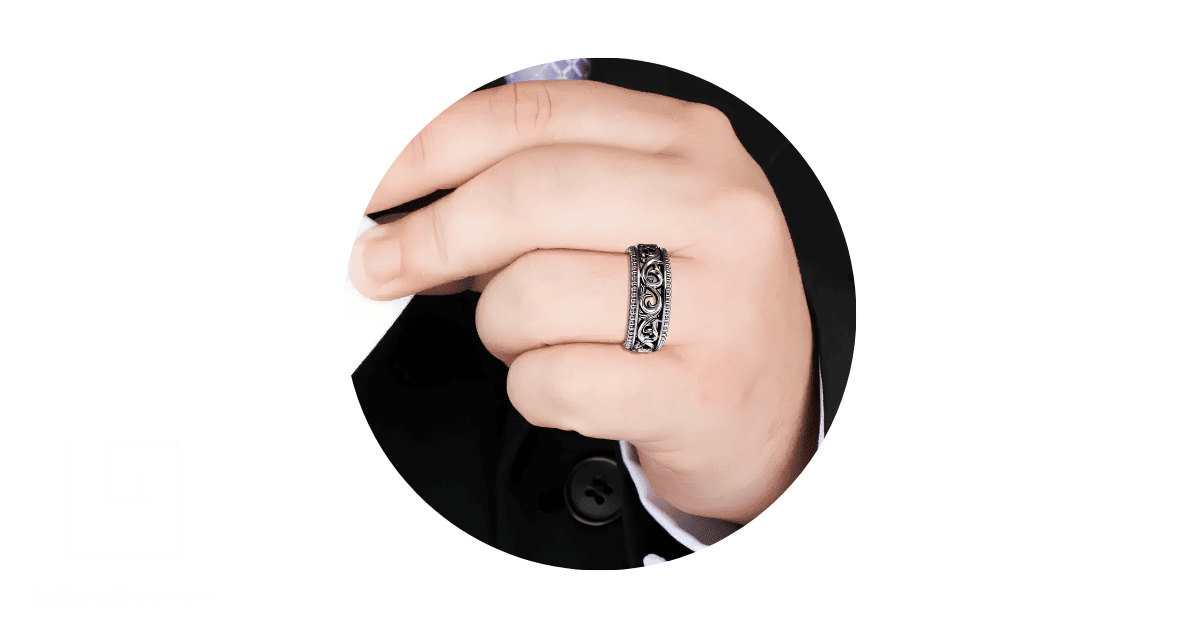
If you are looking for the right style for men, here are some designs to inspire yours:
- Celtic Knotwork: The interlocking loops of this design represent strength and connection, and the deep grooves created by the filigree work add rugged texture.
- Geometric Stacking: Sharp, repeating triangles, squares, or diamond-shaped cutouts provide a modern, structural look that fits well with a minimalist wardrobe.
- Inlay Filigree: This style features a solid metal base with a filigree wire design sitting in a channel in the middle. It gives you the visual interest of a lace-like pattern while keeping the edges smooth and rounded for comfort.
To get the sizing right, check the width and shape. Men’s filigree bands are most comfortable between 6mm and 8mm in width. Anything wider than 8mm often feels stiff because it covers too much of the finger, making it hard to bend your knuckle.
Always measure your ring size at the end of the day, when your fingers are at their largest from temperature and activity. If you are between sizes, go with the larger size because you cannot easily resize a complex filigree band without potentially ruining the design.
Top Filigree Wedding Band Trends for Women
Some of the filigree wedding band styles that are currently trending for women include:
- The Milgrain-Filigree Combo: This is arguably the most popular style right now. It contains a thin filigree band edged with milgrain, which are tiny beads of metal that look like vintage lace. Adding milgrain edges to a filigree band makes the ring much stronger, as the beading acts as a protective border for the delicate wirework.
- Nature-Inspired Motifs: This includes designs inspired by leaves, vines, and floral swirls that wrap around the finger. They look best in rose gold, which highlights the design’s soft, romantic feel.
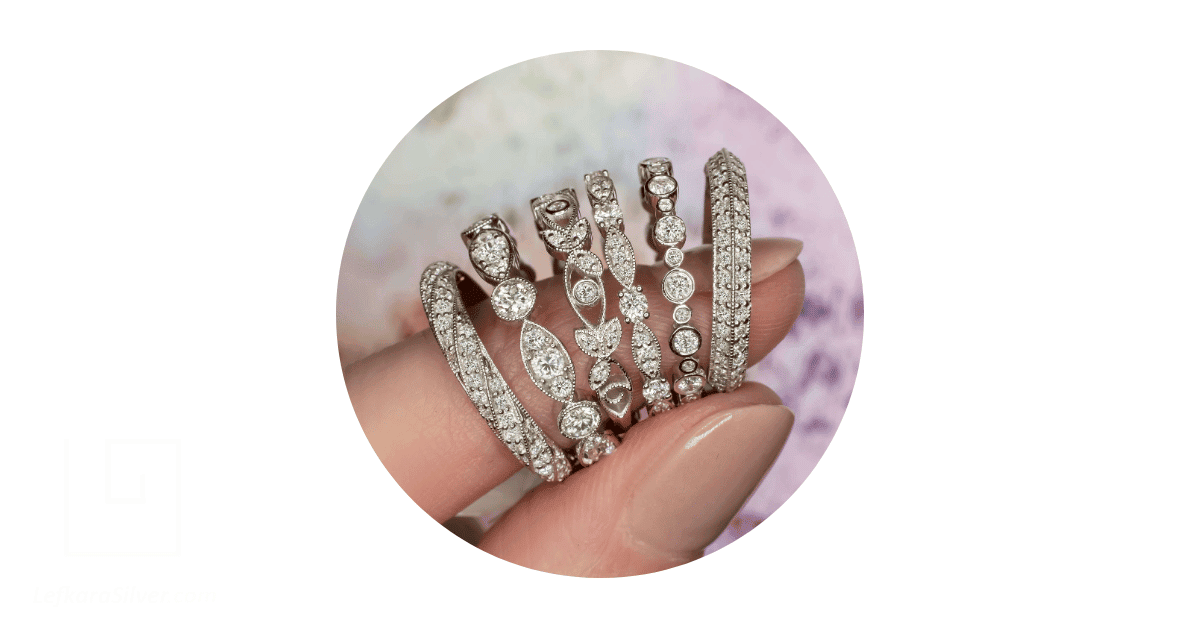
- Stackable Filigree Bands: Instead of one wide, heavy band, the trend is to stack two or three very thin, ornate filigree rings. This allows you to mix metals for a personalized look that feels less formal.
Many brides wear a sleek, plain metal band with a delicate filigree spacer ring that has a subtle floral or scroll pattern. A thin, 2mm filigree band is the ideal width for stacking because it balances with your engagement ring.
The Price Ranges of Filigree Wedding Band Sets
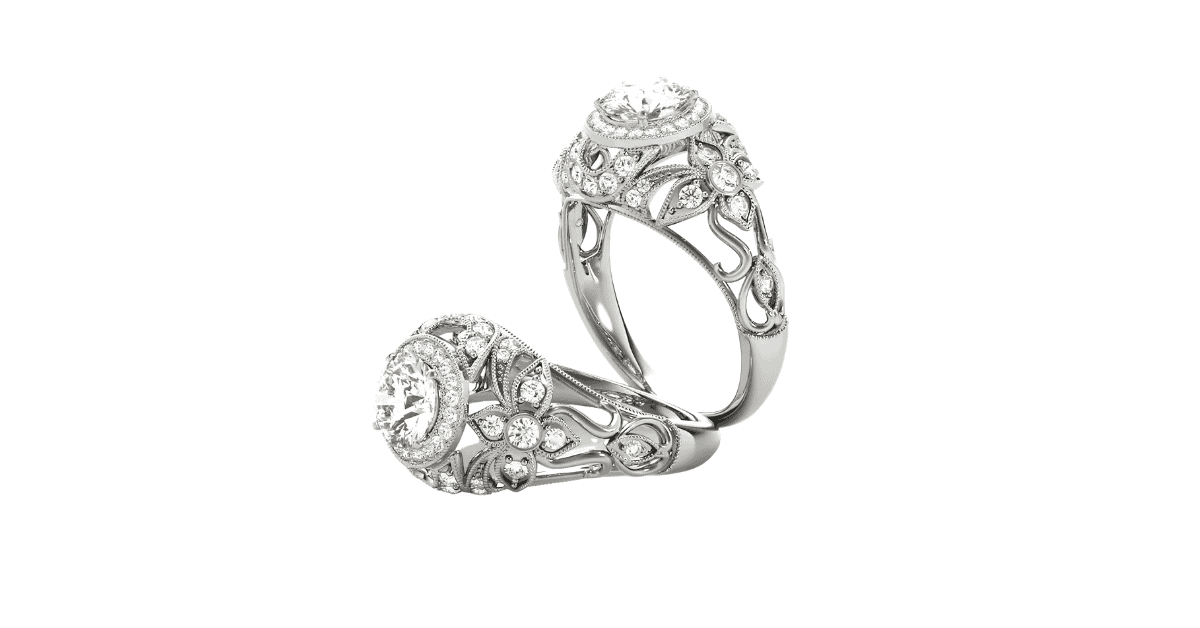
In most top-tier jewelry stores, a machine-produced filigree wedding band typically starts at $300 and can reach $5,000. If you want a custom-made, artisan-crafted ring, prices usually start at $1,200 and can reach $10,000 or more, especially if it includes precious gems. Some smaller jewelry stores also offer filigree bands at a lower price, so you can find bands well under $100.
The cost of a filigree wedding band depends heavily on how it was made. If you choose a ring carefully shaped by hand, you should expect to pay much more for the labor-intensive artistry involved. On the other hand, machine-made or computer-aided designs tend to be more affordable because the production time is much shorter.
The final price depends on the metal choice and the design’s complexity. Platinum is naturally more expensive than gold due to its durability and rarity, while heavier, more detailed patterns require more material and time to complete. If you add diamonds or other gemstones to your filigree, your price will increase based on the quality, size, and number of stones set into the band.
Vintage or custom estate pieces cost more because of their rarity and the unique history they carry.
Filigree Wedding Bands vs Plain Bands: The Pros & Cons
Filigree wedding bands contain delicate, lace-like metalwork created by curling and soldering fine metal threads into patterns like scrolls, vines, or floral motifs. This style focuses on ornamental detail and texture.
On the other hand, a plain wedding band is a solid metal loop with a smooth, unadorned surface, emphasizing a minimalist aesthetic that prioritizes durability and simplicity.
The table below shows how they differ in their features:
| Feature | Filigree Wedding Band | Plain Wedding Band |
|---|---|---|
| Aesthetic | Textured and vintage-inspired. | Clean and minimalist. |
| Durability | Prone to snagging or bending if thin. | Holds up well to daily wear. |
| Maintenance | Requires careful cleaning to remove debris. | Very low maintenance; easy to polish. |
| Comfort | Can catch on clothing. | Smooth against the skin |
| Uniqueness | Highly unique and artistic in character. | Uniform |
The biggest advantage of a filigree band is the personality it adds to your finger, making it wearable art. However, if you work with your hands or lead highly active lifestyles, you may find plain bands easier. A plain band might be easier to deal with, a no-fuss experience; but a filigree wedding band gives you a distinct look that makes your ring stand out.
The best option for you depends on your personal values. If you prioritize easy care and long-term structural resilience, a plain metal band is the best choice for you.
If you prefer a romantic, standout piece that reflects a specific era or artistic style, the extra attention a filigree design requires may be a trade-off you find worth making.
How to Care for Your Vintage Filigree Bands?
Here are some tips that can help you keep your vintage filigree wedding ring in top shape for years:
- Remove the ring during rough tasks. If you are gardening, lifting weights, or scrubbing dishes, take the ring off.
- Keep soap away from the design. Avoid wearing your ring in the shower or while washing your hands frequently.
- Skip the ultrasonic cleaner. Stick to a soft toothbrush and mild soapy water at home.
- Check for loose stones. Visit a trusted jeweler at least once a year to inspect the prongs and solder points.
- Store it properly. When you are not wearing your ring, put it in a separate, soft-lined compartment or a fabric pouch.
Final Thoughts on Filigree Wedding Rings
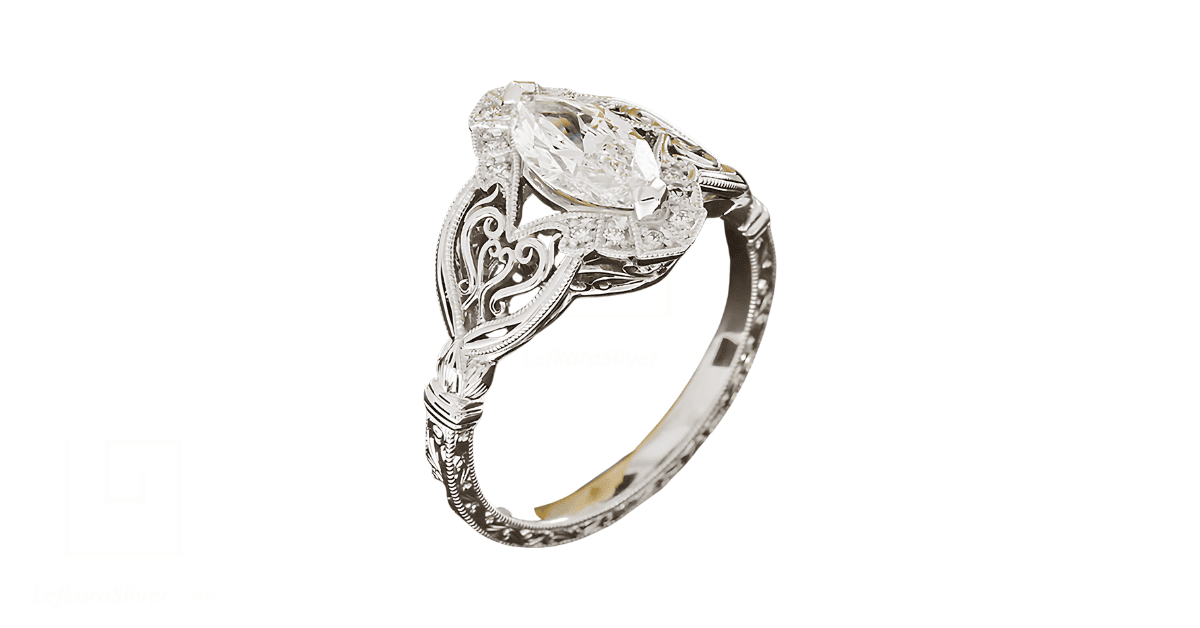
Whether you are looking for specific trends for women in 2026, or trying to find the right artist for a custom piece, the goal is always to find something that feels like an extension of your own style.
Keep these key points in mind while shopping for your bands:
- Filigree has existed for over 3,000 years.
- Platinum is the most durable choice for filigree work because it holds its shape better than gold or silver over long periods.
- Not all intricate metalwork is filigree. Milgrain is the technique of adding small beaded borders, while engraving involves cutting into the metal surface.
- Avoid ultrasonic cleaners at all costs to protect the solder joints in your filigree design.
This content was last updated in October 2026. Follow our website, LefkaraSilver.com, to stay informed about new jewelry offers, news, and buying guides.