What is Birthstone Jewelry?
Choosing a gift that actually feels personal can be a struggle, but birthstone jewelry solves that problem pretty quickly. We’ve put together the latest information as of October 2026 to help you find pieces that look great and mean something.
This guide covers everything you need to know, including birthstone jewelry key facts & statistics, and our picks for the top 5 brands for unique birthstone jewelry. We will look at the different types of birthstone jewelry, walk through all birthstones by month, and find out where to find the best waterproof birthstone jewelry.
If you want to get sentimental, you will find tips on making a personalized birthstone necklace for your mom and plenty of women’s birthstone jewelry gift ideas. We also look at modern birthstone jewelry trends and share birthstone jewelry care tips to keep your gems bright.
To paint a vivid picture, birthstone jewelry is any piece that features a gemstone linked to the month a person was born. Although the tradition is thousands of years old, it remains one of the most popular ways to wear jewelry today.
People love it because it tells a story. Instead of just picking a shiny rock because it looks nice, you are picking a stone that represents your identity or the people you love. You can find these gems in everything from simple rings to elaborate necklaces that feature the birthstones of an entire family.
Birthstone Jewelry Key Facts & Statistics – October 2026
From market growth to historical shifts, the following data show why birthstone pieces are taking over the jewelry world.
- The global birthstone jewelry market is growing steadily and is expected to see a rise of 7.2% between 2025 and 2033.
- Surveys show that over 60% of jewelry buyers prefer pieces that include a birthstone because they feel more personal than standard designs.
- The broader personalized jewelry market is on track to hit a value of $47.45 billion by 2032.
- While people have worn these stones for ages, the official list of birthstones was only set by the National Association of Jewelers in 1912.
- The traditional list used in the United States actually started in Poland during the 16th to 18th centuries.
- The industry added tanzanite to the December list in 2002, marking the first change to the list in 50 years.
- Ethical sourcing is becoming a standard, with many top brands now using 100% recycled metals for their birthstone settings.
- Rare rubies, the July birthstone, can sometimes cost more than $1,000,000 per carat at high-end auctions.
- The original historical inspiration for the 12 monthly stones comes from the breastplate of Aaron described in ancient texts.
Top 5 Brands for Unique Birthstone Jewelry
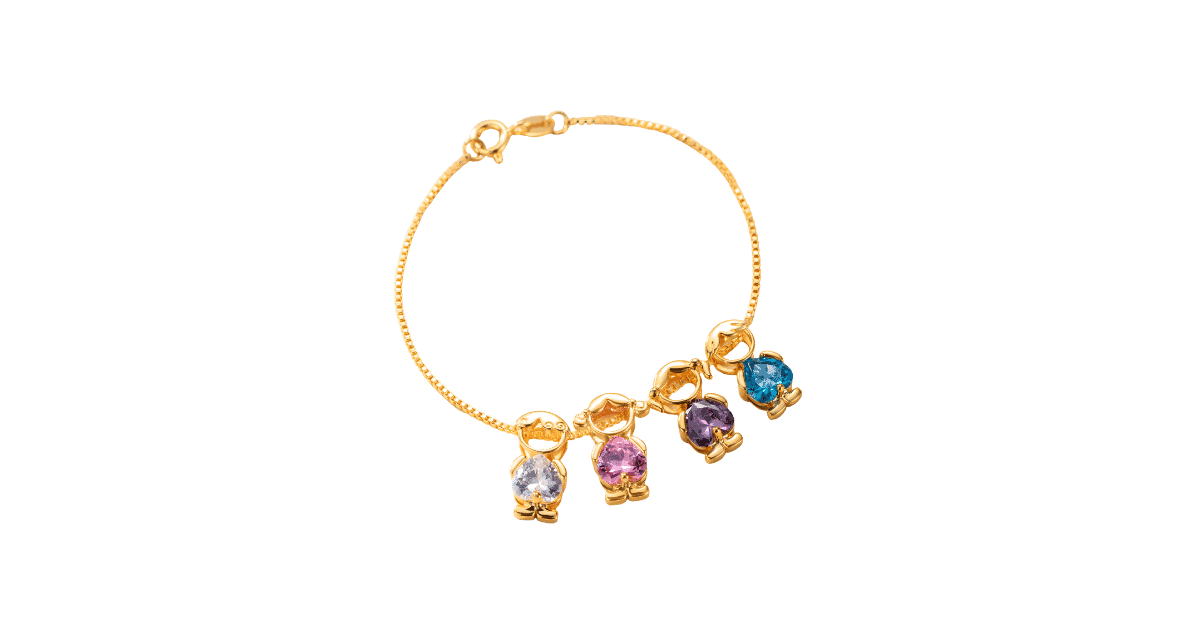
Birthstone jewelry is more than just a fashion choice; it connects you to your personal history and the month that shaped you. People have worn these stones for centuries, believing they bring luck, protection, and a sense of self. When you decide to buy a piece, you want to make sure the stones are the real deal, and the metal won’t turn your skin green after a week.
Our team studied the backgrounds of dozens of shops to find those that offer authentic gems and designs that don’t look like everything else in the mall. We looked at how they get their materials, what customers say about them, and if their pieces actually last.
Here are the top five brands that stand out for their quality and unique styles.
1. Aurate
Aurate runs its shop out of New York City, focusing on pieces that don’t mess up the planet. They use recycled gold and stones that don’t come from conflict zones. Most of their items are made to order, which means they aren’t wasting resources on extra stock that just sits in a warehouse.
Prices at Aurate usually start around $120 for simple rings and increase as you add more gold or larger stones. They offer a lifetime warranty that covers services such as stone tightening, reshaping, and polishing. This is a big plus because many jewelry shops charge extra for basic maintenance after the first year.
2. Mejuri
You can find birthstone pieces here, starting around $80 for silver and going up to $500 or more for 14k solid gold. They are very open about their supply chain, so you know exactly where your gold and stones come from. Mejuri is famous for its minimalist style, making it a top choice for people who like to stack multiple rings or layer thin necklaces.
3. Kendra Scott
Kendra Scott is a great pick if you love color and want something that feels personal. While they have a huge range of styles, their “Color Bar” allows you to pick your favorite stone and setting to create a custom piece on the spot. They use a variety of stones, from genuine gems to fine crystals, depending on the price point you want.
Prices are very accessible. The brand is also known for giving back to the community, with a big focus on women’s and children’s charities.
4. Monica Rich Kosann
Monica Rich Kosann focuses on storytelling, using lockets and charms to hold personal meanings. Their birthstone jewelry feels substantial and classic, often using 18k gold and high-quality gems that catch the light beautifully.
This brand sits at a higher price point, with pieces ranging from $200 for silver charms to over $5,000 for gold necklaces. They are a certified B Corp, which means they meet high standards for social and environmental performance. A birthstone locket from this collection is a popular way to keep a small photo and a meaningful gem together in one piece.
5. Brilliant Earth
They offer a huge variety of birthstone pieces, including lab-grown options that are identical to mined stones but have a smaller carbon footprint. Prices vary widely based on the stone size, but you can find beautiful pendants and rings starting around $300.
They are a great choice if you want a very specific stone type or a custom setting. In 2026, more people are choosing lab-grown birthstones because they offer better clarity and color for a lower price than mined gems.
Types of Birthstone Jewelry
The story of birthstones dates back to the Old Testament, specifically to the breastplate of Aaron, which held twelve stones representing the twelve tribes of Israel. Over time, these twelve stones became linked to the twelve months of the year and the zodiac. By 1912, the Association of Jewelers in the US set a standard list to make it easier for people.
When you’re shopping, you’ll see a mix of modern and traditional stones. For example, March babies might choose between aquamarine and bloodstone, while December babies have options like turquoise, tanzanite, and blue topaz. Knowing how to wear and care for these different types helps you keep them looking their best for years.
Birthstone Rings
Birthstone rings are the most common way to wear your month. They range from tiny, thin bands that you can stack together to large cocktail rings that take up a lot of space on your hand. People wear them to mark their own birth, but they are also a huge hit for moms who want to wear the birthstones of all their children at once. Symbolically, a ring represents a circle of life and commitment to oneself.
These rings look great with almost any outfit. A simple gold band with a small stone works for the office or a casual lunch. If you’re heading to a wedding or a big party, a larger ring with a bold stone like a ruby or emerald can act as your main statement piece. Always take off your birthstone rings before you go to the gym or do heavy cleaning to prevent the metal from bending or the stone from chipping.
Birthstone Necklace
A necklace puts your stone right in the center of your look. Most people choose a simple pendant on a delicate chain, but birthstone nameplates and chokers are very popular right now. Wearing a stone around your neck is often seen as a way to keep your personal energy or the memory of a loved one close to your heart. It acts as a focal point for your entire outfit.
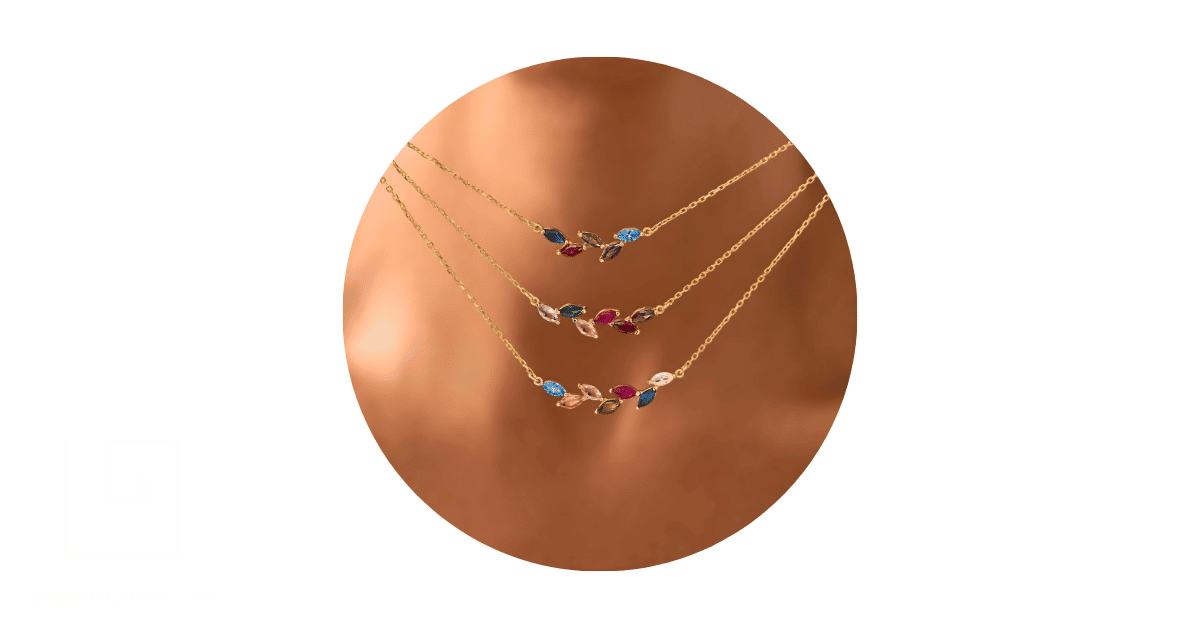
When styling a necklace, look at your shirt’s neckline. A V-neck is the perfect frame for a drop pendant, while a crew neck or a turtleneck looks better with a longer chain or a bold choker. Layering three necklaces of different lengths—like a choker, a mid-length birthstone pendant, and a long gold chain—is a smart way to pull a look together.
Birthstone Bracelet
Bracelets add a nice bit of movement to your wrist. You can find birthstones set into stiff cuffs, flexible bangles, or classic “tennis” style chains. Historically, people wore bracelets as charms to bring good luck or to show their status. Today, they are a fun way to add a pop of color to your “arm party” of gold and silver bands.
Wear these with shorter sleeves so they don’t get hidden under your clothes. A thin chain with a single stone is great for everyday wear because it doesn’t get in the way while you type or drive.
Birthstone Earrings
Earrings frame your face and can make your eyes pop, depending on the stone’s color. Simple studs are the most popular choice because they are comfortable to wear all day, even while you sleep or work out. If you want something more noticeable, birthstone hoops or long drop earrings add a touch of elegance to your look. They are often seen as symbols of focus and intuition.
To style them, first match the metal to your skin tone. Gold usually looks better on warm skin tones, while silver or platinum shines on cool skin tones. If you have multiple ear piercings, wearing your birthstone stud in your first hole and a small gold hoop in the second is a quick way to look trendy. Because they are so close to your face, these stones can brighten your complexion and make you look more awake.
All Birthstones by Month
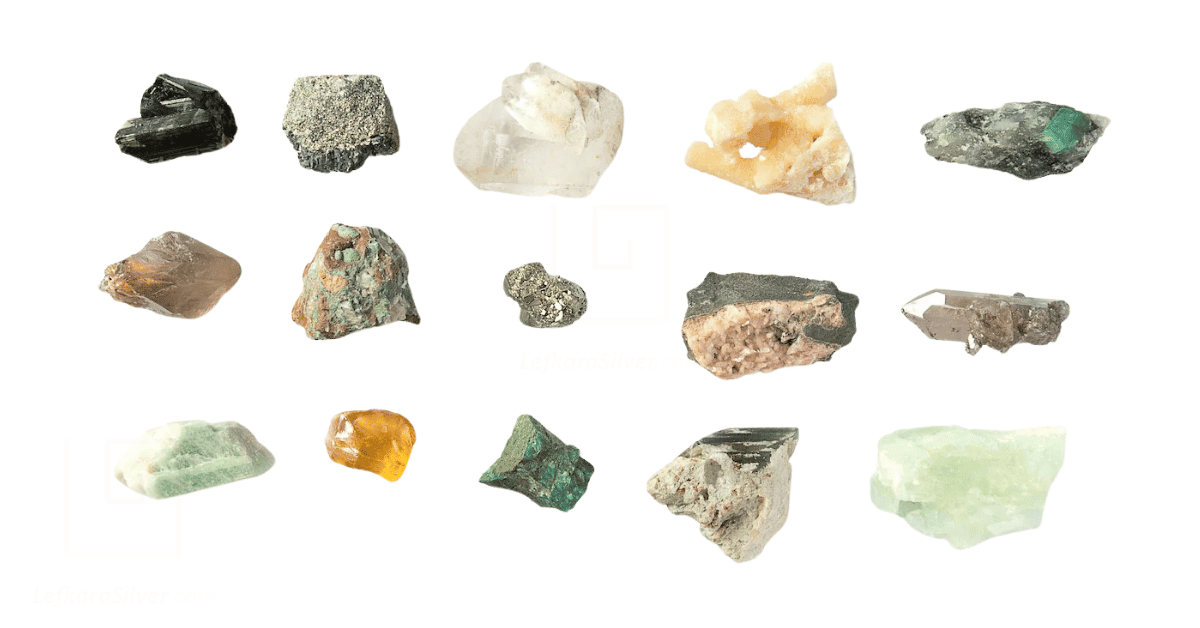
Wearing jewelry that matches the month you were born is a tradition that has stuck around for centuries. It is more than just a fashion choice; these stones carry stories about who we are and where we come from. People used to think these gems had special powers, like keeping you safe during a storm or helping you win a fight. Today, we mostly wear them because they add a personal touch to an outfit, making a piece of jewelry feel like it was made just for you.
Each stone has its own vibe and history. Some are linked to ancient kings and queens, while others were once used as currency. There are a few unwritten rules, too. Some people believe it is bad luck to wear a stone that doesn’t belong to your birth month, especially when it comes to opals. Others think you should own all twelve stones and swap them out as the months change to get the most benefit. Whether you believe the myths or just like the colors, these gems are a great way to mark a big life event.
January starts the year with the garnet. While most people think of a deep, dark red when they hear “garnet,” these stones actually come in almost every color except blue. The name comes from a Latin word that means “seed” because the red ones look exactly like pomegranate seeds. In the past, travelers carried them to light up the night and protect themselves from bad luck on the road.
Symbolically, garnets stand for friendship and trust. If you are born in January, your stone says you are a loyal friend who stays grounded. Garnet has a hardness of 6.5 to 7.5 on the Mohs scale, which makes it tough enough for rings you wear every day. Just make sure to keep it away from harsher stones like diamonds that can scratch it.
February belongs to the amethyst. This is a purple variety of quartz that ranges from a light, airy lilac to a deep, royal violet. For a long time, only the richest people and royalty could wear it because purple dye and purple stones were very rare. Ancient Greeks even believed that wearing an amethyst or drinking from a cup made of it would keep you from getting too drunk.
Amethyst symbolizes peace, clarity, and a calm mind. It is a great stone for people who need to stay focused and relaxed. Because it is 7 on the hardness scale, amethyst is fairly durable, but you should avoid leaving it in direct sunlight for long periods, as the color can fade over time. It is one of the most popular stones for meditation and spiritual jewelry.
March babies get the aquamarine. This stone looks like a drop of clean ocean water, with colors ranging from a very pale blue to a vibrant blue-green. Its name literally translates to “sea water” in Latin. Sailors used to keep these gems on their ships to make sure the ocean stayed calm and they returned home safely from their trips.
Aquamarine symbolizes youth, health, and hope. It is often linked to clear communication and honest relationships. Most aquamarines are heat-treated to bring out their famous blue color, so they are usually very clear and free of internal marks. It is a beautiful choice for someone who loves a cool, serene look.
April is all about the diamond. Known as the hardest natural substance on Earth, diamonds are formed deep underground under massive pressure. They are usually clear, but you can find them in yellow, brown, and even rare pink or blue hues. Because they are so strong, they have become the ultimate symbol of love that lasts forever.
Beyond love, diamonds represent strength and invincibility. If you have an April birthday, your stone is a 10 on the hardness scale, meaning nothing can scratch it except another diamond. While there are no hard rules about wearing them, they are the most popular choice for engagement rings because they can handle the wear and tear of daily life without breaking.
May brings the rich, green emerald. This stone has been a favorite for thousands of years; Cleopatra was famous for her massive emerald collection. They are a variety of beryl, just like aquamarine, but their deep green color sets them apart. Emeralds often have tiny cracks or “gardens” inside them, which is how you can tell a real stone from a fake one.
Emeralds symbolize rebirth, growth, and fertility. They are linked to the arrival of spring and the idea of new beginnings. Emeralds are softer than rubies or sapphires, usually sitting at a 7.5 or 8 on the hardness scale. Because they are more brittle, you should be careful not to knock them against hard surfaces, and they should never be put in an ultrasonic cleaner.
June is unique because it has three birthstones: the pearl, the moonstone, and the alexandrite. Pearls are the only gems that come from a living creature, growing inside mollusks like oysters. Moonstones have a ghostly, shimmering glow that looks like moonlight trapped in a stone. Alexandrite is a rare gem that actually changes color, appearing green in the sun and red under indoor lights.
These stones symbolize purity, intuition, and change. Pearls are very soft, measuring only a 2.5 to 4.5 on the hardness scale, so they need extra care. A good rule for pearls is to put them on last after your perfume and hairspray have dried, as chemicals can eat away at their shine. They are classic, timeless, and look great on everyone.
July features the ruby, often called the “king of precious stones.” Rubies are a variety of the mineral corundum and are famous for their bright, fiery red color. The most valuable rubies have a shade called “pigeon’s blood,” which is a vibrant red with a tiny hint of blue. In ancient times, people believed rubies held an inner flame that could never be put out.
A ruby symbolizes passion, power, and courage. It is one of the most expensive gems in the world, with fine-quality rubies sometimes selling for over $1,000,000 per carat. They are very tough, with a hardness of 9 on the hardness scale,second only to diamonds. This makes them perfect for any type of jewelry, from necklaces to everyday rings.
August traditionally uses the peridot, but spinel has also become a popular choice. Peridot is one of the few gemstones that only comes in one color: olive green. The intensity of the green depends on how much iron is in the stone. Ancient Egyptians called peridot the “gem of the sun” because of its bright, cheerful glow that doesn’t dim even in low light.
Peridot symbolizes strength and protection. It was once thought to keep away nightmares and bad spirits if it was set in gold. Peridot is a 6.5 to 7 on the hardness scale, so it is a bit more sensitive than a ruby or sapphire. You should avoid wearing peridot jewelry while doing heavy cleaning or yard work to prevent scratches.
September is the month of the sapphire. While blue is the most famous color, sapphires actually come in every color of the rainbow, including pink, orange, and yellow (except red, which would make it a ruby). For centuries, sapphires were the favorite stone of royalty, appearing in many crown jewels and famous engagement rings like Princess Diana’s.
Sapphires represent wisdom, loyalty, and trust. They are seen as stones that bring mental focus and order. Like rubies, sapphires are a 9 on the hardness scale, making them incredibly durable. They are an excellent choice for birthstone necklaces, rings, and other sustainable jewelry you want to pass down to your children one day.
October offers two very different choices: opal and tourmaline. Opals are famous for their “play of color,” showing flashes of every hue as you move the stone. Tourmaline is often called the “rainbow gemstone” because it comes in so many variations; some stones even have two colors, like the pink and green “watermelon” tourmaline.
Opals symbolize hope and creativity, while tourmaline stands for balance and compassion. Opals contain up to 21% water, which makes them very delicate and prone to cracking if they get too dry. There is an old superstition that it is bad luck for anyone not born in October to wear an opal, but most modern jewelry lovers ignore this rule and wear them anyway for their unique beauty.
November babies can choose between topaz and citrine. Both stones are known for their warm, golden colors that match the autumn season. Topaz comes in many colors, but the orange-pink “Imperial Topaz” is the most prized. Citrine is a variety of quartz that ranges from a pale yellow to a deep brownish-orange.
These stones symbolize joy, success, and abundance. They are thought to bring good energy and a sunny outlook to the wearer. Citrine is a 7 on the hardness scale, while topaz is an 8. Topaz is a bit more durable, but it can still split if hit at the right angle, so treat your November jewelry with a bit of care.
December rounds out the year with blue stones: turquoise, tanzanite, and blue zircon. Turquoise is an opaque blue-green stone that has been used in jewelry for thousands of years by Native Americans and Egyptians. Tanzanite is a newer find, discovered in 1967 in Tanzania, and it has a stunning violet-blue color that you can’t find anywhere else.
These stones symbolize health, wisdom, and protection. Turquoise is relatively soft and porous, so it can absorb oils or chemicals, which might change its color over time. It is best to clean December stones with just a soft cloth and warm water. They are a perfect way to end the year with a pop of cool, refreshing color.
Where to Find the Best Waterproof Birthstone Jewelry?
While some gems are naturally water-resistant, the real secret lies in the metal. Most waterproof jewelry uses solid gold or a PVD (Physical Vapor Deposition) coating on stainless steel, creating a finish that is 10 times stronger than standard gold plating.
If you are looking for high-quality pieces that last, online shops are often your best bet because they offer more variety in terms of custom birthstone settings. Abbott Lyon is a top choice for people who want personalized birthstone necklaces and rings that are water-resistant. They use high-grade plating techniques that allow you to wear your jewelry all day, every day. Another great online option is Mejuri, which sells solid gold birthstone pieces that naturally won’t tarnish even if you never take them off.
For those who prefer to shop in person, major cities in the United States have specialized boutiques that focus on ethical and durable jewelry. In New York City, you can find Aurate, which offers solid gold birthstone jewelry made right in the city. Because their pieces are 14k or 18k solid gold, they are completely waterproof and won’t fade.
You can also check out brands like Monica Vinader or local artisan shops in places like Los Angeles that specialize in tarnish-free lines. When searching, always look for the words “solid gold,” “PVD coated,” or “tarnish-resistant” to ensure your birthstone jewelry can keep up with your busy life. Investing in solid 14k gold ensures your piece stays bright for decades, making it worth the higher price tag.
Making a Personalized Birthstone Necklace for Mom
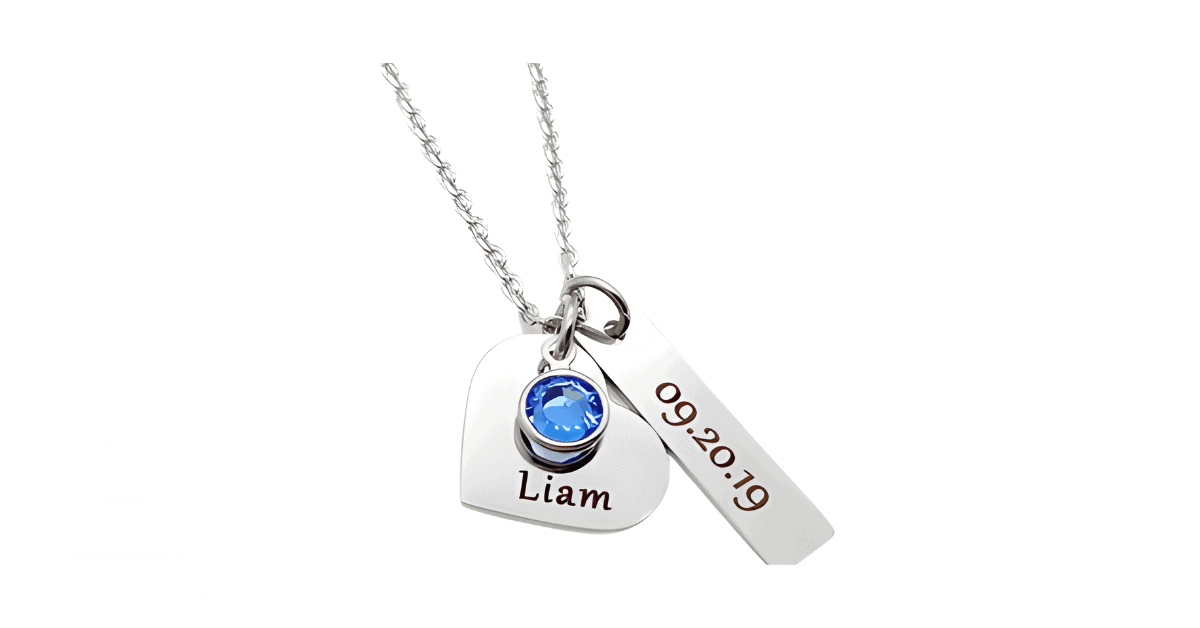
Finding a gift that feels right usually starts with finding brands that let you pick out specific stones for the people you love. Several jewelry brands offer ways to choose gems for a mother’s birth month or the months her kids were born. Shopping with these experts is often the best move because they have the tools to set stones securely in metals like gold or silver.
If you want to try something more personal, you can make a DIY birthstone bracelet for your mom. It is a great way to build a piece that she will actually want to wear without spending a fortune.
- Get some strong elastic cord or jewelry-grade memory wire.
- Pick your birthstone beads. You can buy these at most gem shops or online. Garnets come in almost every color except blue, so you have plenty of options if she has a January birthday but prefers green or orange over red.
- Buy some metal beads to act as spacers. These keep the gems from hitting each other and make the piece look more professional.
- Put the stones in order. Most people go by birth month or the age of each child.
- Finish it off by tying a secure surgeon’s knot or using a crimp bead to close the loop.
Women’s Birthstone Jewelry Gift Ideas
Most women love a gift that has a bit of a story behind it. Birthstone jewelry works well because it marks a specific time or person without being too loud. Even a small, simple piece can carry a lot of weight if it represents something real.
A simple necklace with a single stone is a safe bet for daily wear and fits almost any style. If you want to go for something more unique, look into a ring that features a cluster of different stones to represent a whole family. Rubies are incredibly tough, second only to diamonds, which makes them a great pick for rings that need to last a lifetime. Giving a piece like this for a big birthday or a new baby adds a layer of meaning that a standard gift just lacks.
Timing is also a big part of the gift. While birthdays are the standard time for these pieces, Mother’s Day or even a graduation is a great time to give a birthstone piece. Whether you choose a bright Emerald for May or a deep Sapphire for September, the goal is to pick a piece that matches her personal style.
Modern Birthstone Jewelry Trends
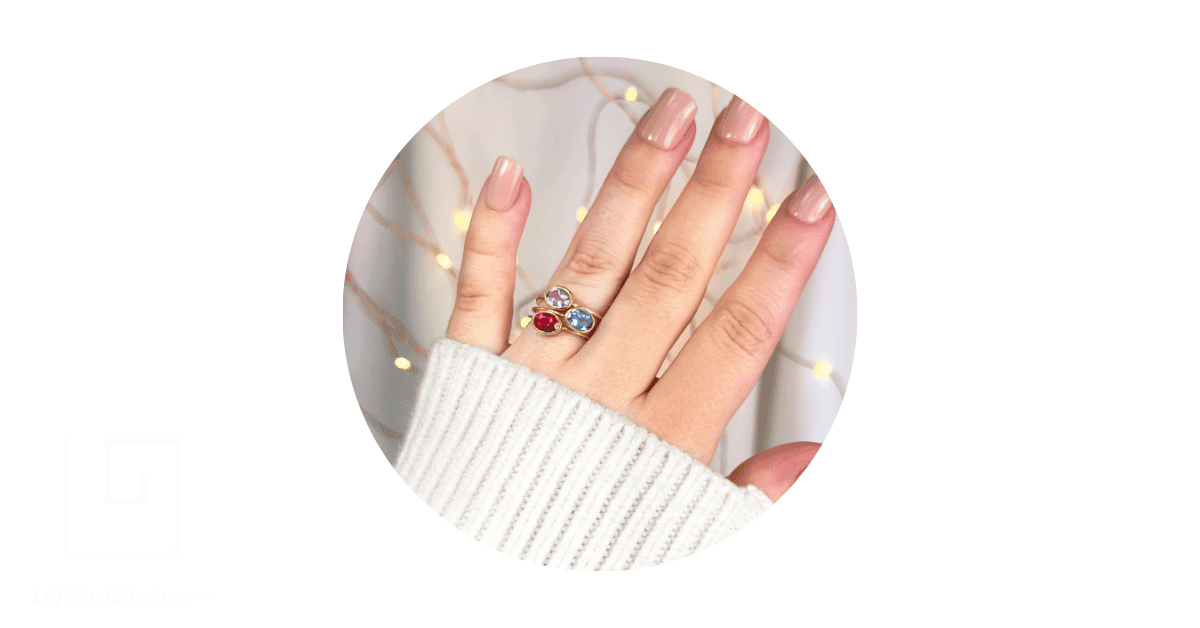
The list of gems used to mark birth months has seen several changes over the years. While the idea of linking stones to months has deep roots, the official list was established in 1912 by jewelry groups to ensure the stones were easy for shops to source and popular with buyers. Since then, the list has stayed fresh with new additions. For example, Tanzanite was added to the December group in 2002, and Spinel was added to the August group in 2016. These updates show that our connection to these stones is always shifting to match what we find beautiful today.
Right now, the biggest trend is making things personal. People are buying nameplate necklaces with a tiny birthstone at the end, or stacking thin rings featuring the stones of their kids or partners. Another major shift is the move toward lab-grown gems. About 70% of younger jewelry buyers now look for lab-grown or recycled options because they want stones with clear origins that don’t break the bank.
When you’re styling these pieces, think about layers. You can mix a personalized birthstone necklace with plain gold chains to let the color stand out. Mixing metals—like wearing a silver ring next to a gold one—is no longer a fashion mistake; it’s actually encouraged. If you have a stone that is a bit loud, like a bright red ruby or a lime-green peridot, try wearing it with neutral colors like white, black, or beige to make the gem the star of the show.
| Month | Modern Birthstone | Traditional Birthstone | Key Difference |
|---|---|---|---|
| January | Garnet | Garnet | Both focus on deep red varieties. |
| February | Amethyst | Amethyst | Purple quartz remains the standard for both. |
| March | Aquamarine | Bloodstone | Modern favors sea-blue gems over dark green with red spots. |
| April | Diamond | Diamond | The hardest gem stays at the top of both lists. |
| May | Emerald | Emerald | This classic green stone has never changed places. |
| June | Alexandrite / Pearl | Pearl | Modern adds the rare color-changing Alexandrite. |
| July | Ruby | Ruby | Red corundum remains the constant choice. |
| August | Peridot / Spinel | Sardonyx | Modern moves away from the striped brownish-red stone. |
| September | Sapphire | Sapphire | Blue is the favorite, though it comes in many colors. |
| October | Tourmaline / Opal | Opal | Modern adds Tourmaline for more color variety. |
| November | Citrine / Topaz | Topaz | Modern adds Citrine as a budget-friendly yellow option. |
| December | Blue Topaz / Tanzanite | Turquoise / Lapis | Modern focuses on clear, faceted blue stones. |
Are There Birthstone Jewelry for Kids?
You can always find safe jewelry options for children, including birthstone pieces built for their active, restless lives. These items aren’t just smaller versions of adult jewelry; they use specific builds to keep them on small bodies and prevent skin irritation or choking hazards.
If you are looking for the best places to buy, stores like Aurate, Tiny Blessings, and The Jewelry Vine are top picks. Aurate is a great choice because they use solid gold and offer a lifetime warranty, which is helpful since kids are prone to losing things. Tiny Blessings centers on high-end safety features, and The Jewelry Vine has a wide selection of sterling silver and 14k gold pieces made specifically for little ones.
These kid-friendly options usually come with screw-backs, which have a threaded post and a back that screws on like a nut. This keeps the earring from falling out and prevents the post from poking the child behind the ear while they sleep or play. Necklaces for kids are often shorter, usually 12 to 14 inches, and come with safety clasps that break apart if they get caught on something.
The metals used are almost always hypoallergenic, such as 14k gold or sterling silver, to prevent rashes. Most stones in kids’ jewelry are set in bezel settings, where the metal wraps around the gem. This keeps the stone secure and prevents any sharp edges from scratching the child’s skin.
Your Birthstone Jewelry Care Tips
Keeping your birthstone jewelry in top shape is the only way to make sure it stays beautiful for a long time. These pieces often mean a lot to us, but they can get dull or damaged if they aren’t handled with care.
A simple mix of warm water and mild dish soap is the safest way to wash almost any gemstone. Use a soft-bristled toothbrush to reach into the small gaps around the stones where oils and dust tend to hide.
Make it a rule to put your jewelry on last. Chemicals in perfume, hairspray, and makeup can coat your stones and make them look cloudy. This is especially true for porous gems like pearls and opals.
Store your jewelry in separate soft pouches or a box with divided slots. Harder stones like diamonds can easily leave permanent marks on softer gems like garnets or amethysts if they touch.
Keep an eye on the environment. Some stones, like amethyst and citrine, can lose their color if they sit in direct sunlight for too long every day. Also, remove your rings before you go for a swim. Chlorine in pools can weaken the metal and damage the surface of your gems.
Check your jewelry for loose stones at least once a month. If you notice a stone wiggling or a prong that looks bent, stop wearing it until a pro can fix it. Regular check-ups prevent the heartbreak of a missing gem.
For other unique jewelry options with deep meaning, check out this guide to Evil Eye Jewelry.
Birthstone Jewelry: Final Thoughts
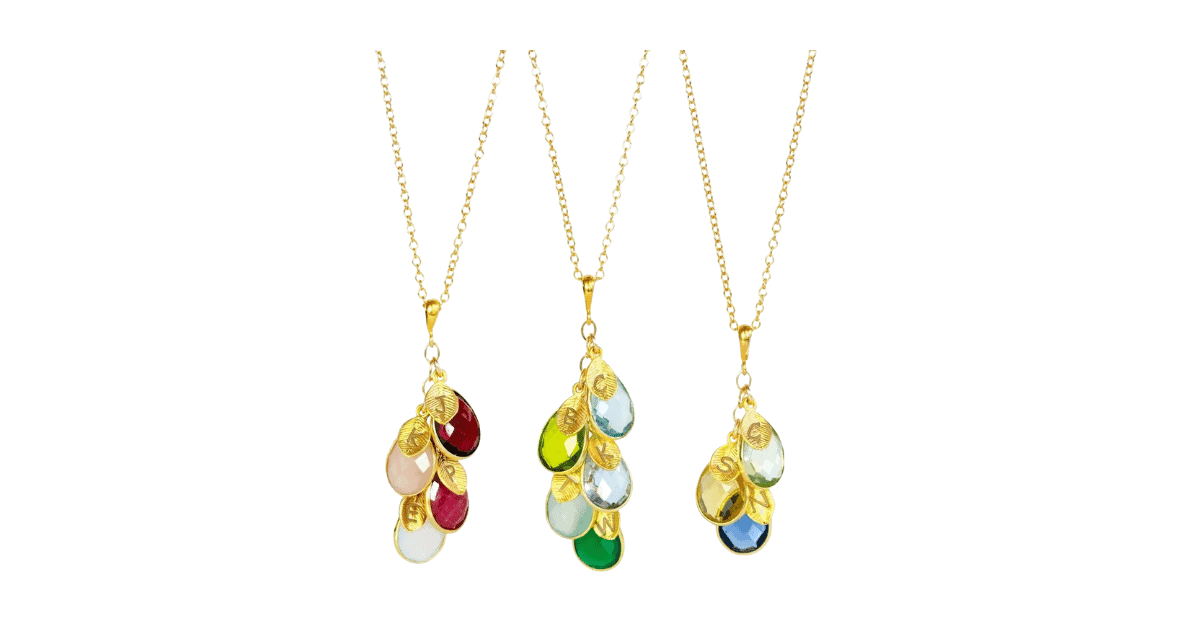
We have reviewed the key facts and statistics about birthstone jewelry, including the top five brands to watch. We covered the various types of pieces you can buy, the stones for every month, and where to find waterproof options. We also looked at how to create a personalized necklace for a mom, gift ideas for women, modern trends, and even the best options for kids. Using the care tips we shared will help you keep these special pieces bright for years.
Here are some importnat facts to always remember about birthstone jewelry:
- The tradition of 12 birthstones dates back to the Breastplate of Aaron in the Book of Exodus.
- Rubies can cost more than $1,000,000 per carat if the quality is high enough.
- NASA found evidence of opals on Mars in 2008, suggesting the planet once had water.
- Pearls are the only gemstones that come from a living creature rather than the earth.
- The largest diamond ever found, the Cullinan, weighed over 3,106 carats.
- Ancient Romans used carved garnets in rings to stamp the wax seals on important papers.
- Some peridots have been found inside meteorites that fell from space.
This information was last updated in October 2026. Follow Lefkara Silver to stay updated on the latest jewelry news and trends.