How to Buy Gold Safely?
Buying gold is one of the oldest and most reliable ways to secure your wealth. It’s a tangible asset you can hold, a classic hedge against market unpredictability, and, frankly, it just looks good. But jumping into the gold market without a guide can be risky. The key is to move with confidence, armed with the right information.
This guide provides a map updated with the latest insights for October 2026. We’ll get into the nitty-gritty of gold investing, looking at the key statistics driving the market right now. You’ll get a clear picture of whether you should buy gold bars or coins, understand the real differences between physical gold and gold ETFs, and pinpoint the best times to make a purchase.
We will also cover how to buy gold on a budget, key factors to consider as a beginner, and the best countries for finding real, affordable gold jewelry. For those planning for the long haul, we will explain what a gold IRA is and how it works. Finally, you’ll learn about the LBMA’s important role in the global gold market, ensuring the gold you buy is the real deal.
Key Statistics of Gold in October 2026
This year has seen some serious moves in the gold market, with prices hitting new highs and central banks buying up reserves at a record pace. Here’s a look at the numbers.
- The price of gold peaked at $4,381.50 per ounce on October 20, 2025, marking a significant high for the year.
- Overall, gold has delivered an impressive year-to-date gain of nearly 40%, making it one of the top-performing assets.
- Central banks have been major players, adding 244 tonnes of gold to their reserves in the first quarter alone, which is about 24% more than their five-year quarterly average.
- Investment demand has been a key driver, with total demand in Q1 2025 reaching 1,206 tonnes, the highest for a first quarter since 2016.
- Gold Exchange-Traded Funds (ETFs) saw a massive revival, with inflows reaching 226.5 tonnes in the first quarter of 2025.
- Bar and coin demand from individual investors remained strong at 325 tonnes, sitting 15% above the five-year quarterly average.
- For a gold IRA, the IRS requires gold to be at least 99.5% pure to qualify for inclusion in your retirement account.
- When it comes to taxes, profits from selling physical gold are taxed as collectibles at a maximum rate of 28% in the United States.
- The London Bullion Market Association (LBMA), which sets global standards, oversees more than 170 member companies across 27 different countries.
- Financial planners generally suggest allocating a modest 2% to 5% of your total investment portfolio to gold to balance risk.
7 Vetted Brands to Buy Gold for Jewelry Making Online
When crafting jewelry, the quality of your gold is paramount, which is why working with trusted suppliers is a critical part of the process. These vendors are known for their quality, transparency, and service to the jewelry-making community.
1. Cooksongold
Cooksongold is a staple for professional jewelry makers, especially in the UK and Europe. The company functions as a comprehensive resource, supplying precious metals in nearly every form a jeweler could need. You can find gold wire, sheet, tubes, solder, and casting grain cut to your precise requirements.
What makes them a go-to is the sheer variety and specialization. They offer gold in different karats and colors, including yellow, white, and red gold. Their product lineup is built for creating, with options like Mokume Gane sheets and various solder types for different melting points. This focus on the practical needs of a jeweler makes them an invaluable partner for projects big and small.
2. Q-GOLD
As one of North America’s largest wholesalers, Q-GOLD is a key supplier for many retail jewelry stores and independent designers. They maintain a massive inventory of not just raw materials but also semi-finished and finished jewelry components. This includes everything from chains and clasps to settings and findings.
Their strength lies in their scale and service. For a jewelry business, being able to source both bulk gold chain and specific, ready-to-use components from a single, reliable supplier is a major operational advantage. They bridge the gap between raw metal and finished product, helping jewelers streamline their production processes.
3. JM Bullion
While primarily known as a dealer for precious metal investors, JM Bullion is a trusted source for jewelers seeking high-purity, certified gold. They offer a vast selection of gold bars and rounds in various sizes, from as small as a single gram up to kilos. For artisans, these smaller bars are an excellent source of raw material.
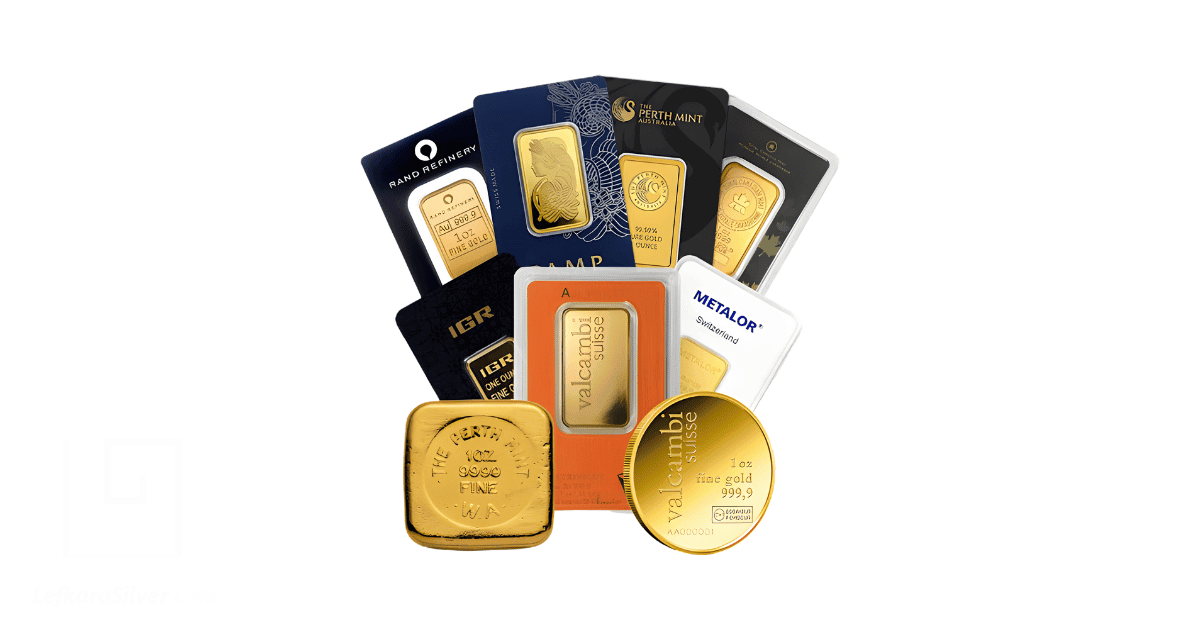
Buying from a major bullion dealer like JM Bullion provides assurance of authenticity and purity. All their products are clearly marked with weight and fineness, often from reputable mints like PAMP Suisse or Valcambi. This is critical for jewelers who need to guarantee the quality of the gold used in their finished pieces.
4. APMEX
The American Precious Metals Exchange, or APMEX, operates similarly to JM Bullion and is another powerhouse in the online bullion market. Their extensive inventory and strong reputation make them a reliable source for jewelers who need verifiable, high-quality gold for their work.
APMEX stands out for its wide range of products and user-friendly platform. A jeweler can easily purchase small gold bars or even fractional coins to melt down for custom creations. Their quick shipping and transparent pricing are huge pluses for small businesses that need to manage inventory and costs effectively. They also provide detailed product information, so you know the exact purity and origin of the metal you’re buying.
5. PAMP Suisse
PAMP Suisse is not a direct retailer but a world-renowned, LBMA-certified refiner whose products are synonymous with quality and artistry. Their gold bars, especially the famous Fortuna design, are considered top-tier. Jewelers often source PAMP bars from major dealers for high-end, bespoke pieces.
Using a PAMP Suisse bar as your source material adds a layer of prestige. The brand is globally recognized for its minimum 99.99% purity and exceptional finish. For clients who demand the absolute best, telling them their piece was crafted from a PAMP bar provides an assurance of quality that is hard to match.
6. Valcambi Suisse
Another elite Swiss refiner, Valcambi, is known for its innovation and precision. Like PAMP, their gold bars are of the highest quality and purity, making them a prime choice for luxury jewelry making. They are the inventors of the CombiBar, a divisible gold bar that can be broken into individual 1-gram pieces.
This unique format is incredibly useful for jewelers. The CombiBar offers unmatched flexibility, allowing an artisan to use precise, small quantities of certified gold without having to cut into a larger bar. This minimizes waste and makes managing materials for smaller projects, like rings or earrings, much more efficient.
7. The Silver Mountain
Based in the Netherlands, The Silver Mountain is a trusted European dealer that caters to both investors and jewelers. They offer a wide selection of LBMA-certified gold bars and coins from recognized producers like Umicore and C. Hafner.
Their selection guide and transparent pricing are particularly helpful. For a jeweler, the ability to compare the price-per-gram across different products is a significant benefit. They also stock unique items like gold combibars, providing the same flexibility as Valcambi’s products. Their focus on certified, easily tradable products ensures that any gold sourced from them meets the highest standards of purity.
Should You Buy Gold Bars or Coins?
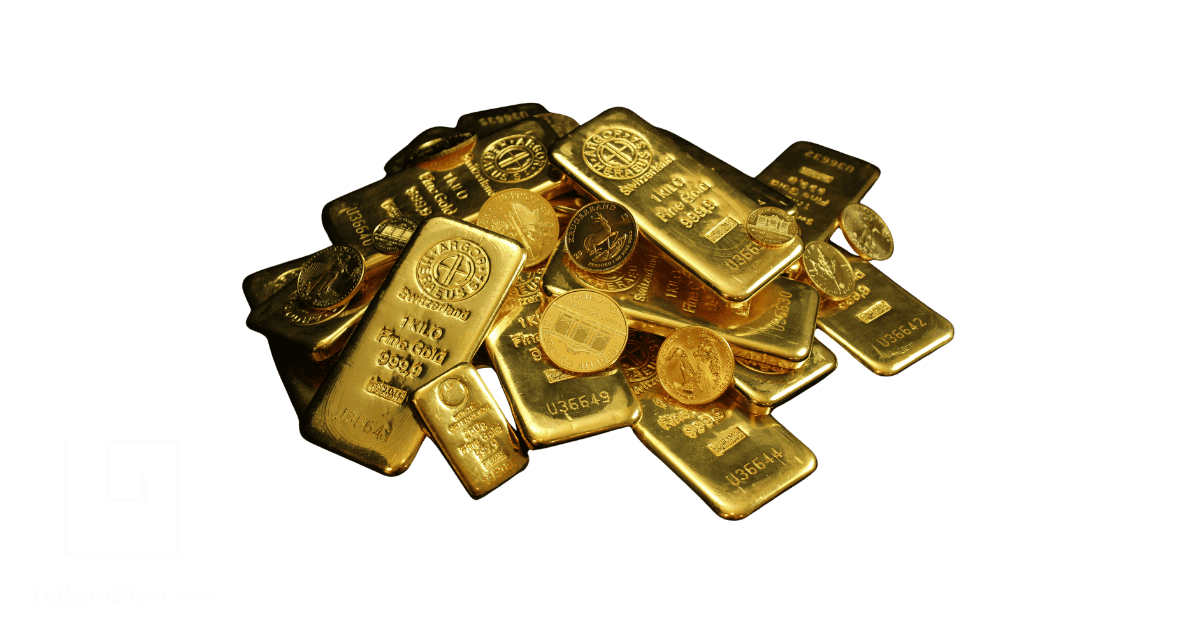
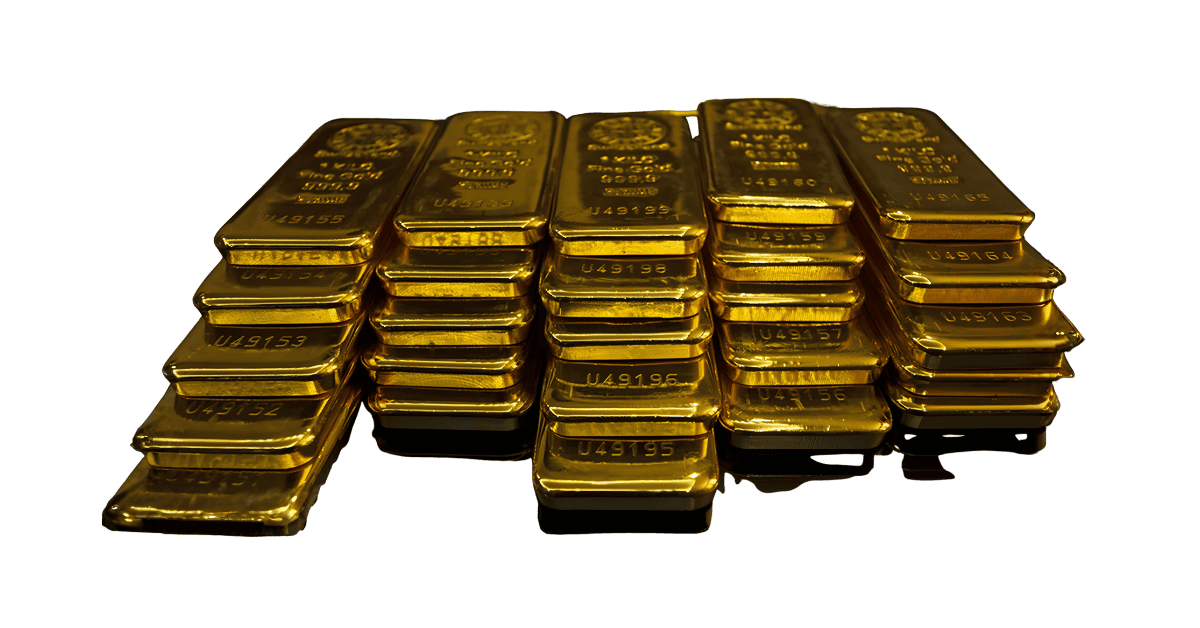
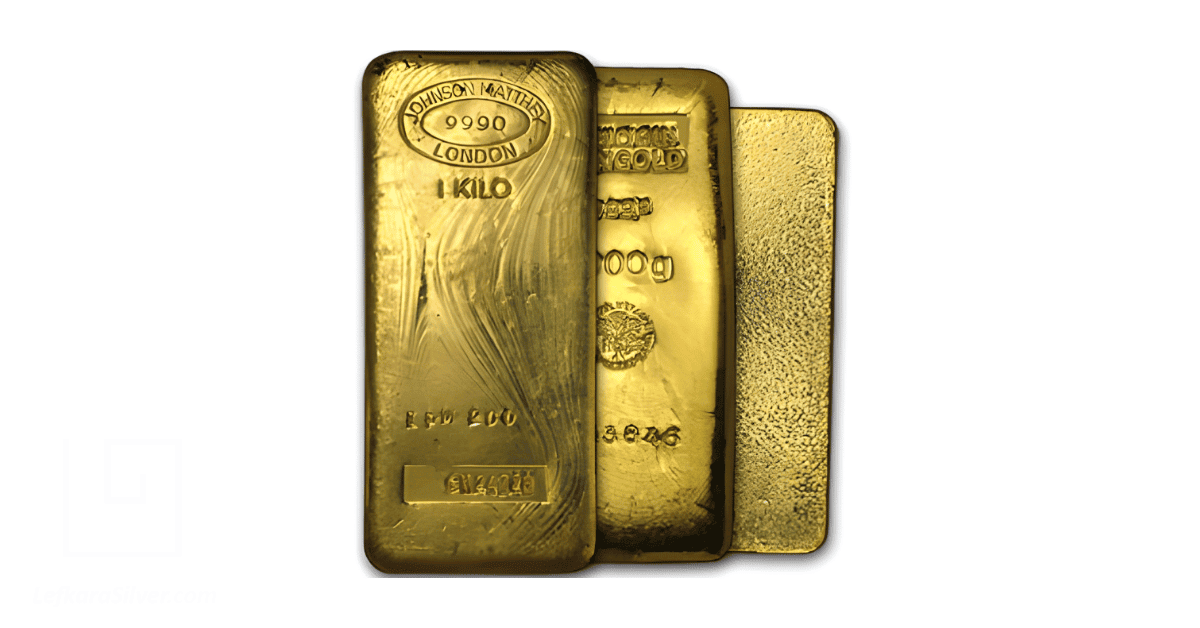
Gold bars, often called ingots or bullion, are blocks of refined gold produced by private mints or refiners. Their shape is typically simple, and they are stamped with their weight, purity, and the producer’s hallmark. The value of a gold bar is based almost exclusively on its metal content.
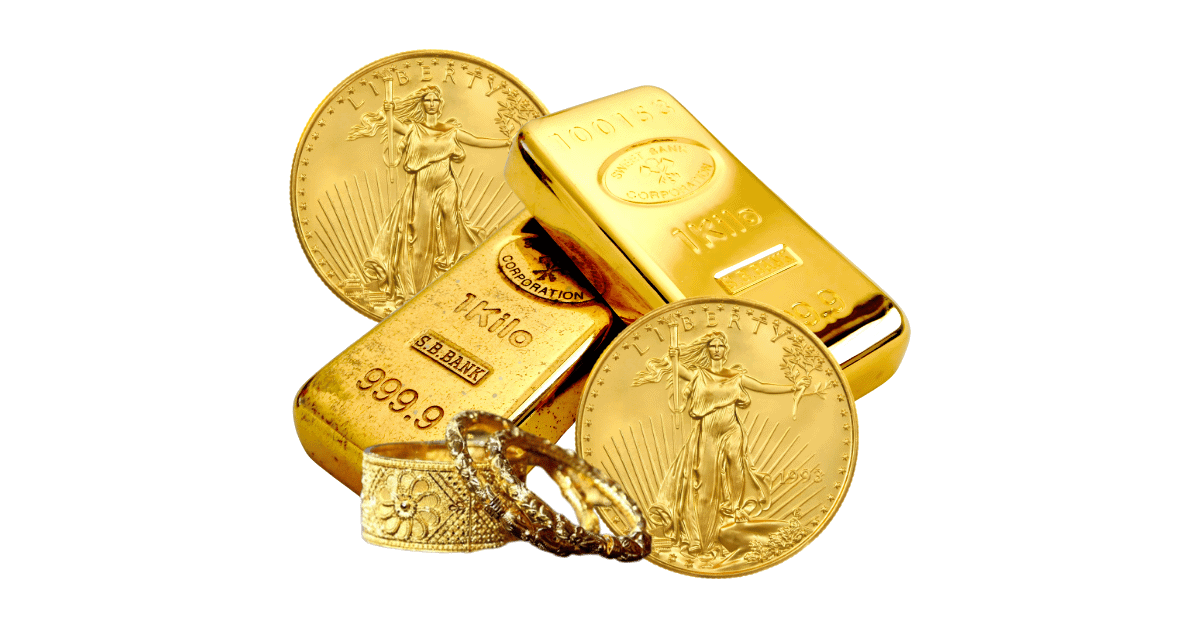
Gold coins, in contrast, are produced by government mints and carry a legal tender face value, such as $50 for a 1 oz American Gold Eagle. While their market value is overwhelmingly tied to their gold content, they also feature intricate designs, have historical context, and often possess collectible appeal that can add a premium to their price.
Here is a breakdown of the key differences:
| Feature | Gold Bars | Gold Coins |
|---|---|---|
| Premiums | Lower percentage over spot price | Higher percentage over spot price |
| Sizes | Wide range (1g to 1kg) | Mostly standardized (1/10 oz to 1 oz) |
| Flexibility | Better for large, single-sum investments | Ideal for buying or selling in smaller parts |
| Collectibility | Very low, valued purely for gold content | Often high, with potential numismatic value |
| Storage | More compact and efficient for large quantities | Requires more space for the equivalent value |
For individuals focused purely on investment, gold bars are often the better choice. The main reason is their lower premium over the spot price of gold. Because the manufacturing costs are lower on a per-ounce basis for larger bars compared to individual coins, you get more gold for your money. An investor buying a 1-kilogram bar might pay a premium of around 2-4%, while buying the equivalent weight in 1-ounce coins could result in premiums of 5-8% or higher. This cost-effectiveness makes bars the preferred vehicle for those looking to maximize their physical gold holdings. Storage is also more straightforward, as bars are uniform and stackable, making them more space-efficient in a safe or vault.
For collectors and those who want more flexibility, gold coins are the superior option. The higher premium on coins accounts for the detailed minting process and often, a degree of rarity or historical significance. This gives them a dual value: one based on their metal content and another based on their numismatic, or collectible, appeal. A rare coin can appreciate in value far beyond the price of its gold content.
Coins are also easier to sell in smaller increments. If you own a large gold bar and need to raise a small amount of cash, you must sell the entire bar. If you own a collection of 1-ounce coins, you can sell just one or two at a time. This divisibility makes coins a more liquid and adaptable asset. If you are interested in different ways to hold gold, you should check out more about the differences between gold coins and gold bars.
Physical Gold vs Gold ETFs
A gold Exchange-Traded Fund (ETF) is a type of investment fund that trades on stock exchanges, much like a regular stock. The fund’s primary goal is to track the price of gold. When you buy shares in a gold ETF, you are purchasing a piece of a trust that owns large quantities of physical gold bars stored in secure vaults. This gives you exposure to gold’s price movements without the need to handle or store the actual metal yourself. The value of your ETF shares rises or falls in direct relation to the market price of gold.
When comparing physical gold to a gold ETF, the choice comes down to your investment goals. Physical gold provides you with a tangible asset that you own directly, with no counterparty risk. This is its biggest advantage; if a financial system fails, you still hold the gold. However, it comes with higher initial costs, as premiums for gold coins and small bars can range from 4% to 8% above the market price of gold.
You are also responsible for its secure storage, which can mean buying a safe or paying for a depository service. In contrast, gold ETFs offer convenience and lower costs. The annual expense ratio for a popular gold ETF can be as low as 0.17%, making it a very cost-effective way to get exposure to gold. ETFs are also highly liquid, meaning you can buy and sell shares instantly through a brokerage account during market hours. The main drawback is that you don’t own the physical gold, only a claim on it, which introduces a layer of counterparty risk.
When is the Best Time to Buy Gold?
The old saying “it’s about time in the market, not timing the market” holds true for gold. Gold is best viewed as a long-term investment for wealth preservation, not a tool for quick profits. That said, certain economic conditions have historically created more favorable conditions for adding gold to a portfolio. Gold often performs well during periods of financial uncertainty, high inflation, and geopolitical instability.
When investors lose confidence in stocks or paper currencies, they usually turn to gold as a safe-haven asset, which drives its price up. In early 2025, for instance, gold prices surged to record highs above $3,900 per ounce, driven by concerns over inflation and global tensions. Buying before or during these periods can be advantageous, but it requires being ahead of the curve.
A disciplined approach is to use Dollar-Cost Averaging (DCA). This strategy involves investing a fixed amount of money at regular intervals, such as monthly, regardless of the gold price. By doing this, you buy more gold when prices are low and less when they are high, which can smooth out your average purchase cost over time. This removes the emotion and guesswork from trying to find the absolute bottom of the market. It’s a practical method for steadily building a position in gold without making a single, potentially ill-timed, large investment.
Some investors also look at historical seasonal patterns or take a contrarian view. Data over several decades suggests that gold prices can sometimes experience dips at the beginning of the year and during the summer, which could present buying opportunities. The contrarian strategy is to buy gold when it is unpopular and the market is stagnant. During these quiet periods, premiums on gold bars and coins tend to be lower, and supply is plentiful. While buying when no one else is interested can lead to better long-term value, it requires patience, as the next price rally could be years away.
Ultimately, none of these strategies guarantee a profit. The gold market can be volatile in the short term, and even well-reasoned timing can be upended by unexpected global events. The most effective approach is to align your gold purchases with your long-term financial goals for portfolio diversification and protection against inflation.
How to Buy Gold on a Budget?
It is entirely possible to own real, physical gold without a massive initial investment. Building a gold portfolio on a budget is about making smart, consistent choices.
First, map out your financial situation. Take a clear look at your income and expenses to decide how much you can comfortably set aside for gold purchases. This isn’t about finding a large lump sum, but rather about creating a sustainable plan, even if you start with a small amount each month.
Buying gold in smaller increments is a practical strategy. You can find fractional gold coins, such as 1/10-ounce pieces, or small gold bars as light as one gram. These products make gold accessible and allow you to build a physical holding over time without straining your finances.
Adopting a regular purchasing schedule can be very effective. This method involves buying a fixed amount of gold at regular intervals, like every month or quarter, regardless of price fluctuations. This approach averages out your purchase cost over time and reduces the risk of buying a large amount at a market peak.
For those who want exposure to gold’s price without holding the physical metal, there are other routes. Gold Exchange-Traded Funds (ETFs) are funds that track the price of gold, and you can buy shares in them through a standard brokerage account. This often involves lower initial costs and no storage fees. You can also buy shares in gold mining companies.
When buying physical gold, be aware of the “premium.” This is the amount you pay over the gold’s raw market value, or “spot price,” which covers manufacturing, distribution, and the seller’s profit. Smaller gold items, like 1-gram bars, typically carry a higher premium per gram than larger bars.
Finally, don’t overlook pre-owned gold jewelry. It can sometimes be bought for a price closer to its actual gold value, as you are not paying for new craftsmanship and branding. However, you must verify the gold’s purity (karat) and be certain you are not overpaying for the design.
Factors to Consider When Buying Gold As a Beginner
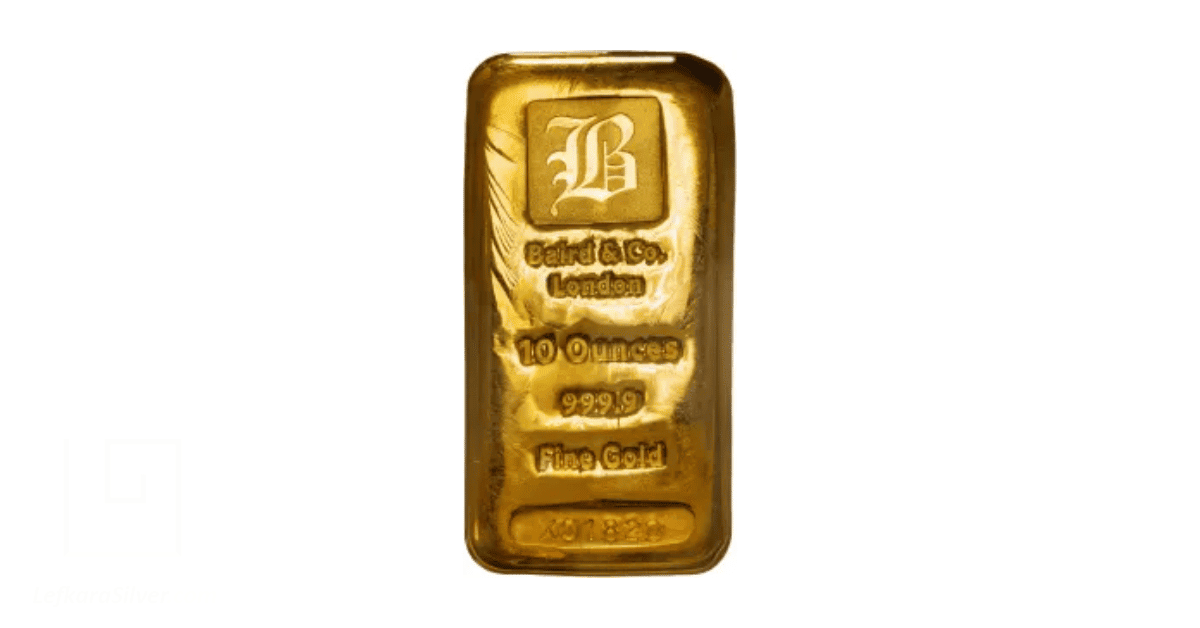
Jumping into the gold market for the first time requires some groundwork. You need to understand exactly what you are buying and the factors that affect its value. Before you make any purchase, getting familiar with a few key points will help you invest with confidence.
The most critical factor is choosing a reputable dealer. A trustworthy seller will have transparent pricing, a long history of positive customer reviews, and clear policies. Whether you buy online or from a local shop, do your research to avoid scams and ensure you are getting authentic, fairly priced products.
Next, decide between gold bars and gold coins. This choice shapes your investment.
- Gold Bars: These are valued almost exclusively for their weight and purity. Because their manufacturing process is simpler, gold bars typically have a lower premium over the spot price compared to coins, meaning you get more gold for your money. They are ideal for investors who want to accumulate weight efficiently.
- Gold Coins: Coins like the American Eagle, Canadian Maple Leaf, or South African Krugerrand are produced by government mints and have a face value, making them legal tender. They often carry higher premiums due to their intricate designs and minting costs. However, they are globally recognized, easy to trade, and can carry additional collectible or numismatic value. This makes them highly liquid and flexible, as you can sell a few coins at a time rather than an entire bar.
You must also understand purity. Gold’s purity is measured in karats or fineness. Investment-grade gold bullion must be at least 99.5% pure. This is often stamped on the product as “.995”. 24-karat gold is considered 99.9% pure or higher. Many popular gold coins, like the American Gold Eagle, are 22-karat (91.67% pure gold), with other metals added for durability.
Authenticity is non-negotiable. Reputable gold products come with identifying marks, or hallmarks, that indicate the refiner, the weight, and the purity. Many bars are sold in a sealed, tamper-proof package that includes an assay card, which is a certificate of authenticity from the refiner. Look for products from refineries accredited by the London Bullion Market Association (LBMA), which sets the global standard for quality.
Finally, think about storage and insurance. If you take physical possession of your gold, you are responsible for its security. Options include a high-quality home safe, a bank’s safe deposit box, or a third-party depository service. Each option comes with its own costs and security considerations, and you will need to get appropriate insurance to protect your investment from theft or damage.
The Best Countries for Real and Cheap Gold Jewelry
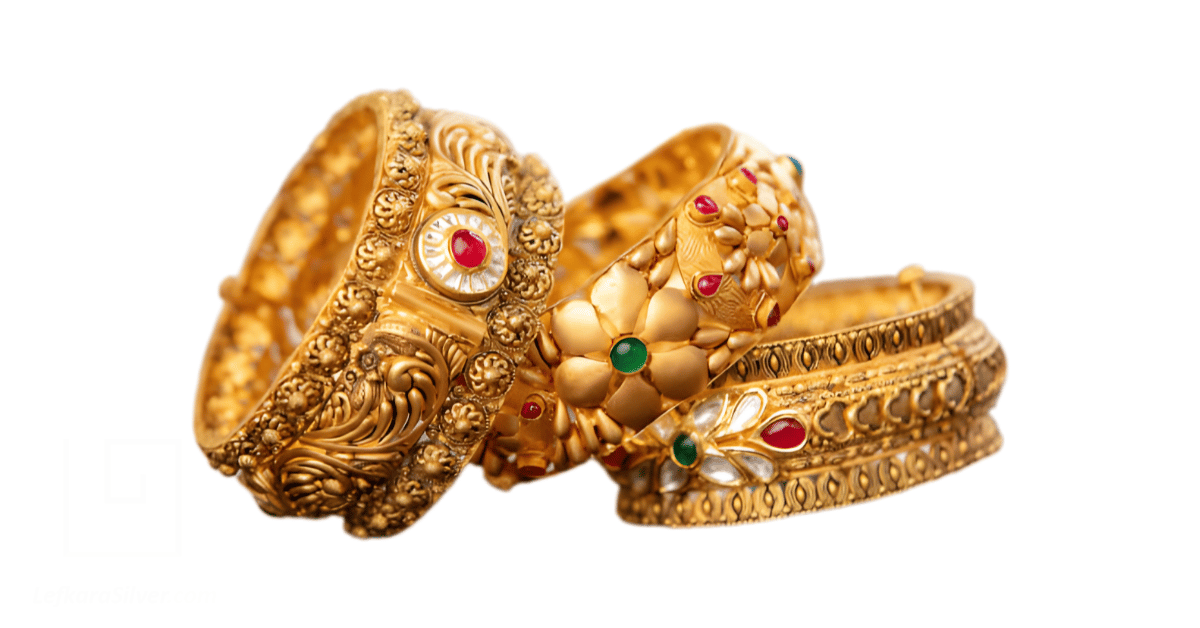
Finding a great deal on authentic gold jewelry often comes down to one thing: location. The price you pay is shaped by a country’s local taxes, labor costs, and the competitiveness of its market. Some places have a richer history and a better setup for offering beautiful, high-purity gold at more affordable prices than you might see elsewhere.
Historically, gold has been central to cultures around the globe. In India, gold isn’t just an accessory; it’s a cornerstone of tradition, savings, and celebration, with a history of craftsmanship stretching back millennia. In the Middle East, Dubai transformed itself into the “City of Gold” through smart, tax-free policies that attracted traders and buyers worldwide. Turkey, sitting at the crossroads of Europe and Asia, has a long legacy as a hub for intricate gold work, blending styles from different empires. This deep-rooted connection to gold in certain regions often translates into better quality and value for buyers today.
Here are some of the best countries to find authentic gold jewelry at competitive prices:
- Dubai, UAE: This is a top destination for a reason. Dubai is famous for its tax-free policy on gold, which means prices are often lower than in many other countries. The city’s legendary Gold Souk is a massive market where you can find an incredible variety of designs, mostly in high-purity 22K and 24K gold. The sheer volume of trade and competition among vendors keeps prices very competitive.
- Hong Kong: If you’re looking for low premiums, Hong Kong is a global leader. With zero sales tax or VAT on gold, the price is often much closer to the metal’s market value. The market is fiercely competitive with many reputable dealers, ensuring you get a fair price on everything from simple chains to investment-grade pieces.
- India: Known as one of the largest consumers of gold, India is a fantastic place to buy jewelry with exceptional craftsmanship. You’ll find intricate, handmade designs that are hard to replicate anywhere else. High-purity 22K gold is the standard here, and while there are taxes, the sheer skill of the artisans and the competitive local market can offer incredible value, especially for ornate pieces.
- Thailand: Often overlooked, Thailand offers some of the best deals on high-purity gold in Southeast Asia. Thai gold is typically 23K, giving it a distinct, rich yellow color. Bangkok’s Chinatown (Yaowarat) is packed with gold shops where prices are transparent and based directly on the daily gold rate.
- Switzerland: While not known for being “cheap,” Switzerland is synonymous with quality and precision. If you are buying investment-grade gold bars or coins, Swiss refiners are the global standard. For jewelry, you’re paying for unparalleled quality control and craftsmanship, ensuring your piece has lasting value.
What is Gold IRA and How Does it Work?
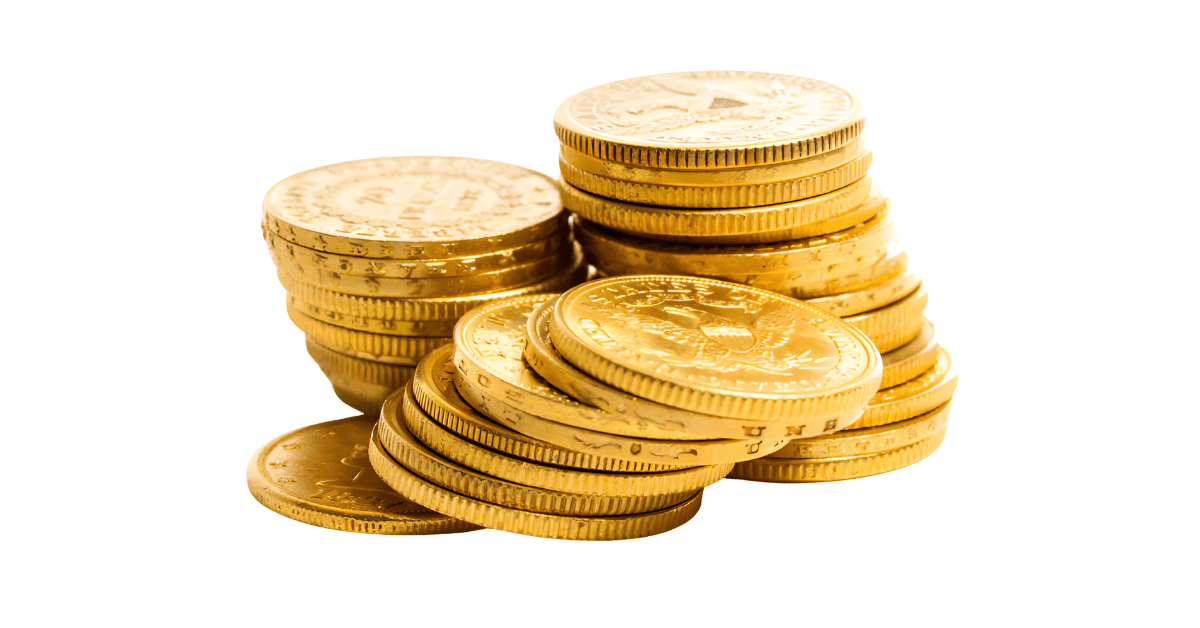
A Gold IRA is a type of self-directed individual retirement account (SDIRA) that lets you hold physical precious metals—like gold, silver, platinum, and palladium—instead of traditional paper assets like stocks and bonds. It’s a way to diversify your retirement savings with a tangible asset that has been a store of value for centuries. A Gold IRA follows the same rules as other IRAs when it comes to contribution limits and tax advantages. For example, you can set it up as a Traditional IRA (pre-tax contributions) or a Roth IRA (post-tax contributions), depending on your financial strategy.
A Gold IRA isn’t something you can open with a standard brokerage firm. It requires a special custodian that is approved by the IRS to manage alternative assets like physical metals. Furthermore, the gold itself has to meet strict purity requirements. For instance, gold must be 99.5% pure, and silver must be 99.9% pure. This means not just any gold coin or bar qualifies. The IRS has a list of approved products, such as American Gold Eagle coins, while other popular coins, like the South African Krugerrand, are not allowed due to their purity levels.
So, how does it all work in practice? The process is more straightforward than it sounds.
First, you open an account with a custodian that specializes in precious metals IRAs. You then fund the account. This can be done by rolling over funds from an existing retirement account (like a 401(k), 403(b), or another IRA) or by making a direct contribution, just as you would with a regular IRA.
Once your account is funded, you select the IRS-approved precious metals you want to purchase. You’ll work with a reputable precious metals dealer to make the buy. The crucial step is that your custodian handles the transaction using the funds in your IRA. You don’t buy the gold with your personal money. After the purchase, the gold is not shipped to your house. Storing IRA-owned gold at home is strictly prohibited and would be treated as a taxable distribution, likely with penalties. Instead, the metals are transported directly to a secure, IRS-approved depository for safekeeping.
When you reach retirement age (59½), you can take distributions. You can either instruct your custodian to sell the metals and send you the cash, or you can take an “in-kind” distribution and have the physical gold bars and coins shipped directly to you. At that point, you’ll pay any applicable taxes, just as you would with a standard IRA.
What is the Role of the LBMA in the Global Gold Market?
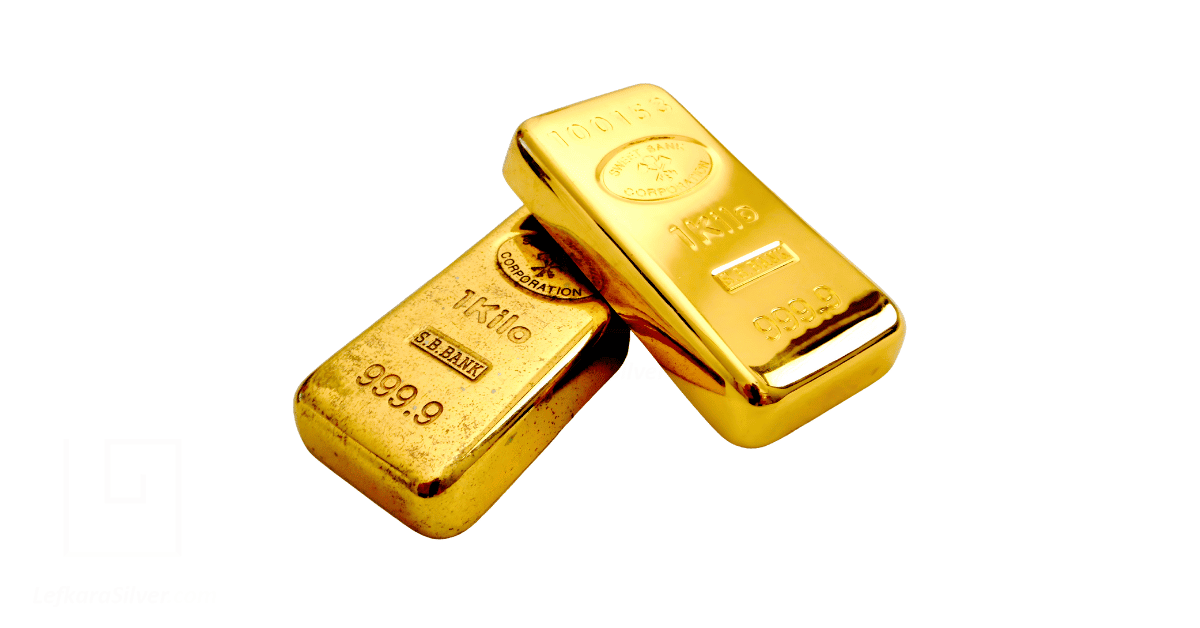
The London Bullion Market Association, or LBMA, is the independent global authority for the precious metals market. It doesn’t trade gold itself but sets the professional standards that everyone else follows. Formed in 1987, its roots go way back, and it’s responsible for maintaining order and trust in the worldwide gold and silver trade. The LBMA accredits refineries, establishes rules for trading, and promotes ethical and transparent practices from mine to market.
The LBMA’s most critical role is maintaining the Good Delivery List. This is a highly exclusive list of gold and silver refineries that meet the association’s stringent standards for production, purity, and financial stability. A gold bar from an LBMA-accredited refinery is essentially a globally accepted passport. It means the bar’s weight and purity are guaranteed, allowing it to be traded on major international markets without needing to be retested. This assurance creates the liquidity and trust that the entire professional gold market is built on. The LBMA gold price, set twice daily in London, serves as the global benchmark for valuing gold.
For the everyday investor, the LBMA’s work is all about confidence. When you buy a gold bar or coin from a refinery on the Good Delivery List (like PAMP Suisse or Valcambi), you know you’re getting the real deal. It ensures the product is authentic, meets specific purity standards (at least 99.5% for gold bars), and has been sourced responsibly. This certification makes your investment highly liquid, meaning it will be easy to sell to dealers anywhere in the world when the time comes.
Buying Gold for Jewelry Making – Final Thoughts
The world of gold is vast. The decision between the cost-effectiveness of gold bars and the flexibility of gold coins is a personal one, as is the choice between holding physical gold as a tangible asset and the convenience of Gold ETFs.
We’ve covered the best times to buy gold, strategies for investing on a budget, and the essential factors every beginner should consider. Globetrotting for a bargain showed us the best countries for finding real and cheap gold jewelry, while planning for the future led us to what a Gold IRA is and how it works as a retirement tool.
Ultimately, a smart gold purchase comes down to your personal goals, your budget, and doing your homework.
Buy Gold FAQs
Here are answers to some frequently asked questions about buying gold.
How Much Will $10,000 Buy in Gold?
With $10,000, you could purchase about 3.5 ounces of gold, based on recent market prices of around $2,860 per ounce. However, remember that physical gold products like coins and small bars carry premiums, often 5% to 8% over the spot price. This means the actual amount of gold you receive will be slightly less after accounting for these fabrication and dealer costs.
What is the Return of Gold in 20 Years?
Gold has shown a significant return over the last two decades, acting as a strong store of value. From late 2005 to early 2025, the price of gold appreciated by more than 470%, climbing from roughly $500 to over $2,800 per ounce. This long-term performance highlights its role in preserving wealth, with an average compounded annual growth rate that has historically been around 8.7%.
How Much Gold Can I Legally Own?
In the United States, there are no federal laws or restrictions limiting the amount of private gold an individual can own. You can buy and hold as much as you’d like without issue. However, transactions involving large amounts of cash may trigger reporting requirements, and any profits from selling gold are subject to taxes, with physical gold being taxed as a collectible at a maximum rate of 28%.
How Much is 1 Kg Of Gold?
A one-kilogram gold bar is equivalent to 32.15 troy ounces. Based on a market price of $2,860 per ounce, a 1 kg gold bar would be valued at approximately $92,000. Prices for these bars typically have lower premiums per ounce compared to smaller bars or coins, making them a cost-effective choice for substantial investments.
How Pure is 24K Gold?
Pure gold, known as 24-karat (24K) gold, is exceptionally fine, defined as being 99.9% to 99.99% pure. Investment-grade bullion must meet a minimum purity of 99.5% to be included in a precious metals IRA. This level of purity means the metal is very soft, which is why it is often alloyed with other metals for use in jewelry.
What Country Has The Purest Gold?
Gold purity is a global standard, not specific to one country. Refineries worldwide adhere to the same quality benchmarks, with the most reputable ones being certified by the London Bullion Market Association (LBMA). Top-tier refineries in Switzerland, Germany, and Canada consistently produce “four nines” gold, which is 99.99% pure and recognized as the highest quality available.
Does Gold Scratch Easily?
Yes, pure 24-karat gold is quite soft, ranking only 2.5 to 3 on the Mohs hardness scale, making it very susceptible to scratches. This is why it’s often mixed with other metals for durability in jewelry. For example, 14-karat gold, which contains 58.3% gold, is much more resilient for daily wear.
Is Costco Gold Worth it?
Costco sells gold bars at very competitive prices, often just 2% to 3% above the spot price, which beats many traditional dealers. However, these bars sell out almost instantly online and are exclusively for members. The low premium is a major draw, but availability and strict return policies are significant downsides to think about.
Is Costco Gold Real or Fake?
The gold sold at Costco is completely real and sourced from reputable mints like PAMP Suisse, which is certified by the London Bullion Market Association (LBMA). Each bar is 24-karat, 99.99% pure gold, and comes in tamper-proof packaging with an assay card to verify its authenticity. You can be confident you are buying a genuine product.
Does the IRS Know if You Buy Gold?
Generally, the IRS does not track personal gold purchases. However, dealers must report cash transactions over $10,000 by filing Form 8300. This is a standard anti-money laundering measure, so while the gold itself isn’t reported, the large cash payment is.
Will I Be Taxed if I Sell My Gold?
Yes, any profit you make from selling gold is taxable. The IRS treats physical gold as a “collectible,” which means it’s subject to a maximum capital gains tax rate of 28%. This is notably higher than the long-term capital gains tax on stocks, which typically maxes out at 20%.
How to Avoid Gold Tax?
You can’t completely avoid taxes on gold profits, but you can manage them. Investing through a precious metals IRA allows gains to grow tax-deferred until you make withdrawals in retirement. Another method is tax-loss harvesting, where you sell other investments at a loss to offset your gold gains.