What is Dainty Jewelry?
Dainty jewelry refers to those thin, light pieces that look almost weightless on your skin. These items are the backbone of the minimalist movement, trading big, heavy pieces for thin chains and small stones.
This guide covers key facts & statistics about dainty jewelryand lists 9 eco-friendly and affordable dainty jewelry brands that keep the planet in mind. We also cover the different types of dainty jewelry and the latest trends hitting the streets.
If you want to know about dainty jewelry material choices: gold, silver & gemstones, we have that too. You will also learn how to style dainty jewelry and start layering dainty jewelry like a pro. For those on a budget, we find where to find cheap dainty jewelry and check if there are waterproof dainty jewelry options for the gym or pool.
Finally, we teach you how to clean dainty jewelry to keep it looking fresh. This article contains the latest information as of October 2026.
Dainty Jewelry Key Facts & Statistics – October 2026
The market for light and thin pieces is growing faster than ever as buyers choose meaning over size.
- The global jewelry market is expected to reach a value of $360 billion by the end of 2026.
- Studies show that 72% of younger shoppers prefer minimalist designs over heavy statement pieces for everyday use.
- Ethical sales are on the rise, with 65% of consumers looking for brands that use recycled metals.
- The lab-grown diamond sector, a favorite for thin styling tips and rings, now holds a 15% share of the total diamond market.
- Online sales for fine accessories have grown to 28% of total revenue as people get more comfortable buying gold through their phones.
- Personalization is a major driver, with 40% of thin necklace sales featuring initials, birthstones, or custom engravings.
- The handmade jewelry sector is on track to reach a value of $472.5 billion by the year 2032.
- Data shows that 55% of jewelry brands have now shifted toward eco-friendly packaging to meet buyer demands.
- The average shopper now owns 5 or more pieces of thin jewelry intended specifically for stacking and layering.
- Interest in waterproof materials for active lifestyles has seen a 30% jump in search volume over the last year.
9 Affordable and Sustainable Dainty Jewelry Shops
Shopping for jewelry can feel like a moral puzzle if you care about where your gold and stones come from. Plenty of people now look for pieces that don’t leave a mess or hurt the people who make them. The good news is that the jewelry market in 2026 is full of makers who prioritize recycled metals and lab-grown stones. These brands build pieces that last, using methods that keep the planet in mind, which is a win for everyone.
1. Mejuri
Mejuri is known for its “Monday Drop” model. They focus on 14k solid gold, gold vermeil, and sterling silver. Their dainty collection features wafer-thin stacking rings and tiny pavé diamond studs, starting at around $50, making them a go-to for building a collection without overspending.
You can find their full range on their website or in their sleek shops in major cities like New York and London. They use 70% to 80% recycled gold for their pieces and work with suppliers certified by the Responsible Jewellery Council. Their customer service is easy to reach through their online chat or email support if you have questions about their metal sourcing.
2. Catbird
Based in Brooklyn, Catbird uses recycled gold and conflict-free stones for almost everything they make. Their signature “Threadbare” rings are so thin they look like golden hairs, usually priced under $100. They also offer “forever” bracelets that they zap onto your wrist in person.
Their jewelry is made in their Brooklyn studio, and you can contact them through their website or visit their physical “Wedding Annex” or general stores. Over 90% of their gold is recycled, reducing the need for new mining. This focus on local production and reused materials makes them a top choice for fans of the tiny-but-mighty aesthetic.
3. Vrai
Vrai stands out for using diamonds grown in its own zero-emission foundry powered by the Columbia River. Their dainty necklaces often feature a single, high-quality lab diamond on a recycled gold chain, with prices starting around $400 for fine jewelry. These pieces are meant to be worn daily, even in the shower, because they are solid gold rather than plated.
You can shop their collection online or at their showrooms in places like Los Angeles and Chicago. They offer a transparent look at their carbon footprint and allow you to contact their diamond experts for help picking the right stone. Their designs are sharp, geometric, and very 2026-forward.
4. Aurate
Aurate was founded on the idea that fine jewelry shouldn’t have a massive markup. They use 100% recycled gold and ethically sourced pearls and diamonds. Their dainty collection includes thin “Connection” bracelets and mini gold bars that fit perfectly into a minimalist wardrobe. Prices are fair, with many everyday pieces falling between $60 and $200.
They are based in New York and sell primarily through their website, though they have physical spots where you can try things on. They offer a lifetime warranty, which speaks volumes about the quality of their small chains and clasps. If you need to talk to them, their online help center and social media channels are very active.
5. Soko
Soko works with Kenyan artisans to create jewelry from recycled brass, wood, and gold-plated materials. While some of their work is bold, their dainty line features slim bangles and tiny dangling earrings that reflect a modern, architectural vibe. Most of these pieces are very affordable, often under $100.
You can find Soko at high-end retailers like Nordstrom or buy directly from their site. They use a “mobile link” technology to connect artisans directly to the global market, ensuring fair pay. Contacting them is simple via their web contact form or their headquarters in San Francisco.
6. ABLE
ABLE is a brand focused on ending the cycle of poverty by providing women with jobs. Their jewelry is handmade in Nashville, and their dainty pieces often feature hand-stamped initials or tiny birthstones. Their prices are very accessible, with many necklaces and rings priced between $40 and $80.
They offer a “size exchange” program for rings and a lifetime guarantee on their jewelry. You can buy their items online or visit their flagship store in Tennessee. They are very open about their wages and factory conditions, and you can email their support team for a full breakdown of their ethical standards.
7. Monica Vinader
This brand is a favorite for those who love recycled silver and gold vermeil. Their dainty pieces often feature colorful gemstones like turquoise or moonstone in very small, polished settings. Prices range from $80 to $300 for most of their thin chain bracelets and necklaces.
Monica Vinader is a global brand with boutiques in the UK, US, and Asia, and a very strong online presence. They were one of the first big brands to switch entirely to recycled silver. Their customer service team is available through live chat and phone to help with styling or repairs.
8. Brilliant Earth
Brilliant Earth is a leader in “Beyond Conflict Free” diamonds. Their dainty collection is vast, featuring tiny diamond pendants and thin, sparkling wedding bands. While they do high-end engagement rings, their everyday jewelry starts around $100 for silver and $300 for gold.
They have showrooms across the United States where you can book an appointment to see the pieces in person. They provide a full origin report for many of their diamonds, showing exactly which mine they came from. You can contact them via phone, email, or live chat 24/7.
9. Gorjana
Gorjana excels at layering sets, like tiny coin necklaces paired with simple bars. Their gold-plated items are budget-friendly, often around $50, while their fine jewelry line is more of an investment.
They have stores all over the US and a massive online shop. They often partner with charities for special collections, giving back to local communities. Their contact info is easy to find on their site, and they have a great return policy.
Types of Dainty Jewelry
Dainty jewelry covers a wide range of styles, from thin metal bands that sit on your fingers to light chains that rest on your collarbone. These pieces focus on thin lines, tiny charms, and small stones that look great alone or when worn together in groups.
Dainty Earrings
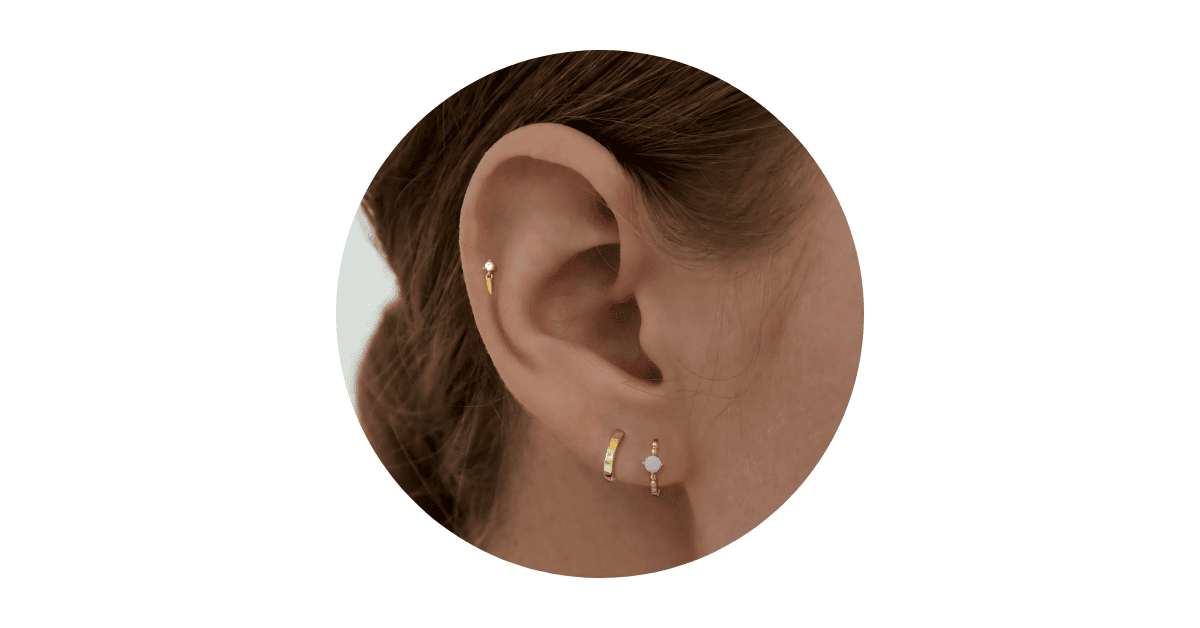
In 2026, the “curated ear” is the biggest trend in jewelry, and dainty earrings are the go-to for achieving that look. Data show that people now prefer three or four small piercings to one large one. Huggie earrings are especially popular because they wrap tightly around the earlobe, making them comfortable to wear while sleeping or working out.
Small studs in shapes like stars, moons, or simple dots are also a top seller this year. These are great because they add a hint of shine without getting caught in your hair. Because they are so light, you can wear multiple pairs at once without your ears feeling heavy or tired by the end of the day.
Dainty Gold Necklace
Gold remains the most sought-after metal for dainty necklaces because it doesn’t tarnish and retains its color forever when solid. Short chains that sit right at the collarbone are the most frequent purchase for daily wear. Many people choose a “paperclip” style chain or a simple cable chain that is less than 1mm thick for a look that is almost invisible from a distance.
Birth flower pendants and initial charms are the leading designs in 2026 for those who want something personal. These necklaces are designed to be “base layers,” meaning you put them on and leave them on for weeks at a time. They work with any neckline, from a basic t-shirt to a high-collared dress, which makes them a smart buy for anyone who wants a low-maintenance style.
Dainty Bracelet
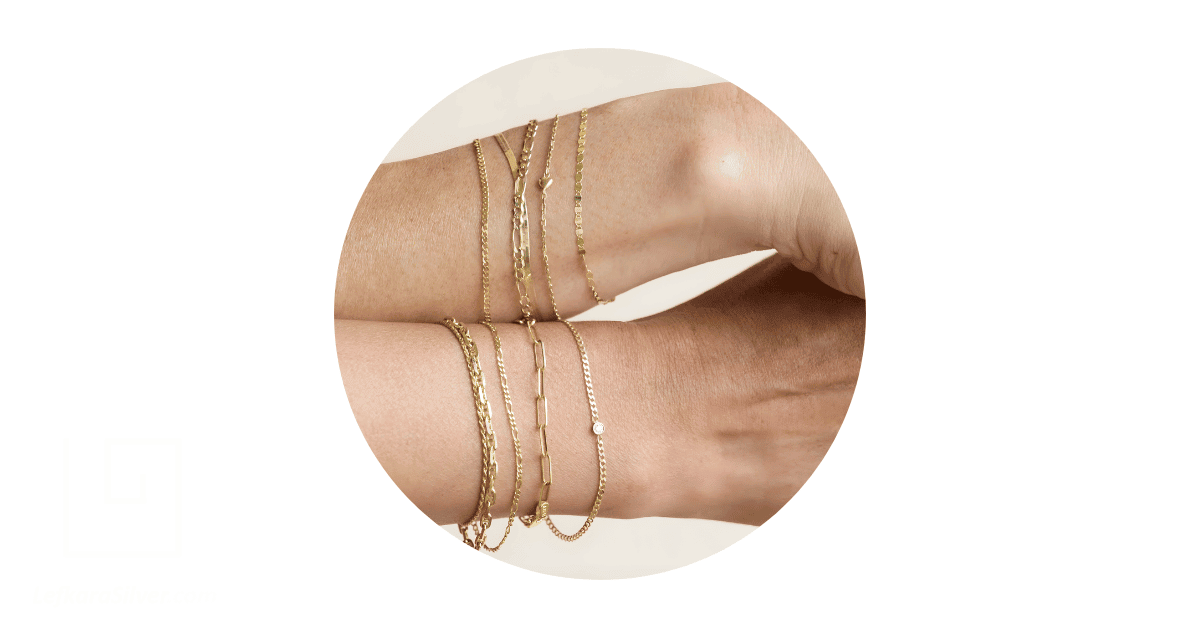
The dainty bracelet has moved away from the heavy bangles of the past toward “permanent” jewelry and light chains. Sales for thin, 14k gold chain bracelets have climbed as more people move toward minimalist fashion. These bracelets are so light that you usually forget you are wearing them, which is exactly the point.
Single charm bracelets are also seeing a resurgence, but with a twist. Instead of a dozen clinking charms, the modern version features one tiny, meaningful symbol like a heart or a crescent moon. This keeps the look clean and professional. Stacking three of these thin bracelets is a popular way to add texture to your wrist without making too much noise or feeling bulky.
Latest Dainty Jewelry Trends
Dainty jewelry is like your favorite pair of jeans; it fits every mood and never really goes out of style. While these pieces are small, the ways we wear them change every year. Right now, the trend is moving toward pieces that feel personal and tell a story without shouting it from the rooftops.
- Mixed Metal Sets: Forget the old rule that says you can’t wear gold and silver at the same time. In 2026, mixing your metals is the best way to get a layered look that works with your whole wardrobe.
- Changeable Charms: People are looking for pieces that do more than one job. Small hoops that let you swap out a tiny pearl for a ruby or an initial charm are very popular.
- Birth Flowers: Instead of just birthstones, people are wearing necklaces with engraved flowers that match their birth month. Interest in floral-themed jewelry has increased by roughly 40% this year.
- Midi Rings: These are thin bands that sit above your middle knuckle. They add a little extra detail to your fingers without feeling heavy or bulky.
- Personalized Initials: Tiny, single-letter charms on thin chains remain a top pick. They make great gifts because they feel special without being overwhelming.
When you pick pieces for daily wear, check the thickness of the bands and chains. A chain that is too thin might snap if it gets caught on a sweater, and a ring band that is too narrow might bend. Look for “comfort fit” bands that are slightly rounded on the inside. Most jewelry repairs are for broken chains under 1mm thick, so choosing a 1.2mm chain can save you a trip to the jeweler.
Dainty Jewelry Material Choices: Gold, Silver & Gemstones
The material you choose is the most important part of buying jewelry. It dictates how long the piece will last and how much work you’ll have to put into keeping it pretty.
Solid Gold
Solid gold is the king of materials because it doesn’t rust or tarnish. For dainty pieces, 14k is usually better than 18k because it is tougher. Recycled gold is a major trend for 2026, with many brands using 100% recycled metal to reduce their environmental impact. It keeps its value over time, so it’s more of an investment than a simple purchase.
The main problem with gold is the cost. It’s expensive, and prices only seem to go up. Also, because it’s a heavier metal, very thin gold pieces can still bend if you’re not careful. If you choose gold-filled or vermeil to save money, keep in mind that the gold layer will eventually rub off, showing the metal underneath. To make gold-plated pieces last twice as long, keep them away from perfume and lotions.
Sterling Silver
Sterling silver is a favorite for people who like a cool, bright look. It’s much cheaper than gold, so you can buy more pieces for the same price. To be called sterling silver, a piece must contain at least 92.5% pure silver. It’s also generally safe for people with sensitive ears, provided it doesn’t contain nickel.
Silver has one major flaw: it turns black when it comes into contact with air and moisture. This tarnish means you have to clean it often. It’s also a soft metal, so dainty silver rings can lose their shape easily if you lift heavy objects while wearing them. Wearing your silver jewelry often actually helps prevent tarnish because the oils in your skin act as a barrier.
Gemstones
Tiny gemstones like diamonds and sapphires bring a little light and color to minimalist jewelry. They allow you to add a personal touch, like a birthstone or a favorite color. Diamonds are the hardest natural substance, scoring a 10 on the Mohs scale, which makes them the best choice for rings you wear every day. They won’t scratch or get cloudy over time like glass or plastic stones.
The downside to gemstones in dainty jewelry is that the settings are often very small. If a prong gets bent just a little bit, that tiny stone can disappear. Some stones are also very soft; opals and pearls can crack if they get too dry or hit something hard.
| Material | Pros | Cons | Best Use |
|---|---|---|---|
| 14k Gold | Won’t tarnish, very durable | High price point | Everyday rings and staples |
| Sterling Silver | Affordable, bright look | Tarnishes, needs cleaning | Trend-driven pieces |
| Gemstones | Adds color and meaning | Can be fragile in small sizes | Personalized necklaces |
| Stainless Steel | Waterproof, very strong | Hard to resize | Gym and beach jewelry |
How to Style Dainty Jewelry?
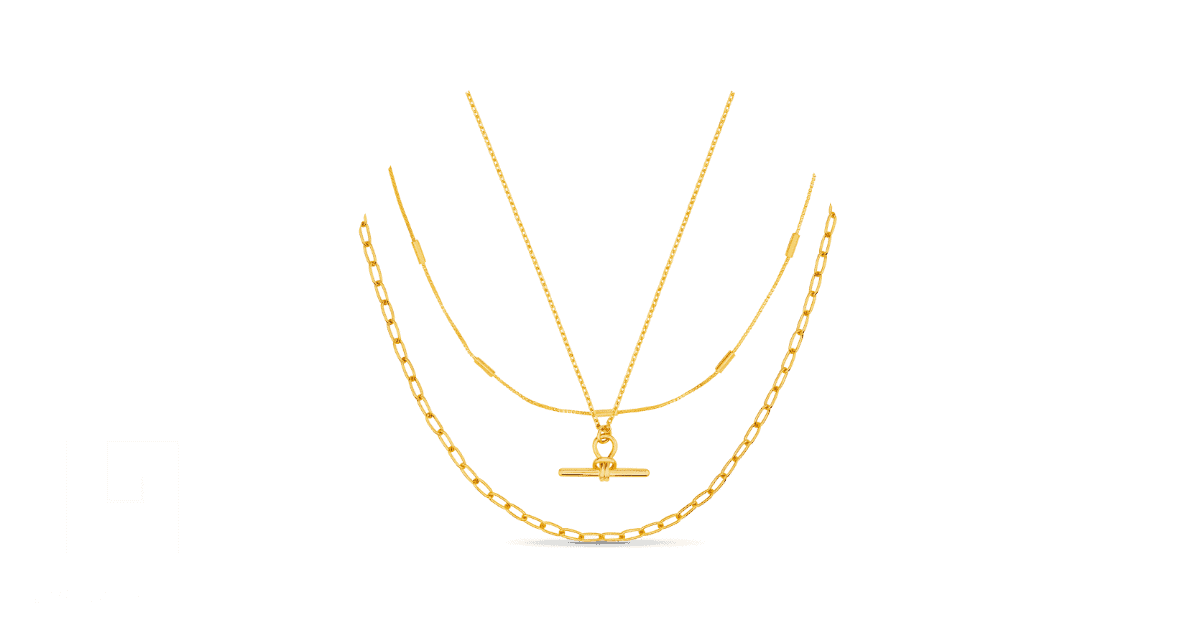
Styling these thin pieces is a breeze because they fit almost any plan, whether you are heading to a fancy wedding or just grabbing a quick coffee with a friend. For the office, a single thin chain or small studs keep things looking sharp without making it seem like you are trying too hard to be the center of attention. Statistics show that 60% of people choose minimalist jewelry for daily wear because it doesn’t get in the way of typing or household chores.
When you switch to a night out, that reliable little black dress is the perfect partner for a small diamond pendant or gold huggie hoops. Neutral colors like black, white, and tan allow these small pieces to pop against your clothes. If you want to add some personality to a casual weekend look, put on a birthstone necklace over a plain white t-shirt.
Choosing the right metal for your skin tone is a smart move that helps your jewelry look its best on you. If your veins look blue on your wrist, you likely have cool undertones, so silver or white gold will be your best friend. People with green-looking veins usually have warm undertones, and yellow gold looks great against that skin.
If you aren’t sure where you land, rose gold is a safe middle ground that works for almost everyone. The goal is to choose a metal that complements your natural color rather than clashing with it.
Don’t forget to consider your body type when picking out sizes. If you have a petite build, very thin chains and 2mm studs look perfectly balanced. For those with broader shoulders or a larger frame, you can go for slightly thicker “dainty” pieces or longer chains so the jewelry doesn’t disappear on you.
A common tip is to aim for a 16-inch chain if you want the piece to sit right at the collarbone, which is the most flattering spot for most people. If you have a shorter neck, V-neck tops paired with a drop pendant help make your neck look longer.
Layering Dainty Jewelry Like a Pro
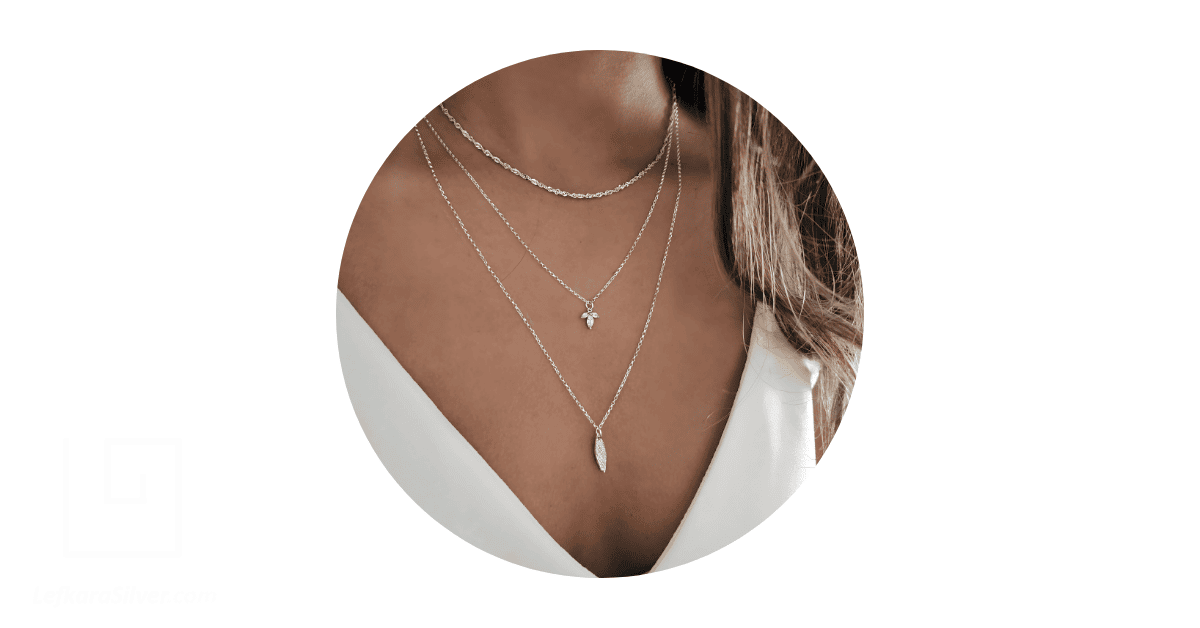
Dainty jewelry looks best when you wear a few pieces at once, but you have to learn how to stack them properlyso they don’t turn into a giant metal knot.
- Start with different lengths. Put on a 14-inch choker first, then add a 16-inch chain and an 18-inch necklace. This three-step gap stops them from overlapping and tangling.
- Mix your textures. Pair a smooth snake chain with a beaded necklace or a link chain. Mixing these styles adds a lot to the look without being too loud.
- Pick a focal point. Choose one piece with a small pendant or a gemstone to be the main attraction, and keep the other chains plain.
- Add weight to the bottom. Put your heaviest pendant on the longest chain. This pulls the necklaces down and stops them from twisting around each other.
- Try mixed metals. In 2026, combining gold and silver in the same stack is a major trend, used by 45% of fashion influencers. It makes your collection much more flexible for different outfits.
- Think about the neckline. If you are wearing a crew neck, go for longer layers that sit on top of the fabric. For V-necks, keep the layers inside the opening of the shirt.
- Check the clasp. If your necklaces keep moving, try a necklet clasp. This tool holds all your chains at once and keeps them separated behind your neck.
Where to Find Cheap Dainty Jewelry?
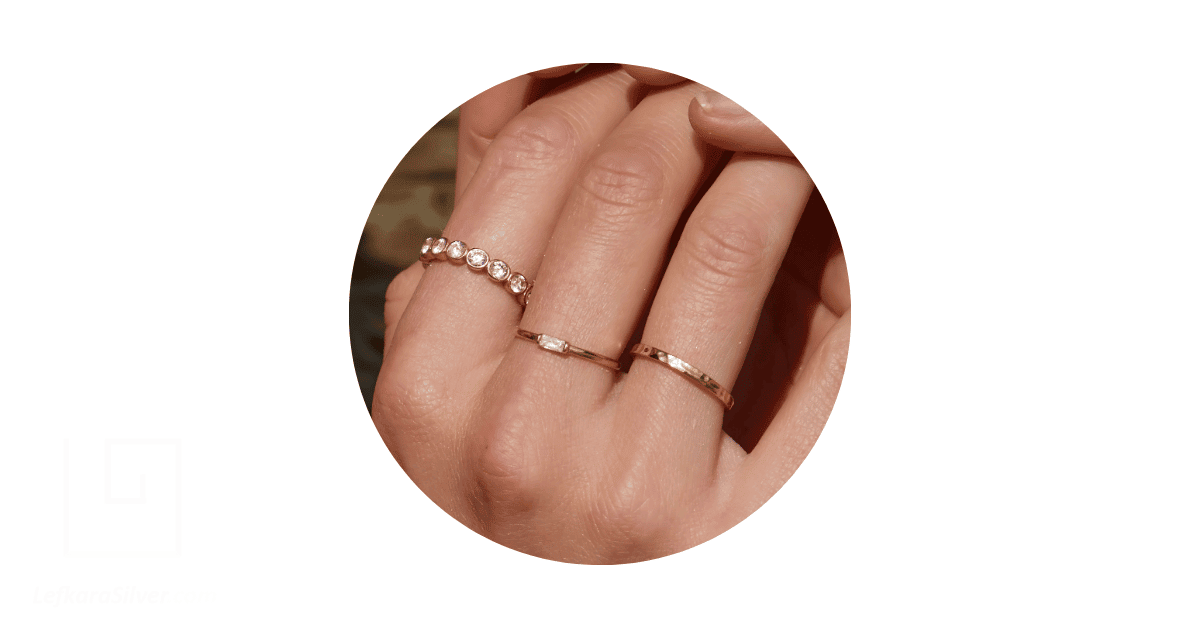
Finding pieces that stay under the hundred-dollar mark in the United States is easier than you think if you know where to look. You should start with Mejuri, a major name in the direct-to-consumer space. They cut out the middleman to keep prices low while using high-quality materials. Another great spot is Catbird, based in Brooklyn. Nearly 40% of Catbird’s jewelry collection is priced under $100, making real gold accessible for small budgets.
Madewell and Gorjana are also top choices for shoppers who want a specific look without spending a fortune. Madewell focuses on simple gold-plated and silver items that usually cost between $20 and $48. Gorjana offers slightly more detail and often uses gold plating over brass or silver, with many necklaces and studs priced from $45 to $70. The jewelry industry has seen a 300% increase in sales of dainty styles compared to chunky statement pieces, showing that small items are the biggest sellers right now. These brands stay popular because they offer a high-end look at a price that won’t break your bank.
If you want more options, Etsy is a gold mine for independent makers. You can find handmade gold-filled jewelry that is often better than what you see in big malls. Gold-filled jewelry contains 100 times as much gold as gold-plated items, making it much more durable for daily wear. Many Etsy sellers offer custom initial necklaces or tiny birthstone rings for $30 to $60. Local craft markets and small boutiques in cities like Los Angeles or New York also have great finds. These small shops often source from local artists who use recycled silver and gold wire to create unique, thin pieces that stay within a $50 to $100 budget.
Vintage shops and thrift stores are the secret weapons for finding high-quality dainty items for almost nothing. You can often find old 10k or 14k gold chains that weigh very little, which keeps their resale prices low. The resale value of gold has gone up by over 50% in the last five years, but small, thin chains are still the most affordable way to own real gold. Buying second-hand is also the most sustainable way to build your collection. You get the benefit of “real” jewelry that has already stood the test of time, often for less than $40.
Are There Waterproof Dainty Jewelry?
Waterproof jewelry is a must-have during the winter season. Cold weather brings snow, sleet, and rain, which can destroy regular fashion jewelry in days. You also end up washing your hands more frequently in winter to avoid getting sick. Standard gold-plated jewelry can start to show signs of damage after only 24 hours of exposure to moisture and soap. If your rings and bracelets aren’t waterproof, sweat and moisture trapped under your heavy layers and gloves can quickly turn your skin green or blacken the jewelry.
The quality of waterproof dainty jewelry is much higher than that of standard fashion pieces because of how it is made. Most of these items are made of stainless steel or titanium. Titanium is 100% hypoallergenic and naturally resists corrosion from salt water, sweat, and rain. Instead of regular plating, the best waterproof brands use a process called PVD coating. This occurs in a vacuum, where the gold is bonded to the metal at the molecular level. PVD-coated jewelry can last up to 10 years without fading, even if you wear it in the shower every day. This makes it the best choice for anyone who never wants to take their jewelry off.
Several retail stores specialize in these life-proof pieces for women. Hey Harper is an online brand that is famous for its “Original Waterproof Jewelry.” They are based in Lisbon but ship all over the US. Their prices usually range from $40 to $80. Atolea Jewelry is another online shop offering a wide selection of ocean-proof rings and necklaces, with most items priced between $30 and $60. Atolea uses a stainless steel base for 95% of its products to ensure they never tarnish or fade in water.
Rellery is a US-based brand that offers high-quality waterproof options, including gold vermeil and solid gold. Their dainty necklaces and bracelets usually cost around $50 to $120. Linjer is another online store that is a favorite for minimalist fans. They offer both gold-filled and solid gold pieces that are water-resistant. Linjer’s gold-filled necklaces start at $50 and contain 5% real gold by weight, which is significantly more than standard gold plating. These stores make it easy to find jewelry that stays looking new even through the wettest winter months.
- Hey Harper: Online Only; $40 – $80
- Atolea Jewelry: Online Only; $30 – $60
- Rellery: USA & Online; $50 – $120
- Linjer: Online Only; $50 – $150
- Oxidized: Online Only; $35 – $75
How Do You Clean Dainty Jewelry?
Keeping your small pieces clean helps them stay bright and keeps the metal from wearing down too fast. Because these items are thin and light, they can break or get dull easily if you do not treat them with care.
The best way to wash your jewelry is with simple tools you already have at home. Fill a small bowl with warm water and add a few drops of mild soap. Let your necklaces and rings soak for about ten minutes. This helps break down oils from your skin or traces of lotion that hide in the tiny links of a chain.
Use a toothbrush with very soft bristles to lightly rub the metal. Do not use a brush with hard bristles, as it can leave tiny scratches that ruin the look. Pay close attention to the areas around small stones or under pendants where dirt likes to hide. Jewelry experts find that roughly 35% of grime accumulates in hard-to-reach spots behind a pendant.
Rinse each piece under cool, clean water to remove any soap. Dry them right away with a soft, lint-free cloth. Leaving jewelry to air dry can cause water spots that are hard to remove later.
Storage is just as important as washing. Store each item in its own soft bag or a separate spot in your jewelry box. This prevents thin chains from getting tangled into knots that are almost impossible to undo.
Keep your jewelry away from moisture. Do not leave your collection in the bathroom, as the steam from the shower can speed up tarnish on silver and gold. A cool, dry place is always best. Always take off your rings and bracelets before swimming in a pool or using cleaning sprays. Chlorine and bleach can permanently damage the surface of your pieces.
Dainty Jewelry: Conclusion
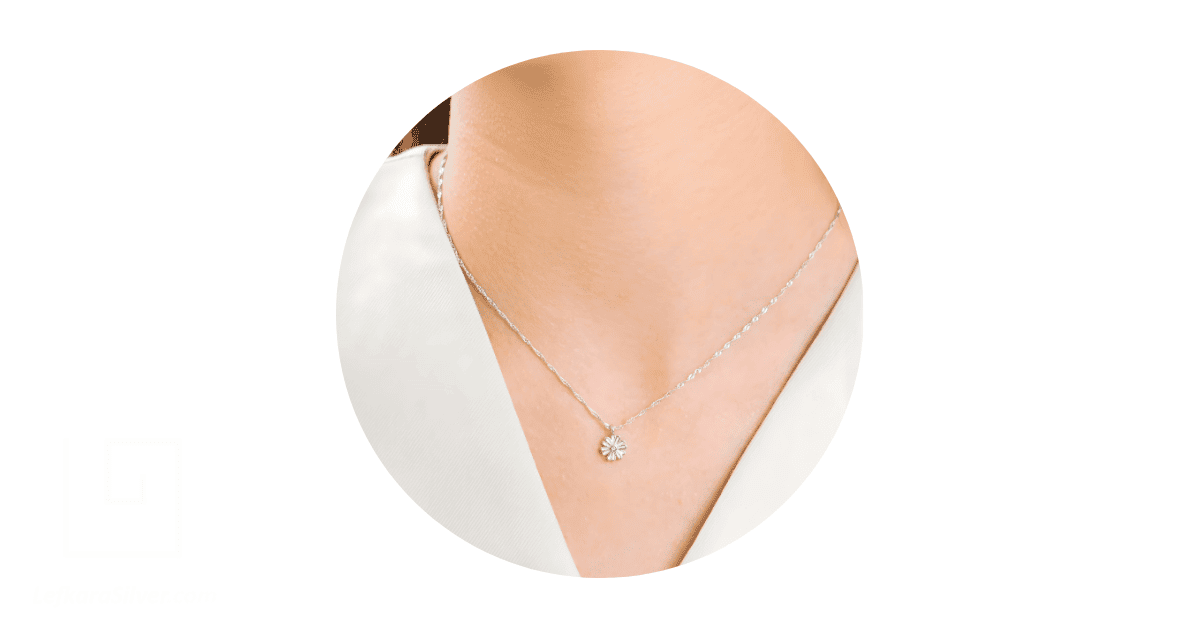
We looked at the key facts and numbers for the small jewelry market and listed nine brands that care about the planet. We also went through the different types of pieces, the latest style shifts, and why materials like gold, silver, and gemstones are top choices for daily wear.
You learned how to pick items for your personal look, how to stack necklaces like a pro, and where to find dainty jewelry at a fair price. We even looked at if waterproof jewelry is a real thing and the right way to wash your pieces at home. Hee are a few takeaway points:
- Dainty jewelry is the main symbol of the minimalist movement, focusing more on the person than the piece.
- Huggie earrings are the safest hoop style because they wrap tight and do not snag on clothing.
- Gold-filled jewelry has 5% gold by weight, which is much more than gold-plated items and lasts longer.
- Most people layer necklaces in tiers of three different lengths to keep the look clean and balanced.
- About 60% of shoppers now look for recycled gold in their jewelry choices to help the earth.
- Research shows that 75% of jewelry damage happens because of poor storage or using the wrong cleaning tools.
- The average person owns at least three dainty necklaces specifically for layering.
This guide was last updated in October 2026.
Dainty Jewelry FAQs
These are answers to some frequently asked questions about dainty jewelry:
What Tools Are Used to Make Dainty Jewelry?
Makers use micro-torches and needle-nose pliers to shape thin wire with precision. Nearly 90% of bench jewelers use 10x magnification visors to see tiny details properly. You need high-precision tweezers for stones frequently smaller than 2mm. These specialized tools help prevent the 15% material waste common in manual wire work.
Is Dainty Jewelry Good For Everyday Wear?
You can wear these pieces daily if you stay smart about metals. Solid 14k gold contains 58.5% pure gold and resists dents better than soft 24k pieces. Avoid chains under 1mm, as they trigger 70% of professional repair visits. This habit helps your treasures last for more than 30 years.
How to Start a Dainty Jewellery Business?
Enter the minimalist jewelry market, worth billions globally, by picking a narrow niche. Most home brands start on Etsy, where jewelry remains a top-selling category. You need roughly $500 to $5,000 for initial tools and metal inventory. Successful sellers often target 3x to 5x profit margins to cover their time and business costs.