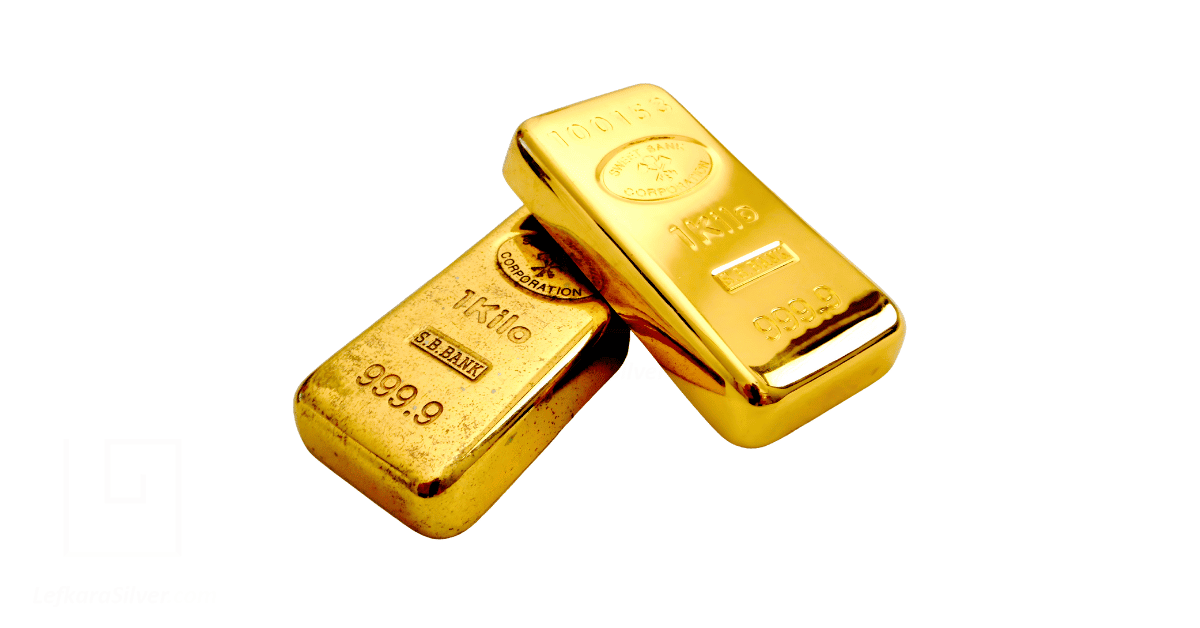
What Are Gold Bars?
A gold bar is a block of refined metallic gold, also known as bullion or an ingot. To be considered investment-grade, these bars must have a minimum purity of 99.5% pure gold. They are produced by various government mints and private refineries around the world and come in a wide range of weights and sizes, from a single gram to the hefty 400-ounce bars held by central banks.
This updated October 2026 guide breaks it all down. We’ll look at key statistics for gold bars right now, point you to 8 safe places to buy them online, and explain the different types you can get. We’ll also cover whether gold bars are a good investment, how to buy them safely, where to sell them, and what they’re worth. Plus, you’ll learn 5 steps to test a bar’s authenticity, see how gold bars stack up against gold coins, and get tips on how to store your investment safely.
Key Statistics of Gold Bars in October 2026
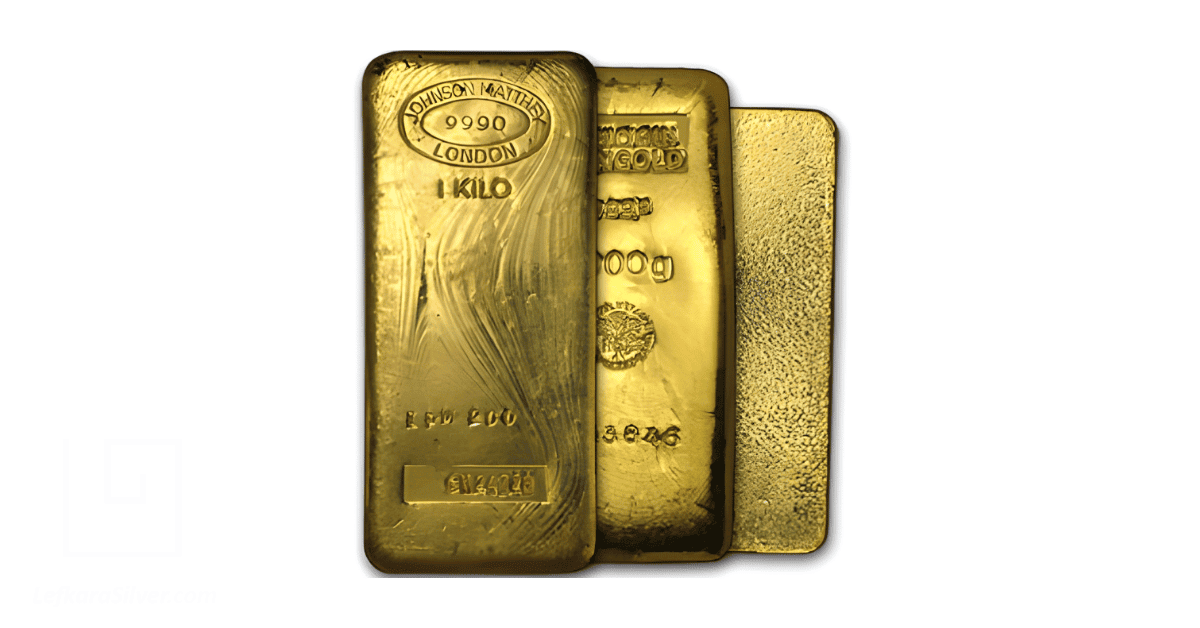
Gold is making major moves this year, with investment demand surging by nearly 50% and prices hitting record levels.
- The price of gold hovered around $4,000 per ounce as of early November 2025.
- Overall investment demand for gold shot up by 47% year-over-year in the third quarter of 2025.
- Central banks have been key investors, increasing their net purchases by 28% in Q3 2025 compared to the previous quarter.
- Physically-backed gold exchange-traded funds (ETFs) attracted 222 tonnes of gold in Q3 2025 alone.
- In contrast, high prices have impacted consumer behavior, with global jewelry demand falling by 19% year-over-year.
- Global gold supply has only grown by a modest 3%, struggling to keep pace with the massive spike in investment demand.
- The COMEX futures contract for December 2025 gold closed at $3,996.50 on November 3rd.
- The standard gold bar held by central banks is the “Good Delivery” bar, which weighs a nominal 400 troy ounces (12.4 kilograms).
8 Safe Places to Purchase Gold Bars Online
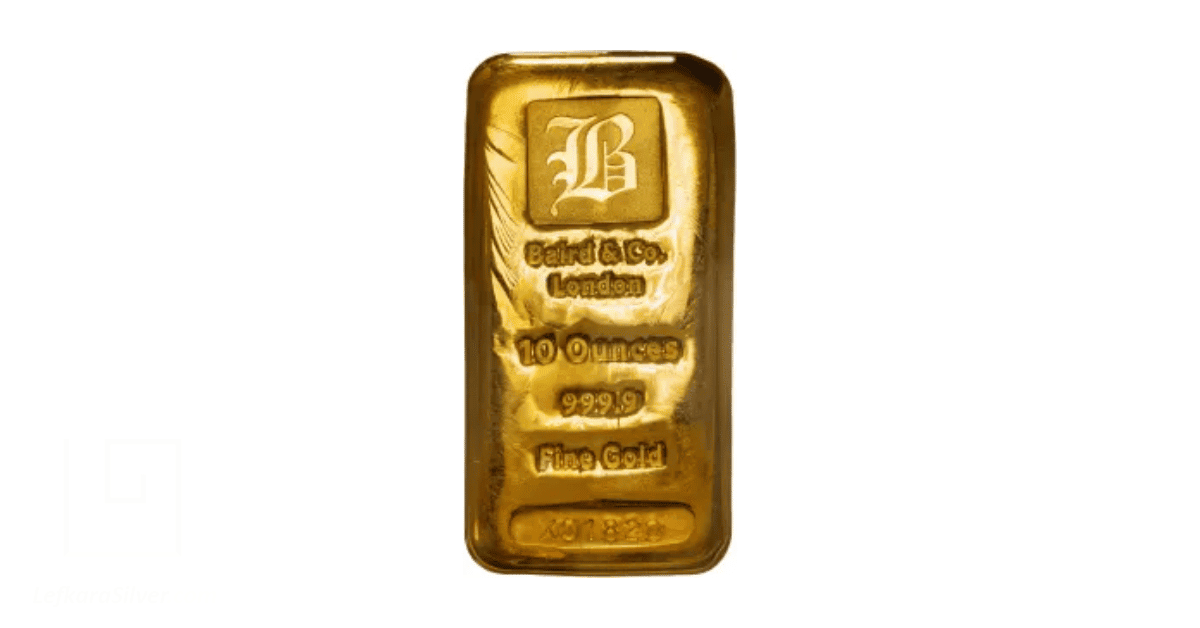
It pays to be careful when you’re buying gold bars, whether you’re walking into a local shop or browsing online. A common myth is that buying gold online is inherently risky. The truth is, many of the most reputable and competitive dealers operate online, offering wide selections and solid security.
You just need to know where to look. Sticking to well-established dealers with a long history of positive customer feedback and transparent practices is the key to a secure purchase. Some of the best options include the following:
1. APMEX (American Precious Metals Exchange)
APMEX has been around since 2000 and has built a reputation based on an absolutely massive inventory. If you’re looking for a specific type of gold bar, from a particular mint or in an unusual size, chances are APMEX has it. Their selection includes everything from tiny 1-gram bars perfect for new investors to large kilobars for serious portfolio building.
What makes them a safe bet is their long track record and high ratings from consumer organizations. They offer secure storage options through Citadel, a third-party depository, and provide free, insured shipping on domestic orders over $199. While their premiums might not always be the absolute lowest on the market, the sheer variety and the trust they’ve built over two decades make them a reliable starting point for any gold buyer.
2. JM Bullion
JM Bullion has become a go-to for investors who prioritize straightforward, competitive pricing. Founded in 2011, the company quickly grew by offering low premiums and a user-friendly website that simplified the buying process. Their product pages are transparent, listing detailed specifications and pricing tiers that vary by payment method. You’ll often get the best price by paying with a bank wire or eCheck.
The company is known for its fast, discreet packaging for security. JM Bullion has a strong reputation for customer service and transparency, with thousands of positive reviews online. They also have a clear buyback policy, though they typically require a minimum of $1,000 for sell-back transactions. For investors seeking good value without a complicated process, JM Bullion is a top contender.
3. SD Bullion
SD Bullion built its brand on the promise of being the “lowest price” dealer, and it remains a favorite among investors focused on cost-effectiveness. They are very transparent about their pricing, often showing the premium you’re paying over the spot price directly on the product page. This transparency helps you know exactly what you’re paying for.
They offer a solid range of gold bars from reputable mints and provide secure, insured shipping. SD Bullion also operates its own secure depository for investors who prefer not to store their gold at home. While their website is more no-frills than some competitors, their focus on low premiums and bulk discounts makes them a strong choice, especially for those looking to make larger purchases.
4. Money Metals Exchange
Money Metals Exchange stands out for its commitment to educating its customers. Founded in 2010, the company provides a wealth of articles, market news, and guides that are especially helpful for beginners. They offer a diverse selection of gold bars and are known for their competitive pricing and strong buyback program.
A unique feature is their monthly savings plan, which automatically purchases a set amount of gold each month, making it easy to build your holdings over time. They also operate their own high-security depository in Idaho. Their focus on both education and accessible investment plans makes them an excellent choice for new investors who want to learn as they go.
5. American Hartford Gold
While well-known for its Gold IRA services, American Hartford Gold also sells physical gold bars for direct delivery. The company has earned a stellar reputation for its customer service, consistently receiving high marks on consumer review websites. They take a more consultative approach, often guiding customers through the purchasing process over the phone.
American Hartford Gold offers a price match guarantee, ensuring their products are competitively priced. They also have a buyback commitment with no additional fees, which gives investors a clear exit strategy. Shipping is free and insured. For buyers who appreciate a high-touch, personalized service experience, this dealer is a standout option.
6. BGASC (Buy Gold and Silver Coins)
BGASC is a solid, no-fuss dealer known for its fast and secure shipping. They promise next-day shipping on many orders and use discreet packaging to protect your privacy and security. The company has an A+ rating from the Better Business Bureau and excellent reviews from thousands of customers who praise their reliability and speed.
They offer a good selection of gold bars from various mints. While they don’t provide IRA or in-house storage solutions, they excel at the core business of selling and delivering physical gold securely. If your main priority is getting quality gold shipped to you quickly and discreetly, BGASC is one of the most dependable dealers out there.
7. BullionVault
BullionVault offers a different approach that’s perfect for investors who prioritize security and low costs above all else. Instead of shipping gold to you, BullionVault lets you buy, sell, and store gold within a network of professional, high-security vaults in places like Zurich, London, New York, and Singapore. You own a specific, allocated portion of a large gold bar, which dramatically reduces costs.
Because the gold never leaves the vault system, you can trade it instantly with other users on the platform 24/7. Their storage fees, which include insurance, are among the lowest in the industry. This model is ideal for investors who want direct ownership of physical gold without the logistical challenges and higher costs of personal storage and delivery.
8. Orion Metal Exchange
Orion Metal Exchange is another dealer with a strong reputation for customer service and competitive pricing. They offer a lowest-price guarantee, promising to meet or beat any competitor’s advertised price. This commitment gives buyers confidence that they are getting a fair deal.
The company provides a good selection of gold bars from popular mints. While their online educational resources are not as extensive as some others, they make up for it with a dedicated team that can be reached by phone to answer questions. They have a strong A+ rating with the BBB and very high scores on customer review sites, making them a trustworthy choice for your gold purchase.
Different Types of Gold Bars

When you decide to buy gold bars, you’ll quickly find they aren’t all the same. They come in different styles, shapes, and sizes, each with its own purpose and appeal. The way a bar is made affects its look, feel, and even its price. Understanding these differences helps you choose the right bar for your investment strategy.
From the rustic simplicity of cast bars to the polished perfection of minted bars, the variety is part of what makes gold investing interesting.
- Cast Bars: These are the most traditional type of gold bar. They’re made by pouring molten gold into a mold and letting it cool. This process gives each bar a unique, slightly rough, and natural appearance. You won’t find two identical cast bars. Because the manufacturing process is simpler, cast bars typically have lower premiums over the spot price of gold. They are often available in larger sizes, like 100 grams, 10 ounces, and 1 kilogram.
- Minted Bars: Minted bars are refined. They are cut from a large, flat piece of gold that has been rolled to a precise thickness, much like coins are made. This process results in bars with sharp, even edges, smooth surfaces, and often intricate designs. Many popular bars, like the PAMP Suisse Fortuna, are minted. They almost always come sealed in protective packaging, often with a certificate of authenticity.
- CombiBars: A clever innovation from Swiss refiner Valcambi, the CombiBar offers maximum flexibility. It’s a larger bar, such as 50 grams, that is pre-scored so it can be easily broken into smaller, individual 1-gram bars without any loss of gold. Each tiny bar is stamped with its purity and weight. This design is perfect for investors who want the lower premium of a larger bar but also want the option to sell off smaller portions later. Think of it as a gold bar version of a chocolate bar.
- Kinebars: This special type of minted bar features a high-tech security feature. A Kinebar has a holographic image, known as a Kinegram, embedded in the gold. This hologram is not only difficult to counterfeit but also adds a unique visual appeal. The Kinegram technology is produced by the same company that provides security features for banknotes and passports. Kinebars offer an extra layer of confidence in the bar’s authenticity.
- Denominational Bars: While most bars are categorized by weight in grams or troy ounces, some are made for specific regional markets. Tola bars, an Indian unit of weight, are hugely popular in the Middle East and the Indian subcontinent. The 10-tola bar (about 116.64 grams) is a standard for trade in these regions. Similarly, Tael bars are a Chinese unit of weight used in markets like Hong Kong.
Are Gold Bars a Good Investment?
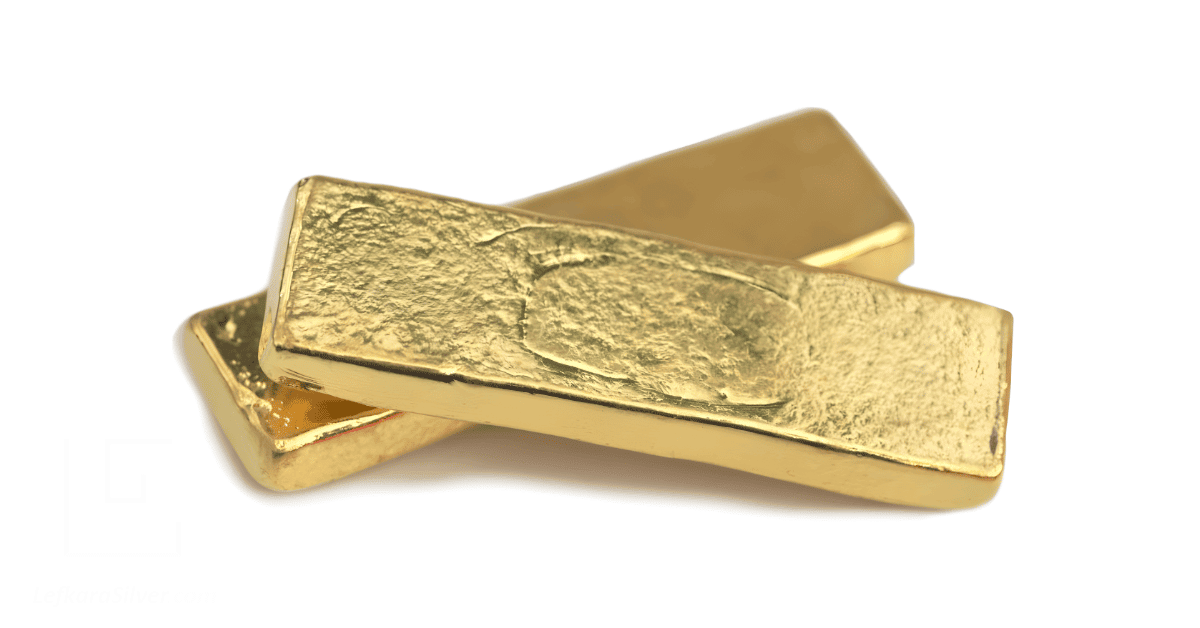
Gold bars are a straightforward method for owning physical gold. Their value is directly tied to the current market price of gold, plus a small percentage known as a premium, which covers manufacturing and dealer costs. Unlike stocks or bonds, they are a tangible asset you can hold, which provides a unique sense of security for many people. Their pricing is generally more efficient than gold jewelry, which includes extra costs for design and craftsmanship that are not recovered upon resale.
The primary argument for investing in gold bars is their cost-effectiveness, especially when buying in larger quantities. Because they are simpler to produce than intricately designed coins, gold bars typically carry lower premiums. This means more of your money goes directly toward the gold itself. For investors looking to make substantial purchases, buying a single 1-kilogram bar is almost always cheaper than buying ten 100-gram bars. Gold also acts as a reliable safeguard during economic instability. During times of high inflation or currency devaluation, gold tends to hold its value or even increase, acting as a form of financial insurance.
However, gold bars are not without their downsides. Their biggest disadvantage is a lack of flexibility. You cannot sell a small piece of a large gold bar; you must sell the entire unit. This can be problematic if you only need to liquidate a portion of your holdings. While coins offer the ability to sell off smaller amounts, a 400-ounce “Good Delivery” bar must be sold all at once.
Also, owning physical gold comes with the added responsibilities of secure storage and insurance, which are ongoing costs. Unlike stocks that might pay dividends, gold bars do not generate any passive income. They are purely a store of value, and their value changes only with the market price. Small bars, such as those weighing 1 gram, carry extremely high premiums relative to their gold content, which makes them an inefficient choice for serious investment.
How to Buy Gold Bars Safely?
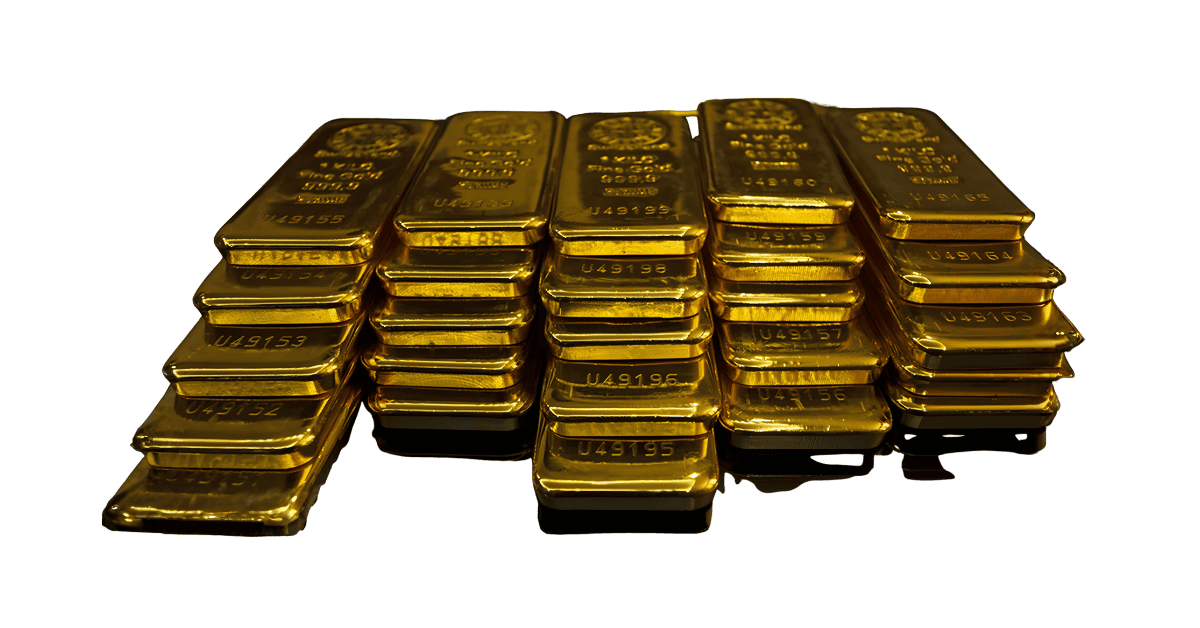
For first-time buyers, purchasing gold bars safely starts with choosing a reputable dealer. A trustworthy dealer will have a long-standing presence in the market, transparent pricing that clearly shows the premium over the spot price, and a large volume of positive, independent customer reviews. Always buy bars produced by refiners accredited by the London Bullion Market Association (LBMA), such as PAMP Suisse, Valcambi, or The Royal Mint. This accreditation guarantees the bar’s weight and purity meet global standards. Investment-grade gold bars must have a purity of at least 99.5%, and this, along with the refiner’s stamp, weight, and a unique serial number, should be clearly marked on the bar.
When making a purchase, be wary of deals that seem too good to be true or sellers on peer-to-peer marketplaces who lack verifiable credentials. Many modern gold bars come sealed in a tamper-proof assay card, which lists the bar’s specifications and serves as its certificate of authenticity. Keeping the bar in this packaging protects it and makes it easier to sell later.
Before you complete your purchase, you must have a storage plan. Options include a high-quality home safe bolted to the floor, a bank safe deposit box, or a professional third-party vaulting service. Keep in mind that bank safe deposit boxes are generally not insured against theft or damage. Professional vaults, on the other hand, offer high-security, fully insured storage for a yearly fee.
Finding a reliable place to buy is critical. There are many established dealers with strong reputations for service and quality. Depending on your region, here are some of the best online gold dealers to consider:
- United States: Reputable dealers like JM Bullion and APMEX offer a massive selection of products and have built a solid track record over many years. They are known for competitive pricing and reliable, insured shipping.
- United Kingdom: The Royal Mint is the official government mint and a trusted source, offering products that can be exempt from Capital Gains Tax (CGT) for UK residents. BullionByPost is another major UK dealer known for its straightforward service and extensive inventory.
- European Union: GoldCore, with a strong presence in Ireland and the UK, offers secure international storage options. German refiners like Heraeus and dealers such as Degussa are highly respected across the continent for their quality and reliability.
Where to Sell Your Gold Bars?
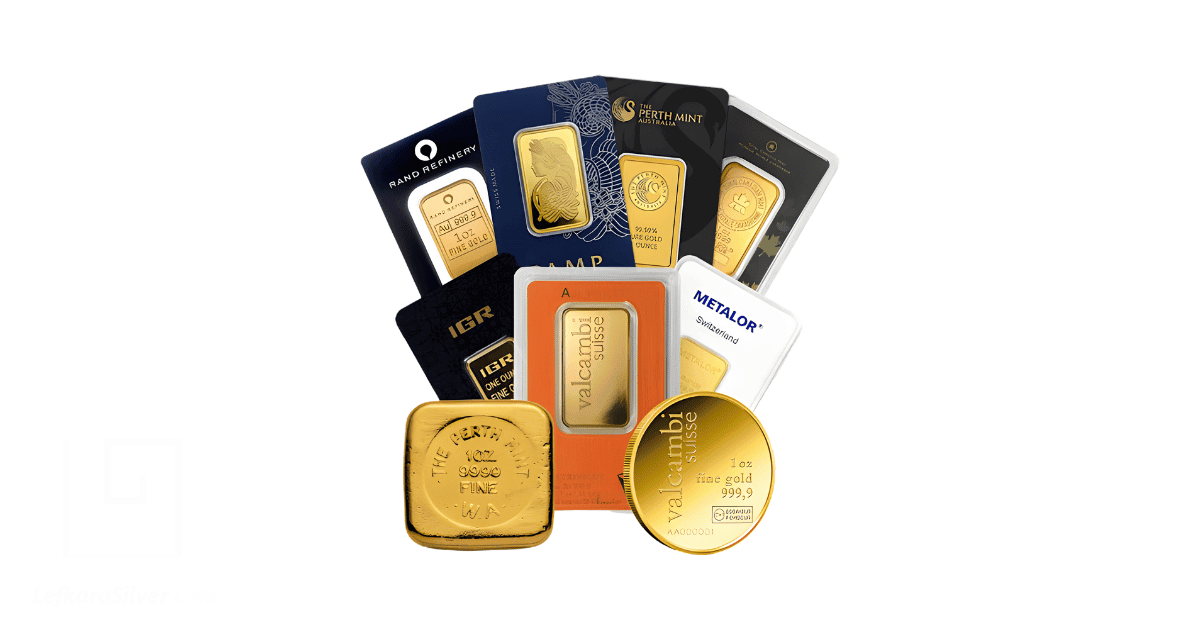
It always seems easier to buy gold bars than to sell them, but finding a buyer for your gold bars isn’t a difficult puzzle. When you’re ready to convert your metal back into cash, you have several solid options, each with its own set of benefits. The key is to find a buyer who offers a fair price with a transparent process.
Online bullion dealers are often the most competitive choice. Reputable dealers like JM Bullion and APMEX have established buy-back programs. The process is typically straightforward: you lock in a price over the phone, ship them the gold using their insured mailing labels, and they send you payment after verifying the bars. Because their overhead is lower than that of a physical shop, online dealers can often offer prices closer to market value. Most online dealers have a minimum buy-back amount, often around $1,000, so this works best if you aren’t selling just a single 1-gram bar.
Local coin shops, jewelers, and pawn shops are another route, especially if you need cash immediately. The main advantage is the speed of the transaction; you can walk in with your gold and walk out with cash. The trade-off is the price. These businesses have higher operating costs and need a larger profit margin, so their offers will almost always be lower than what an online dealer would pay.
Direct sales to a mint or refinery are also possible. For instance, the Royal Mint in the UK offers a buy-back service, quoting a price at 98% of the live gold price if the bullion is stored in their vault. They and other major mints will often buy back bars produced by other LBMA-approved refiners as well, not just their own. This can be a very secure way to sell, though it might involve more paperwork and a slightly longer process.
Finally, online auction sites give you access to a huge market of individual buyers. This can sometimes lead to a higher selling price, especially if your bar has any collectible appeal. However, this path comes with seller fees, shipping and insurance responsibilities, and the risk of dealing with fraudulent buyers. It gives you the potential for a higher reward but requires more effort and carries more risk.
The Standard Price of Gold Bars
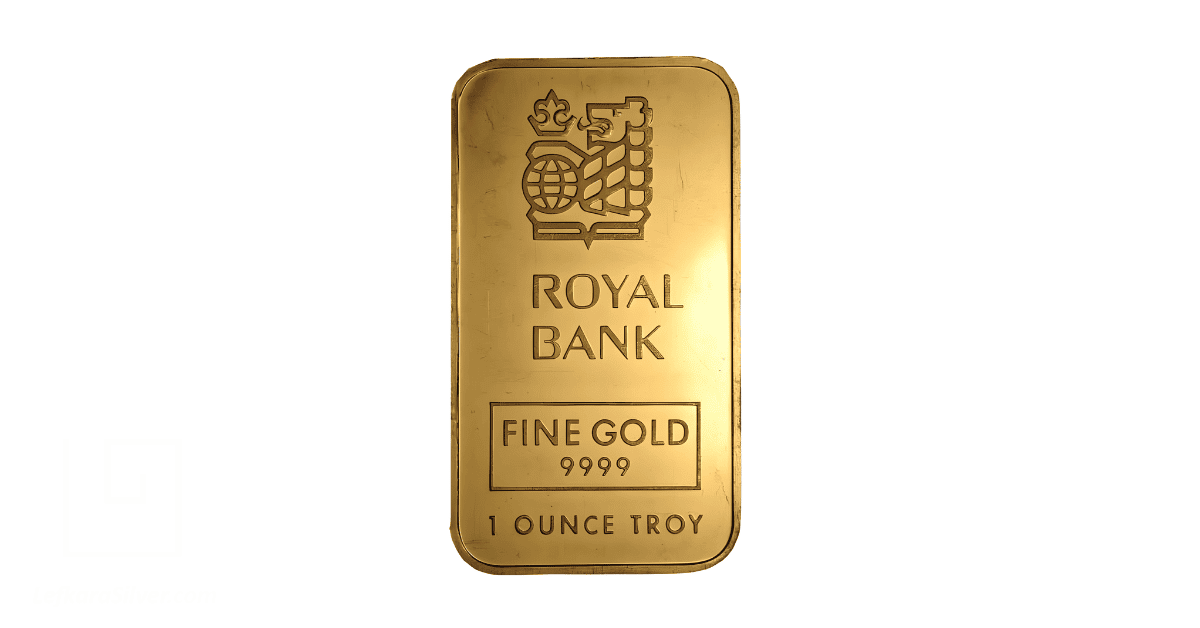
The price of a gold bar isn’t a single, fixed number; it’s shaped by several factors, making it a dynamic value. The most critical elements are the bar’s weight, its purity, the current spot price of gold, and the dealer’s premium. Understanding how these pieces fit together is essential to knowing what your gold is worth.
A bar’s value comes from its fine gold content. Investment-grade gold must be at least 99.5% pure, often expressed as “.995” fineness. Most modern bars you’ll find for investment are even purer, at 99.9% (.999) or 99.99% (.9999) fine gold. This weight is measured in troy ounces, grams, or kilograms. Remember, one troy ounce is 31.103 grams, which is heavier than a standard ounce. The price you see quoted on financial news is the “spot price,” which is the live market price for one troy ounce of gold. As of late 2025, the spot price has been consistently near the $4,000 per troy ounce mark.
No one buys or sells gold at the exact spot price. Dealers add a “premium” when they sell to you and offer a price slightly below spot when they buy from you. This difference is their profit. Larger bars, like a 10-ounce or 1-kilogram bar, have a much lower premium per gram than smaller bars, such as 1-gram or 5-gram bars. This is because the manufacturing and handling costs are spread out over a larger amount of gold. So, while a 1-kilo bar is a more cost-effective way to buy gold in bulk, smaller bars offer more flexibility, as you can sell off parts of your holdings without liquidating a large, single asset.
5 Steps to Test the Authenticity of Your Gold Bars
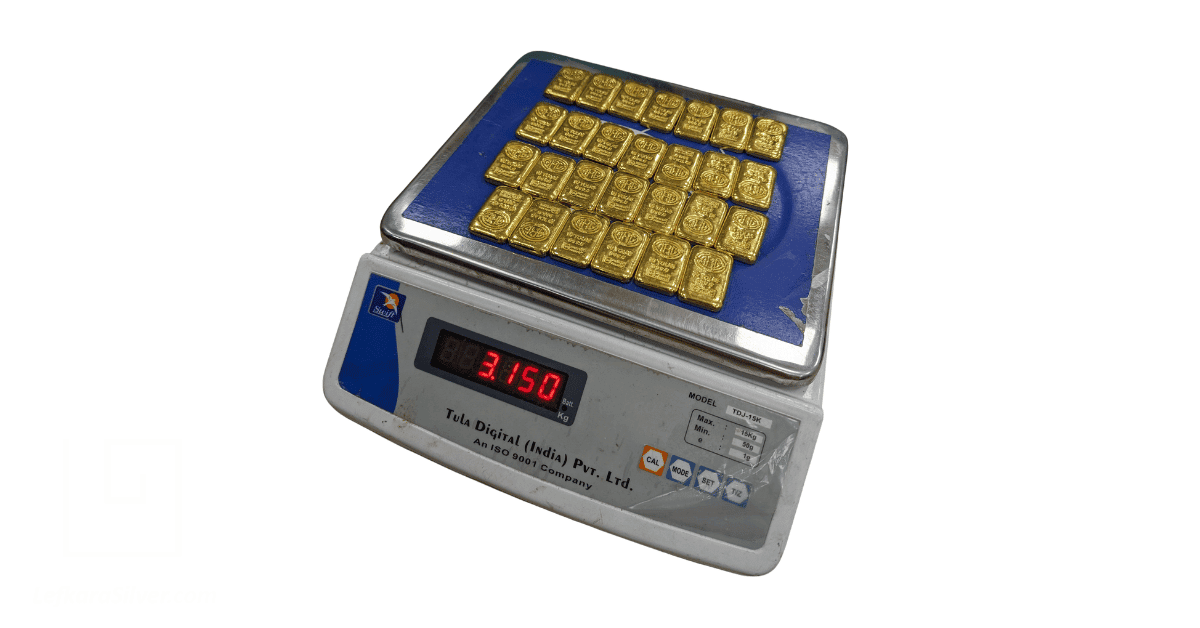
The market for gold is, unfortunately, filled with convincing counterfeits. These fake bars can look and feel surprisingly real, making it essential for any buyer to be careful. A few simple checks can protect your investment and give you confidence in what you’re holding. Before or after you buy, here are some tests you can do to be sure of your bar’s authenticity:
- Start with a Visual Inspection
Look closely at the bar’s markings, often called hallmarks. A genuine gold bar will have crisp, clear engravings. You should see the refiner’s or mint’s name, the bar’s exact weight, its purity level, and a unique serial number.
Investment-grade gold bars must have a minimum purity of 99.5%, which is usually stamped as “.995” or “999.9.” Fakes often have blurry, uneven, or poorly stamped markings. Also, check the overall finish. Real gold has a consistent color and luster, while plated fakes might show discoloration or have spots where a different metal peeks through.
- Check the Weight and Dimensions
Gold is one of the densest metals. This unique property makes it very difficult to fake without getting the size wrong. First, use a precise digital scale to check the bar’s weight. It should match the weight stamped on it exactly.
Next, use a caliper to measure its length, width, and thickness. Compare these measurements to the official specifications for that specific bar from its manufacturer. A counterfeit bar made of a less dense metal will need to be physically larger to match the weight of a real gold bar. If the dimensions are off, it’s a major red flag.
- Perform the Magnet Test
This is a quick and easy test. Gold is not a magnetic metal, so it will not react to a magnet. Hold a strong magnet (a rare-earth magnet works best) near your gold bar.
If you feel a pull or if the bar sticks to the magnet, it is not pure gold. It likely contains iron or another magnetic metal inside. While this test can immediately rule out many fakes, it isn’t foolproof. Some counterfeiters use non-magnetic metals like tungsten, so you should always use this test along with other methods.
- Listen with the Ping Test
Gold has a unique acoustic signature. When you gently tap a genuine gold bar with another piece of metal, it should produce a long, high-pitched ringing sound—a “ping.”
Base metals, on the other hand, will create a much duller, shorter thud. You can balance the bar on your finger and tap it lightly with a coin. Listen carefully to the sound it makes. While it takes a bit of practice to get a feel for the sound, the difference between real gold and a fake is often quite noticeable.
- Verify the Serial Number
Most gold bars are stamped with a unique serial number for security and tracking. First, inspect the number itself for any signs of tampering, like scratches or inconsistent font styles. The engraving should look professional and match the other markings on the bar.
Next, do a quick online search. Many reputable mints and dealers post images of their products online. You can compare the font, placement, and style of the serial number on your bar to official images. Some modern gold bars, especially from refiners like PAMP Suisse, come in packaging with a QR code that can be scanned with an app to verify its authenticity instantly.
Gold Bars vs Gold Coins: Which is Better?
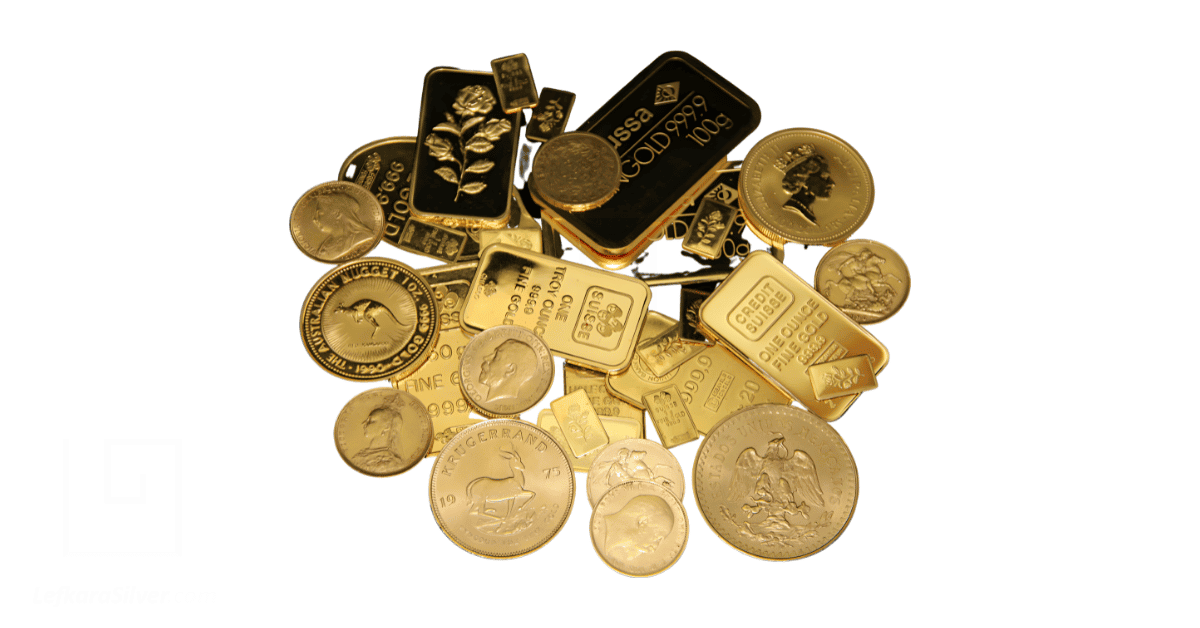
Gold bars and gold coins are two of the most popular ways to own physical gold, but they serve different types of investors. The main difference comes down to what you’re paying for. A gold bar’s value is almost entirely based on its weight in pure gold.
Gold coins also get their value from their gold content, but they come with a few extras. Since they are produced by government mints, they have legal tender status and often feature intricate designs. This production process adds to their cost, meaning you pay a higher price, or “premium,” over the gold’s market value compared to a bar of the same weight.
For a serious investor looking to buy a large amount of gold for long-term wealth preservation, gold bars are often the more cost-effective choice. Their lower premiums mean you get more gold for your money.
However, if you prioritize flexibility and the ability to sell your holdings in smaller amounts, gold coins are a better fit. It’s much easier to sell a few one-ounce coins than to find a buyer for a large gold bar, and you can’t exactly sell a piece of a bar.
The table below shows some of the distinctive features of gold bars and coins.
| Feature | Gold Bars | Gold Coins |
|---|---|---|
| Premium Over Spot Price | Lower | Higher |
| Liquidity/Resale | Good, but large bars can be harder to sell | Excellent, easily recognized and sold |
| Storage Efficiency | Very efficient, easy to stack and store in bulk | Less efficient for the same weight |
| Flexibility | Low; you can’t sell a portion of a bar | High; you can sell coins one by one |
| Government Backing | None; backed only by the refiner | Yes, minted by governments with a face value |
| Ideal Investor | Bulk buyers, long-term holders | Investors wanting flexibility and recognizability |
How to Store Your Gold Bars Safely?
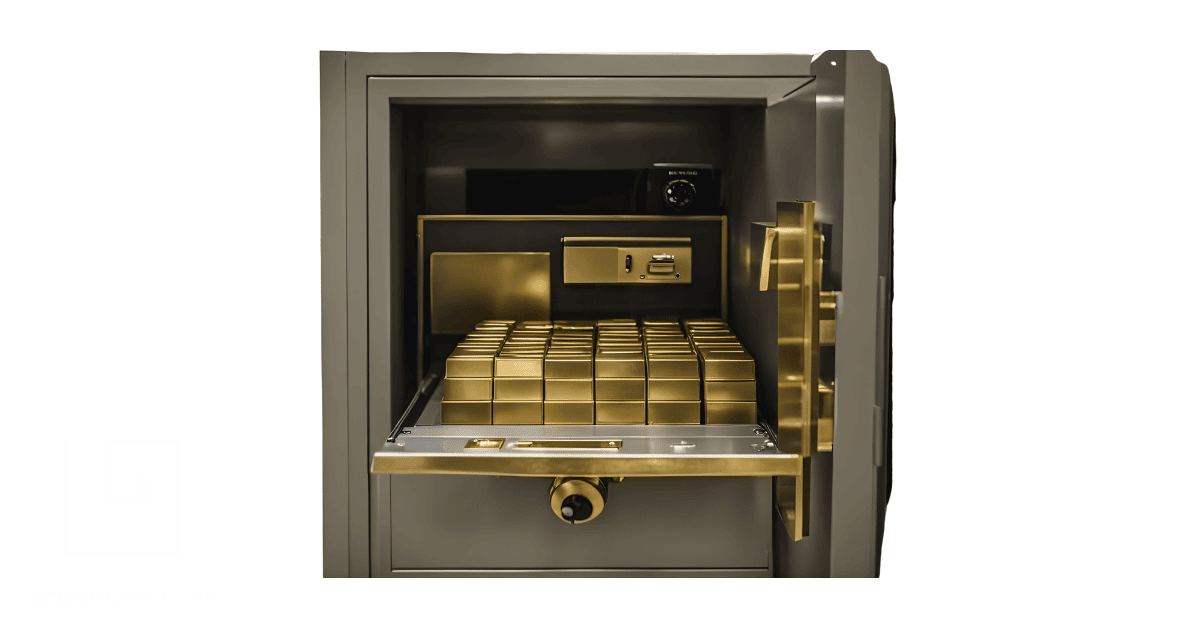
So, you’ve bought your gold bars. That’s a great first step. The next, and equally important, question is where you’re going to keep them. Tucking them under your mattress isn’t going to cut it. Proper storage is essential to protect your investment from theft, damage, and loss. Your storage choice depends on your personal preference for access, security, and cost.
Secure Your Gold at Home
Keeping your gold at home gives you direct control and immediate access, which many investors prefer. However, this method places all the security responsibility squarely on your shoulders.
If you choose this path, a high-quality safe is not a suggestion; it’s a necessity. Look for a safe that is rated explicitly for storing valuables and is fireproof and waterproof. To prevent a burglar from simply walking away with the entire safe, it should be securely bolted to the floor or a wall.
It’s also critical to review your homeowner’s insurance policy. Standard policies often have very low coverage limits for precious metals. You will likely need to add a separate rider to your policy to ensure your gold’s full value is covered. Finally, discretion is key. The fewer people who know you have gold stored in your house, the better.
Use a Bank’s Safe Deposit Box
A safe deposit box at a local bank is another popular option. It’s relatively inexpensive and certainly more secure than keeping gold in a drawer at home, as you benefit from the bank’s security systems.
However, there are significant trade-offs. First, your access is limited to the bank’s operating hours. If you need your gold on a weekend or a holiday, you’re out of luck. More importantly, unlike the cash in your bank account, the contents of a safe deposit box are not insured by the FDIC or the bank itself. If the bank is robbed or a fire breaks out, you could be facing a total loss unless you’ve purchased a separate, third-party insurance policy for your holdings.
Opt for Professional Vault Storage
For the highest level of security, professional third-party storage, often called vault storage, is the top choice. These specialized facilities are designed to protect precious metals from every conceivable threat, including theft and environmental damage.
These vaults offer 24/7 surveillance, armed guards, and climate-controlled environments. A major benefit is that your holdings are fully insured, typically by a major underwriter like Lloyd’s of London. When you store with a professional service, your gold is often “allocated,” meaning specific bars are registered in your name, or “segregated,” where your holdings are kept completely separate from others. While this is the most secure method, it comes with annual storage fees, and your access to the physical gold is subject to the facility’s rules and procedures.
Gold Bars: Concluding Remarks

This article has walked you through the essential aspects of investing in gold bars, from the market dynamics of October 2026 to finding safe online dealers. We’ve looked at the different types of gold bars available, weighed whether they are a good investment, and outlined how to buy and sell them safely.
You also learned about the standard pricing of gold bars, five key steps to test their authenticity, and the differences between bars and coins, as well as how to store your investment securely.
Here are a few final, interesting facts to keep in mind:
- The standard gold bar held by central banks, known as the “Good Delivery” bar, weighs a hefty 400 troy ounces (about 27.4 pounds).
- Investment-grade gold bars must have a minimum purity of 99.5% pure gold.
- The world produces more steel in one hour than all the gold that has been poured in recorded history.
- The price of gold reached a new record high in November 2025, soaring past $4,000 per ounce.
- A “troy ounce,” the standard unit for measuring gold, is about 10% heavier than the more common avoirdupois ounce used for weighing food.
- While gold is known for its stability, it does not produce any income, interest, or dividends like stocks or bonds do.
This content was last updated in October 2026. Follow our website, LefkaraSilver.com, to stay informed about new jewelry offers, news, and buying guides.
Gold Bars FAQs
Here are answers to some frequently asked questions about gold bars:
How Much is a Bar of Gold Worth?
The value of a gold bar depends entirely on its weight and the current market price of gold. With the current price, a 1-ounce bar is worth that amount, while a 1-kilo bar (32.15 ounces) is valued at over $128,000.
What is a Gold Bar Called?
A gold bar is also commonly called gold bullion or a gold ingot. “Bullion” is the term for investment-grade gold that has a purity of at least 99.5%. The term “ingot” typically refers to the larger bars created by pouring molten gold into a mold.
Will Gold Hit $5,000 an Ounce?
Many analysts believe it’s possible, with major institutions like Bank of America forecasting gold could reach $5,000 by 2026. This outlook is driven by strong central bank purchasing and ongoing economic uncertainty. Some even more aggressive forecasts see gold reaching $7,000 by 2030.
Is a Gold Bar Worth 1 Million Dollars?
Yes, the large bars used for major international transactions are worth well over a million dollars. A standard 400-ounce “Good Delivery” bar, weighing about 27.4 pounds, is worth approximately $1.6 million when the price of gold is at $4,000 per ounce.
How Much is a 12.5 Kg Gold Bar Worth Today?
A 12.5-kilogram gold bar is the standard size held by central banks and weighs about 400 troy ounces. Based on November 2025’s market price of roughly $4,000 per ounce, one of these bars is worth around $1.6 million.
Can I Sell a Gold Bar to a Bank?
While a handful of banks globally might buy gold, most in the U.S. do not purchase it from the public. Your best bet is to sell to a reputable online gold dealer or a local precious metals retailer. These specialized businesses have established buy-back programs and offer more competitive pricing.
Can Gold Bars be Converted to Cash?
Absolutely, gold bars are highly liquid and can be easily sold for cash. Reputable online dealers and local precious metal retailers will buy your gold, often offering a price close to the current market value. Most dealers have established buy-back programs, making the process quick and straightforward.
How Much is 1 Kg Gold Bar in India?
Currently, a 1-kilogram gold bar in India is worth approximately ₹1.2 crores (12 million Indian Rupees). This value is based on the India Bullion and Jewellers Association (IBJA) rate of about ₹120,770 per 10 grams for 99.9% pure gold.
Which Country is No.1 in Gold?
China holds the top spot as the world’s largest producer of gold, mining hundreds of metric tons annually. It is also one of the biggest consumers of the precious metal. When it comes to official reserves, the United States holds the most gold, with over 8,000 metric tons in its vaults.
Which Country’s Gold is Very Pure?
Switzerland is famous for producing some of the purest gold, with top refineries like PAMP Suisse and Valcambi manufacturing bars to a 99.99% (“four nines”) purity standard. Mints such as the Royal Canadian Mint and the Perth Mint are also renowned for this high level of fineness.
Where is Gold Naturally Found?
Gold is naturally found in two main types of deposits: lode deposits, which are veins in rocks, and placer deposits, which are found in streams and riverbeds. Significant mining operations exist on every continent except Antarctica, with major production coming from countries like China, Australia, and Russia.
What Karat Gold is Most Valuable?
24-karat gold is the most valuable because it is the purest form, containing 99.9% pure gold. Lower karat ratings, such as 18-karat (75% gold) or 14-karat (58.3% gold), are mixed with other metals, which makes them less valuable per gram due to the lower gold content.