
How to Invest in Gold? 5 Simple Ways to Get Started in 2026
Investing in Gold – The Nuts & Bolts
Gold has been a dependable store of value for centuries, and for good reason. It’s a tangible asset you can hold, a classic hedge against the ups and downs of the market, and a solid way to diversify your holdings. Whether you’re a big-time investor or just starting, adding gold to your portfolio can be a smart move for long-term stability.
This guide breaks down everything you need to know about getting into the gold market. We’ll look at key gold statistics as of August 2026, five simple ways to invest in gold for beginners, and the best time of year to make your move. We’ll also cover the 10 core reasons to invest in gold, compare short-term vs. long-term strategies, and see how gold stacks up against silver.
You’ll get the details on investing in gold jewelry, how to handle gold ETFs, and even the best ways to invest in gold without actually buying it. And finally, we’ll touch on the essential tax rules for your gold investments, giving you a full picture of the latest information for August 2026.
Key Gold Statistics as of August 2026
Gold has had a remarkable run, hitting record highs while offering a safe harbor during economic storms. Here are some of the most significant numbers of the current market situation.
- The price of gold has surged in 2025, breaking the $4,000 per ounce mark for the first time in October.
- The average annual return for gold over the past 20 years is approximately 10%.
- Looking at year-over-year performance, the best-performing gold stock, SSR Mining Inc., is up an incredible 267.72%.
- The S&P 500 dropped nearly 20% in 2022, while gold’s value held steady.
- Despite its strong performance, financial advisors generally recommend limiting gold exposure to less than 3% of your total portfolio for balanced diversification.
- The annual inflation rate in the U.S. climbed to 2.9% in August 2025, reinforcing gold’s appeal as a hedge against rising prices.
- Central banks have been major buyers, contributing to a significant portion of the demand and helping to stabilize prices.
- India’s wedding season drives massive demand, with around 10 million weddings celebrated each year, many featuring significant gold purchases.
5 Simple Ways to Invest in Gold for Beginners
Investing in gold is relatively easy. There are several straightforward ways for a beginner to add this precious metal to their financial mix, each with its own rules and rewards.
Here are ways that you can begin adding gold to your portfolio:
1. Physical Gold (Coins and Bars)
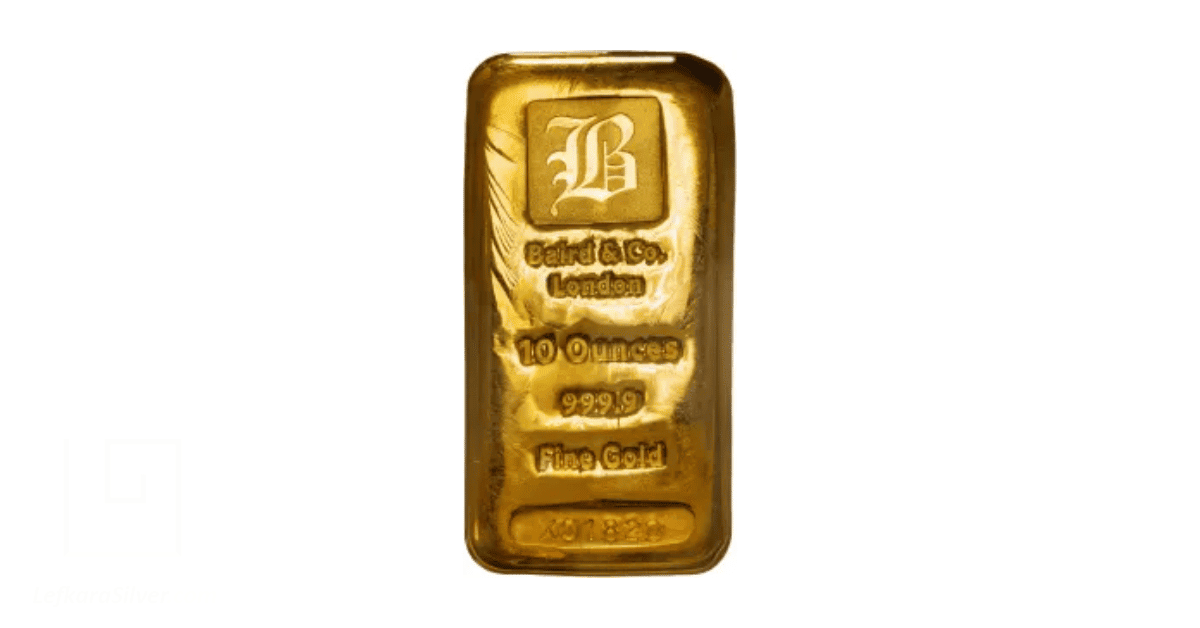
This is the old-school approach: buying actual, tangible gold. We’re talking about gold bullion, which comes in the form of coins or bars. The main appeal is direct ownership. You can hold it, store it, and it’s yours, completely outside of the digital banking and brokerage systems. It’s a real asset you control.
However, owning physical gold isn’t as simple as stuffing it under your mattress. You’ll buy it from a dealer at a premium, which is the spot price of gold plus extra costs for manufacturing, shipping, and the dealer’s profit. This premium can range from 1% to 5% or more. You also have to think about secure storage, which might mean a high-quality home safe or a bank’s safe deposit box, both of which cost money.
Then there’s insurance. And when it’s time to sell, you might not get the full market price, especially if you need cash in a hurry. You can find top gold bars and coin dealers here.
2. Gold Exchange-Traded Funds (ETFs)
If you like the idea of owning gold but not the headache of storing it, Gold ETFs are your answer. An ETF is a fund that trades on a stock exchange, just like a regular stock. Gold ETFs are designed to track the price of gold. When the price of gold rises, the value of the ETF share rises with it.
This method is incredibly convenient. You can buy and sell shares instantly through any standard brokerage account. There are no storage or insurance fees to worry about, and you can invest with a much smaller amount of money than what’s needed to buy a whole gold bar. The key thing to remember is that you don’t actually own the physical gold. You own shares in a fund that owns the gold, which, for most people, is an excellent trade-off for the ease and low cost.
3. Gold Mining Stocks
Another way to invest in gold is to buy shares in the companies that dig it out of the ground. When gold prices are high, mining companies tend to be more profitable, which can drive their stock prices up. This route offers a different kind of potential, as a well-run company can increase its profits even if the price of gold stays flat.
Investing in miners is a step removed from a direct investment in gold. A company’s stock price is affected by more than just gold’s market value; things like management skill, debt levels, labor strikes, and environmental issues all play a big part. This adds a layer of business-related risk. On the plus side, many established senior mining companies pay dividends, giving you a source of income that physical gold never will.
4. Gold Mutual Funds
A gold mutual fund is like a basket of gold-related investments. These funds are actively managed by a professional who buys and sells assets to try to get the best returns. The fund might own stocks from many different mining companies, gold ETFs, and even physical gold bullion.
The main benefit here is instant diversification within the gold industry. You’re not betting on a single mining company but are spread across many, which helps reduce risk. You can buy into these funds through a brokerage account just like stocks or ETFs. The trade-off is that mutual funds have management fees, which are charged annually and can eat into your overall profits.
5. Gold Royalty and Streaming Companies
This is a more indirect but clever way to play the gold market. Royalty and streaming companies don’t operate mines. Instead, they act as specialized financiers for the mining industry. They give mining companies cash upfront to help them fund their projects. In return, they get the right to buy a portion of the mine’s future gold production at a deeply discounted price or receive a percentage of the mine’s revenue.
This business model is attractive because it avoids the massive operational risks and costs that come with actually running a mine. Their stock prices still tend to follow the price of gold, but often with less volatility than mining stocks. Many of these companies are also known for paying consistent dividends, making them a favorite for income-focused investors.
When is the Best Time to Invest in Gold?
Gold often gets called the “crisis commodity” for a good reason. The best time to add it to your portfolio is often when other investments look shaky. During periods of stock market volatility, economic recession, or geopolitical unrest, investors tend to move toward gold as a safe-haven asset. It has a long history of holding its value when confidence in governments and financial markets wanes.
Another key time to consider gold is when inflation is rising. Gold is a classic hedge against inflation because its price tends to rise as the purchasing power of paper currencies, such as the U.S. dollar, declines. Gold’s value isn’t tied to any single country’s economic policies, so it maintains its worth on a global scale. There’s also a strong inverse relationship between gold and the U.S. dollar; a weaker dollar typically pushes gold prices higher.
Looking at historical data, you can spot certain seasonal patterns in gold prices. While not a guarantee, prices often experience a dip in the early spring, around March, and again in the early summer. This can create excellent buying opportunities. Demand, and therefore price, tends to pick up in the later part of the year. This is partly driven by major cultural events, such as the wedding season and Diwali festival in India, where gold is a central part of the celebrations and gift-giving.
Ultimately, for anyone focused on building a durable, long-term portfolio, there’s rarely a “bad” time to invest in gold. Its main role is diversification. Gold’s price doesn’t typically move in lockstep with stocks and bonds, so it provides balance. Adding a small allocation of gold, say between 5% and 10% of your total portfolio, can help reduce overall risk and smooth out returns over the long haul. Approaching it this way is less about timing the market perfectly and more about building a resilient financial foundation.
Why You Should Invest in Gold – 10 Reasons
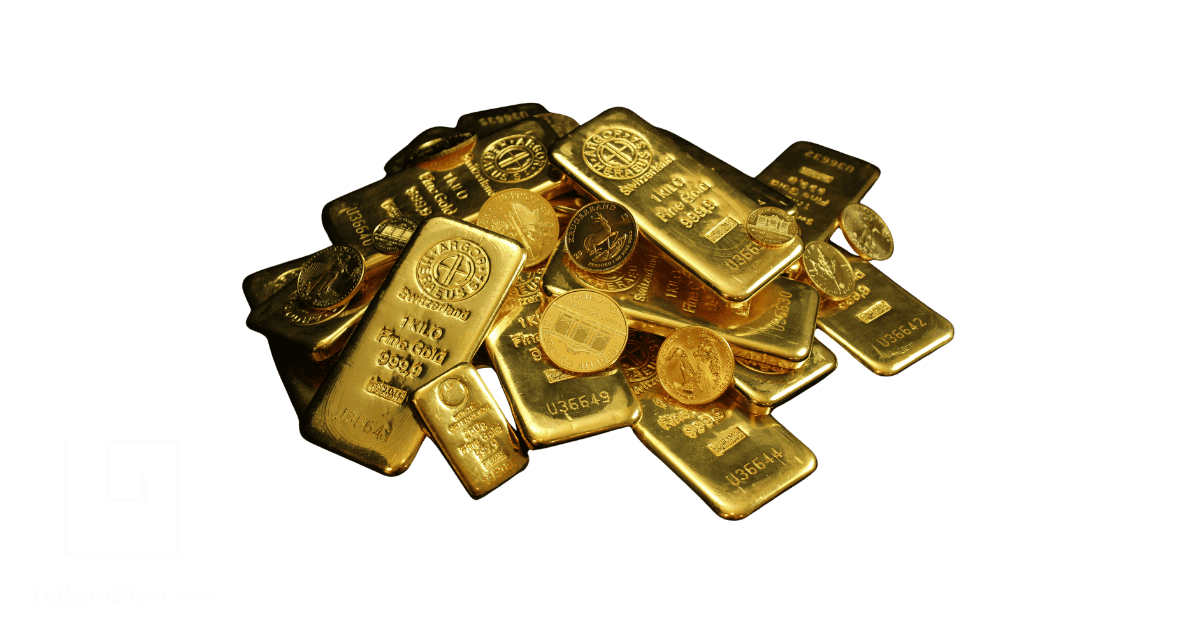
Adding gold to your investment mix offers some serious advantages that go beyond its shine. Here are ten solid reasons to think about putting your money into this classic asset.
- A Hedge Against Inflation
When the cost of living goes up, the value of cash goes down. Gold, however, tends to hold its value. As prices for goods and services rise, the price of gold often rises with them. This helps protect your purchasing power over time. While inflation in August 2025 hit 2.9%, gold has shown it can keep pace, making it a reliable way to keep your money from losing its worth. - A Store of Value
For centuries, gold has been a trusted way to preserve wealth. It’s durable, it’s rare, and it doesn’t corrode. Unlike paper money or digital currencies, which can be subject to government policies and economic collapses, gold has an inherent physical value that has been recognized for thousands of years. - Portfolio Diversification
Gold’s price often moves independently of stocks and bonds. When the stock market drops, gold can go up, acting as a balancing force in your portfolio. This lack of correlation is key. In 2022, for instance, the S&P 500 fell nearly 20%, while gold held its ground. Adding an asset that zigs when others zag helps lower your overall risk. - Protection During Geopolitical Uncertainty
Gold is often called the “crisis commodity” for a reason. During times of political instability, conflict, or social unrest, investors flock to gold as a safe place to park their money. Its value isn’t tied to any single government’s stability, making it a dependable asset when world events get messy. - A Shield Against a Weaker Dollar
There is typically an inverse relationship between the U.S. dollar and gold. When the dollar’s value falls against other currencies, the price of gold tends to rise. Since gold is priced in dollars globally, a weaker dollar means it takes more dollars to buy an ounce of gold, pushing its price up. In 2023, the dollar fell around 10% while gold gained over 13%. - Increasing Demand and Finite Supply
The supply of gold is limited. New gold discovery is slowing, and it’s expensive to mine. At the same time, demand continues to grow, not just from investors but also from central banks and for use in jewelry and electronics. This simple supply-and-demand dynamic provides a strong foundation for its long-term value. - High Liquidity
Gold is easy to buy and sell almost anywhere in the world. Whether you own physical gold bars, coins, or shares in a gold ETF, you can convert your holdings to cash without much trouble. This makes it a highly liquid asset, which is a big plus if you ever need quick access to your funds. - Strong Central Bank Buying
The world’s central banks are some of the biggest buyers of gold. They hold it in their reserves to diversify their assets and protect against financial shocks. This consistent, large-scale buying provides a steady source of demand that helps support the gold price. - Proven Long-Term Returns
Gold isn’t just a defensive asset; it has also delivered solid long-term returns. Over the last 20 years, gold has produced an average annual return of about 10%. Its price has climbed from around $300 an ounce in 2000 to over $3,000 in March 2025, showing its powerful potential for growth over time. - It’s a Tangible Asset
In a world of digital transactions and complex financial instruments, owning a physical asset can be reassuring. You can hold a gold coin or bar in your hand. This tangible quality provides a sense of security that you just can’t get from a stock certificate or a line in a brokerage account statement.
Short-Term vs Long-Term Gold Investment Strategies
A long-term gold investment strategy involves holding gold for several years, or even decades, to preserve wealth and hedge against economic downturns. It’s a buy-and-hold approach focused on stability.
A short-term gold strategy, on the other hand, aims to profit from rapid price movements. This involves actively trading gold-related assets over days, weeks, or months to capitalize on market volatility.
| Feature | Short-Term Strategy | Long-Term Strategy |
|---|---|---|
| Primary Goal | Quick profits from price swings | Wealth preservation, inflation hedge |
| Time Horizon | Days, weeks, or months | Years to decades |
| Risk Level | High | Lower to moderate |
| Common Methods | Gold futures, options, CFDs | Physical bullion, gold ETFs, mining stocks |
| Required Effort | High; requires active monitoring | Low; buy-and-hold approach |
| Key Driver | Market sentiment, technical charts | Economic fundamentals, inflation |
For most people, a long-term approach to gold is the best option. It treats gold as a form of financial insurance, a stabilizing force in a portfolio designed to stand the test of time. Short-term trading requires deep market knowledge, a high tolerance for risk, and constant attention—traits that don’t align with the average investor’s goals. By holding gold for the long run, you get the core benefits of diversification and wealth protection without the stress and risks of trying to time the market.
Is it Better to Invest in Gold or Silver?
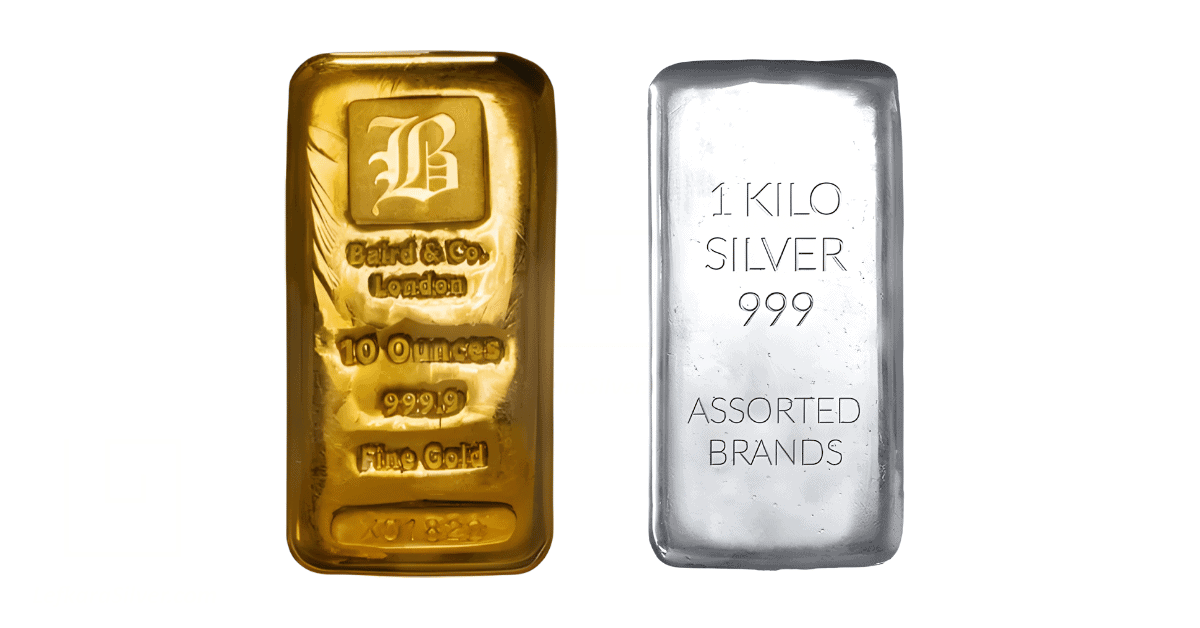
When comparing gold and silver, it’s useful to think of them as two different tools for different jobs. Silver is often more volatile than gold. Because its price per ounce is much lower, smaller shifts in the market can cause bigger percentage swings in value. This makes silver a more speculative play for investors who are comfortable with higher risk in exchange for the chance of higher returns. A significant portion of silver’s demand—over 50%—comes from industrial applications, including electronics, solar panels, and medical devices. This connection means silver’s price often moves with the health of the global economy; when industries are growing, demand for silver rises.
Gold, on the other hand, is the classic safe-haven asset. Its value is less tied to industrial cycles and more to factors like global economic uncertainty, inflation rates, and central bank purchasing. Investors typically buy gold to preserve wealth, not for rapid growth. When stock markets are shaky or confidence in currencies falters, gold tends to hold its ground or increase in value. Its price is significantly higher than silver’s, which can be a barrier for new investors, but this higher price point also contributes to its relative stability.
The choice between gold and silver depends on your investment goals. If you’re looking for stability and a hedge against economic downturns, gold is the traditional choice. It acts as an insurance policy for your portfolio. If you have a higher risk tolerance and want to bet on industrial growth, silver might be a better fit.
How to Invest in Gold Jewelry?

Investing in gold jewelry is a completely different game from buying gold bars or coins. With jewelry, you are not just paying for the gold’s weight, also known as its “melt value.” A large part of the price tag covers the craftsmanship, the designer’s brand, and the retail markup. Because of these added costs, most gold jewelry sells for a price well above its actual gold content, and its resale value is often lower than what you initially paid. Authentic investment-grade jewelry is a niche market where value is held in rarity, brand prestige, and historical importance, not just the metal itself.
To invest in gold jewelry successfully, you need a specific strategy. First, focus on pieces from world-renowned and historic brands. Signed items from houses like Cartier, Van Cleef & Arpels in Paris, or Bulgari in Rome are far more likely to retain or increase in value over time than unbranded pieces. Second, pay close attention to the gold’s purity. Look for jewelry made from 18-karat (75% pure) or 22-karat (91.6% pure) gold, as this maximizes the intrinsic value.
Always check for official hallmarks that certify the gold’s purity and the maker’s mark that identifies the designer. Buying from reputable auction houses, established antique jewelry dealers, or directly from the brand’s boutiques is the safest route.
When you acquire a piece, be sure to keep all original documentation, including the box, receipts, and any certificates of authenticity, as this is critical for proving its provenance and value upon resale. The physical condition of the jewelry is also extremely important; any damage, repairs, or alterations can significantly reduce its investment potential. While pieces with large gemstones can be valuable, they also complicate the investment. For a pure gold play, it’s better to choose designs where the value is concentrated in the metalwork and the brand’s artistry. Finally, don’t forget the practicalities of ownership, which include securing appropriate insurance and finding a safe place for storage.
How to Invest in Gold ETFs?
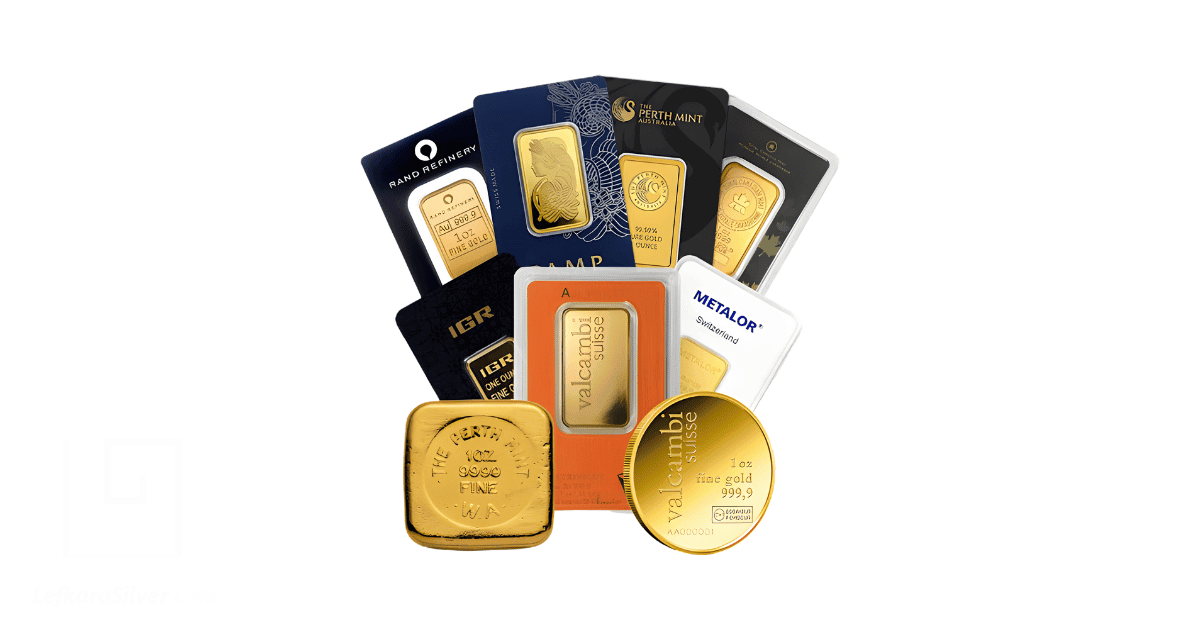
A gold exchange-traded fund, or ETF, is a fund that trades on a stock exchange, much like a regular stock. Its value is designed to move with the price of gold. When you buy a share of a gold ETF, you don’t own the physical metal. Instead, you own a piece of a fund that holds gold-related assets.
Some of these funds hold physical gold bars in secure vaults. Others invest in a collection of companies in the gold industry, such as mining firms. This approach gives you a stake in gold’s market performance without the complications of storing and insuring the metal yourself.
Investing in a gold ETF is a direct process that you can handle in a few steps:
- Open a Brokerage Account: To buy any ETF, you first need an investment account with a brokerage. This is the platform you’ll use to buy and sell stocks and funds.
- Fund Your Account: Once your account is set up, you’ll need to add money to it. You can typically do this through a simple bank transfer.
- Find the Right Gold ETF: Not all gold ETFs are the same. Look at the fund’s expense ratio, which is the annual fee you’ll pay for its management. A lower ratio is better. The two largest gold ETFs are SPDR Gold Shares (GLD) and iShares Gold Trust (IAU). You should also check if the fund invests in physical bullion or in gold mining stocks, depending on your preference.
- Buy Shares: With your research done, you can place a “buy” order through your brokerage’s website or app. You’ll use the ETF’s ticker symbol, like “GLD,” to find it. You can choose how many shares you want to buy.
Most financial advisors suggest keeping gold exposure to a small part of your total portfolio, often in the 3% to 5% range.
What Are The Best Ways to Invest in Gold Without Buying it?
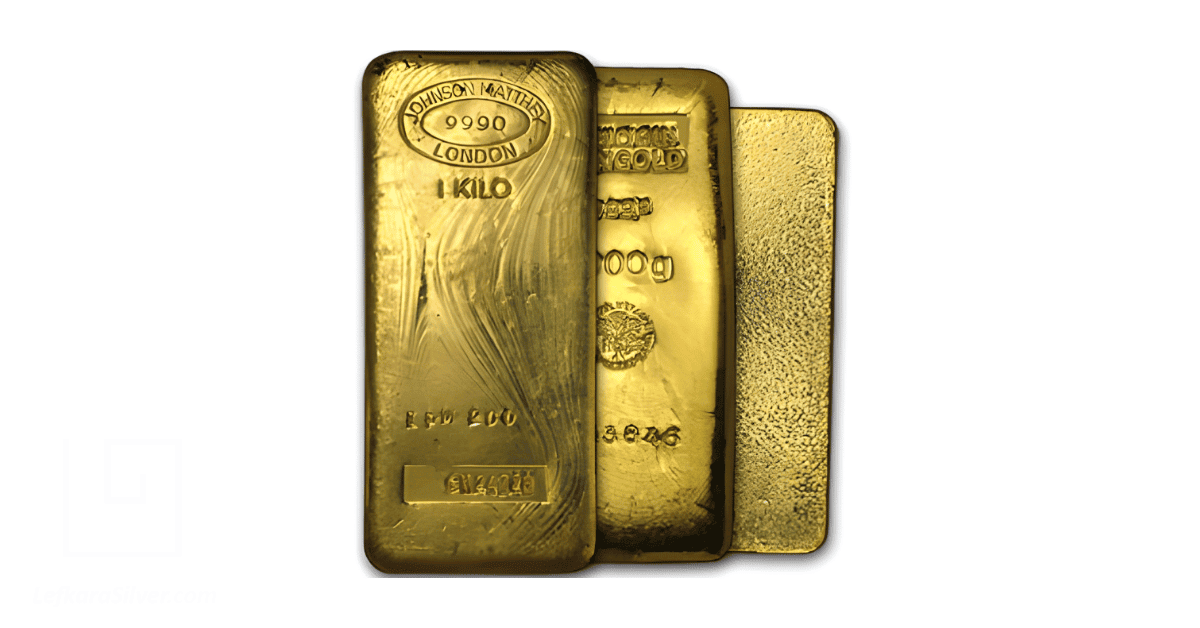
Investing in gold without physically owning it means getting the financial benefits of gold’s price changes without the real-world problems. Owning gold bars or coins comes with challenges like paying for secure storage, getting insurance, and finding a trustworthy dealer. When it’s time to sell, you might also get a price well below the market value.
Non-physical gold investments bypass these issues entirely. You can get exposure to the gold market easily through a standard brokerage account. Here are the most common ways to do it.
Gold Exchange-Traded Funds (ETFs)
This is one of the most popular methods. As mentioned, a gold ETF is a stock-like investment that tracks gold’s price. Because ETFs trade on major stock exchanges, they are highly liquid, meaning you can buy or sell them quickly during market hours. This is a big advantage over physical metal, which can be difficult to sell on short notice.
Gold Mining Stocks
You can buy shares in companies that mine for gold. The idea is that when gold prices rise, the value of a mining company’s gold reserves increases, which should boost its stock price.
These stocks can offer more growth potential than gold itself. A company can improve its efficiency or discover new gold deposits, adding value beyond the metal’s price. Gold mining stocks can pay dividends, which physical gold does not. However, this investment is also tied to the company’s performance, so you have to think about factors like management quality and operational risks. These stocks don’t always move in perfect sync with gold’s price.
Gold Mutual Funds
A gold mutual fund pools money from many people to invest in a portfolio of gold-related assets. These funds often hold stocks of numerous gold mining companies, offering more diversification than buying a single stock. Some mutual funds are actively managed, with a professional making decisions about what to buy and sell. This active management usually results in higher fees compared to passively managed ETFs.
Gold Futures and Options
Futures and options are contracts for more experienced traders. A futures contract is a binding agreement to buy or sell a set amount of gold at a specific price on a future date. An option gives you the right, but not the requirement, to buy or sell at a set price before a certain date.
These instruments use leverage, which means you can control a large amount of gold with a small amount of money. While this can lead to big profits, it can also cause rapid and significant losses. Futures contracts are high-risk and not recommended for new investors.
Royalty and Streaming Companies
These companies don’t mine gold. Instead, they provide the cash for mining projects. In return, they get a percentage of the mine’s revenue (a royalty) or the right to buy a portion of its gold production at a deeply discounted price. This business model avoids the direct operational risks of running a mine. Many of these stocks also offer dividends, providing a steady income stream. This strategy is a more indirect way to benefit from the gold industry.
Tax Rules for Investing in Gold
Thinking about taxes when you invest in gold is critical, because the rules are often different from what you might be used to with stocks or bonds. Governments have specific ways of looking at precious metals, and knowing these details beforehand can save you a lot of money and headaches. It’s not just about what you gain, but what you get to keep.
Here are the tax rules you should know before you put your money into gold this year:
- In the United States, the IRS views physical gold not as a currency or a standard capital asset, but as a “collectible.” This distinction is important. If you hold your gold for more than a year, your profits aren’t taxed at the usual long-term capital gains rates of 0%, 15%, or 20%. Instead, they are taxed at a higher collectibles rate, which can be as much as 28%.
- For investors in the United Kingdom, there’s a fantastic exception. Certain gold coins produced by The Royal Mint are considered legal tender in the UK, which makes them exempt from Capital Gains Tax (CGT). This means you can sell your gold Sovereign and Britannia coins for a profit and not owe any tax on the gains. This is a significant advantage over other forms of gold.
- Value Added Tax (VAT) is another point to check. In the UK and across the European Union, investment-grade gold is exempt from VAT. To qualify, gold bars must be at least 99.5% pure and gold coins must be at least 90% pure and minted after 1800. Silver, however, does not get this treatment and is subject to standard VAT rates, making it more costly to buy from the start.
- If you invest in gold through financial products rather than holding the metal yourself, the tax situation changes. Gold Exchange Traded Funds (ETFs) and stocks in gold mining companies are typically taxed like regular stocks. In the US, this means they qualify for the lower long-term capital gains rates if held for more than a year, which can be more favorable than the 28% collectibles rate.
- You can also hold gold within a retirement account for tax benefits. In the US, a Self-Directed IRA allows you to own physical gold bars and coins that meet specific purity standards. The gains on this gold can grow tax-deferred or tax-free, depending on whether it’s a traditional or Roth IRA. This lets you buy and sell gold within the account without creating a taxable event each time.
Key Takeaways on How to Invest in Gold
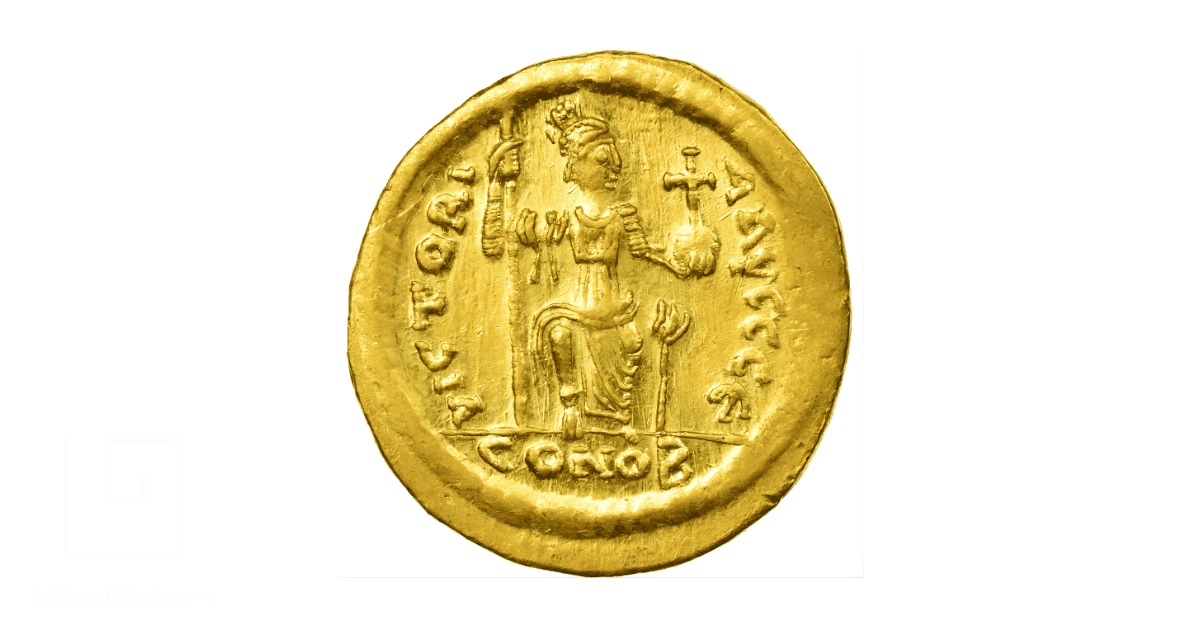
So, we’ve walked through the gold investment process, from the latest market statistics to the simple ways beginners can get started. We’ve looked at the best times of the year to buy, weighed short-term moves against long-term plans, and even put gold head-to-head with silver.
You now have a better handle on buying gold jewelry smartly, using ETFs, and even investing in gold without ever touching a single ounce. And, of course, you’re up to speed on the tax rules.
Here are a few final points to keep in mind:
- Gold’s price can be volatile in the short term. Between 1980 and 2000, the price actually fell by 33% before it began its next major climb.
- The United States tax code treats physical gold as a “collectible,” meaning long-term gains are taxed at a maximum rate of 28%, which is higher than the top rate for stocks.
- UK-based investors can buy certain domestic gold coins, like the Britannia and Sovereign, and pay zero Capital Gains Tax on their profits.
- Gold does not produce any income. Unlike dividend stocks or interest-bearing bonds, the only way to profit from physical gold is for its price to go up.
- The best time to buy gold is not always when everyone is talking about it. Historically, prices often see a dip in the spring and summer months like March, April, and June, offering better entry points.
This content was last updated in August 2026.
Invest in Gold FAQs
Here are answers to some frequently asked questions about investing in gold in 2026:
Is it Worth Investing in Gold?
Investing in gold can be a solid strategy for diversifying a portfolio and hedging against economic uncertainty. Gold has shown strong performance, with prices up over 55% in the last year and some analysts predicting it could reach $5,000 per ounce by 2026. It’s often seen as a safe-haven asset that holds its value during periods of high inflation and market volatility.
How Do Beginners Buy Gold?
Beginners can easily invest in gold through several accessible methods. A popular starting point is buying gold Exchange Traded Funds (ETFs) through a standard brokerage account, which tracks the price of gold without needing to store the physical metal. Another option is purchasing physical gold, like coins or small bars, from reputable online dealers or local shops.
How Much Gold Does $1000 Buy?
With gold prices hovering around $4,100 per ounce in November 2025, $1,000 would buy approximately 0.24 troy ounces of gold. This amount is enough to purchase a small gold coin or a fractional gold bar. Keep in mind that dealers add a small premium over the spot price for manufacturing and distribution costs.
What is The 5 Year Return Of Gold?
Over the last five years, gold has delivered an average annual return of approximately 16%, outperforming major stock indexes like the Sensex, which returned about 14% in the same period. This strong performance highlights gold’s role as a valuable asset for growth, especially during times of economic instability and rising inflation.
Are 1 Oz Gold Bars a Good Investment?
One-ounce gold bars are a popular and smart choice for investors. They are highly liquid, meaning they are easy to buy and sell, and their standard weight and purity make them recognizable worldwide. Their size offers a good balance between a substantial investment and manageable storage, with premiums generally lower than those for smaller fractional bars.
Is it Better to Save Money or Buy Gold?
While saving cash is essential for short-term needs and emergencies, buying gold is often a better strategy for long-term wealth preservation. Cash loses purchasing power over time due to inflation, whereas gold has historically maintained its value and even appreciated, increasing by over 700% in the last 20 years. A balanced approach often includes both.
What is the Disadvantage of Buying Gold?
The main drawback of physical gold is that it generates no income, unlike dividend stocks or interest-bearing bonds. You also have to pay for secure storage and insurance, which can eat into returns. In the U.S., profits are taxed at a high 28% collectibles rate, which is more than standard capital gains.
Will Gold Go to $10,000 an Ounce?
While a $10,000 price tag is highly speculative, it’s not impossible under extreme economic scenarios like hyperinflation or a major currency collapse. With some forecasts already targeting $5,000 per ounce by 2026, a future surge to five figures would require a massive loss of confidence in traditional financial systems.
Is it Better to Buy Gold Bars or Coins?
Gold bars typically have lower premiums over the spot price, giving you more gold for your money. However, coins like the American Eagle are easier to sell in smaller increments and are more recognizable. Certain coins, like the UK Sovereign, are also exempt from Capital Gains Tax, offering a significant tax advantage.
Will Gold Get Cheaper in 2026?
After hitting record highs above $4,100 in late 2025, a price drop is possible if economic conditions stabilize and inflation cools. However, ongoing geopolitical tensions and continued buying from central banks could keep prices elevated. Historically, gold prices tend to dip in the early months of the year, offering potential buying opportunities.
How to Store Gold Safely at Home?
For home storage, use a high-quality, fireproof safe that is professionally installed and bolted to the floor. Avoid obvious hiding places and consider adding it to your homeowner’s insurance policy. For larger amounts, professional vaulting services offer insured, allocated storage for an annual fee, typically 0.5% to 1.25% of the gold’s value.
How Much Gold Can a Us Citizen Legally Own?
There are no federal restrictions on the amount of gold a U.S. citizen can own. The limitations on private gold ownership were lifted in 1974, and since then, individuals can buy and hold as much gold as they wish without needing a license or permission.