Everything You Need to Know About Getting Permanent Bracelets
If you are tired of losing your favorite bracelets or struggling with tiny clasps every morning, getting a permanent bracelet might be what you need. Instead of a traditional closure, a jeweler uses a small welder to join the ends of a chain right on your wrist. It is a quick, safe, and painless way to get a custom-fit piece that stays with you throughout your day. This article brings you the latest facts and professional advice as of October 2026.
You will learn the step-by-step process for a permanent bracelet and find the best jewelry for your lifestyle. We’ll take you through the top 10 jewelry studios for the best permanent bracelet services
Finding the best forever bracelet for couples or matching permanent bracelets for best friends has never been easier, with so many shops opening up. We will look at the permanent bracelet price range, the differences between a 14k gold permanent bracelet vs a sterling silver, and the common question: can you add charms to permanent bracelets?
To learn more about every permanent ring and necklace, check out this comprehensive permanent jewelry guide.
Permanent Bracelet Key Statistics and Trends for October 2026
What started as a small movement in luxury jewelry shops has turned into a global phenomenon. People are choosing these welded pieces to mark big life events like weddings and births, or simply to make their daily accessorizing easier. It is no longer just a fast-moving fad; it is a permanent part of the modern jewelry market.
The following numbers show how much this industry has grown and where the styles are headed this year.
- Interest in welded jewelry has seen a 40% increase among Gen Z and Millennial shoppers over the last three years.
- The market for personalized and forever jewelry is on track to grow by 7% every year through the end of the decade.
- A typical appointment to get your chain measured and welded usually takes between 10 and 20 minutes from start to finish.
- While base prices start around $40 for sterling silver, solid 14k gold options usually cost between $150 and $400 for a standard wrist.
- The average size for a woman’s permanent bracelet falls between 6.5 and 7.25 inches, though every piece is cut to a custom fit.
- Most high-end shops use 14k gold for its strength, which contains 58.3% pure gold mixed with other metals to prevent bending.
- Top-tier studios now offer over 200 unique charm options to help people customize their look.
- People are moving away from single-color sets and are now welding white, rose, and yellow gold chains together to create a varied stack on one wrist.
- New designs now feature specific connection points where a jeweler can add new charms or extra links later to mark new life milestones.
- There is a big move toward classic link styles like the Figaro and Byzantine, which feel heavy and hold up through daily wear.
Top 10 Jewelry Studios for the Best Permanent Bracelet Services
Choosing where to get your jewelry fused is a big deal because the quality of the weld and the metal determines how long that piece actually stays on your wrist. Since this is a “forever” commitment, you want an artist who knows exactly how to handle a micro-welder without getting too close to your skin. Our team looked at several spots across the country to find studios that prioritize safety, high-end materials, and a great vibe. These locations have solid reputations for clean welds and chains that don’t snap the moment you catch them on a sweater.
1. Catbird
This Brooklyn-based studio started “zapping” people back in 2017 and even came up with the name “forever bracelet.” Because they’ve been doing this longer than almost anyone else, their technicians are incredibly fast and precise. They focus on very thin, dainty 14k gold chains that look like a glimmer of light on your wrist.
If you want to go here, you need to plan ahead. Their appointments fill up weeks in advance. Catbird typically charges between $108 and $398 for a bracelet, depending on the chain thickness. They also offer tiny charms like diamonds or stars that they weld onto the chain to make it yours.
2. Love Weld
Founded by Sarah Sides, this studio treats the process like a social event rather than a quick transaction. The shops are designed to feel like a living room where you can sit back and have a drink while you pick your chain. They focus entirely on 14k solid gold because it doesn’t tarnish or irritate the skin during long-term wear.
They have a “modular” approach where you can keep adding to your piece over time. Love Weld pricing starts around $108 but can go up to $2,200 for high-end diamond-encrusted styles. Before you book, check their “Charm Bar” online to see which initials or gemstones you want to add, as they have one of the largest selections of add-ons in the industry.
3. Nina Berenato Jewelry
If you’re in Texas, this is the spot people talk about. Nina is a maker first, so she designs and creates all the charms herself, meaning you won’t find these specific designs anywhere else. She offers a unique “hand chain” option which connects a ring to a permanent bracelet, creating a draped look across the back of the hand.
The studio is very welcoming to walk-ins, though weekends get busy. Her 14k gold-filled and silver chains are priced between $44 and $50, making this a more affordable entry point. She also offers “Mommy and Mini” sets for parents who want to get matching pieces with their kids.
4. Alexandra Marks Jewelry
Located in Chicago, this studio offers a massive variety with over 100 different chain and charm styles. They provide options in sterling silver, gold-filled, and 14k solid gold, so there is something for every budget. They are known for their “diamond solitaires” which add a high-end look to a simple daily chain.
Silver bracelets here start at $40, while solid 14k gold options begin at $80. Before your appointment, it is smart to think about whether you want an anklet or a necklace instead, as they provide those services too. They also offer clasps if you decide later that you aren’t ready for the full permanent commitment.
5. Brave Daughters
With locations in Providence and Boston, this studio focuses on the “intention” behind the jewelry. They see the welding process as a ritual to mark a milestone or a personal goal. They use 14k gold and offer a rotating selection of gemstones that you can have “linked” into your chain.
Appointments usually take about 15 minutes per person and require a $40 deposit that goes toward your purchase. They recommend that if you have an active lifestyle, you should opt for their slightly thicker “statement” chains which hold up better against tugs and pulls.
6. Astrid & Miyu
This brand brought the welded jewelry trend to the UK and has since expanded with studios in New York. They are famous for their minimalist aesthetic and “stacking” philosophy. Their technicians use a very fine laser that creates a nearly invisible weld point.
The average cost for a 9k white or yellow gold bracelet here is about $180. They often host pop-up events, so if you aren’t near a permanent store, you can find them at fashion festivals. It’s important to note that they mostly use 9k or 14k gold to ensure the metal stays bright through showers and workouts.
7. Brinker’s Jewelers
This is a great pick if you want a traditional jeweler’s expertise. Unlike some boutique shops, they have a full team of bench jewelers on-site. They are one of the few places that will actually repair a permanent bracelet even if you bought it from a different vendor.
A simple silver chain here ranges from $40 to $200, while solid gold can reach $1,000 for heavy styles. They emphasize education, making sure you know that 14k gold is the gold standard for durability because it won’t tarnish like silver or gold-plated pieces.
8. Elite Fine Jewelers
Based in Tempe, Arizona, this shop is known for its transparent “per-inch” pricing model. They offer over 25 different 14k solid gold chains in white, rose, and yellow gold. They also cater to children with sterling silver options that are priced low for smaller wrists.
Adult chains range from $23 to $45 per inch, meaning a standard 6-inch bracelet costs between $138 and $270. They offer custom engraving on charms while you wait, which is a rare service for permanent jewelry studios. Make sure to notify them 12 hours in advance if you need to move your spot, or you might lose your deposit.
9. Everglow Jewelry
This Tampa studio specializes in dainty cable, paperclip, and figaro chains. They are a go-to for bridal parties who want to get matching “bridesmaid” bracelets. They use professional laser welders to ensure the connection is seamless and smooth against the skin.
Most clients spend between 10 and 20 minutes for the whole fitting and welding process. They carry gold-filled and sterling silver for those who want a lower price point, but they suggest 14k gold for anyone who spends a lot of time in pools or the ocean.
10. Michael’s Jewelers
With several locations, Michael’s offers a “Permanent Bracelet Bar” that focuses on luxury 14k gold designs. They target people looking for a timeless investment rather than a fast fashion trend. Their collection is curated to include only the most durable chain styles that won’t stretch over time.
Their pricing is based on a 5.0-inch minimum, and charms are a flat $50 each. This is a good choice for someone who wants a consistent, high-end experience in a professional jewelry store setting. They also offer jewelry maintenance tips to help you keep your gold looking new.
Permanent Bracelet Step-by-Step Process
Understanding how a permanent bracelet actually gets onto your wrist helps take the mystery out of the “zap.” The process is a mix of custom tailoring and high-tech welding. It starts with you picking out your chain and any charms you want to add. Most studios have a tray or a spool of different metals. Solid 14k gold is the most popular choice because it doesn’t react with skin oils or turn green over time. Once you’ve made your pick, the jeweler wraps the chain around your wrist to find the perfect fit.
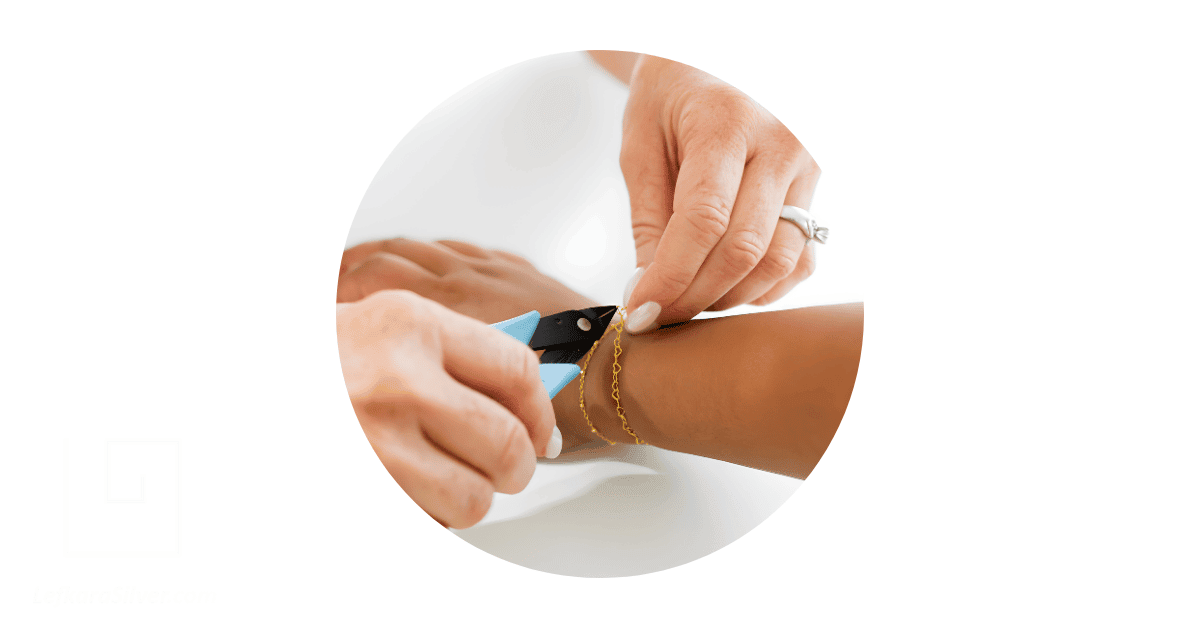
The measurement phase is the most critical part of the whole experience. The jeweler needs to make sure the chain is loose enough to move comfortably but tight enough that it won’t catch on door handles or kitchen drawers. The average wrist size for these bracelets is between 6 and 7 inches. After the length is decided, the jeweler snips the chain and uses a small jump ring to connect the two ends. This jump ring is the only part that actually gets welded, keeping the rest of the chain links intact.
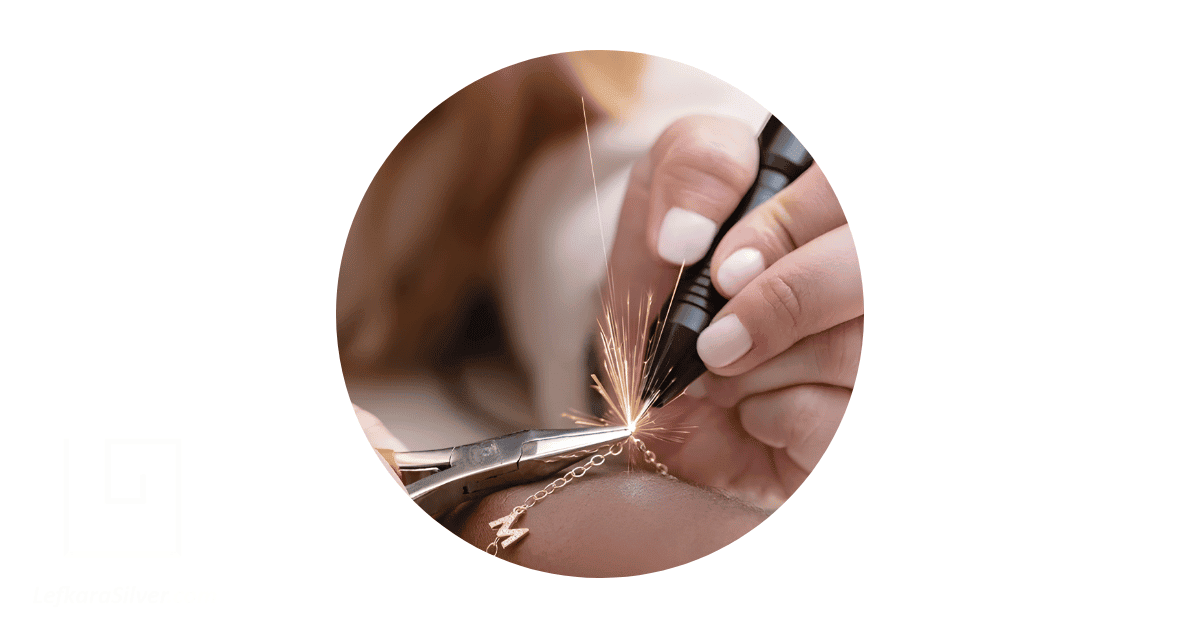
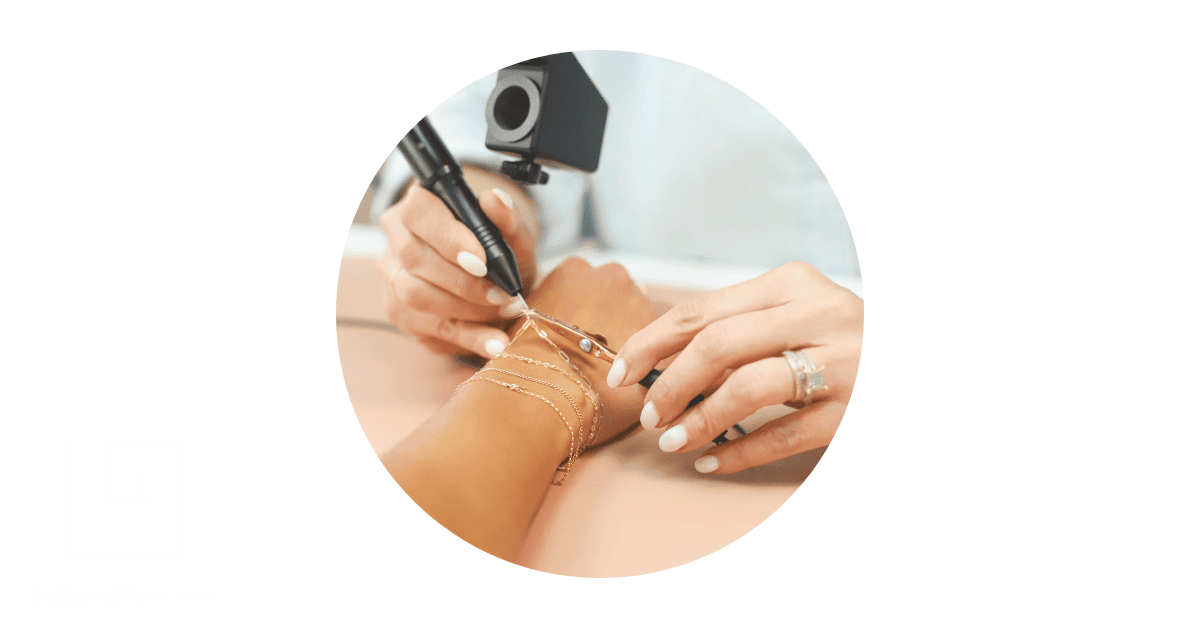
Before the “zap” happens, safety is the priority. The jeweler will slide a small piece of leather or a protective barrier between your skin and the metal chain. This ensures that the heat from the welder never touches you. You will also be asked to look away or wear safety glasses because the welder creates a very bright, quick flash of light. The actual welding spark lasts only a fraction of a second and is completely painless. The jeweler uses a pulse arc welder or a laser to fuse the ends of the jump ring together, creating a solid, unbroken circle of metal.
The final step is the cleanup and stress test. Once the weld is cooled, the jeweler uses a fiberglass brush or a polishing cloth to smooth out the connection point. This removes any tiny bits of soot or discoloration from the heat. They will then give the bracelet a firm tug to make sure the weld is strong and won’t break during daily activities. Most permanent bracelets are designed to break under extreme tension for safety reasons, but a good weld should handle everyday wear for years. The entire appointment usually wraps up in under 20 minutes, leaving you with a seamless piece of jewelry you never have to take off.
Finding the Best Forever Bracelet for Couples
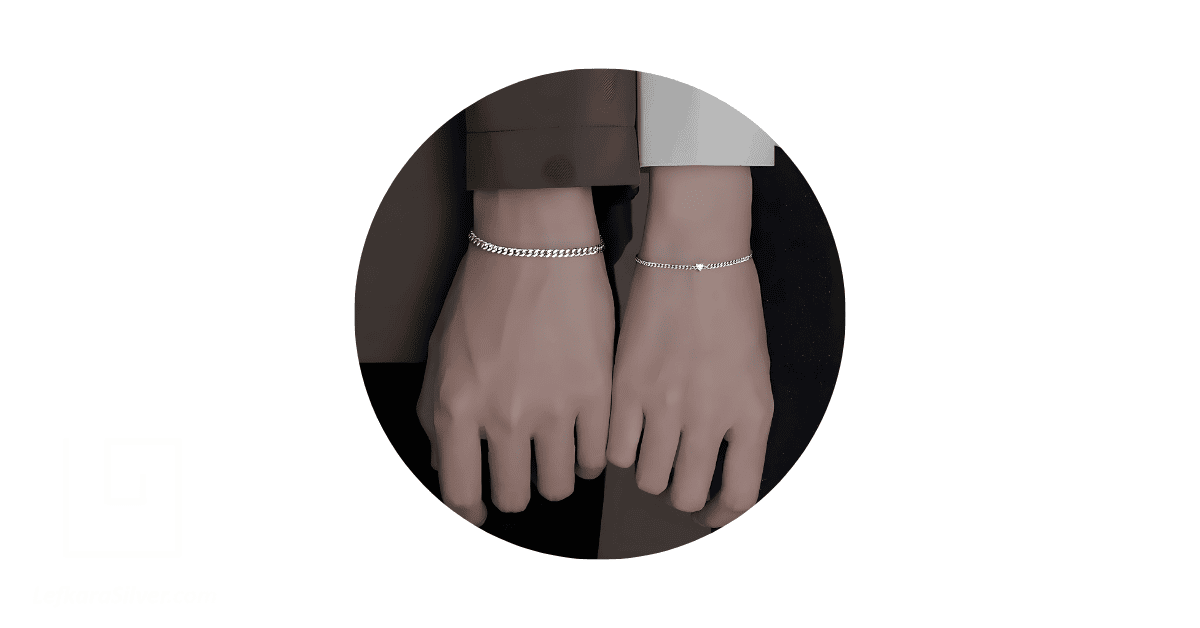
If you are looking for a spot to get zapped with your partner in the United States, several well-known studios lead the way. Catbird in New York City is often credited with starting the trend back in 2017 and remains a top pick for those who want a classic Brooklyn experience. Their “Forever Bracelet” is a staple for local and visiting couples alike.
Loveweld is another major player with studios in Austin, Dallas, and New York. They focus heavily on the connection between people, often encouraging couples to book “welding dates” where they can sip bubbly while picking out matching 14k gold chains. In Texas, Nina Berenato is a viral favorite with locations in Austin, Dallas, and Houston. They offer unique hand-made charms that you won’t find anywhere else, perfect for couples who want something highly personalized.
On the East Coast, Brave Daughters has built a strong following in Boston and Providence. They treat the process like a ritual, helping couples set an intention for their jewelry. For those in the Southwest, Elite Fine Jewelers in Tempe, Arizona, offers a massive selection of solid gold chains. Many of these studios also host pop-up events at weddings or private parties, allowing entire bridal parties to get matching sets. A typical appointment for a couple takes about 20 minutes, making it a quick stop during a day out.
Permanent Bracelet Price Range
The cost of a permanent bracelet is not a one-size-fits-all number. Most shops determine the price based on a few key factors: the type of metal used, the weight of the chain, and how they measure the piece. Some jewelers charge a flat fee for the entire bracelet, while others price their jewelry by the inch. This means someone with a larger wrist will pay more than someone with a very small wrist.
Metal choice is the biggest price determiner. Solid 14k gold is the most expensive option because it does not tarnish or turn your skin green. Gold-filled and sterling silver are much more budget-friendly but might need more cleaning over time. The thickness of the chain also matters; a chunky paperclip link uses more gold than a whisper-thin cable chain, and that shows up on the final bill. Finally, adding charms or gemstones can quickly add $20 to $70 per item to the total.
On average, you can expect to pay between $40 and $100 for a gold-filled or sterling silver bracelet. These are great entry-level options for those who want the look without a big spend. If you decide to go with solid 14k gold, the price typically starts at around $130 and can climb to $400 or more if you choose a heavier chain or add a diamond solitaire charm.
Most 14k gold chains are priced between $20 and $45 per inch. For a standard 6.5-inch wrist, a middle-of-the-road chain usually costs around $150 to $200. Some high-end studios in major cities like NYC or London may charge a premium for their “zapping” service, while rural shops might be slightly cheaper. Recent market data show a 40% increase in demand for these services, leading to a wider range of price points in the market.
Solid gold charms often start at $40, while simple gold-filled charms can be found for as low as $12. If you are shopping for children, some studios offer sterling silver options that start at just $5 per inch, making it an affordable way to mark a special milestone. Always check if a studio requires a non-refundable deposit, which is usually around $25 to $40 and typically goes toward your final purchase.
14k Gold Permanent Bracelet vs Sterling Silver
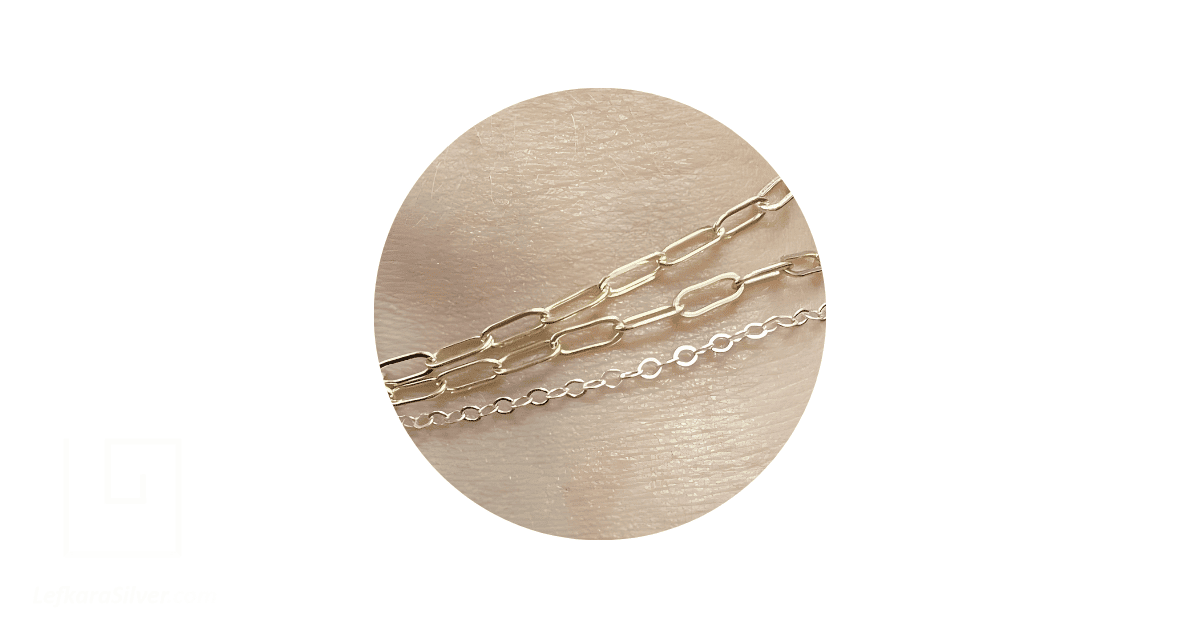
You have a few solid choices for the metal of your permanent bracelet. Most shops offer 14k solid gold, gold-filled, and sterling silver. Picking the right one depends on your skin, your budget, and how much you put your jewelry through.
Solid 14k gold is the winner for longevity. It consists of 58.3% pure gold mixed with alloys to keep it tough. If you have sensitive skin, solid gold is the way to go because it is hypoallergenic. It won’t turn your skin green or lose its shine in the shower.
If you want the gold look but want to spend less, gold-filled is a great choice. Unlike gold plating, which is a thin wash that wears off fast, gold-filled jewelry has a thick layer of gold—at least 5% of the total weight—bonded to the core. It handles daily wear much better than cheap plated options.
Sterling silver is for the person who loves a bright, cool shine. Standard sterling silver is 92.5% pure silver. It looks great on cool skin tones, but it can tarnish when exposed to harsh chemicals, sweat, or certain lotions.
Choosing between these often comes down to your personal vibe and “color season.” If your veins look blue or purple, silver usually pops against your skin. If they look green, gold is your go-to. If you’re an athlete or someone who hits the gym daily, solid gold is the most durable choice for a 24/7 lifestyle because it resists the salt in your sweat.
Can You Add Charms to Permanent Bracelets?
Adding charms to your permanent bracelet is the easiest way to make the piece yours. Most jewelers have a tray of tiny dangles or “connectors” that they slide onto your chain before they close the loop. They use a small jump ring to keep the charm in place, which they then zap closed with the welder.
This process is quick and doesn’t hurt a bit. Most people spend about 10 to 15 minutes picking their chain, but only a few seconds getting it welded. You can add one charm or stack several to create a personalized look that evolves over time.
Charms are a huge part of the current trend because they tell a story. Whether it’s an initial, a birthstone, or a tiny gold heart, these additions mark milestones like graduations or anniversaries. Industry data shows that 40% of people getting permanent jewelry choose to add at least one charm. This turns a simple accessory into a sentimental keepsake.
Right now, the “layered look” is a top style. People are mixing metals and adding charms of different shapes to build a “wrist gallery.” Since these charms are also permanent, picking high-quality materials matters.
Where to Get Matching Permanent Bracelets for Best Friends?
The classic string friendship bracelet just got a serious upgrade. Instead of colorful threads that eventually fray and fall off, best friends are now choosing solid gold and silver chains that stay on for good. This shift represents a move toward meaningful, long-term symbols of connection. Because these bracelets have no clasp, they represent a bond with no end point. It is a physical way to say you are “linked for life.”
This trend took off largely because people now value shared experiences over just buying a random object. Sitting down together to get “zapped” is a memory in itself. Statistics show that permanent jewelry saw a 40% jump in popularity among Gen Z and Millennial shoppers recently. It has become a ritual for marking birthdays, graduations, or just celebrating a long-term friendship. The market for personalized jewelry is also expected to grow by about 7% annually through 2029, indicating that people want pieces that tell a specific story.
If you and your bestie are ready to commit, here are the top spots to get the job done:
- Catbird: Based in Brooklyn with locations in Soho and beyond, they call their pieces “Forever Bracelets.” They offer very thin, classic 14k gold chains that are perfect for a subtle look.
- Loveweld: With studios in New York, Austin, and Dallas, Loveweld focuses on the “welded” experience. They offer a “Bestie” set and allow you to add custom charms to represent your friendship.
- Astrid & Miyu: A favorite in London that has expanded to New York, they offer a wide range of metals, including 9k white gold and sterling silver. Their studios often have a fun, party-like atmosphere perfect for groups.
- Nina Berenato: If you are in Texas, this brand is famous for its “Mommy and Mini” or “Bestie” sets. Nina makes her own charms, so you can find unique pieces here that you won’t see anywhere else.
- Alexandra Marks: Located in Chicago, this shop provides a massive selection of over 100 different chain and charm styles, which is great if you and your friend want different designs that still share the same “permanent” vibe.
What is the Best DIY Permanent Jewelry Kit?
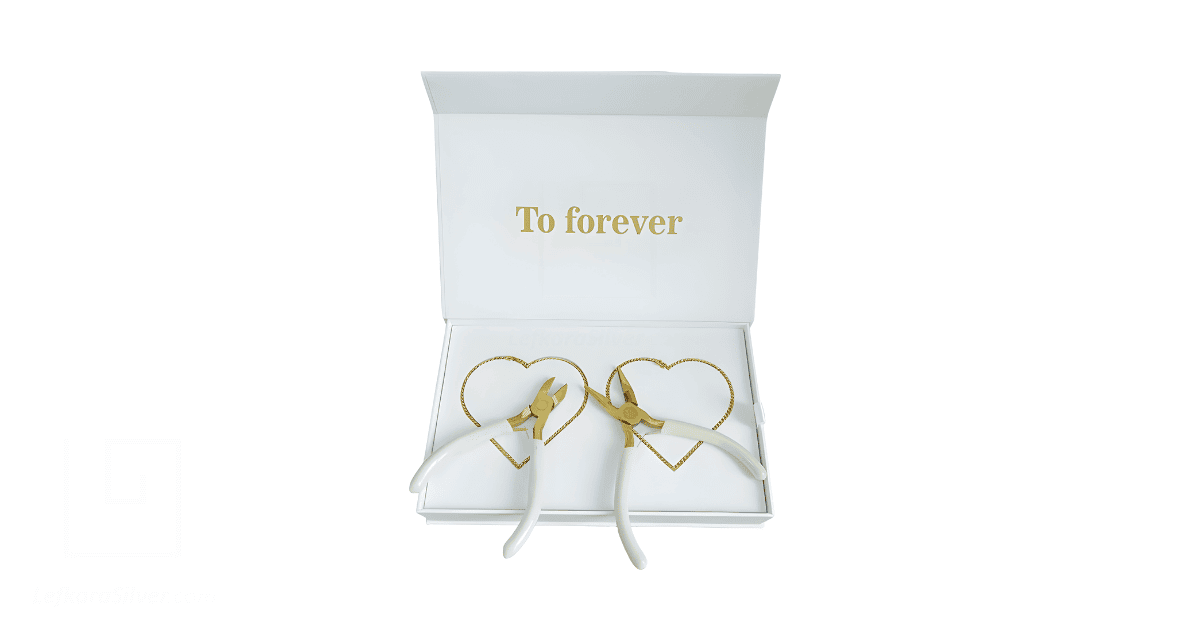
While the idea of doing this yourself at home sounds like a fun weekend project or a way to save money, there is a reason professionals use high-end equipment. Professional jewelers use pulse-arc welders and argon gas. The argon gas is a big deal because it prevents the metal from becoming brittle and creates a much stronger, cleaner bond. Welding without proper safety gear or gas can create “weak spots” that cause the chain to break almost immediately. More importantly, a professional knows how to protect your skin from the tiny but hot spark.
If you are determined to try a DIY approach, you have a few options ranging from professional-grade tools to beginner kits that actually avoid welding altogether. For those who want the “permanent” look without the spark, some kits use high-strength jump rings that you simply squeeze shut with pliers.
Here is a look at the best kits currently on the market for different skill levels:
| Kit Name | Skill Level | Where to Buy | What is Inside |
|---|---|---|---|
| Sunstone Orion mPulse | Professional | Sunstone Welders | Pulse-arc welder, argon gas regulator, safety glasses, and a starter pack of gold and silver chains. |
| Zapp Plus 2 Kit | Intermediate | Permanent Jewelry Solutions | A mobile-friendly welding machine, pliers, leather skin protectors, and enough chain for about 45 bracelets. |
| PermaLinx Starter Set | Beginner | jBloom / PermaLinx | No welder needed. Includes a 3-piece tool set, 12 bracelet styles, and specialized jump rings that lock without heat. |
| Sunstone Zapp | Intermediate | Sunstone Welders | An entry-level welder designed for pop-up events, includes basic tools and practice metal. |
| DIY Bestie Kit | Hobbyist | Etsy / Various | Often includes gold-filled chains and “locking” jump rings that use pliers rather than a welding machine. |
Most experts agree that a professional setup pays for itself after you sell roughly 50 to 70 bracelets. If you are buying a kit to start a small business, look for one that includes a fiberglass brush for polishing the weld. This tiny step makes the connection point look invisible.
Always remember that 14k gold is the gold standard for these kits because it welds the most reliably and will not tarnish when exposed to sweat or lotions. If you choose a kit with sterling silver, be ready to polish it more often to keep the shine.
Taking Care of Your Permanent Bracelet
Your bracelet might be welded on, but it isn’t indestructible. Over time, skin oils, sweat, and leftover lotion build up on the chain links, making the metal look dull. If you let this grime sit there, it can wear down the metal or irritate your skin. Staying on top of cleaning keeps the piece looking like it did on day one and prevents the links from getting brittle or breaking when they snag on something. Even the best 14k gold needs a quick wash now and then to keep its shine and maintain its value.
- Clean your bracelet every two weeks using warm water and a few drops of mild dish soap to remove oils and dirt.
- Use a soft-bristled toothbrush to gently scrub between the links, especially where the chain meets your skin.
- Always rinse the jewelry thoroughly with fresh water and pat it dry with a lint-free cloth to avoid water spots.
- Stay away from harsh chemicals like bleach or heavy perfumes that can tarnish silver or damage the structure of gold-filled pieces.
- If you swim in a chlorinated pool, rinse your bracelet with fresh water immediately after to stop the chlorine from eating away at the metal.
- Check the weld point and the links once a month for any signs of stretching or damage so you can get it fixed before it falls off.
- If you need to remove the bracelet for a medical reason, use household scissors to snip the jump ring rather than the chain itself.
Permanent Bracelet: Conclusion
This guide looked into everything from the latest permanent jewelry statistics and trends for October 2026 to the top 10 studios where you can get the best service. We walked through the step-by-step welding process, compared 14k gold to sterling silver, and found the best matching options for couples and best friends. We also checked out how to add charms, the current price ranges, and even the permanent jewelry kits that let you try this at home.
Here are some key takeaways:
- Permanent jewelry has seen a 40% jump in popularity among Gen Z and Millennial buyers over the last few years.
- The market for personalized, welded jewelry is growing at a rate of 7% every year.
- Most 14k gold chains used for welding contain 58.3% pure gold combined with silver, copper, and zinc for strength.
- TSA officers do not require you to remove permanent jewelry when going through airport security because the metal is too thin to trip sensors.
- A professional weld takes only about 10 to 20 minutes from the time you pick your chain to the final zap.
- Argon gas is used by expert jewelers to create a cleaner and stronger weld point that won’t turn black or snap easily.
- Prices for a permanent piece usually start around $40 for silver and can go up to $1,000 for high-end gold with diamonds.
This article was last updated in October 2026. Follow our website, LefkaraSilver.com, to stay informed about new jewelry offers, news, and buying guides.
Permanent Bracelet FAQs
Here are answers to some frequently asked questions about permanent bracelets in 2026:
What is Permanent Jewelry?
Permanent jewelry is a clasp-free chain that a jeweler welds directly onto your wrist or ankle. This painless process uses a tiny spark and takes only 10 to 20 minutes to complete. Recent data shows a 40% rise in demand among young shoppers wanting a clean look. These pieces use solid metals like 14k gold.
How Long Does a Permanent Bracelet Last?
These pieces stay on for years if you choose the right materials. Solid 14k gold lasts the longest because it does not tarnish. While the weld is permanent, the dainty chains can break if they snag with force. Roughly 95% of owners find their bracelets last through daily showers and workouts without any issues.
How Much Does it Cost to Get a Permanent Bracelet?
Expect to pay at least $40 for a basic sterling silver chain. High-end 14k solid gold bracelets generally cost between $150 and $400 for an average wrist. Adding a small gemstone charm usually adds another $50 to your bill. Some mobile pop-up events might offer lower rates than fixed luxury boutiques.
Can You Remove a Permanent Bracelet?
You can remove your bracelet in seconds with common scissors. It is best to snip the small jump ring used for the weld to save the chain links. This allows a jeweler to perform a quick re-weld, which usually costs about $15. Removal is often required for medical procedures like MRI scans.