What Are Silver Bars?
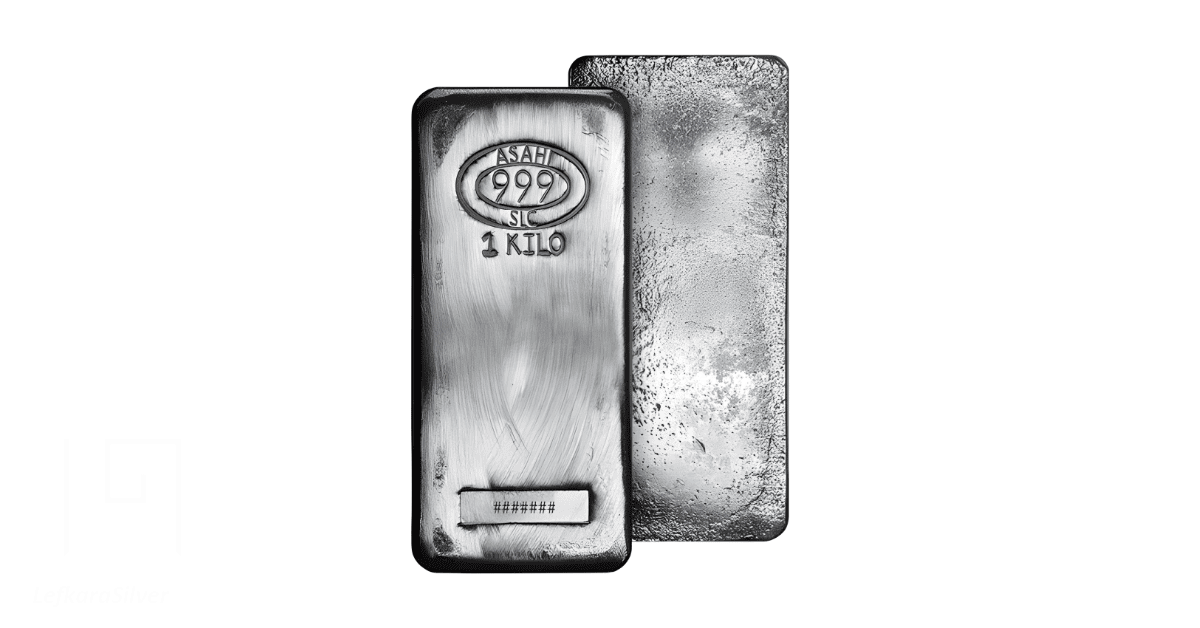
Silver bars are blocks of pure silver, valued primarily for their weight and purity. Unlike collectible coins, their worth comes almost entirely from their silver content, which is why serious investors often prefer them for building a substantial physical holding. They are a tangible asset you can hold, store, and trade outside of the traditional financial system.
This guide provides the latest information as of October 2026, covering everything a new or experienced buyer needs to know. We will look at current silver bar statistics, the 7 prominent mints for the best silver bars, and common mistakes to avoid when buying them. We will also explore the different types of silver bars, explain how to calculate the value, and compare government vs. private silver mints.
Silver Bars Statistics of October 2026
This month, silver bar prices reached around $48.40 per ounce, a startling 50% year-to-date gain, and a monthly sales surge of 83% reported by major mints.
- The silver market is projected to have its fifth consecutive annual supply deficit soon, with demand outpacing supply by an estimated 117.6 million ounces.
- Year-to-date, silver’s value has increased by 50%, significantly outpacing gold’s 28% advance.
- Industrial applications account for over 50% of all silver consumption, driven by growth in green technologies.
- Demand from the solar panel industry alone is expected to reach over 230 million ounces annually by 2026.
- The electric vehicle (EV) industry now accounts for 2.9% of global silver demand and is projected to require an additional 90 million ounces per year by 2030.
- The gold-to-silver ratio, which indicates how many ounces of silver are needed to buy one ounce of gold, has tightened to 82:1.
- Analyst price targets for silver in 2026 show a wide range, from a low of $33 per ounce to a high of $65 per ounce.
- For the first six months of 2025, silver bullion gained 24.94% in value.
- The cumulative supply shortfall for silver between 2021 and 2025 totals nearly 800 million ounces.
- Global mine supply of silver is forecast to increase by just 1.9% in 2025, which is not enough to meet rising demand.
- A major bullion dealer, the Perth Mint, reported that silver sales in October 2025 surged by 83% compared to the previous month.
7 Reputable Mints for the Best Silver Bars
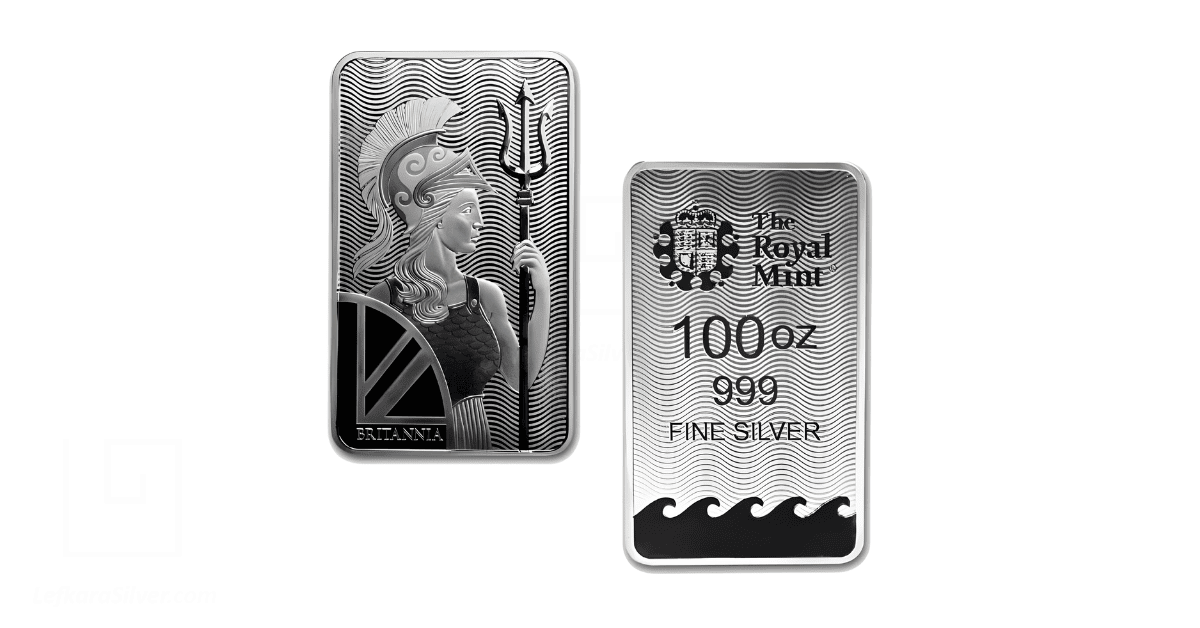
A silver bar’s “mint” is the facility that produced it, while a “brand” might be the mint itself or a company that commissions bars from a mint. The distinction matters because the mint’s reputation is your primary guarantee of the bar’s weight and purity.
Choosing a bar from a well-regarded mint ensures you’re getting a product that will be recognized and trusted by other dealers when it’s time to sell. A solid mint reputation makes your silver more liquid and protects you from counterfeit products.
Here are some of the top mints with god reviews in 2026:
1. The Royal Mint
The Royal Mint is the United Kingdom’s official sovereign mint, with a history stretching back over 1,100 years. While famous for its Britannia and Queen’s Beasts coins, it also produces exceptional silver bars that carry the same assurance of quality. Their bars are known for clean designs and high purity, typically .999 fine silver.
One of their most popular products is the 10-ounce Britannia silver bar, which features the same iconic helmeted female warrior seen on their coins. This bar provides a great middle ground for investors who want a recognizable design backed by a government entity. The Royal Mint’s bars are Capital Gains Tax (CGT) exempt for UK residents, a significant benefit that makes them a top choice in the region.
2. Royal Canadian Mint (RCM)
The Royal Canadian Mint is another government-owned powerhouse known for its technical innovation and exceptionally high purity standards. RCM silver bars stand out because they are refined to .9999 fine silver, a step above the industry standard of .999. This makes them some of the purest silver bars available on the market.
Their 10-ounce and 100-ounce bars are investor favorites. Each bar is stamped with a unique serial number and features a distinctive pattern of radiating lines, similar to their Maple Leaf coins, which acts as a security feature. The RCM brand is globally recognized, giving their bars excellent liquidity and making them a very safe choice for both new and experienced buyers.
3. PAMP Suisse
PAMP Suisse is a private Swiss refinery that has become a global benchmark for quality and design in precious metals. It is perhaps most famous for its “Lady Fortuna” design, which was the first artistic motif to ever decorate a bullion bar. This iconic image of the Roman goddess of fortune is recognized worldwide and often carries a slightly higher premium due to its aesthetic appeal.
PAMP bars are produced to meticulous standards and come sealed in tamper-evident packaging that includes an assay certificate, verifying the bar’s weight and .999 purity. While they are a private mint, their reputation is so strong that their products are treated with the same respect as those from sovereign mints. They offer a huge range of sizes, from tiny 1-gram bars up to large 1-kilogram bars.
4. Valcambi
Also based in Switzerland, Valcambi is another elite private refiner known for its sleek, high-quality products. Valcambi silver bars are prized for their clean, minimalist aesthetic and precise manufacturing. They produce a wide variety of standard cast and minted bars that meet the highest industry standards.
Valcambi is particularly known for its innovative CombiBar products. A 100-gram CombiBar, for example, is a scored sheet of silver that can be broken into 100 individual 1-gram bars. This provides incredible flexibility for bartering or selling off small portions of your holdings without having to cut up a larger bar. Their adherence to quality control makes Valcambi a trusted name in bullion.
5. Sunshine Minting
Sunshine Minting, Inc. (SMI) is a private American mint that has built a stellar reputation for quality and security. They are a primary supplier of silver blanks to the United States Mint for the production of American Silver Eagles, a testament to their capabilities. Their own branded silver bars are popular for their simple designs, often featuring the Sunshine Minting eagle logo.
What really sets SMI bars apart is their MintMark SI™ security feature. This is a small, micro-engraved circle on the reverse of the bar that is invisible to the naked eye. When viewed through a special decoder lens, the word “VALID” appears, confirming the bar’s authenticity. This anti-counterfeiting technology provides investors with an extra layer of confidence.
6. Scottsdale Mint
Based in Arizona, Scottsdale Mint is a private US mint that has become famous for its unique and high-quality silver products. They are particularly well-known for their “stacker” bars, which are engineered with interlocking grooved edges. The raised design on the face of one bar fits securely into the indented reverse of another, allowing them to be stacked neatly and securely.
Scottsdale Mint’s silver bars, like the 10-ounce “Stacker” or the distinct “Vortex” bar, often have a brushed or matte finish that gives them a premium look. Each bar is also stamped with a unique serial number. Their combination of innovative design and .999 fine purity has made them a favorite among investors who appreciate both form and function.
7. Perth Mint
The Perth Mint is Australia’s official bullion mint and is owned by the Government of Western Australia. It has an impeccable global reputation for producing beautiful and high-quality coins and bars. Their silver bars are recognized for their fine craftsmanship and are often sought after by investors worldwide.
Perth Mint silver bars typically feature the mint’s logo, which is a swan on the front, along with the weight and .9999 purity. The reverse side often features a repeating kangaroo motif, a nod to Australia’s most famous animal. Like other major government mints, the Perth Mint’s name carries a strong guarantee of authenticity and quality, ensuring its bars are easy to trade anywhere.
Mistakes to Avoid When Buying Silver Bars
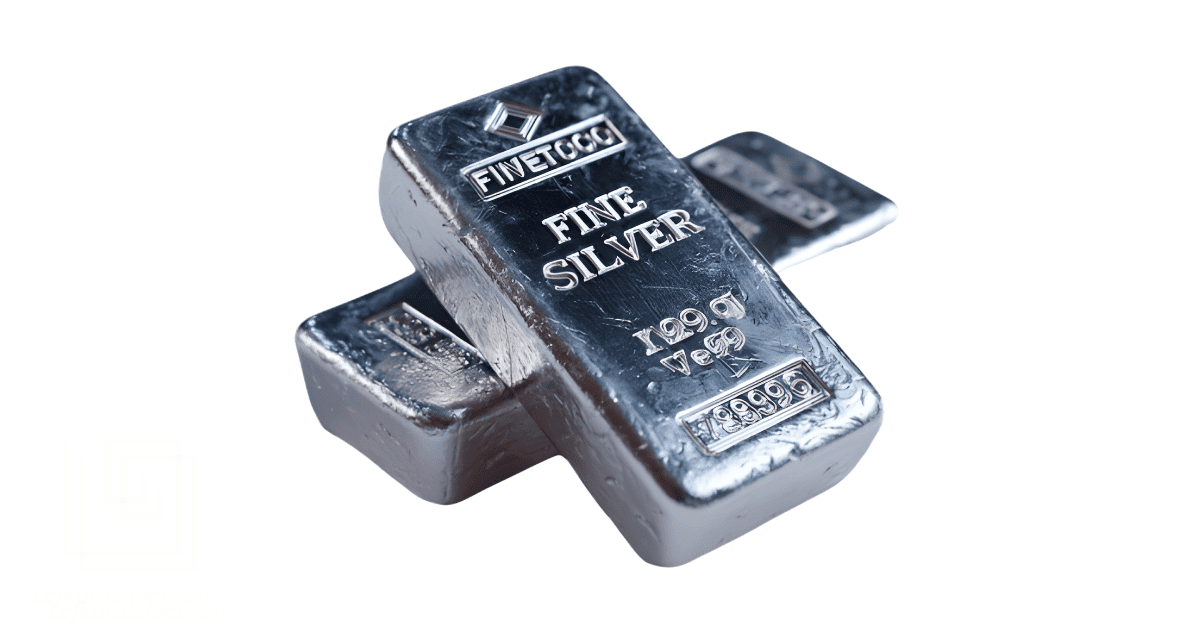
Buying physical silver isn’t like buying a stock through a regulated exchange. The responsibility falls more heavily on you, the buyer, to make informed decisions. The market has its own quirks, and being unaware of them can lead to overpaying or buying a product that doesn’t fit your goals. A little knowledge goes a long way in making sure your investment is sound from day one.
One of the biggest errors is confusing the “spot price” of silver with the actual retail price of a bar. The spot price you see on financial news is the price for raw, unformed silver traded in massive quantities on commodity markets. A physical silver bar will always cost more than the spot price. This additional cost, known as the “premium,” covers the expenses of manufacturing, minting, verifying, and distributing the bar, plus the dealer’s profit. Premiums vary widely based on the bar’s size, brand, and the dealer you buy from. Generally, the larger the bar, the lower the premium per ounce, which is why buying a single 100-ounce bar is more cost-effective than buying one hundred 1-ounce bars.
Another common pitfall is failing to research the dealer. The bullion market is filled with reputable sellers, but there are also less scrupulous ones. Always buy from established dealers with a long history of positive, verifiable customer reviews. A trustworthy dealer will have transparent pricing, clear shipping and insurance policies, and an accessible customer service team. Be extremely wary of deals found on auction sites or from private sellers that seem too good to be true—they almost always are. A price far below the typical retail range is a major red flag for a counterfeit or fraudulent sale.
Finally, don’t overlook the practicalities of owning physical silver. This includes planning for secure storage before you even make a purchase. Storing a few ounces at home might be simple, but larger quantities require a robust solution, like a high-quality, bolted-down safe or a professional third-party depository. These options have costs that need to be factored into your overall investment.
Also, think about liquidity. While a massive 1,000-ounce bar has a very low premium, it’s not easily divisible. If you think you might need to sell a small portion of your holdings, owning smaller bars (like 10-ounce or 1-kilo bars) gives you far more flexibility. Balancing cost-effectiveness with practicality is key, and many find that comparing silver coins vs. silver bars is a helpful way to determine the right fit for their strategy.
Types of Silver Bars
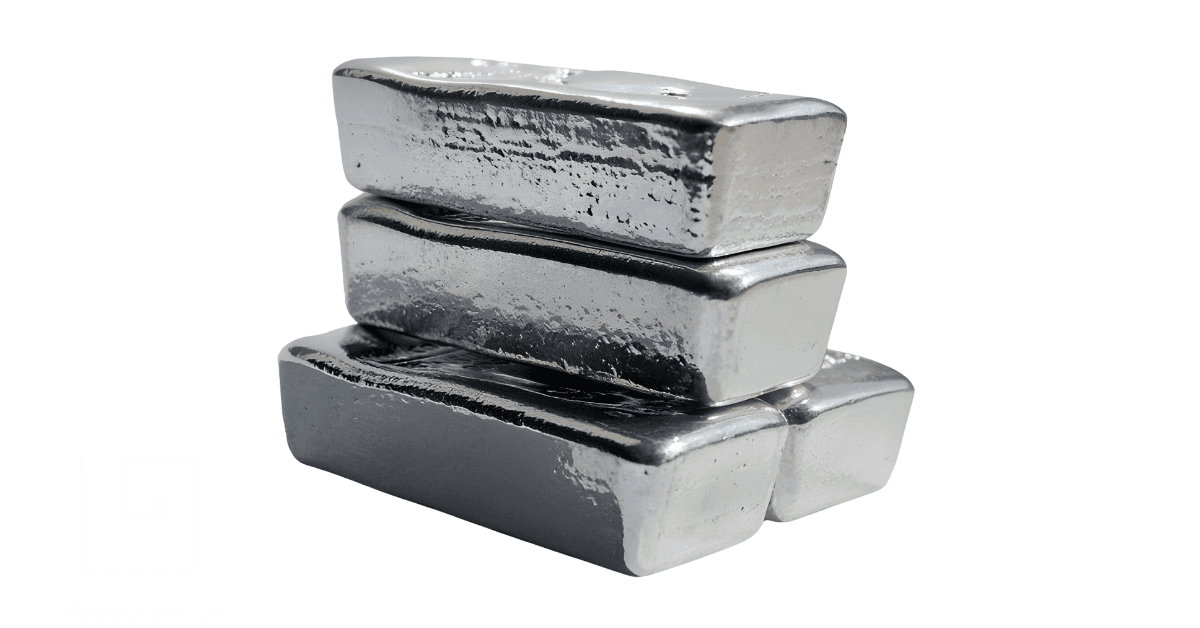
When you start looking at silver bars, you’ll quickly notice they don’t all look the same. The differences come down to how they’re made, which affects their appearance, finish, and even their price. Understanding these types helps you pick the bar that fits your goals, whether you’re stacking for weight or appreciate a more refined look.
There are two main categories of silver bars you’ll find on the market:
- Cast or Poured Bars
- Minted or Pressed Bars
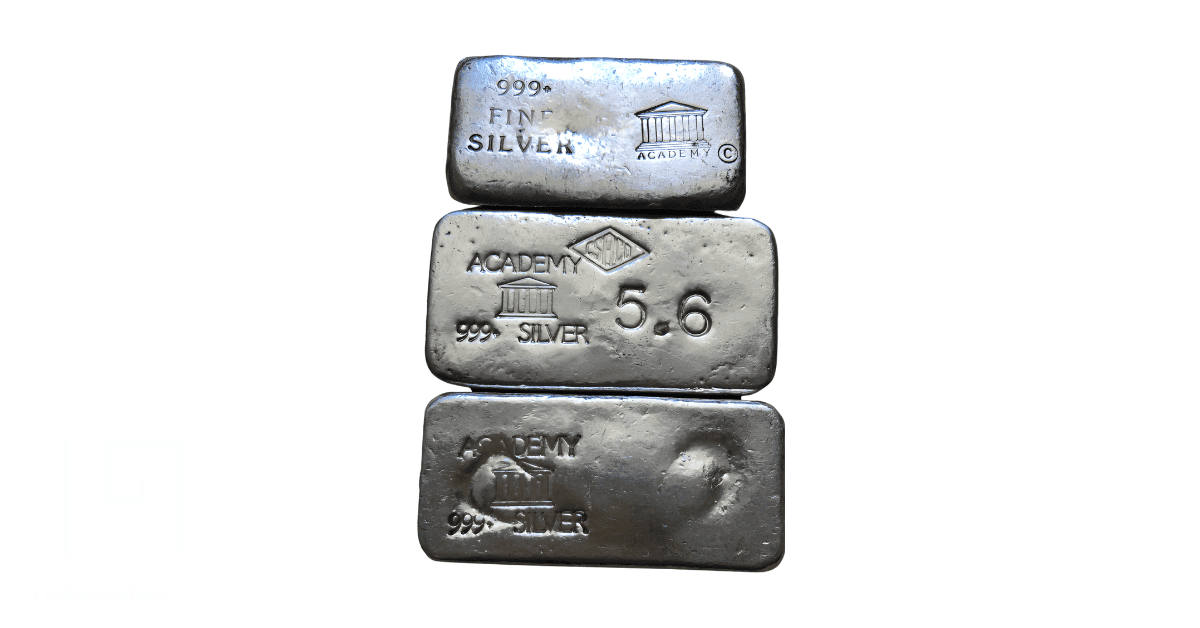
Cast bars are created the old-fashioned way. Molten silver is poured directly into a mold to form the bar. Once it cools and solidifies, it’s stamped with basic information like the refiner’s name, its weight, and its purity.
Because of this direct pouring process, no two cast bars are exactly alike. They have a rougher, more rustic appearance with unique surface markings and a matte finish. This method is cost-effective, especially for larger bars like 100-ounce and 1,000-ounce varieties, which means they often carry a lower premium over the silver spot price. If your main goal is to get the most silver for your money, cast bars are an excellent choice.
Minted bars, on the other hand, are all about precision and a polished look. The process starts with a large, continuously cast bar of silver that is cut into uniform blanks of a specific weight. These blanks are then fed into a stamping press, which strikes them with a die to create an intricate design, a glossy finish, and crisp, uniform edges.
This process is very similar to how coins are made and allows for more detailed logos and patterns. Minted bars are often sealed in protective packaging that may include an assay card certifying their authenticity. Because the manufacturing process is more complex, minted bars typically have a higher premium than cast bars of the same weight. They are most common in smaller sizes, such as 1-ounce and 10-ounce bars.
If you prefer gold to silver, or you want both of them in your collection, be sure to check out this gold bars article and learn how to buy, sell, and authenticate gold bars.
How to Calculate the Value of Your Silver Bars?
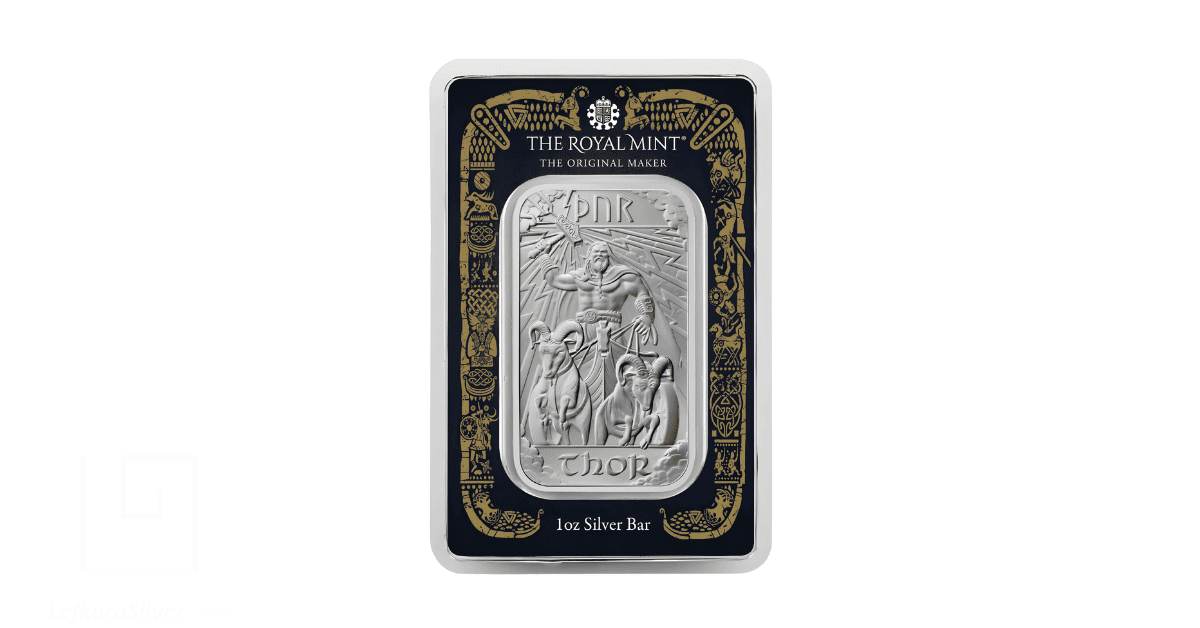
Determining the value of your silver bars involves more than a quick glance at the daily market price. The final value is a mix of the silver’s raw worth, its weight, and other market factors. The core of any bar’s value is its “melt value,” which is based on its pure silver content. To figure this out, you need three key pieces of information: the bar’s weight, its purity, and the current spot price of silver.
First, identify the bar’s weight and purity, which are almost always stamped directly on its surface. Remember that precious metals are weighed in troy ounces, and one troy ounce is 31.1035 grams, about 10% heavier than a standard (avoirdupois) ounce of 28.35 grams. The purity, or fineness, will typically be marked as “.999,” meaning the bar is 99.9% pure silver.
With these details, you can calculate the melt value using a simple formula: (Weight in Troy Ounces) x (Purity) x (Current Silver Spot Price) = Melt Value.
The spot price is the live market price for one troy ounce of silver, and it changes constantly throughout the day, so be sure you’re using a current figure. The melt value is just the starting point. The actual market value, or what a dealer would pay you for it, also includes the “premium.” A premium is the amount charged over the melt value to cover costs like manufacturing, distribution, and the dealer’s profit. When you buy, you pay a premium, and when you sell, the dealer’s offer will be slightly below the spot price to account for their own premium.
Premiums are not fixed; they change based on several factors. Larger bars, like 100-ounce bars, have a lower premium per ounce than smaller 1-ounce bars because they are cheaper to produce on a per-ounce basis. Minted bars generally carry higher premiums than cast bars because of their more complex production and refined finish. Finally, bars from well-known and trusted mints like the Royal Canadian Mint or PAMP Suisse often command higher premiums because their brand name guarantees quality and authenticity, making them easier to resell later.
Government vs Private Silver Bar Mints
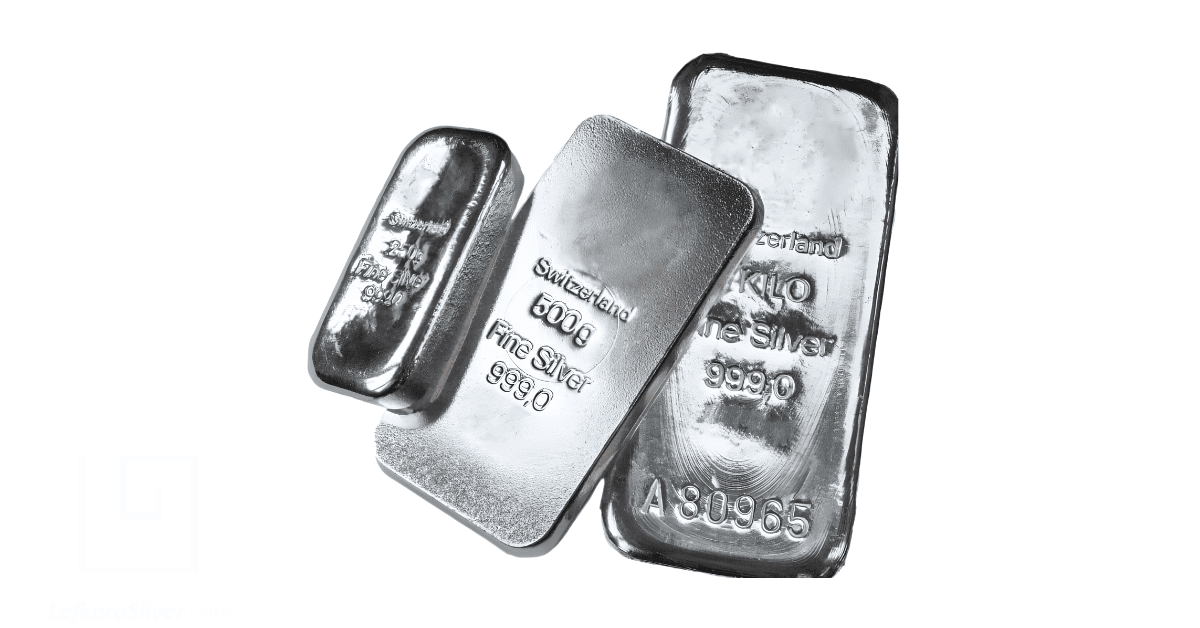
Silver bars don’t just appear out of thin air. They’re produced in highly specialized facilities known as mints. These fall into two main categories: government-owned or sovereign mints and private mints.
Government mints are state-run operations, like the Royal Canadian Mint or the U.S. Mint, tasked with producing a nation’s currency. They also make investment-grade bullion products that carry the full faith and credit of their government.
Private mints, on the other hand, are independent companies. Think of names like PAMP Suisse or Valcambi. They focus entirely on creating bullion products for the investment market and often have more freedom in their designs. A key distinction is that only government mints can produce legal tender coins, while private mints produce “rounds,” which have no face value.
Here’s a simple breakdown of the main differences:
| Government Mints | Private Mints |
|---|---|
| Owned and operated by a national government. | Independently owned companies. |
| Products can be legal tender (coins). | Products are not legal tender. |
| Bullion coins and bars. | Bullion bars, rounds, and custom products. |
| Often features national symbols; designs change less frequently. | High degree of creative freedom and variety. |
| Generally higher due to government backing and recognition. | Often lower and more competitive. |
| Globally recognized and trusted. | Recognition depends on the brand’s reputation. |
| Royal Canadian Mint, The Royal Mint, Perth Mint. | PAMP Suisse, Valcambi, Scottsdale Mint. |
Where to Sell Silver Bars Online?
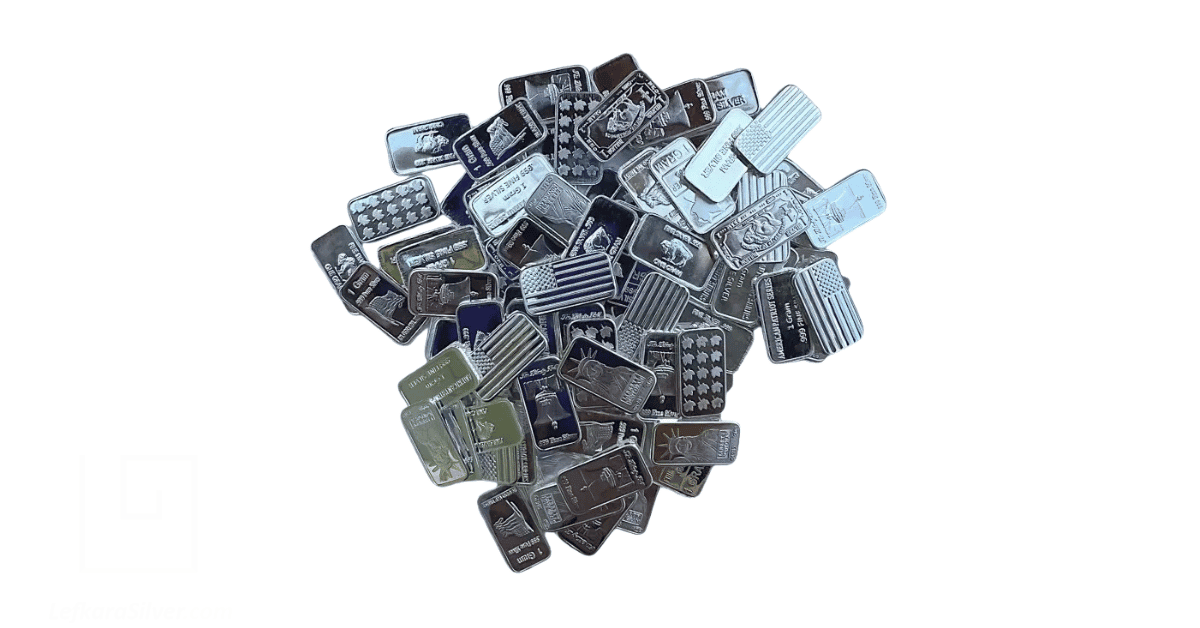
Selling your silver bars can feel a bit more daunting than buying them. When you buy, you’re in control. When you sell, you want to be sure you’re getting a fair price from a reputable buyer without any hassle. Fortunately, the process is quite simple with the right approach.
The most common and often best-paying places to sell silver bars are the major online bullion dealers. These companies have established, transparent buy-back programs that make selling straightforward. Many of the big names you might buy from also have a “Sell to Us” section on their websites.
The process usually follows a few basic steps:
- You find the specific bar you want to sell on the dealer’s buy-back list.
- You lock in a price over the phone or online, which is based on the live silver spot price at that moment.
- The dealer provides instructions for securely packing and shipping your silver. Some even provide pre-paid shipping labels for larger sales.
- Once the dealer receives and verifies your bars, they issue payment, typically by check or bank transfer.
The brand of your bar matters quite a bit. Bars from world-renowned refiners like PAMP Suisse, The Royal Mint, or Valcambi are in high demand and are very easy to sell. You’ll get a price very close to the spot value for these. Generic or less-known bars are still sellable, but a dealer might offer a bit less for them. Getting familiar with the different types of silver bars before you buy can make selling much smoother down the road.
Reputable online dealers will typically pay between 95% and 98% of the silver’s market value for bars that are in high demand. Some national mints, including The Royal Mint, also run their own buy-back programs, offering another layer of security and trust for sellers. This option is not just for metals originally bought from them, as they will often purchase any qualifying bullion.
Why Should You Invest in Silver Bars?
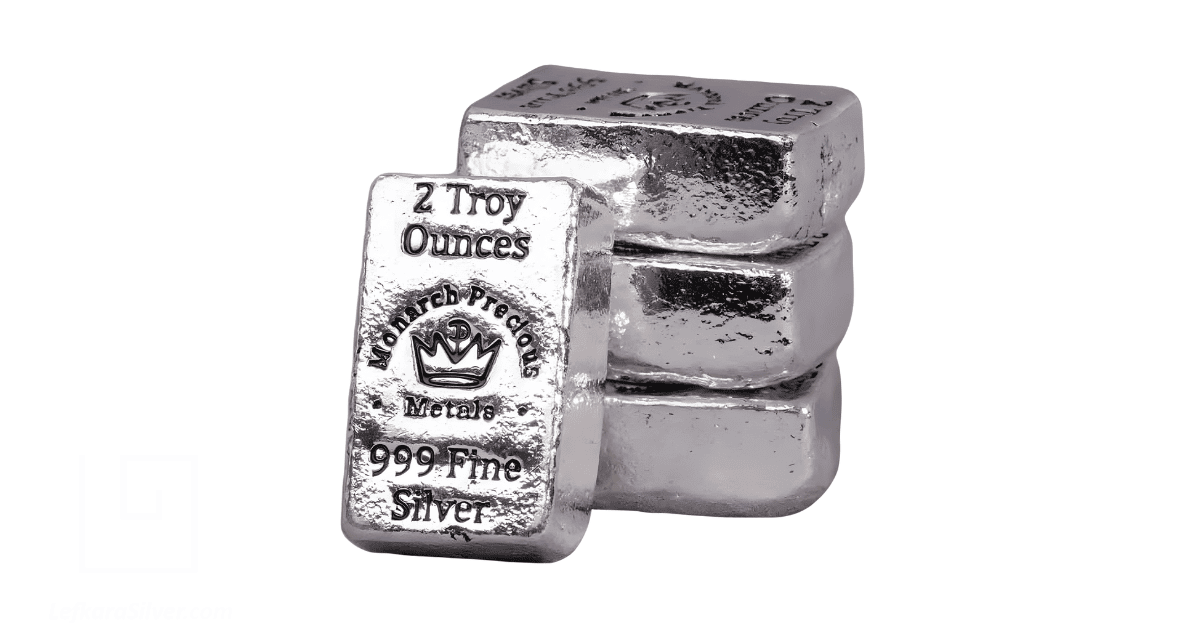
Silver has been a reliable store of wealth for thousands of years, long before modern stock markets existed. It holds a unique position as both a precious metal for investment and a critical industrial commodity. This dual role gives it a distinct advantage in any investment portfolio.
Investing in silver bars is a direct way to own a tangible asset. Unlike stocks or bonds, a physical silver bar’s value is not dependent on a company’s performance or a government’s promise to pay. This provides a strong hedge against inflation and currency devaluation. When central banks increase the money supply, the value of paper currencies can drop, but the intrinsic value of physical silver tends to hold steady or increase.
The demand side of the equation is also compelling. Industrial applications now account for over 50% of silver demand, with growing use in solar panels, electric vehicles, and electronics. This constant industrial consumption creates a solid price floor and suggests sustained long-term demand. The silver market has also faced a structural deficit for several years, meaning global demand has consistently outpaced new supply from mining and recycling.
Of course, no investment is without its risks. Silver is known for being more volatile than gold, and its price can experience significant short-term swings. This means its value can drop quickly, just as it can rise. Another factor to consider is the premium. The price you pay for a silver bar will always be higher than the metal’s “spot price.” This premium covers the costs of manufacturing, distribution, and the dealer’s profit margin. You also need a secure plan for storage. Keeping silver at home requires a robust safe, while professional vaulting services come with annual fees. These additional costs can affect your overall return.
When comparing the potential gains against the risks, silver bars present a strong case for long-term investors. The price volatility that seems risky in the short term also offers a greater potential for growth compared to gold during precious metals bull markets. The key is to view it as a long-term holding, which allows you to ride out temporary price dips. The persistent supply deficit and ever-increasing industrial demand provide a solid fundamental basis for future price appreciation. For those looking to diversify away from paper assets, silver bars offer a cost-effective and tangible way to protect wealth.
The Best Time to Invest in Silver Bars
Pinpointing the absolutely perfect moment to buy is tricky, but certain market conditions create better opportunities. Historically, periods of economic uncertainty, high inflation, and geopolitical instability are favorable for silver. During these times, investors move toward safe-haven assets, pushing up demand and prices.
A high gold-to-silver ratio is another strong indicator. This ratio simply shows how many ounces of silver it takes to buy one ounce of gold. When the ratio is historically high, for example above 80:1, it often suggests that silver is undervalued relative to gold and may be poised for a price correction. Market analysis also shows some seasonal price patterns, with demand and prices sometimes softening in the first half of the year, making it a potentially strategic time to add to your holdings.
Silver Bars Vs Coins
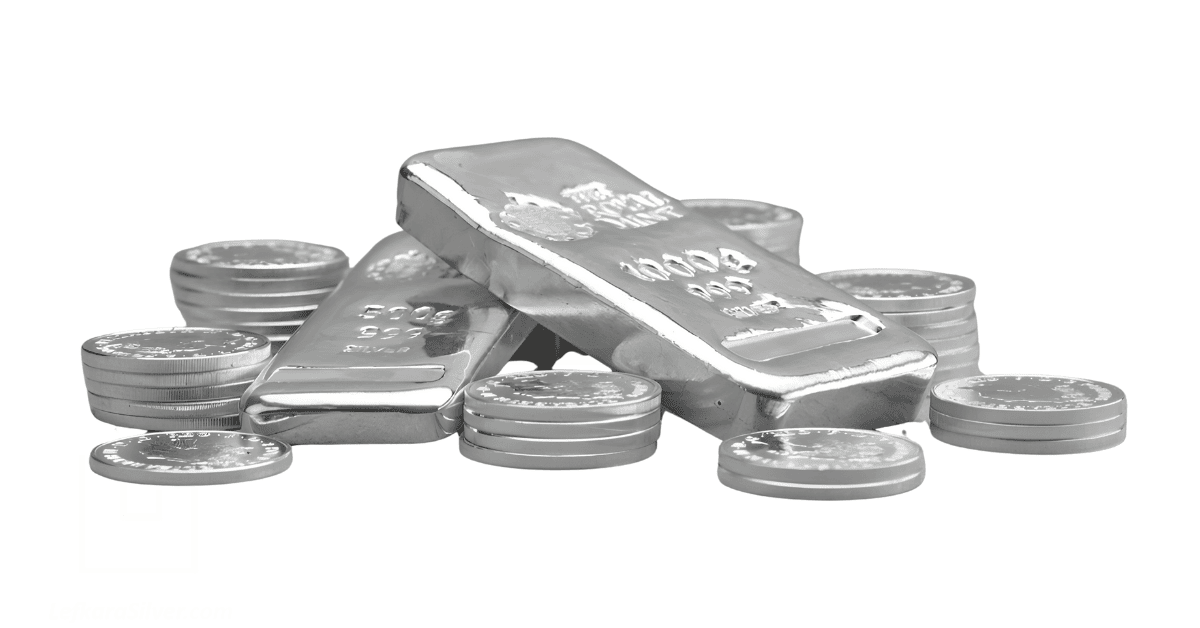
Silver coins are government-minted bullion that carry a legal tender face value. Popular examples include the American Silver Eagle and the Canadian Silver Maple Leaf. This government backing is the primary distinction from silver bars, which are most often produced by private mints and refineries and have no currency value.
The differences between the two formats directly affect their investment performance. Because coins are produced by sovereign mints, they come with a government guarantee of weight and purity, making them instantly recognizable and trusted worldwide. This global recognition gives them superior liquidity. Coins often feature intricate, artistic designs that can add collectible, or numismatic, value to the base metal value, especially for rare or limited-edition issues. Bars, on the other hand, are valued almost exclusively for their silver content. Their designs are typically simpler, focusing on the mint’s logo, weight, and purity stamp.
So, which is the better buy? The answer depends entirely on your investment goals. Bars almost always have lower premiums than coins of the same weight. The simpler manufacturing process means they are cheaper to produce, and those savings are passed on to the buyer. For an investor whose main objective is to accumulate the most silver for their money, bars are the clear winner, especially in larger sizes like 10-ounce, kilo, and 100-ounce bars. Their uniform, blocky shape also makes them highly space-efficient for stacking and storage.
Coins, however, win on the fronts of liquidity and divisibility. It is much easier to sell a few one-ounce coins to meet a small cash need than it is to sell a single large 100-ounce bar. Their legal tender status also makes them highly trusted and easy to trade with nearly any dealer in the world. For new investors or those with smaller budgets, starting with well-known silver coins is an excellent entry point. Ultimately, many experienced investors adopt a hybrid strategy, building a core position with low-premium silver bars while holding a smaller amount in silver coins for flexibility and liquidity.
Silver Bars Storage Options
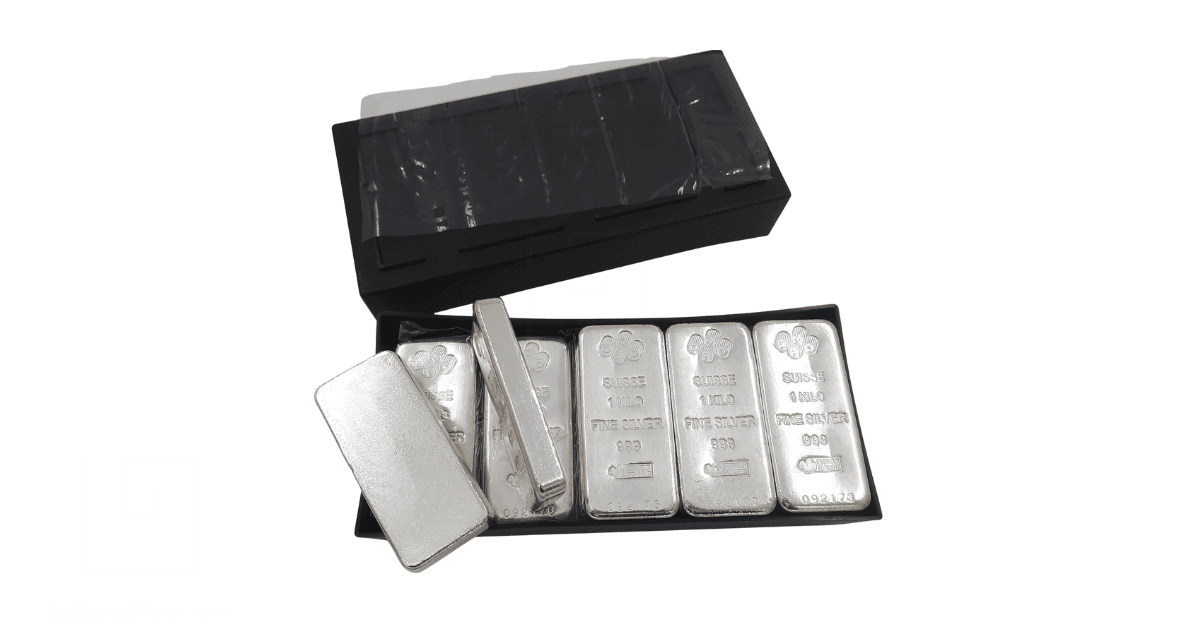
Securing your silver bars is just as important as the initial purchase. Proper storage protects your assets from theft and damage, making sure their value is preserved. Depending on the size of your collection and your comfort level, several options are available.
- Home Safes: Keeping your silver at home gives you direct control and immediate access. If you choose this route, you need a high-quality, fireproof safe that is securely bolted to the floor. Standard home insurance policies often do not cover precious metals, so you may need a separate, more expensive policy. This option is best for smaller collections.
- Bank Safety Deposit Boxes: A safety deposit box offers a high level of security at a reasonable annual cost. It’s a solid choice for storing your silver away from home. The main drawback is that you can only get to your silver during the bank’s business hours, and there have been rare stories of people having trouble accessing boxes during bank closures.
- Professional Depository Storage: For maximum security and peace of mind, professional vaults are the best choice. These facilities offer fully insured, segregated storage with 24/7 monitoring. This is the recommended option for larger holdings, especially for heavy items like 100 oz or 1,000 oz bars. While there are annual fees, the security and insurance coverage provide a level of protection you can’t get at home.
Silver Bars 2026: Key Takeaways
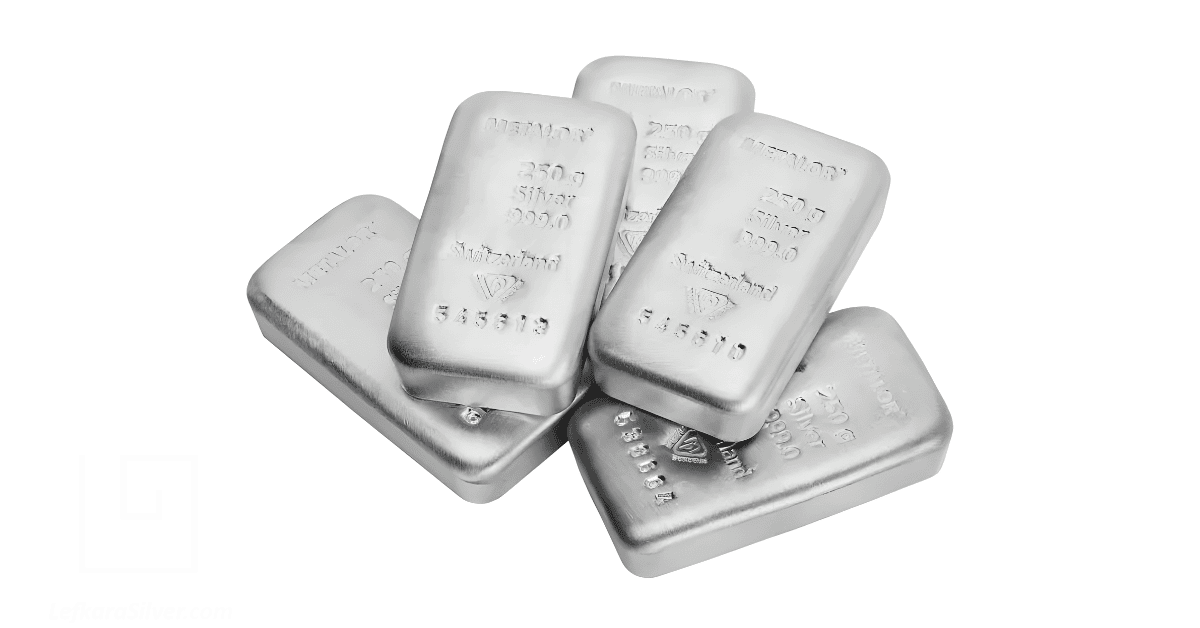
This guide has walked through the essential details of investing in silver bars. We’ve looked at the market statistics of November 2025, identified 7 reputable mints for the best silver bars, and pointed out mistakes to avoid when buying. We also covered the different types of silver bars, how to calculate their value, and the differences between government and private mints. From the Silver Bars vs. Coins: A Head-to-Head Comparison to storage options, you now have the information to make sound decisions.
Here are a few final points to remember:
- The price of silver is much more volatile than gold. For every 1% move in gold’s price, silver tends to move 3% on average.
- The 10 oz silver bar is a favorite among investors worldwide because it offers a great mix of a lower price per ounce, manageable size, and ease of selling.
- Silver has been in a structural supply deficit for seven consecutive years, with demand from industry and investors consistently outpacing production.
- Industrial uses account for over 50% of silver demand, with the solar and electric vehicle sectors being major drivers.
- To be eligible for an IRA, a silver bar must have a minimum purity of .999 and be produced by an accredited or certified mint.
- A “Good Delivery” silver bar, the standard for large institutional trading, weighs between 750 and 1,100 troy ounces (about 23 to 34 kg).
This content was last updated in October 2026.
Silver Bars FAQs
Here are answers to some frequently asked questions about silver bars.
What Are Silver Bars Worth Today?
As of early November 2025, silver was valued at approximately $48 per troy ounce. A bar’s worth is its weight multiplied by this spot price, plus any dealer premium. The current gold-to-silver ratio is about 91:1, making silver a much more affordable precious metal investment than gold.
Are Silver Bars Worth Buying?
Yes, they are a solid investment, especially since industrial applications consume over 50% of all silver. The market is in its seventh consecutive year of a supply deficit, largely due to demand from the solar and electric vehicle sectors. Silver also serves as a reliable hedge against inflation.
Are Silver Bars Hard to Sell?
No, silver bars are quite liquid, especially in common sizes like 1 oz, 10 oz, and 1 kilo from reputable mints. You can easily sell them to online dealers and local shops. However, the massive 1,000 oz “Good Delivery” bars are less liquid, as their buyers are typically limited to refiners and large institutions.
Is Silver Bullion 100% Silver?
It’s not 100% pure, but it gets incredibly close. To be considered investment-grade, silver bullion must have a minimum fineness of .999, meaning it is 99.9% pure silver. Some premium bars, like those from the Royal Canadian Mint, even reach .9999 purity, which is known as “four nines fine.”
How Do I Cash Out My Silver Bars?
You can easily sell your silver bars to online bullion dealers, local coin shops, or precious metal exchanges. These dealers typically pay a price based on the current spot value. Remember to keep records of your purchase price, as profits from the sale may be subject to capital gains tax.
Can I Sell Silver to The Bank?
Generally, banks in the United States do not purchase silver bars from the public. Your best option is a specialized bullion dealer. In contrast, some major banks in Europe and Asia actively trade precious metals and will buy silver bars, providing a viable option for investors in those regions.
Is It Better to Pawn or Sell Silver?
Selling silver outright to a bullion dealer will get you a much better price, often up to 98% of the spot value. Pawning is a loan, so you’ll receive significantly less cash but have the option to reclaim your silver. If you don’t need the bar back, selling is the clear financial winner.
What is the Best Brand of Silver Bars to Buy?
Stick with reputable brands like PAMP Suisse, the Royal Canadian Mint, or Valcambi, as they are globally recognized and easy to sell. Bars from sovereign mints, such as the Royal Canadian Mint, often boast a higher .9999 purity, adding an extra layer of quality and trust for investors.
Is Costco Selling Silver Bars?
Yes, Costco sells silver bars online, and they usually sell out within hours due to high demand. They have offered 1 oz PAMP Suisse bars and 10 oz bars from various mints. Sales are typically limited to two per membership, highlighting their popularity as a mainstream investment product.
Do Silver Bars Lose Value?
The market price of silver fluctuates, so its value can dip in the short term. However, physical silver has been a reliable store of wealth for over 4,000 years and acts as a hedge against currency devaluation. Its value is supported by a persistent supply deficit and growing industrial demand.
What Are The Best Silver Bars to Buy?
For most investors, the 10 oz silver bar strikes an ideal balance between a low premium and easy liquidity. Brands like the Royal Canadian Mint and PAMP Suisse are top choices for their quality and recognizability. Larger bars, such as 100 oz or kilo bars, offer even lower premiums for serious stackers.
What Are the Disadvantages of Buying Silver Bars?
The primary downsides are storage costs and security concerns for large quantities. Unlike many sovereign coins, silver bars are subject to VAT in countries like the UK, which adds a 20% cost. Bars also lack the collectible or numismatic value that can increase the price of certain coins.