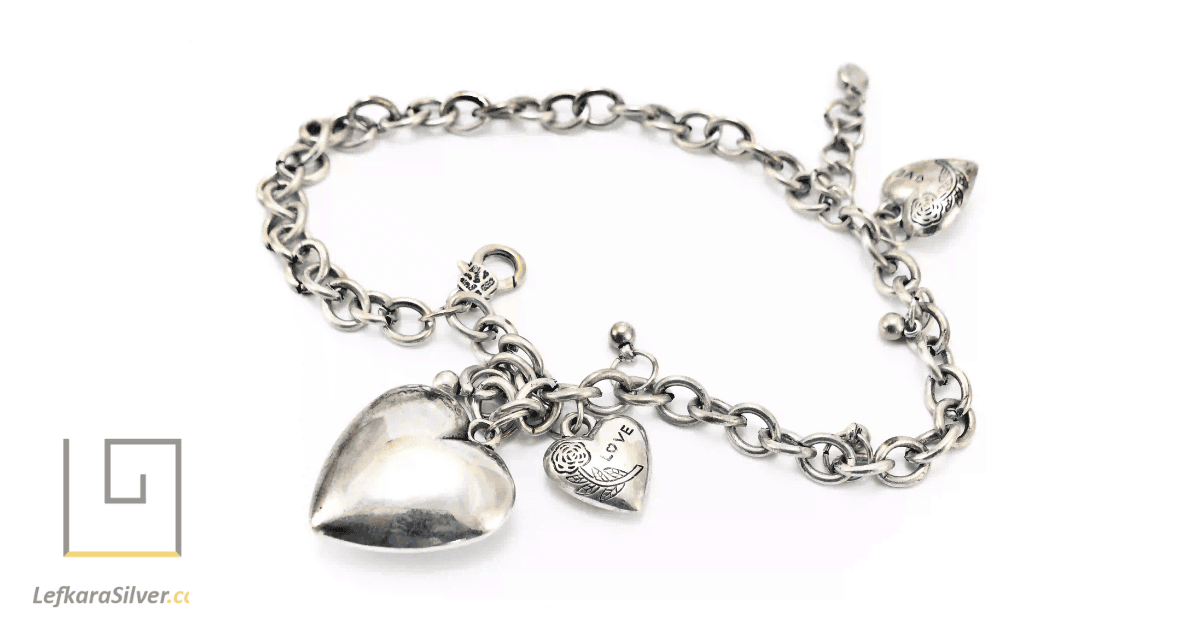
An Overview of Stainless Steel and Sterling Silver Jewelry
Stainless steel and sterling silver have caught the attention of jewelry enthusiasts worldwide with their distinctive qualities and versatile applications. Stainless steel, known for its durability and affordability, has become popular for fashion-forward individuals seeking low-maintenance, hypoallergenic pieces.
On the other hand, sterling silver has long been cherished for its elegance and luxurious feel. Crafted from 92.5% pure silver and 7.5% other metals, sterling silver boasts a higher silver content than many different alloys, contributing to its value and prestige.
The jewelry world has evolved significantly in recent years, with stainless steel and sterling silver emerging as two of the most popular materials for crafting stunning pieces. As we continue in 2026, it’s essential to understand the key differences between these metals to make informed purchasing decisions.
In this comprehensive article, we’ll explore the features of stainless steel jewelry vs. sterling silver jewelry, with expert insights and valuable tips to guide your choices. We’ll share six essential buying tips for stainless steel and sterling silver jewelry to ensure you make intelligent purchasing decisions. We’ll also provide essential tips for maintaining your precious pieces and keeping them lustrous.
For more insight into these types of silver for jewelry, read up on all our detailed guides. Stay tuned for the latest information and expert advice as of October 2026.
Key Facts About Stainless Steel Jewelry vs Sterling Silver Jewelry in October 2026
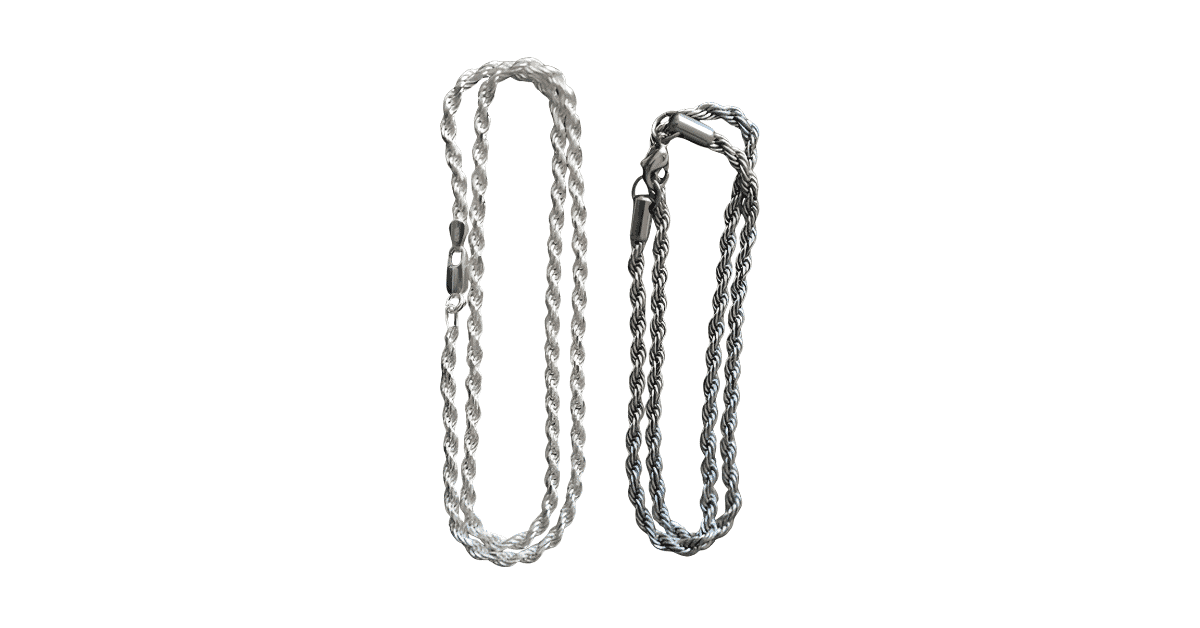
When it comes to distinctiveness, both stainless steel and sterling silver bring unique qualities to the jewelry table. All the data presented here has been carefully fact-checked against reliable sources, ensuring every fact and statistic is well-supported.
- Stainless steel jewelry sales have increased by over 20% in the last three years as seen in the Jewelry Industry Report, reflecting its growing popularity as a durable and affordable option.
- Sterling silver, by definition, is 92.5% pure silver, with the remaining 7.5% typically being copper to enhance durability.
- Approximately 15% of consumers prioritize hypoallergenic properties when buying jewelry, a category where surgical-grade stainless steel often excels.
- The average price of a sterling silver ring can be up to 5 times higher than a comparable stainless steel ring due to the precious metal content.
- Stainless steel is roughly 100 to 1,000 times more resistant to tarnish than sterling silver, making it a low-maintenance choice.
- Nearly 60% of men’s fashion jewelry collections now include a significant portion of stainless steel pieces.
- Sterling silver continues to dominate roughly 40% of the non-precious fine jewelry market for women, prized for its luster and versatility.
- Only about 5% of wedding bands sold globally are made from stainless steel, compared to the much larger market for gold, platinum, and sterling silver.
- Stainless steel is the preferred material for approximately 70% of initial body piercings due to its biocompatibility and strength.
6 Smart Buying Tips for Stainless Steel Jewelry vs Sterling Silver Jewelry
After careful observation and study of the jewelry industry, we have identified tips for buying stainless steel jewelry vs. sterling silver jewelry. Some of these tips include the following:
1. Consider Your Budget
When choosing between stainless steel and sterling silver jewelry, it’s essential to consider your budget. Stainless steel is generally more affordable than sterling silver, making it an attractive option for those looking to expand their jewelry collection without breaking the bank. You can often find stunning stainless steel pieces for a fraction of the cost of their sterling silver counterparts.
However, if you’re willing to invest in a higher-quality piece with a precious metal status, sterling silver offers a luxurious feel and lasting elegance that can appreciate over time.
2. Assess Your Lifestyle
Your lifestyle plays a crucial role in determining which metal is best suited for you. If you lead an active lifestyle, hit the gym regularly, or work with your hands, stainless steel may be the ideal choice due to its exceptional durability and scratch resistance. It’s also hypoallergenic for most people, hence it’s a fantastic option for those with sensitive skin who often react to other metals.
On the other hand, if you prefer a more classic, delicate, and sophisticated look for special occasions or less strenuous daily wear, sterling silver might be the way to go.
3. Pay Attention to Craftsmanship
When purchasing jewelry, always pay attention to the craftsmanship. Look for well-made pieces with smooth finishes and secure clasps that won’t easily break. High-quality stainless steel jewelry should be free from rough edges, visible imperfections, or flimsy components.
For sterling silver, ensure pieces have a consistent texture, a bright, lustrous finish, and intricate detailing that speaks to skilled artistry. Poor craftsmanship, regardless of the metal, can drastically reduce the lifespan of your jewelry.
4. Check for Authenticity
Always purchase from reputable retailers to ensure you’re getting genuine stainless steel or sterling silver jewelry. Look for hallmarks or stamps indicating the metal’s purity, such as “925” (or “925 SS”) for sterling silver, which signifies 92.5% pure silver. For stainless steel, while less commonly stamped with purity marks, reputable brands often specify “surgical grade” or “316L” stainless steel, indicating a high-quality, corrosion-resistant alloy suitable for jewelry. Be wary of deals that seem too good to be true, as they may indicate counterfeit or low-quality products.
5. Consider Maintenance Requirements
When deciding between stainless steel and sterling silver jewelry, consider the maintenance requirements of each metal. Stainless steel is incredibly low-maintenance and naturally resistant to tarnishing, rust, and discoloration, so it is easy to keep your pieces looking new with minimal effort.
Sterling silver, however, is prone to tarnishing due to oxidation when exposed to air and moisture, requiring regular cleaning and polishing to maintain its luster and prevent discoloration. This difference in care can be a significant factor for many buyers.
6. Choose Based on Personal Style
Ultimately, the choice between stainless steel and sterling silver jewelry comes down to personal style. Stainless steel often offers a modern, edgy, and industrial-chic look that complements contemporary fashion trends. Its typically darker, cooler tone makes it versatile for everyday wear.
Sterling silver, with its brighter, warmer gleam, exudes a timeless, classic charm and sophistication that has been loved for centuries. Consider which metal best aligns with your individual taste, wardrobe preferences, and the aesthetic you want to achieve.
By keeping these six tips in mind, you’re well on your way to making an informed and satisfying jewelry purchase.
Where to Find the Best Stainless Steel Jewelry Stores?
Finding top-notch stainless steel jewelry means knowing where to look for quality, style, and reliability. The market for stainless steel has expanded significantly, offering a range of options from dedicated specialists to major retailers.
- The Zasha: This retailer is known for its wide variety of stainless steel jewelry for both men and women, with a strong focus on durability and contemporary style. Their pieces are crafted from high-quality materials, often surgical-grade stainless steel, and are designed to withstand the rigors of everyday wear and tear.
- The Steel Shop: Specializing primarily in women’s stainless steel jewelry, The Steel Shop boasts an extensive collection of necklaces, earrings, bracelets, and rings. Their inventory is celebrated for well-crafted pieces that feature stylish, contemporary, and often minimalist designs.
- Nordstrom: For a more upscale and curated shopping experience, Nordstrom offers a discerning selection of women’s stainless steel jewelry. While their prices may be higher than more specialized stainless steel retailers, you’ll find premium quality pieces from various designer brands, ensuring exclusivity and often more intricate designs
- JAXXON: When it comes to men’s stainless steel jewelry, JAXXON has carved out a strong niche. They place a significant emphasis on bold bracelets and sleek necklaces, catering to a masculine aesthetic. Their designs are consistently modern, sleek, and exude a contemporary edge, making them a popular choice among fashion-forward men who appreciate both durability and style in their accessories.
- Online Marketplaces and Specialty Boutiques: Beyond these well-known names, a plethora of online marketplaces, such as Etsy, and dedicated e-boutiques offer unique, handcrafted stainless steel jewelry. These platforms can be treasure troves for discovering independent artisans and one-of-a-kind designs, often at competitive price points.
Regardless of where you shop, always look for clear descriptions of the metal type, detailed product images, and customer reviews to ensure you’re making a confident and informed purchase.
The Top Sterling Silver Jewelry Stores
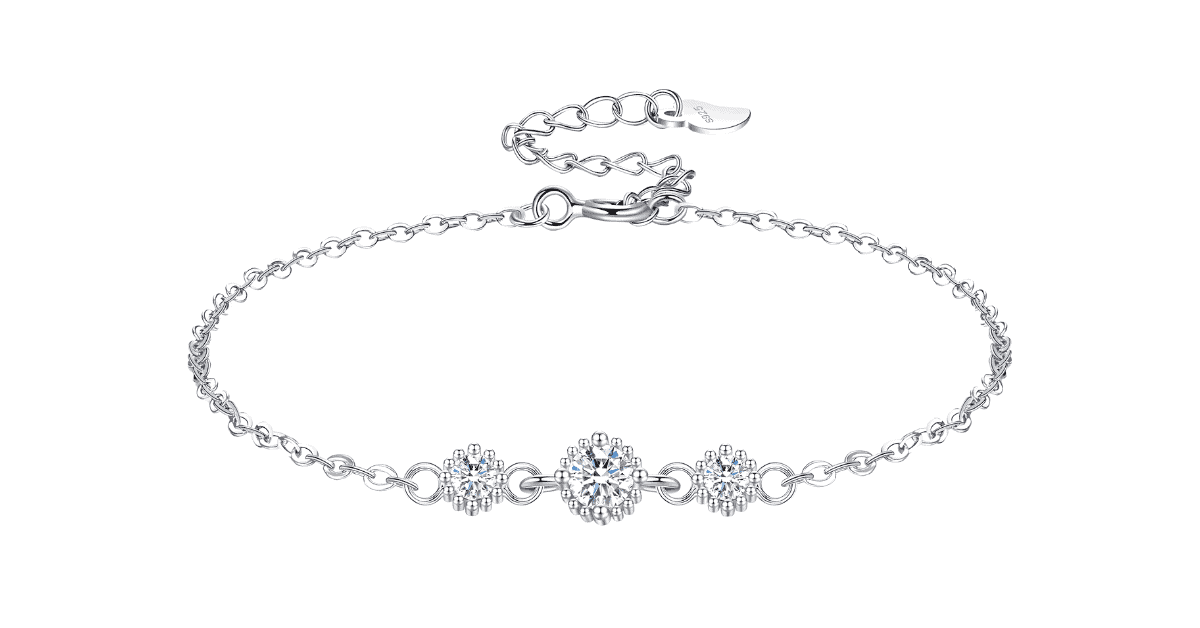
Choosing the right store is important when you are looking for the perfect sterling silver jewelry. The market is rich with options, from iconic luxury brands to independent artisans, each offering unique aesthetics and commitments to quality.
- Tiffany & Co.: This brand remains a top contender for sterling silver. While famed for diamonds, their sterling silver collection is equally impressive, featuring a wide array of classic and contemporary styles known for their superior craftsmanship and iconic designs. Investing in a Tiffany sterling silver piece often means owning a piece of enduring quality and style.
- Silpada: They offer a diverse range of sterling silver jewelry, often with unique textures and artisanal touches, appealing to those who prefer distinctive, less mass-produced pieces. Their direct sales model often fosters a personalized shopping experience.
- Nordstrom Rack: Nordstrom Rack offers an extensive range of sterling silver pieces. While it’s an outlet store, it’s a fantastic place to find both classic and trendy sterling silver jewelry from various brands at a more accessible price point, making it a smart choice for budget-conscious shoppers looking for good value.
- Ross-Simons: Renowned for its exceptional customer service and a vast inventory, Ross-Simons is a highly reputable choice for stunning sterling silver jewelry. They carry a broad spectrum of designs, from classic to contemporary, and often feature pieces with gemstones, catering to a wide array of tastes.
- Online Boutiques (Mejuri, Catbird, Etsy): Mejuri has become a favorite for its “fine jewelry for every day” philosophy, offering minimalist yet chic sterling silver pieces perfect for layering. Catbird is celebrated for its delicate, whimsical, and often custom-made sterling silver designs that appeal to a younger, trend-aware demographic.
- Lefkara Silver: Specializing in exquisite sterling silver pieces, Lefkara Silver is another must-mention. They offer a wide selection of high-quality, handcrafted jewelry that beautifully showcases sterling silver’s beauty and versatility. From delicate pendants to bold statement pieces, Lefkara Silver truly has something for every style and occasion, often drawing inspiration from traditional designs with a modern twist.
Stainless Steel and Sterling Silver in Jewelry Making
When jewelers approach a new design, the choice between stainless steel and sterling silver is often dictated by the desired aesthetic, structural integrity, and the end-user’s needs. Each metal presents a unique set of properties that make it suitable for distinct types of jewelry.
- Stainless Steel’s Strength and Durability:
- Stainless steel is renowned for its exceptional strength and durability, making it a prime candidate for pieces that require robust construction. Think bold men’s bracelets, industrial-style necklaces, or any jewelry designed for high impact.
- Its inherent resistance to corrosion, rust, and tarnishing is a major advantage. This means less maintenance for the wearer and a longer-lasting shine.
- Hypoallergenic properties are another key factor; surgical-grade stainless steel (like 316L) is widely used for body jewelry and in medical implants because it minimizes the risk of irritation or allergic reactions. Around 10-15% of the population experiences nickel sensitivity, making stainless steel a safer alternative for many.
- Working with stainless steel requires specialized tools and techniques due to its hardness, which can make intricate detailing more challenging for some artisans.
- Sterling Silver’s Malleability and Luster:
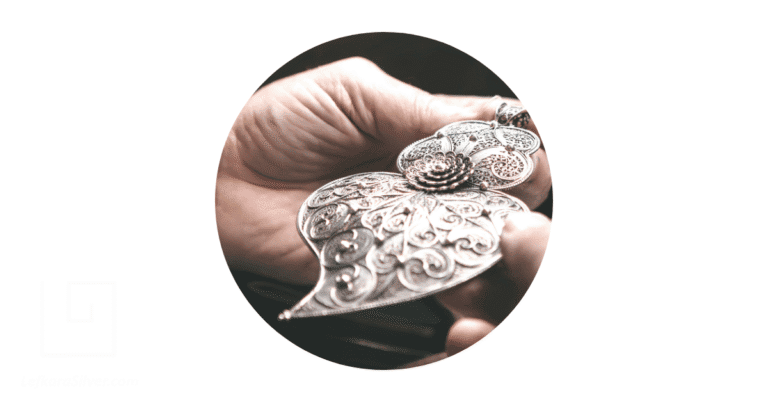
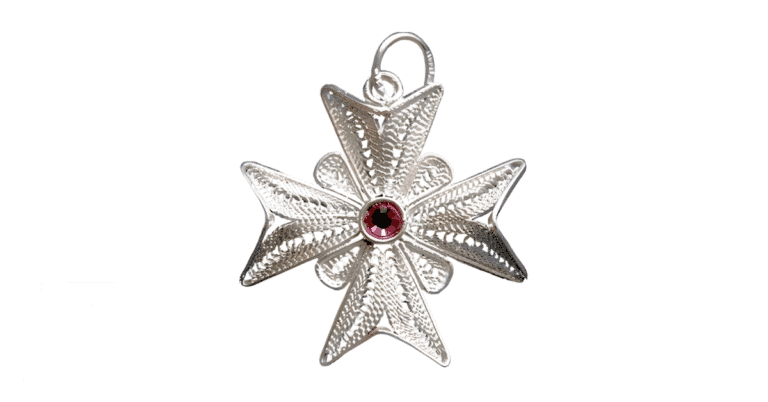
- In contrast, sterling silver’s notable malleability and softness allow for incredibly intricate, detailed designs that truly showcase an artisan’s skill and creativity. This is why it’s a favored choice for delicate filigree work, ornate pendants, and sculpted charms.
- Its lustrous, bright white appearance offers a classic elegance that has endured for centuries. Sterling silver has a unique ability to develop a beautiful patina over time, which some enthusiasts cherish as a sign of age and character.
- While beautiful, sterling silver is more prone to scratching and bending compared to stainless steel, necessitating more careful wear.
- The primary drawback is its tendency to tarnish due to oxidation when exposed to sulfur in the air and moisture. This requires frequent cleaning and polishing to maintain its brilliant shine.
In essence, if a jeweler is aiming for a strong, modern, and low-maintenance piece, stainless steel is often the go-to. If the goal is intricate artistry, a classic aesthetic, and a metal that can be shaped with greater ease, sterling silver is the clear winner.
Stainless Steel as a Preferred Choice in Men’s Jewelry
In recent years, stainless steel has surged in popularity as a preferred material for men’s jewelry. This isn’t just a fleeting trend; it’s a sustained shift driven by several compelling factors that align perfectly with modern masculine aesthetics and practicality. Industry data indicates a consistent annual growth of over 10% in the men’s stainless steel jewelry market over the past five years.
One of the primary drivers is its unmatched durability. Men’s jewelry, often subjected to more rigorous daily wear, benefits immensely from stainless steel’s inherent strength. It’s incredibly resistant to tarnish, rust, and corrosion, meaning pieces maintain their polished, sleek appearance without constant maintenance. This “set it and forget it” quality is a significant draw for men who prefer low-fuss accessories.
Beyond durability, affordability plays a crucial role. Stainless steel provides a premium, often weighty feel without the premium price tag of precious metals like gold or platinum. This allows men to build a diverse collection of accessories—from watches and bracelets to necklaces and rings—without a substantial financial investment. It’s an excellent choice for those on a budget who still demand quality and style.
Furthermore, stainless steel is significantly less prone to scratches and dents compared to softer metals like sterling silver, ensuring that a watch bezel or a bracelet clasp maintains its pristine look for years. This resistance to everyday wear and tear is a major selling point.
Many men sincerely appreciate stainless steel’s modern, often masculine aesthetic. It’s cool, understated luster and ability to be forged into bold, architectural designs complement various styles and outfits, from casual streetwear to business professional attire. It offers a contemporary edge that sterling silver, with its brighter, softer gleam, sometimes doesn’t capture as well.
Why Sterling Silver is a Hit in Women’s Jewelry
Sterling silver has long held a cherished place in women’s jewelry collections for its versatility, relative affordability, and timeless beauty. The metal’s soft, lustrous appearance instantly adds a touch of elegance and sophistication to any ensemble, whether it’s a casual daytime look or a formal evening outfit. Its bright, reflective quality enhances gemstones beautifully and complements a wide range of skin tones.
One of sterling silver’s most significant advantages, especially for intricate designs, is its high malleability. This characteristic allows jewelers to create exceptionally detailed and delicate pieces – from filigree earrings and sculpted pendants to intricately woven chains. This artistic freedom means a broader, more diverse range of designs is possible, catering to varied tastes and preferences.
Compared to other precious metals like gold and platinum, sterling silver is notably more affordable. This accessibility allows women to build a diverse and extensive jewelry collection, featuring multiple pieces for different moods and outfits, without a prohibitive financial outlay. Market analysis shows that sterling silver accounts for over 40% of all non-precious fine jewelry sales to women, underscoring its significant market presence. This affordability doesn’t compromise its status as a precious metal, offering both value and luxury.
While it does require more maintenance than stainless steel, sterling silver is relatively easy to care for. Regular polishing with a soft cloth can quickly restore its brilliant shine and prevent tarnishing. Many women also appreciate the natural patina that sterling silver can develop over time, which adds character and a vintage appeal to older pieces. The sense of history and classic charm associated with sterling silver often resonates deeply with female consumers, making it a perennial favorite.
Stainless Steel vs Sterling Silver for Wedding Rings
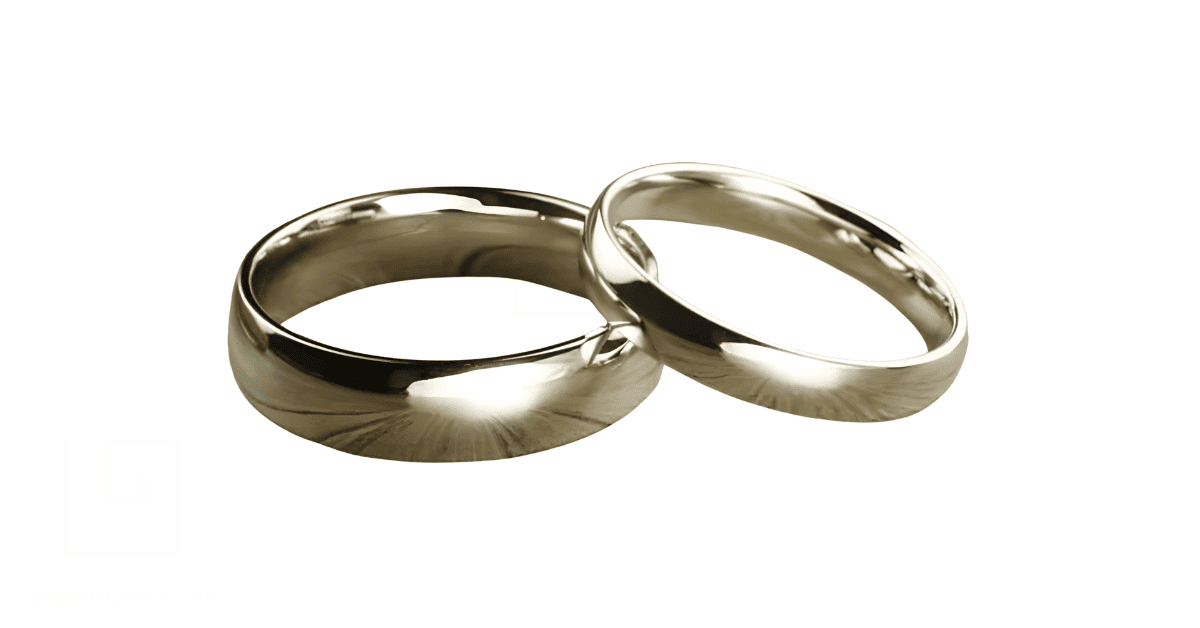
When it comes to selecting a wedding ring, the choice between stainless steel and sterling silver often boils down to a blend of personal preference, lifestyle considerations, and aesthetic desires. Each metal offers distinct advantages and disadvantages that warrant careful consideration for such a significant purchase.
Stainless steel is highly valued for its exceptional durability and resistance to corrosion, scratches, and tarnish. For individuals with an active lifestyle or those who work with their hands, stainless steel is an incredibly resilient option that doesn’t dent or deform easily. Its strength means it can withstand daily wear and tear with minimal fuss, making it a low-maintenance choice.
However, its significant hardness, while beneficial for durability, also makes it much more challenging to mold into intricate or highly delicate designs, limiting stylistic versatility compared to softer metals. In terms of cost, you can find a good quality stainless steel wedding band for around $20 to $160, offering a very budget-friendly option for couples.
Sterling silver, on the other hand, carries the prestige of being a precious metal, composed of 92.5% pure silver. This higher silver content results in a brighter, more lustrous appearance that many associate with traditional fine jewelry. Being softer and more malleable than stainless steel, sterling silver is exceptionally suitable for crafting elegant, delicate, and highly intricate designs, allowing for a broader range of artistic expression and customization.
However, this softness also makes it more prone to scratches, dents, and wear over time. A significant consideration for sterling silver is its tendency to tarnish when exposed to air and moisture, requiring regular cleaning and polishing to maintain its brilliant shine. For sterling silver wedding bands, the average price typically starts around $100 and can go significantly higher depending on design, gemstones, and craftsmanship.
Here’s a quick comparison to help you weigh your options:
| Feature | Stainless Steel Wedding Rings | Sterling Silver Wedding Rings |
|---|---|---|
| Durability | Exceptionally high; resistant to scratches, dents, corrosion | Moderate; prone to scratches and dents |
| Tarnish Resist. | Highly resistant to tarnish | Prone to tarnishing; requires regular cleaning |
| Maintenance | Very low maintenance | Higher maintenance; requires frequent polishing |
| Design Detail | Harder to mold; typically bolder, less intricate designs | Highly malleable; allows for intricate and delicate designs |
| Hypoallergenic | Generally hypoallergenic | May cause reactions in some due to copper alloy |
| Price Range | $20 – $160 | $100+ |
| Material Status | Non-precious metal alloy | Precious metal (92.5% silver) |
Ultimately, if a couple prioritizes extreme durability, low maintenance, and a budget-friendly option with a modern aesthetic, stainless steel is a compelling choice.
If the desire is for a traditional precious metal with a bright luster, intricate design potential, and heirloom quality, sterling silver, with its greater care requirements, steps forward.
Stainless Steel vs Sterling Silver for Body Jewelry
The choice between stainless steel and sterling silver is critical, heavily influenced by factors such as biocompatibility, durability, and aesthetic preference. Each metal brings its own set of advantages to piercings.
Stainless steel body jewelry, particularly surgical-grade stainless steel (316L), is widely considered the gold standard for initial piercings and general body jewelry due to its outstanding properties. It is predominantly hypoallergenic, meaning it rarely causes allergic reactions, making it an excellent choice for individuals with sensitive skin or known metal allergies, especially to nickel.
Approximately 15% of the population experiences some form of nickel allergy, making stainless steel a safer bet. Furthermore, stainless steel is non-tarnishing and highly resistant to corrosion, rust, and oxidation, ensuring that the jewelry maintains its integrity and appearance over time, even in moist environments around piercings..
Sterling silver, while aesthetically appealing for its lustrous shine and premium feel, offers a more nuanced choice for body jewelry. It is not considered hypoallergenic in the same vein as surgical stainless steel because of its 7.5% copper content, which some individuals may react to. Moreover, sterling silver tarnishes, which can be problematic in a fresh or healing piercing.
The oxidation process can not only discolor the jewelry but also potentially stain the skin around the piercing a grayish or greenish hue, often referred to as “argyria” or “tatooing” of the skin, which can be permanent in some cases. While popular for healed piercings and external jewelry like earrings or necklaces, its use in internal or new piercings is generally advised against by professional piercers due to these factors and its softer nature, which can lead to micro-scratches where bacteria might harbor.
For safety, durability, and hypoallergenic properties, especially for new or sensitive piercings, stainless steel is the clear winner. Sterling silver might be chosen for aesthetic reasons in healed piercings, but with a clear understanding of its maintenance needs and potential skin reactions.
The Worth of Stainless Steel vs Sterling Silver Jewelry
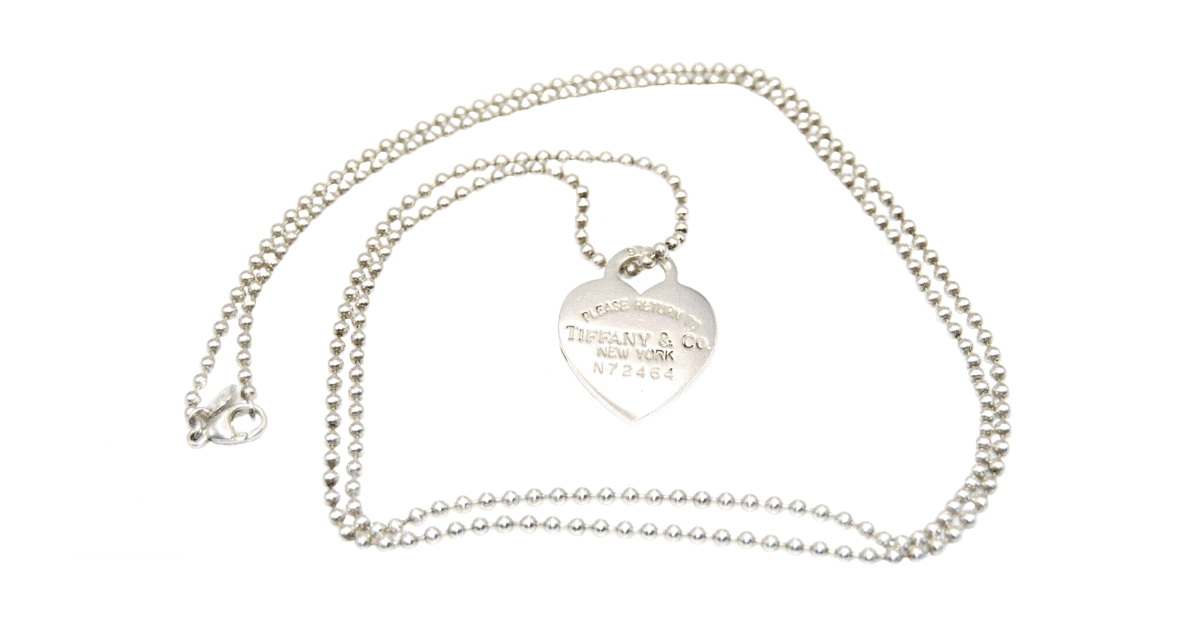
When determining the “worth” of stainless steel versus sterling silver jewelry, it’s essential to look beyond just the initial purchase price. Several factors contribute to their overall value, encompassing material cost, durability, maintenance, and even resale potential. While both materials have unique advantages, sterling silver generally holds a higher intrinsic value due to its composition as a precious metal.
Here’s a breakdown of how they compare:
| Factor | Stainless Steel | Sterling Silver |
|---|---|---|
| Material Cost | Lower cost, more affordable; alloy of common metals | Higher cost due to 92.5% silver content; precious metal |
| Durability | Highly durable, resistant to scratches and corrosion | Prone to scratches and tarnish; softer than stainless steel |
| Maintenance | Low maintenance, easy to clean | Requires regular polishing to maintain shine; prone to tarnish |
| Allergenic Properties | Hypoallergenic, suitable for sensitive skin | May cause allergic reactions in some individuals due to copper |
| Resale Value | Lower resale value; worth tied to design/brand | Higher resale value due to precious metal content; silver can be recycled |
| Craftsmanship | Can be used for intricate designs but harder to work with | Highly malleable, allowing for more detailed and delicate work |
As this comparison shows, sterling silver jewelry typically commands a higher price point and retains more intrinsic value because of the precious metal’s inherent value. It also generally has a higher resale value because the silver content can be recycled and repurposed, serving as an investment.
However, stainless steel jewelry offers excellent value due to its remarkable durability, low maintenance, and hypoallergenic nature. It’s an accessible and affordable option for those who desire the look of silver without the higher initial price tag or the need for constant upkeep. For functional, long-lasting, and stylish everyday wear at an accessible price, stainless steel often wins the utility argument.
The value of stainless steel and sterling silver jewelry depends on a combination of factors, including the quality of craftsmanship, the intricacy of the design, the perceived value of the brand, and, most importantly, the wearer’s individual preferences and lifestyle needs.
How to Maintain Your Stainless Steel Jewelry and Sterling Silver Jewelry?
Proper maintenance is not just about keeping your jewelry shiny; it’s crucial for ensuring your stainless steel and sterling silver pieces remain pristine and last for years to come. While both materials are known for their durability, they demand different levels of care to keep them looking their absolute best.
Stainless Steel Jewelry Care
For stainless steel jewelry, maintenance is refreshingly simple. This metal is inherently resistant to tarnish, corrosion, and rust, which makes it incredibly easy to clean.
- Cleaning Routine: A basic cleaning involves using mild soap (like dish soap) and lukewarm water. Gently scrub the surface with a soft cloth or a soft-bristled brush (like an old toothbrush) to remove any dirt, oils, or residues. Then, rinse thoroughly under running water and dry immediately with a clean, soft towel to prevent water spots.
- Avoid Harsh Chemicals: It’s important to avoid using abrasive cleaners, harsh chemicals, or jewelry polishing cloths designed for other metals, as these can potentially damage the protective layer or finish of your stainless steel.
- Storage: While stainless steel is very resilient, storing it separately in a pouch or jewelry box can prevent it from scratching softer pieces of jewelry or being scratched by harder materials.
- Everyday Wear: Stainless steel is robust enough for everyday wear, even during activities like showering or light exercise. However, prolonged exposure to harsh chemicals (e.g., strong cleaning agents, chlorine in pools) should still be minimized to maintain its finish.
Sterling Silver Jewelry Care
Sterling silver, on the other hand, requires a bit more attention due to its natural tendency to tarnish. Tarnishing is a chemical reaction that occurs when silver is exposed to air, moisture, and sulfur-containing compounds.
- Cleaning Routine for Tarnish: To remove tarnish, a soft cloth and a gentle silver cleaner specifically designed for sterling silver are your best friends. Alternatively, for mild tarnish, you can create a paste using baking soda and a few drops of water. Apply the paste with a soft cloth, gently rub, then rinse thoroughly and dry with a clean, soft cloth.
- Preventing Tarnish: Prevention is key with sterling silver. Store pieces in a cool, dry place, ideally in an airtight container, a tarnish-resistant pouch, or a jewelry box lined with anti-tarnish fabric. Placing a small packet of silica gel or an anti-tarnish strip with your silver can also help absorb moisture and sulfur.
- Professional Cleaning: For deeply tarnished or intricately designed sterling silver pieces, a professional jeweler can restore their shine without damaging delicate components.
By implementing these cleaning and storage strategies, you can ensure that both your robust stainless steel and radiant sterling silver jewelry remain in excellent condition, ready to be worn and enjoyed for countless years.
Stainless Steel and Sterling Silver Jewelry: Final Thoughts
We’ve covered the key facts about stainless steel jewelry vs sterling silver jewelry in October 2026 to six smart buying tips for stainless steel jewelry vs sterling silver jewelry. We compared stainless steel and sterling silver in jewelry making, identified the best stainless steel jewelry stores, discovered the top sterling silver jewelry stores, and examined why stainless steel is a preferred choice in men’s jewelry while sterling silver remains a hit in women’s jewelry.
Here are some interesting facts to remember:
- Stainless steel jewelry sales have increased by over 20% in the last three years, showcasing its rising popularity.
- Sterling silver is 92.5% pure silver, alloyed with 7.5% copper for durability.
- Stainless steel is roughly 100 to 1,000 times more resistant to tarnish than sterling silver.
- Approximately 70% of initial body piercings use stainless steel due to its hypoallergenic nature.
- The average price of a sterling silver ring can be up to 5 times higher than a comparable stainless steel ring.
- Wearing sterling silver frequently can help prevent tarnish, thanks to skin oils.
- Stainless steel is approximately 3-4 times harder than sterling silver, making it more scratch-resistant.
The final decision between stainless steel and sterling silver jewelry truly hinges on your individual priorities—be it budget, desired aesthetic, lifestyle, or maintenance commitment.
Follow our website, LefkaraSilver.com, to stay informed about new jewelry offers, news, and buying guides!
Stainless Steel Jewelry Vs Sterling Silver FAQs
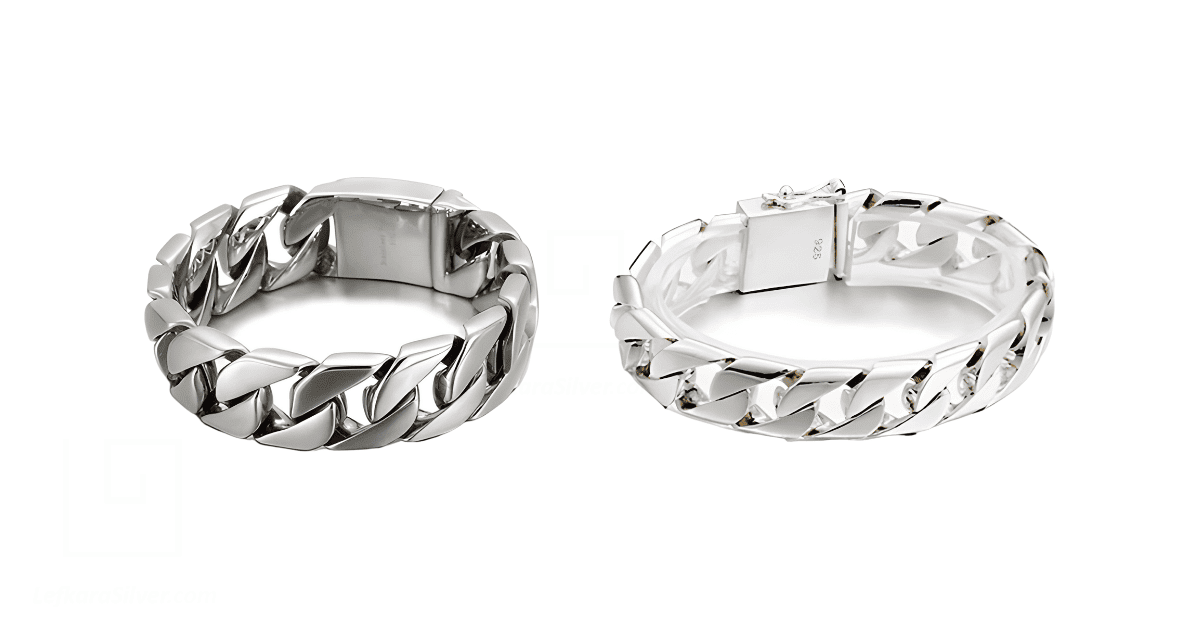
Here are answers to some frequently asked questions about how to choose between stainless steel and sterling silver jewelry:
What Are the Main Differences Between Stainless Steel Jewelry and Sterling Silver?
The primary differences lie in their composition, durability, and precious metal status. Sterling silver is a precious metal alloy, typically 92.5% pure silver with 7.5% copper, offering a bright luster and malleability for intricate designs, but it is prone to tarnish and scratches. Stainless steel, a non-precious alloy primarily of iron, chromium, and nickel, is celebrated for its extreme durability, corrosion resistance, and hypoallergenic properties.
Is Stainless Steel Jewelry More Durable than Sterling Silver?
Yes, stainless steel jewelry is significantly more durable than sterling silver. Stainless steel is known for its exceptional hardness and resistance to scratches, dents, and deformation, making it ideal for active lifestyles. In contrast, sterling silver is a softer metal, which, while allowing for intricate designs, also makes it more prone to scratching and bending under pressure.
How Does the Cost of Stainless Steel Jewelry Compare to Sterling Silver?
Stainless steel jewelry is considerably more affordable than sterling silver. As a non-precious metal alloy, its raw material cost is much lower, allowing for accessible pricing for consumers. Sterling silver, being a precious metal with a 92.5% silver content, has an inherent value tied to global silver market prices, which can fluctuate. For instance, a comparable stainless steel piece can often be up to 70% cheaper than its sterling silver counterpart, making stainless steel an excellent budget-friendly option for expanding a jewelry collection.
Does Stainless Steel Jewelry Tarnish Like Sterling Silver?
No, stainless steel jewelry does not tarnish like sterling silver. Stainless steel’s chromium content creates a passive layer that makes it highly resistant to rust, corrosion, and tarnish, maintaining its shine with minimal effort. Sterling silver, however, is prone to tarnishing when exposed to air, moisture, and sulfur compounds, causing a dark discoloration due to oxidation. Stainless steel is roughly 100 to 1,000 times more resistant to tarnish than sterling silver, offering a significant advantage in terms of low maintenance.
Can Stainless Steel Jewelry Be Resized Like Sterling Silver?
Generally, stainless steel jewelry is much more difficult, if not impossible, to resize compared to sterling silver. Stainless steel’s extreme hardness and resistance to heat make it very challenging for jewelers to cut, solder, and reshape without specialized tools and techniques, often making resizing impractical or even damaging to the piece. Sterling silver, being a softer and more malleable metal, is relatively easy for skilled jewelers to cut, stretch, or compress to achieve a different size.
How Does the Appearance of Stainless Steel Jewelry Differ from Sterling Silver?
The appearance of stainless steel and sterling silver jewelry often presents distinct aesthetics. Stainless steel typically has a cooler, darker, and more industrial or greyish-white sheen, often with a slightly brushed or matte finish that conveys a modern, edgy look. Sterling silver, on the other hand, boasts a brighter, more brilliant, and warmer white luster that is highly reflective and often associated with classic elegance and traditional fine jewelry.
How Does the Weight of Stainless Steel Jewelry Compare to Sterling Silver?
The weight of stainless steel jewelry is generally comparable to, or slightly less than, sterling silver for similar volumes, though this can vary slightly based on the specific alloy. While both metals offer a substantial feel, which contributes to a perception of quality, stainless steel’s density is typically around 7.85 g/cm³, while sterling silver is slightly denser at approximately 10.35 g/cm³. This means that a sterling silver piece of the exact same dimensions would feel marginally heavier than its stainless steel counterpart. However, in practical terms, both are heavier than aluminum but lighter than gold or platinum, providing a satisfying heft in jewelry.