What is a Tennis Bracelet?
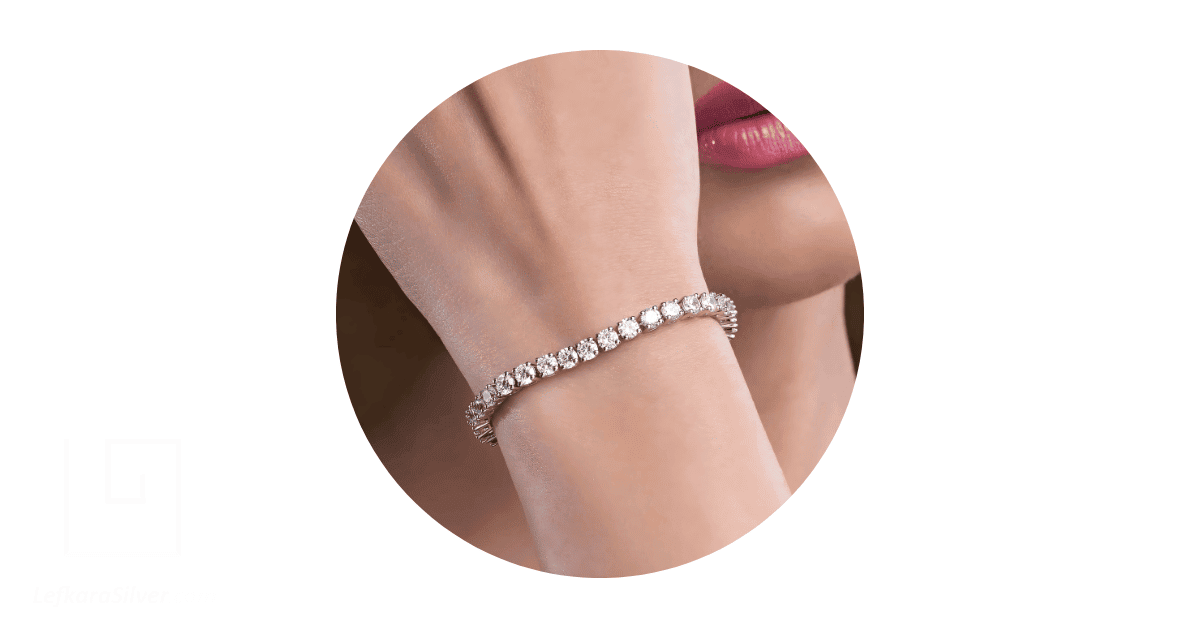
A tennis bracelet is a sleek, flexible band that holds a row of diamonds or gemstones together in a thin chain. It fits loosely around your wrist, making it much more comfortable for daily tasks than a thick cuff or a heavy bangle. The name stuck after a famous 1987 tennis match in which the star player had to stop her match to find her jewelry after it broke and fell onto the court. It is a piece that works just as well with a casual shirt as it does with an evening gown.
This article brings you the latest information as of October 2026. We’re going to share key facts & statistics about tennis bracelets and help you pick from the 6 best adjustable tennis bracelets for all sizes. We will also compare a lab-grown vs. a natural diamond tennis bracelet to see which fits your needs and your wallet better.
We’ll explain the best gold karats for tennis bracelets: 10k, 14k, or 18k? and show you where to find silver tennis bracelets?. If you need help choosing the perfect tennis bracelet style for you, we have some smart tips. We also added tips for layering tennis bracelets with watches, the real prices of these bracelets, and the best tennis bracelet for men.
Tennis Bracelet Key Facts & Statistics – October 2026
Jewelry trends move quickly, and these data points help you understand where the market stands right now.
- Recent reports show that 70% of people now prefer lab-grown stones for their tennis bracelets to get a larger look for less money.
- A standard lab-grown piece now costs about $1,500 on average, making it a much more common entry point for new buyers.
- Natural diamond bracelets of a similar size often sit in the $2,500 to $3,000 price range because of their rarity.
- Data suggests that 65% of women now use a tennis bracelet as their main piece when stacking different styles of jewelry on one wrist.
- Most classic designs rely on a count of 50 to 60 individual stones to cover the full length of the band.
- Nearly 50% of all sales involve 14k gold because it offers a great mix of gold purity and daily toughness.
- Customization is a huge deal this year, with 80% of shoppers saying they want a piece they can adjust or change to fit their wrist perfectly.
- Men’s jewelry sales have seen a sharp rise, with 10k and 14k gold serving as the most popular metals for masculine tennis designs.
6 Best Adjustable Tennis Bracelets for All Sizes
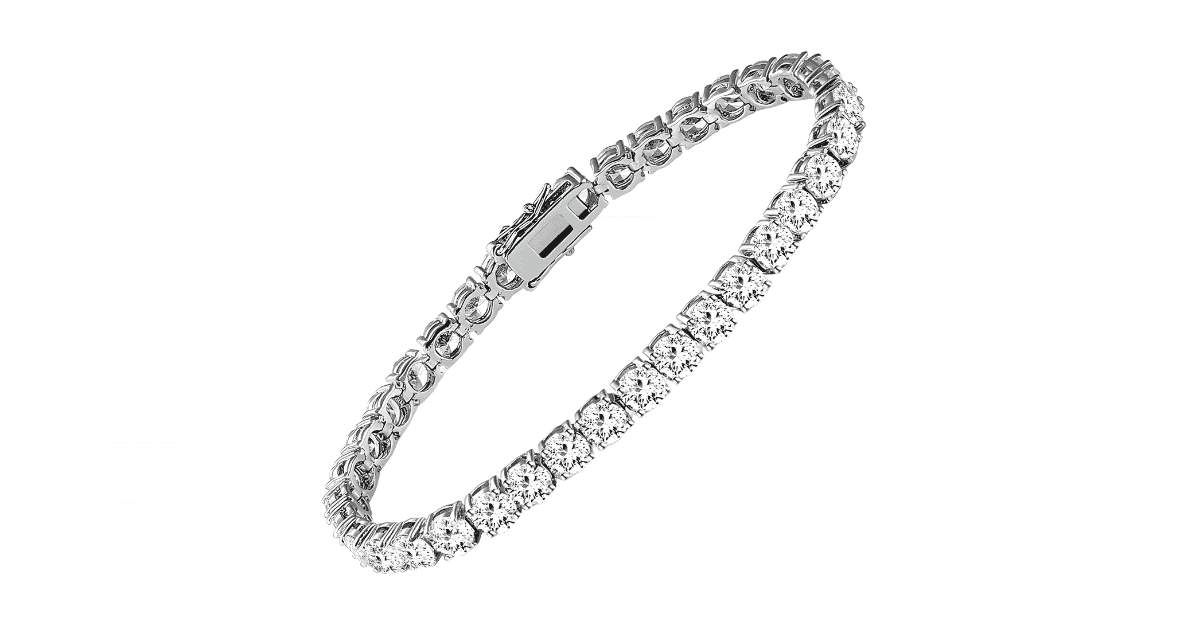
Tennis bracelets usually come in standard lengths, but if your wrist doesn’t fit the mold, you need options that actually work. These pieces use different settings, such as prongs or bezels, to hold stones, but the real magic lies in the closure.
Most traditional styles require you to remove links to change the size, which is a permanent fix that can be a headache. Modern designs now favor flexibility, allowing you to tighten or loosen the fit on the fly without a trip to the jeweler.
1. Slider (Bolo) Tension Bracelet
The slider or “bolo” style is the gold standard for versatility. It features a row of stones on the top of the wrist, but the bottom ends in a metal chain that feeds through a sliding bead. Inside that bead is usually a silicone grip that keeps the bracelet exactly where you want it. It’s a great choice because it accommodates the widest range of wrist sizes and is easy to put on with one hand.
The setting on these is often a classic four-prong mount, which allows the most light to hit the stones. Because the bottom part of the bracelet is a simple chain rather than a full circle of diamonds, it feels less bulky when you’re typing or working at a desk. This style is currently the top choice for gifting because you don’t need to know the recipient’s exact wrist measurement.
2. Removable Extender Link Bracelet
This design looks like a classic, continuous line of diamonds but includes one or two extra links that snap in and out of the clasp. It gives you the look of a high-end, tailored piece without the commitment of a fixed length. If your wrist size changes or you want to wear the bracelet over a sleeve, you just click the extra link into place.
The settings in these bracelets are typically sturdier to handle the frequent opening and closing of the extra links. Most quality extender link bracelets use a box clasp with a safety latch, which is the most secure closure type for high-value jewelry. It bridges the gap between a custom-fitted piece and a one-size-fits-all accessory.
3. Half-Tennis Chain Hybrid
A half-tennis hybrid uses a fixed row of diamonds for the top half and a traditional link chain for the bottom half. The chain usually has several “jump rings” or loops that allow you to hook the clasp at different points. This setup gives you a lot of control over how the bracelet hangs on your arm.
Since the diamonds stay on top, you get all the sparkle without the fear of hitting stones against hard surfaces. This style helps lower the cost of the piece since it uses fewer stones while still offering a high-end look. It’s a smart pick for daily wear because the metal chain at the bottom is much more durable than a full row of gemstone links.
4. Micro-Adjust Box Clasp Bracelet
For those who want a full circle of diamonds but need a slightly better fit, the micro-adjust box clasp is the answer. This clasp has a small hidden mechanism that allows the wearer to move the latch point by a few millimeters. It doesn’t offer as much range as a slider, but it’s perfect for people who fall between standard sizes.
You’ll usually find this on premium bracelets made of 14K gold or platinum. The micro-adjuster ensures the bracelet doesn’t flip over, keeping the stones facing up at all times.
5. Wrap-Around Memory Wire Bracelet
Memory wire bracelets are unique because they don’t use a clasp at all. The metal is treated to hold a circular shape that you simply wrap around your wrist. Because the wire expands and contracts, it naturally fits any size without needing an adjustment tool.
These often use a bezel setting, where a metal rim surrounds each stone. This makes the bracelet extremely smooth and prevents it from snagging on clothes. Memory wire designs are a favorite for people with active lifestyles because they are incredibly hard to lose and don’t rely on a mechanical clasp that could break.
6. Open Cuff Flexible Bracelet
An open cuff tennis bracelet features a gap at the bottom and is made from a flexible metal “spine” that allows you to pull the ends apart. Once you slide it onto your wrist, you can squeeze it slightly for a snug fit. It offers a modern, architectural look that stands out from the traditional floppy chain style.
Each stone is usually set in a shared-prong or channel setting to keep the line looking clean and uninterrupted.
Lab-Grown vs Natural Diamond Tennis Bracelet
Lab-grown diamonds are real diamonds. They have the same chemical makeup and physical properties as the ones dug out of the ground. The only difference is that one grows in a machine over a few weeks, while the other grows in the earth over billions of years. To the eye, they are exactly the same. Even a pro needs a special machine to tell which is which.
The demand for lab-grown jewelry has reached a record high this year. About 70% of tennis bracelet buyers choose lab-grown stones because they can get a much bigger look for their money. Instead of buying a 2-carat natural stone, a buyer can get a 5-carat lab-grown version at a lower price.
| Feature | Natural Diamonds | Lab-Grown Diamonds |
|---|---|---|
| Price | Higher per carat | Much lower (often 60-80% less) |
| Resale Value | Holds a portion of value | Very low resale value |
| Origin | Mined from the earth | Created in a lab |
| Look | Identical sparkle and hardness | Identical sparkle and hardness |
| Supply | Finite and limited | Unlimited production |
For most buyers in 2026, a lab-grown tennis bracelet is the best move because it offers the greatest visual impact and carat weight for every dollar spent.
The Best Gold Karats for Tennis Bracelets: 10K, 14K, or 18K?
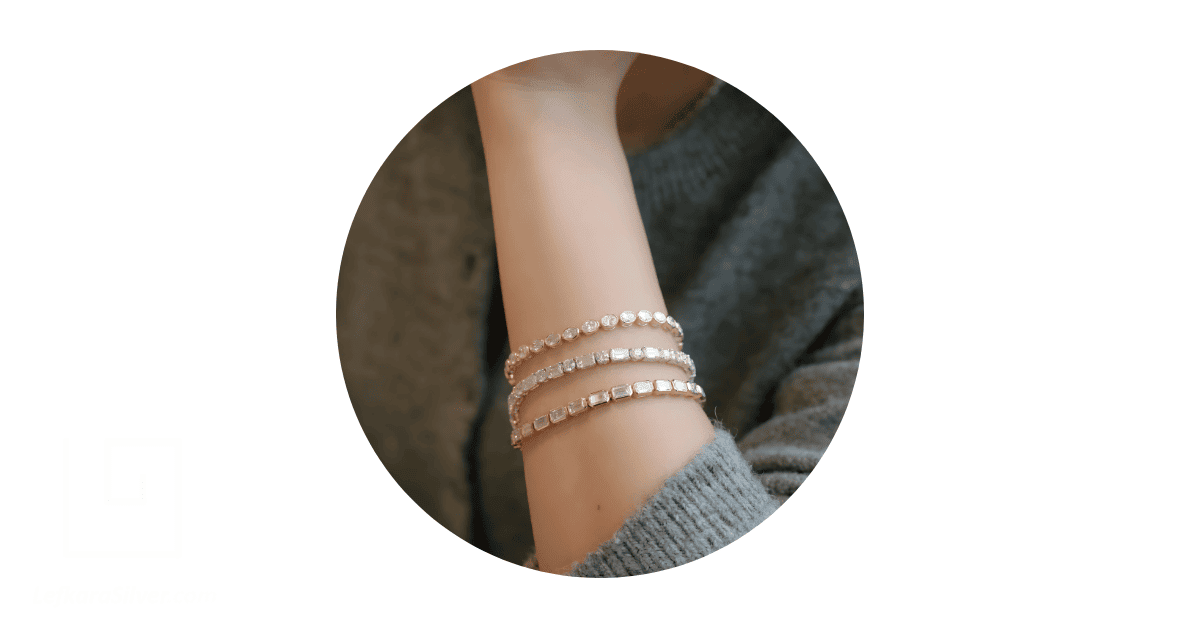
Gold is the undisputed heavyweight champion of the jewelry world for good reasons. It doesn’t rust, it doesn’t tarnish easily, and it holds its value over time far better than most things in your closet. When you pick a gold tennis bracelet, the karat you choose is more than just about the price; it’s about how much actual gold is mixed with other metals to make the piece work for your lifestyle. Pure gold is too soft to hold stones securely, so jewelers mix it with metals like copper or silver to give it some backbone.
10K gold is the toughest of them all. It contains about 41.7% pure gold, while the rest is a mix of harder metals. Because gold is naturally soft, having more of those other metals makes 10K gold very hard and resistant to scratches. It is actually the most durable option for someone who is incredibly active or works with their hands. However, because the gold content is lower, it might not have that deep yellow look you expect, and it is more likely to trigger skin allergies in people sensitive to nickel or other alloys.
14K gold is the most popular choice for jewelry in the United States. At 58.3% pure gold, it strikes a balance between looking rich and staying strong. In fact, roughly 90% of all engagement rings and wedding bands are made from 14K gold. For a tennis bracelet you plan to wear every day, 14K gold offers enough toughness to handle the occasional bump while still looking like a high-end luxury item. It is the reliable middle ground that won’t break the bank.
If you want the top-tier experience, 18K gold is the way to go. It is 75% pure gold, which gives it a much more intense yellow color that really makes bracelets stand out. Because it has a higher gold content, 18K gold is significantly more hypoallergenic than 10K or 14K, making it the best choice for anyone with sensitive skin. While it is softer and more prone to small scuffs, it feels heavier and more substantial on the wrist. If you are buying a bracelet with high-quality stones, pairing them with 18K gold ensures the metal matches the quality of the gems.
The best places to find real gold tennis bracelets are listed in this gold bracelet article here. Be sure to check it out.
Where to Find Silver Tennis Bracelets?
Silver is the go-to for many people who want the look of a diamond tennis bracelet on a budget. It offers a bright, cool finish that looks expensive but stays within a budget. However, because silver is cheaper, the market has plenty of low-quality pieces that can break or tarnish quickly. This is why buying from reputable brands or retail stores is vital to ensure you are getting 925 sterling silver that can withstand daily wear. You want a piece that has been treated to resist tarnishing so it stays bright for years.
Buying from a trusted name ensures the stones are set correctly, and the clasp won’t fail the first time you put it on. Sterling silver consists of 92.5% silver and 7.5% other metals, usually copper, to give it the strength it needs to hold stones securely. Trusted brands also often use rhodium plating on their silver to give it the look of white gold or platinum while adding a layer of protection against air exposure.
If you are looking for the best places to find a high-quality silver tennis bracelet, a few stores consistently lead the pack. Monica Rich Kosann is a great choice for silver pieces that feel more like classic heirlooms. Abbott Lyon offers tarnish-free silver options that are perfect for those who want a modern look. Brilliant Earth is another top pick, especially if you want your silver paired with lab-grown diamonds for a sustainable choice. Other solid options include Salvini for high-end European styles and Monica Rich Kosann for unique, personalized designs. These retailers focus on craftsmanship, ensuring your silver bracelet doesn’t just look good today, but stays that way.
How to Choose the Perfect Tennis Bracelet Style for You?
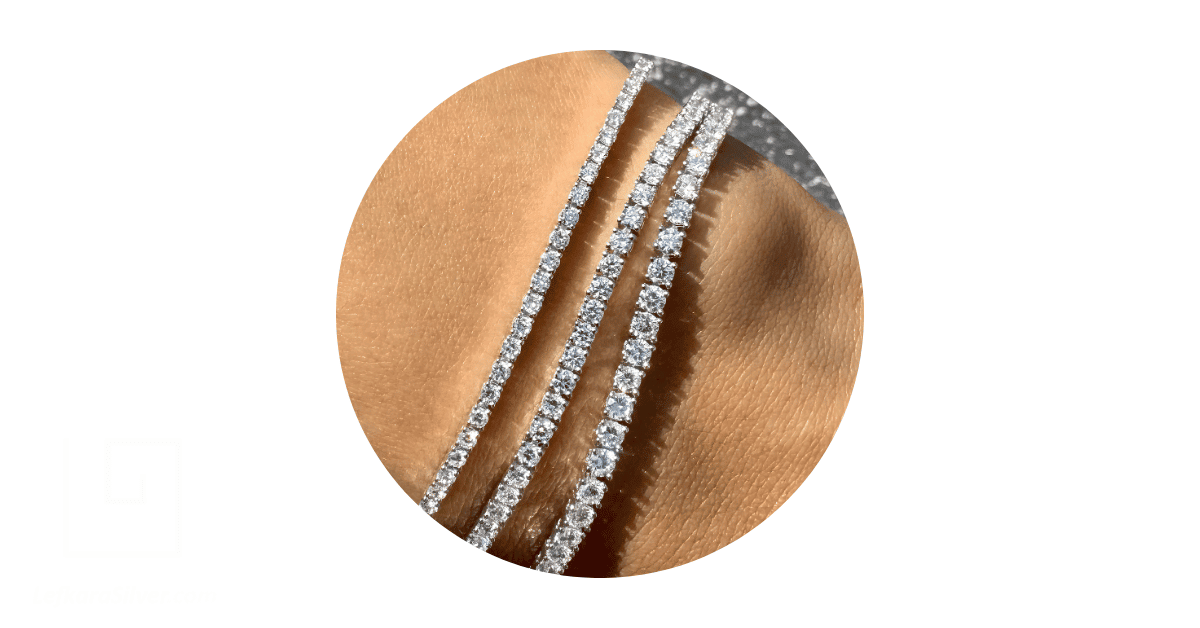
The bones of any tennis bracelet lie in its setting, which determines how those stones actually sit on your arm. You have three main settings here: prong, bezel, and channel. Prong settings use small metal claws to grip each stone, letting light hit the diamonds from almost every side for a lot of flash. Bezel settings wrap each stone in a metal frame, which keeps things smooth and modern. Channel settings tuck the stones between two rows of metal, so nothing sticks out. These choices change how the piece feels as you move around during a busy day.
If you’re always on the go or work with your hands, a bezel setting is best for you. It won’t snag on your knits and protects the stones from accidental bumps against your desk. If you prefer a timeless look, a round brilliant prong setting is the one to choose. It’s been the standard since the 1980s because it simply looks good with everything from a white tee to a cocktail dress.
If you want a bracelet that feels more current, check out emerald cuts. These long, rectangular stones create a very high-end, clean look. Emerald cut bracelets are often set in platinum or white gold because the cool tones help the clear stones stand out.
Tips for Layering Tennis Bracelets with Watches
Layering has turned from a niche fashion choice into the gold standard for wrist styling. It’s all about creating a stack that looks like it came together by accident, but actually took some creativity.
For women, the trick is to keep the proportions right so your jewelry isn’t fighting with your watch for space. If you have a slim, classic watch, a dainty bracelet with smaller carat weights sits perfectly next to it. Most stylists suggest wearing the bracelet on your non-dominant hand to keep it from getting hit or scratched while you work. You can also mix metals here without worry. A gold watch doesn’t need a gold bracelet. Mixing in silver or white gold makes the whole look feel more current and less like a matching set from a catalog.
Men are also leaning into this look, especially with larger, more technical watches. If you’re wearing a big dive watch, a small round-cut bracelet might get lost on your wrist. Instead, go for a baguette-cut or a chunky link style with stones. These have more weight and match the bold look of a steel or titanium watch face. A 5mm stone size is often the sweet spot for men’s bracelets, providing enough size to be noticed without feeling like it’s too much for a casual outfit.
Safety is the final piece of the puzzle you can’t ignore when stacking. When you’re wearing multiple pieces, make sure your bracelet has a safety latch to keep it secure. Also, keep an eye on pricing if you want to build a bigger stack; lab-grown stones often cost about 30% to 50% less than natural ones, letting you get a much larger look for the same amount of money.
What is the Average Price of a Real Tennis Bracelet?
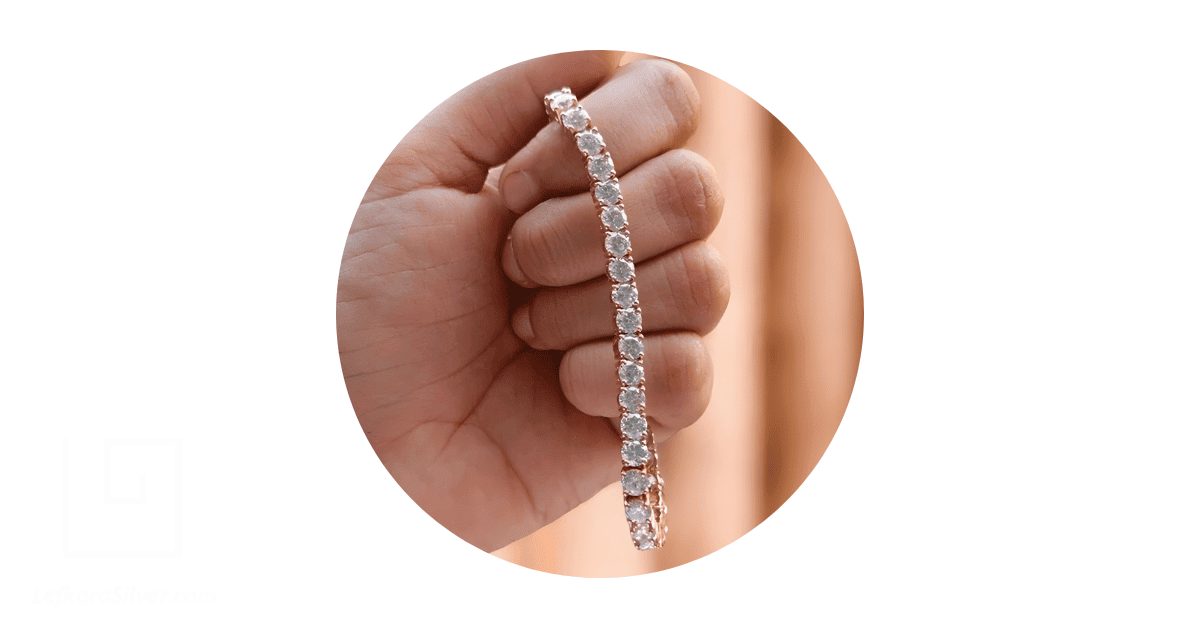
The price of a real tennis bracelet is all over the place. You might see one for $1,000 and another that costs as much as a luxury car. This gap happens because you aren’t just paying for one diamond; you are paying for dozens of them. Every single stone has to match the others in size and look, which takes a lot of work. If even one diamond is slightly off in color or clarity, the whole line looks messy.
Several parts of the bracelet change the final bill. The total carat weight (CTW) is the primary factor in the cost. This is the combined weight of all the diamonds in the line. A 3-carat bracelet usually costs more than a 1-carat one, but only if the diamond quality is the same. Most standard bracelets use between 50 and 60 diamonds, and matching that many stones for a uniform look is a specialized skill that adds to the price.
Metal choice also shifts the price. Platinum is the most expensive option because it is heavy and rare. Most people go with 14k or 18k gold to save a bit of cash while still getting a high-quality piece. White gold is a top pick for about 50% of buyers because it makes the diamonds look like one solid beam of light on the wrist.
- Entry-Level Bracelets ($1,000 – $3,000): These usually have a total weight of 1 to 2 carats. They often use 10k or 14k gold and smaller diamonds with a few visible inclusions.
- Mid-Range Bracelets ($3,000 – $10,000): This is where most people shop. You get 3 to 5 carats of stones with much better clarity and a whiter color.
- High-End Bracelets ($10,000 – $100,000+): These feature large diamonds, often over 0.20 carats for each individual stone, set in platinum or 18k gold.
- Lab-Grown Options: Choosing lab-grown stones can cut the price by 30% to 50% compared to natural ones. You get the same chemical makeup and look for much less money, which allows for a much larger stone size on the same budget.
The Best Tennis Bracelet for Men
Today, men look for pieces that won’t break if they’re active or at the gym. Stronger box clasps and thicker metal links are key for a guy’s everyday wear to make sure the piece stays put. The best ones for men tend to have a bit more weight and use different diamond shapes to look bolder.
- Round Cut Bracelets: This is the classic look. It uses circular diamonds and fits with almost anything in your closet. It is the safest bet if you are new to wearing jewelry.
- Baguette Cut Bracelets: These use rectangular diamonds. They have a sharp, geometric look that feels more modern.
- Black Diamond Bracelets: If you want something that stands out but feels a bit more “moody,” black diamonds are a great pick. They don’t flash like white diamonds, but they have a cool, solid look.
- Clustered Bracelets: These use groups of tiny diamonds to fill out the links. They give you a lot of surface area and look much bigger than they actually are for a better price.
Finding the right place to buy matters just as much as the style. Top stores include Blue Nile and James Allen because they have huge stocks and let you see the stones up close through high-quality photos. Brilliant Earth is also a great pick if you want to focus on recycled metals and ethical stones.
When it comes to styling, treat the bracelet like a base for your wrist. If you want to be bold, pair a yellow-gold bracelet with a dark leather watch strap. The goal is to make it look like you didn’t try too hard. Keep the bracelet loose enough that it can move a little, but not so loose that it slides halfway down your hand.
Tennis Bracelet Care & Maintenance
Buying a piece of jewelry like this means you want it to look great for decades, not just a few weeks. Cleaning your stones at home with mild soap and warm water every month stops dirt from making the diamonds look cloudy.
A soft-bristled toothbrush is your best tool for reaching the areas where skin oils and lotions usually build up. Since diamonds are the hardest natural material, they can easily damage your other gold or silver pieces if they touch. Store your bracelet in its own soft bag or a separate box to prevent it from scratching your other jewelry.
Keep your jewelry away from harsh household chemicals like bleach or hairspray, as these can weaken the metal. Taking your bracelet off before you go to the gym or do heavy cleaning stops the links from stretching or bending. Check the lock every time you put it on to ensure it clicks shut properly.
Final Thoughts on Tennis Bracelets in 2026
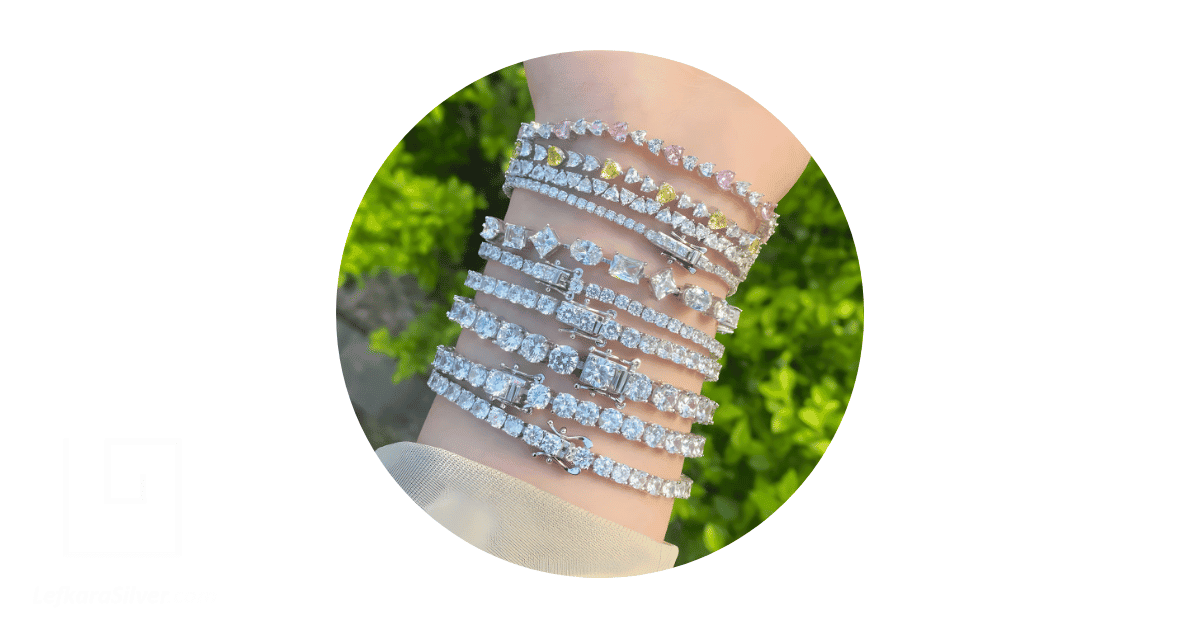
We covered the key facts and statistics on tennis bracelets for October 2026 and listed the 6 best adjustable tennis bracelets for all sizes. We also looked at the differences between a lab-grown and a natural diamond tennis bracelet and which karat weights of gold work best, including 10k, 14k, and 18k gold.
Whether you are looking for where to find silver tennis bracelets, how to choose the perfect tennis bracelet style for you, or tips for layering tennis bracelets with watches, this guide has the answers.
We even explored the average price of a real tennis bracelet, the best tennis bracelet for men, and the best ways to handle tennis bracelet care and maintenance.
These are some important points to have at the tip of your fingers:
- The name “tennis bracelet” stuck in 1987 after Chris Evert stopped a U.S. Open match to find her broken diamond bracelet.
- A typical mid-range diamond tennis bracelet in 2026 costs between $3,000 and $7,000.
- White gold stays the top metal choice, used in about 50% of all tennis bracelets sold today.
- Lab-grown diamonds currently offer a 30% to 50% price saving compared to natural stones of the same size.
- Most quality bracelets feature a total weight of 3 to 5 carats of diamonds.
- The average women’s bracelet size is 7 inches, though many people now buy adjustable links for a better fit.
This article was last updated in October 2026.
Tennis Bracelet FAQs
Here are answers to some frequently asked questions about tennis bracelets in 2026:
Why Do They Call it a Tennis Bracelet?
This name took off after a 1987 US Open match. Tennis pro Chris Evert lost her diamond line bracelet on the court. She stopped the game to find it while millions watched. Now, these flexible diamond strands carry that sporty nickname.
How to Pick a Tennis Bracelet?
Start by checking the 4-prong or bezel setting for security. Most women find a 7-inch length fits best. Look for a double-safety clasp to prevent loss. You should also verify the Carat Total Weight to know exactly what you pay for.
Why Buy a Tennis Bracelet?
These pieces work for everything from gym clothes to gala gowns. Roughly 65% of women view them as the best tool for layering jewelry. They often keep their value well over time. A single bracelet usually features 50 to 60 diamonds, creating a solid line of light.
Why Are Tennis Bracelets So Expensive?
You pay for a high volume of gems and labor. A single piece often holds over 50 matched diamonds. Jewelers spend hours hand-setting each stone into 14k gold or platinum links. Prices often start around $2,500 because of raw material costs and work time.