What is a Vintage Filigree Ring?
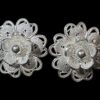
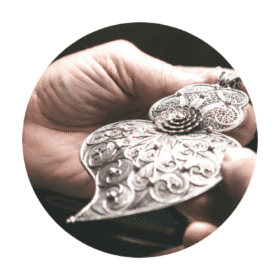
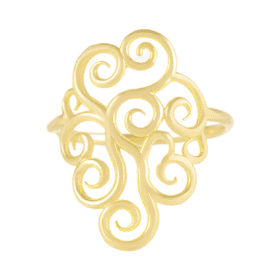
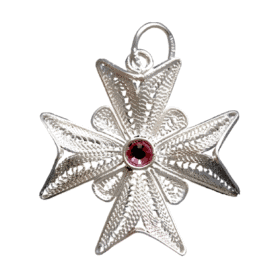
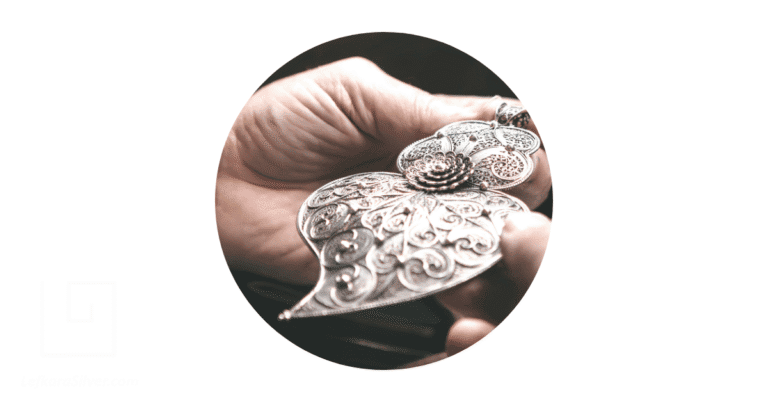
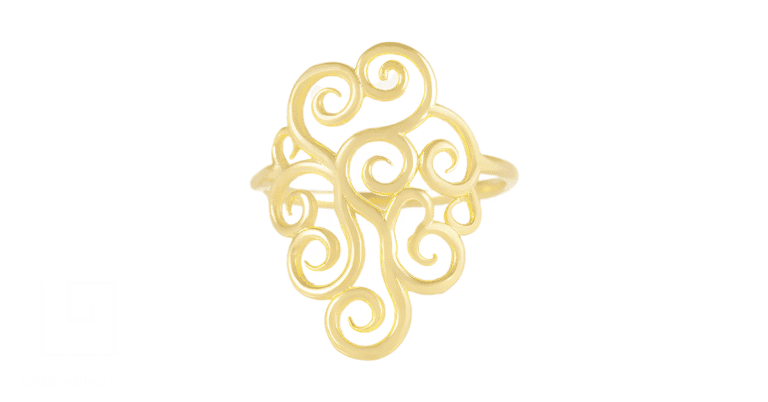
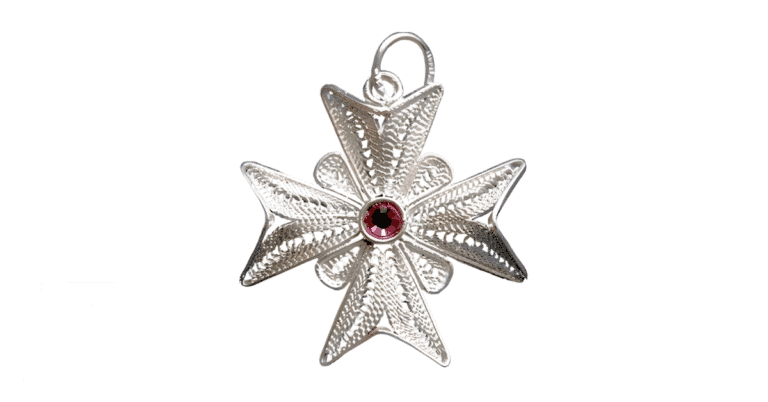
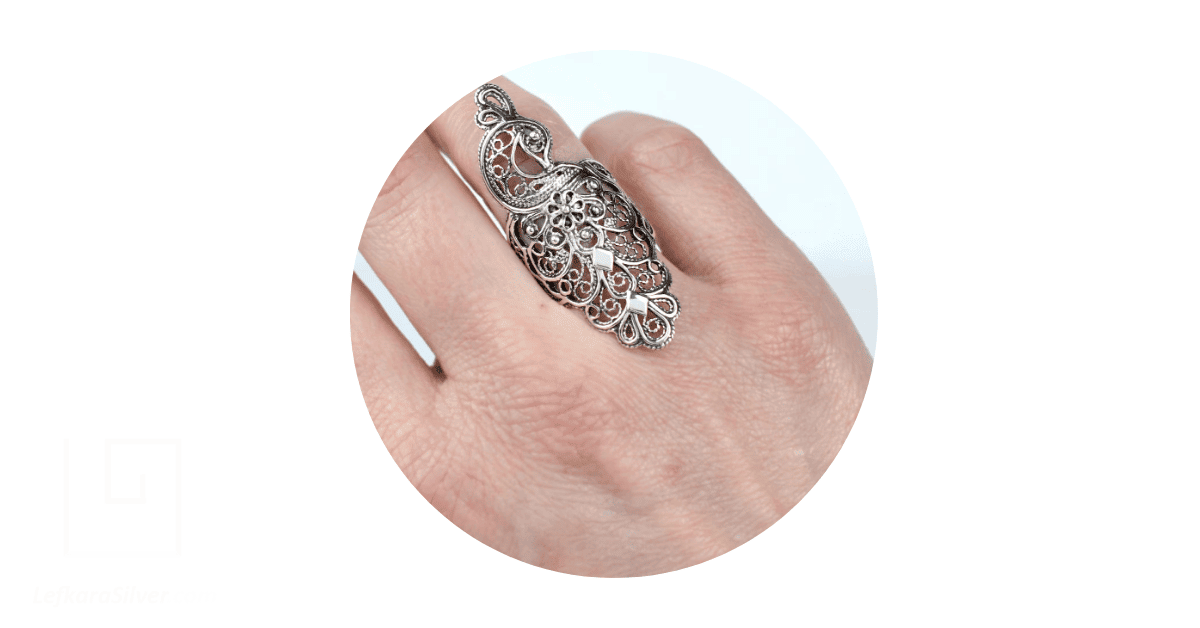
A vintage filigree ring is a piece of jewelry that comprises fine metalwork made by twisting, curling, and soldering very thin metal wires into detailed, lace-like patterns. These delicate designs often resemble scrolls, leaves, flowers, and geometric patterns, giving the jewelry a light, airy look with a handcrafted feel. Dating back thousands of years, this technique reached its peak during the Edwardian and Art Deco periods, and is now highly sought after by people who appreciate history and fine workmanship.
In this guide, we will look at the 8 best stores for buying vintage filigree rings, the different types of antique filigree rings, and the best metals for vintage filigree rings. We’ll also discuss how to choose the right vintage filigree ring settings, what to consider when buying a vintage filigree ring for women, and the differences between vintage-style vs real vintage filigree rings.
Additionally, we will share how to buy vintage filigree rings on a budget, how designers are recreating vintage filigree pieces with a modern touch, the pros and cons of vintage filigree rings, and essential care tips for vintage filigree jewelry. All information in this article is up to date as of October 2026.
To better understand the filigree craft, you can read more about its origins.
8 Best Stores to Buy Vintage Filigree Rings
Finding an original vintage filigree ring requires careful research because many pieces sold online are modern, vintage-style recreations rather than genuine vintage. While vintage-style rings can be beautiful, they lack the historical character and old-world workmanship of a piece that has survived for nearly a century.
Our team has conducted thorough research to identify the best stores selling authentic vintage filigree rings that meet strict standards of quality and historical legitimacy.
1. Estate Diamond Jewelry
Based in New York City’s Diamond District, this family-owned store has operated for over forty years. They specialize in rare, original antique and vintage jewelry from the Victorian, Edwardian, and Art Deco eras. Their collection includes a wide array of genuine filigree rings that their experts personally select and inspect.
The average price of an authentic vintage filigree ring at this store ranges from $1,500 to over $15,000, depending on the size and quality of the central gemstone and the rarity of the metalwork. They offer free overnight shipping and a generous return policy, making them a very reliable option for a major purchase.
2. Lang Antiques
Operating in San Francisco since 1969, this store is a cornerstone of the antique jewelry world. They have a massive inventory of over 600 vintage engagement rings, including many detailed filigree pieces. Their in-house gemologists inspect each ring under a microscope to confirm its age and check for any wear on the metal or stones before it goes up for sale.
Prices at this shop start around $700 for simpler designs and can go up to $15,000 or more for rare platinum pieces from the early 1900s. Their team is known for being highly knowledgeable, and they provide detailed histories for their rings, which helps buyers know exactly what they are getting.
3. Lefkara Silver
This specialty shop offers genuine, handmade sterling silver filigree rings crafted in Cyprus. Their local artisans use traditional methods passed down through families for generations, twisting ultra-fine silver threads by hand.
Typical prices are highly affordable, ranging from $50 to $350, making this an exceptional option for buyers on a budget who still want authentic, handcrafted wirework. Their pieces focus on the raw beauty of the silver patterns without relying on heavy gemstones.
4. Filigree Jewelers
This shop is run by co-owners who find and restore one-of-a-kind vintage rings. They treat antique jewelry like art and focus on repairing worn metalwork so that these historic rings are ready for daily wear. Their selection features many pieces from the Art Deco and Edwardian periods.
Typical prices for filigree rings here range from $1,000 to $10,000, depending on the complexity of the pattern and the materials used. They are highly rated for their personal service, helping clients find rare items that match their style and daily activities.
5. Andria Barboné Jewelry
This New York-based jeweler, formerly known as Victor Barboné, focuses on beautiful antique rings, particularly those featuring old European and old mine cut diamonds. Their collection of vintage filigree rings is full of romantic details, featuring intricate settings that look soft and feminine.
The price point for their curated pieces is generally higher, usually starting around $3,000 and reaching well over $20,000 for rare collector’s items. Each ring is a unique piece of history, selected for its individual charm and handcraft quality.
6. Brilliant Earth
While widely known for their modern, ethically sourced jewelry, this retailer also features a dedicated section for original estate and vintage rings. Their vintage inventory rotates frequently and includes authentic filigree rings from the late 19th and early 20th centuries.
Typical prices for their genuine vintage filigree rings run from $1,200 to $8,000. Buyers get the benefit of a large, trusted retail brand, including secure shipping and professional appraisals, alongside the charm of a one-of-a-kind antique.
7. Fetheray
Based in the United Kingdom, this shop specializes in sourcing unique antique and vintage rings from past centuries. Their collection highlights the transition of styles from the floral details of the Victorian era to the clean, structured shapes of the Art Deco era.
Prices for their vintage rings typically range from $800 to $6,000, depending on the metal and the condition of the setting. They provide clear, close-up photos and honest grading of each piece, ensuring international buyers can shop with confidence.
8. Antique Jewelry Mall
This online retailer has spent decades building a collection of vintage and antique rings, with a special emphasis on Edwardian and Art Deco filigree. They carry a mix of original estate pieces and detailed replicas made from historical molds.
Their authentic vintage filigree rings generally cost between $1,000 and $7,500. They provide thorough descriptions that clearly distinguish between real antiques and vintage-style reproductions, helping buyers make informed choices.
Different Types of Antique Filigree Rings
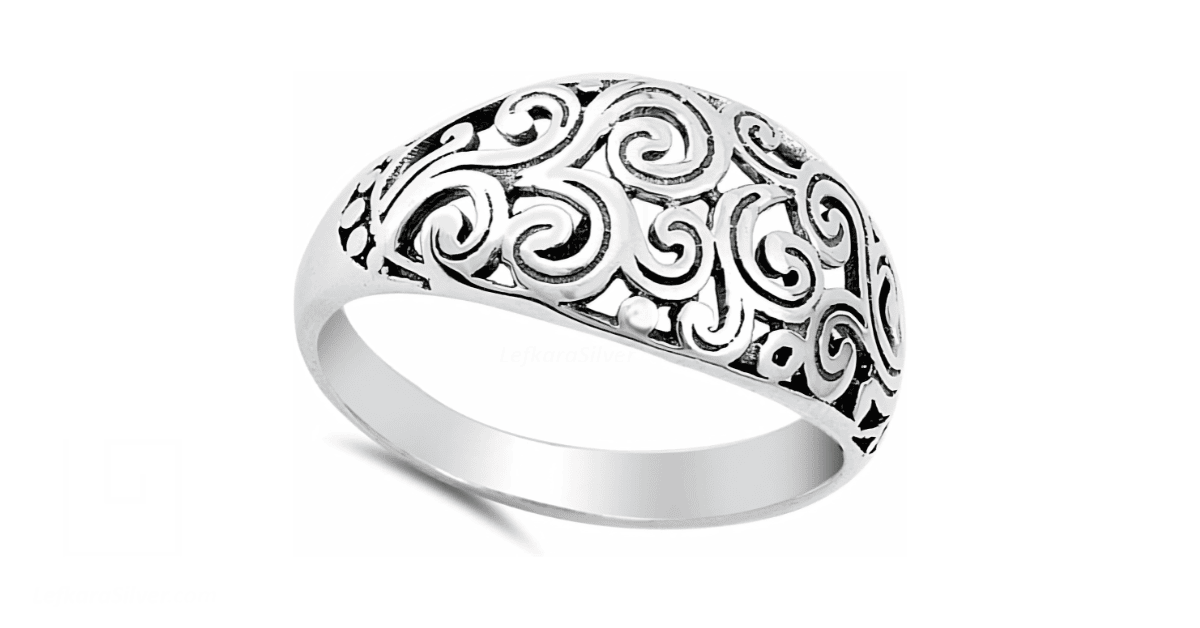
To be labeled antique, a ring must be at least 100 years old. If it is younger than that but has passed the 20-year mark, it falls into the vintage category. Knowing this helps you when you browse estate shops or look for vintage filigree engagement rings online.
When we talk about antique filigree rings, we are looking at a style that spans several distinct design movements. Each era brought its own look to this ancient metalworking technique.
Edwardian Filigree Ring
The Edwardian era, running from 1901 to 1910 under King Edward VII, is often seen as the high point of fine metalwork. Jewelers from this time loved light, airy designs that looked like lace.
They achieved this because of a major shift in materials: platinum became widely available. Because platinum is incredibly strong, Edwardian jewelers could stretch it into super-thin wires to create openwork patterns that did not break.
If you look closely at an Edwardian ring, you will see a lot of scrolls, floral motifs, and garland patterns. You will also see milgrain, which refers to tiny metal beads applied to the edges. This combination created a soft, romantic look that remains highly sought after today.
Art Deco Filigree Ring
The 1920s and 1930s brought a completely different vibe. Art Deco was all about the future, speed, and machines. Jewelers threw out the swirling vines and flowers of the past.
Instead, they focused on clean, straight lines, sharp angles, and repeating geometric shapes. You will see filigree shaped into triangles, hexagons, and symmetrical patterns.
Art Deco pieces also loved high contrast. Jewelers often paired white metals like platinum with bright, colorful gemstones like blue sapphires, green emeralds, and red rubies. This style feels structured and bold, making it suitable if you want something with a bit of an architectural edge.
Victorian Filigree
The Victorian era, which lasted for most of the 1800s, drew heavy inspiration from nature. Early Victorian jewelry featured motifs of leaves, flowers, and romantic symbols. During this time, gold was the main choice because it was soft and easy to work with, by hand. A special style you will find in Victorian pieces is Cannetille.
Unlike standard flat filigree, Cannetille is three-dimensional. Cannetille uses coiled metal wires to build up raised, textured patterns that resemble heavy embroidery. This gives Victorian rings a very rich, tactile quality that stands out from the flatter styles of later years.
The Best Metals for Vintage Filigree Ring – Gold, Silver & More
The traditional process of making a filigree ring is highly detailed. A jeweler begins by stretching a piece of precious metal into a thin wire, often thinner than a paperclip. The jeweler then twists and curls these wires into patterns by hand. Once the design is ready, these tiny pieces are joined together using a hot flame in a process called soldering.
This can be done in two ways: openwork filigree, where the wires are soldered directly to one another with no backing, or metal-supported filigree, where the wires are soldered to a solid sheet of metal. Because this work is so delicate, the choice of metal makes a massive difference in how the ring holds up over time.
The best metals used for vintage filigree rings include the following:
Platinum
When it comes to durability and holding fine detail, platinum is the best option. It is a dense, strong metal that does not wear away easily. Because of its strength, jewelers can make incredibly thin wires that still hold their shape for decades.
Platinum does not warp or bend easily, which means the delicate lace-like patterns are highly protected from daily wear. It also keeps its cool, white color forever without needing to be plated, making it a reliable and classic choice for daily wear.
Gold
Gold has been used for centuries because it is soft enough to shape by hand without snapping. However, pure 24-karat gold is far too soft for delicate filigree work. For the best balance of workability and strength, 18-karat or 14-karat gold is used.
White gold, yellow gold, and rose gold all offer different visual options. White gold became highly popular in the 1940s and works well to make diamonds look brighter, while rose gold offers a warm, romantic pink tone.
If you are shopping for a gold piece, 18-karat gold is usually the preferred choice because it holds up well over time while maintaining a rich color.
Sterling Silver
Silver is a budget-friendly option that has a long history in filigree work. It is very soft and easy to shape into highly detailed designs. However, silver has a few major downsides for daily wear. Sterling silver is prone to bending, scratching, and tarnishing over time. It requires much more cleaning and maintenance than platinum or gold. While it is acceptable for occasional wear or as a statement piece, it is generally not recommended for an everyday ring, such as an engagement ring.
Choosing the Right Vintage Filigree Ring Settings
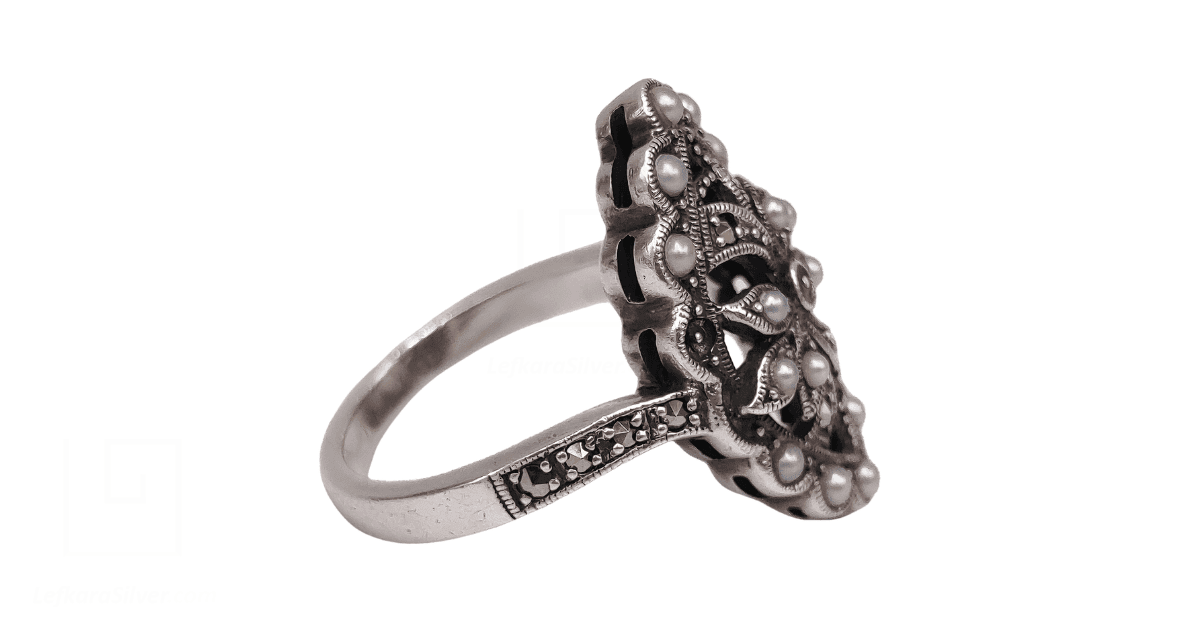
Selecting the setting for a vintage-style ring is all about balancing daily habits with visual appeal. The two main setups are openwork and metal-supported designs. Openwork is the classic vintage look; it is made entirely of connected metal threads with no solid backing. Because it lets light pass from every direction, the design looks incredibly airy. However, because there is no metal plate underneath, it is also fragile.
If you want a ring for daily wear, a metal-supported setting is a safer bet. In this setup, the delicate metal threads are soldered directly onto a solid sheet of metal. This provides extra strength and keeps the fine details from catching on clothes or bending during physical work.
When matching these settings to different metals and events, the era of the design plays a huge role. For formal events or a classic bridal look, Edwardian-style scrollwork or lacework settings in platinum are unmatched. Platinum is the strongest and most reliable metal for filigree, allowing makers to pull out incredibly fine details that remain sturdy for decades.
If you prefer gold, go for 18k or 14k white, yellow, or rose gold. Yellow gold works beautifully for warm, nature-inspired Art Nouveau floral designs, while white gold pairs wonderfully with cool, sharp Art Deco geometric lines. If you are picking a piece for someone with an active lifestyle, stick to geometric, metal-supported patterns that keep the wirework low to the finger.
What to Consider When Buying Vintage Filigree Ring for Women?
Buying a vintage filigree ring for the woman in your life can sometimes feel like rocket science. With thousands of years of design history and complex metalwork choices to weigh, it is easy to get stuck trying to spot the difference between a high-quality heirloom and a cheap imitation.
Here are some tips that would help you make the right choice:
- Check the metal type carefully. Avoid 24k gold because it is too soft to hold thin metal wires in place over time. Platinum is the absolute best for durability, while 18k or 14k gold is a great, practical choice. Sterling silver is a budget-friendly option, but it bends easily and tarnishes quickly, requiring far more upkeep.
- Examine the soldering quality. High-quality filigree should have clean, neat solder joints that look seamless. If the solder looks too thick or sloppy, it can ruin the design; if it is too weak, the wires will pop loose.
- Match the design to her personal style. Some women love dramatic, intricate patterns, while others prefer clean and simple bands. If her wardrobe is highly modern or minimalist, a bold, scrolling Edwardian ring might clash. In that case, look for subtle geometric Art Deco styles or a simple band with minimal wirework.
- Balance the size of the center stone. A massive diamond or gemstone can completely bury the fine metalwork around it. Small-to-medium center stones, or colorful gems like sapphires, usually sit much better alongside delicate wires, allowing both the stone and the metal patterns to share the spotlight.
- Look closely for signs of wear and tear. Authentic vintage rings have lived past lives, which means they might have thin bands, loose stones, or bent wires. Always ask a trusted jeweler to inspect the structural integrity of the piece, especially if she plans to wear it every single day.
- Understand the upkeep requirements. Filigree has lots of tiny spaces where dust, soap, and grease can build up. Skip ultrasonic cleaning machines and abrasive cloths, as they can easily snap the delicate wires. Instead, clean it gently at home using warm water, mild dish soap, and a very soft toothbrush.
- Decide between handmade and modern CAD designs. Handmade vintage pieces hold far more unique charm and character, but modern CAD (computer-aided design) and laser-cut rings are much tougher and more uniform. If you want a daily-wear ring that stands up to rough use, a modern vintage-style recreation might be the smarter path.
Vintage-Style vs Real Vintage Filigree Ring
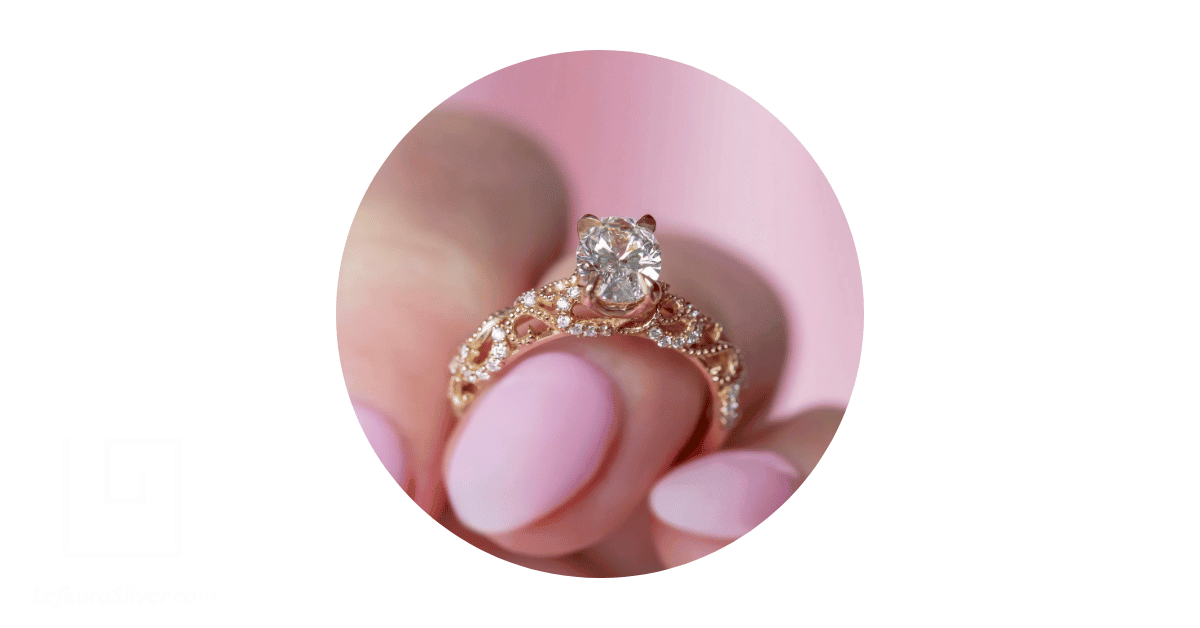
When shopping for a filigree ring, you will run into two main terms: vintage-style and real vintage. Vintage-style rings are brand new. Jewelers make them today, often using modern tools such as 3D printing, casting molds, or lasers to replicate old designs. They may look old, but you can always tell that they are new.
Real vintage rings are the real deal. They are actually old; usually defined as at least 50 years old, while those over 100 years old are considered antiques. These pieces were made by hand decades ago by past bench jewelers who spent hours shaping and soldering metal wires.
| Real Vintage Filigree | Vintage-Style Filigree |
|---|---|
| Crafted entirely by hand using hand tools | Made using modern CAD, casting, or lasers |
| Truly one-of-a-kind with minor human variations | Highly uniform and easily replicated |
| High-quality platinum or 18k gold | 14k gold, sterling silver, or lower-grade alloys |
| Holds historical weight and green credentials | No historical value, but easily replaced if lost |
| May have existing metal thinning or loose joints | Brand new, structurally sound, and easier to size |
Your choice depends on what matters most in your daily life. If you want a piece of history with a story, real vintage is your best bet. It is also an eco-friendly option since it requires no new mining. If you want something sturdier for daily wear that you can easily resize, a modern vintage-style piece offers better durability and a lower price tag.
How to Buy Vintage Filigree Rings on a Budget?
Genuine vintage filigree rings can be expensive because of the intense labor involved in making them and the history surrounding their existence. However, you do not need to spend a fortune to own one.
Here are practical ways to find an affordable piece without sacrificing quality:
- Look for alternative center stones. Diamonds drive up the cost of any ring. Opting for colored gemstones like amethyst or garnet can cut the price of a vintage ring by up to 50%. If you want a blue stone, sapphires are highly durable and vintage settings frequently pair them with small diamond accents.
- Choose gold over platinum. While platinum was the favorite metal of the Edwardian era because of its strength, 14k or 18k white gold gives you a similar look for a fraction of the cost. White gold is also highly durable for everyday wear.
- Check estate sales and local pawn shops. Big jewelry retailers mark up vintage items significantly. You can often find jewelry at 30% to 50% below retail prices by shopping at estate liquidations, pawn shops, or online peer-to-peer marketplaces. Just make sure to ask for an independent appraisal.
- Focus on metal-heavy designs over stone-heavy ones. Filigree is beautiful on its own. Choosing an all-metal filigree band or a ring with very small accent stones is a highly cost-effective way to get the vintage look. This highlights the craftsmanship of the metal wirework rather than the carat weight of a stone.
Recreating Vintage Filigree Pieces with a Modern Touch
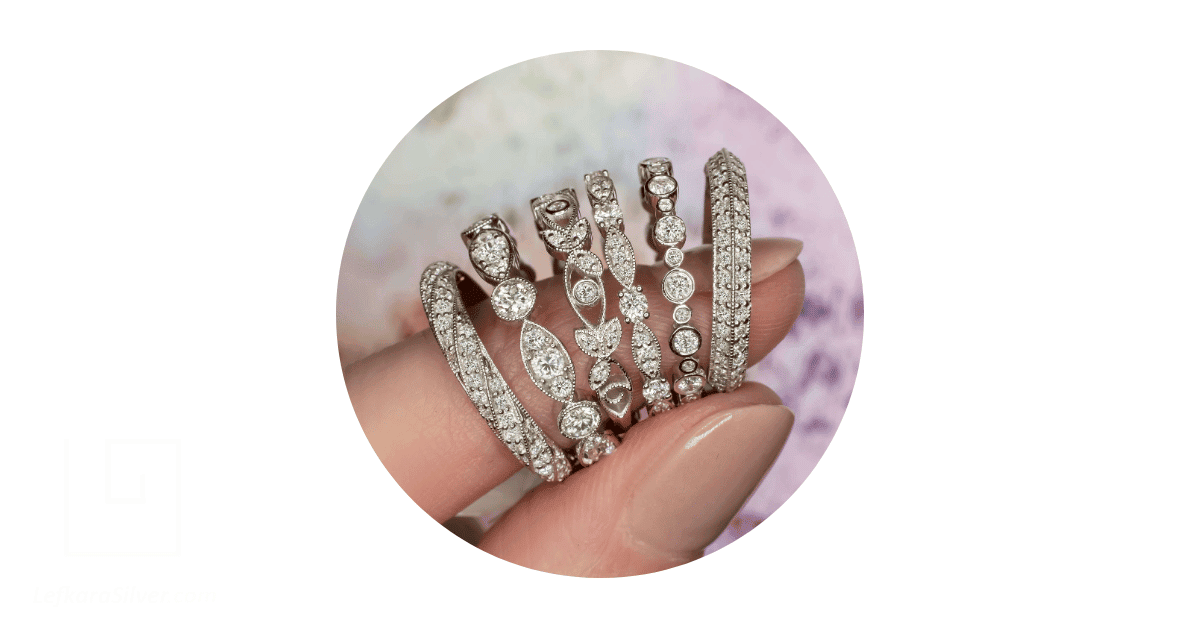
Although vintage filigree is loved for its history and the old-world techniques used to make it, modern jewelry lovers can always recreate these vintage designs while infusing them with a modern touch. Combining vintage style with modern techniques gives you a ring that is both sturdy and full of character.
Here is a step-by-step guide to recreating a vintage filigree ring in 2026:
Map Out the Layout with CAD:
Instead of drawing by hand, start with computer-aided design (CAD) software. This tool lets you build a digital model of the ring to make sure the structure is balanced and strong.
Select a Strong Metal:
The metal you choose affects how long the ring lasts. Platinum is the strongest option for fine details because it resists bending and holds its shape for decades. If you prefer gold, 18k gold is the best choice because it is workable but still tough enough to protect the fine details.
Print a 3D Wax Model:
Once the digital design is set, print a highly accurate wax model. This model is used to cast the main metal frame of the ring, ensuring a smooth and accurate base.
Form the Fine Metal Threads:
An artisan draws the chosen metal into thin wires, often thinner than a paperclip. The jeweler twists and curls these wires into classic shapes like scrolls, leaves, or geometric lines.
Solder and Assemble:
Instead of old-fashioned torches, modern workshops use precise lasers to weld the delicate wires to the ring base. This keeps the solder joints neat, tiny, and nearly invisible.
Apply Milgrain and Set the Stones:
Finish the piece by adding milgrain, which is a row of tiny metal beads, along the borders. Then, set your stones. Choosing trendy options like teal sapphires mixes classic metalwork with a fresh color palette.
Pros and Cons of Vintage Filigree Rings
Vintage filigree rings have upsides and a few downsides that you should know before making a purchase. Knowing both sides of the coin helps you pick the right piece for your style and daily life.
The Perks of Vintage Filigree Rings
There are many reasons why antique filigree is so popular. If you want a ring that feels personal and stands out from standard modern styles, here are the main benefits:
- History and Craftsmanship: These rings represent eras of incredible craftsmanship, especially from the Edwardian and Art Deco periods. Many older pieces are completely handcrafted by master jewelers who spent hours shaping each wire.
- Affordable Detail: Filigree is a clever way to add detail to a ring without buying heavy, expensive gemstones. It adds depth and texture using metal alone, making it friendly on your wallet.
- Eco-Friendly Choice: Opting for a vintage ring is a great way to go green. Since the ring already exists, it requires no new mining or shipping, which helps protect the environment.
- Conflict-Free Peace of Mind: Because true vintage rings were made long ago, they are not linked to modern conflict diamonds. You can wear your ring knowing it has a clean past.
- Visual Trick: The intricate patterns and open space draw the eye in, making the center stone appear larger than its actual carat weight.
Cons of Vintage Filigree Rings
While these pieces are beautiful, they do come with some practical challenges that you need to consider:
- Delicate Structure: Because the metal wires are so thin, filigree is fragile. Openwork filigree is especially delicate and can easily bend, snap, or snag on knitted clothes if you lead an active lifestyle.
- Hard to Clean: Dirt, soap, and skin oils love to settle into the tiny, lace-like openings. To keep it clean, soak it in warm, soapy water for 10 to 15 minutes, then brush it gently. You cannot use fast-cleaning tools like ultrasonic cleaners, as they can loosen delicate wires or break soft stones.
- Matching and Sizing Struggles: Finding a wedding band that fits perfectly against an ornate, curved filigree ring can be very difficult. Resizing these rings is also highly complex and requires an expert jeweler, which can add to your costs.
- Wear and Tear: True antique rings have been worn for decades. They often come with worn-down metal, thin prongs, or loose solder joints that might need immediate, expensive repairs.
Care Tips for Vintage Filigree Jewelry
Keeping your vintage filigree rings safe and clean is a step you cannot skip. Proper storage and cleaning keep your pieces fresh and beautiful, preventing them from wearing out, tarnishing, or snagging on your clothes.
Because filigree relies on ultra-thin metal wires twisted together, it has plenty of tiny gaps where dust, soap, and dirt love to hide.
Here are the best ways to care for your rings:
- Take it off before you garden, work out, or clean the house. Rough contact can easily bend the delicate wires or catch on fabrics.
- Keep your ring out of the shower. Soap leaves a dull film inside the tiny metal gaps, which blocks light and makes the metal look flat.
- Keep your rings far away from chlorine, bleach, and strong household cleaners.
- Clean your ring with a gentle soap. Mix lukewarm water with a drop of mild dish soap. Let the ring sit for 15 minutes, then use a soft-bristled toothbrush to gently clear away dirt.
- Always air-dry your jewelry on a clean paper towel. Wiping filigree with a cloth can cause tiny threads to snag and pull the metal wires apart.
- Store your pieces separately. Keep your ring in a soft pouch or its own compartment. This stops harder gemstones from scratching the delicate metal details.
- Get a professional checkup once a year. A jeweler can inspect the solder joints and settings to ensure everything remains secure over time.
Final Thoughts on Vintage Filigree Rings
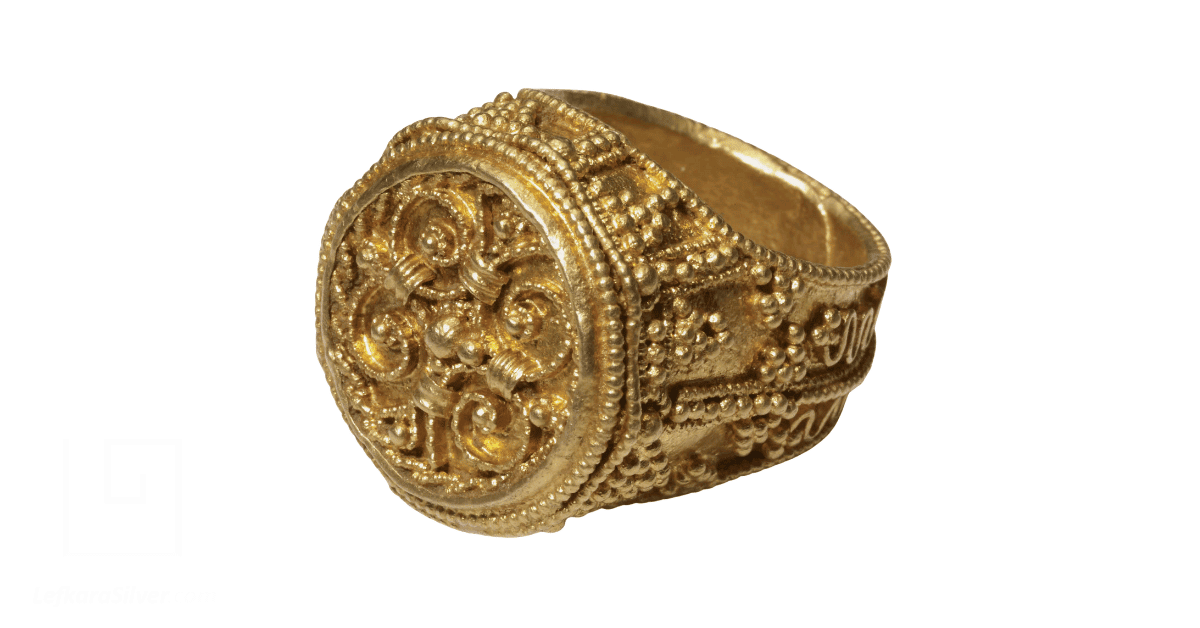
From finding the 8 best stores to buy vintage filigree rings to identifying the different types of antique filigree rings, we’ve covered basically every detail you need before making a vintage filigree ring purchase.
We also looked at the best metals for vintage filigree rings, like gold, silver, and platinum, and how to go about choosing the right vintage filigree ring settings to match your personal style.
Whether you are weighing what to consider when buying a vintage filigree ring for women, comparing vintage-style vs real vintage filigree rings, or figuring out how to buy vintage filigree rings on a budget, you now have the facts.
Here are some of the most interesting facts to keep in mind:
- Filigree metalwork dates back over 5,000 years, with some of the earliest examples found in ancient Mesopotamian and Greek civilizations.
- The word filigree comes from the Latin words “filum” (thread) and “granum” (grain), which directly describes the use of thin metal wires and tiny beads.
- Platinum was the favorite metal of the Edwardian era because its extreme strength allowed jewelers to build highly detailed, lace-like patterns that lasted for decades.
- True openwork filigree has no solid backing, relying entirely on wires soldered together, which makes it much lighter and airier than metal-supported designs.
- Handcrafted vintage rings are inherently eco-friendly since they do not require new mining, shipping, or metal processing.
- Modern jewelers often use computer-aided design (CAD) and laser welding, but many buyers still prefer the look of hand-shaped antique work.
This article was last updated in October 2026. Follow our website, LefkaraSilver.com, to stay informed about new jewelry offers, news, and buying guides!