Getting Started with Custom Jewelry
Shopping for accessories used to mean picking whatever was sitting in a glass case at the mall. Those days are over. People now want pieces that actually mean something, which is why making your own items has become the new standard. Whether you want to turn an old family ring into something fresh or start from a blank page to celebrate a big win, the options are wider than ever. This guide brings you the latest facts and methods as of October 2026.
We will review key statistics on custom jewelry, walk through the 7 easy steps of the custom jewelry design process, and explore the different types of custom jewelry you can make. You will also get the details on the latest custom jewelry trends and how to go about creating personalized jewelry with names.
You will also find the best custom jewelry websites online, pick out practical custom jewelry boxes, and get real about the money. Finally, we will answer the question on everyone’s mind: how long does it take to design custom jewelry?
Custom Jewelry Key Statistics – October 2026
The market for personal custom jewelry is growing fast as more people skip mass-produced items for pieces that feel intimate.
- Recent data shows that 45% of younger adults are now actively looking for ways to personalize their next big jewelry purchase.
- The global market for these personal items is on a path to reach a value of $118.07 billion within the next few years.
- Industry growth is holding steady at a rate of 7.3% each year, specifically across the European market.
- Most reputable online shops now offer a 60-day window for returns to give buyers more confidence when ordering unique pieces.
- While prices vary, the cost for a standard custom-made ring usually falls between $500 and $2,000.
- For more complex work, like high-end engagement rings, the price tag often goes above $25,000 depending on the stones.
- About 99% of people who start the digital design phase with a pro jeweler end up finishing the project and buying the piece.
- The standard wait time for most custom projects currently ranges from 4 to 6 weeks from the first talk to the final delivery.
- Leading ethical brands have moved to using 100% recycled gold to meet the demands of eco-conscious shoppers.
- Digital tools now allow 360-degree views of diamonds, making it possible to pick the perfect stone without ever visiting a physical store.
7 Easy Custom Jewelry Design Process
Mass production pumps out thousands of identical items using machines, but custom work requires a much higher level of skill and time. Each piece starts from zero, meaning a jeweler must think about weight, balance, and metal strength for a single specific person. This isn’t just about putting a stone in a pre-made hole; it’s about building a structure that can hold up for decades. Understanding how these steps work helps you talk to your jeweler so you get the exact look you want.
Before you start, you should have a basic idea of your budget and the metals you like. You are the co-creator here, so your feedback is the most important part of the entire method.
1. Initial Consultation and Mood Boards
The first step is a simple talk where you share your ideas. You don’t need to be an artist; you can bring in photos, old family pieces, or even a rough drawing on a napkin. The jeweler will ask about your lifestyle, like if you work with your hands, to make sure the design is sturdy enough for daily use.
During this talk, you’ll settle on the big choices like the type of metal and the main stones. You’ll also get a price estimate here, so there are no surprises later.
2. Concept Sketches and Refinement
Once the jeweler understands your style, they will create hand-drawn sketches or basic digital outlines. This is where you see your ideas start to take a real shape. You can look at these drawings and ask to change the width of the band or the way the stones sit.
It is much easier to change a drawing than it is to change a piece of metal, so don’t be afraid to speak up. The goal is to get a clear picture of the final product. This stage usually takes about a week as you and the designer go back and forth on the small details.
3. Building the 3D CAD Model
After you like the sketches, the jeweler uses Computer-Aided Design (CAD) software to build a 3D model. This digital version shows you the piece from every angle with perfect measurements. You can see exactly how much the metal will weigh and how the stones will fit into their settings.
Most professional custom jewelers now use CAD because it allows for a level of precision that hand-carving can’t match. You can even see a digital version of the piece on a hand to judge the scale. Once you give the green light on this digital model, the project moves from the computer to the real world.
4. Reviewing the Wax Prototype
The jeweler then uses a 3D printer to turn that digital model into a physical wax prototype. This is a big moment because you can actually hold the design in your hand. You can try on a wax ring to see if it feels too bulky or if the height of the stone is what you expected.
If the wax model doesn’t feel right, the jeweler can go back to the CAD file and fix it. Testing a wax model can save you from costly mistakes in the final metal casting. This physical check is the last chance to make big changes before the metal is poured.
5. Metal Casting and Fabrication
Once you approve the wax, the jeweler uses a method called “lost wax casting.” They put the wax model in a mold, melt the wax out, and pour in molten gold, platinum, or silver. When the metal cools, the jeweler breaks the mold to reveal the raw version of your jewelry.
This raw piece is rough and needs a lot of work. The jeweler will cut off any extra metal and start the hand-assembly process if the piece has multiple parts. This is the stage where the “heirloom” quality starts to show, as the jeweler uses heat and tools to shape the metal into its final form.
6. Stone Selection and Hand Setting
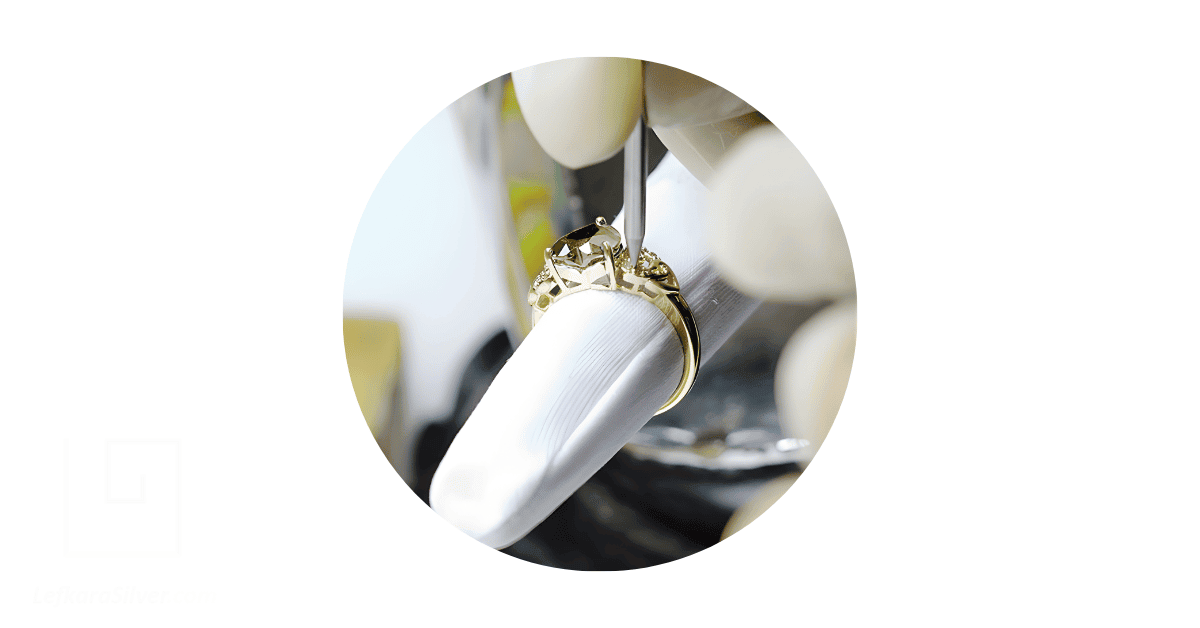
If your piece has diamonds or gems, this is when they are put into place. You might have picked your stones earlier in the process, checking their cut, color, and clarity. The jeweler carefully carves out the metal to fit each stone perfectly, ensuring they are secure.
Setting stones by hand is a slow process that requires a microscope and a steady hand. Whether it is a single large stone or fifty small ones in a pavé style, each one must be level and tight. This ensures that your gems won’t fall out during normal wear.
7. Final Polishing and Quality Check
The last step involves using different buffing wheels and polishing compounds to give the metal its shine. If you asked for a matte finish or a special texture like hammered metal, the jeweler adds those details now. They also perform a final “stress test” on all the stones to make sure nothing is loose.
After the final polish, the piece is cleaned in an ultrasonic bath and inspected one last time. When you finally pick it up, you’ll get a piece built specifically for you.
For an even more personal touch, consider adding birthstone jewelry to your collection.
Types of Custom Jewelry
For a long time, custom jewelry was only for the very wealthy or for royalty who needed signet rings to seal letters. Over the last few hundred years, it has turned into a way for anyone to tell their own story. As tools like 3D printing became common, the quality of these pieces went up while the time it takes to make them went down. Today, people choose custom pieces because they want better materials and more meaning than what a mall store offers.
The quality of custom work is usually higher because a single person is responsible for the whole piece. They aren’t rushing to finish a thousand items on a factory line. Instead, they focus on things like the thickness of the prongs and the smoothness of the inside of a band. This attention to detail is why custom jewelry often becomes a family heirloom passed down for years.
Custom Necklace – Design Ideas
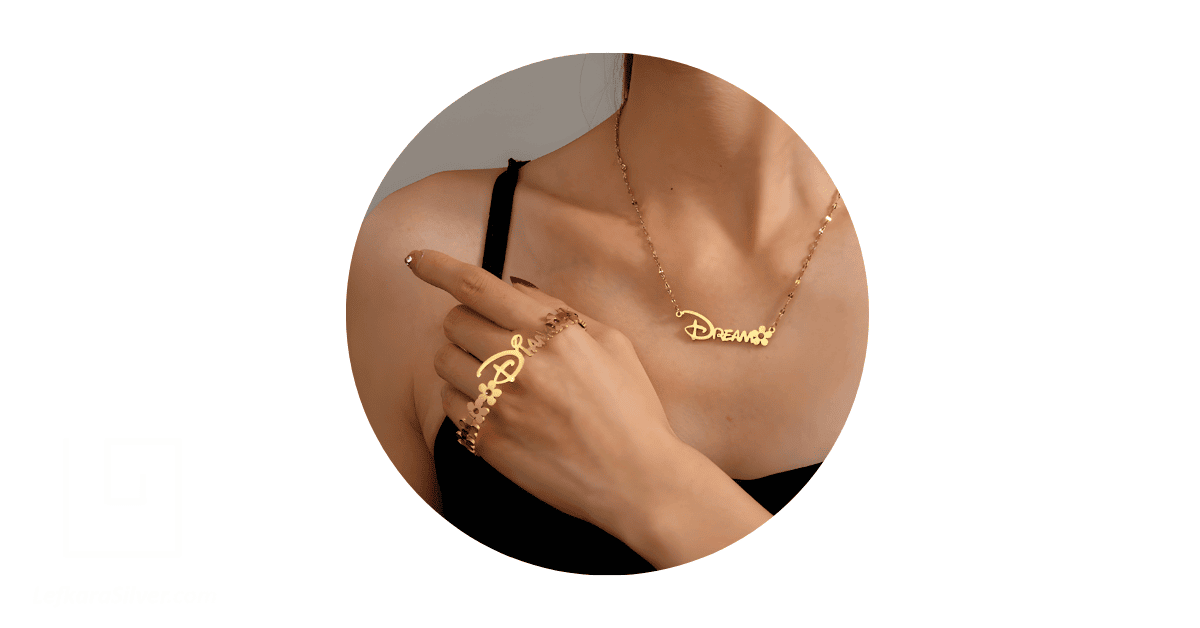
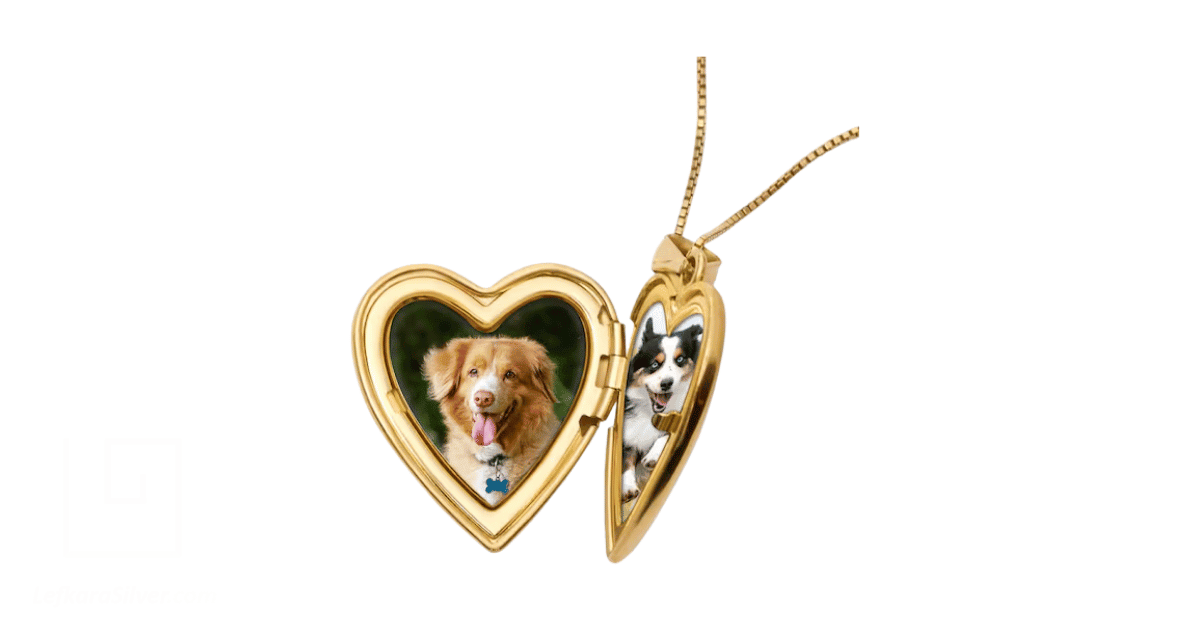
Custom necklaces are popular because they sit right at eye level, making them a great conversation starter. One of the most common styles is the name necklace, which became a huge trend in the early 2000s and is still a staple today. You can choose a font that matches your personality, whether it is a sharp modern look or a classic script. Others prefer photo lockets or pendants that hold a tiny picture of a loved one or a pet.
People often wear these to keep a specific memory or person close to their heart. They work well for daily wear with a simple t-shirt or can be the main focus of a formal outfit if the design is more complex. To style them, many people now layer a custom nameplate with a shorter plain chain or a longer birthstone pendant.
Custom Bracelets
Bracelets are a bit more personal because you see them on your wrist all day long. A custom charm bracelet is a classic choice where each charm represents a life milestone, like a graduation or a big trip. Another modern option is the engraved cuff, which might have the coordinates of where a couple met or a simple inspirational quote on the inside of the band.
These are great for gifts because they don’t require an exact ring size and are easy to fit. Most people wear them as part of a “stack” on their wrist, mixing the custom piece with watches or other simple bangles. They are perfect for casual settings but can be made with high-end diamonds to fit a black-tie event.
Custom Rings
Rings carry the most weight when it comes to symbolism. Beyond just weddings, people design custom rings to celebrate promotions, birthdays, or even to use upcycled stones from old family jewelry. A signet ring with a custom family crest or initials is a bold way to show identity. Others design “mother’s rings” that use the birthstones of all their children in a single band.
Custom rings are best worn on the ring or middle finger to let the design stand out. They are often styled as a statement piece, meaning you wear one large, detailed ring and keep the rest of your jewelry simple. Because rings take a lot of abuse from hitting against tables or doors, custom versions are often built thicker and tougher than mass-produced ones to ensure they don’t bend or lose stones.
How to Be Part of Your Custom Engagement Ring Creation Process
Creating an engagement ring together is a smart way to make sure the person wearing it actually loves the design. You should start by looking at stone shapes—like round, oval, or emerald cut—because this choice dictates the rest of the design. Experts suggest starting this process at least two to three months before the planned proposal date. This gives you enough time to source a specific stone if you want something rare, like a sapphire or a specific grade of lab-grown diamond.
A couple should be involved in the “approval gates” of the design. This means looking at the CAD renderings together to check the height of the setting. If the wearer has a job that involves wearing gloves or active movement, you might decide together to lower the center stone or use a bezel setting instead of prongs. Being involved in the stone selection is also key; you can view the diamonds under a loop to find the one that has the best sparkle for your budget. This teamwork ensures the ring is a perfect mix of both your styles.
Latest Custom Jewelry Trends
The customized jewelry market is growing fast, with experts predicting its value will top $15 billion by 2032. This shift happened because shoppers now value their own stories more than a brand name on a box. Social media has also pushed the idea that being unique is better than following the crowd, leading to a boom in one-of-a-kind commissions.
- Lab-Grown Diamonds and Eco-Stones: Young couples and eco-conscious brides are picking these for engagement rings. They look like mined gems but cost much less and have a smaller environmental impact. Choosing a lab-grown center stone can save a buyer anywhere from 20% to 40% compared to a mined diamond.
- Mixed Metal Blends: Fashion influencers and bold stylists are combining yellow gold with platinum or silver in a single piece. This trend breaks the old rule that you have to pick just one metal color, allowing for more versatile daily wear.
- Acrostic and Secret Message Jewelry: This style uses the first letter of different gemstones to spell out a word, like “DEAR” using Diamond, Emerald, Amethyst, and Ruby. It is popular with people who want to carry a private meaning or a loved one’s name without showing it to the world.
- Heirloom Reworks: Grandchildren and family historians are taking old, outdated jewelry from their relatives and having the stones reset into modern shapes. This keeps the sentimental value of the original piece while making it wearable for today’s styles.
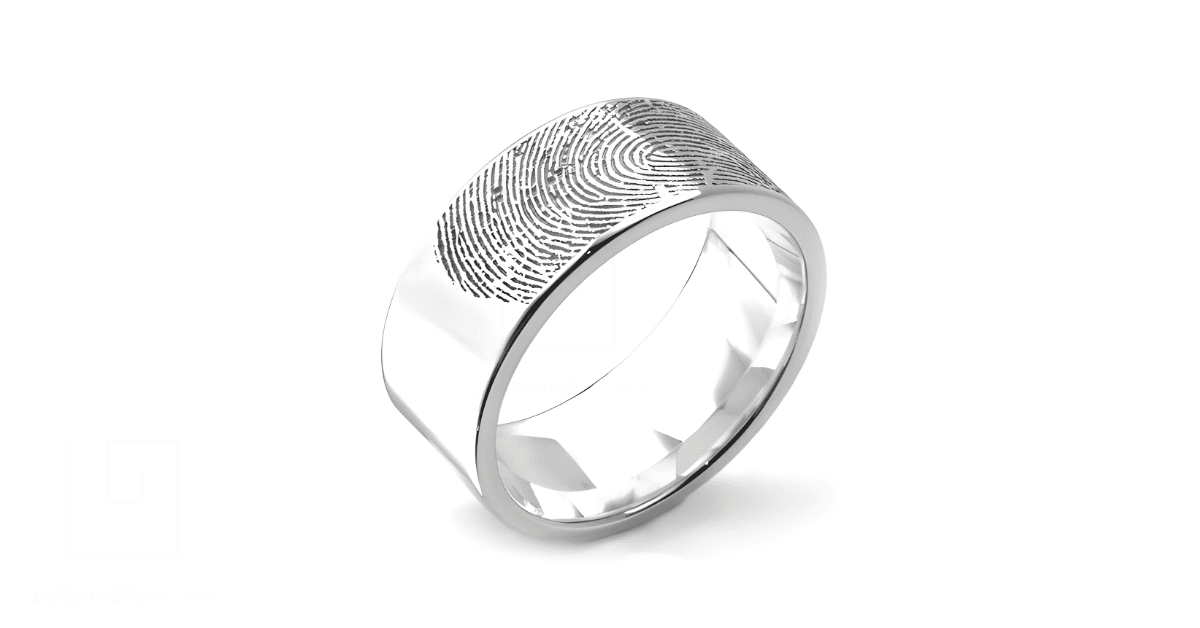
- Fingerprint and Handwriting Engravings: New parents and those honoring a loss use tech to etch a real fingerprint or a signature onto gold pendants. It creates a physical connection that a standard engraved font simply cannot match.
- Bold Geometric and Sculptural Shapes: Art lovers and minimalists are choosing thick, chunky rings and earrings that look like tiny statues. These pieces rely on the shape of the metal rather than a bunch of tiny gems to make a statement.
What Are the Best Custom Jewelry Materials?
Picking the right stuff to build your piece is the most important part of the process. You have to balance how much you want to spend with how often you plan to wear the item. Some metals are tough enough for a ring you never take off, while others are better suited to earrings you only take out on weekends. If you are discovering the best custom jewelry websites for unique creations, you will see that most top-tier makers stick to a few tried-and-true options.
14k Solid Gold is the workhorse of the jewelry world. It is a mix of pure gold and other metals like copper or silver, which makes it hard enough to resist scratches. Its strength is its longevity; it does not tarnish and can be worn in the shower. Its only weakness is that it costs more than plated options.
Platinum is the heaviest and most durable metal you can choose. It is naturally white, so it does not need a coating to stay bright. Platinum is 30 times rarer than gold, which is why it commands a higher price. It is perfect for securely holding expensive diamonds, but it will develop a duller finish, known as a patina, over time.
Sterling Silver is a great choice for budget-friendly custom work. It is bright and easy for artists to shape into intricate designs. However, it is soft and bends easily, and it will turn black if you do not polish it regularly. It is not the best choice for engagement rings that need to last fifty years.
18k Gold Vermeil offers a middle ground. It is sterling silver coated with a thick layer of gold. It looks like solid gold but costs a fraction of the price. The weakness here is that the gold layer will eventually wear off, especially on rings that rub against your skin or hard surfaces.
For anyone building a piece meant to last a lifetime, 14k solid gold stands out as the best overall option. It strikes the perfect balance between pure gold content and physical toughness. Around 70% of custom engagement rings are made from 14k gold because it holds stones more securely than softer 18k or 22k versions. It handles the bangs and scrapes of daily life without losing its shape, making it a smart investment for something like a wedding band or a signature necklace.
If your budget allows for it, platinum is the top-tier choice for white metal jewelry. Unlike white gold, which is usually yellow gold plated with rhodium, platinum stays white forever. It is also hypoallergenic, which is a huge plus for the estimated 15% of the population with metal allergies, specifically nickel. While the initial cost is higher, you save money in the long run because you don’t have to pay a jeweler to replate it each year to keep it looking fresh.
Creating Personalized Jewelry with Names
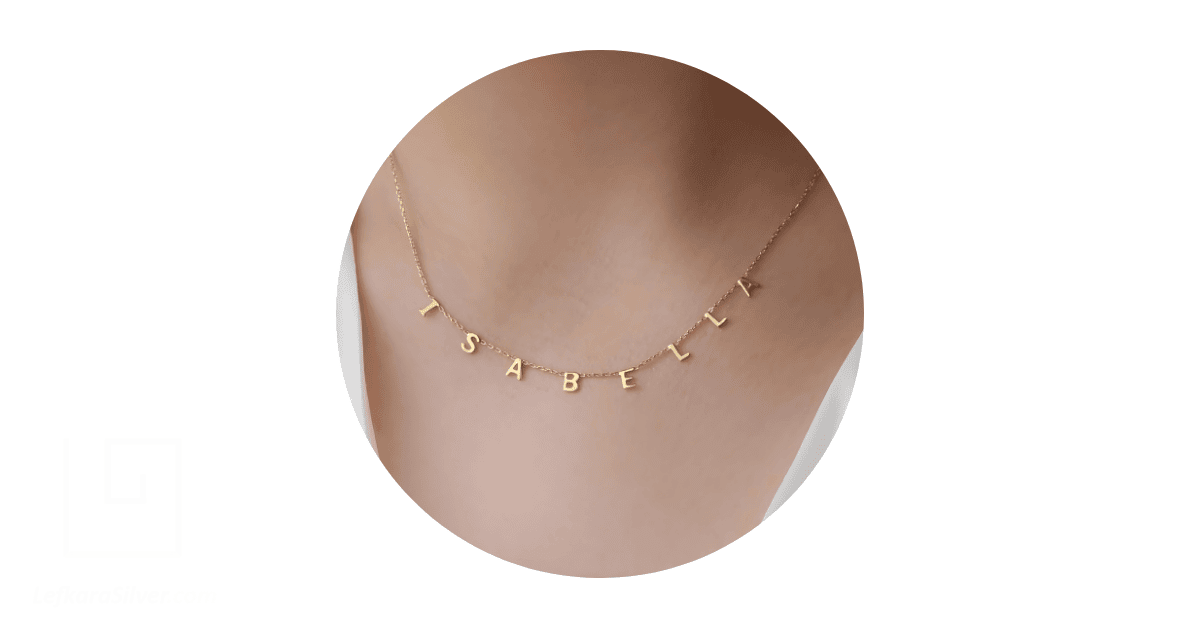
Name jewelry is a massive hit because it makes the wearer feel seen. It’s a fast way to turn a piece of metal or a string of beads into a story about who you love or your own identity. Putting one together yourself is actually a simple afternoon project that results in something you can’t find in a big-box store. Statistics show that nearly 45% of shoppers prefer jewelry that feels personalized to their specific life story.
To do this at home, start by picking your alphabet beads. You can find these in plastic, wood, or even sterling silver. Lay out your letters on a flat surface or a specialized beadboard to make sure the spelling is correct, and the name stays centered. Then, choose your “filler” beads. Gemstones like rose quartz, amethyst, or jade are great because they add weight and a high-end feel.
You will need a specific set of tools to achieve professional results. Pick up some nylon-coated beading wire, a pair of chain-nose pliers, a clasp set, and tiny metal tubes called crimp beads. Standard adult necklace lengths usually range from 16 to 18 inches, while 14 inches is best for a choker. String your filler beads halfway, add your name letters, and then finish with the rest of the filler beads. Use the pliers to squash the crimp beads around the wire at the clasp ends to lock everything in place. Crimp beads are the secret to keeping your necklace from falling apart during daily wear.
Best Custom Jewelry Websites Online
Reputable brands matter when you are spending money on something meaningful. A random social media account might show you a stock photo but send you something that turns your skin green. It is much smarter to stick to pros who have real warranties, clear return policies, and a track record of good service.
Etsy
Etsy is a large community of independent artists who make pieces by hand. You talk directly to the person making your item, which is a big win if you have a very specific idea. Most sellers on this site are happy to change a font or use a different metal if you ask. Because you are buying from individuals, shipping times and prices vary, but you can often find custom silver name necklaces for under $40.
Prices on this site depend on the materials used. You can find cheap fashion jewelry or high-end solid gold pieces. The process is simple: you pick a shop, send the seller your name or initials, and they get to work. Always check the shop’s reviews and past sales numbers to make sure they are reliable and deliver what they promise.
Blue Nile
Blue Nile is a heavy hitter in the world of fine jewelry and diamonds. They have a build-your-own tool that lets you pick a loose diamond and pair it with a specific setting. This is a great choice if you want a classic engagement ring but want to control the exact quality of the stone. They provide grading reports from the GIA for their diamonds, which gives you proof of the quality you are paying for.
Their terms include free secure shipping and a 30-day return policy. The price for a custom ring here can start at a few hundred dollars for the setting and go up to several thousand for the diamond. The process is digital, but they have experts you can call if you get stuck. Most custom orders here take about one to three weeks to finish and ship to your door.
Brilliant Earth
Brilliant Earth focuses on ethics and where their metals and stones come from. They use recycled gold and diamonds that are tracked from the mine to the workshop. This site is the place to go if you want a ring or necklace that fits your personal values. Around 98% of their gold is recycled, which helps lower the demand for new mining operations.
You can work one-on-one with a consultant to build a piece from scratch or use their online tools to swap stones and metals. Their custom rings usually start around $2,000. The timeline for a fully custom design here is typically four to six weeks from start to finish. They provide 3D models of your design so you can see exactly what it looks like before they cast it in metal.
Jewlr
Jewlr is built for speed and ease of use. They have a massive list of templates for rings, necklaces, and bracelets that you can change in real-time. You pick the metal—ranging from silver to 14k gold—and then select your birthstones or add an engraving. This site offers a 99-day return policy, which is one of the most generous in the jewelry world.
Prices here are very accessible, with many personalized name necklaces starting under $100. The process is entirely automated on the site, so you see your changes as you click them. Orders often ship within a few days, making this a top pick for gifts that need to arrive quickly.
Oak and Luna
Oak and Luna specializes in modern designs that look great in a stack. They are well known for their name necklaces that use unique fonts and mixed materials like gold vermeil and diamonds. Their pieces are designed to be worn every day and handle a busy lifestyle. Their mixed dots bracelet is a popular choice because it allows for multiple name engravings and small diamond accents in one piece.
Their prices sit in the mid-range. You choose your item, type in the text you want, and pick your metal type. Shipping is often free on orders over $150, and they provide a two-year warranty on many of their items. This warranty covers repairs if the piece breaks under normal wear, giving you extra peace of mind.
Practical Custom Jewelry Boxes
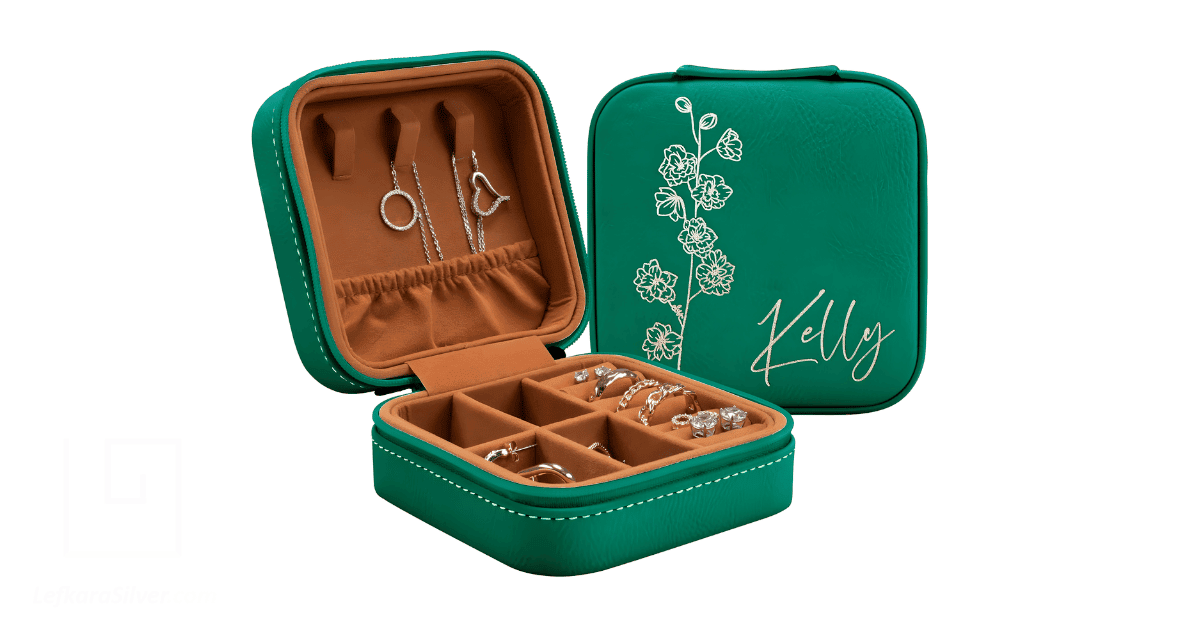
Custom jewelry is a serious investment in your personal style, but it is also physically fragile. Throwing a handmade gold necklace or a one-of-a-kind ring into a random junk drawer is a quick way to end up with a tangled mess or a scratched stone. Proper storage keeps your pieces safe by stopping them from rubbing against each other and prevents metal from getting dull due to air and dust.
For anyone who travels, a compact jewelry case is a must-have. You want to look for cases with padded slots for rings and specialized hooks that keep necklaces from knotting up. You can find these at online boutiques like Missoma or handmade marketplaces like Etsy. These small organizers are excellent because they prevent your custom engagement rings from banging against other hard objects in your luggage.
If you prefer to keep your collection at home, stackable trays are a smart choice. They allow you to see your entire collection at a glance, which means you are more likely to actually wear your pieces. You can find these trays at luxury consignment sites like The RealReal or at home organization stores. The best versions have soft velvet linings and different compartment sizes to fit everything from chunky bracelets to tiny studs.
What is the Average Price of a Custom Jewelry Piece?
The cost of custom work changes a lot because these pieces are individual projects created from scratch, not clones coming off an assembly line.
Several factors will dictate the final price, thus:
- Choice of metal: Using 14k gold, 18k gold, or platinum changes the price based on current market rates.
- Gemstone quality: The size, cut, color, and clarity of the stones you pick are the biggest cost drivers.
- Source of stones: Choosing lab-grown gems instead of natural ones can often save you a lot of money.
- Labor and design: You are paying for the time it takes for a jeweler to create a 3D model and hand-finish the piece.
- Complexity: Intricate designs with many small stones take more hours to set, which adds to the labor fee.
For a high-quality custom piece, you can expect to spend between $500 and $2,000. However, the price for custom engagement rings usually starts at $1,000 and can go much higher depending on the diamond. While natural diamonds can cost anywhere from $1,500 to $20,000 per carat, opting for custom work lets you prioritize the features that matter most to you.
| Jewelry Type | Mass-Produced Price | Custom-Made Price |
|---|---|---|
| Simple Gold Band | $150 | $300 – $600 |
| Diamond Engagement Ring | $1,200 | $2,000 – $10,000+ |
| Personalized Name Necklace | $100 | $250 – $800 |
| Gemstone Pendant | $200 | $500 – $1,200 |
| Diamond Tennis Bracelet | $1,500 | $3,500 – $6,000 |
How Long Does it Take to Design Custom Jewelry?
Making a piece of jewelry from scratch takes way more time than buying a mass-produced item because you are part of a multi-step project rather than just a quick sale. While a store-bought ring is ready the moment you swipe your card, a custom build involves several stages of creative and manual work that cannot be skipped.
The typical wait time for a finished custom jewelry piece is between four and eight weeks. This timeline depends on how quickly you make decisions and the shop’s current workload.
The first week or two is spent on the initial talk. This is where you bring your photos or sketches and settle on a budget. Once you agree on the plan, the jeweler moves to the digital model. Digital 3D models usually take about 5 to 7 business days to finish. You get to look at these renderings from different angles and ask for changes. If you want several rounds of edits to get the look just right, expect the clock to keep ticking.
Once you approve the digital model, the shop starts the casting. This is where metal gets melted and poured into a mold. After that, stones are set by hand by a skilled person. Setting a complex halo or dozens of small pavé stones can add two weeks to the labor time. While a simple band might be done in three weeks, intricate designs often take 6 to 10 weeks from start to finish.
If you are looking for rare stones, you should add even more time to your plan. Finding an odd-shaped diamond or a specific shade of sapphire can take weeks of searching through different stone dealers. For those who need a piece in a hurry, picking a preset ring and making small changes is faster. However, for a true one-of-a-kind item, you should start the process at least two to three months before your deadline.
Custom Jewelry – Final Thoughts
Building a unique piece of jewelry is about making a memory that lasts. We have covered the latest market stats for October 2026, the seven steps of the design process, and the different types of jewelry you can make. From current trends and the best metals to the best custom jewelry websites and how much you should expect to pay, getting the right look takes a bit of planning and a lot of patience.
Here are some key points to remember:
- About 45% of young adults say they want to buy personalized jewelry instead of standard items found in stores.
- Lab-grown diamonds can save you thousands of dollars while giving you the same look and hardness as mined stones.
- Most custom jewelry pieces cost between $500 and $2,000, although high-end engagement rings often go much higher.
- Recycled 14k gold and platinum are the top choices for people who want durable and ethical jewelry.
- The average custom ring takes about 6 weeks to build from the first meeting to the final polish.
- Using 3D printing and digital models allows you to see exactly what your ring looks like before the metal is even cast.
This content was last updated in October 2026. Follow Lefkara Silver to stay updated on the latest jewelry news and trends.