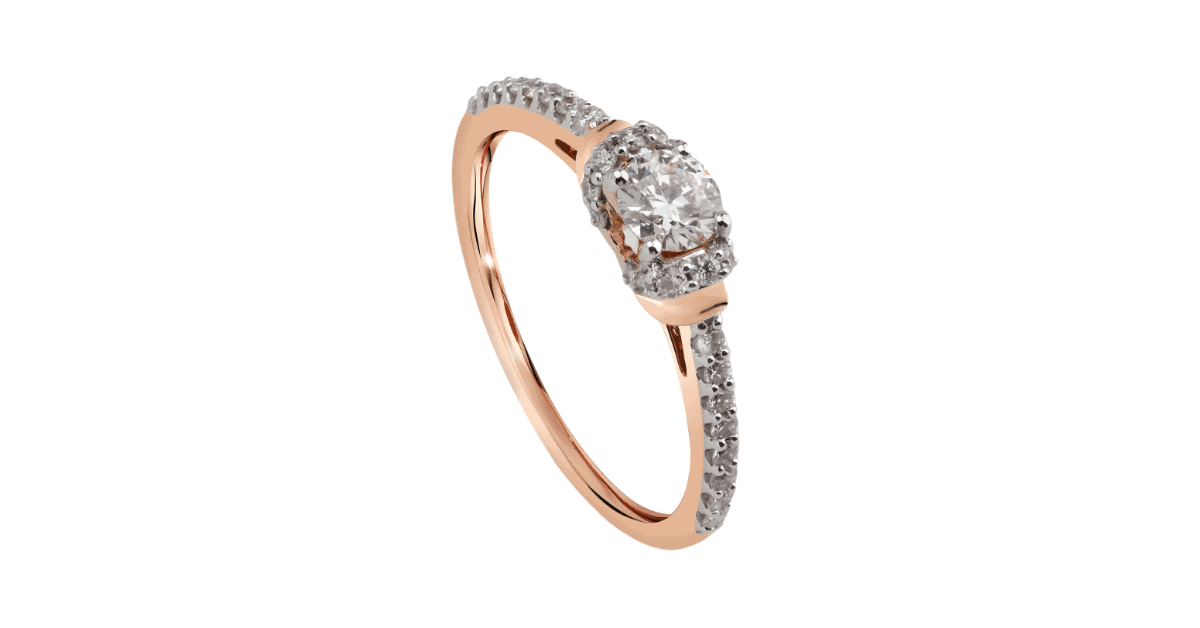
2026 Rings – What You Should Know
Finding the perfect ring goes beyond picking the first shiny object that catches your eye. If you are searching for a lifelong commitment piece, a bold fashion statement, or a simple band for daily wear, the sheer number of options can feel overwhelming.
This guide brings you the latest information as of October 2026 to help you make an informed choice. Over the course of this article, we will break down the essential details you need, including the statistics of October 2026, top brands known for regal collections, and the various types of rings currently popular.
We will also address practical concerns like the best options for men, the classic gold versus silver debate, where to find diamond rings, tips for determining your size at home, color guidance, popular engagement cuts, and the charm of lucky ring styles.
Key Ring Statistics of October 2026
The current jewelry market is defined by rapid growth and shifting consumer preferences, as highlighted by these significant data points.
- The global jewelry market has reached a massive valuation of $950 billion.
- Market analysts project the jewelry industry will maintain a steady compound annual growth rate through 2034, driven by increasing consumer demand for both luxury and everyday pieces.
- Approximately 75% of all engagement rings sold continue to feature the classic round brilliant cut, proving it remains the dominant choice for couples.
- Recent consumer surveys indicate that over 60% of buyers under the age of 35 now prefer lab-grown diamond options due to a combination of budget-friendliness and sustainability concerns.
- In the bridal sector, 40% of shoppers are opting for custom-designed settings rather than choosing pre-set, off-the-shelf rings.
- The popularity of colored gemstones in engagement rings has surged, with 25% of couples now choosing stones like sapphires or emeralds as their primary focal point.
- For those choosing precious metals, 55% of engagement ring purchases still favor white metals like platinum or white gold, while yellow gold has seen a steady rise in popularity, now accounting for 35% of the market.
Top 12 Brands With a Regal Rings Collection
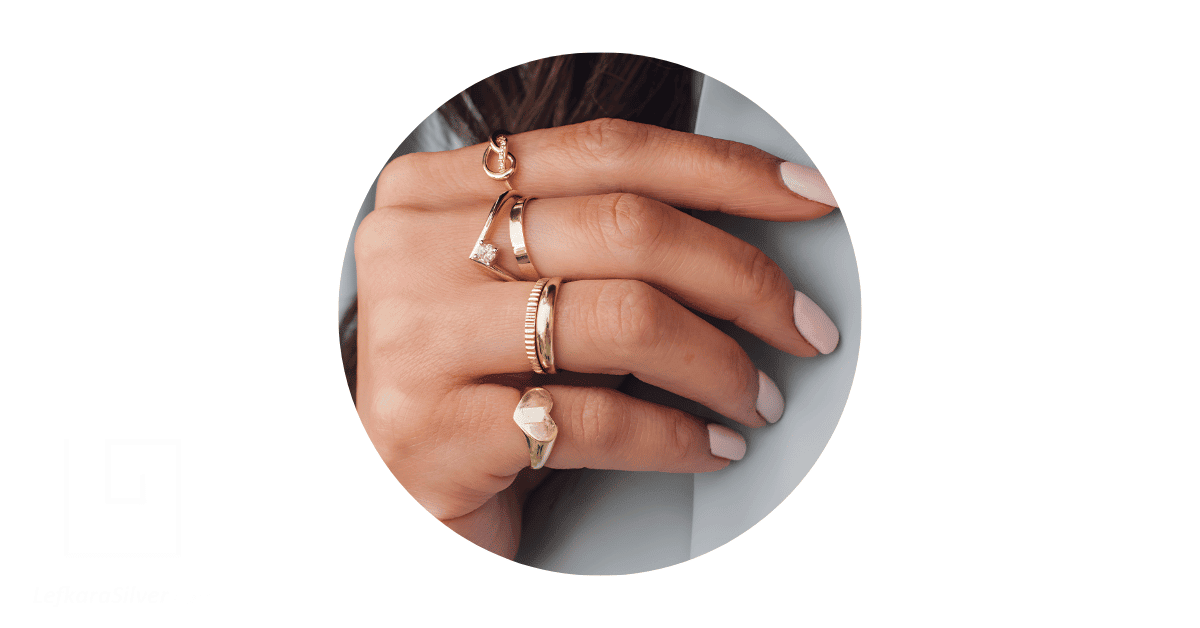
Picking a ring is a big deal, and where you buy it matters just as much as the style you pick. You need to look past the shiny ads and dig into the quality, the ethics, and the history of a brand before you hand over your credit card.
Our team spent a long time digging into jewelers worldwide to find the ones that nail that royal, sophisticated look without forcing you to empty your savings account. We focused on brands that prioritize quality materials and unique designs, making sure they offer pieces that feel special.
Here are 12 brands that deliver on the promise of regal style at prices that actually make sense for the modern buyer.
1. Tiffany & Co.
This brand pretty much invented the modern idea of the engagement ring. They are famous for setting the standard on how to hold a stone securely while letting maximum light hit it. You are paying for a name, sure, but you are also paying for a consistent level of quality that is hard to find elsewhere.
Their collection is massive, ranging from simple gold bands to rings that look like they belong in a palace vault. You can find their shops in almost every major city in the world, and their website is one of the easiest to shop on, with clear photos and helpful guides. Prices can start around $1,000 for simple bands but quickly jump into the tens of thousands depending on the diamond size and metal.
2. Cartier
If you want something that screams “old money” and historical prestige, this is your first stop. They have been making jewelry for royalty for over a century, and that influence is still very much present in their current designs. Their work is often bolder and more architectural than many of their competitors.
Cartier stores are usually located in the most high-end shopping districts in major global cities. Their online store is sleek and feels like a digital boutique. Because of their status, you should expect to spend between $2,000 and $50,000+ for their signature ring designs.
3. Lefkara Silver
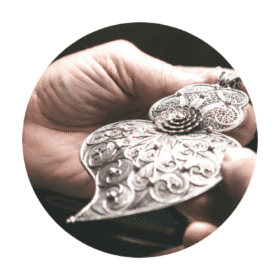
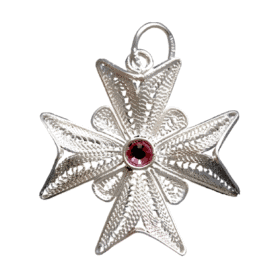
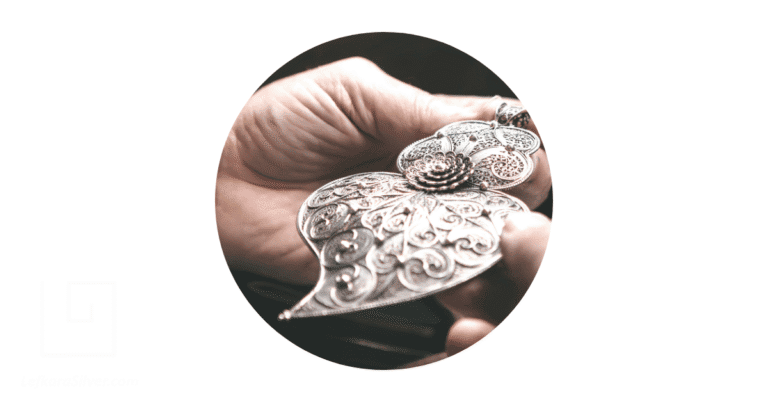
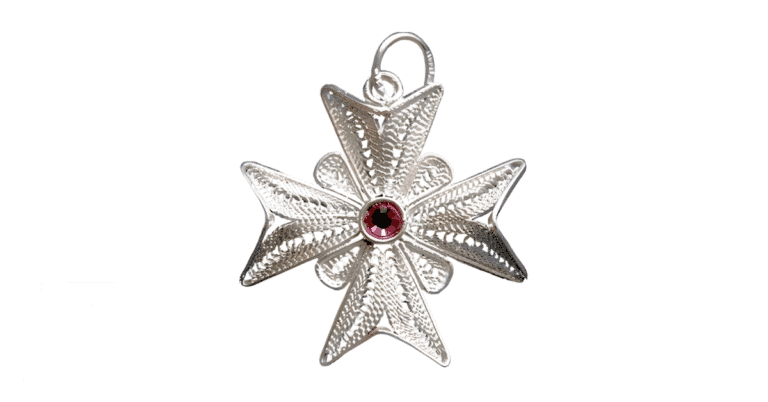
Renowned for preserving the centuries-old Cypriot tradition of handmade silver filigree, this brand is the destination for those who appreciate delicate, artisanal craftsmanship. They specialize in jewelry crafted thread by thread from genuine 925 sterling silver, often drawing inspiration from the geometric patterns of traditional Cypriot lace. Their designs are timeless.
Their pieces are loved by those looking for authentic, handcrafted artistry. You will find an accessible price range for their handmade creations, with many pieces offering exceptional value for the level of artisanal skill required to produce them.
4. Boucheron
This is for the person who wants a regal look that doesn’t follow the same rules as everyone else. They are known for mixing materials and using geometric patterns that feel very modern while still possessing a sense of historical grandeur. It is a fantastic choice if you want something that stands out.
While they have a strong presence in Paris and other European fashion hubs, their online store is very accessible for international buyers. They do a great job of showing how their rings stack and look on the hand. Their prices are generally in the $2,000 to $15,000 range, a slightly more approachable price for high-fashion jewelry.
5. Van Cleef & Arpels
This brand has a sense of whimsy and nature. Their rings often feature delicate flowers, animals, and motifs that feel like they came straight out of a fairy tale. Despite the delicate look, the craftsmanship is incredibly solid.
They have boutiques in major luxury markets and a website that makes it very easy to see the scale and detail of their rings online. Most of their gold and stone-set prices fall between $3,000 and $20,000, depending on the complexity of the design.
6. De Beers
Given their history in the diamond industry, they know more about stones than almost anyone else. Their rings focus heavily on the quality and cut of the diamond, so that every piece delivers incredible light performance. They offer a very wide range of styles, from modern to classic.
They have a strong global footprint with dedicated stores and a very detailed online shopping experience that explains the science behind their diamond cuts. Their pricing is competitive for the quality, often starting near $2,000 and reaching very high levels for larger, premium-cut stones.
7. Mikimoto
If you want to move away from diamonds and embrace a different kind of royal elegance, this is the premier name for pearls. A high-quality pearl ring is timeless and surprisingly durable if treated correctly. Their designs are clean, classic, and allow the luster of the pearl to be the main event.
You can find their boutiques in most major luxury shopping centers. Their online site is very professional and helps educate buyers on pearl grading. Their ring prices are quite reasonable for luxury jewelry, often sitting between $800 and $6,000.
8. Chaumet
With roots tied to the French imperial court, this brand knows exactly what a regal ring looks like. Their designs often feature tiara-inspired silhouettes and intricate metalwork that feels very much like jewelry from a bygone era. It is a top pick if you want a romantic, historical aesthetic.
Their primary stores are in Europe, but they ship globally, and their online store offers a high-end experience that matches their physical boutiques. Expect to pay between $2,500 and $25,000 for their unique and highly detailed collections.
9. Bulgari
This brand is for those who love bold colors and heavy, impressive metalwork. Their rings are often iconic, with thick bands and large, colorful gemstones that look powerful on the hand.
They have a very large presence in luxury malls globally and a vibrant, user-friendly website that shows off their colorful inventory. Their prices start around $1,500 for simpler bands and go well into the $30,000 range for their signature gem-heavy designs.
10. Chopard
They do a fantastic job of blending high fashion with jewelry. Many of their rings feature moving stones or playful, layered designs that feel very expensive and fun at the same time. Their commitment to ethically sourced materials is also a big selling point.
They are widely available in high-end watch and jewelry stores. Their website is easy to use and provides a lot of information about the materials they use. Prices for their rings typically range from $1,500 to $12,000.
11. Graff
This is arguably one of the most exclusive brands on this list. They deal in massive, extremely high-quality stones that are often considered investment pieces. Their settings are usually minimal to ensure that the diamond is the only thing people are looking at.
Their stores are located in the world’s most elite retail locations. Their online presence is very limited by design, focusing on high-net-worth clients. Pricing here is almost entirely based on the stone, and it is common for their rings to exceed $50,000.
12. David Yurman
This brand brought high-end design into a more wearable, daily category. They are famous for their cable motif and mixed-metal designs that look great on everyone. It is a fantastic option if you want something that feels luxurious but isn’t too stiff or formal.
They are available in many high-end department stores and their own standalone boutiques. Their style guide is one of the best in the industry for helping new buyers. They offer one of the most affordable luxury entry points, with many stylish rings priced between $400 and $3,000.
Types of Rings
Rings are some of the most versatile pieces of jewelry you can own, but it helps to categorize them by their purpose. Some exist to signal a promise to another person, while others are purely for fashion or to mark a specific achievement.
We divide these into four main categories: Commitment, Style, Functional & Symbolic, and Historical Rings.
Commitment Rings
These pieces are all about the relationship between two people. They mark milestones, promises, and legal unions.
- Engagement Rings: Traditionally, these feature a prominent center stone that symbolizes a pending marriage. About 75% of these rings sold today still feature a round brilliant-cut stone.
- Wedding Bands: These are simpler, often unadorned bands that are worn after the ceremony to symbolize an ongoing partnership.
- Eternity Bands: These feature a continuous row of stones all the way around the finger, representing love that never ends. They are often given on major anniversaries.
- Promise Rings: These are often smaller or less formal than the ones for engagement and are used to show a commitment to a future goal or relationship.
Style Rings
These rings are for you, by you to help you express your current fashion sense or mood.
- Statement Rings: These are large, bold, and designed to catch the eye. They often feature big, colorful stones or intricate metalwork.
- Stackable Bands: These are thin, delicate rings designed to be worn in groups on one or multiple fingers, allowing you to mix textures and colors.
- Cocktail Rings: Originating from formal events, these are oversized, attention-grabbing rings that were once only for parties but are now worn more frequently.
- Minimalist Rings: These are thin, clean bands, often in gold or silver, perfect for those who prefer an understated look.
Functional & Symbolic Rings
These might hold a hidden meaning or be useful in everyday life.
- Signet Rings: Traditionally engraved with a family crest or initials, these were once used to stamp wax seals on documents.
- Birthstone Rings: These feature a specific gemstone linked to the month of the wearer’s birth, often worn to bring good luck.
- Claddagh Rings: An Irish design consisting of two hands holding a heart with a crown on top, symbolizing friendship, love, and loyalty.
- Mood Rings: These use thermochromic material to change colors based on the temperature of your finger, which is linked to your body heat.
Historical Rings
These are rings that carry the weight of the past. They are often collected for their artistic value and the stories they tell.
- Antique Rings: These pieces are usually over 100 years old. They often feature older stone cuts that don’t have the same intense sparkle as modern ones but offer a unique, glowy look.
- Cameo Rings: These feature a portrait carved into stone or shell. They date back to ancient civilizations and were highly prized by the Romans and during the Renaissance.
- Vintage-Inspired Rings: While not antique themselves, these rings use design techniques from specific historical eras, such as Art Deco or Victorian, to give a modern ring an old-soul feel.
What Are the Best Rings for Men?
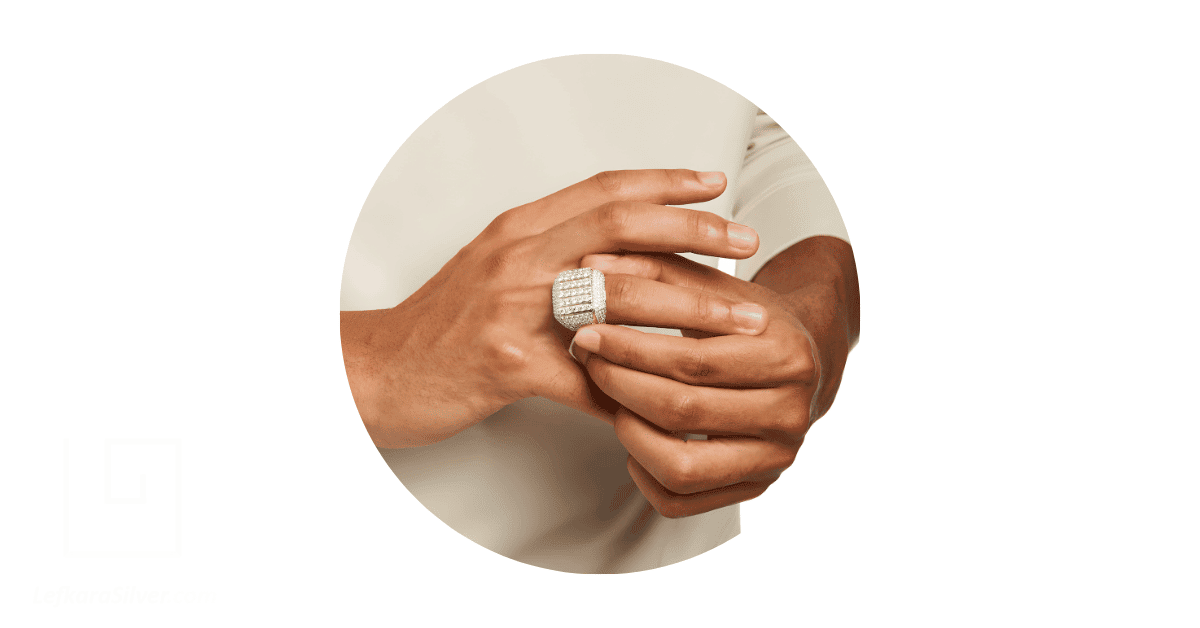
Men today wear rings that span from simple, functional bands to bold, decorative statements. The most popular choice remains the traditional wedding band, usually crafted in plain metal. However, signet rings have made a significant comeback, with monograms or family crests that add a personal touch. You will also see many men opting for minimal, thin bands for daily wear, or heavier, textured rings that incorporate materials like tungsten or carbon fiber, which are prized for their resistance to daily wear and tear.
Beyond standard bands, there is a growing interest in architectural and geometric designs. Rings with matte, brushed, or hammered finishes are particularly popular for those who want something that stands out without the high-shine look of polished metal. For the style-conscious, stacking multiple thin, simple rings on one hand or mixing different metal finishes has become a standard practice. These options allow for a more personalized look that reflects individual taste rather than just following rigid tradition.
When choosing the right ring, the setting is just as important as the design. For a formal occasion, a clean, high-polish precious metal band is usually the safest and most sophisticated bet. If your daily style involves casual or rugged clothing, consider more durable, alternative metals like titanium or cobalt chrome, which resist scratches better than softer gold or platinum. The best choice is one that balances your personal aesthetic with the realities of your daily activity level.
For those focusing on skin tone, warmer complexions often look best with yellow or rose gold, while cooler skin tones generally pair better with white metals like platinum, white gold, or silver. If you want a versatile ring that works with almost any outfit, a brushed platinum or white gold band is a reliable pick. Ultimately, comfort is king. Look for a comfort-fit band with a rounded interior, as this reduces friction and makes the ring feel significantly lighter on your finger throughout the day.
Gold Ring vs Silver- Which One Should You Choose?
Deciding between gold and silver for a ring often feels like a toss-up, but the differences go deeper than that. The most obvious distinction is cost: gold is a precious metal that retains value well, making it a higher upfront investment, while silver is a much more affordable option, making it ideal for fashion-forward pieces that you might want to switch out frequently.
Beyond the price, how these metals hold up over time is a major factor to consider. Gold is dense and resistant to tarnishing, while silver is softer, prone to scratching, and naturally oxidizes, which means it requires regular polishing to keep its bright shine.
When you look at your own complexion, the choice becomes much clearer. If your skin has yellow or olive undertones, yellow gold is likely going to look more lively and natural on you. If your skin has pink, blue, or red undertones, silver, white gold, or platinum will almost certainly offer a cleaner, more complementary look. If you are stuck in the middle, or if your skin tone is neutral, you have the freedom to wear either, so you should base your decision on which metal matches the rest of your current jewelry collection or your daily wardrobe color palette.
Gold is typically more durable for long-term wear, whereas silver is better for those who prioritize a budget-friendly price point for everyday style. If you decide to go with gold, pay attention to the karat rating; 14k gold is often preferred for rings because the mix of gold with other metals makes it harder and more scratch-resistant than 24k gold.
If you choose silver, always check for the 925 stamp, which indicates sterling silver, the highest quality mix for jewelry or better still, only shop your silver rings from Lefkara Silver. Regardless of your choice, if you have sensitive skin, prioritize hypoallergenic metals like platinum or high-karat gold to avoid irritation from the base metals sometimes found in cheaper alloys.
The Best Stores for Diamond Rings
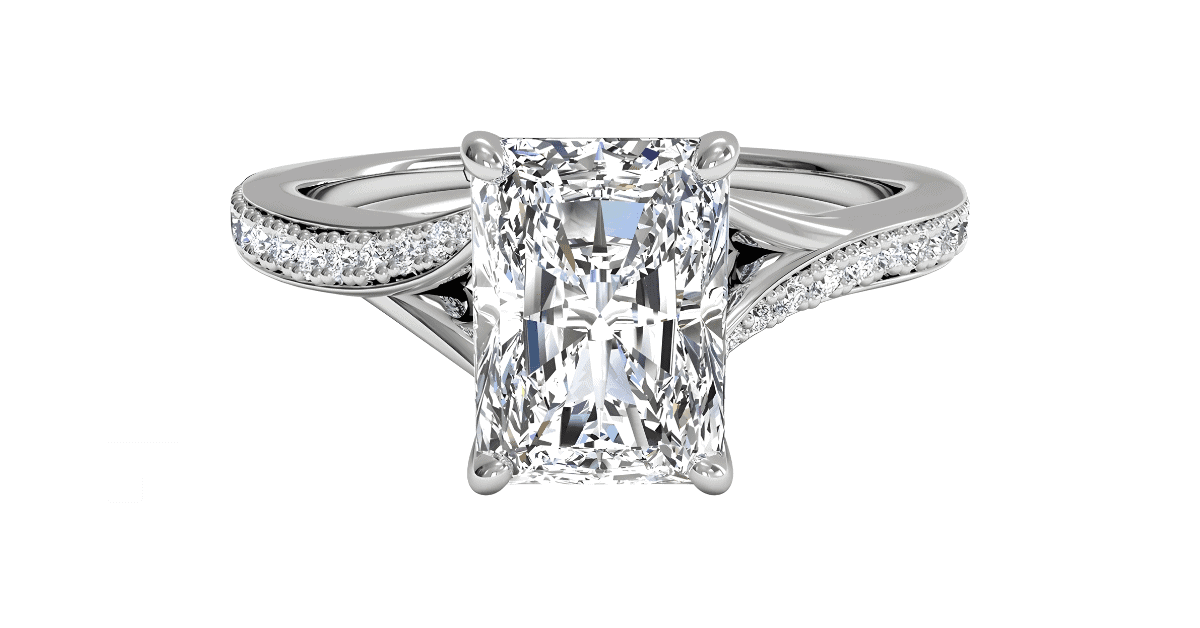
Diamond rings top the list when people shop for significant milestones, particularly engagements. Their status as the gold standard for long-term commitments remains firm because they withstand daily wear while keeping their classic appearance. When shopping online, stick with retailers that provide high-resolution images, video of the diamond, and clear return policies.
Top-tier options often include brands like Brilliant Earth, Blue Nile, and James Allen, which provide expansive inventory and educational resources for first-time buyers. Boutique jewelers or custom designers like Frank Darling offer a different experience, focusing on one-on-one guidance if you want something built from scratch.
When you start your search, prioritize retailers that offer GIA or AGS certification for every diamond. A certificate acts as a third-party report card for the stone, detailing its actual quality. Avoid any seller that refuses to provide these independent reports. Before you commit, look for a solid return policy that lets you inspect the ring in person for at least 30 days.
You should also check for free shipping and insurance, as these services are standard for reputable businesses. Never pay the full price without verifying the diamond’s clarity and color grades against the price of similar stones at other retailers.
How to Measure Ring Size?
Getting the right fit is mandatory if you want the ring to stay on your finger without causing discomfort. If a ring is too loose, it slips off; if it is too tight, it restricts blood flow. Even if you want the proposal to stay a secret, you have options to get the size right before you buy.
If you want to keep the process quiet, try to “borrow” a ring that your partner already wears on their ring finger, then trace the inside of that ring on a piece of paper or press it into a bar of soap to leave a mold you can show a professional.
For a more direct approach, you can buy a simple plastic ring sizer online for a few dollars. If you are doing this at home, remember that your fingers shrink in cold weather and expand when it is hot or after a workout. Measure the finger several times throughout the day to get an accurate average. If your knuckle is significantly larger than the base of your finger, you must find a size that slides over the knuckle while fitting snugly enough not to turn on the finger.
Ring Size Chart
A ring size chart maps your finger’s diameter or circumference to a standardized numerical value. Most countries use different scales, so ensure your chart aligns with the U.S. standard if that is where you are purchasing. The average ring size for women in the U.S. sits around a size 7, while the average for men is a size 10.
When you look at a chart, identify your measurement in millimeters and find the corresponding size. If your measurement falls between two sizes, always pick the larger one. Resizing a ring that is slightly too big is much easier for a jeweler than adding metal to a band that is too tight.
Virtual Ring Sizers
Many online retailers now offer digital ring sizers that you can print or use on your screen. To use these effectively, you must first calibrate the screen to ensure the scale is perfect. Most tools ask you to place a standard credit card against the screen to adjust the view until the card on your device matches the size of the physical card in your hand.
Once calibrated, you can place an existing ring directly on the screen to match it against the provided circles. The inner edge of your ring should align perfectly with the outer edge of the circle on the digital grid. This provides a quick estimate, but keep in mind that these tools are best used for a rough guide rather than a precise measurement for custom, un-resizable bands.
What Ring Color is Best?
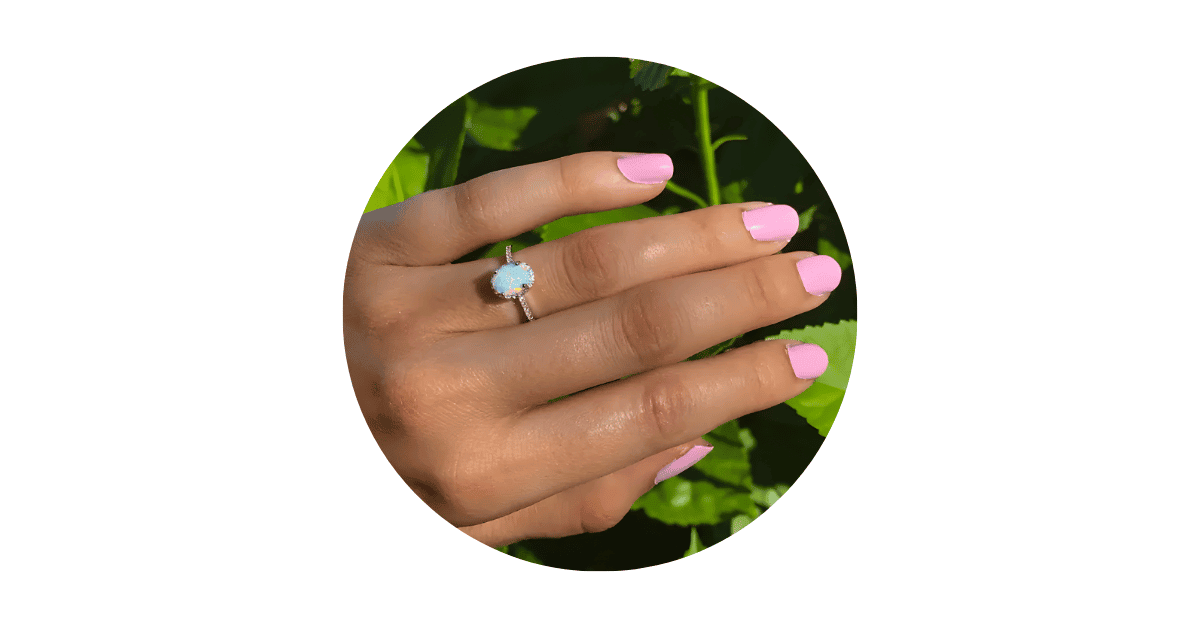
When you look at rings, the color often comes down to the metal used to build the band. Yellow gold is most popular, offering a warm, rich tone that feels traditional and brings out a glow in most skin tones. White gold and platinum provide a bright, silvery finish that looks crisp, modern, and clean. For a softer, romantic vibe, rose gold remains a top pick, getting its pink hue from a mix of gold and copper. You can also find modern options like black ceramic or gunmetal-grey tungsten, which bring an edgy, industrial feel to the mix.
You can add color through gemstones. While white diamonds are the standard for engagements, many people now choose colored stones to stand out. Sapphires provide a deep blue, emeralds offer a lush green, and rubies bring a bold red. Even within diamonds, you can pick yellow, pink, or blue stones if you want something truly different. Mixing these colored stones with different metals creates a look that feels entirely personal, like a rose gold band holding a morganite or a white gold setting cradling a deep blue sapphire.
For engagement rings meant for daily wear, white gold, platinum, and yellow gold are the most practical choices because they hold up well over time. Yellow gold is famously low-maintenance and keeps its warm color without needing extra plating. If you prefer the white look, platinum is the most durable, though it costs more than white gold. White gold is a great middle ground, but it needs a new coat of rhodium every few years to keep its bright, white shine.
For fashion or stackable rings, you have more freedom to play with color. Since you might wear these pieces less often or swap them out, you can pick softer metals like silver or trendier materials like ceramic.
The Most Popular Engagement Ring Cuts
The cut of a diamond determines how it reflects light, which creates the sparkle we associate with engagement rings. While some people think of “cut” as the shape, it actually refers to how well the facets are angled.
A well-cut stone directs light back through the top, while a poor cut lets light leak out the sides or bottom. Beyond the quality of the cut, the shape of the stone, such as round, oval, or square, gives the ring its overall look and helps define your personal style.
Shapes affect more than just the look; they change how big the stone appears on your finger. Elongated shapes, like marquise or pear, can make a finger look longer and slimmer.
Some of the popular ones include:
- Round Brilliant: This shape has 57 or 58 facets and is built to reflect as much light as possible. It is the most timeless shape and works with almost any setting.
- Oval: Similar to the round cut in sparkle, the oval shape is longer. Oval diamonds often appear larger than round diamonds of the same carat weight. It is a popular choice for those wanting a finger-slimming effect.
- Princess: This is a square cut with sharp corners. It offers a modern look with plenty of sparkle, sitting between a classic round shape and a more edgy, geometric style.
- Emerald: This cut is rectangular with step-cut facets. It does not sparkle as much as a brilliant cut, but it creates a “hall of mirrors” effect that looks very sophisticated and clean.
- Pear: Shaped like a teardrop, this cut is a mix of a round and a marquise. It is unique and draws the eye down the finger. Pear cuts are delicate at the tip, so they require a setting that protects that end from chipping.
- Cushion: This shape has rounded corners and large facets, giving it a soft, pillow-like look. It has been a favorite for a long time and feels very romantic, especially in vintage-style settings.
- Radiant: This cut blends the shape of an emerald cut with the sparkle of a round cut. It has cropped corners and is very durable, making it a great option for active lifestyles.
- Marquise: With an elongated shape with pointed ends, this cut offers maximum finger coverage. It creates a bold, royal look and is very effective at making a stone look larger than it is.
What Are 7 Luck Rings?
The concept of “7 luck rings” typically refers to jewelry pieces with seven distinct bands or seven small rings linked together to form a single unit or a pendant. The number seven has held profound significance across various cultures for centuries, often representing completeness, spiritual perfection, and good fortune.
In many traditions, this specific number of rings is thought to invite prosperity, protection, and positive energy into the wearer’s life. While the exact origins of the name are tied to broader folklore about the lucky nature of the number seven rather than a singular historical event, the design gained popularity as a way to carry these symbolic meanings in a wearable, modern form.
Today, you can find these pieces in diverse styles, ranging from delicate necklaces where seven interlocking rings hang as a charm, to rings themselves that stack seven bands. Retailers often offer these in sterling silver or gold, frequently marketed as gifts to mark a new chapter or as a charm to provide daily encouragement.
Final Thoughts on Rings
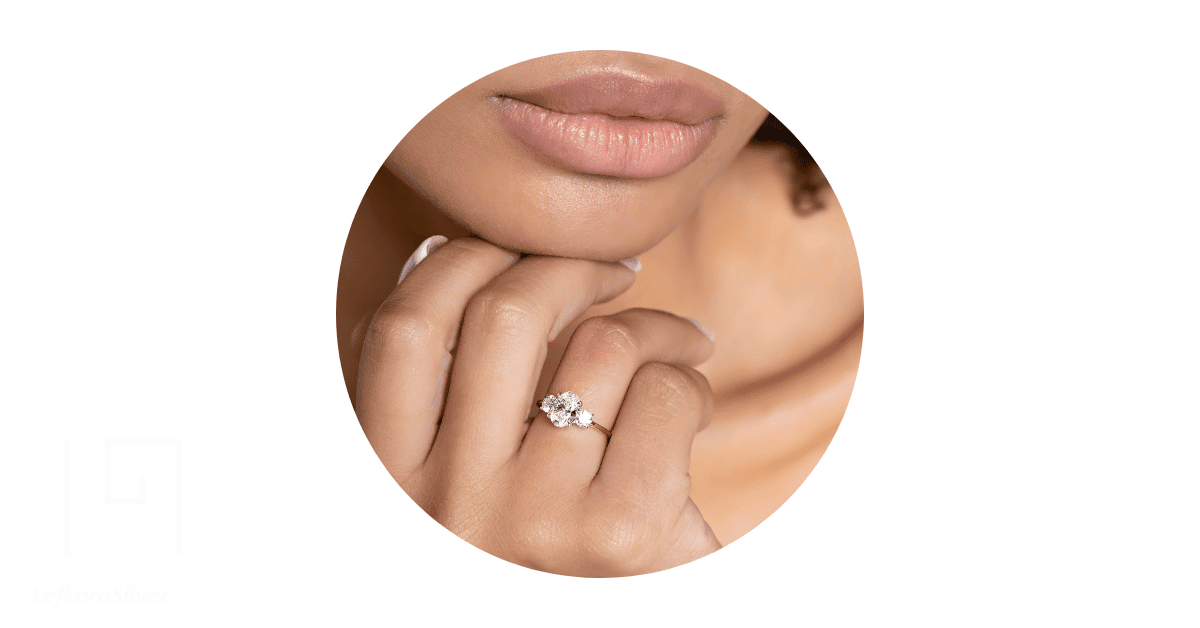
We have walked through the essentials of finding the right ring, touching on key market statistics for October 2026, the top 12 brands with regal collections, and the various types of rings available today. We also parsed the differences between gold and silver, looked at how to choose metal colors, measured fingers for the perfect fit, and broke down the most popular cuts for engagementand the unique symbolism behind 7 luck rings.
Here are some key takeaways:
- Round brilliant cuts make up nearly 75% of all engagement ring sales.
- The average ring size for women in the United States is 7, while for men, it is 10.
- Rings with bands wider than 5mm generally require a larger size to account for the increased surface area on the finger.
- Your dominant hand is typically about half a size larger than your non-dominant hand.
- Gold is naturally hypoallergenic and highly durable, making it a better choice than silver for rings worn every single day.
- Fingers can fluctuate in size due to temperature, humidity, and time of day, so it is best to measure multiple times.
This content was last updated in October 2026. Whether you are hunting for an investment piece or a simple everyday band, remember that the right choice comes down to balancing your personal style with the practical realities of daily wear.