Wedding Rings – The Core Essentials
A wedding ring is more than just jewelry; it’s a daily symbol of love and commitment, a circle with no beginning and no end. The tradition of exchanging rings dates back thousands of years to Ancient Egypt, where rings woven from reeds were placed on the fourth finger, believed to hold the “vena amoris,” or the vein of love, which was thought to connect directly to the heart. While the materials have certainly upgraded since then, the powerful symbolism remains. Choosing the ring you’ll wear for a lifetime is a significant decision, one that combines personal style, practicality, and romantic symbolism.
This comprehensive guide will walk you through everything you need to know, from wedding rings key statistics of October 2026 and 8 tips for choosing wedding rings for couples, to the nitty-gritty on wedding rings and their prices—from average to luxury. We’ll explore where to buy wedding rings in the US, break down how much gold wedding rings cost, and even share tips on how to find cheap wedding rings set.
Whether you’re searching for “wedding rings near me” or need some wedding rings images to inspire you, we’ve got you covered. Additionally, we’ll explore how to select the ideal wedding rings for both women and men. All the information and trends presented here are updated as of October 2026 to provide you with the freshest insights.
Wedding Rings Key Statistics of October 2026
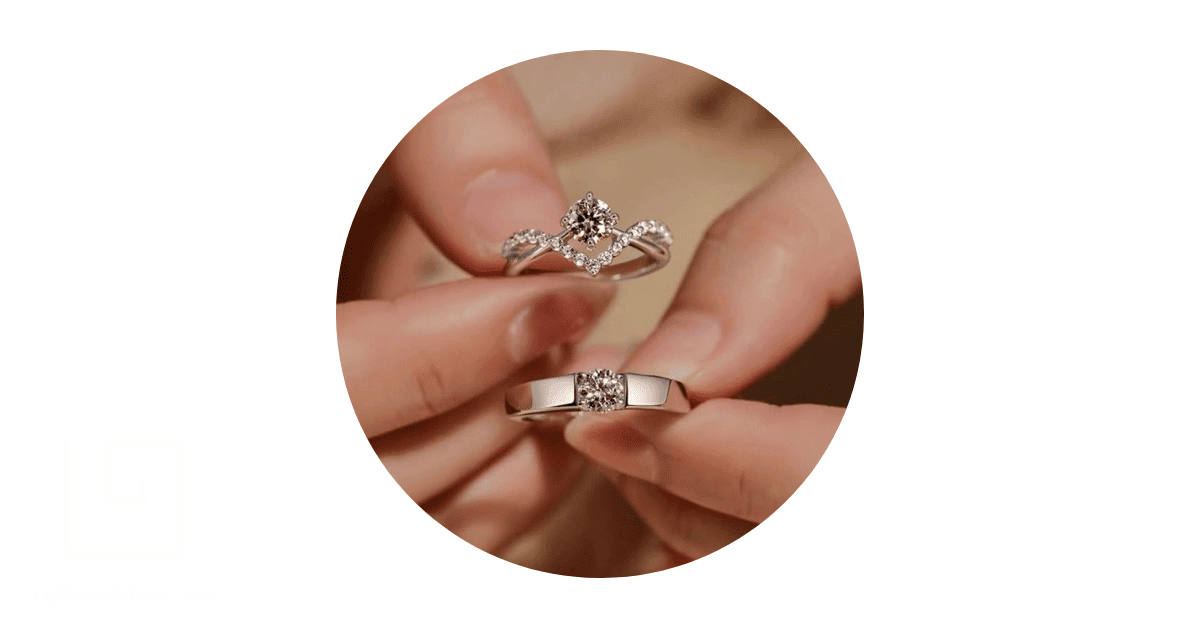
When it comes to something as significant as a wedding ring, it pays to be in the know. We’ve sifted through the latest market reports and industry analyses to bring you the most current and compelling data. Each fact and statistic below has been carefully verified against reliable sources.
- The global wedding ring market is projected to reach a size of USD 73.6 billion in 2025.
- In the U.S., the total jewelry market is valued at $78 billion.
- The average cost of an engagement ring in the U.S. is between $5,000 and $10,000, varying by location.
- 78% of American consumers now consider ethical sourcing a critical factor when buying jewelry.
- Lab-grown diamonds now account for 31% of all diamond engagement ring sales in the U.S.
- Online jewelry sales like those of Lefkara Silver have soared, now making up 21.5% of total jewelry retail sales in the United States.
- Timeless designs reign supreme, with solitaire styles accounting for 47% of all engagement ring sales.
- The market is set for steady expansion, with a projected compound annual growth rate (CAGR) of 5.73% for the wedding ring market between 2025 and 2033.
8 Tips for Choosing Wedding Rings for Couples
Selecting your wedding rings is a thoughtful, authentic, and sentimental process that deserves careful consideration. As a symbol of your lifelong commitment, it’s a piece of jewelry you’ll wear every single day.
To ensure you both choose rings you’ll cherish forever, there are several key things you must consider before making a final decision.
1. Set a Budget You Both Agree On
Before you even start browsing, it’s crucial to sit down together and establish a realistic budget. Wedding ring prices can range from a few hundred dollars to tens of thousands, and having a clear spending limit will help you narrow down the options and avoid financial stress. Don’t be swayed by outdated rules; the right amount to spend is whatever you both feel comfortable with.
On average, a woman’s wedding band can cost around $1,100, while a man’s wedding band averages about $510. However, a simple tungsten or titanium band can be found for as little as $100, whereas a platinum eternity band full of diamonds can easily surpass $10,000. Your budget will guide your choices in metal, style, and whether to include gemstones.
2. Consider Your Lifestyle
A wedding ring should be able to withstand the rigors of your everyday life. Think about your job, hobbies, and daily activities. If you have a very active lifestyle or work with your hands, you’ll want a ring that is both durable and practical.
For instance, platinum is an incredibly durable metal that resists wear and tear, making it an excellent choice for active individuals. Softer metals like 18K gold might scratch more easily. Similarly, a low-profile design, like a classic court band or a ring with channel-set diamonds, is less likely to snag on things compared to a ring with high-profile prong settings.
3. Decide: To Match or Not to Match?
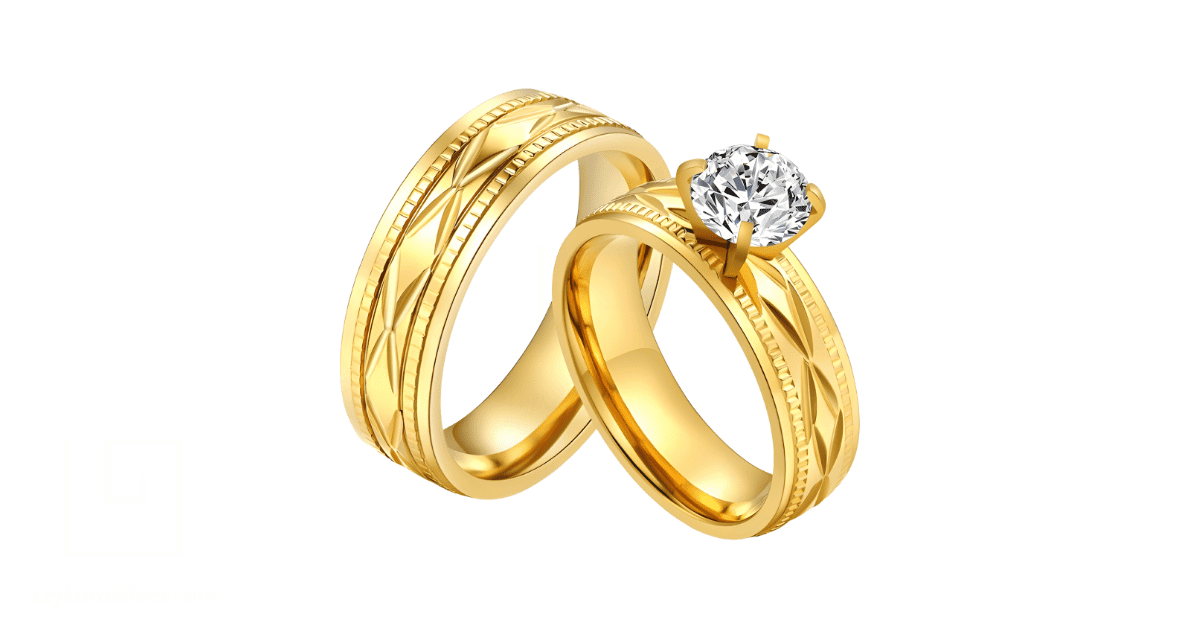
There’s no rule that says a couple’s wedding rings have to be identical. This decision is entirely about your personal style as a couple. You generally have three options: a perfectly matching set with identical designs, complementary rings that share a common element like the same metal or finish, or completely different, non-matching rings that reflect each of your individual tastes.
Choosing a matching set can be a beautiful symbol of your togetherness and shared identity. However, opting for non-matching rings allows each partner to select a piece that truly speaks to their personal style; that way, both of you will love wearing your ring for years to come. It’s a modern approach that celebrates both your union and your individuality.
4. Coordinate With the Engagement Ring
For the partner who will be wearing their wedding band alongside an engagement ring, ensuring the two pieces look harmonious together is essential. The wedding band should feel like a natural extension of the engagement ring, not an afterthought. It’s highly recommended to choose the same metal for both rings, as a harder metal (like platinum) can wear down a softer metal (like gold) over time.
You also need to consider the shape. A straight wedding band may not sit flush against an engagement ring with a large center stone or a low-profile setting. In these cases, a curved or “contoured” wedding band is designed to hug the curves of the engagement ring, creating a seamless and comfortable fit.
5. Pick Your Metal Wisely
The metal of your wedding ring determines its color, durability, and price. Yellow, white, and rose gold are timeless choices, available in different purities. 14K gold is 58.3% pure gold and offers excellent durability for daily wear, while 18K gold is 75% pure gold, giving it a richer, more vibrant color but making it slightly softer.
Platinum is a popular premium choice; it’s naturally hypoallergenic, extremely durable, and maintains its white luster without needing to be replated. Alternative metals like titanium (lightweight and strong), tungsten (extremely scratch-resistant), and cobalt are also gaining popularity as durable and more affordable modern options.
6. Understand Ring Profiles and Width
The profile of a ring refers to the shape of its cross-section, which significantly impacts its comfort. The “court” or “comfort-fit” profile, which is rounded on both the inside and outside, is one of the most popular choices because it feels smooth and comfortable on the finger. Other common profiles include the “D-shape,” which is flat inside, rounded outside, and the “flat” profile that is flat on both surfaces for a modern look.
The width of the band is another key consideration that affects the ring’s overall look. Women’s wedding bands typically range from 2mm to 4 mm in width, while men’s bands are most commonly between 5mm and 7mm in width. Try on different widths to see what feels and looks best on your hand.
7. Choose a Style That Will Last
While it can be tempting to choose a ring that’s very trendy, remember that this is a piece of jewelry you plan to wear for the rest of your life. A classic, timeless design is less likely to feel dated in a few decades. Plain metal bands are the epitome of simplicity and elegance and are easy to maintain.
If you want some sparkle, a half-eternity band with diamonds across the top offers a brilliant look while being more practical and affordable than a full-eternity band. A major advantage of half-eternity rings is that they can usually be resized, whereas full-eternity rings are notoriously difficult, if not impossible, to resize due to the continuous circle of stones.
8. Shop Early and Get Sized Correctly
Don’t leave wedding ring shopping to the last minute. You should start looking at least three to four months before your wedding date. This leaves ample time for browsing, making a decision, and accounting for production and shipping, especially if you opt for a custom design or add a personal engraving, which can take several weeks.
Most importantly, get your finger sized by a professional jeweler. Your finger size can fluctuate due to factors like temperature, time of day, and even diet. For the most accurate measurement, have your finger sized when you are calm and your body temperature is normal.
Wedding Rings and Their Prices – Average to Luxury
When it comes to buying wedding rings, couples have a vast spectrum of options to fit every taste and budget. From sleek and affordable bands made of alternative metals to luxurious, diamond-encrusted platinum rings from world-renowned designers, the possibilities are nearly endless.
An average, classic wedding band may be perfect for one couple, while another might prioritize a high-end, statement piece. The final choice ultimately depends on a blend of personal style, lifestyle needs, and financial comfort.
Here are some ring types and their current average prices:
| Ring Type | Average Price Range (USD) |
|---|---|
| Men’s Tungsten Carbide Band | $100 – $500 |
| Men’s Titanium Band | $110 – $600 |
| Women’s 14K Plain Gold Band (2-3mm) | $400 – $1,200 |
| Men’s 14K Plain Gold Band (5-6mm) | $700 – $1,500 |
| Women’s 14K Half-Eternity Diamond Band | $1,500 – $5,000 |
| Women’s Plain Platinum Band | $800 – $3,000 |
| Men’s Plain Platinum Band | $1,100 – $3,500 |
| Women’s Platinum Full Eternity Diamond Band | $3,000 – $15,000+ |
| Luxury Designer Brand Band (e.g., Cartier) | $1,500 – $10,000+ |
Where to Buy Wedding Rings in the US
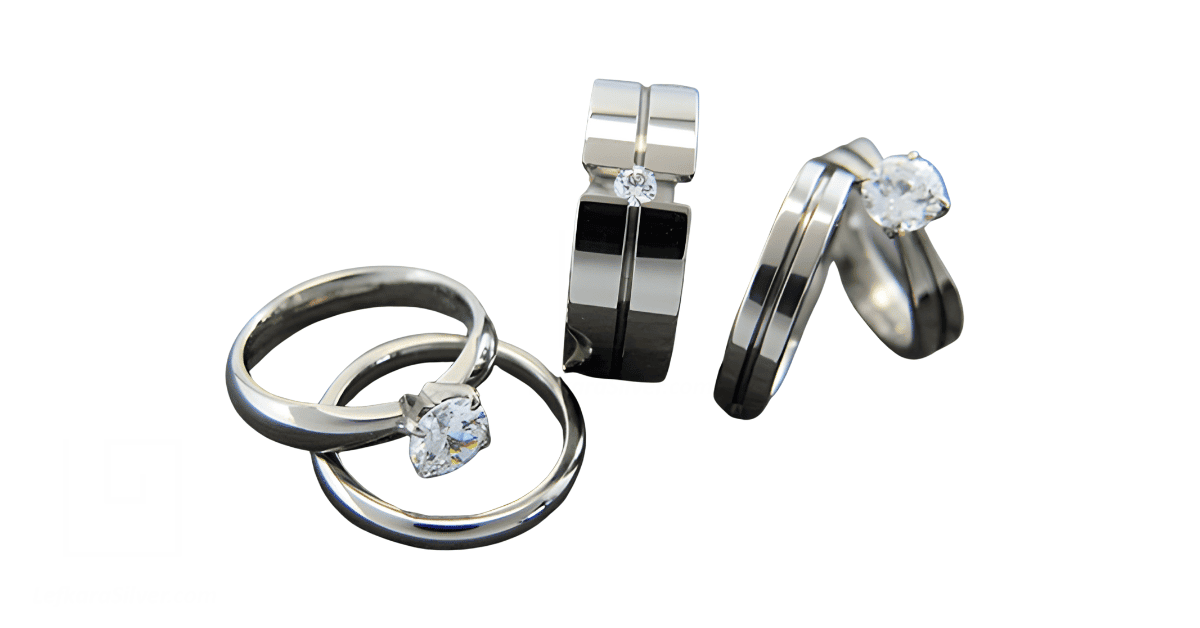
Choosing where to buy your wedding rings is just as significant as selecting the rings themselves, as it influences selection, quality, customer service, and ethical standards. When selecting a jeweler, consider factors such as their reputation, return policies, warranties, and whether they specialize in the style you’re looking for.
Some of the best options to look out for include:
- Blue Nile: One of the largest and most well-known online diamond retailers, Blue Nile offers an enormous selection of certified diamonds and wedding bands at highly competitive prices. The company is praised for its extensive educational resources and transparent business model, which has been trusted by couples for over two decades.
- Brilliant Earth: This is a top choice for environmentally and socially conscious couples. Brilliant Earth is a leader in ethically sourced jewelry, specializing in lab-grown diamonds and recycled precious metals. They offer beautiful, high-quality rings with a focus on transparency and sustainability throughout their supply chain.
- James Allen: Famous for its innovative technology, James Allen allows shoppers to view every single one of its diamonds in 360° high-definition, providing an unparalleled level of detail online. With a vast inventory, 24/7 customer service, and a lifetime warranty, it’s a go-to for couples who value transparency and selection.
- Tiffany & Co.: For those seeking iconic luxury and timeless design, Tiffany & Co. is a legendary choice that offers an exceptional in-store and online experience. A wedding ring from Tiffany’s represents a legacy of unparalleled craftsmanship and quality, symbolized by its famous little blue box.
- Catbird: Based in Brooklyn, Catbird offers a uniquely curated collection of delicate, artistic, and non-traditional wedding bands from a variety of independent designers. It is the ideal destination for couples looking for something distinctive and handcrafted with a focus on ethical sourcing and poetic design.
How Much Do Gold Wedding Rings Cost?
Gold wedding rings remain a top choice for couples, and for good reason. They offer a timeless, classic look that has symbolized commitment for centuries, dating back to Ancient Greece and Rome. Gold is also remarkably durable and easy to maintain, making it a practical choice for a piece of jewelry meant to be worn every single day.
In 2026, the price of gold wedding rings is influenced by several factors, primarily the karat, weight, and overall design. On average, you can expect the cost of a simple, plain gold band to fall within a fairly wide range. For a 14K gold band, which is 58.5% pure gold mixed with stronger alloys, prices typically range from $400 to $1,200. If you prefer a richer, more yellow tone, an 18K gold band (75% pure gold) typically costs between $600 and $2,500.
It’s important to remember that these are baseline figures. The price can increase with wider or heavier bands, intricate engravings, or the addition of diamonds. The color of the gold also plays a role; while yellow gold is the most traditional, white gold and rose gold are extremely popular. White gold offers a platinum-like look for a lower price but may require re-plating with rhodium every few years to maintain its bright white luster.
The rising price of raw materials also has an impact; with average gold prices at $2,100 per ounce in 2026, overall jewelry costs have seen about a 12% increase compared to the previous year.
How to Find Cheap Wedding Rings Set?
The symbol of your love doesn’t need to come with a hefty price tag, and it’s perfectly fine to seek out beautiful wedding rings that fit any budget. Fortunately, there are numerous ways to find affordable wedding ring sets without compromising on style or significance.
Here are some of the best ways to source cheap wedding rings:
- Shop During Sales and the Off-Season: Keep an eye out for major sales events like Black Friday, Valentine’s Day, and Mother’s Day. The wedding off-season, typically after the spring and summer rush, is another great time to find discounts.
- Consider Alternative Metals: While gold and platinum are traditional, modern alternative metals offer both durability and affordability. Tungsten rings can be found for as little as $100-$500, while titanium is lightweight, strong, and typically priced between $200-$1,000. Cobalt and sterling silver are other excellent, cost-effective options.
- Embrace Lab-Grown Diamonds: If you have your heart set on diamonds, lab-grown stones are your best friend. They are chemically and physically identical to mined diamonds but are far more sustainable and affordable. A lab-grown diamond can be up to 30% less expensive than its mined equivalent.
- Explore Online Retailers and Marketplaces: Websites like Blue Nile, Lefkara Silver, James Allen, and Brilliant Earth are known for competitive pricing due to their online-only models. For even more affordable options, marketplaces like Etsy offer a vast selection of rings from independent jewelers, with many beautiful options available for under $100.
- Look at Second-Hand or Vintage Rings: Estate sales, antique shops, and reputable pawn shops can be treasure troves for unique rings with a history, often at a fraction of the cost of a new ring.
- Skip the Designer Name: A ring from a local, independent jeweler can be just as high-quality as a designer-branded one but without the significant brand markup.
Where to Find Wedding Rings Near You?
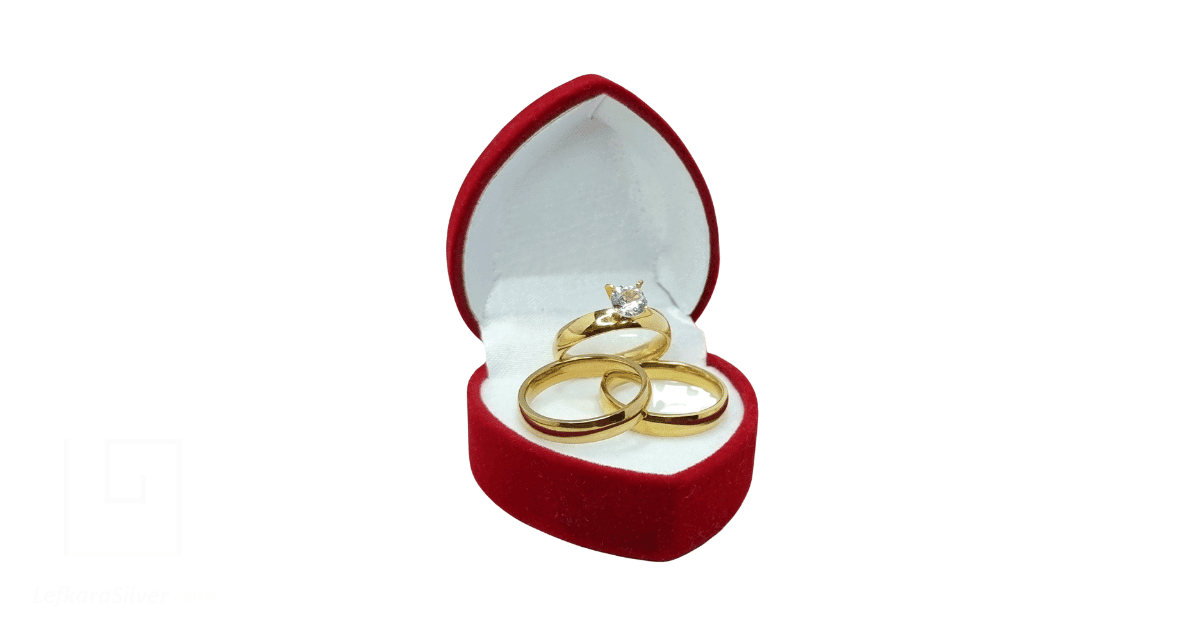
Finding the perfect wedding rings close to home has never been easier, thanks to online resources and local storefronts. You can start your search from the comfort of your couch and find a trusted jeweler in your area with just a few clicks.
Here are some of the best tips to help you find wedding rings near you today:
- Major Jewelry Retailers with Store Locators: Many of the biggest names in the online jewelry business also have physical showrooms across the country. Retailers like Brilliant Earth, Blue Nile, Zales, Kay Jewelers, and Jared all have options for a “Store Locator” or “Find a Showroom” tool. This allows you to browse their extensive collections online and then visit a local store to see the rings in person.
- Online Marketplaces with Local Filters: Platforms like Etsy are fantastic for discovering independent artisans and small jewelry businesses. You can often filter your search by the shop’s location, allowing you to find and support a local jeweler in your city or state.
- Google Maps and Local Searches: A simple search on Google Maps for “jewelry stores” or “wedding rings near me” will instantly populate a list of local options. This is a great way to discover independent, family-owned jewelers and read customer reviews before you visit.
- Jeweler Association Directories: Professional organizations like Jewelers of America (JA) and the American Gem Society (AGS) maintain online directories of their members. These are reputable, certified jewelers who adhere to high ethical standards, giving you extra peace of mind as you shop.
Wedding Rings Images to Inspire You
Gathering inspiration is a crucial first step in finding the perfect wedding rings, as these pieces are a daily symbol of your commitment that you’ll wear for a lifetime. Seeing a variety of styles helps you discover what you truly love, from the metal and finish to the overall design.
Visual platforms are your best friend in this discovery phase. Pinterest and Instagram are powerhouse resources, essentially acting as digital lookbooks. You can search for hashtags like #weddingrings, # mensweddingbands, or # eternityrings to see an endless scroll of options, from major brands to independent designers. Following jewelers, wedding publications, and style influencers will fill your feed with curated images, showing you how different rings look when paired with engagement rings or worn alone. Social media is a huge driver of trends, with 45% of Gen Z consumers discovering new jewelry brands through TikTok.
Beyond social media, the websites of online jewelry retailers are treasure troves of high-quality imagery. Major retailers feature extensive galleries with thousands of options. Many offer high-resolution, 360-degree videos of their rings, allowing you to inspect every detail up close.
For those seeking something less conventional, browsing the online portfolios of bespoke designers or marketplaces like Etsy can reveal unique, handcrafted styles you won’t find in big-box stores. Don’t forget to check out wedding blogs and digital magazines like Vogue and Brides, which often feature real weddings and trend reports, providing context and inspiration for how your rings can fit into your personal story.
How to Pick the Best Wedding Rings for Women?
Selecting a woman’s wedding ring requires careful thought, as it’s not just a standalone piece of jewelry but often part of a duo with an engagement ring. The goal is to find a band that is both beautiful and comfortable for everyday wear, and that harmonizes perfectly with her existing ring and lifestyle.
The most important factor is how the wedding band pairs with the engagement ring. They will be worn side by side for decades, so they should complement each other in style, metal, and shape. A mismatched pairing can not only look awkward but can also cause physical damage; it is highly recommended to match the metal of your engagement ring, as a more rigid metal, like platinum, can wear down a softer metal over time.
Lifestyle is another critical consideration. For someone with a very active job or hobbies, a durable, low-profile band, like one with a channel or gypsy setting, is a practical choice that protects any gemstones from snagging or damage.
Here are the key steps to follow when choosing a wedding ring for a woman:
- Coordinate with the Engagement Ring: The first step is to ensure that the wedding band complements the engagement ring. If the engagement ring has a large or low-set stone, a straight band might not sit flush against it, creating an awkward gap. In this case, consider a curved, contoured, or notched band specifically designed to hug the engagement ring’s profile, creating a seamless and unified bridal set.
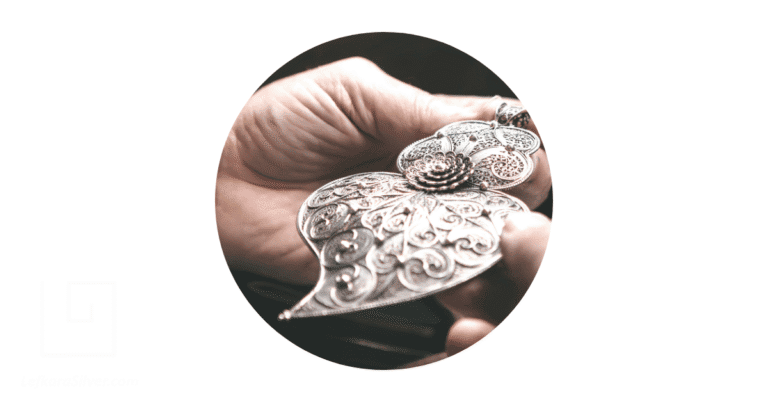
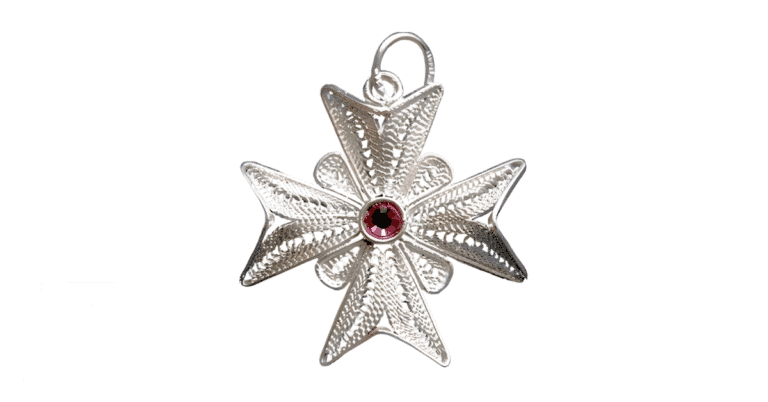
- Define Her Style: There is a vast array of styles to choose from. Classic options include the simple, unadorned plain metal band or the sparkling eternity band, where diamonds circle the entire ring to symbolize unending love. Half-eternity or pavé bands offer a similar sparkle at a more accessible price point. For a touch of old-world romance, vintage-inspired rings with delicate details like milgrain or Filigree are popular. More recently, stackable bands have become a major trend, allowing for a personalized, layered look that can be added to over the years.
- Choose the Right Metal: The metal is the foundation of the ring. Platinum is extremely durable, naturally hypoallergenic, and maintains its white luster without plating. It’s a premium choice with a higher price tag. Gold, the timeless classic. 18K gold offers a richer, purer color but is softer, while 14K gold provides a great balance of durability and color. It is the most popular choice in the U.S.
- Set a Budget: Wedding ring prices vary dramatically. Data shows that the average cost of a woman’s wedding ring was about $1,100, which can range from a few hundred to many thousands of dollars.
- Ensure a Perfect Fit: Comfort is non-negotiable for a ring you’ll wear daily. Many bands are available with a comfort fit, featuring a rounded interior that makes it easier to slide on and off. It’s essential to get her finger professionally sized at a jeweler. Remember that finger size can fluctuate with temperature and time of day, so it’s best to be measured when you’re calm and your body temperature is normal.
How to Pick the Best Wedding Rings for Men?
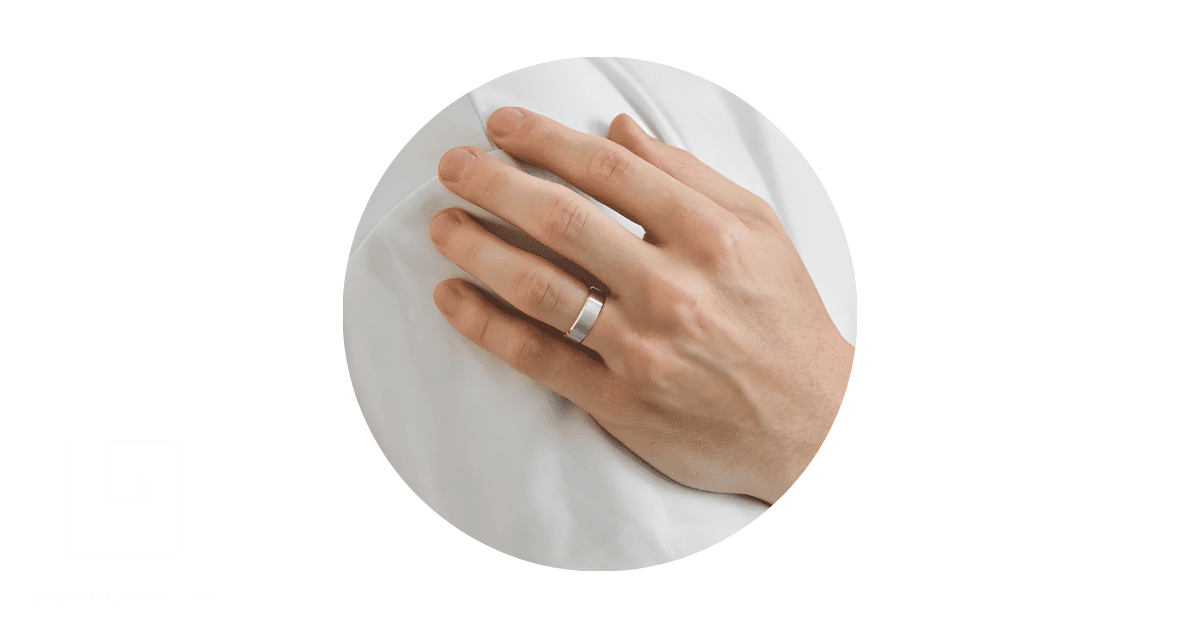
Choosing a man’s wedding ring is an equally important decision, with options that have expanded far beyond the simple gold band. While the tradition of men wearing wedding rings is relatively modern, today’s market is filled with diverse styles that cater to every personality, profession, and preference.
For men, the decision often comes down to three key factors: long-term comfort, durability for an active lifestyle, and a design that reflects personal style without being overly complicated. Men’s bands are typically wider than women’s, with 5mm to 7mm being the most popular widths. The finish of the metal also plays a significant role.
Here are the top factors and places to consider when selecting a wedding ring for a man:
- The Right Metal: This is often the most significant decision for a man’s ring, as it determines the look, feel, and durability. Platinum is a top-tier choice for its strength and hypoallergenic properties. Gold remains a timeless favorite for its classic warmth and enduring value. Titanium is incredibly lightweight yet strong, with a modern gunmetal-grey color.
- Determine the Width and Profile: The feel of the ring is just as important as its look. A man with larger hands or longer fingers might prefer a wider band (7mm to 9mm), while someone with slender fingers may find a narrower band (4mm to 6mm) more comfortable.
- Factor in Lifestyle: The ring must be able to withstand his daily activities. If he works with his hands or is an avid gym-goer, a super-durable metal like Tungsten or Cobalt is a wise choice. Softer metals like high-karat gold may be more prone to dents and scratches. The design should also be practical; rings with intricate engravings or inset stones may trap dirt and require more frequent cleaning.
- Find a Reputable Retailer: Where you buy your ring matters. Be sure to select one that has favorable terms and conditions attached to it.
Final Thoughts on Wedding Rings
This guide has walked you through everything you need to know about wedding rings in October 2025, from key market statistics and emerging trends to the practical details of choosing a ring for you and your partner. We’ve covered the ins and outs of metals like gold and platinum, explored styles for both men and women, and examined how factors like your lifestyle and budget play a crucial role in finding the perfect wedding rings and sets.
Here are a few of the most interesting facts to remember as you find your perfect forever ring:
- The global wedding rings market is a massive industry, valued at over $73 billion in 2025.
- The tradition of wearing the ring on the “ring finger” stems from an Ancient Greek belief in the veina amoris, a vein of love believed to run directly to the heart.
- For white or rose gold rings, 14k gold is often recommended over 18k gold because it’s more durable and its color is more pronounced.
- Lab-grown diamonds are chemically identical to mined ones but can be up to 30% less expensive, making them a popular ethical and budget-friendly choice.
- On average, a woman’s wedding band costs around $1,100, while a man’s band costs about $510.
- The classic solitaire remains the most popular engagement ring style, chosen by 47% of couples.
This content was last updated in October 2026.
Your wedding ring is the ultimate symbol of your unique love story. To find a piece that tells yours, you need a source you can trust.
Follow our website, LefkaraSilver.com, to stay informed about new jewelry offers, news, and buying guides.
Wedding Rings FAQs
Here are answers to some frequently asked questions about wedding rings:
Why Wedding Rings?
The wedding ring is a powerful symbol, with its circular shape representing eternal, unending love and commitment. This tradition dates back over 3,000 years to Ancient Egypt, where couples exchanged rings made of woven reeds and sedges. Worn on the fourth finger, it connects to the ancient belief in the vena amoris, or vein of love, which was thought to run directly to the heart.
Do Men Have to Wear Wedding Rings?
There is absolutely no rule that men must wear wedding rings; it’s a personal choice rooted in a relatively modern tradition. The practice only became common in Western cultures during the 20th century, gaining popularity mainly during World War II, when soldiers wore rings as a comforting reminder of their loved ones at home. While still optional, the vast majority of married men now wear one, with the average cost for a man’s wedding band in the U.S. being around $510.
What Does The 5 Diamond Wedding Ring Mean?
A five-diamond ring, often called a milestone or anniversary band, typically symbolizes the first five years of marriage or another significant five-year landmark. Each stone can also represent a key quality in a relationship: love, commitment, trust, communication, and respect. This style is a popular choice for couples looking to celebrate their journey and upgrade from a simpler band, adding significant sparkle and meaning.
What Are The 4 C’s of Wedding Rings?
The famous 4 C’s actually refer to the quality of the diamonds set within a wedding or engagement ring, not the ring itself. This universal grading system stands for Cut, Color, Clarity, and Carat, which collectively determine a diamond’s value. Of these, the Cut is considered the most critical factor, as it dictates the diamond’s brilliance and sparkle. A well-cut stone can even appear larger than a poorly cut one of the same carat weight.
What Are The 4 Types of Rings?
While ring designs are nearly infinite, wedding bands generally fall into four popular stylistic categories. These are the classic Plain Band, a timeless and unadorned metal ring; the Diamond Band, which adds sparkle through pavé, channel-set, or eternity styles; the Shaped Band, which is contoured to sit flush against an engagement ring; and the Vintage-Inspired Band, which features ornate details like milgrain edging and filigree.
How Many Rings Are Used in a Wedding?
Typically, two rings are exchanged during the actual wedding ceremony, one wedding band for each partner. However, it’s common for a bride, to ultimately wear two rings: her engagement ring and the new wedding band, with the wedding band placed on the finger first so it’s closest to the heart. Because of this, many couples purchase a total of three rings, and bridal sets, which include a perfectly matched engagement ring and wedding band, are a popular and often cost-effective option.
How Many Rings Do Married Couples Wear?
Most married women in Western cultures wear two rings, the engagement ring and the wedding band, on the same finger. However, a growing trend sees women opting to wear just one, often a more elaborate wedding band that stands alone. The majority of married men wear a single wedding band, a practice that gained widespread popularity in the 20th century.
What is The Second Wedding Ring Called?
A second ring given after the wedding is typically called an anniversary band or, more specifically, an eternity ring. An eternity band features a continuous line of identical gemstones, usually diamonds, symbolizing never-ending love and is often given on a significant anniversary, like the 10th or 20th. This tradition allows couples to commemorate their enduring commitment with a new piece of meaningful jewelry.
What is The 3 Month Rule For Rings?
The three months’ salary rule for engagement rings is a marketing concept, not a tradition, created by De Beers in the 1980s to boost diamond sales. Today, this guideline is largely ignored, with couples spending what they are personally comfortable with. In fact, the average amount spent on an engagement ring in the U.S. is between $5,000 and $10,000, which for most people is far less than three months’ pay.
Can You Get Married Without a Wedding Ring?
Yes, you can absolutely get legally married without exchanging rings. Wedding rings are a cultural tradition and symbol, but they hold no legal power and are not a requirement for a valid marriage license in the United States or many other countries. While over 90% of couples do exchange them, some opt for other symbols like tattoos, watches, or simply their spoken vows to signify their commitment.
Who Pays For Wedding Rings?
Traditionally, each partner bought the wedding band for the other. However, modern couples are rewriting the rules, with over 70% reporting that they shopped for their rings together. It is now very common for couples to pay for the rings from a joint account or for each person to buy their own ring, reflecting a more collaborative approach to wedding finances.
Who Gives The Ring First at a Wedding?
In most traditional Western wedding ceremonies, the groom places the wedding ring on the bride’s finger first as they recite their vows. The bride then follows by placing the groom’s ring on his finger. This order is a matter of custom, not a strict rule, and couples can choose to exchange their rings in any way that feels meaningful to them.