
How to Tell If a Silver Spoon Is Real: Hallmarks, Marks, and Value
To tell if a silver spoon is real, look first for the marks stamped on it. Real silver is usually marked, and the letters EPNS is a symbol that shows a spoon is silver-plated not real silver all the way through. You can run simple checks at home to help you figure this out; however, none of these checks is completely reliable on its own.
In this guide you’ll discover how to tell if a silver spoon is real by reading the marks, and what makes one silver spoon worth more than another, so you can judge a spoon with confidence.
Reading Hallmarks and Maker’s Marks
A hallmark is a small stamp, or set of stamps, that tells you about a piece of silver. In countries with an official hallmarking system, such as the United Kingdom, the marks can tell you the metal and its purity, the maker, the office that tested it, and even the year it was made. These are indicated by a letter that changes each year.
To check for these marks, look at the back of the spoon’s handle or the stem, where the marks are usually placed. Be sure to use a magnifying glass because the stamps are small and often worn out.
Conventions differ from country to country. British silver uses a series of small symbols, including a lion for the sterling standard, while American silver is more often simply stamped “sterling” or “925”, the number means that the spoon is 92.5 percent silver.
Continental European pieces may show “800”, “830” or “900” for their own standards. The systems vary so much, so, the safest way to read an unfamiliar mark is to check it against a proper hallmark guide or to ask a jeweller or an assay office.
Real Silver vs Silver-Plated Spoons
Real silver spoon is made with silver throughout, while a silver plate is a thin layer of silver over a base metal. Silver-plate wears over time, sometimes showing the metal beneath at the edges of the bowl or the tip of the handle where a spoon is handled most.
The letters you need to look for are EPNS, which stand for electro-plated nickel silver. A spoon marked EPNS is plated. Other plating marks include “silver plate”, “A1” and “EP”. Also note that some other marjs like “nickel silver” or “German silver” usually contains no silver at all, just an alloy that looks silvery.
For more on the different spoons themselves, see our guide to the types of silver spoons.
How to Tell If a Silver Spoon Is Real with Simple Checks at Home
If a spoon has no clear marks, a few gentle tests can give you a hint of its purity; however, none of these methods is proof on its own.
- Check for marks first: This is always the best guide. Only move to the tests below if there are none.
- The magnet test: Silver is not magnetic, so if a spoon pulls firmly towards a magnet, it is not real silver. Some non-silver metals are also non-magnetic, so this is not absolute confirmation.
- The ice test: Silver carries heat unusually well, better than any other common metal, so a piece of ice placed on a real silver spoon melts noticeably faster than on steel. It is not a definitive check.
- The smell and look: Real silver has no strong metallic smell and tarnishes to a soft grey-black. Plated spoons on the other hand often show the base metal at worn edges.
- The weight and sound: Real silver feels heavier for its size than steel, and a light tap can produce a clear ringing note, but this takes a practised ear.
What Affects a Silver Spoon’s Value?
The value of a silver spoon comes from a lot more than its metal. The silver content sets a baseline, because te worth of real silver is on the weight, which is why people ask how much a silver spoon weighs. A spoon’s weight depends on its size, from a light coffee spoon of perhaps fifteen to twenty grams to a substantial serving spoon several times that.
Other than the metal, several things contribute to a spoon’s value, including the maker and whether the piece is by a known name, its age and rarity, its condition, and above all, the craftsmanship. A handmade or antique spoon is usually worth well more than its weight in silver, because people value the work and the history, not just the material.
This is something you should keep in mind before treating any older spoon as mere scrap, because a piece with a good mark or fine handwork may be far more valuable when kept whole.
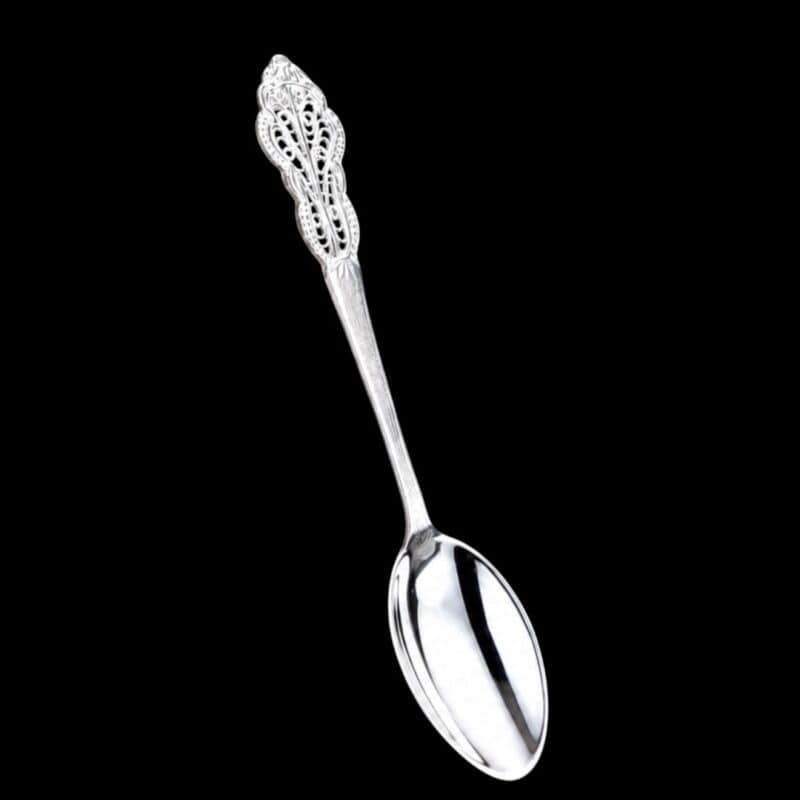
If you want a proper figure for an inherited or antique spoon, take it to a jeweller, an antiques dealer, or an auction house, where they can read the marks and weigh the piece, judge its maker and condition. It costs little or nothing to ask, and it can save you from selling a good spoon for scrap when it is worth more as it is.
Why Handmade Real Silver Holds Its Value
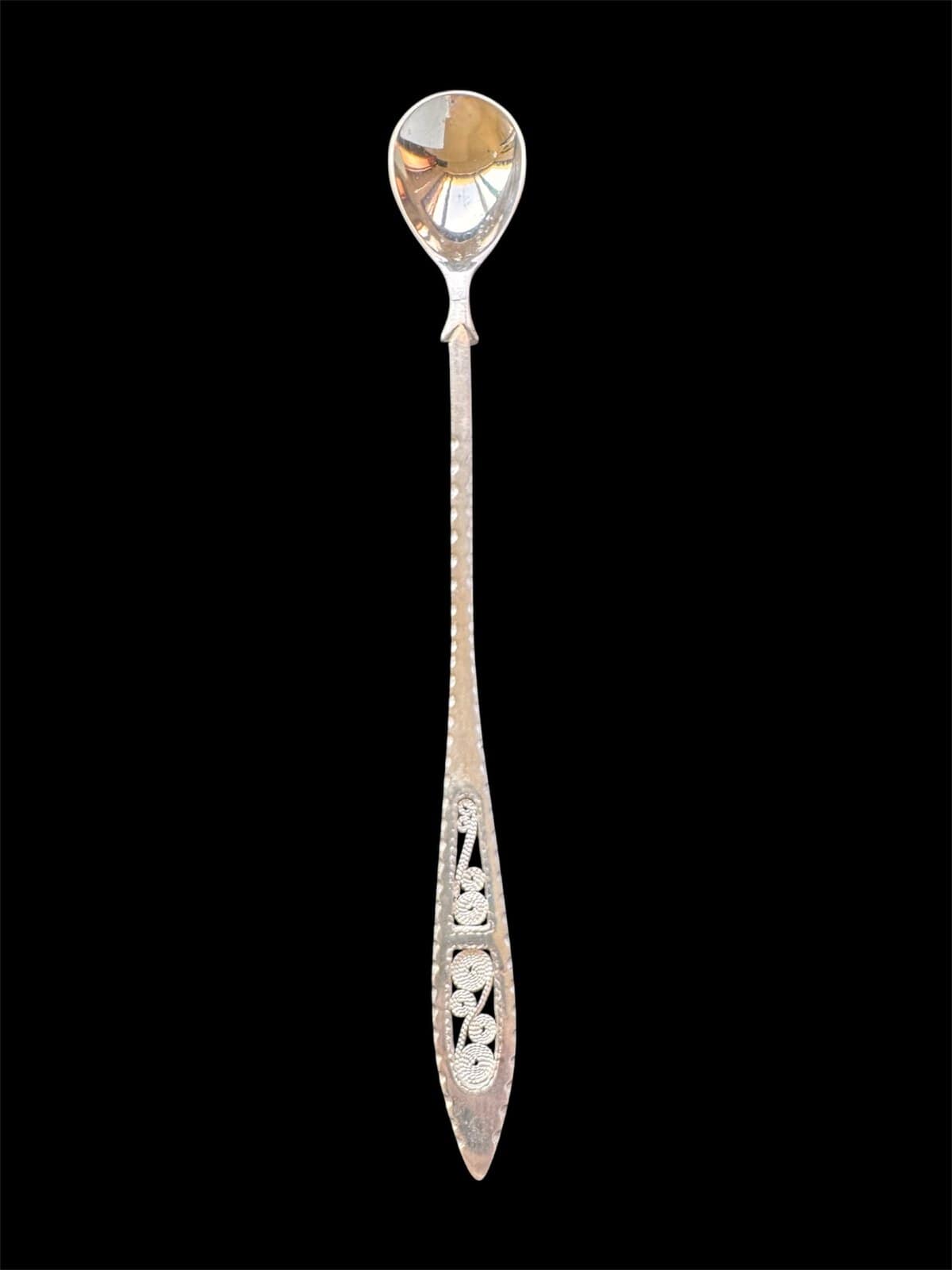
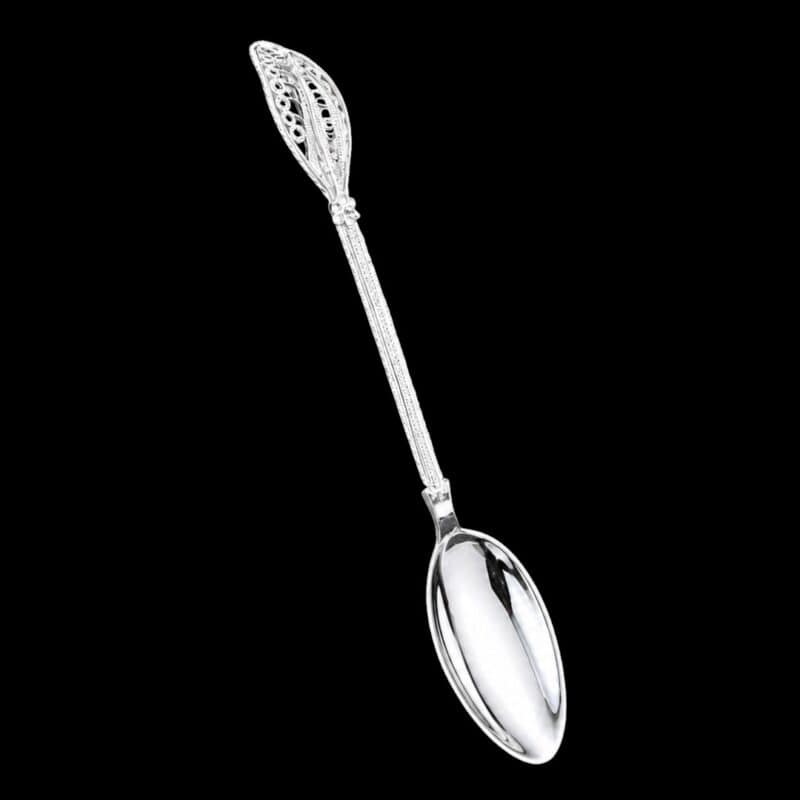
A mass-produced silver spoon is worth close to its metal, but a piece worked by hand carries the value of the craft as well. At Lefkara Silver, our spoons are made in Lefkara, a village in Cyprus known for its silver, in filigree, the craft of shaping fine silver threads into open, lace-like patterns, and each is handmade silver, not plated.
The village’s lace, Lefkaritika, was inscribed on the UNESCO Representative List of the Intangible Cultural Heritage of Humanity in 2009, and the silver tradition stands beside it. That craft is why a handmade piece is valued for more than its weight, and why it makes a keepsake worth passing on.
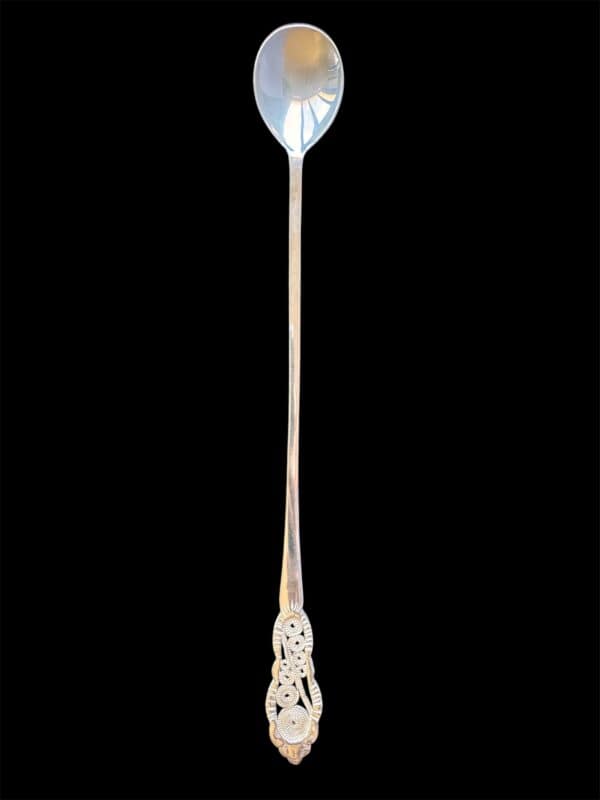
You can see the work up close in our handmade silver spoon collection, and there is more to learn in our guide to cleaning silver spoons.
Frequently Asked Questions
How Can You Tell if a Spoon is Real Silver?
If it carries a “sterling”, “925” or a recognised hallmark, then it’s more likely to be real, and if it has EPNS or “silver plate” this means it’s plated. Also, a magnet can give you a quick clue, since silver is not magnetic, but the reliable answer comes from a jeweller or an assay office.
What Do the Marks on a Silver Spoon Mean?
The marks can show the metal and its purity, the maker, and in some countries, the testing office and the year. Conventions vary by country, so British, American and continental silver are marked differently. A hallmark guide or a jeweller can read an unfamiliar mark for you.
What Does EPNS Mean?
EPNS stands for electro-plated nickel silver, which means the spoon is silver-plated. Despite the word “silver” in the name, an EPNS spoon has only a thin layer of silver over a base metal.
How Much is a Silver Spoon Worth?
It depends on the metal, the weight and, above all, the maker and craftsmanship. A plated spoon is worth little beyond its use, while a real silver spoon has value by weight, and a handmade or antique piece can be worth well above that.
Are Old Silver Spoons Worth Anything?
Often yes, and sometimes far more than their metal. Value depends on the maker, age, rarity, condition and craftsmanship, so a handmade or antique spoon can be worth well above its weight in silver.
See Handmade Real Silver
If you would like silver spoons you can trust to be handmade and real silver, browse our handmade Cypriot silver spoon collection. Each one is worked by hand in Lefkara, and made to be kept. For the wider story of silver spoons, their types and their meaning, check our complete guide to silver spoons.
Wikipedia’s article on the hallmark explains the marking systems and their symbols in more depth.