What You Need to Know About Bracelets in 2026
Bracelets are taking center stage with more flair, personality, and versatility than ever before. In 2026, they are not just simple accessories; they are powerful expressions of individuality, blending nostalgic charm with modern beauty. Whether you’re a minimalist who loves a simple chain or a maximalist who stacks bold cuffs, you will always stand out when you pick the right one for you.
This article will help you discover everything you need to know about bracelets, from the 10 best jewelry stores for bracelets with the best designs and materials, to where you can find affordable bracelets under $50. We’ll also explore what makes some popular brands in 2026 stand out, the different types and their meanings, and how to choose the right size for the perfect fit.
You’ll also learn how to stack and style like a pro, discover the best materials for women’s bracelets and what materials are frequently used for men’s bracelets, get creative with DIY eco-friendly bracelets, and master the art of maintaining and caring for your bracelets. All the information provided is curated to be the latest as of October 2026, ensuring you’re perfectly in sync with the current trends.
The Latest Bracelet Trends in October 2026
Bracelets have an incredibly rich history, having been worn for millennia as status symbols, protective talismans, and fashion statements. One of the oldest ever discovered, a stunning green stone bracelet found in a Siberian cave, dates back an astounding 40,000 years.
The bracelet trends for October 2026 are a mix of past and present, combining timeless elegance with bold, modern aesthetics. This year, diversity is the name of the game, with styles ranging from chunky, conversation-starting pieces to deeply personal and customized designs that tell a unique story.
Here are some key facts and trends shaping the bracelet world right now:
- Personalization is paramount. Styles that allow for self-expression, such as charm bracelets, zodiac-themed pieces, and engraved nameplates, are dominating the market.
- The search interest for “charm bracelets” hit a peak value of 100 in December 2024, driven by holiday gifting and a desire for meaningful jewelry.
- Maximalism is making a major comeback. This trend is all about confidence and making your wrist the focal point of your outfit.
- Men’s bracelets are on the rise. Popular styles include rugged leather and metal combinations, minimalist cuffs, and beaded bracelets.
- There’s a major shift towards eco-friendly materials like recycled metals, especially Sterling Silver, wood, and stones.
- Bangles are ancient but trendy. Bangle-style bracelets, which have been found to date back as early as 2600 BC, are experiencing a major resurgence. This year’s trend sees them being mixed and matched in various widths, materials, and colors for an eye-catching effect.
- Mixing metals is no longer a fashion faux pas. The trend of blending gold, silver, and rose gold tones in a single stack or even a single piece is highly fashionable, offering a modern and dynamic look.
10 Best Jewelry Stores for Bracelets With the Best Designs and Materials
A bracelet is more than just an accessory; it’s a personal statement that can define a look. To find a piece that truly stands out, it’s essential to shop at stores known for their unique designs, superior craftsmanship, and the finest materials.
The best jewelry stores offer a curated experience, ensuring every bracelet tells a story of quality and style. After comparing different jewelry stores, we have discovered that these 10 stores stand out for their unique designs and fine materials.
1. Zales
As one of the oldest and most recognized names in American jewelry since 1924, Zales has built a reputation for a vast selection of ready-to-wear pieces. They offer an extensive collection of bracelets, from classic diamond tennis bracelets to modern bolo styles and intricate chain designs. Zales is particularly known for its natural diamonds, which are sourced from conflict-free areas or created in a lab, ensuring ethical standards.
Their bracelet collection caters to a wide range of budgets, with prices starting around $150 for simpler sterling silver or gold-plated pieces and soaring to over $55,000 for high-end diamond-encrusted designs. With over 700 stores across the US, Zales offers accessibility and a diverse inventory, including everything from personalized charm bracelets to elegant pearl strands.
2. Lefkara Silver
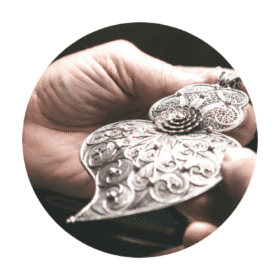
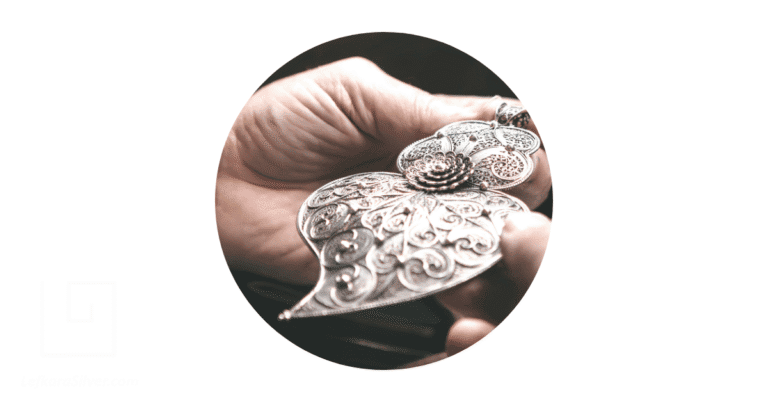
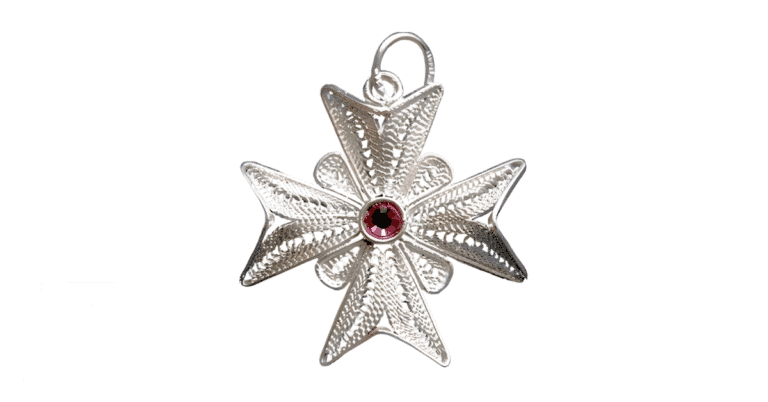
If you want pieces that are truly unique and artisanal, Lefkara Silver offers bracelets rooted in tradition and careful craftsmanship. Specializing in filigree and handmade designs originating from Lefkara in Cyprus, this jeweler provides a connection to centuries-old silversmithing techniques. Each bracelet is a work of art, with delicate, lace-like patterns that mass-production methods cannot replicate.
Because of their handcrafted nature, no two pieces are exactly alike. The pricing is often more accessible than high-luxury brands, offering exceptional value for a custom, handmade piece of wearable art.
3. Blue Nile
Blue Nile has established itself as a dominant force in the online jewelry market, particularly for those who enjoy a data-driven shopping experience. It boasts one of the largest and most varied collections available, appealing to options enthusiasts. The store excels in offering everything from affordable fashion bracelets to high-end, custom-designed diamond pieces, making it a versatile choice for any shopper.
What sets Blue Nile apart is its powerful customization tool, allowing shoppers to build their own pieces with exacting detail. Prices are highly competitive, with simple sterling silver ones starting as low as $30 and premium diamond jewelry reaching well over $165,000.
4. Brilliant Earth
For the environmentally and ethically conscious consumer, Brilliant Earth is the premier destination. The brand is built on a foundation of transparency and sustainability, offering bracelets crafted from recycled precious metals and set with Beyond Conflict Free™ diamonds and gemstones. Their commitment to ethical sourcing is a core part of their identity, attracting a loyal following.
Brilliant Earth’s bracelet designs range from timeless diamond tennis bracelets and minimalist bangles to personalized pieces perfect for stacking. They offer a sophisticated aesthetic that feels both modern and enduring. The price range reflects their quality and ethical promise, with delicate silver bracelets starting around $75 and diamond designs exceeding $75,000.
5. Tiffany & Co.
No list of top jewelry stores is complete without the iconic Tiffany & Co. The brand is synonymous with luxury, and its signature blue box is recognized worldwide. A Tiffany bracelet is a timeless investment, celebrated for its impeccable craftsmanship and classic designs. The brand’s charm bracelets, particularly the “Return to Tiffany” collection with its signature heart tag, are globally recognized classics.
While it is a luxury brand, Tiffany & Co. offers pieces at various price points. A simple sterling silver bead bracelet can be found for a few hundred dollars, while more intricate designs featuring diamonds and other precious gems can command prices well into the tens of thousands.
6. James Allen
James Allen has revolutionized the online jewelry shopping experience, particularly for customizable pieces. While renowned for engagement rings, its bracelet collection is equally impressive and benefits from the same high-tech approach. The store’s proprietary Diamond Display Technology provides 360-degree HD images of every diamond, allowing you to inspect your chosen gems with unparalleled detail before purchase.
Their offerings focus heavily on fine jewelry, such as diamond tennis bracelets, gemstone bangles, and pearls. Prices generally start around $150 for simple designs and can go up to $3,000+ for more elaborate, diamond-focused bracelets.
7. Ippolita
Founded by Italian-born designer Ippolita Rostagno, this brand was created with the mission to make fine jewelry a part of everyday life. Ippolita is celebrated for its minimalist and sculptural designs, especially its signature hand-hammered bangles. The brand’s aesthetic is effortlessly chic, focusing on organic shapes and vibrant gemstones that are meant to be worn and layered.
Ippolita specializes in crafting bracelets from 18k gold and sterling silver, often adorned with a rainbow of gemstones. Their collections feature an array of bangles, cuffs, and chain-link pieces that are perfect for stacking. These are investment pieces designed for longevity, with prices reflecting the high-quality materials and artisanal craftsmanship.
8. Saint Laurent
As an established high-fashion powerhouse, Saint Laurent extends its distinct design language into its jewelry collections. A Saint Laurent bracelet is a statement of sophisticated, often edgy, style. The brand is known for its bold cuffs, chunky chain-link bracelets, and pieces that often feature its iconic logo, blending classic luxury with a modern, rock-and-roll sensibility.
Often seen on the runway, their bracelets are designed to be focal points of an outfit. Materials include high-quality brass with gold or palladium finishes, leather, and enamel. A bracelet from Saint Laurent is a fashion-forward investment, with prices typically starting in the mid-hundreds and going up for more elaborate or iconic designs.
9. Ross-Simons
Ross-Simons has been a trusted source for fine jewelry for over 70 years, positioning itself as a leader in value. The store offers an incredibly diverse and expansive inventory, with bracelets available for nearly every style and budget imaginable. From classic gold bangles and diamond tennis bracelets to trendy Byzantine chains and colorful gemstone pieces, the selection is vast.
What makes Ross-Simons stand out is its ability to offer fine jewelry at competitive prices. The price range is one of the widest on the market, with fashion bracelets available for as low as $7.99 and high-end diamond pieces reaching over $100,000. It is a go-to destination for shoppers looking for both classic designs and unique finds without a high luxury markup.
10. David Yurman
David Yurman’s Cable Classics Bracelet is one of the most recognizable and iconic designs in the jewelry world. The brand, founded by David and Sybil Yurman, is celebrated for its artistic and sculptural approach to jewelry. The signature cable motif—a twisted helix of sterling silver or gold—is a hallmark of the brand and is featured prominently in its bracelet collections.
The brand offers a wide range of cuffs, chain bracelets, and bangles, often adorned with gemstones and diamonds at the terminals. A David Yurman bracelet is a versatile luxury piece, perfect for wearing alone as a statement or as the anchor of a sophisticated stack. Their pieces are considered a staple in many jewelry collections, with prices for the classic cable bracelets starting in the mid-hundreds.
Where to Find Affordable Bracelets Under $50?
Finding stylish and quality bracelets doesn’t have to mean breaking the bank. A growing number of online stores specialize in offering on-trend and classic designs for under $50.
- Lefkara Silver: This shop is an excellent destination for discovering unique, minimalist bracelets that are perfect for everyday wear and stacking. Their collection focuses on trendy yet timeless designs that look far more expensive than their accessible price point.
- Macy’s: As a major department store, Macy’s offers a vast and frequently updated selection of bracelets from various fashion brands. Their “Gifts Under $50” section is a reliable place to find everything from sparkling cuffs to charming beaded bracelets, often with significant discounts during sales events.
- Brighton: Brighton is known for its intricately detailed and often heart-themed silver-tone jewelry. Their “Must-Have Bracelets $50 and Under” collection features beautifully crafted pieces that offer a sense of romance and timeless style, making them a great option for gifting or personal wear.
- Pura Vida: Famous for its string and beaded bracelets, Pura Vida has built a massive following with its laid-back, bohemian aesthetic and commitment to providing artisans with full-time jobs. Their bracelets are incredibly affordable, often costing less than $20, and are designed for stacking and collecting.
What Are Some Popular Bracelet Brands in 2026?
In 2026, the most popular bracelet brands are those that successfully blend timeless appeal with personal expression. The market is dominated by a desire for versatility, personalization, and sustainable practices. Consumers are gravitating towards pieces that can be worn daily, layered creatively, and hold sentimental value.
Brands that focus on high-quality, durable materials are also at the forefront. There’s a clear move away from fleeting trends and towards “quiet luxury” and investment pieces that last. Stainless steel, sterling silver, and recycled metals are gaining traction due to their longevity and eco-friendly credentials.
The demand for these popular styles means that certain pieces from top brands often sell out quickly, especially when featured by influencers or celebrities. Limited-edition drops and exclusive collections create a sense of urgency, driving sales and reinforcing a brand’s desirability. Whether it’s a classic luxury piece or an affordable, trend-driven design, the most successful brands of 2026 are those that offer a compelling mix of style, quality, and personal meaning.
| Brand | Average Price Range | Unique Features |
|---|---|---|
| Tiffany & Co. | $250 – $20,000+ | Iconic and timeless designs like the “Return to Tiffany” charm bracelet; a symbol of classic luxury and a popular gift for major milestones. |
| David Yurman | $350 – $10,000+ | The signature “Cable” design is instantly recognizable; known for artistic, sculptural pieces that blend sterling silver and gold. |
| Cartier | $700 – $50,000+ | The “Love” bracelet is a global status symbol; represents ultimate luxury, craftsmanship, and commitment. |
| Pura Vida | $10 – $45 | Champion of the affordable, stackable bracelet trend; promotes a laid-back, beach-inspired lifestyle and supports artisan communities. |
| Kendra Scott | $50 – $250 | Known for customizable pieces through the “Color Bar,” featuring signature shapes and colorful gemstones in accessible designs. |
Different Types of Bracelets And Their Meanings
There are so many types of bracelets today, each with its own unique story and style. From simple, rigid loops to intricate, flexible chains, there’s a type for every wrist and occasion.
Here are just a few of the many popular styles:
- Bangle Bracelets: Known for their rigid, circular design, bangles are meant to be slipped over the hand. They can be worn alone for a simple look or, more popularly, stacked together.
- Cuff Bracelets: Unlike a bangle, a cuff doesn’t form a complete circle and has an opening that allows you to slip it on your wrist from the side. Cuffs are often bold and make a statement, ranging from minimalist metal designs to intricate, gem-encrusted pieces.
- Chain Bracelets: This popular style is made of interconnected metal links. The variations are endless, from delicate and dainty chains to oversized, chunky links that are trending heavily.
- Charm: They feature a chain from which various trinkets or “charms” dangle, each one representing a memory, interest, or milestone unique to the wearer.
- Tennis Bracelets: This epitome of elegance consists of a single, continuous line of diamonds or other gemstones. It’s a flexible and comfortable piece that adds a touch of understated luxury to any look.
- Beaded Bracelets: Made from a variety of materials like gemstones, wood, glass, or plastic strung together, they offer a charming, often earthy aesthetic and are perfect for adding a pop of color.
How to Choose The Right Bracelet Size?
Choosing the correct bracelet size is crucial for both comfort and security, especially when you’re shopping online and can’t try it on first. One that’s too tight will be uncomfortable, while one that’s too loose could easily get lost.
Here are some essential tips for finding your perfect fit:
- Measure Your Wrist Circumference: The first step is always to get an accurate measurement of your wrist. Use a flexible measuring tape, or a piece of string and a ruler to measure the part of your wrist where you’d typically wear a bracelet, which is usually just below the wrist bone. Make sure the tape is snug but not uncomfortably tight.
- Add Length for a Comfortable Fit: Once you have your wrist measurement, you’ll need to add a bit of length to determine the final bracelet size. The amount you add depends on your preferred fit. For a snug fit, add about ¼ to ½ inch. For a standard, comfortable fit, add ¾ to 1 inch. For a looser fit that drapes a bit, add 1 to 1¼ inches.
- Account for the Bracelet Style: Different styles require different sizing considerations. For charm bracelets, in particular, it’s recommended you add about 1 inch to your wrist measurement to accommodate the space the charms will take up.
- Know How to Size a Bangle: Sizing for a solid, non-opening bangle bracelet is completely different. It’s not your wrist size that matters, but the size of your knuckles. To measure, tuck your thumb into your palm as if you’re putting on a bangle and measure the circumference around the widest part of your hand (the knuckles). You can then either use that circumference measurement or divide it by pi (3.14) to get the diameter, as different brands list bangle sizes differently.
- Always Check the Brand’s Sizing Chart: There is no universal standard for sizing. A “Medium” in one brand might be a “Large” in another. Always refer to the specific sizing guide provided by the retailer to compare your measurements and find the most accurate size.
How to Stack and Style Bracelets?
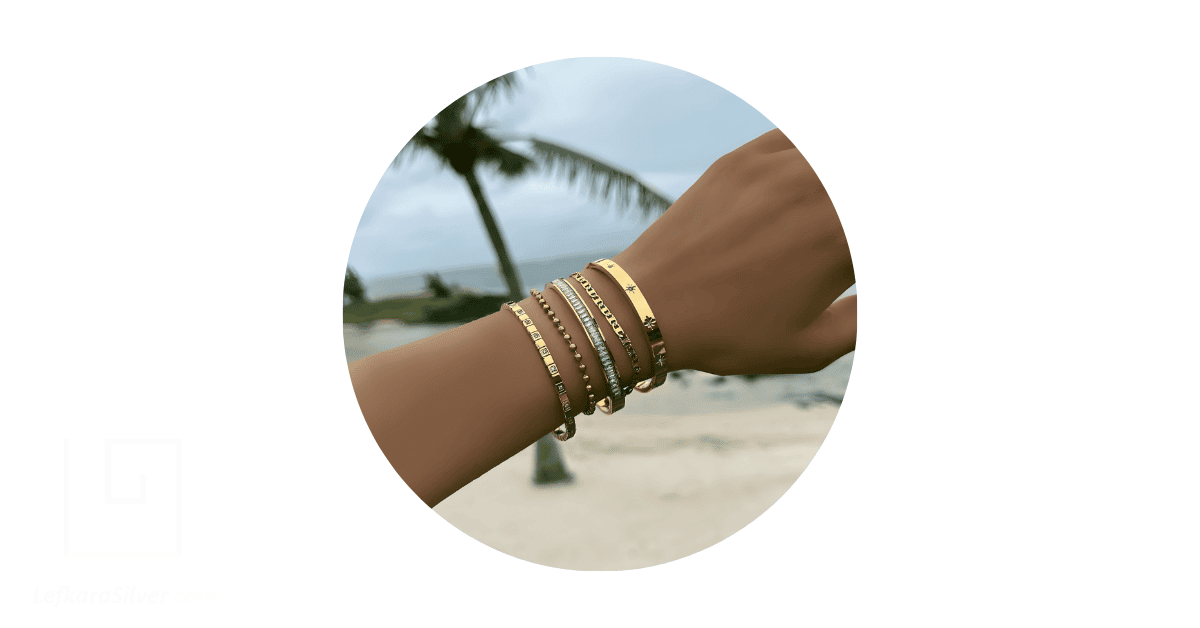
The art of stacking bracelets is a timeless fashion statement. It gives room for personalization and expression that few other trends can match. From the glamorous, diamond-laden stacks of the 1920s to the bohemian and punk-rock layers of more recent decades, combining multiple bracelets is a proven way to showcase your unique style.
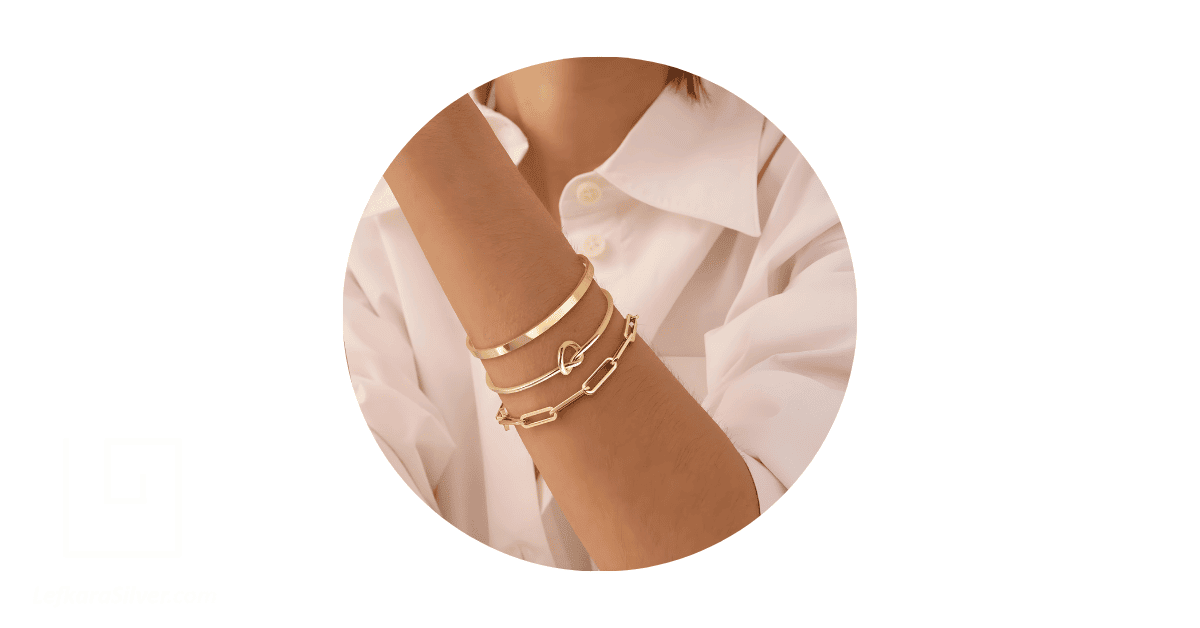
The key to a successful stack in 2026 is creating a look that feels intentional, balanced, and effortlessly cool. A great place to start is by selecting an “anchor” piece. This could be your favorite watch, a bold statement cuff, or a sparkling tennis bracelet. This piece will serve as the focal point, and you can build the rest of your stack around it.
A popular guideline is to stack in odd numbers, as a set of three, five, or seven bracelets is often more visually appealing than an even number. Arrange them by visual weight, placing the heaviest or widest piece closest to your hand and graduating to lighter, more delicate pieces up your arm. This creates a sense of balance and proportion.
Don’t be afraid to mix your metals; combining gold, silver, and even rose gold is a modern and dynamic look. Playing with different textures is also great for creating an eye-catching ensemble. Try pairing a sleek, smooth bangle with the intricate links of a chain bracelet or the organic feel of a beaded piece. The rise of maximalist designs means that mixing chunky, oversized chains with more delicate pieces creates a fashionable contrast that is very current. Above all, ensure the stack is comfortable and doesn’t restrict your movement.
The Best Materials for Women’s Bracelets
Choosing the right bracelet for women involves a delightful dilemma of balancing style, durability, and budget, with the material playing the lead role. The spectrum ranges from affordable, fashion-forward choices like gold-plated brass and stainless steel to timeless investment pieces crafted from platinum and high-karat gold. This decision impacts not only the bracelet’s aesthetic and price tag but also its longevity and how it feels against a woman’s skin. Today’s market leaders in wholesale jewelry focus on high-quality, on-trend, and sustainably produced pieces that align with consumer values.
Gold
Gold is the undisputed classic of the jewelry world, prized for its radiant luster and enduring value. It’s available in a variety of hues: traditional yellow, sleek white, and romantic rose gold, and purity levels, measured in karats (k). 18k gold offers a rich, deep color and is a luxurious choice for statement pieces, while 14k gold provides a fantastic balance of color and durability, making it perfect for everyday wear.
Silver
Silver is a favorite. Sterling silver, an alloy of 92.5% pure silver, is the most common type used in jewelry, offering a brilliant shine that complements any skin tone. It’s a more affordable precious metal than gold, making it accessible for building a collection of everything from delicate chains to bold, chunky cuffs. While silver can tarnish over time, regular polishing can easily restore its gleam.
Gemstone
Gemstone bracelets bring color, personality, and meaning to your wrist. Pearls are also having a major moment, moving beyond classic strands to include unique, organically shaped baroque pearls for a contemporary twist. For a more personalized and spiritual touch, beaded bracelets with natural stones are incredibly popular. Zodiac bracelets that incorporate birthstones are a must-have trend, allowing people to connect with their star sign in a unique and stylish way. Stones like rose quartz, tiger’s eye, and ruby are chosen not just for their beauty but for their symbolic energy.
What Materials are Frequently Used for Men’s Bracelets?
While men’s bracelets readily embrace the same precious metals popular in women’s jewelry—such as the sleek platinum or white gold cuffs seen on celebrities like Timothée Chalamet—masculine wristwear often expands to include more rugged, tactile materials. The modern man’s jewelry box is diverse, blending classic luxury with earthy and industrial elements to create a look that is both personal and stylish.
A dominant material in men’s fashion is leather, prized for its ability to be both refined and rebellious. Luxury fashion houses like Salvatore Ferragamo and Prada have prominently featured leather bracelets in their collections, cementing the material’s status as a high-fashion staple. Leather bracelets range from simple, smooth cuffs and stamped bands to intricate braided designs. They are often combined with metal accents, such as stainless steel clasps or sterling silver hardware, creating a compelling mix of textures. This combination of rugged leather and polished metal produces an effortlessly cool accessory that works just as well with a suit as it does with a t-shirt and jeans.
Beyond leather, beaded bracelets made from natural materials are a cornerstone of men’s bracelet trends. Stones like onyx, lava rock, tiger’s eye, and wood offer an earthy, grounded aesthetic that is perfect for stacking. These materials add a touch of bohemian or spiritual flair and allow for personalization through the different meanings associated with each stone. Rope and cord, often with nautical themes, provide a more casual and durable option for everyday wear.
DIY Eco-Friendly Bracelets
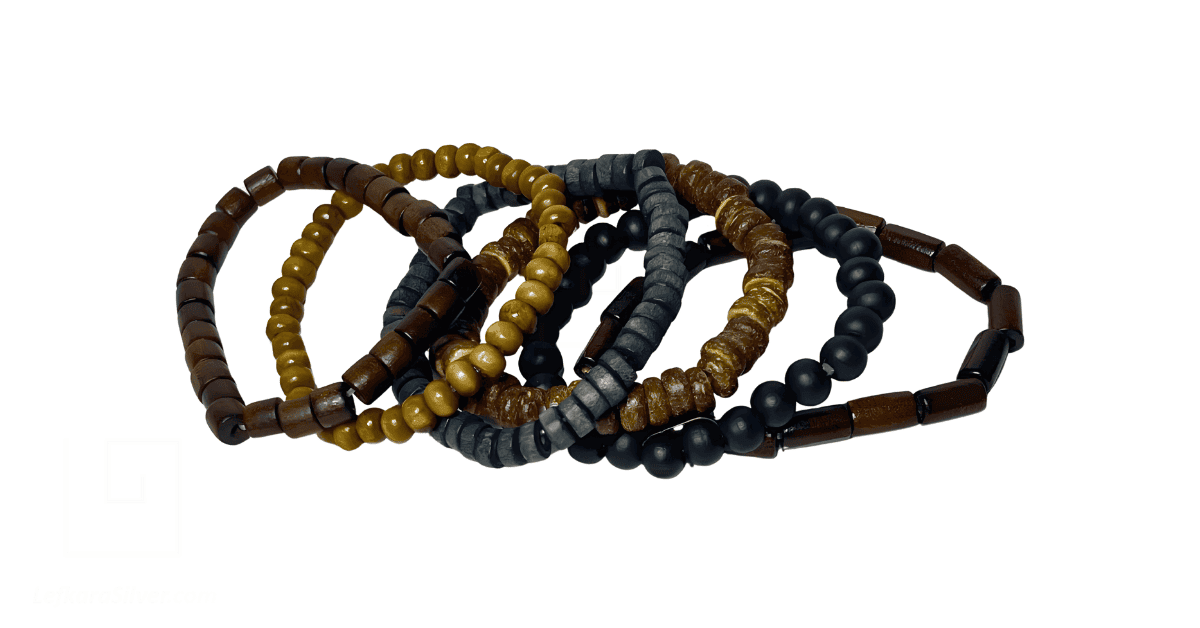
The rise of sustainable fashion has beautifully merged with the enduring love for personalized, do-it-yourself projects. Driven by a desire for unique accessories and fueled by TikTok trends, many people, particularly Gen Z, are turning to DIY methods to create one-of-a-kind pieces from recycled and natural materials. Making your own bracelet is not only a fun, creative outlet but also a statement of conscious consumption.
Here is a simple guide to making your own stylish and sustainable bracelets at home:
- Gather Your Eco-Conscious Materials: Look for items around your home that can be repurposed. Old t-shirts can be cut into strips to create soft fabric yarn, a worn-out leather belt can be transformed into cuffs, and beads from broken jewelry can be given a new life. Natural materials like hemp cord, wooden beads, seashells, or sea glass are also excellent, low-impact choices.
- Choose Your Design: The beauty of DIY is limitless creativity. A simple and popular option is a braided or macrame bracelet using fabric yarn or hemp cord. Beaded designs are also easy to create and can be strung on an elastic cord for a comfortable, stretchy fit. For a more rustic look, you can cut a strip from an old leather item and add a simple closure.
- Measure and Prep: Use a flexible measuring tape to measure your wrist. For a comfortable fit, add about a half-inch to an inch to your measurement to account for the closure and movement. Cut your fabric strips, cord, or leather to the desired length, making sure to leave extra room for knots or clasps.
- Assemble: For a simple braided bracelet, take three strips of t-shirt yarn, tie a knot at one end, and secure it to a surface with tape. Braid the strips together until you reach your desired length. For a beaded bracelet, simply string your chosen beads onto a cord or thread.
- Finish with a Sustainable Closure: Avoid new plastic or metal clasps by getting creative with your closure. You can create a simple loop-and-button closure using a reclaimed button from old clothing.
Maintaining and Caring for Your Bracelets
A little TLC goes a long way in keeping your bracelets looking as stunning as the day you got them. Proper care is essential for preserving the beauty and longevity of your jewelry, whether it’s a precious metal heirloom or a trendy fashion piece.
The first is to treat them with respect. This means removing your bracelets before swimming, showering, exercising, or cleaning. Everyday substances like lotions, perfumes, hairsprays, and even sweat can tarnish metals and damage delicate gemstones over time.
When you’re not wearing them, proper storage is key to preventing scratches and tangles. You can store each piece in a separate compartment of a jewelry box or in a soft pouch. For silver pieces, you can also use anti-tarnish strips to absorb moisture and prevent discoloration.
When it’s time to clean, the method depends on the material:
- Gold and Silver: A simple solution of warm water and mild soap is usually effective. Use a soft-bristled brush to gently scrub away grime, then rinse and dry thoroughly with a soft cloth to avoid water spots.
- Leather: Never soak leather in water. Instead, wipe it gently with a damp cloth and a bit of mild soap, then allow it to air dry completely.
- Gemstones: Clean gemstone bracelets carefully with a soft cloth or brush, avoiding harsh chemicals. For more delicate or porous stones, it’s often best to seek professional cleaning.
- Rope Bracelets: These can be washed with mild soap and water. Use a soft toothbrush for gentle scrubbing, then rinse and let them air dry.
Finally, periodic professional check-ups are a great idea, especially for valuable pieces. A jeweler can inspect for loose stones, evaluate the integrity of clasps and links, and provide a deep clean that at-home methods can’t match.
Final Thoughts on Bracelets in 2026
From the latest bracelet trends and types to finding the perfect fit and mastering the stack style, 2026 bracelets are rich and varied. We’ve explored options for both women and men, touched on popular brands, and even found styles available for under $50. Whether you prefer a DIY or a luxury piece, proper bracelet maintenance ensures your collection stays pristine.
Here are a few interesting facts to always remember:
- The bracelet market is seeing gradual growth in men’s jewelry, with search interest rising throughout 2026.
- When measuring for a bangle, the size of your knuckles, not your wrist, is what determines the correct fit.
- Many popular stacking styles follow the rule of odds, using three, five, or seven bracelets to create a more visually appealing look.
- A green stone bracelet discovered in a Siberian cave is believed to be at least 40,000 years old, showing just how long humans have been adorning their wrists.
- The iconic tennis bracelet got its name after tennis star Chris Evert’s diamond bracelet broke and fell off during a U.S. Open match in 1978.
This content is up-to-date as of October 2026.
Follow our website, LefkaraSilver.com, to stay informed about new jewelry offers, news, and buying guides
Bracelet FAQs
Here are answers to some frequently asked questions about bracelets in 2026:
What Bracelets Are Trending Right Now?
The current bracelet trend is all about bold, personal statements, moving towards maximalist designs like chunky chains and oversized cuffs. Personalization is also a huge driver, with customizable charm bracelets and zodiac-themed pieces remaining highly popular. Consumers are increasingly preferring those made from recycled metals and natural materials like wood and stone.
Can Bracelets Tarnish Over Time?
Yes, most bracelets can tarnish, as it is a natural chemical reaction caused by the metal’s exposure to oxygen, moisture, and sulfur compounds in the air. Precious metals like sterling silver are particularly susceptible to tarnishing, though even gold can lose its luster when alloyed with other metals. Fashion jewelry, often made of brass or copper, can show signs of tarnish in just a few weeks, especially when exposed to perfumes, lotions, or sweat.
How to Tie a 3-String Bracelet?
To tie a simple 3-string braided bracelet, start by aligning the strings and tying an overhand knot at one end, leaving a small tail. Braid the three strings together until they reach your desired length. To finish, gather the three loose ends and tie another secure overhand knot, which can then be tied to the starting knot to fasten it around your wrist. DIY tutorials have exploded in popularity, with some videos on making braided friendship bracelets exceeding 5 million views on social media platforms.
What To Put On a BFF Bracelet?
The best elements to put on a BFF bracelet are personalized charms and engravings that tell a shared story. Popular choices include interlocking puzzle pieces, charms representing an inside joke or shared interest, or plates engraved with each other’s initials or a significant date. A recent survey of jewelry consumers found that over 60% of personalized gift purchases included an initial or name. Incorporating each friend’s birthstone or zodiac sign is another meaningful way to celebrate the unique bond and individual personalities within the friendship.
What Color of Bracelet Should I Get?
The ideal color often depends on your skin’s undertones and your personal style. Jewelry experts traditionally advise that gold and rose gold tones complement warm undertones, while silver and platinum flatter cooler ones. If you want a vibrant look, colorful beaded bracelets featuring natural gemstones are a major trend, allowing you to choose colors that are personally meaningful. For maximum versatility, consider a mixed-metal piece, as blending gold and silver tones is a chic and modern trend that ensures your piece will match anything.
What Color of Bracelet Goes With Everything?
For a bracelet that truly goes with everything, classic metallic tones like gold, silver, and platinum are your most reliable options, acting as versatile neutrals in your wardrobe. A modern and equally versatile choice is a two-tone bracelet that blends both gold and silver, as it can effortlessly tie together other jewelry pieces.
Which Bracelet Attracts Wealth?
In many spiritual and cultural belief systems, certain gemstone bracelets are thought to attract wealth and prosperity, with citrine and pyrite being the most popular choices. Citrine is often called the “Merchant’s Stone” for its supposed ability to attract abundance, while pyrite, also known as “Fool’s Gold,” is believed to carry energies of fortune and good luck. While there’s no scientific proof, the global market for crystal healing is projected to grow by over 8% annually, indicating a strong consumer belief in the power of such stones.
How Do I Know My Bracelet is Real?
To determine if a bracelet is real, first look for hallmarks, which are stamps indicating the metal’s purity—for instance, “925” for sterling silver or “14K” for 14-karat gold. Real gemstones often have natural inclusions (flaws) visible under magnification and will typically feel cool and heavy to the touch, unlike glass or plastic imitations. The U.S. Customs and Border Protection seizes over $30 million in counterfeit watches and jewelry annually, highlighting the importance of verifying authenticity, ideally through a professional appraisal from a certified jeweler.
How to Pick the Right Bracelet?
Picking the right bracelet involves balancing your personal style, lifestyle, and wrist size for a comfortable fit. If you have an active lifestyle, opt for durable designs like solid bangles or sturdy leather bands, whereas delicate chains are better suited for less strenuous occasions. Your choice should complement your existing wardrobe; a minimalist might prefer a sleek cuff, while someone with a bolder style could opt for a chunky statement piece. For a comfortable fit, a common rule is to measure your wrist and add between ½ and 1 inch to the length, ensuring it moves freely without being at risk of falling off.
Should Bracelets Be Loose or Tight?
The ideal fit depends on the type of bracelet, but the general rule is comfort and security. A link or chain bracelet should have a bit of drape, with enough space to fit one or two fingers between the bracelet and your wrist. Cuffs, however, should be snug enough that they don’t spin around or slide off. Bangles need to be loose enough to slide over your hand, but not so loose that they could fall off accidentally during wear.
Should Bracelets Go Above or Below the Wrist Bone?
For optimal comfort and style, they should typically be worn just below the wrist bone, allowing them to rest gracefully where your arm meets your hand. This placement prevents the bracelet from interfering with your hand’s movement while still being prominently displayed. When you’re creating a layered stack, they will naturally take up more space, often extending a bit further up the forearm, but the foundational or “anchor” piece of the stack usually sits comfortably below the wrist bone.
How to Remove Bracelet Links?
To remove links from a metal bracelet, you typically need a small pin pusher or a specialized link removal tool, which can often be found in kits that cost less than $15 online. First, locate the small arrows on the inside of the links, as they indicate the direction in which to push the pin out. While it’s possible to do this at home, it’s highly recommended to take valuable bracelets to a professional jeweler to avoid scratching or damaging the piece; most jewelers can perform this service quickly and affordably.