
What You Should Know Before You Buy Silver
Whether you’re looking to diversify your investments or own a collection of precious metals with a rich history, silver is a great option. It’s more accessible than gold and plays a critical role in modern industry, which gives it a unique position in the market.
This guide breaks down everything you need to know, from the latest silver key statistics as of October 2026 and 9 trusted places to buy silver in bulk online and in-store. We’ll look at the different types of silver, compare physical silver vs ETFs, and explain how to buy silver rounds. You’ll also find out if you should buy silver bars or silver coins, understand the pros and cons of buying silver, learn the best time to buy it, and get familiar with the tax rules to know when buying or selling silver.
All information is current as of October 2026.
Silver Key Statistics as of October 2026
From its skyrocketing demand in the solar panel industry to its surprising volatility compared to gold, here are the numbers that define the silver market today.
- Global demand for silver is expected to hit 1.2 billion ounces this year.
- Industrial applications make up about 56% of total silver demand annually.
- The photovoltaics (solar panel) sector alone is projected to see demand jump by a massive 289% between 2015 and 2024.
- Battery electric vehicles use between 25 and 50 grams of silver per vehicle.
- Silver’s price is notably more volatile than gold’s; for every 1% move in the price of gold, silver tends to move 3% on average.
- In Europe, buying silver bars is subject to a Value Added Tax (VAT) of 21%.
- Mexico stands as the world’s largest silver producer, mining more than 199 million ounces per year.
- To date, a total of approximately 1.74 million metric tons of silver has been mined throughout human history.
- Recycled silver, or scrap, contributes over 193.9 million ounces to the annual supply.
- The silver market is about 1/10th the size of the gold market by value.
9 Trusted Places to Buy Silver in Bulk Online and In-Store
Buying silver in bulk helps to lower your per-ounce cost, but it requires a significant investment. That’s why it’s critical to research your options and stick with reputable dealers who offer competitive pricing on larger quantities. These dealers have a proven track record for quality, transparent pricing, and secure delivery, ensuring your large-scale purchase is a smooth one.
1. JM Bullion
JM Bullion is known for its straightforward pricing and user-friendly website. They are a popular choice for bulk buyers because they offer free, insured shipping on orders over a certain threshold, resulting in substantial savings on heavy shipments like monster boxes of silver coins. Their product selection is extensive, covering everything from sovereign coins to a wide variety of silver bars and rounds.
Investors looking for bulk options will find sealed monster boxes of popular coins like American Silver Eagles and Canadian Silver Maple Leafs. These boxes typically contain 500 one-ounce coins and come directly from the mint, ensuring their authenticity and condition. JM Bullion also provides detailed product descriptions and high-resolution images, so you know exactly what you’re getting. Their customer service is highly rated, and they offer multiple payment options, including discounts for paying via wire transfer, which is common for large purchases.
Their reputation is built on transparency. The price you see listed is the price you pay, with different tiers for various payment methods clearly laid out. This clarity is especially important for bulk buyers who need to calculate precise costs. The company also has a strong buy-back program, offering competitive prices if you decide to liquidate your holdings in the future.
2. APMEX (American Precious Metals Exchange)
APMEX is one of the largest and most well-known online precious metals retailers, boasting an enormous inventory that few competitors can match. If you’re looking for variety in your bulk purchase, APMEX is an excellent place to start. They offer a vast selection of silver coins, bars, and rounds from mints all over the world, along with exclusive products you won’t find elsewhere.
For bulk investors, APMEX provides monster boxes, tubes of coins, and large-format silver bars up to 100 ounces and even 1,000 ounces. Their pricing is dynamic, updating in real-time with market fluctuations. One of their standout features is the APMEX Club, a loyalty program that offers benefits like exclusive deals, early access to new products, and a dedicated customer service line, which can be valuable for frequent, high-volume buyers.
While their premiums can sometimes be slightly higher than other discount-focused retailers, many investors find the cost is justified by the company’s reliability, massive selection, and fast, secure shipping. APMEX packages all shipments discreetly and every order is fully insured until it is delivered. They have been in business for over 20 years and have an A+ rating from the Better Business Bureau, cementing their status as a trusted industry leader.
3. SD Bullion
SD Bullion started with a focus on offering the lowest prices possible, and that commitment remains at the core of their business. They often have some of the most competitive premiums on popular silver bullion products, making them a go-to for investors who are laser-focused on getting the most metal for their money. Their tagline, “The Lowest Price. Period.” is a bold claim they work hard to uphold.
Their inventory is robust, featuring all the standard bulk options like monster boxes of Silver Eagles and Maple Leafs, as well as 10 oz, kilo, and 100 oz silver bars. SD Bullion is transparent about its pricing, with clear discounts for larger orders and for payments made by wire transfer or check. They offer fully insured shipping on all orders, ensuring your investment is protected from the moment it leaves their vault.
The company has built a loyal following by combining low prices with reliable service. They also provide market news and analysis, helping investors stay informed. For those looking to make a substantial silver purchase without paying high premiums, SD Bullion is consistently one of the best options available.
4. Money Metals Exchange
Money Metals Exchange positions itself as more than just a retailer; they are also a strong advocate for precious metals investors. They focus on providing educational resources, market news, and transparent service alongside their products. Their pricing is highly competitive, particularly on generic silver rounds and bars, making them an excellent choice for bulk buyers who are primarily interested in accumulating weight.
They offer a wide array of products, including their own branded silver rounds and bars which often carry some of the lowest premiums on the market. In addition to standard monster boxes, they sell “survival bags” of pre-1965 U.S. silver coins, often called “junk silver,” which is a popular way to buy silver in a form that is highly recognizable and divisible.
Money Metals Exchange also offers secure storage options through their partnership with a third-party depository, which can be a convenient solution for those who don’t want to store large amounts of silver at home. Their commitment to customer education, combined with low-cost silver options and a strong buy-back policy, makes them a trusted and well-rounded dealer for both new and experienced investors.
5. Provident Metals
Provident Metals is another top-tier online dealer that has earned a reputation for competitive pricing, a good selection of products, and excellent customer service. They are part of a larger network of precious metals companies, which gives them significant buying power and allows them to offer attractive prices to their customers. Their website is easy to navigate, with a clear focus on the most popular investment-grade bullion.
Bulk buyers will find a solid selection of monster boxes, silver bars in all the standard sizes, and tubes of silver rounds. Provident Metals frequently runs sales and promotions on specific products, so savvy investors can often find great deals by checking their site regularly. They provide free, insured shipping on orders over a certain amount, which is a key benefit for large purchases.
One of the things that sets Provident Metals apart is its wide range of unique and creative silver rounds and bars, including series with historical or pop-culture themes. While these may not be the primary target for a pure bulk investor, they offer an interesting way to diversify a stack. For their core bullion products, their combination of fair pricing and reliable service makes them a strong contender.
6. Hero Bullion
Hero Bullion is a Texas-based dealer that has quickly gained a strong reputation for its competitive pricing and excellent, personalized customer service. They focus on providing a curated selection of high-demand silver and gold products, ensuring that what they offer is high-quality and sought-after by investors. Their direct, no-frills approach appeals to buyers who want to acquire bullion efficiently.
They offer a comprehensive range of bulk silver products, including sealed monster boxes of coins from the U.S. Mint, Royal Canadian Mint, and others. Their selection of silver bars is also extensive, with options ranging from 1 oz to 100 oz from respected private mints like Germania Mint and SilverTowne. Hero Bullion is also known for its hand-poured silver bars, which offer a unique, rustic appeal.
Customers often praise Hero Bullion for their fast shipping and the care they take in packaging orders. They offer free shipping on qualifying orders, and their pricing is very competitive, especially for investors paying by check or wire. For those who value a straightforward purchasing experience backed by a responsive customer service team, Hero Bullion is a fantastic choice.
7. Silver Gold Bull
Silver Gold Bull operates in both the U.S. and Canada, giving them a strong North American presence. They are known for their vast inventory, competitive “as low as” pricing for bulk purchases, and a user-friendly website that allows customers to set up price alerts and track their portfolio. This makes them a great tool for strategic investors who want to buy at specific price points.
They cater to bulk buyers with a massive selection of monster boxes from mints around the globe, including less common ones like the Austrian Philharmonic and South African Krugerrand. They also offer a huge variety of silver bars and rounds. One of their most popular features is the ability to arrange for direct, insured storage at a secure, third-party depository, bypassing the need for home storage entirely.
Silver Gold Bull often has some of the lowest premiums available, especially when buying in large quantities. Their “Deal Zone” section is a great place to find promotional pricing on a rotating selection of products. With their combination of a huge inventory, advanced website features, and international storage options, they are a powerful resource for serious silver investors.
8. Local Coin Shops
While online dealers offer convenience and competitive pricing, local coin shops provide a unique set of advantages that shouldn’t be overlooked. A trusted local dealer allows you to inspect the silver in person before you buy it, eliminating any concerns about product authenticity or condition. This hands-on experience is something online retailers simply cannot replicate.
For bulk purchases, building a relationship with a local dealer can sometimes lead to preferential pricing or the opportunity to get first pick of interesting items that come into the shop. Transactions at a local store are immediate; you pay for your silver and walk out with it the same day, completely avoiding shipping times and the risk of a package getting lost or stolen. This provides a level of privacy and immediacy that many investors value.
However, it’s important to do your homework. Prices at brick-and-mortar stores can be higher due to overhead costs like rent and staffing. Inventory is also typically much more limited than what you’ll find online. Check online reviews, ask for recommendations, and compare their prices to online dealers to ensure you’re getting a fair deal.
9. Reputable Dealers on eBay
eBay can be a source for buying silver, but it requires a much higher degree of caution and knowledge than buying from a dedicated bullion dealer. The platform’s main advantage is the sheer number of sellers, which can sometimes lead to competitive prices, especially on auctions for vintage silver bars or junk silver. However, the risk of encountering counterfeit products is significantly higher.
To navigate eBay safely, you must stick to established, reputable dealers who have an official storefront on the platform. Many of the large online dealers, like APMEX, operate their own eBay stores. Buying from these well-known sellers provides a layer of security, as you are protected by both their company’s reputation and eBay’s buyer protection policies. Look for sellers with thousands of positive reviews and a long history of selling precious metals.
Avoid deals from new or low-feedback sellers, especially if the price seems too good to be true. Always pay with a method that offers buyer protection, like a credit card or PayPal. While it’s possible to find good deals on eBay, it’s a marketplace best suited for experienced investors who know how to spot red flags and can confidently vet sellers.
Is it Safe to Buy Silver Online?
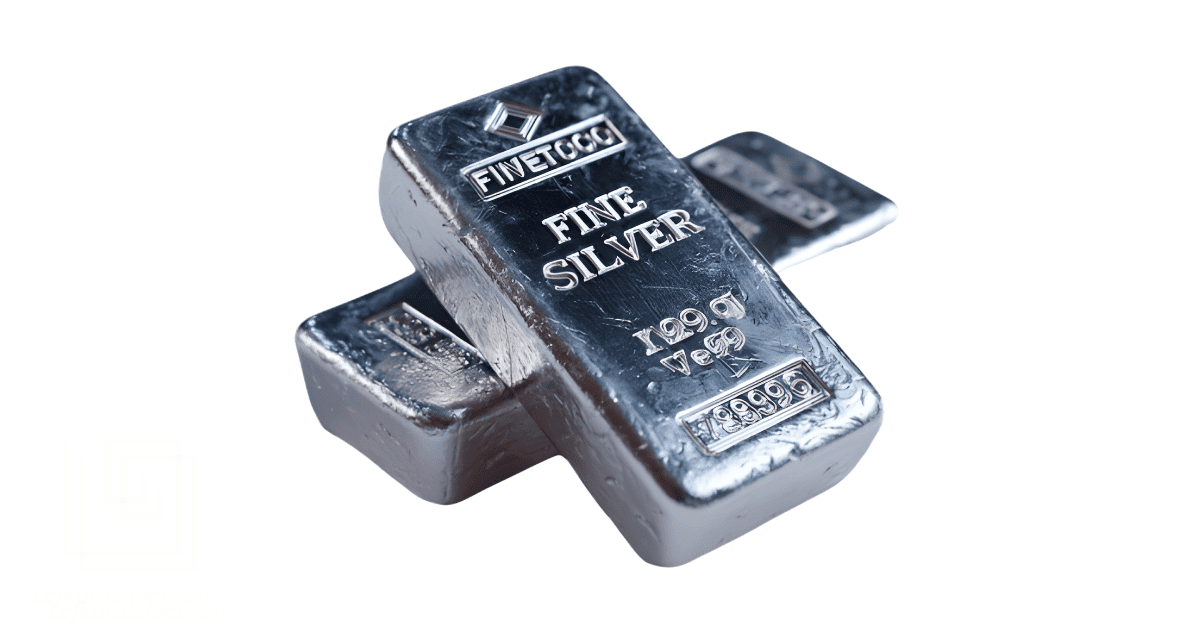
Just about anything can be bought online today, and precious metals are no exception. The growth of reputable online bullion dealers has made buying silver from your home not only possible but also extremely common and safe.
Reputable online dealers take security very seriously. Shipments are typically packaged discreetly, with no indication of the valuable contents inside, to deter theft during transit. Every package is fully insured, meaning that in the rare event it is lost or damaged, you are covered for the full value of your purchase. This insurance coverage remains in effect until the package is signed for at your address, transferring the risk from you to the dealer and the shipping carrier. These companies have spent years, and in some cases decades, building systems to ensure your investment arrives safely.
However, the safety of buying online depends entirely on who you buy from. The biggest mistake you can make is being lured in by a deal that seems too good to be true from an unknown or unverified website. Always perform due diligence on a dealer before making a purchase. Check for reviews on independent platforms, look up their rating with the Better Business Bureau, and see what other investors are saying about them on forums like Reddit’s r/Silverbugs. Also, be sure to use a secure payment method, like a credit card, which offers fraud protection and the ability to dispute a charge if something goes wrong.
Different Types of Silver
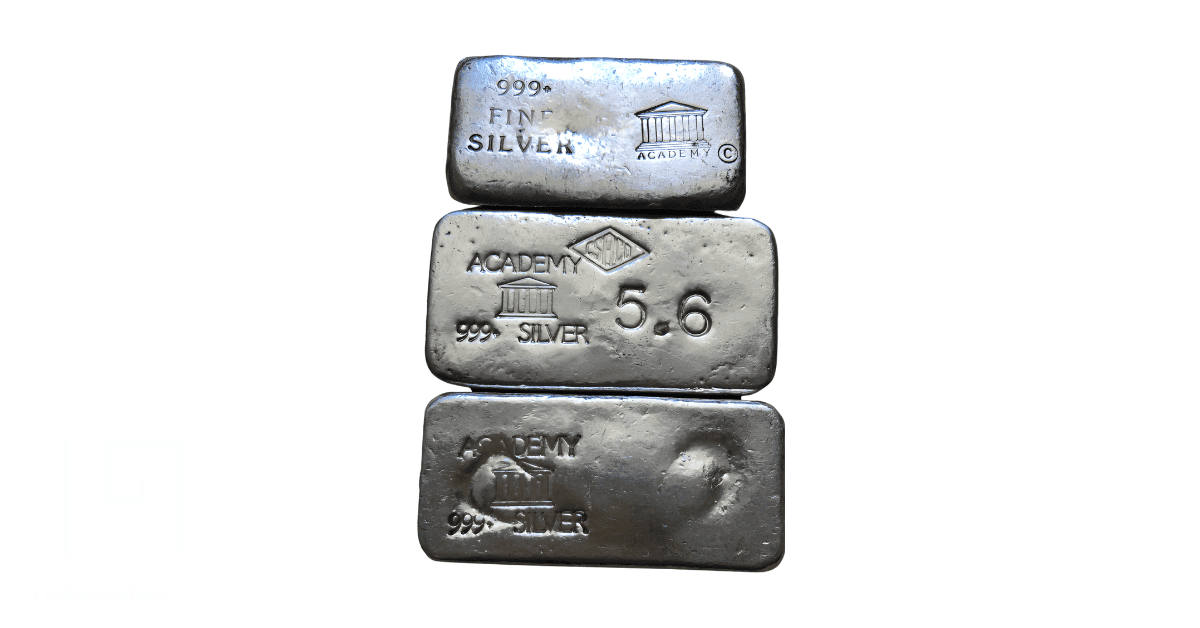
Silver comes in several grades and forms, each defined by its purity and the other metals it’s mixed with. The type of silver determines its durability, appearance, and value.
- Fine Silver (.999)
This is the purest silver you can get, composed of 99.9% silver. Because it’s so pure, it is very soft, making it prone to scratching and denting. While its purity is ideal for investment-grade bullion like bars and rounds, it’s not practical for items that see a lot of wear. You might find it used for delicate jewelry like earrings or pendants that aren’t subject to much contact. - Sterling Silver (.925)
Sterling silver is the most common and recognized standard for silver jewelry and housewares. It’s an alloy made of 92.5% pure silver and 7.5% other metals, usually copper. Adding copper makes the silver much harder and more durable for everyday use. All sterling silver items should be stamped with a “.925” or “STERLING” quality mark. Its only real downside is that the copper content causes it to tarnish over time, requiring regular polishing. - Argentium Silver
A more modern take on sterling silver, Argentium is an alloy that contains at least 92.5% pure silver but replaces some of the copper with the metalloid germanium. This special mix makes it highly resistant to tarnishing, meaning it stays brighter for longer and needs less polishing than traditional sterling silver. It’s also known for being more durable and even hypoallergenic for some people. - Coin Silver (.900)
Historically, this term referred to silver made from melting down old government-issued coins. Coin silver is typically composed of 90% silver and 10% copper. While not commonly used in modern jewelry, you’ll often find it in vintage and antique American pieces. The term can be a bit misleading today, so it’s important to check for quality marks. - Silver-Plated and Silver-Filled
These are not silver alloys but rather base metals (like copper or brass) with a layer of silver on the surface. Silver-plated items have a very thin, electroplated layer of silver that can wear off easily with use. Silver-filled items have a much thicker, mechanically bonded layer of sterling silver, making them more durable and valuable than plated pieces. Silver-filled is a good, budget-friendly option, but it’s not solid silver. - Tribal, Tibetan, or Mexican Silver
These terms can be inconsistent and require some caution. Hill Tribe silver from Thailand often has a higher purity than sterling, ranging from 95% to 99.9%, which makes it softer but also tarnish-resistant. Mexican silver traditionally had a purity of 95% (“950”). However, terms like “Tibetan Silver” or “Tribal Silver” are often just descriptive and can refer to silver-colored alloys of copper, tin, and nickel with no actual silver content at all. Always check the stamped purity.
Physical Silver Vs ETF
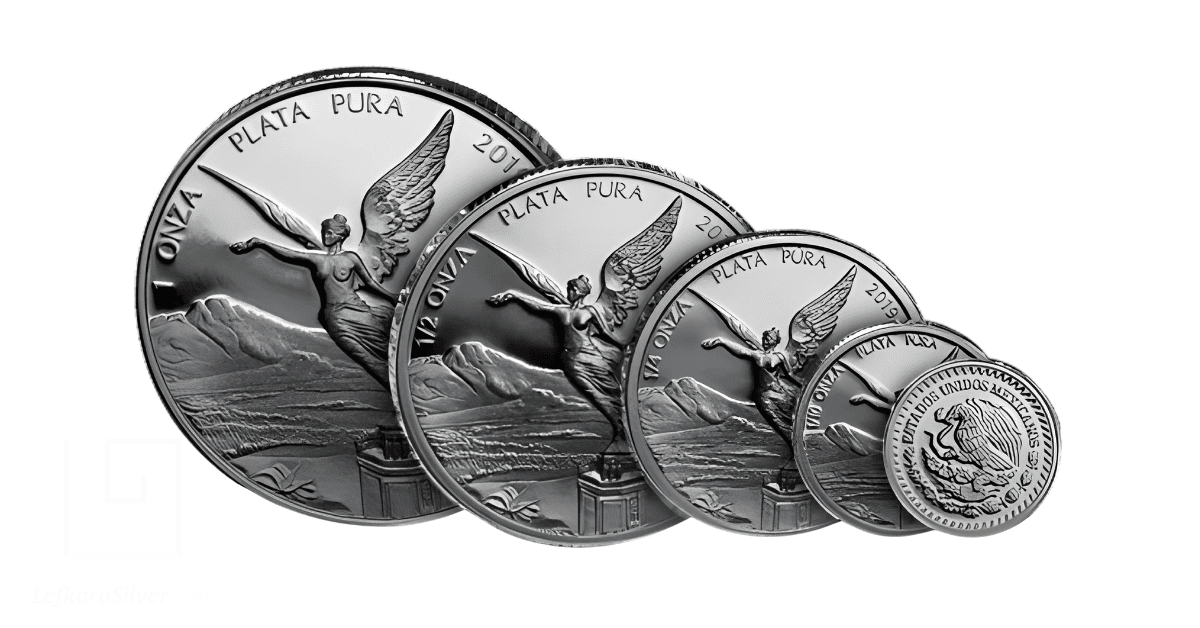
An Exchange-Traded Fund, or ETF, is a type of investment fund that is traded on stock exchanges. A silver ETF tracks the price of silver, allowing you to invest in the metal without physically owning it. The fund holds silver bullion in secure vaults, and when you buy a share of the ETF, you are buying a claim on a portion of that stored silver. This approach offers a simple way to get exposure to silver price movements through a standard brokerage account.
| Feature | Physical Silver (Bars & Coins) | Silver ETF (Exchange-Traded Fund) |
|---|---|---|
| Ownership | Direct ownership of a tangible asset. You hold it in your possession. | Indirect ownership. You own shares in a fund that holds the silver. |
| Counterparty Risk | None. Your ownership is not dependent on any other entity. | Present. You rely on the fund manager and custodian to manage and store the silver. |
| Liquidity | Can be sold to dealers or privately. Can take more time to convert to cash. | Highly liquid. Can be bought and sold instantly during market hours. |
| Costs | Purchase premiums over spot price, storage costs, and insurance fees. | Brokerage commissions, and annual management fees (typically 0.40% to 0.65%). |
| Storage & Security | You are responsible for secure storage, which can be in a home safe or a vault. | The fund handles all storage and security in high-security vaults. |
| Accessibility | Requires finding a reputable dealer and arranging for delivery or storage. | Can be bought and sold easily through any standard brokerage account. |
| Taxation (U.S.) | Taxed as a “collectible” at a maximum rate of 28% on long-term capital gains. | Also taxed as a “collectible” at the same 28% maximum rate. |
Physical silver is for investors who prioritize direct ownership and control. Holding silver bars and coins means you have a tangible asset that exists completely outside of the traditional financial system. This makes it a primary choice for those looking to protect their wealth against currency devaluation, inflation, or systemic financial risk.
There is no counterparty risk; if a bank or brokerage fails, your physical silver is unaffected. It serves as a form of financial insurance. Bars are generally better for large-scale investments due to lower premiums, while coins offer more flexibility for smaller transactions. You can learn more about physical silver with the silver bars and silver coins guides.
A silver ETF is designed for investors who want convenient and liquid exposure to silver’s price movements without the complexities of physical ownership. It is an excellent tool for short-term trading or for diversifying a portfolio with an asset that is not directly correlated with stocks and bonds. The ability to buy and sell shares instantly during market hours provides flexibility that physical silver cannot match.
This option is most suitable for those who are comfortable with digital assets and trust the financial infrastructure that supports ETFs. It avoids the costs and risks of storage and insurance, making it a simpler, more hands-off way to invest in silver’s value.
How to Buy Silver Rounds?

Silver rounds are privately minted, circular pieces of silver valued for their metal content and purity, not as legal tender. They are a popular way to acquire silver because they often carry lower costs over the spot price compared to government-issued coins.
Purchasing silver rounds safely requires dealing with a reputable source. Online dealers are a common choice, offering a wide selection and competitive pricing. Look for established retailers with transparent pricing that clearly separates the silver spot price from their premium. Customer reviews and industry reputation are critical indicators of a trustworthy seller. Ensure that shipping is insured and securely packaged to protect your purchase during transit. Many dealers also offer price-lock features when you commit to a purchase, protecting you from market fluctuations while your payment is processed.
Local coin shops provide another secure option, with the added benefit of inspecting the rounds in person before buying. This eliminates shipping costs and wait times. Building a relationship with a local dealer can also lead to better deals and access to unique items. Regardless of whether you buy online or in-store, always confirm the round’s weight and purity, which is typically stamped directly on the item as “.999 fine silver”. Most silver rounds are produced in a 1 troy ounce size, but fractional rounds of 1/2 oz, 1/4 oz, and 1/10 oz are also available for smaller budgets.
Should You Buy Silver Bars or Silver Coins?
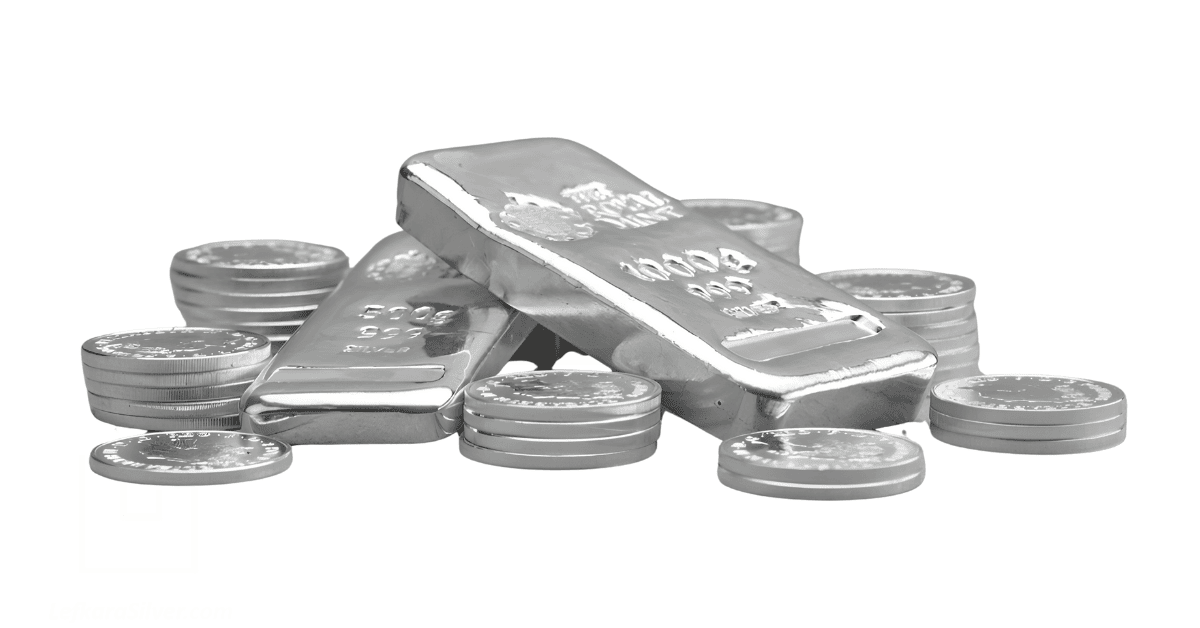
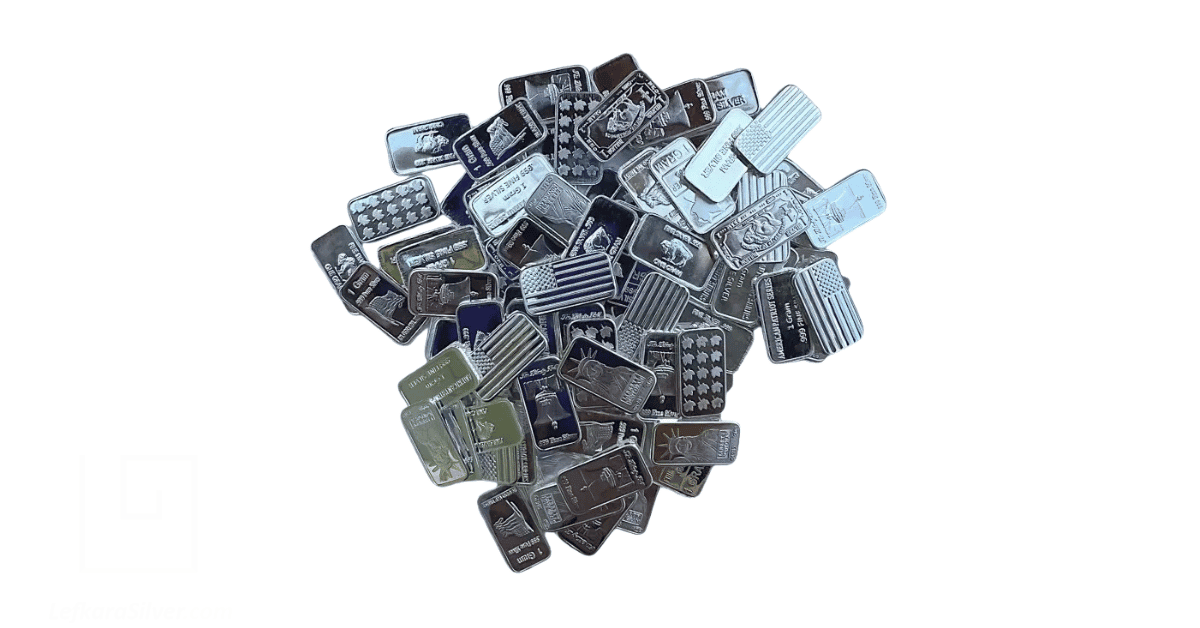
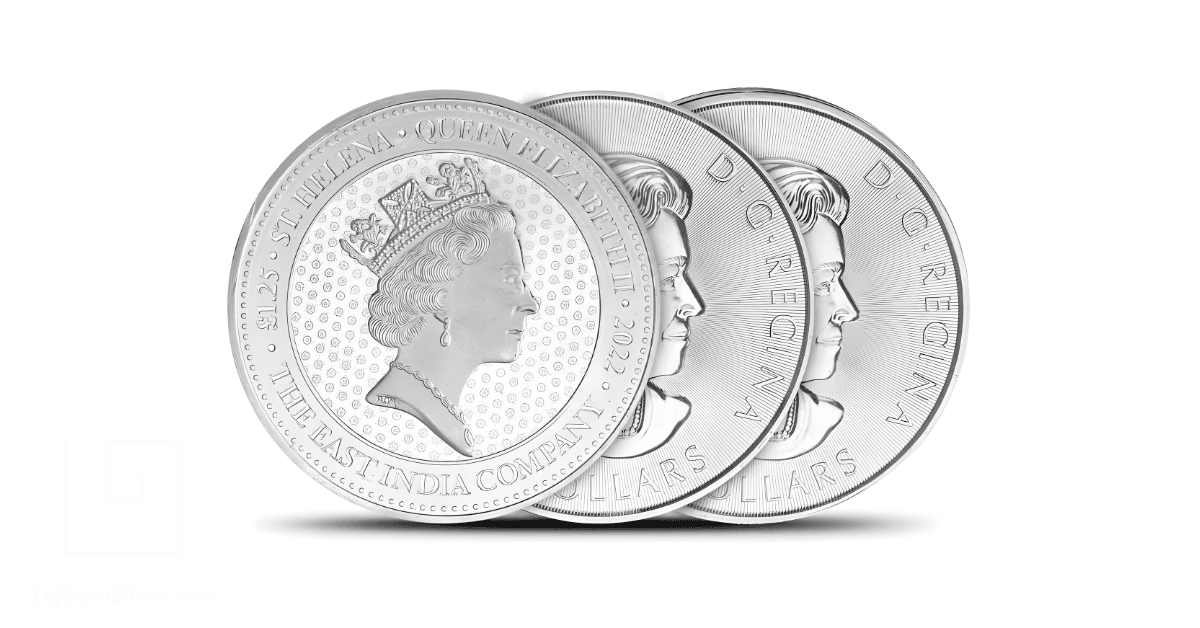
Silver bars and silver coins are the two main ways people invest in physical silver, and they have key differences. Silver coins are produced by government mints and carry a legal tender face value, such as the American Silver Eagle or the Canadian Silver Maple Leaf. This government backing guarantees their weight and purity. Silver bars, or ingots, are typically produced by private mints and are valued solely for their silver content and weight. Bars come in a much wider range of sizes, from as small as 1 gram to as large as 1,000 ounces.
The primary difference for an investor is the cost. Coins almost always have a higher premium over the spot price of silver than bars of the same weight. This is due to the more intricate minting process, design costs, and their status as legal tender. Bars are simpler to produce, resulting in lower premiums, which makes them a more cost-effective way to accumulate silver by the ounce. Furthermore, bars are designed for efficient storage; their uniform, stackable shape takes up less space than the equivalent weight in coins, which are stored in tubes or boxes.
The choice between bars and coins depends on your investment goals. If your main objective is to acquire the maximum amount of silver for your money and you plan to buy in larger quantities, silver bars are the more logical choice. The lower premiums mean your money goes further in securing actual silver. This is especially true for investors buying in bulk, where 100 oz and kilo (32.15 oz) bars offer some of the lowest costs per ounce.
On the other hand, if you prioritize liquidity, recognizability, and flexibility, silver coins are often a better fit. Government-issued coins are known and trusted worldwide, making them easier to sell quickly to a broader range of buyers. Their smaller, standard 1-ounce size makes them ideal for smaller transactions. You can sell a few coins without having to liquidate a large bar. For confident investors, coins also offer unique advantages. For instance, some government-issued coins offer tax advantages in certain countries, which can significantly impact your overall return.
Why Buy Silver? The Pros and Cons
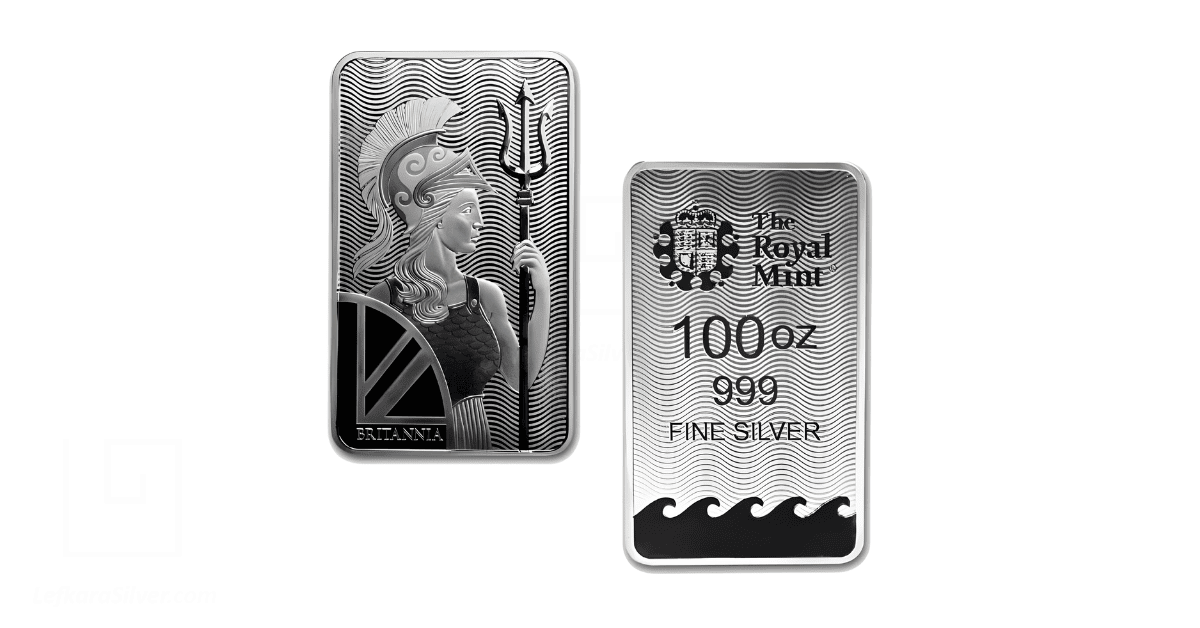
Silver presents a unique and accessible option for those looking to get into precious metals. It’s often called “poor man’s gold,” but that nickname doesn’t do it justice. The metal has a dual role as both an investment vehicle and a critical industrial commodity, which gives it a distinct market dynamic compared to gold.
Here are some of the advantages and disadvantages of adding silver to your portfolio.
The Pros of Buying Silver
- Affordability: The most obvious advantage is its price. Silver is significantly cheaper than gold, which means you can buy more of it for the same amount of money. This lower entry point makes it accessible for new investors or those with a smaller budget.
- High Industrial Demand: Silver is not just a pretty metal. Over 50% of all silver demand comes from industrial applications. It’s a key component in everything from solar panels and electric vehicles to smartphones and medical equipment. This constant industrial need provides a strong floor for its value.
- Portfolio Diversification: Like gold, silver is a tangible asset that performs differently from stocks and bonds. It acts as a hedge against inflation and currency devaluation, offering stability during times of economic uncertainty.
- Volatility and Growth Potential: Silver’s price is more volatile than gold’s. While this means more risk, it also offers the potential for higher percentage returns. When the precious metals market moves up, silver often moves faster and further than gold.
The Cons of Buying Silver
- Higher Volatility: The same volatility that offers upside potential also creates downside risk. Silver prices can experience sharp swings, which might be unsettling for more conservative investors.
- Storage and Space: Because of its lower value per ounce, you need significantly more physical space to store the same dollar value of silver compared to gold. A $50,000 investment in silver is much bulkier and heavier than the same amount in gold.
- Tax Implications: In many places, silver bars are subject to a Value Added Tax (VAT) because they are classified as an industrial material, not purely an investment asset like gold. This can add a substantial cost to your purchase, though some silver coins may be exempt under specific margin schemes.
- Less of a “Safe Haven” Than Gold: While silver is a store of value, it doesn’t have the same status as gold. Central banks and large institutions overwhelmingly prefer gold for their reserves, giving gold a stronger foundation during major global crises.
For many, the upsides of silver are compelling. Its critical role in green technology and electronics suggests that industrial demand will likely continue to grow. This, combined with its historic role as money, makes it a forward-looking investment that is much more than just a less-expensive version of gold. If you’re looking for a tangible asset with significant growth potential, silver is an excellent choice.
The Best Time to Buy Silver
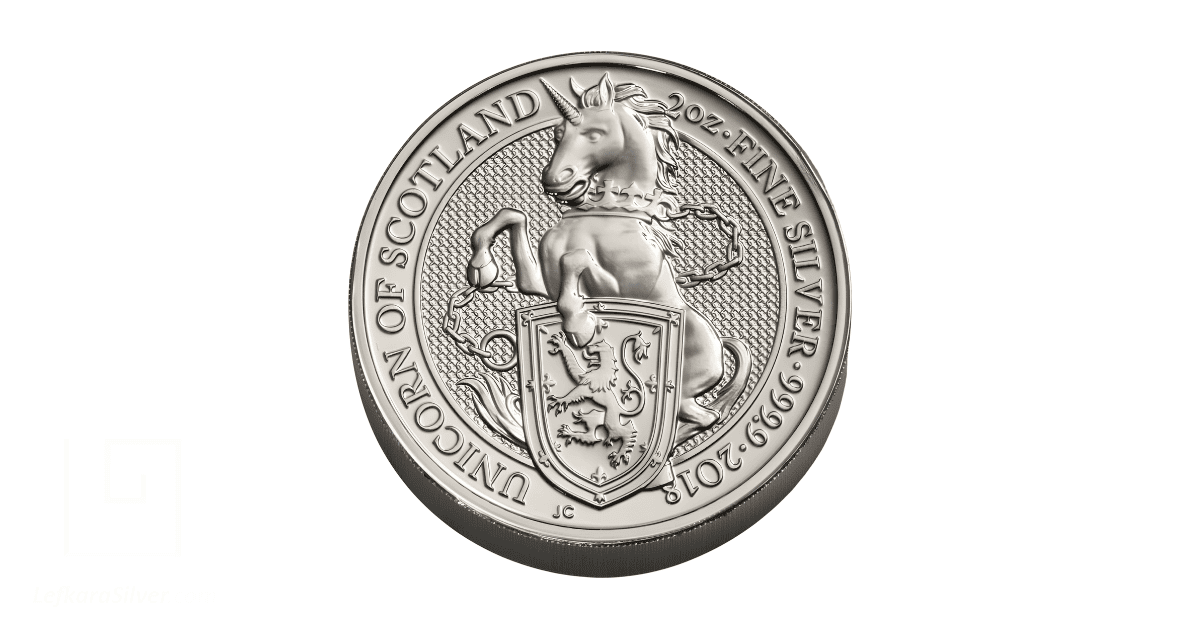
Timing any investment is tricky, but with silver, paying attention to market cycles and economic indicators can help you make a more strategic purchase. Rushing in without a plan can mean buying at a peak, so a little patience and research can pay off. The key is to buy when prices are low or when conditions are favorable for a future price increase.
Based on historical data and market analysis, certain periods are consistently better for buying silver. Experts note that silver prices often dip during the first half of the year, with January, March, and June frequently showing the lowest prices. Summer months can also be a period of lower demand, creating potential buying opportunities before demand picks up later in the year. Another powerful tool is the gold-to-silver ratio, which indicates how many ounces of silver it takes to buy one ounce of gold. When this ratio is high, it suggests that silver is undervalued relative to gold and could be a good time to buy.
Economic conditions also play a huge role. Silver, much like gold, tends to perform well during economic downturns, periods of high inflation, or when the U.S. dollar is weak. When investors lose confidence in paper currency and stocks, they often turn to tangible assets like precious metals, driving up demand and prices. Watching for signs of economic instability can signal a good entry point before the rest of the market catches on.
Tax Rules to Know When Buying or Selling Silver
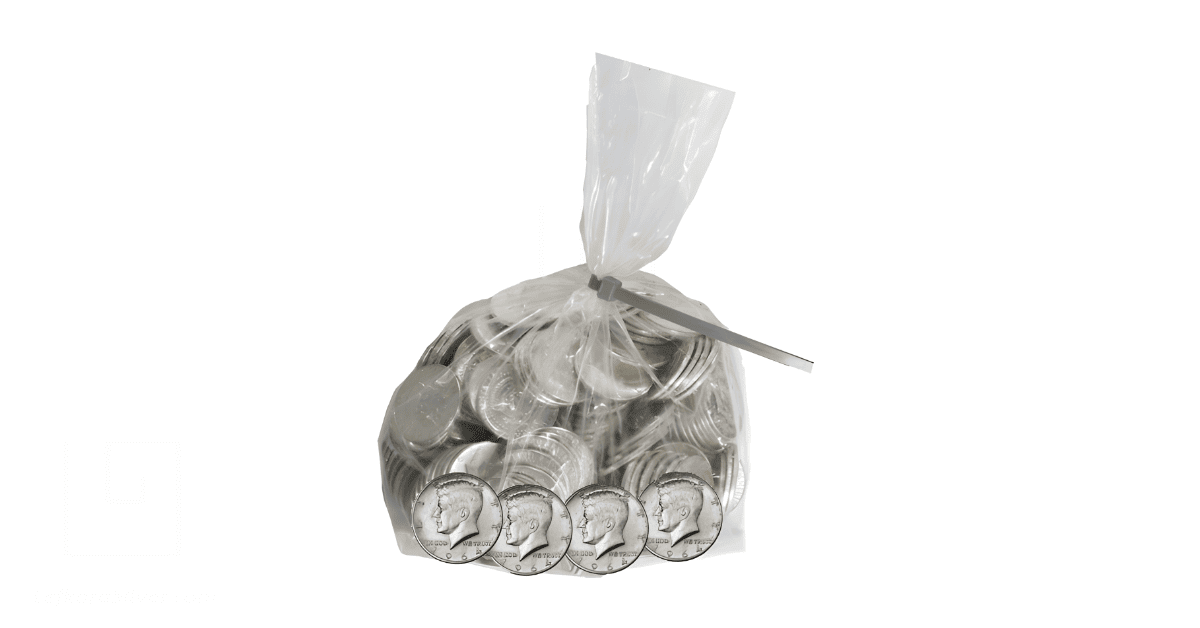
Figuring out the tax side of buying and selling silver can feel complicated, but it’s a critical piece of the puzzle. Depending on where you live and what you buy, your silver dealings could be subject to taxes, which can affect your bottom line.
Value Added Tax (VAT), or sales tax, is one of the most common taxes you’ll run into, especially in Europe. Silver bars are often treated as industrial commodities rather than investment metals, meaning they are typically subject to a standard VAT rate of up to 21%. This is a significant upfront cost that doesn’t apply to investment-grade gold.
Silver coins, however, sometimes get a friendlier tax treatment. In some regions, they are sold under a margin scheme in which VAT is applied only to the seller’s profit, not the full value of the coin. This makes them a more cost-effective option for many private buyers. It’s important to know that these margin schemes are being phased out in some areas starting in 2025, which will likely increase the cost of buying new silver coins.
In the United States, sales tax on precious metals is handled at the state level. It’s a real patchwork of different rules, but the trend is positive for buyers. A growing number of states—over 40 at last count—have created exemptions, meaning you pay zero sales tax on silver bullion purchases.
When you decide to sell your silver for a profit, you may need to think about Capital Gains Tax (CGT). In the United Kingdom, this tax can be completely avoided by investing in specific coins. Any silver coin that qualifies as British legal tender, like the Silver Britannia, is exempt from CGT. This means you can make an unlimited tax-free profit, which is a massive advantage for UK-based investors. In the US, profits from selling physical silver are often taxed as “collectibles” at a rate that can be higher than standard long-term capital gains rates.
Buying Silver in 2026 – Key Takeaways
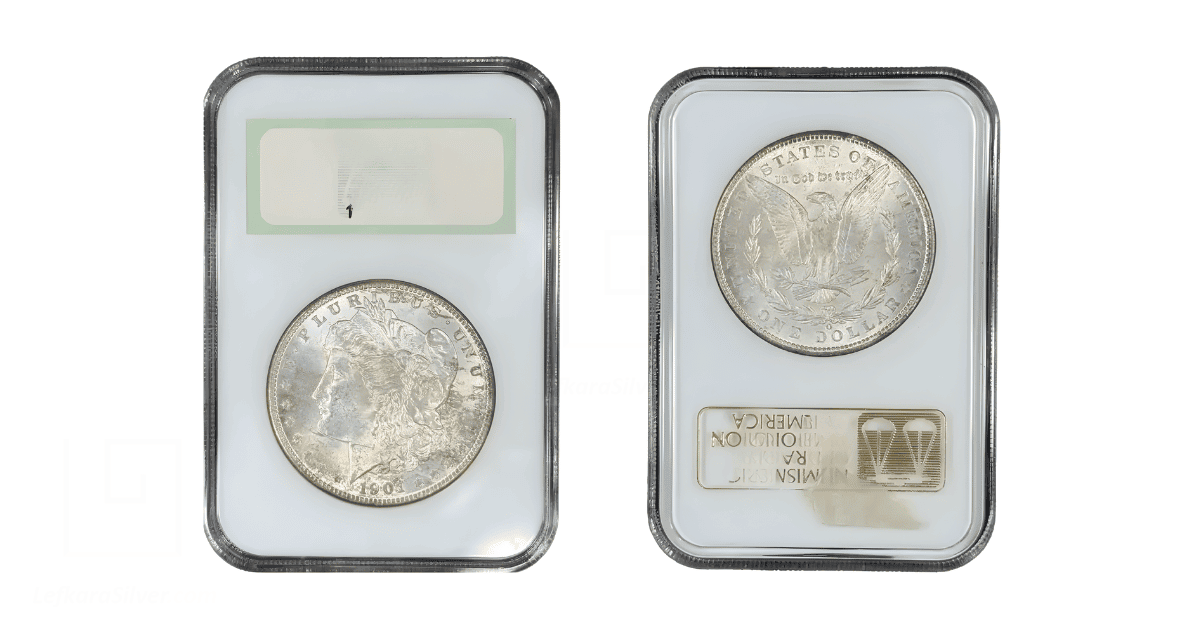
This guide has walked you through the essential details of the silver market, from key statistics as of October 2026 and why you should consider buying silver to the pros and cons of different investment forms. We’ve looked at where to buy silver, the safety of online purchases, the various types of silver, and whether physical silver is a better fit for you than an ETF. You now have the information to decide between silver bars and coins, understand the best times to buy, and navigate the tax rules.
Here are some of the most important points to remember:
- Global silver demand is expected to reach 1.2 billion ounces in 2024, with nearly 60% of that driven by industrial uses.
- The photovoltaics sector, which creates solar panels, is a massive consumer of silver, with its demand projected to jump by a stunning 289% between 2015 and 2024.
- In Europe, silver bars are subject to a standard VAT of around 21%, while certain silver coins can be bought under a more favorable tax scheme.
- UK investors can buy Silver Britannia coins completely free of Capital Gains Tax (CGT), no matter how much profit is made.
- Silver bars generally have the lowest premiums over the spot price, making them a cost-effective way to buy silver in bulk.
- Silver coins offer superior liquidity and recognizability, making them easier to sell in smaller amounts compared to large bars.
This content was last updated in October 2026.
Buy Silver FAQs
Here are answers to some frequently asked questions about silver in 2026
What is the Best Way to Buy Silver?
The best way to buy silver depends on your goals. For pure value, silver bars typically have lower premiums over the spot price than coins, making them cost-effective for larger purchases. If you prefer flexibility and easy resale, government-minted silver coins like the American Eagle or Canadian Maple Leaf offer high liquidity and are globally recognized.
Will Silver Ever Hit $100?
Hitting $100 an ounce is possible, though it would require a major market shift. With industrial demand accounting for over 50% of silver consumption, driven by growth in solar and electric vehicle technology, a supply squeeze could significantly raise prices. Silver’s historical high was near $50, so reaching $100 would be a substantial jump.
How Much is 1 Kg Of Silver?
The price of a one-kilogram silver bar changes daily with the market. A 1 kg bar contains 32.15 troy ounces of silver, and its value is based on the live spot price plus a small premium from the dealer. You should always check a current price chart for the most accurate figure before you buy.
How Much is 1 Gram Of 999 Silver Worth?
The value of one gram of .999 fine silver is directly tied to the live market spot price, which fluctuates constantly. This purity level, representing 99.9% pure silver, is the standard for investment-grade bullion. There are 31.1 grams in a troy ounce, so you can divide the current ounce price to get a close estimate.
Can I Buy Silver Online?
Yes, buying silver online is a common and convenient way to buy. Reputable online dealers often offer lower premiums than brick-and-mortar shops and provide a wide selection of products. Always choose a trusted dealer who offers fully insured shipping to your home or a secure vault storage option for your safety.
How Much Silver is Allowed Per Person?
There are generally no federal limits on the amount of physical silver an individual can own in the United States. However, be aware of reporting rules. Dealers are legally required to report single cash transactions over $10,000 to the IRS, but this regulation applies to the payment method, not the quantity of silver you possess.
Is Buying Silver Taxable?
Yes, buying silver can be taxable depending on your location. In the United States, over 40 states now offer full or partial sales tax exemptions on silver bullion, but you may owe capital gains tax when you sell for a profit. In Europe, silver bars are typically subject to a Value Added Tax (VAT) of around 21%, making them more expensive upfront.
What is the Most Trusted Site to Buy Silver?
The most trusted sites have a long history of positive customer reviews and transparent pricing. Look for dealers who are authorized purchasers from major government mints, such as the U.S. Mint. A key sign of a reliable seller is offering fully insured shipping and a clear, fair buyback policy on their products.
What is the Best App to Buy Silver?
The best app is one that aligns with your investment goals. Some apps from major dealers allow you to buy physical silver for delivery or secure vaulting, often with live price charts that update every 60 seconds. Others offer exposure to silver’s price through ETFs or digital tokens, which are convenient but do not provide direct physical ownership.
How to Check Silver Before Buying?
Authentic silver bullion is marked with its purity, such as “.999 fine silver”. You can perform a simple magnet test, as real silver is not magnetic. It’s also wise to check the item’s weight and dimensions against the official specifications from the mint and listen for the clear, high-pitched ring a genuine silver coin makes when tapped.
How to Directly Invest in Silver?
To invest directly in silver, you buy physical bullion in the form of bars or coins from a reputable dealer. This gives you tangible ownership of the metal itself. Buying larger bars is often more cost-effective, as a 100-ounce bar can have a premium of up to 5% lower than the same weight in one-ounce coins.
Is it Better to Invest in Gold or Silver?
Neither is strictly better; they serve different purposes in a portfolio. Silver is more affordable and volatile, and with over 50% of its demand coming from industry, its price is tied to economic growth. Gold is a more traditional safe-haven asset, and the gold-to-silver ratio, which often sits above the 20th-century average of 50:1, can indicate which metal is relatively undervalued.