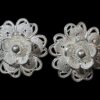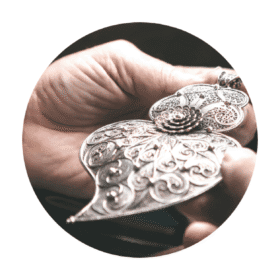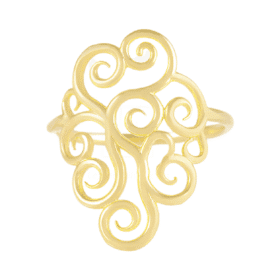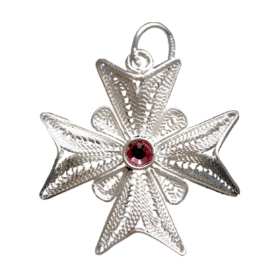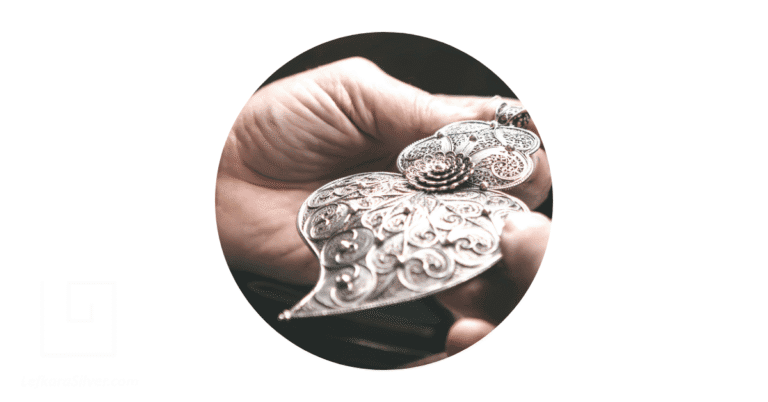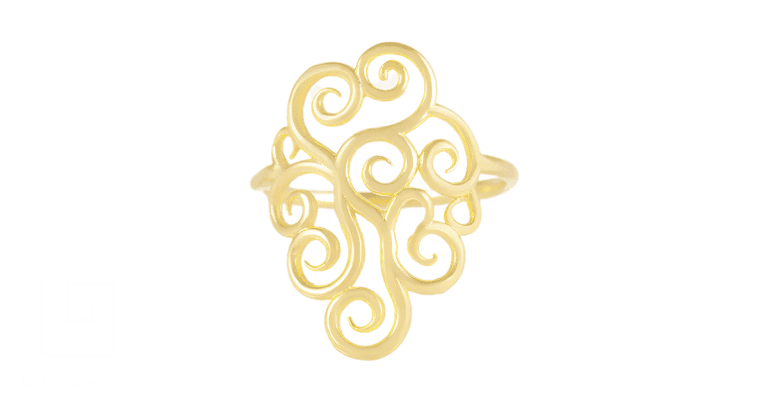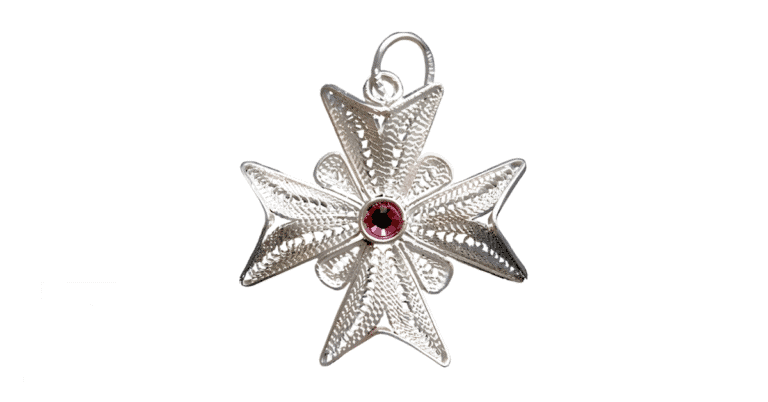
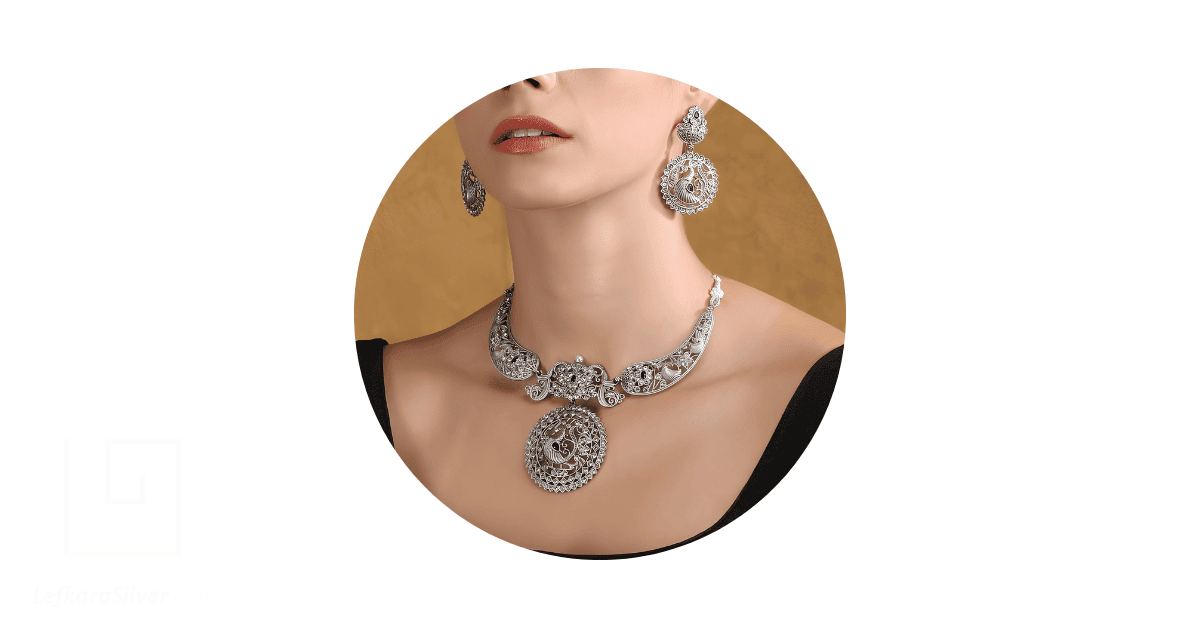
Filigree art is an age-old metalworking technique that twists, curls, and plates pliable threads of precious metal into lace-like patterns. Instead of carving away metal or setting heavy stones into solid plates, this method uses thin wires, often silver or gold, to build detailed, airy designs.
The process of making filigree relies on patience and precision, as the wires are soldered together to form complex motifs, including delicate floral patterns and geometric shapes. This technique has existed for over 3,000 years, with roots in Mesopotamia. Some records trace its earliest use to over 5,000 BC.
Many filigree artists and historians believe it’s going extinct, a long-standing concern. In fact, a 1966 study by Anne K. Graham argues that filigree art has nearly become a lost art, and that some jewelers believed much of the filigree produced at the time lacked originality.
However, a more recent 2026 study by Zhilu Cheng et al. shows that filigree art did not become a lost art, as the 1966 artists feared. In fact, this study looks into how artificial intelligence can be used to preserve, protect, and teach traditional arts like filigree.
This article contains the latest information on filigree styling. We will look at the trending styles of 2026, easy styling tips for every event, and a brief history of the craft.
We will also help you spot genuine handmade pieces and offer practical maintenance tips to keep your collection in top shape.
A Brief History of Filigree Art
Filigree has been around for at least 3,000 years. This craft originated in the ancient world. Early records point to the Middle East as its primary origin.
Artisans in these areas learned to draw metal into thin, pliable threads and then coil or twist them into delicate, lacy patterns. This technique allowed jewelers to create visually heavy, impressive objects that were surprisingly light to wear because of the open spaces between the wires.
As trade routes expanded, this skill spread rapidly across Asia and into the Mediterranean. Different cultures began to add their own signature flourishes to the basic technique. By the Greek and Etruscan periods, it had become a highly prized skill used to make everything from complex religious objects to jewelry and crowns.
By later European eras, the technique had been refined to the point that it could mimic the appearance of fabric lace. While technology has enabled faster production, the core method of using heat and precise hand placement of wire remains the standard for high-quality pieces.
This style has survived for thousands of years, despite major shifts in fashion and industrial capabilities, and has earned its enduring place in design history. Learn more about the origin of filigree art.
Trending Filigree Art Styles of 2026
Filigree art is gaining popularity in 2026 as more people move away from minimalist trends and opt for more personal looks.
- One of this year’s most popular trends combines sharp, geometric lines with traditional, organic scrollwork. With this style, you can pair filigree with modern outfits.
- High-contrast color palettes in filigree settings are also trending. Unlike traditional monochrome gold or silver, many trending pieces now use intense gemstones like emeralds, dark onyx, or sapphires enclosed within the wirework.
- Larger, statement-sized filigree earrings are also trending, as more people now want jewelry that catches the light and adds a dynamic element to their overall style.
6 Easy Filigree Art Styling Tips for Every Event
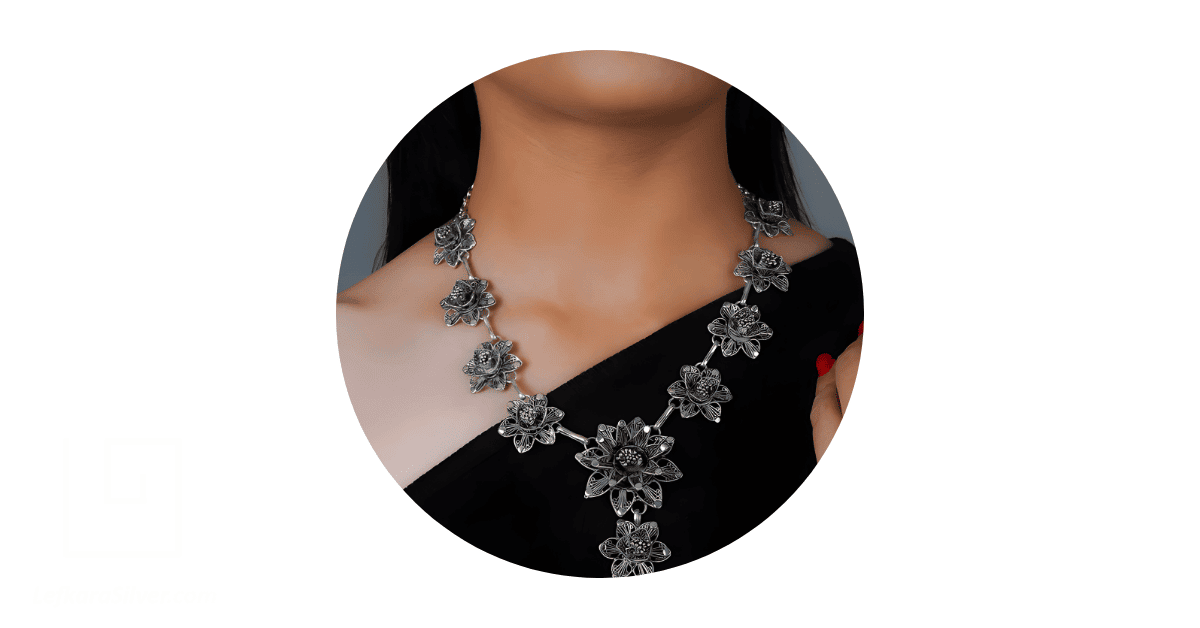
Whether you are headed to a casual brunch or a gala, here are some styling tips that you can follow, according to our stylist here at Lefkara Silver:
1. Let Your Filigree Ring be the Center of Attention
When you wear a bold filigree ring, don’t wear anything else on your hands. If you stack three different rings on the same finger, it no longer feels or looks special.
If you want to wear more jewelry, put your bracelets on the opposite arm. This way your hands don’t look too busy or tacky.
2. Wear Filigree Necklaces with Simple Necklines
Filigree necklaces usually have an airy, open design that can get lost under a busy pattern or a high, chunky collar.
Wear a filigree pendant with a solid-colored crew neck or an open V-neck shirt.
If you’re attending a formal event, a deeper neckline works perfectly because it lets the filigree sit against your skin. You want people to notice the craftsmanship, not wonder where the jewelry ends and your shirt begins.
3. Wear Bold Earrings with Simple Hair Styling
Large filigree drop earrings are fun and add a jiggly move to your face, but they can be a lot. If you wear them with your hair down and loose, they tend to get tangled or just disappear behind your locks.
Pull your hair back in a low bun or a sleek ponytail when you wear big filigree earrings. When you do this, your earrings will have space to catch the light and keep those wire patterns front and center.
Keep your necklace thin and simple, or don’t wear any so it won’t have to compete with your ears.
4. Mix Textures Carefully
You might be tempted to wear filigree with other textured jewelry, like heavy link chains or chunky beaded pieces, but this can get messy. Filigree has a delicate, lace-like visual weight, and heavy textures will crush its aesthetic.
If you want to layer, stick to smooth, plain metal chains of different lengths. Plain metal provides a solid contrast to the busy filigree patterns that makes the whole stack look intentional.
5. Match the Metal to Your Outfit
Silver filigree has a cool, bright tone that pops against black, navy, or jewel tones, while gold filigree brings a warm glow to creams and earth tones. Treating the metal color as part of your color palette makes your styling look much more professional.
If you are wearing silver filigree, keep your other jewelry silver-toned too. This will make your filigree look put together, not like a random collection of whatever you grabbed from your box.
6. Be Bolder With Your Jewelry
For evening events, you can go a bit bolder with filigree, but don’t let it clash with a complicated dress. If your outfit has sequins, lace, or ruffles, the filigree will just blend into the noise.
Save your most intricate, heavy filigree sets for outfits with clean, sharp lines. A classic little black dress or a well-tailored suit gives the filigree the perfect background to be seen.
Who Are The Best Filigree Artists?
Many filigree artists do a great job, and at Lefkara Silver, you’ll find the best. Our artists are experts in traditional filigree designs, all handmade.
Great filigree artists work in small studios worldwide to keep this old technique alive with steady hands and hours of focus. Our team spent time finding the best places to buy high-quality filigree or get a custom piece made.
Here are some of the best artists’ stores you can visit:
- Lefkara Silver: The artists at Lefkara Silver are thorough and focused in their craft. Every piece is made with the traditional technique by hand and built to last with 925 silver.
- Filigree Jewelers: This artist is in Minneapolis. They hold a large inventory of vintage and antique pieces.
- Antique Jewelry Mall: This is a go-to site for reproduction filigree that mirrors Edwardian and Art Deco styles.
- Portugal Jewels: For authentic Portuguese filigree, including the well-known Heart of Viana design, visit this store.
- Past Era: Now part of Tenanbaum Jewelers, this store specializes in sourcing and verifying genuine antique filigree pieces.
- Viana Jewelry: A group of local artisans in Portugal who focus on keeping regional motifs accessible.
The Best Places to Buy Filigree Art Deco Rings
You can find authentic Art Deco rings at specialized antique jewelry dealers, estate shops, and dedicated vintage jewelry websites. These vendors often provide pieces with high-quality platinum settings and original diamonds.
Estate jewelry auctions are another way to find these rings, often at lower starting bids, though prices can climb quickly once bidding starts.
If you prefer a new ring with antique design elements, many custom jewelers now create reproductions in modern materials. These artists use cast or die-struck components to mimic 1920s metalwork at a lower cost than an original antique.
Depending on whether you choose gold or platinum and the type of stones used, these rings typically cost between $800 and $4,000 or more. Handmade filigree often costs more than machine-cast versions because it takes extra hours to manually twist and solder fine metal wires.
How to Make Silver Filigree Jewelry

To make a filigree piece from start to finish, here are the steps to follow:
- Wire Preparation: Melt pure silver or sterling silver and draw it through a drawplate to create threads often less than half a millimeter in diameter.
- Frame Creation: Bend a slightly thicker wire to form the piece’s outer boundary, or skeleton. This frame holds the internal design in place.
- Filling the Pattern: Use tweezers to bend the thinner wires into curls, scrolls, and other shapes. The level of detail you achieve at this stage depends entirely on your skill and time investment.
- Soldering: Carefully join each point where the wires touch the frame or each other. Use a tiny flame and specialized solder, and ensure the heat doesn’t melt the delicate wires.
- Finishing: After the joints are secure, clean and polish the piece to bring out the bright shine of the silver.
Creating silver filigree pieces is far more complex than it first appears. It is labor-intensive and demands extreme patience and steady hands, so make sure you’re grounded before attempting to make your own piece from scratch.
How to Spot Genuine Handmade Filigree Art Jewelry
If you want to spot genuine handmade filigree, these are what you should look out for:
- Check for Asymmetry: Look closely at the patterns. If every single curve is identical to the millimeter, it is likely machine-made. Real handmade filigree usually has tiny, near-invisible irregularities that prove a person, not a machine, shaped the wires.
- Inspect the Joints: Use a magnifying glass to check where the wires connect. Handmade filigree will have evidence of careful soldering at these points. If the connections look thick, blobby, or nonexistent because the piece is a single cast object, it isn’t handmade.
- Test the Weight: Authentic handmade filigree is remarkably light because it uses thin wires with open space between them. If the jewelry you’re holding feels heavy and solid, the pattern is most likely just a texture stamped into a thick sheet of metal.
- Look at the Back: Turn the piece over. In true handmade openwork filigree, you should see the same level of detail and finish on the back as on the front.
- Check the Wires: Use a loupe to see whether the wires appear as individual, rounded threads. If the wires look flat on one side and carved or molded from a solid block, you are looking at a mass-produced item.
Filigree Art Maintenance Tips
To keep your collection looking fresh, stick to these maintenance steps:
- Avoid wearing your pieces during physical activity or while cleaning, as impacts or harsh chemicals can bend wires or damage solder points.
- Store your items in individual soft pouches or separate compartments in a jewelry box.
- Use a small, soft-bristled brush; an unused toothbrush works well for removing dust from the gaps.
- Mix a few drops of mild dish soap into warm water. Soak your jewelry for a few minutes, gently brush it, rinse thoroughly with clean water, and pat it dry with a lint-free cloth.
- Never use abrasive cleaners, as they will scratch the surface and ruin the fine finish.
- Store in a cool, dry place.
If you are dealing with heavy tarnish or grime, you may need a commercial silver polish, but always check the manufacturer’s instructions first. If your piece has soft stones like opals or pearls, take it to a professional.
What’s Next for Filigree Art?
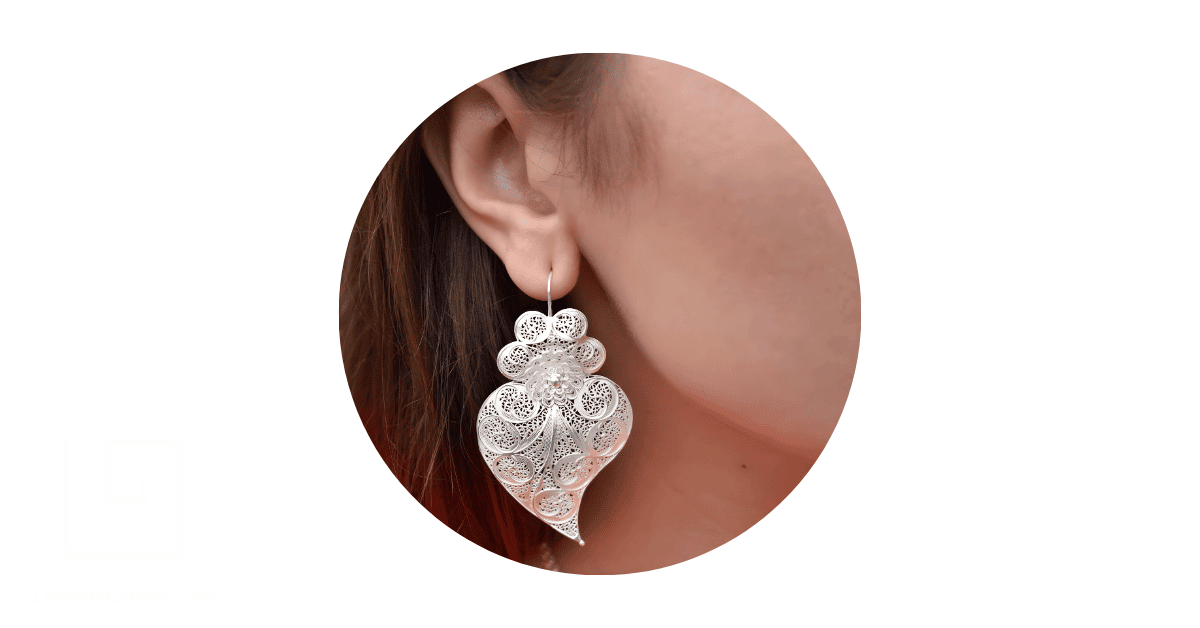
Whether you are looking for the best places to buy antique filigree rings, wondering how to integrate these pieces into your daily fit with easy styling tips, or simply curious about the skill involved in making silver filigree, this guide has provided the basic information you need.
To find expertly crafted handmade filigree, check out our Filigree catalog.
Don’t forget:
- Filigree dates back over 3,000 years to ancient Mesopotamia.
- Gold is still the most popular metal for jewelry, accounting for 78% of global sales.
- Genuine handmade filigree requires no machine casting, making each piece inherently unique.
- The term “filigree” comes from the Latin words for “thread” and “grain.”
This content was last updated in October 2026. Follow our website, LefkaraSilver.com, to stay informed about new jewelry offers, news, and buying guides.
Filigree Art FAQs
Here are answers to some frequently asked questions about the filigree art in 2026:
What Culture is Filigree From?
This art form traces its earliest roots back to ancient Mesopotamian and Egyptian civilizations. It later spread across the Mediterranean and became a major part of Greek, Roman, and Phoenician cultural traditions. It remains a signature of artistic identity in countries like Portugal, Malta, and India.
How Old is the Art of Filigree?
This intricate technique dates back over 3,000 years, with origins in Mesopotamia. Archaeological findings from the Royal Tombs of Ur confirm that master jewelers practiced this craft as early as 2600 BC. Some accounts claim it has been around for more than 5,000 years. It is widely recognized as one of the oldest decorative metalworking methods humans have created.