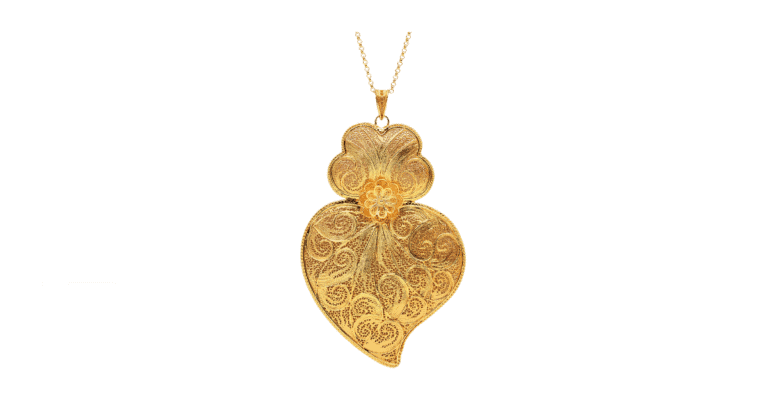
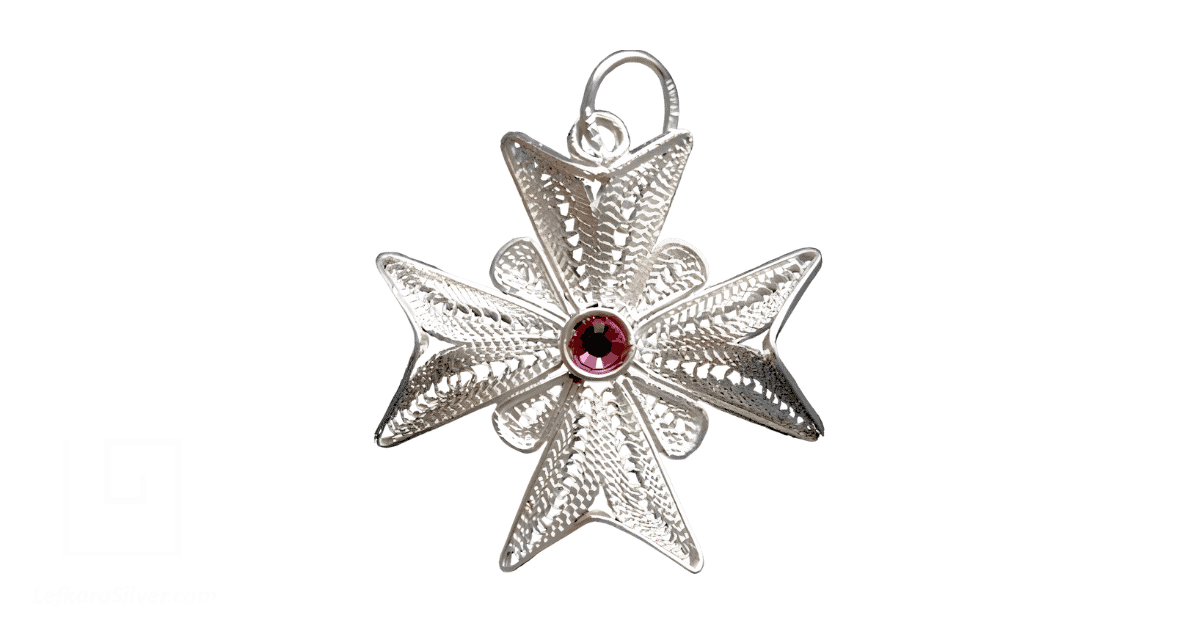
What is Maltese Filigree?
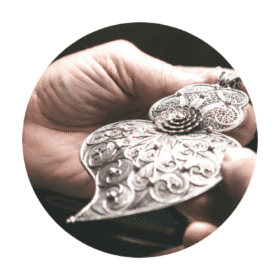
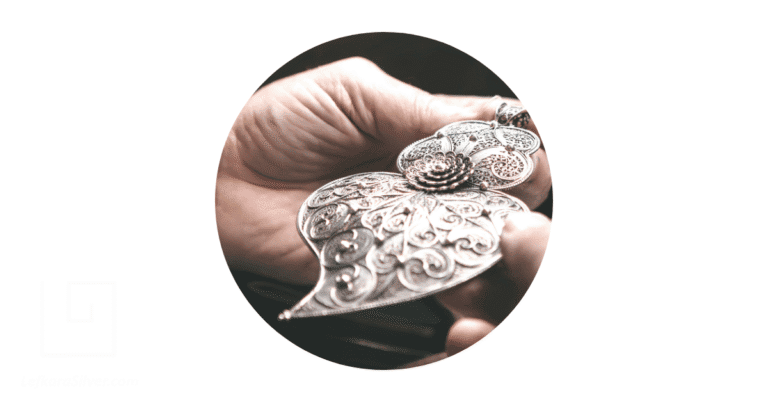
Maltese filigree is one of the most popular traditional jewelry forms from Malta. To create a piece of Maltese filigree, artisans twist and shape silver or gold threads, soldering them into delicate patterns that look both airy and complex. This craft relies on the precision of the hand and a deep understanding of metal properties to create designs that have become synonymous with the islands’ aesthetic identity.
In this guide, updated for October 2026, you will learn the history of Maltese filigree and find a list of the 5 best places to buy handmade pieces. You will also learn about the symbolism of the Maltese cross, how to choose between gold and silver, the specific techniques artisans use, and how to spot authentic, high-quality Maltese filigree.
The History of Maltese Filigree: Key Facts to Know
The roots of the Maltese filigree craft trace back to ancient civilizations that traversed the Mediterranean. While the foundational techniques of openwork metal decoration became widespread during the Roman and Byzantine eras, the version practiced in Malta today solidified over centuries of cultural exchange.
The arrival of the Order of St. John in the 16th century played a pivotal role in this, as the Knights brought both wealth and a heightened appreciation for the decorative arts, which enabled local silversmiths to refine their skills and establish a distinct style that persists today.
During the Victorian age, Maltese filigree experienced a significant rise in popularity, incorporating floral and scrollwork designs. While industrialization later threatened the survival of handmade methods, a renewed focus on heritage has kept the practice alive, and contemporary makers are balancing handcrafted techniques with fresh, modern taste.
Here are some of the most interesting historical facts you should know about Maltese filigree:
- The filigree craft evolved into a unique local expression under the Knights of St. John’s rule.
- Traditional Maltese patterns are categorized into distinct styles.
- The iconic Maltese cross became a central design motif during the Knights’ rule, with its eight points representing the eight Beatitudes and the Order’s linguistic divisions.
- Wire thickness is critical to the Maltese filigree craft. Master silversmiths draw metal into threads as fine as a human hair before shaping them with tweezers.
- Cheap, mass-produced imitations often use base metals or machine-stamping from overseas, which lack the manual precision and structural quality found in genuine, hand-twisted Maltese creations.
5 Best Places to Buy Handcrafted Maltese Filigree Jewelry
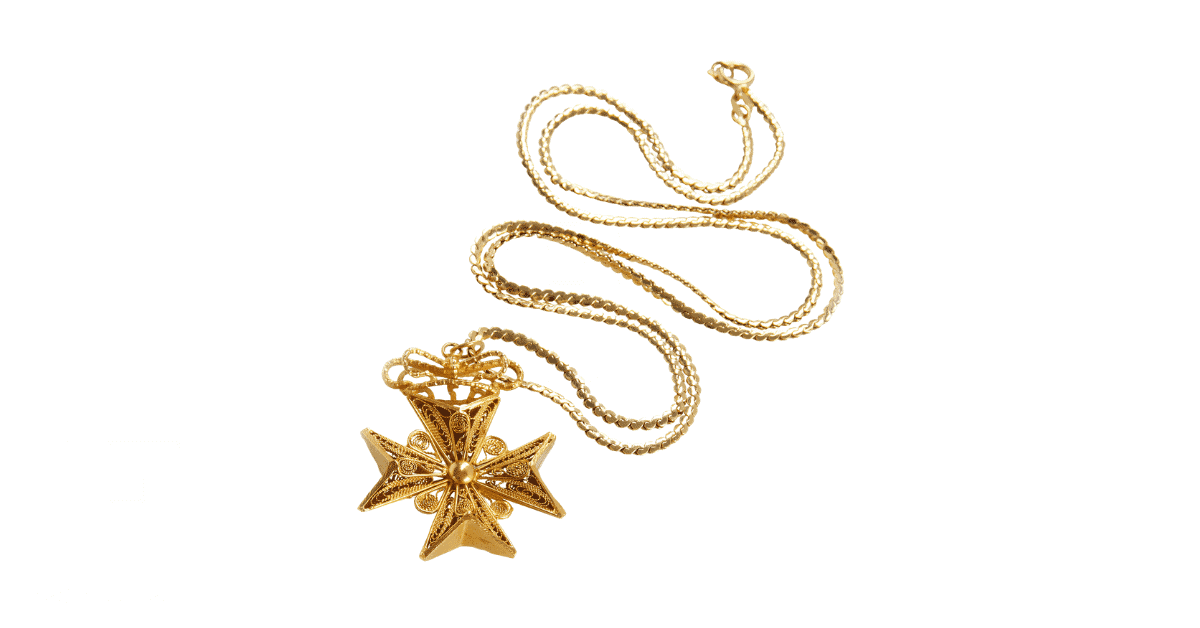
Authentic Maltese filigree is defined by patient labor, where silver wire is twisted and soldered by a local artisan. When you are shopping, look for signs of a working workshop or staff who can speak clearly about the technique used for the piece you want to buy.
These are some of the most reputable stores praised for their authenticity:
1. The Silversmith’s Shop
This store is located in Valletta, the capital city of Malta. It has earned a reputation as the go-to spot for both locals and discerning travelers. It stands out for prioritizing traditional techniques passed down through generations, ensuring every piece of wire is shaped with intent and made by hand.
The quality of the Maltese filigree jewelry here is top-tier, and you can often see the artisans at work, which is a great way to verify that you are getting a genuine local product. While prices vary with design complexity, you can expect to pay anywhere from €40 to over €150 for a high-quality, handmade Maltese Cross pendant at this store, depending on the weight and complexity of the silver used. They also offer custom commissions and repairs for older pieces.
2. J. Azzopardi Jewellery
This is a family-run business that focuses on preserving the Maltese filigree craft. It is known for its high level of soldering precision, which prevents the jewelry from feeling brittle.
The collection in this store is quite broad, so it is a great place to compare different styles of crosses or floral motifs side by side. The staff will tell you about the history of the patterns they use and provide excellent advice on caring for sterling silver to prevent oxidation.
3. Ardnael Filigree, Gold & Silversmith
If you are looking for gold filigree, this is one of the most reliable places to visit in Valletta. Working with gold requires a much higher level of skill due to the metal’s properties, and the artisans here demonstrate a level of mastery that is rare to find.
They are also known as one of the few places that maintain the traditional patterns, which require exceptional dexterity to execute perfectly.
4. Saliba Filigree
This artisan has a legendary status among those who study the craft. By participating in workshops and maintaining a visible presence in the local artistic community, the artisan’s work serves as a bridge between old-world traditions and modern aesthetics.
The pieces sold here come with the maker’s personal oversight guarantee. Their filigree work is notably denser and stronger than cheaper versions, so it holds its shape far better through years of daily wear.
5. Jos Atelier
Run by a registered Maltese filigree artisan and jewelry educator, this store specializes in handmade filigree from Malta, crafted using traditional silversmithing techniques. They make custom pieces designed to help you preserve the memories you hold dear, using eco-friendly materials.
If you are looking for other authentic handmade filigree jewelry, you must check out Lefkara Silver for the best pieces from Cyprus.
Types of Maltese Filigree Jewelry: Pendants, Earrings & More
Maltese filigree jewelry comes in different styles, each rooted in historical patterns that have evolved over centuries.
Maltese Filigree Earrings
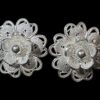
Earrings are perhaps the most popular way to wear filigree because the technique allows for large designs that remain lightweight. You will often see these in traditional drop styles or simple loops. They make fantastic gifts because they do not require precise sizing, and they are easy to style with both casual outfits and formal evening wear.
Maltese Filigree Ring
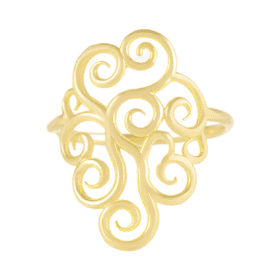
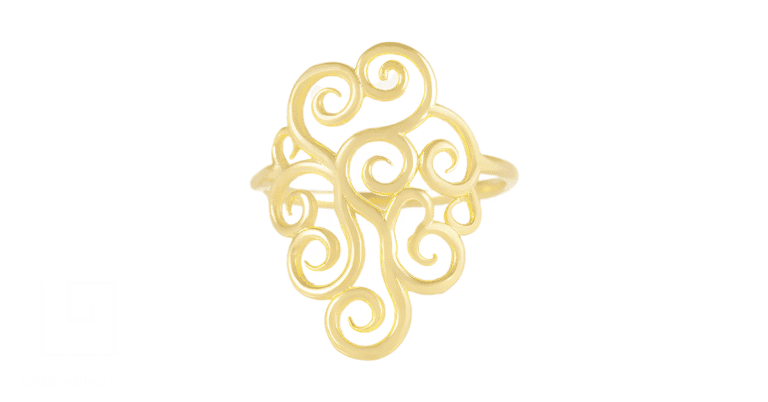
Rings made from filigree are delicate masterpieces. These rings feel like lace wrapped around the finger, and if understated, artistic jewelry appeals to you, this would be a favorite piece.
When buying a ring, ensure the band is reinforced. Filigree rings require a bit more care than solid metal bands to avoid catching on fabric.
Maltese Filigree Bracelet
To make a Maltese filigree bracelet, artisans connect multiple filigree panels together to create a flexible, lace-like wrap for the wrist. These are best styled with sleeveless tops or dresses. They are made of many individual parts that highlight the jeweler’s skill in ensuring each solder joint is secure. These bracelets are frequent choices for collectors who want to showcase the full breadth of Maltese design motifs.
Maltese Filigree Necklace
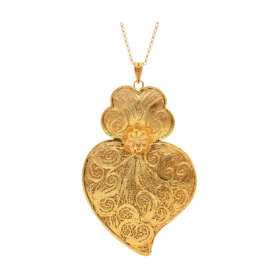
Necklaces are the most varied category, ranging from small, simple Maltese Cross pendants to elaborate, multi-layered neckpieces. The Maltese Cross is the most iconic design, representing history, courage, and faith.
When styling these, keep the rest of your jewelry simple.
What Does a Maltese Cross Symbolize?
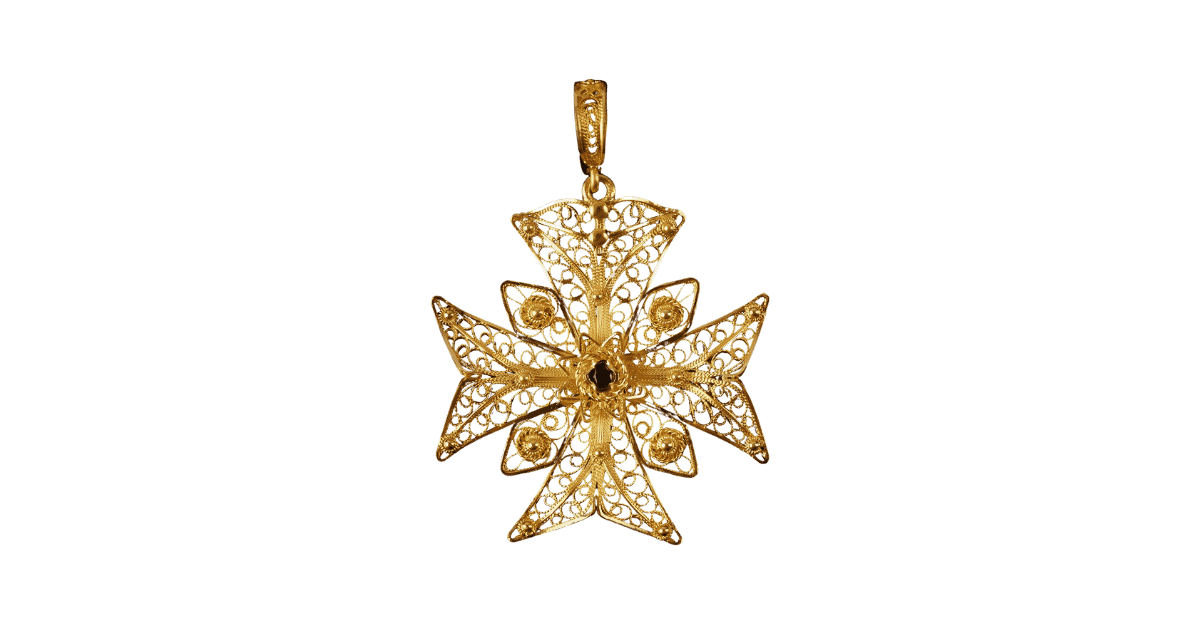
The Maltese cross is history in a piece of jewelry. Its four distinct V-shaped arms, which meet at a central point, are seen as a map of virtues. Each of the eight points on the cross represents the eight Beatitudes, while the four arms themselves stand for the virtues of Prudence, Justice, Temperance, and Fortitude. During the period that the Knights of St. John ruled, they used the symbol to represent their commitment to faith, protection, and charity.
The Maltese filigree cross is also popular for its inherent balance. The design is geometrically precise, yet because it is built from filigree wire, it feels light and organic. Unlike solid metal pendants that can look heavy or static, this cross catches the light at every angle, shifting as you move. This creates a sense of depth that makes it stand out.
The popularity of the Maltese filigree cross also stems from its role as a protector. Historically, the cross was a badge of honor for those dedicated to serving the sick and the vulnerable. Today, that sentiment persists.
Gold vs. Silver Maltese Filigree: Which Should You Choose?
Artisans have worked with both gold and silver to craft the Maltese filigree for years. They often use base metals such as copper or zinc to create various alloys. In the past, gold was reserved for the most elite or ceremonial objects due to its rarity, while silver was the standard for the everyday adornments worn by a majority of the population. Today, while you will find both metals in workshops, silver is the most common option for traditional filigree because its malleability allows for the extreme, hair-thin twisting required to make those signature, lace-like patterns.
Silver is popular mostly because it offers a crisp, bright look that makes the complexity of the filigree work pop. It is also more affordable than gold, so you can pick up a larger, more elaborate piece for a fraction of the cost of a similar gold design. It has a soft, cool tone that complements almost any skin tone. This makes it a versatile addition to an everyday wardrobe. However, bear in mind that silver can tarnish over time when exposed to air and moisture, so it requires regular, gentle polishing to keep it looking sharp and bright.
Gold, on the other hand, is the perfect choice if you want something that requires less maintenance and serves as a long-term investment. It is naturally resistant to tarnish and corrosion, so your filigree piece will retain its luster for years without frequent cleaning. It is also more durable and harder to dent or bend than silver.
While gold is more expensive, its longevity and rich, warm color provide a level of luxury that silver cannot match. Your choice fully depends on whether you value the affordability and brightness of silver or the lasting, low-maintenance nature of gold.
How Maltese Filigree is Handcrafted
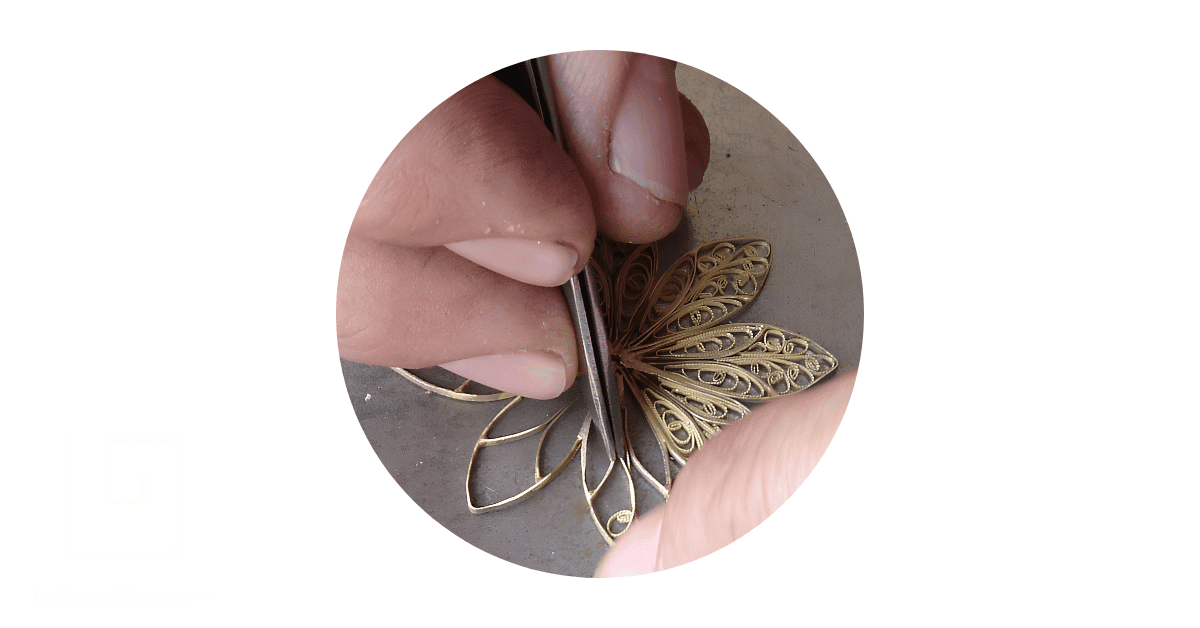
Authentic Maltese filigree jewelry is not cast or stamped; it is built entirely by hand using thread-like wires of gold or silver.
The process starts with the creation of a metal alloy. This is often done by melting pure gold or silver grains with copper or zinc in a kiln to reach the desired color and quality. This molten mix is poured into a mold to form a solid ingot.
Artisans then pass this ingot through a rolling mill, pressing and stretching it until it becomes very fine, uniform wire. Once the raw material is ready, the construction follows a precise sequence:
- Framework creation: The artisan shapes thicker wires to form the piece’s outer boundary or frame. This gives the structure that holds the entire design together.
- Wire preparation: Two ultra-fine wires are twisted together, flattened, and heated. These prepared wires are cut into short segments.
- Coiling and shaping: Using tweezers, the artisan curls each wire segment into tight spirals, scrolls, and other decorative shapes.
- Filling the frame: The artisan carefully places these individual coils inside the framework, arranging them to form classic, symmetrical patterns.
- Soldering: After the pattern is set, the artisan applies a brazing alloy to the junctions where the wires touch. Careful heat application fuses the components into one solid piece without melting the delicate wires.
- Cleaning and finishing: The piece goes into a hot acid bath to remove oxidation and excess solder. Finally, it is polished in a mechanical tumbler to create a high-shine finish, often followed by electroplating to improve durability and luster.
How to Identify Authentic High-Quality Maltese Filigree
Identifying genuine Maltese filigree requires a sharp eye, but there are clear signs to help you distinguish handmade pieces from replicas:
- Check for symmetry and precision: Handmade filigree will show consistent, repeated patterns. If you notice irregular gaps, uneven wire thickness, or messy soldering blobs, the piece is likely machine-made.
- Inspect the weight and feel: High-quality silver or gold filigree should feel light yet rigid. It’s built from fine wire, so it should not feel like a solid, heavy block of metal.
- Look for hallmarks: While a stamp does not guarantee that an item is handmade, its absence is a red flag about the item’s quality and origins.
- Check the back and front: Authentic pieces often show the same level of detail on both sides or are finished cleanly.
- Observe the wire ends: In handmade work, the ends of the wires are tucked neatly into the design or soldered flush. Rough or sharp wire ends that snag on fabric show a hurried, low-quality production process.
The market is currently flooded with filigree jewelry that looks exactly like traditional Maltese filigree but has no soul or structural integrity of the local craft. You must verify the techniques used by the maker and buy from a recognized local artisan to ensure you have a piece that is both historic and sturdy.
Is Maltese Filigree Art Dying?
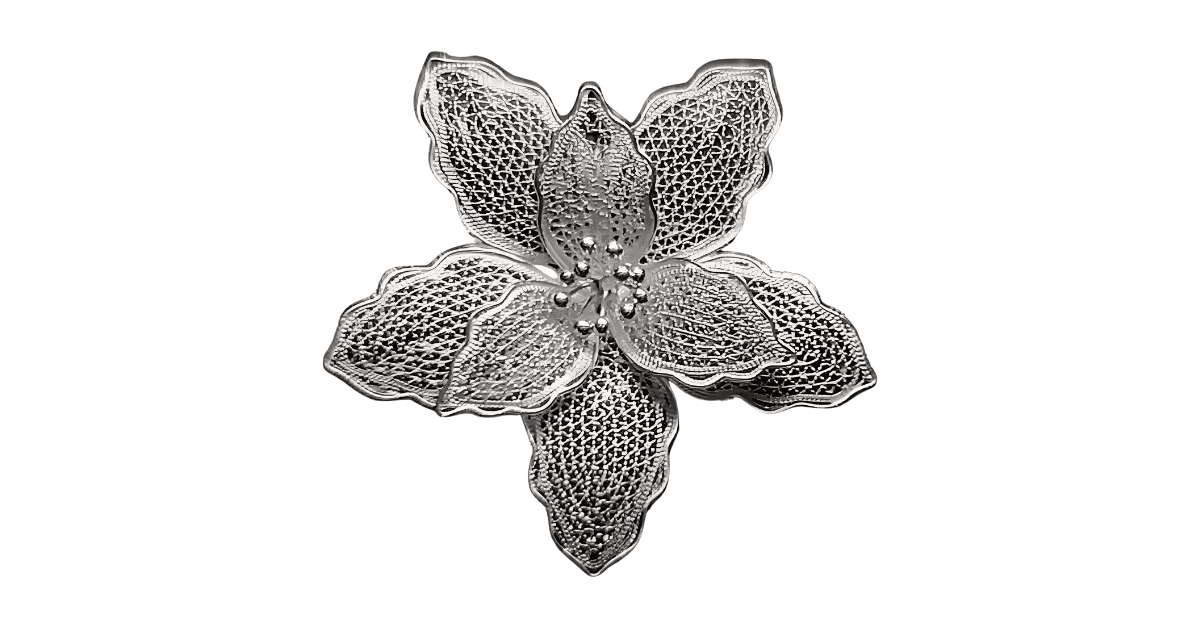
Maltese filigree often feels like a lost art because, for years, the craft has faced intense pressure from fake items flooding the market. Many pieces sold in tourist hotspots are not locally made at all; instead, they are imported from overseas, stamped with a local mark, and sold as authentic.
This practice is a massive blow to the industry because these machine-made alternatives are often sold at a fraction of the cost of real, handmade silverwork. Additionally, genuine filigree requires hours of meticulous work, and the price is much higher; this makes it difficult for traditional artisans to compete with cheaper, inferior goods.
Adding to the strain is a decline in interest among the younger generation. The work is physically taxing, requires intense focus, and it takes years to master. When you add the fact that many locals have moved toward modern, mass-market jewelry, the number of people willing to dedicate their lives to this apprenticeship has dwindled.
Despite these hurdles, the craft is not simply vanishing. A dedicated group of artisans, often carrying on the work passed down through three or four generations, continues to operate out of small workshops, refusing to cut corners. They are supported by a growing movement of people who care about provenance and authenticity. You can still find masters who host intensive filigree workshops, opening their doors to anyone willing to learn the difference between a real handmade loop and a machine-stamped knockoff.
So, no, the filigree art is not dying. It is changing and shifting toward a niche market where skill and heritage command the respect and price they deserve.
Other Maltese Crafts that Make Perfect Souvenirs
While Maltese filigree is a top-tier souvenir choice, there are still many more handmade crafts that you can take home when you visit Malta. Like filigree, these handmade crafts reflect the island’s history.
Maltese lace is one of the most iconic crafts on the islands. Skilled workers spend countless hours weaving fine thread into complex designs that were historically used for everything from church vestments to elegant outfits. Today, you can buy beautiful lace doilies, handkerchiefs, and even framed pieces. The prices vary based on the size and complexity of the pattern, usually from €20 for a small, simple item to over €100 for a large centerpiece.
Hand-blown glass is another souvenir from Malta, particularly in areas like Mdina.
Small glass ornaments can be found for as little as €15 to €30, while larger, more decorative vases often start at €60 and can go well into the hundreds depending on the artisan’s signature and the size of the work.
How to Clean and Care for Your Maltese Filigree
To keep your filigree looking new, follow these steps:
- Don’t clean with harsh chemical dips.
- Clean your filigree jewelry gently.
- Dry completely. After cleaning, pat the piece dry with a soft, lint-free cloth.
- Store wisely. Keep your pieces in a cool, dry place. Using individual anti-tarnish bags or soft cloth pouches prevents scratches from other jewelry and minimizes air contact.
- Apply perfume and lotions first. Always put on your jewelry last after your cosmetics have dried. Chemicals in perfumes, hairspray, and body lotions can react with the silver, leading to rapid discoloration.
- Professional help is okay. If your filigree is heavily tarnished or has a delicate break, take it to a trusted local silversmith.
Maltese Filigree – Final Thoughts
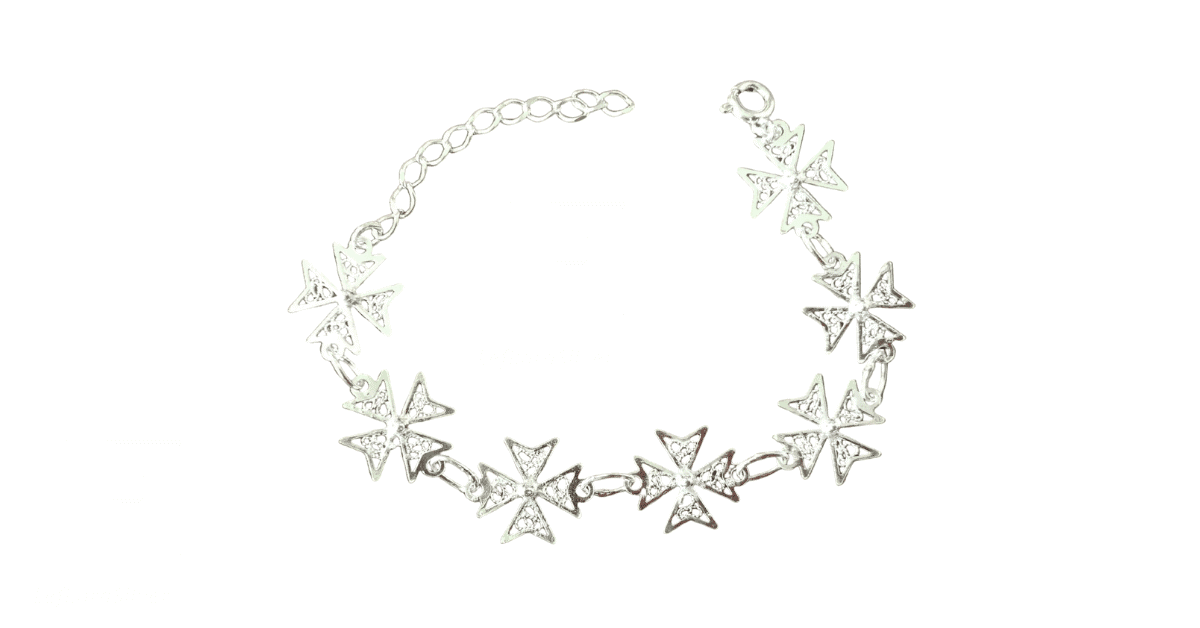
We have covered everything you need to know about Maltese filigree, from the Maltese cross to supporting the artists who keep this tradition alive; you now have the knowledge to choose and care for your own piece of Malta.
Whether you are searching for earrings, pendants, or other traditional crafts like bobbin lace and pottery, remember that your choice supports a centuries-old heritage.
Here are a few quick takeaways:
- Authentic Maltese filigree is crafted by hand using fine silver or gold wire, whereas mass-produced imports often rely on machine stamping.
- The Maltese cross is not just an emblem; its four arms represent the Christian virtues of Prudence, Justice, Temperance, and Fortitude.
- Keeping your silver dry and away from chemical sprays is the single most effective way to prevent tarnish.
- The craft is kept alive today through a mix of traditional methods and modern, innovative designs that keep the art form relevant.
This content was last updated in October 2026. Follow our website, LefkaraSilver.com, to stay informed about new jewelry offers, news, and buying guides.
Maltese Filigree FAQs
Here are answers to some frequently asked questions about Maltese filigree in 2026:
Is it Okay to Wear the Maltese Cross?
Yes, wearing the Maltese cross is perfectly acceptable and widely practiced as a sign of respect for Maltese culture. Many people wear it as a symbol of courage and protection. It carries deep historical significance, reflecting centuries of resilience. Feel free to wear it as a meaningful piece of jewelry.
Is the Maltese Cross Masonic?
The Maltese cross is not inherently Masonic, though its distinctive shape appears in various historical organizations. While some groups adopt similar symbols, the design remains rooted in the history of the island nation.
Is Maltese Cross Catholic?
The cross has strong historical ties to Catholicism through the Knights of St. John. This connection makes it a significant symbol for those interested in its religious heritage. You will often see it associated with charitable work and historic church architecture across Malta.