What Are Filigree Chains?
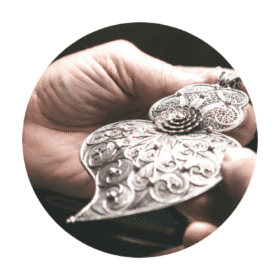
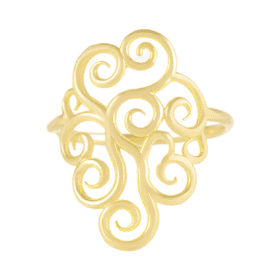
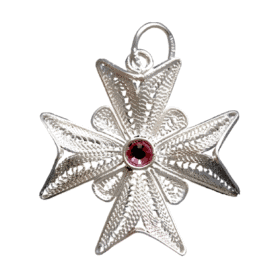
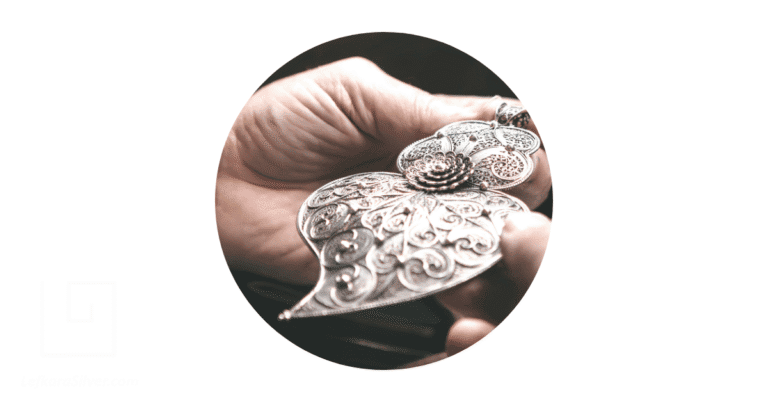
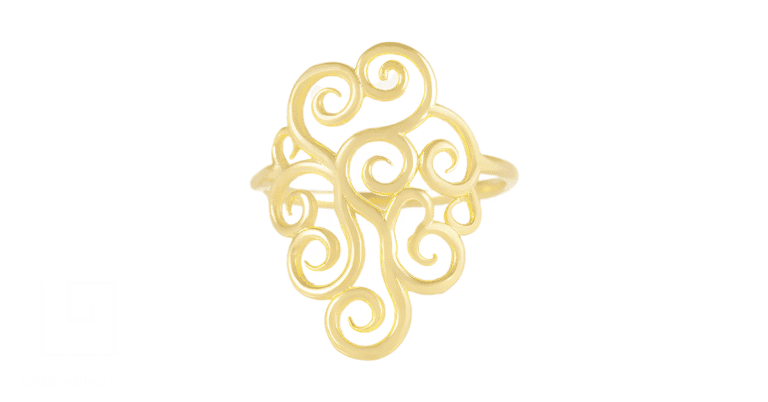
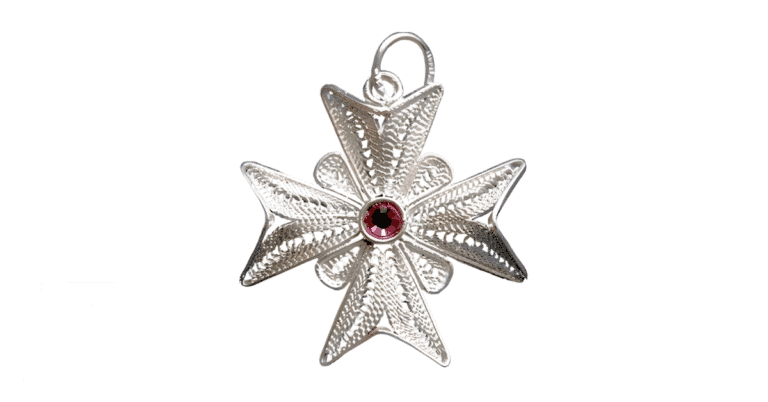
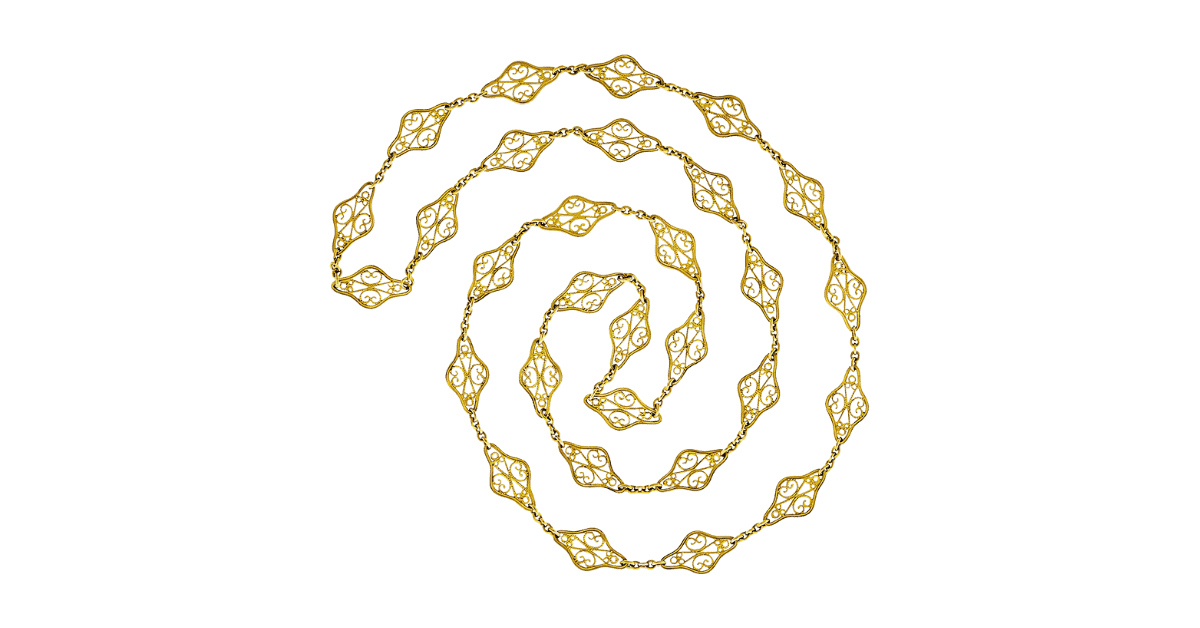
A filigree chain is a piece of jewelry that relies on open space and delicate metalwork to create a lightweight, airy aesthetic. They are crafted from fine, thin metal wires twisted, curled, or braided into complex, lace-like patterns.
In 2026, these pieces are in style again, adding texture and detail to any outfit you throw on. This article covers the essential details you need to stand out with this look, including the latest fashion trends featuring filigree chains and how to style them for daily wear or formal events.
You will also learn how to pick the right chain length, clean and care for delicate filigree, tips for men’s styling, and strategies for combining different metals.
6 Latest Fashion Trends With Filigree Chains
Today, the filigree chain trend has shifted toward versatility. Modern collectors are layering these pieces with minimalist basics to create a contrast between old-world artistry and current streetwear or office-ready looks.
The following are some of the latest fashion trends featuring filigree chains:
1. The Victorian Layering
The trend of layering antique-inspired filigree with contemporary chains is gaining momentum among the fashion icons who value vintage aesthetics. To rock this look, you need to mix a longer, heavy filigree chain with shorter, thinner gold or silver link chains. The goal is to create a sense of depth around the neckline, and use the patterns of the filigree to break up the monotony of standard cable or curb chains.
This style is particularly popular with bohemian or eclectic wardrobe lovers. It works perfectly for casual daytime events, such as weekend brunches or art gallery visits, where the wearer wants to express personal taste through a mix of textures.
2. The Minimalist Filigree Accent
This is for you if you prefer a subtler approach. This trend features finer wirework that resembles lace against the skin. The beauty of this style lies in its lightweight nature, weighing under 5 grams, making it comfortable enough for everyday wear in professional or high-activity environments.
If you’re a working professional and you prefer a clean, streamlined aesthetic, then, this is your vibe. It is an ideal choice for the office, as it adds a touch of refinement to a blouse or a simple crew-neck sweater without feeling overly formal or cumbersome.
3. Mixed Metal
Combining gold and silver filigree chains is no longer a fashion faux pas; in 2026, it is a deliberate style statement. The aim of this style is to match the filigree patterns so that the two different metals appear cohesive. Many fashion lovers are going for a multi-strand look, in which a bright white silver filigree chain is interspersed with warm yellow gold links to create a high-contrast visual.
This style is most popular among younger demographics who experiment with non-traditional styling. It is particularly effective for evening events or dinners where the goal is to make a bold entrance. The contrasting colors of the metals allow the wearer to pull from both gold and silver accents in their other jewelry, such as rings or earrings, creating a unified look that ties an entire outfit together.
4. Statement Choker Filigree
The filigree choker is a modern evolution of the traditional necklace, sitting high on the neck to showcase the precision of the metalwork. Designers are now creating these in fixed-length.
This style is most popular in urban fashion circles and is often worn at concerts, festivals, or high-fashion social gatherings. It is typically paired with off-the-shoulder tops or formal gowns that leave the neck and shoulders bare, allowing the filigree pattern to act as the focal point of the ensemble.
5. Masculine Geometric Filigree
Filigree is increasingly being incorporated into men’s fashion. The designs of the filigree chains for men are often thicker, with darker, oxidized finishes that highlight the links’ construction.
If you or your man like more than the standard link chain and something not too delicate, this is the style for you. The occasion for this style ranges from casual workdays to nightlife, where the oxidation provides a sharp, masculine edge.
6. Nature-Inspired Organic Filigree
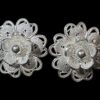
Drawing inspiration from the natural world, this trend emphasizes filigree chains that feature motifs of leaves, vines, or small floral granules within the link structure. These pieces are often crafted in warm-toned gold and are designed to look organic and fluid, mirroring the shapes found in nature. The craftsmanship involved requires multiple stages of soldering and hand-polishing to ensure the texture is soft to the touch.
Types of Filigree Chain Necklaces to Know
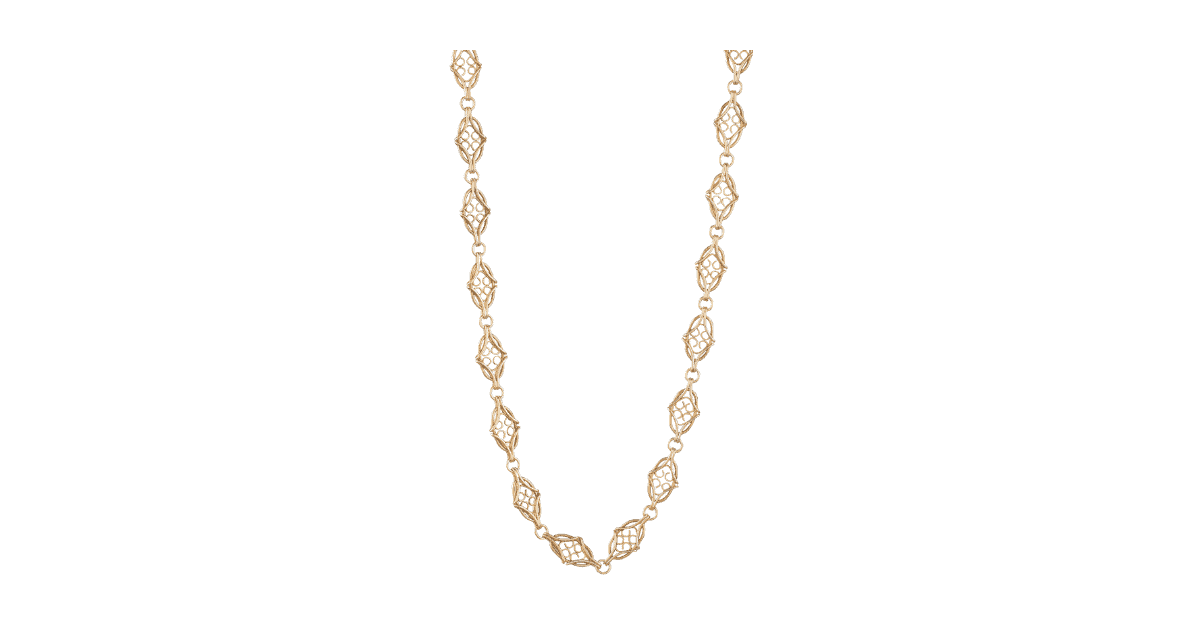
Filigree chains come in a wide range of designs, each defined by the way thin metal wires are twisted, coiled, and soldered to create open, airy patterns, thus:
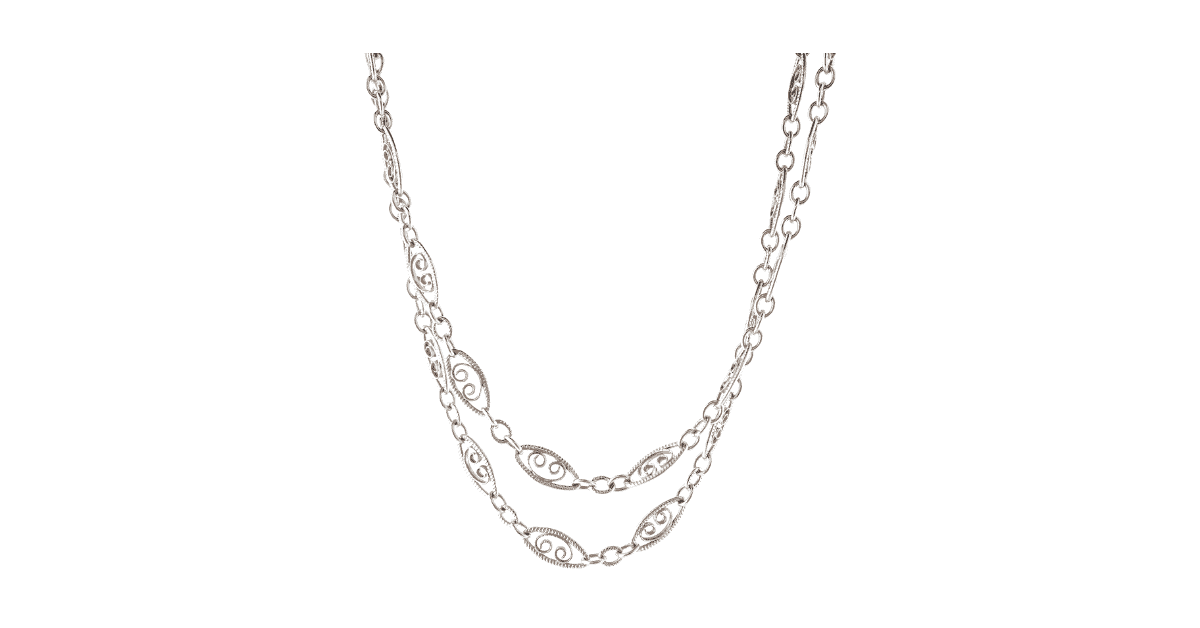
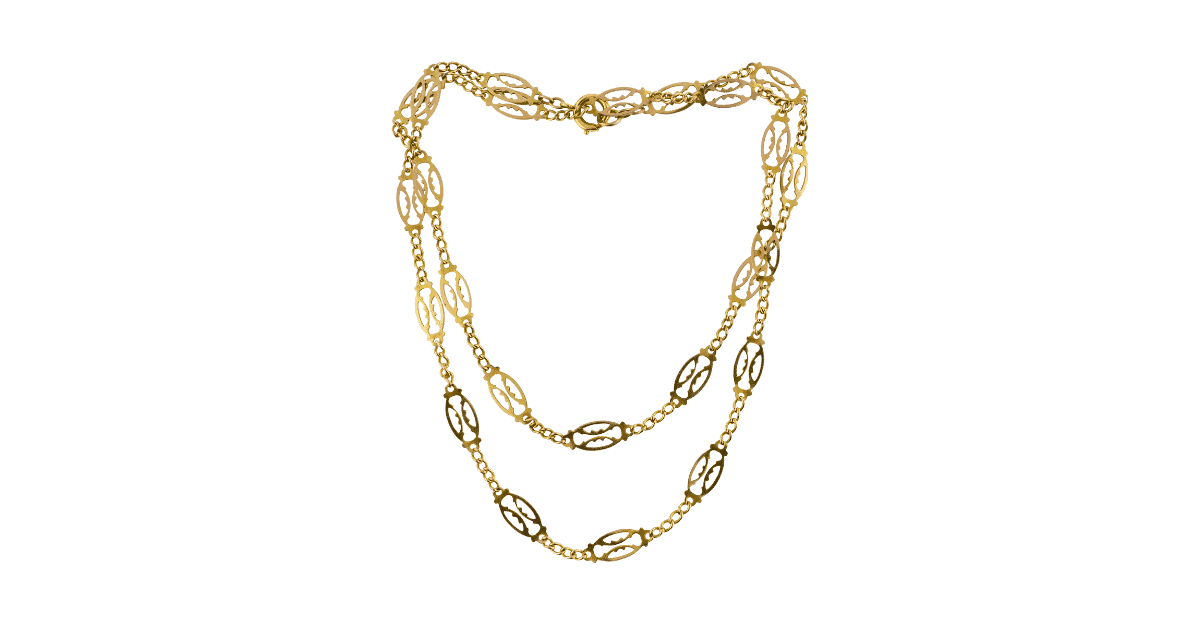
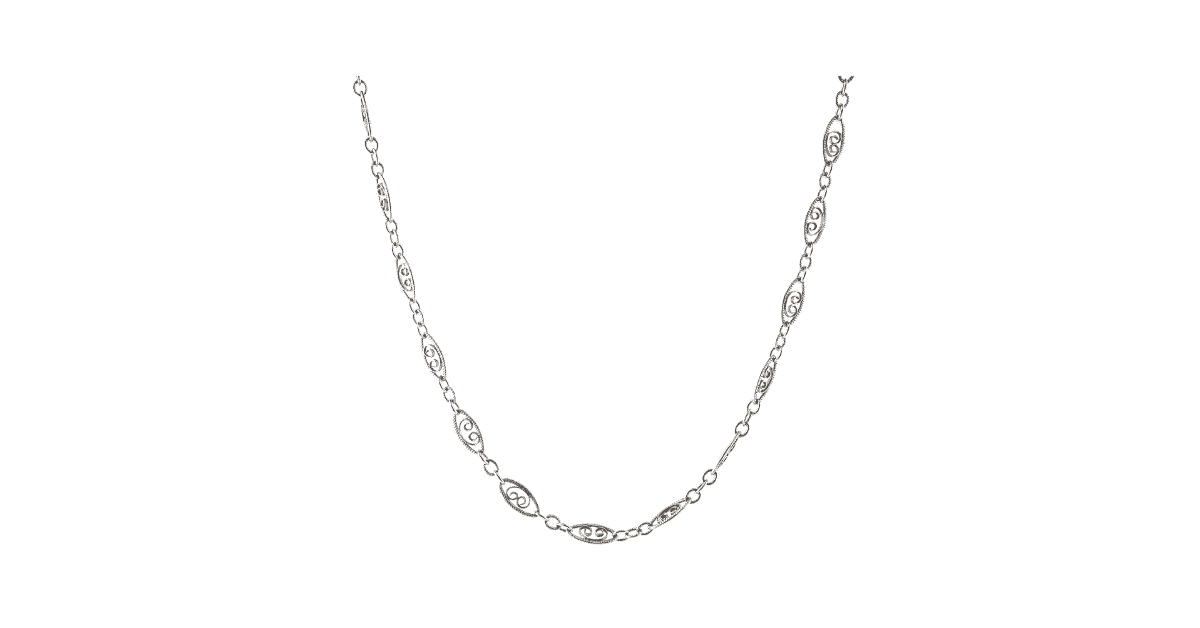
Filigree chain links are perhaps the most common designs. They are made of individual oval or elongated links hollowed out with wire scrolls. Each link acts as a miniature work of art, often held together by simple jump rings to maintain flexibility.
French filigree chains are highly sought after by collectors for their historical significance and specific construction. Many of these pieces date stamp, which confirms their French origin.
Trombone or bar-link filigree chains are more generic. These designs alternate between decorative filigree bars and smaller, plain metal links. This pattern provides a structured, rhythmic look that balances the delicate nature of the wirework with the sturdiness of solid links.
Scroll-work chains represent the most fluid expression of this craft. In these pieces, the links themselves are formed by two or more wires spiraling into one another. The result is a continuous, woven appearance that mimics fabric. Unlike the structured link styles, scroll chains lay exceptionally flat against the skin, allowing them to catch the light from every angle.
How to Style Filigree Chains: Outfit Pairings for Every Look
While filigree chains are inherently beautiful, they require intentional styling. To make these pieces stand out, you should aim for balance by contrasting their delicate, airy texture with simpler outfits or more modern accessories.
Here are some easy ways you can style you filigree chains to stand out:
- Try layering your filigree piece with a minimalist, high-shine gold or silver chain of a different length. The contrast between the smooth, solid chain and the complex, open pattern of the filigree creates visual interest.
- When mixing metals, keep the tones consistent; for example, pair a gold-filled filigree chain with other yellow gold pieces to maintain a cohesive look.
- For professional or formal settings, let the chain do the talking by pairing it with a solid-colored top, such as a silk blouse or a simple cashmere sweater in a neutral tone.
- Avoid wearing tops with busy patterns or high, ornate necklines, as these can compete with the delicate nature of the metalwork.
- When dressing for casual occasions, you can lean into the vintage history of your chain by pairing it with structured denim or linen textures.
Styling Tips for Men’s Filigree Chains
Many men often overlook filigree chains, because they see them as too delicate or ornamental for a masculine wardrobe, but recently, all that is changing, so, if you’re one of the men who are embracing the beauty of filigree chains, here are some styling tips that make you stand out:
- When wearing a filigree chain, keep the rest of your outfit understated. The chain works best against solid colors or simple fabrics, like a plain crew-neck t-shirt or a crisp white button-down.
- Pair a shorter filigree chain with a casual outfit, such as a denim jacket or a sweater, to create a balanced look that feels intentional.
- For more formal events, let the chain sit against your skin or a dark-colored shirt so the light catches the wire details.
- If you have a longer chain, you can tuck it inside your shirt or wear it outside.
- If you want to try layering, start by combining a filigree chain with a thicker, plain metal chain to create contrast in texture and weight. This keeps the look grounded while still taking advantage of the filigree’s unique visual appeal.
How to Combine Gold and Silver Filigree Chains?
To combine both gold and silver filigree chains, here are some styling tips to explore:
- Start with a base metal color for your primary chain and use the secondary metal as an accent to avoid a chaotic appearance.
- Pick chains with different weights or textures when combining gold and silver to create visual interest.
- If your filigree chain is the statement piece, keep all other mixed-metal jewelry, such as rings or bracelets, in matching or neutral finishes.
- Use layering to bridge the gap between different metal tones by incorporating pieces that contain both gold and silver elements.
- Consider the neckline of your shirt when mixing metals; a longer filigree chain in gold layered with a shorter silver chain can draw the eye toward the center of your chest.
Why Choose a Filigree Chain Over Traditional Necklaces?
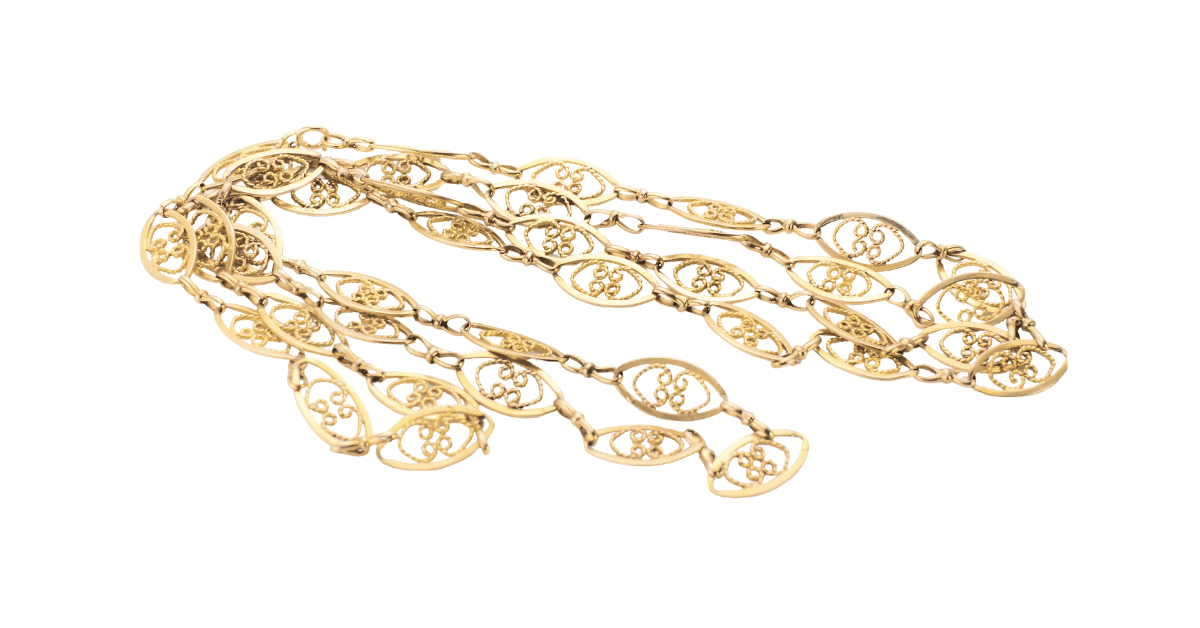
One of the primary coolest benefits of choosing filigree over a traditional chain is the incredible weight-to-size ratio. Every filigree piece looks bold and large but they are not heavy and you don’t have to deal with any uncomfortable, gram weight of a solid gold or silver chain.
Filigree comes with a level of depth that flat-link chains cannot match. A standard chain is smooth and uniform, whereas filigree chains catch light from multiple angles due to its layered, woven nature. Filigree often hides minor scratches and wear much better than polished, solid-link chains, which tend to show every nick and blemish on their high-shine surfaces.
A standard chain is essentially a series of joined metal loops but a filigree chain acts as a textile made of precious metal. If you appreciate jewelry that carries a sense of history and human touch, a filigree chain has that character in a way plain regular chain styles simply cannot.
How to Pick the Right Filigree Chain Length?
To ensure you pick the right length of filigree chain, here are the steps to take:
- Measure your neck size: Use a piece of string to wrap around your neck at the desired position, then measure that string against a ruler. Add two to four inches to this measurement if you want a comfortable, standard drape.
- Match the length to your height: If you are shorter, a 16-inch or 18-inch chain often provides a balanced look. Taller people can often carry off longer 24-inch or 30-inch chains without the jewelry looking overwhelming.
- Consider the neckline: A 16-inch chain typically sits right at the collarbone, making it ideal for open necklines, while 20-inch to 24-inch chains work best over higher-necked tops or sweaters.
- Think about layering: If you plan to wear your filigree piece with other necklaces, choose a length that provides at least a two-inch difference between chains to prevent tangling.
- Check for adjustability: Look for pieces that include an extender chain, as these provide flexibility if you decide to change your look from a choker length to a longer, more relaxed drop.
The right length frames your face, complements your outfit’s neckline, and ensures the filigree is the focal point of your look.
Top Filigree Brands for Authentic Chains
If you want a piece that was actually made from skilled labor, you need to look at brands that prioritize the artisan process.
Lefkara Silver stands out for those who want handmade pieces without breaking the bank. They have built a strong reputation by sticking to traditional techniques, making them a go-to for buyers like you who want authentic silver chains.
Another solid pick is Portugal Jewels. Since filigree is deeply woven into Portuguese culture, this brand keeps the art alive by working with local craftspeople. You get a piece that feels like a direct link to old-world techniques, and the price points are surprisingly fair for the level of detail involved.
If you are open to browsing a wider range of styles, eFiligree offers a focused selection that caters specifically to those who love the delicate, lace-like appearance of this jewelry style. These brands consistently earn high reviews from buyers because they provide a clear balance between traditional craftsmanship and wearable, everyday prices.
How to Clean and Care for Your Filigree Chains?
To keep your filigree chain in the best condition, establish a gentle cleaning routine:
- Soak your chain in a bowl of warm water mixed with a few drops of mild dish soap for about ten minutes.
- Use a very soft-bristle toothbrush to lightly brush away any dirt trapped in the filigree scrolls.
- Always rinse the chain thoroughly with cool water and pat it dry with a soft, lint-free cloth to ensure no moisture remains in the crevices.
- Store your chains individually. A velvet-lined box or a dedicated hanging rack works best to prevent the links from bending or warping under the weight of other items. If you have silver filigree, keep it in an airtight bag or container to slow down the natural oxidation process.
- Avoid exposure to perfumes, lotions, and harsh chemicals to protect the metal’s surface and keep your chain looking as crisp as the day it was made.
The longevity of your chain depends almost entirely on how you clean and store it. If you ignore the buildup of debris or tarnish, you risk putting unnecessary stress on the soldered joints, which can lead to breakage.
Final Thoughts on Collecting Filigree Chains
Collecting filigree chains offers a unique window into the artistry of past eras. We have looked at the latest fashion trends with filigree chains, identified the various types of links that make these chains stand out, and provided practical advice on styling them with any outfit.
Whether you are mixing gold and silver, layering for a modern look, or hunting for that perfect authentic antique piece, the right care and maintenance will ensure your collection remains a staple in your wardrobe for years to come.
Some key points to note:
- Filigree work is an ancient craft dating back to 3000 BCE in modern-day Turkey.
- The word filigree comes from the Latin words “filum,” meaning thread, and “granum,” meaning seed.
- Platinum became a preferred metal for filigree in the early 20th century because it is durable and does not tarnish like silver.
- Art Deco filigree shifted from soft, organic swirls to bold, symmetrical, and sharp geometric patterns.
- The open-work design of filigree allowed jewelers to create larger, more impressive pieces while using less precious metal.
This guide was last updated in October 2026. Follow our website, LefkaraSilver.com, to stay informed about new jewelry offers, news, and buying guides.