Before you buy your next pair of gold filigree earrings, you need to understand the difference between the real thing and the cheap fakes that abound in the market.
How can you tell when the new pair of earrings you just bought, or the one you’re looking to buy, is original?
In this article, you’ll find the latest insights as of October 2026 to help you understand the filigree craft, how to identify the ones that are real, and what makes some of them more durable than others.
You will also learn how to style these earrings for various events, ways to source authentic vintage finds, and essential home care tips to keep your collection in pristine condition.
What You Should Know
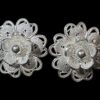
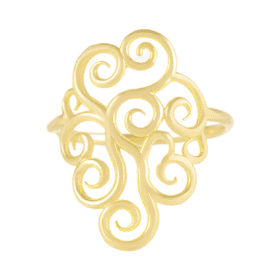
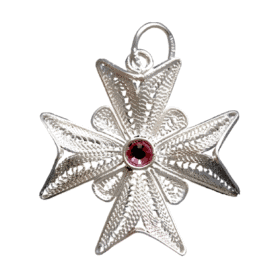
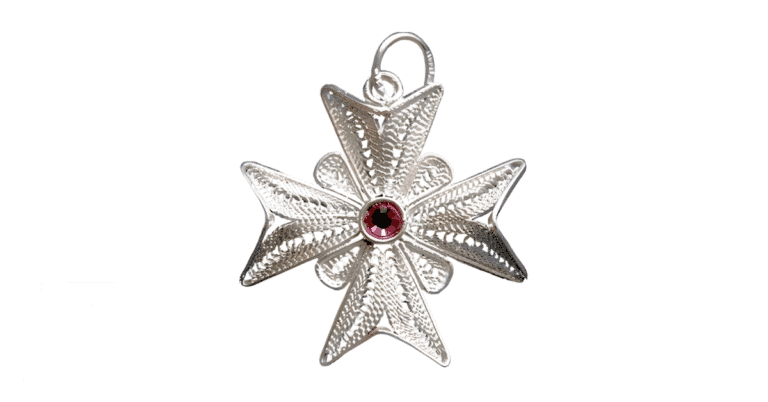
Gold filigree earrings are made through a specialized craft that involves shaping precious metal wires into complex, lace-like patterns.
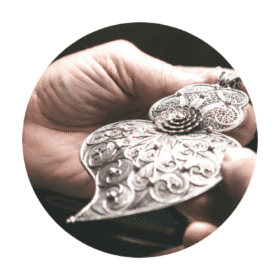
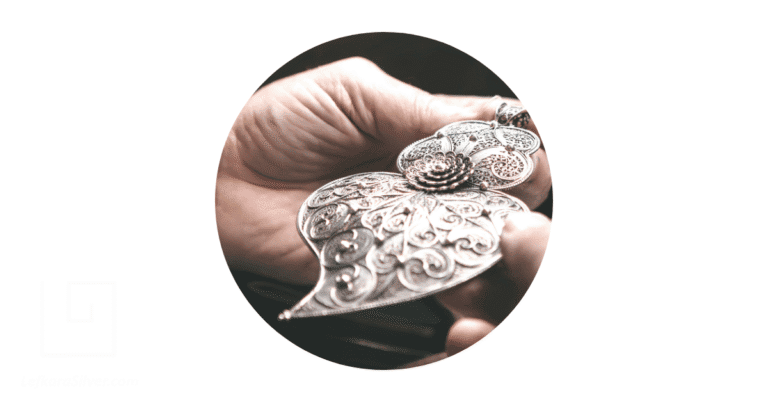
This method relies on patience and precision, as artisans twist and solder thin gold threads to form openwork designs that are surprisingly lightweight despite their appearance.
Filigree is an old art that has survived for thousands of years, and today it is still loved in many parts of the world. The countries most commonly associated with filigree art include Cyprus, Greece, Portugal, Malta, and India.
Each of these places has its own distinct filigree art creation style, but they all follow a common pattern that gives it that unique and airy structure.
Interesting Facts About Gold Filigree Earrings
Here are some interesting facts you should know about filigree:
- Approximately 67% of jewelry buyers currently prioritize pieces with personalization options, a feature often found in custom filigree work.
- Gold filigree accounts for 78% of all global sales in this category.
- Among consumers interested in specialized jewelry, 12% specifically look for vintage-inspired styles where filigree is a prominent design element.
- Master artisans practicing this craft often draw wire to less than 0.5 millimeters in diameter before shaping it into a design.
- The art of filigree has been practiced for over 3,000 years, establishing it as one of the oldest decorative techniques in history.
7 Pro Tips for Identifying Real Gold Filigree Earrings
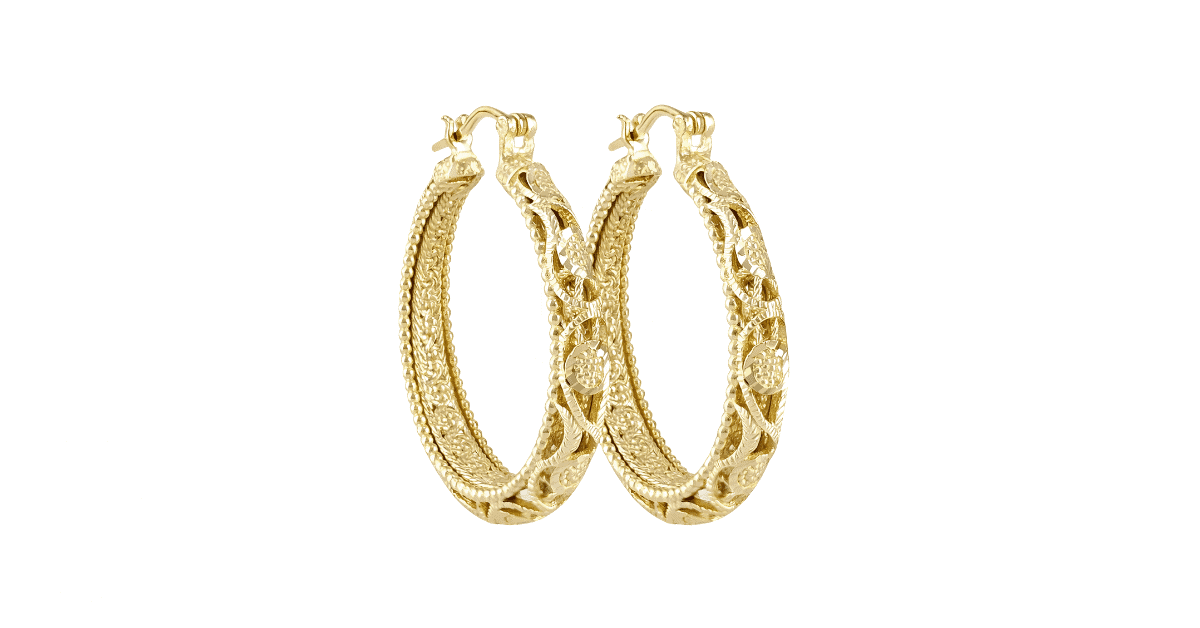
Simple, effective tests let you check your earrings’ authenticity from the comfort of home. These methods are helpful, but you must always handle your jewelry with extreme care during any test.
1. Magnet Test
Gold is a non-ferrous metal, which means it does not react to magnets, so if your gold filigree earring is gravitating towards a magnetic piece, you’ve got a fake.
To do this test, find a strong magnet, and then slowly bring it toward your earrings. However, some jewelry clasps contain steel springs for tension, so test only the filigree body itself.
2. Stamp Test
Most real gold jewelry has a hallmark that indicates its purity. To check for yours, look closely at the back of the earring. Use a magnifying glass to make it easier to see. Look for numbers like 18K, 22K, or 585 (for 14K).
The downside is that some professional counterfeiters also forge these stamps to deceive buyers, so you can’t depend on this particular test alone. If the stamp on your filigree earrings is blurry, uneven, or missing, you probably have a fake in your hands.
3. Ceramic Scratch Test
This method is reliable, but use caution because it can leave a mark on the jewelry. To perform this test:
- Find an unglazed ceramic plate or tile.
- Gently rub your gold filigree earrings over the ceramic surface.
If you see a gold-colored streak on the tile, it is a positive sign that you have real gold. If the streak is black or grey, it’s likely a base metal coated in gold paint.
4. Weight and Density Comparison
Real gold is incredibly dense, so even a small pair of filigree earrings should feel noticeably heavy for their size. If you pick up a pair that looks sturdy but feels strangely light or hollow in a cheap way, it may be a fake.
5. Skin Discoloration Check
Gold does not oxidize or react with the oils on your skin, so if you wear your filigree earrings for a few days and notice green or black discoloration on your earlobes, it is a clear indicator that the earring is not made of solid gold.
Plated jewelry often has a copper or nickel base, both of which react with skin acidity to create those unsightly stains, but solid, high-purity gold will never leave a green mark on your skin, even after repeated wear in humid weather or during exercise.
6. Vinegar Test
This test is simple and non-destructive. To do this correctly:
- Place your earrings in a small container and pour a few drops of white vinegar over them.
- Let it sit for about 15 minutes.
If the metal begins to change color, darken, or show bubbles, it is reacting to the acid, which proves it is not pure gold; but if, after rinsing and drying the earrings thoroughly, you see the same bright, untarnished shine you had before the test, then your earrings are real gold.
7. Professional Acid Test
To be sure your earrings are authentic, you can try the test local jewelers use. This is called the nitric acid test. You can buy the kits online, but you’ll be using harsh chemicals. To do this, you need to scratch a tiny amount of gold onto a testing stone and apply different strengths of acid.
While this is the most accurate DIY test, use it only if you are comfortable handling acidic solutions.
Now, you know how to test the authenticity of your gold filigree earrings, but you can save yourself the time and uncertainty when you buy authentic filigree earrings from Lefkara Silver.
Why 14K Gold Filigree Earrings are the Perfect Choice
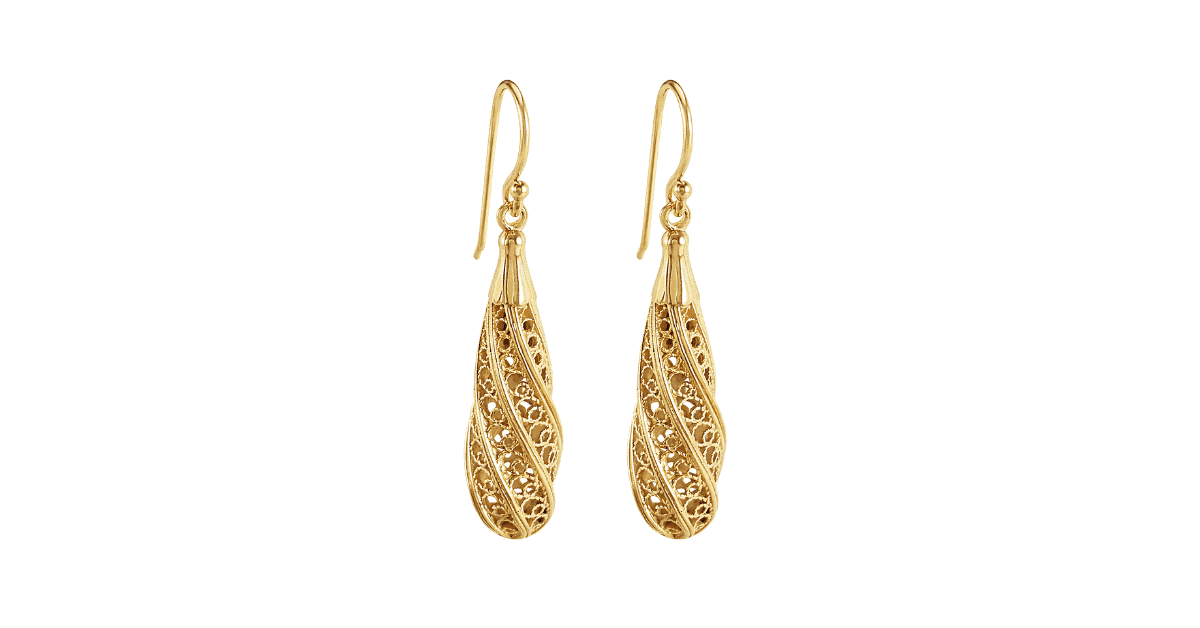
14K gold filigree earrings are best for daily wear because they resist bending and warping. Filigree is made from delicate, twisted threads soldered into openwork patterns, so the metal must be firm enough to hold its shape against the friction of clothing or accidental bumps. When you choose 14K, you can be sure your earrings will stay sturdy.
24K gold is technically 99.9% pure, and while 18K gold still has a higher gold content than 14K, it remains quite soft. In contrast, 14K gold contains roughly 58.3% pure gold, and the remainder consists of alloying metals like copper, silver, or zinc. This blend provides the necessary structural integrity for the thin, hair-like wires that define filigree art.
Beyond durability, 14K gold offers a practical balance of cost and longevity. It is often more affordable than 18K or 22K gold.
How to Style Your Filigree Earrings for Different Occasions
Gold filigree earrings are beautiful all on their own, but they still need intentional styling to stand out.
According to our expert Lefkara Silver Stylist, these are some of the easy ways to style your earrings:
- When you wear a neutral-colored neckline, your earrings will be the focal point of your look, especially when you wear your hair up.
- For a daytime, casual look, keep the rest of your accessories minimal.
- If you like stacking, wear a simple gold stud in your second piercing with a larger filigree hoop or drop earring in the primary hole.
- For evening events, keep your style distinct: wear only your filigree earrings without a necklace, and pair them with a slim, smooth gold bracelet or a simple ring.
Where to Find Authentic Vintage Gold Filigree Earrings?
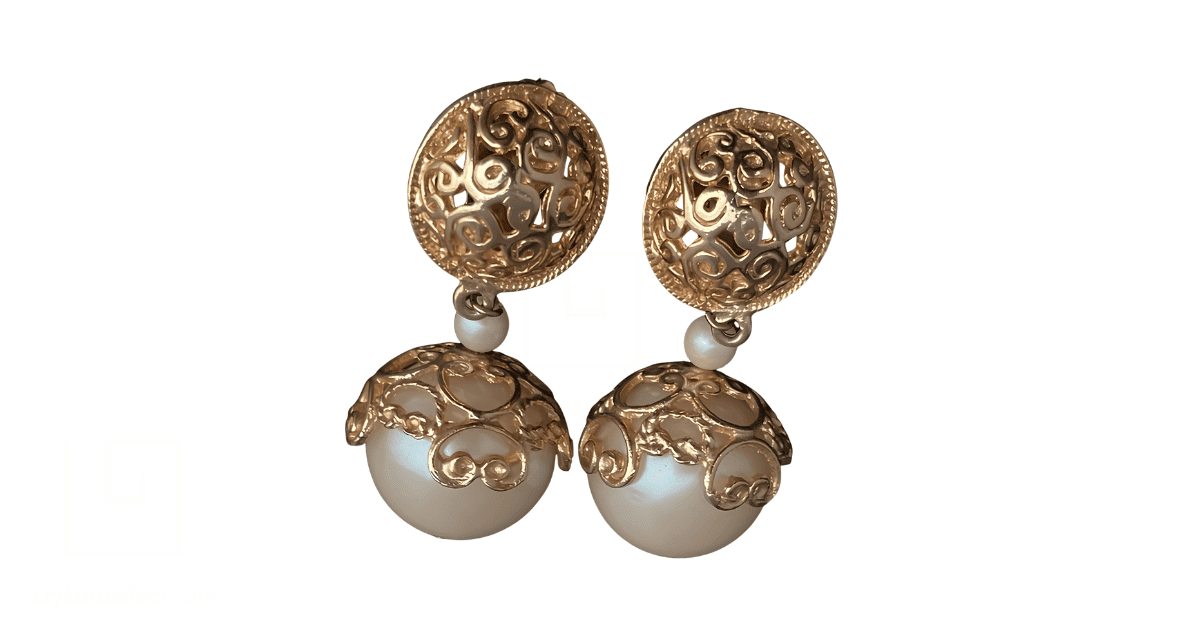
Some reliable antique shops are the best places to find vintage filigree. It’s almost like you have to be a detective to find the real ones, so when you search, only buy from sellers who give you clear information about the origin and era of the piece.
Vintage gold filigree earrings carry a weight of history that modern pieces simply cannot match.
Make sure to examine the metal closely for hallmarks, but do not immediately dismiss any earring without these marks because it’s most likely just worn out; however, you have to proceed with more caution.
Also, check the build. Handcrafted gold filigree earrings from the early 20th century or earlier often have minor, intentional variations in the pattern, while the modern replicas might look too perfect.
Always ask for a return policy when buying online, so you can have the piece professionally verified once it arrives.
Top Gold Filigree Earrings Stores for Women
We picked these stores for their balance of history and modern designs, plus the reviews they get from customers.
- Lefkara Silver: Known for its commitment to traditional filigree, they offer delicate, durable filigree earrings for daily wear.
- The House of Filigree: This is both a workshop and a center for the craft. They make luxury, labor-intensive pieces that exemplify traditional Portuguese filigree.
- Filienna: This studio has different creative collections that reflect the creativity and abilities that are the foundation of the brand.
- Portugal Jewels: This family-run business offers a wide range of options, from affordable gold-plated earrings to substantial karat gold pieces, all crafted with traditional techniques.
Factors that Determine the Value of Gold Filigree Earrings
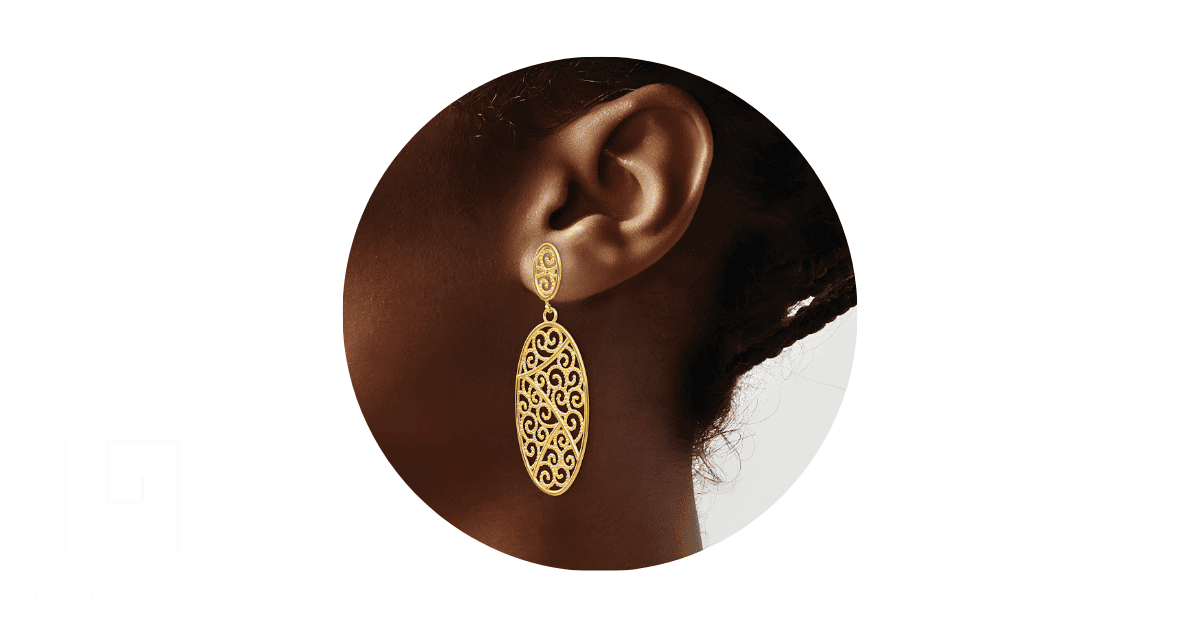
Several key factors determine the value of gold, including:
- Purity and Weight: Gold karat is a primary value factor. 22K and 18K are more valuable than a 14K filigree, despite its durability and other advantages.
- Labor and Craftsmanship: Filigree is an intensely manual process. Some master artisans draw wire to less than 0.5 millimeters before shaping it into a design, so the price depends heavily on the amount of work involved.
- Provenance and Age: For vintage or antique pieces, age, historical period, and the maker’s reputation significantly affect value. Pieces from eras like Art Deco or Victorian are heavily priced because of their scarcity and historical significance.
- Complexity of Design: A pair of filigree earrings with dense, tightly coiled patterns requires more time and precision to solder than a simpler, more open design, so, naturally, the price is higher.
- Condition: In the vintage market, the state of the filigree is critical. If solder points have broken or wires have been bent and flattened, the value drops significantly.
Essential Home Care Tips for Your Filigree Earrings
The best way to clean your filigree earrings at home is to soak them in a bowl of lukewarm water with a few drops of mild dish soap for about 15 minutes. This loosens any debris trapped within the wire coils without aggressive scrubbing.
After soaking, use a very soft-bristled toothbrush to gently clear away residue; avoid pressure that could bend or misshape the fine wires.
Always rinse the earrings under clean, lukewarm water to remove any soap film, then pat them dry with a soft, lint-free cloth rather than rubbing them, and avoid using ultrasonic cleaners or harsh chemical dips. If your earrings have gemstones, strictly avoid hot water, because thermal shock can cause stones to crack or loosen.
Proper storage is just as vital as cleaning. Store each pair of gold filigree earrings in a separate soft pouch or a dedicated compartment in your jewelry box to prevent them from tangling.
The longevity of your gold filigree earrings depends directly on how you clean and store them. With a gentle, consistent care routine, you can keep these earrings structurally sound and bright for years.
Final Thoughts on Gold Filigree Earrings
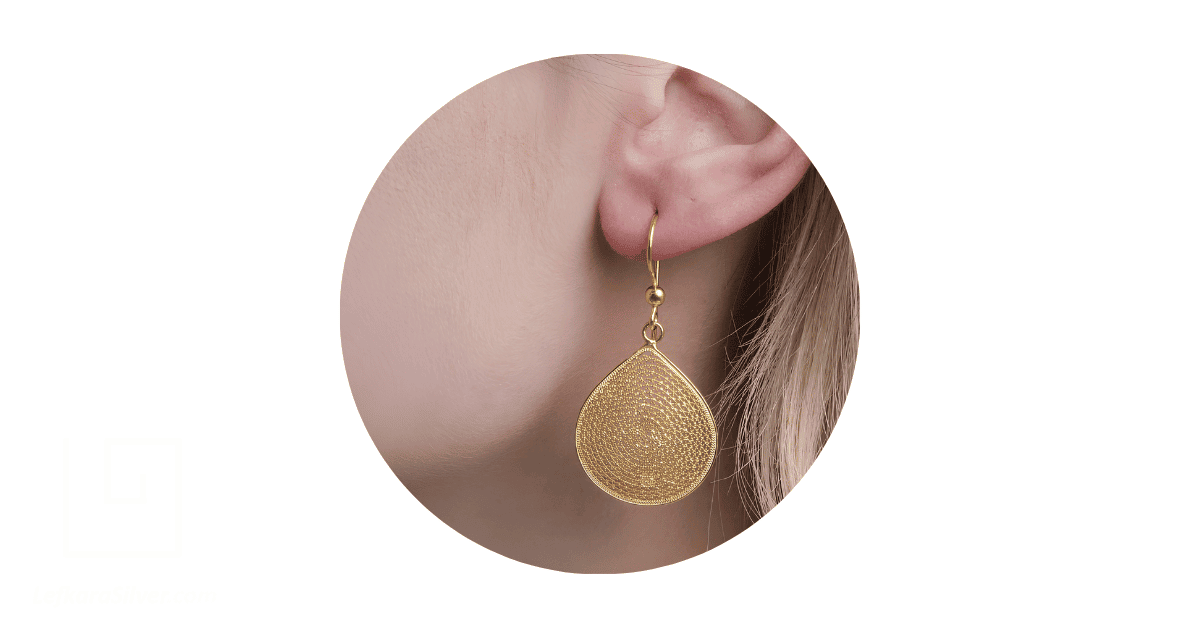
We covered everything you need to know about gold filigree earrings, from pro tips for identifying real ones to the various styles and ideal gold karats for daily wear. We also discussed where to source authentic vintage pieces and how to keep your collection in good condition with proper home care.
A few takeaways from our discussion:
- Gold filigree is one of the oldest jewelry techniques, with roots tracing back over 5,000 years to ancient Mesopotamia.
- Master artisans often draw wire to less than 0.5 millimeters in diameter before shaping it into intricate patterns.
- Roughly 67% of current jewelry buyers prioritize pieces that offer personalization, a hallmark of many custom filigree designs.
- Properly crafted filigree is surprisingly durable; the web-like structure created by twisted, soldered wire provides significant structural integrity despite its airy appearance.
This guide was last updated in October 2026. Follow our website, LefkaraSilver.com, to stay informed about new jewelry offers, news, and buying guides.
Gold Filigree Earrings FAQs
Here are answers to some frequently asked questions about gold filigree earrings:
Is Gold Filigree Worth Anything?
Yes. Hand-crafting filigree takes hours or even days, so the artisan’s skill adds to the price beyond just the raw material. High-karat gold makes it even more valuable.
What Does Filigree Symbolize?
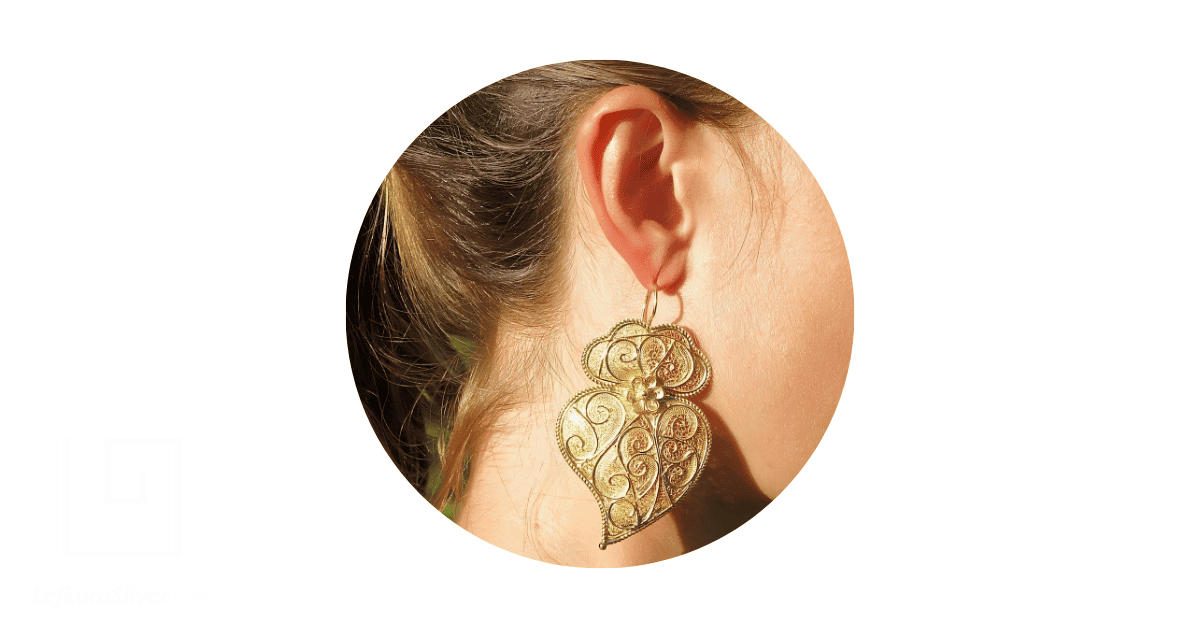
Filigree represents connection and endurance, as the endless, intertwining wire patterns reflect eternal bonds and history. In many cultures, specific motifs like the Heart of Viana symbolize religious devotion and tradition.