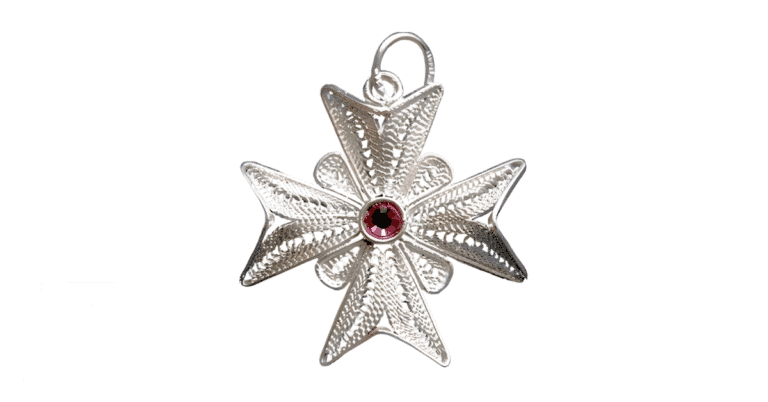
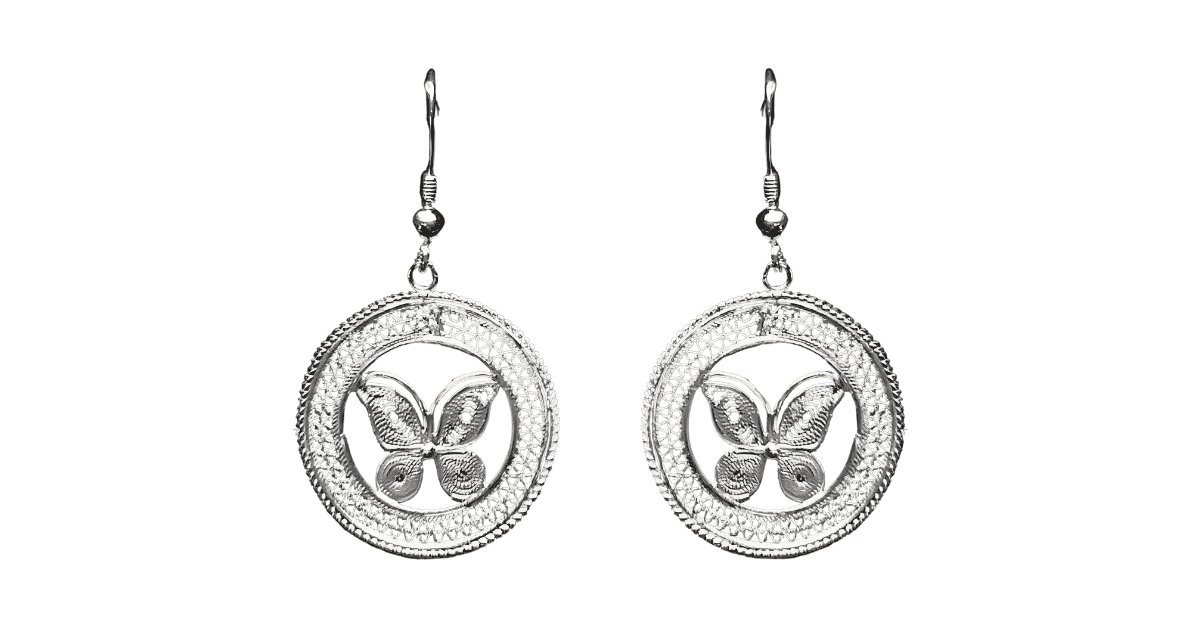
Filigree Designs You Should Explore
The filigree art form creates openwork designs by soldering metal wires together, often producing a light, airy appearance that stands in sharp contrast to solid metal construction. By manipulating these thin strands, makers create complex, repetitive motifs that have a part of jewelry craftsmanship for thousands of years.
As of October 2026, many jewelry makers are exploring new applications for these traditional techniques. This article looks at 2026 trending filigree designs, 8 easy filigree design ideas for jewelry DIY, and the origins of these patterns. We will also examine how different filigree structures work, compare silver versus gold in these designs, and look at essential toolkits for your own projects.
Whether you are curious about trending filigree designs for engagement rings, the differences between handmade and die-cast pieces, or how to choose between vintage and modern styles, the following information provides the details you need to get started.
2026 Trending Filigree Designs
Filigree is experiencing a major resurgence in the jewelry world as more people now seem to prefer jewelry with visible, human-led craftsmanship. After years of sleek, minimalist trends, the appetite for high-detail work has returned. Jewelry makers are moving past the mass-produced, flat castings and toward filigree designs that emphasize depth, texture, and a sense of movement.
Contemporary styles often cover entire surfaces with complex, interwoven wirework. This style frequently pairs with mixed metals, such as silver wires set against gold frames to create a strong visual contrast.
Nature-inspired motifs remain a foundation, but they are becoming more abstract. Instead of realistic leaves or flowers, the current trend favors organic, fluid shapes resembling vines wrapping around gemstones. These designs often incorporate negative space to keep the piece lightweight, with some intricate rings using up to 40% less metal by volume than solid band counterparts.
Another area of growth involves geometric abstraction. Makers are using straight, precise wirework to form repeating patterns that mirror architectural lines. This offers a modern, sharp aesthetic that differs from the soft, romantic swirls of traditional Victorian or Art Deco filigree. Geometric, structured filigree has become the top-requested style for custom engagement ring galleries this year.
There is also significant demand for incorporating hidden symbols into the wire structure itself, such as initials or tiny, abstract representations of family history. This turns the filigree from simple ornamentation into a bespoke narrative element. Custom pieces that integrate personal motifs into the wire frame now carry a price premium of nearly 30% due to the increased labor hours required for manual shaping.
8 Easy Filigree Design Ideas for Jewelry DIY
Mastering this metalwork technique takes plenty of patience, a steady hand, and a sharp eye for detail. If you are new to detailed wirework, the best approach is to start with simple, manageable projects. Focusing on simple designs allows you to learn the rhythm of shaping and soldering metal before moving on to more complex, multi-layered patterns.
Some of the easier filigree designs you can try include the following:
1. Minimalist Swirl Studs
These small, circular earrings feature a single, continuous wire curled into a tight spiral. The shape mimics the natural unfurling of a fern or the eye of a storm, keeping the aesthetic clean and modern. Because they are compact, they offer a subtle way to wear ornate metalwork without a heavy profile.
To make these, start with thin-gauge sterling silver or gold wire. Use round-nose pliers to grab the very tip of the wire, then rotate your wrist to begin the spiral. Once you have a tight center, use flat-nose pliers to coax the wire into a perfectly balanced circular shape before trimming the end and soldering the wire to an earring post.
2. Single-Loop Teardrop Pendants
A teardrop shape is one of the most recognizable forms in jewelry, representing emotion and fluidity. In this design, a single, curved wire forms a frame, while a smaller, twisted wire sits inside, mirroring the outer contour. This creates a balanced, open look that lets light pass through the center.
Building this piece involves bending your main wire around a teardrop-shaped mandrel to ensure symmetry. After you finish the frame, create a slightly smaller version for the interior using a thinner wire. Once you position the inner wire, apply a tiny amount of solder at the contact points to hold it in place within the frame.
3. Square Link
This design focuses on clean lines and right angles, moving away from the typical flowy nature of filigree. The square frame provides a rigid structure, while a simple “X” or cross-shape inside the square acts as the focal point. It feels structured and modern, often used as a modular link for bracelets.
To construct this, you need wire that holds its shape well. Bend your wire into four equal sides to form a square, soldering the final corner to close the loop. Cut two additional lengths of wire to fit diagonally inside the square, notch the ends so they sit flush, and solder them where they cross and where they touch the outer frame.
4. Interlocking Infinity Circles
The infinity shape, resembling a horizontal number eight, is a classic motif that denotes eternity and balance. By layering two circles that overlap at a center point, you create a design that is both simple to execute and visually satisfying. This shape often serves as the centerpiece for a delicate necklace.
Create two identical loops from your wire, ensuring the ends meet perfectly. Hold the two loops so they touch at one side, then solder that single point of contact. To add complexity, you can wrap a third, thinner wire around the point where the two circles meet to strengthen the joint and add a polished look.
5. Leaf Motif
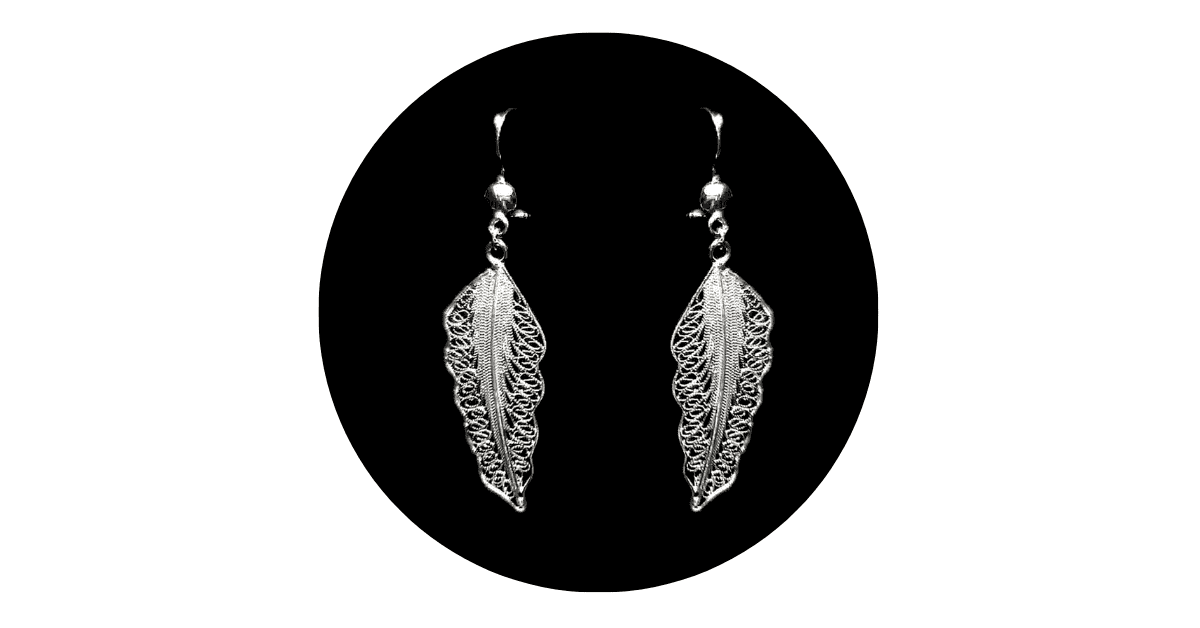
The leaf design draws directly from nature, characterized by a central “vein” and smaller, curved wires that branch out toward the edges. This design is quite forgiving because organic shapes do not need to be perfectly symmetrical. It represents growth and vitality.
For this project, cut one thicker wire to act as the central spine. Use thinner wire to create small, U-shaped loops, soldering them along the sides of the spine to represent the leaf segments. Working with this design is an ideal way to practice precise, small-scale soldering without needing to build an entire frame first.
6. Nested Crescent Moon
The crescent moon is a timeless symbol of change and mystery. This DIY version consists of a curved outer wire and a smaller, slightly offset curved wire placed inside. The negative space between the two wires creates a clean, intentional look that works well in earrings or as a charm.
Use a mandrel or a cylindrical object to bend your two wires into the same curve. To ensure they nest correctly, make sure the inner crescent is cut just a fraction of an inch shorter than the outer one. Solder the two wires together at the tips of the “horns” of the moon to secure the shape.
7. Spiral Cluster Brooch
Instead of working with a single large frame, this design uses several small wire spirals of different sizes grouped together. This cluster method hides soldering points naturally and creates a dense, rich texture. It is a fantastic way to use up shorter pieces of wire from previous projects.
Roll several lengths of wire into spirals ranging from 3mm to 8mm in diameter. Arrange them on a flat, fire-proof surface so they touch at various points. Apply solder to these junctions, which will join the group into one sturdy piece that can then be attached to a brooch pin backing.
8. Wire-Wrapped Initial
This project is a perfect introduction to personalizing your jewelry. By bending a single, continuous wire into the shape of a letter, you create a piece that is uniquely your own. Because it is a single-wire design, the structural integrity is often higher than multi-piece filigree.
Select a simple, sans-serif font for your reference. Use your pliers to bend the wire according to the letter’s path, taking care to make sharp turns rather than rounded ones. Using a flat-nose plier to create crisp 90-degree bends will give your initial a professional, high-quality finish.
The Origin of Filigree Designs
Accounts of how the filigree craft emerged are varied and span numerous ancient civilizations. Archaeological evidence points to early experimentation with fine metal threads in Mesopotamia and Egypt as far back as 3000 BCE. These early makers realized that by pulling gold and silver into hair-thin strands, they could create complex structures that weighed very little but looked substantial. The primary goal was to achieve a level of artistic expression that used as little metal as possible, an essential consideration when working with high-value materials.
Over time, these techniques moved across trade routes and were refined by artisans in Greece and Etruria. The idea was to decorate the surface of an object by soldering these fine, twisted wires onto a base, or by creating self-supporting, lace-like frames. This was a significant shift in jewelry making, as it moved away from casting or carving solid blocks of metal and toward building up a design piece by piece.
By the time this craft spread to the Iberian Peninsula and Asia, local cultures integrated their own motifs, such as floral patterns, geometric knots, and religious symbols. Each region adopted the processes of drawing, twisting, and soldering, but the stylistic outcome remained tied to its cultural identity.
The focus remained consistent for thousands of years: a commitment to detail and the deliberate use of negative space to create a visually striking object. You can read more about the filigree origin here.
Types of Filigree Structure
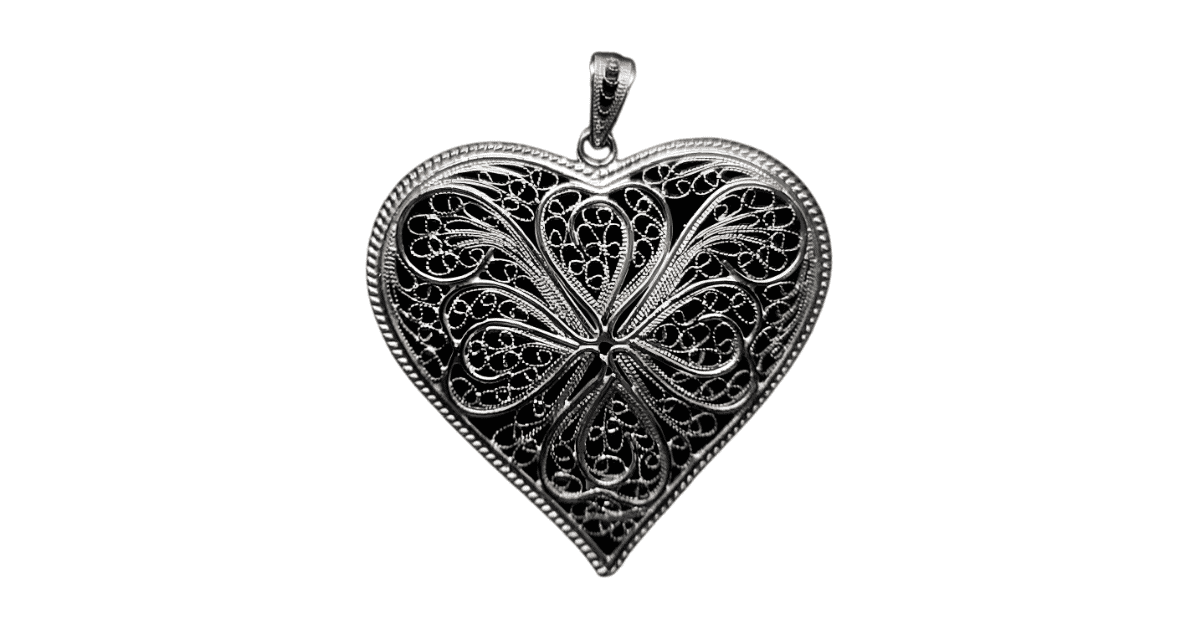
Filigree structures vary based on how the wire interacts with its surroundings, ranging from delicate, freestanding webs to reinforced patterns applied to solid metal plates. Understanding these structures helps you pick a piece that suits your daily habits and aesthetic preferences.
- Openwork Filigree
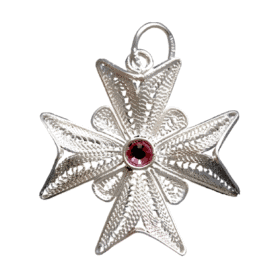
This style stands on its own without any solid metal background. Because light passes through the design, it creates a weightless, lace-like appearance that feels airy on the skin. This structure is generally the most lightweight option available, though it requires careful handling because the wires lack a supportive backing. - Metal-Supported Filigree
Here, the artisan attaches the wire patterns onto a solid base of metal. This provides much-needed stability, making it possible to create larger, more complex pieces that hold their shape over many years. Applying the wire to a base makes these pieces far less likely to snag on clothing or bend during everyday tasks compared to openwork designs. - Hybrid Filigree
This approach mixes openwork sections with metal-supported areas in a single piece. You get the visual interest of light-filled, delicate wire patterns alongside the structural strength of a solid frame where you need it most. - Scrollwork Filigree
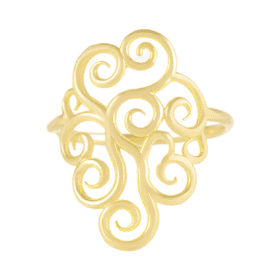
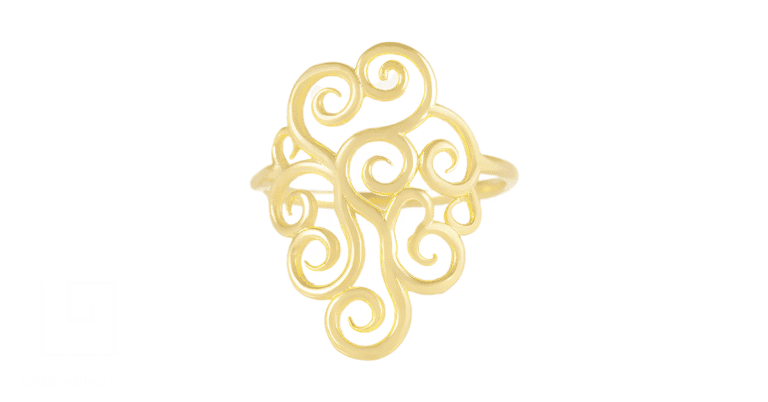
This style features thick, flowing lines that mirror the shape of vines or classic scrolls. It emphasizes curves and movement, often appearing in vintage-inspired settings where elegance and symmetry take center stage.
Silver vs Gold Filigree Design
Jewelers work with various metals to build these intricate patterns, but gold and silver remain the most popular choices due to their pliability. Both metals can be stretched into hair-thin wires and bent into complex shapes without snapping. While platinum and copper also appear in this type of work, gold and silver offer the perfect balance of softness for the artisan and durability for the wearer.
Gold filigree often carries a reputation for luxury and warmth. Because gold resists tarnish and maintains its luster for a lifetime, it works well for heirloom pieces that stay in the family for generations. Higher-karat gold offers a rich, yellow glow that makes floral or vine patterns stand out, though it is softer and can bend if the design lacks proper structural support.
Silver filigree provides a cool, bright look that feels more casual and accessible. It costs less than gold, which allows for larger, more elaborate statement pieces without a massive price tag. Silver is actually harder than pure gold, which can make it a bit more resistant to minor dings, but it requires regular polishing to keep it from darkening over time.
Choosing between the two depends on your budget and how much maintenance you want to do. If you want a piece that you can wear daily without worrying about tarnish, gold is the better choice. If you love the look of ornate, oversized designs and do not mind a bit of polishing, silver is the way to go.
You can find more details on how to select the right materials for your next custom piece in our guide on filigree design. Gold is the superior option for durability and low maintenance, while silver wins for versatility and affordability.
Filigree Design Techniques & Styles
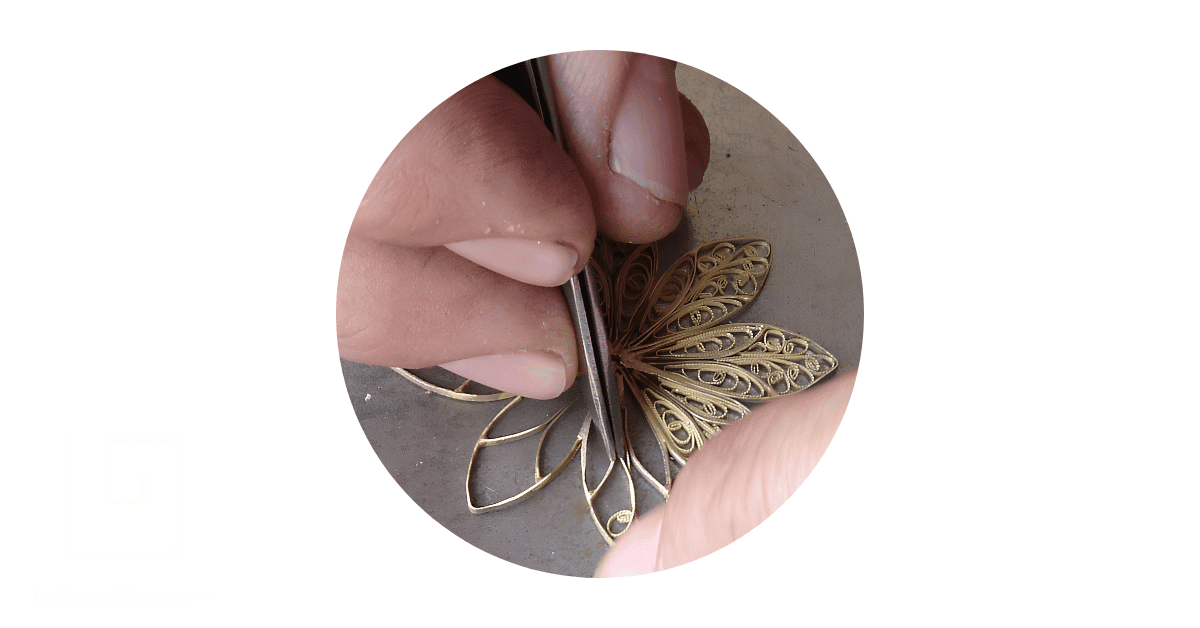
Jewelry makers often choose between openwork, solid, and granulated approaches when working with filigree. Openwork keeps designs light by leaving empty spaces between wires, while solid styles often involve soldering wire patterns onto a metal plate for extra strength. Granulated filigree adds tiny metal beads for texture. Vintage styles often favor dense, repetitive scrolls or floral patterns, while modern designs lean toward clean, geometric lines.
Openwork is the go-to for pieces that need to feel weightless. Because the design relies on the strength of the wire itself rather than a backing, it allows light to pass through, which makes the metal look like lace. Jewelers often add a frame of thicker wire around the edges to keep these pieces from bending out of shape. This technique allows for large, bold designs that do not weigh down the wearer’s finger or ear.
Granulation involves tiny spheres of metal, often no larger than a pinhead, placed at key junctions in the wire pattern. This adds visual weight and interest to what might otherwise be a simple scroll. This process is precise, as the heat must be high enough to bond the bead without melting the fine wire base. It remains a top pick for those who want their jewelry to feel textured and substantial without adding bulk.
Vintage-inspired filigree often mimics the look of high-fashion jewelry from the early twentieth century. These pieces usually feature a mix of curves, zigzags, and small decorative beads. Solid-backed filigree is common here, as it provides a sturdy surface for setting small diamonds or other stones. This style remains a classic for engagement rings because the wirework can make the center stone look larger while protecting it within a decorative frame.
To create a basic filigree piece, you need fine silver or gold wire.
- Start by softening your wire to make it pliable.
- Use needle-nose pliers to twist the wire into small, tight coils or scrolls.
- Once you have a collection of shapes, lay them out on a heat-resistant surface, such as a charcoal block, to form your pattern.
- Apply a tiny amount of flux to the contact points, then place small solder chips where the wires meet.
- Carefully heat the design with a torch until the solder flows and binds the wires together.
- Once cooled, rinse the piece, remove any excess flux, and polish the metal to a shine.
Filigree Design Toolkit for DIY Projects
Having a complete, organized toolkit ready before you start your filigree project is necessary to ensure your wires hold their shape and your solder bonds correctly.
- Round-nose pliers: These are essential for creating smooth, consistent curves and loops in your wire.
- Chain-nose pliers: Use these to grip small wires, close jump rings, and tuck ends of wire neatly into your design.
- Flush cutters: You need these for a clean, flat cut on your metal wire, which helps ensure the pieces sit flush against each other before soldering.
- Jeweler’s torch: This is required to heat the metal and melt the solder; a butane or propane torch is usually sufficient for fine wire work.
- Soldering station: This includes a heat-resistant surface like a charcoal block, a soldering pick to move wire pieces, and high-quality flux.
- Silver or gold solder: This comes in different flow points, so keep a variety of hard, medium, and easy solder on hand for different stages of the assembly.
- Polishing cloths or a tumbler: Use these to remove oxidation and add a final, professional shine to your finished design.
- Fine-tipped tweezers: These are critical for placing small, intricate wire scrolls or beads into exact positions before they get soldered.
The Most Popular Filigree Designs for Engagement Rings
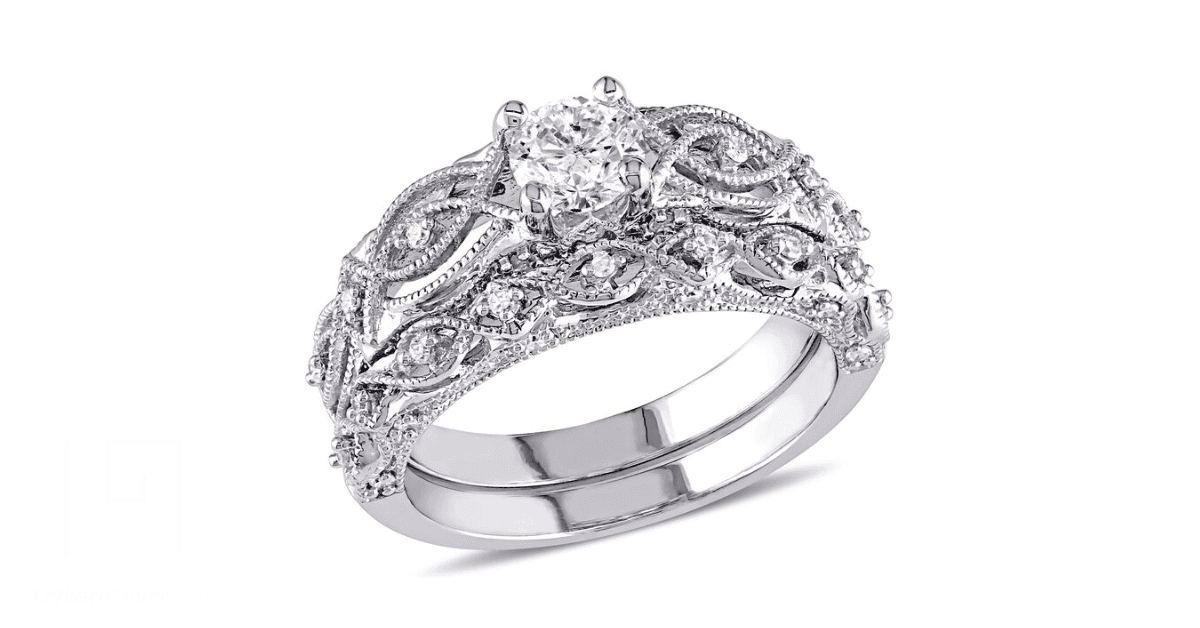
Filigree engagement rings are seeing a major surge in interest as couples prioritize unique, artisan-made details over mass-produced settings in 2026.
Nature-inspired patterns are the most popular options for filigree engagement rings this year, particularly designs incorporating vines, leaves, and soft floral curls. These motifs bring a sense of movement to the metal, making the band look as if it is growing around the stone rather than just holding it.
Many couples opt for organic, climbing vine patterns because they soften the overall look of a ring and provide a romantic, vintage feel. Beyond nature motifs, geometric styles are also gaining ground. These designs focus on clean lines, repeating symmetrical patterns, and Art Deco influences that pair beautifully with modern, lab-grown center stones.
Another popular way to customize these rings is by tucking design secrets into the structure. Jewelers now frequently add hidden hearts or small initials within the gallery to make the piece deeply personal to the couple. About 40% of custom filigree engagement ring requests now include hidden details only the wearer knows about.
If you want something even more specific, consider scrollwork that mimics Celtic knots or waves. These styles blend history and technical complexity, proving that you do not need a massive diamond to make a ring stand out.
Handmade vs Die-Cast Filigree Designs: How to Tell the Difference
The way a filigree ring is made changes everything about how it looks and how long it lasts. Die-cast filigree is created by forcing molten metal into a pre-made mold. Because the design is part of the mold, this process is fast and cheap, which is why you see so many of these rings at standard mall jewelry stores. However, die-casting often results in a flatter, less crisp appearance. The metal can sometimes look slightly blurred, and it lacks the depth that makes genuine filigree so interesting to look at.
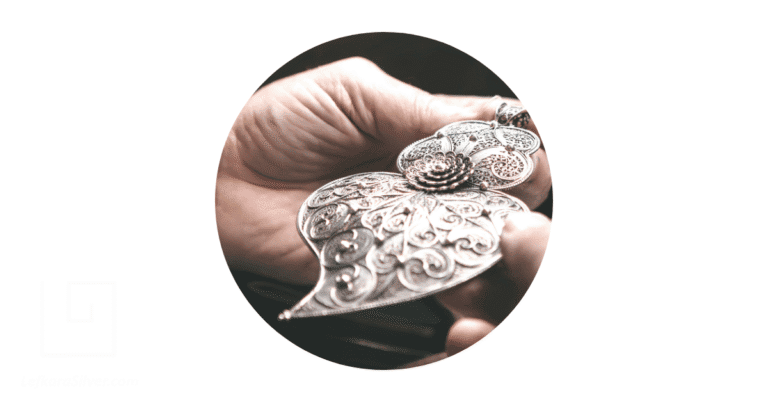
Handmade filigree is an entirely different process. A jeweler takes fine, round wires, twists them into specific shapes, and solders each piece together by hand. This technique allows for a level of detail that a mold just cannot copy. Handmade filigree pieces are significantly stronger than die-cast versions because the wire retains its structural integrity during the twisting and shaping process, whereas casting can introduce microscopic air bubbles into the metal.
Most jewelry collectors almost always prefer the handmade option. Even though it takes much longer to produce, the difference in quality is obvious to the naked eye. When you look at a handmade piece, the wires have sharp, defined edges, and the scrollwork looks alive and three-dimensional. Because each piece of wire is placed and secured individually, the artisan can ensure the design fits the ring’s specific curve perfectly. If you are investing in an engagement ring meant to last a lifetime, the structural superiority and visual crispness of handmade work make it the better choice.
Vintage vs. Modern Filigree Designs: Which is Better?
When you stack a vintage filigree piece against a modern one, you see more than just a difference in age; you see a difference in intent. Vintage filigree often used die casting or labor-intensive hand soldering, resulting in a denser, more rigid feel. These pieces often had a dark, romantic patina because they were crafted to last for generations.
Modern designs, however, lean into precision. With computer-aided design and laser technology, today’s makers create filigree that is significantly lighter and more structurally sound. You get that same detailed, lace-like appearance but with much less weight, making modern earrings and rings far more comfortable for all-day wear.
While vintage pieces have the undeniable romance of history, modern filigree often wins on sheer technical capability. Because we can now manipulate metal with such high-end machinery, we can create geometry that was physically impossible a century ago. This means you can find filigree that perfectly matches your modern aesthetic without sacrificing the traditional look.
If you want a piece that feels like an heirloom but can handle the rigors of your 2026 lifestyle, modern designs are your best bet. Modern filigree is typically 30% to 50% lighter than its vintage counterpart, significantly reducing the chance of snagging on clothing or bending out of shape.
If you are hunting for the best contemporary work, you have to check out makers like Lekara Silver. They focus on handmade quality, bringing a fresh, clean energy to the craft that feels very current. For those who still crave the soul of a vintage piece, look for reputable estate jewelry sellers or specialized auctions. You need to inspect the joints under a jeweler’s loupe, as vintage pieces often show signs of past repairs that can weaken the overall structure. Always prioritize a piece where the wires still feel crisp and not “mushy” from decades of wear and over-polishing.
Concluding Thoughts on Filigree Designs
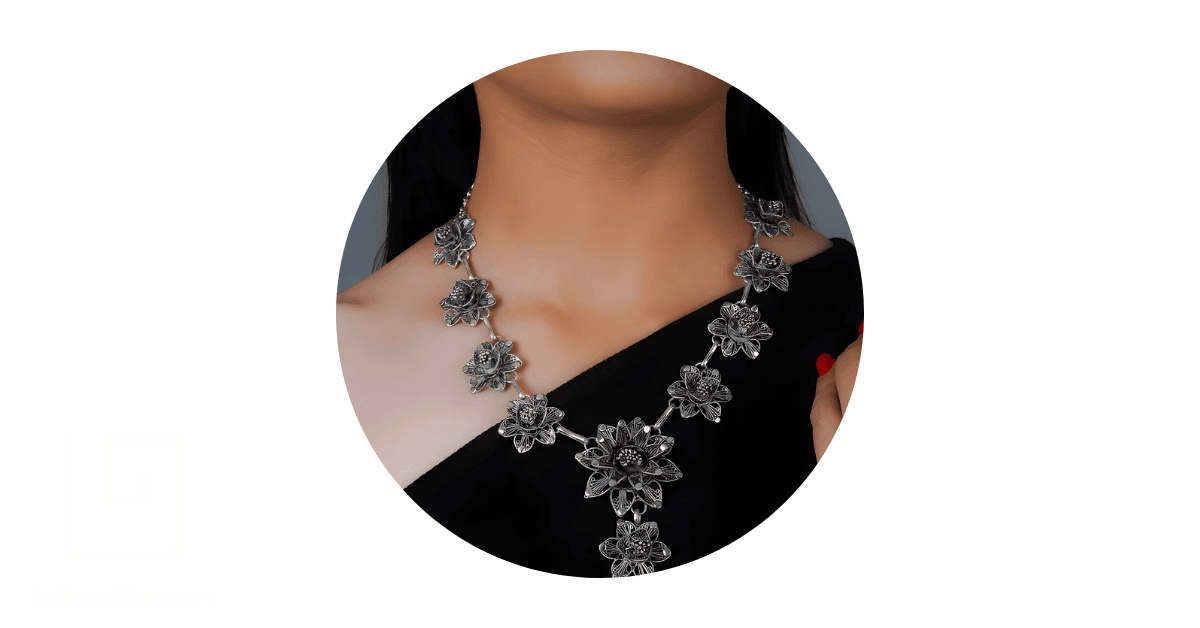
We have covered a lot of ground here, ranging from the long history of this craft to its place in your current jewelry box. We looked at the major differences between handmade and die-cast constructions, broke down the best metals to use, and even gave you a roadmap for your own projects.
Whether you are into 2026 trending filigree designs, trying out 8 easy filigree design ideas for jewelry DIY, or just curious about the origin of filigree designs, it is clear that this technique remains a cornerstone of style. We touched on various types of filigree structures, the debate over silver vs. gold filigree design, and how to master filigree design techniques & styles.
For the DIY jewelry makers, we highlighted the best filigree design toolkits for your projects, and for the shoppers, we reviewed the most popular filigree designs for engagement rings and helped you spot the difference between handmade vs die-cast filigree designs.
Here are some takeaways:
- Filigree has been used in metalwork for at least 5,000 years, originating in ancient Mesopotamia.
- True handmade filigree relies on heat to bond wires, avoiding the need for extra solder where possible.
- The term “filigree” comes from Latin words meaning “thread” and “grain” or “bead.”
- Modern laser technology can cut filigree designs with 10 times the precision of traditional hand-sawing.
- Vintage filigree often used thicker, more rigid wire to compensate for lower-precision tools.
- You can clean filigree at home using warm water, mild soap, and a very soft brush, but you should avoid ultrasonic cleaners.
This content was last updated in October 2026. Follow our website, LefkaraSilver.com, to stay informed about new jewelry offers, news, and buying guides.