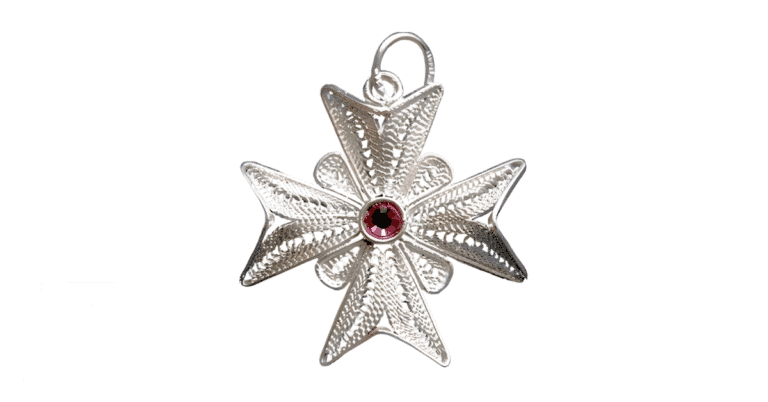
What is a Filigree Locket?
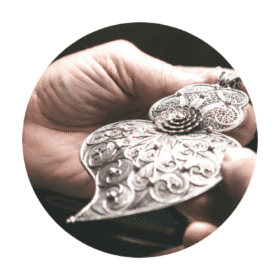
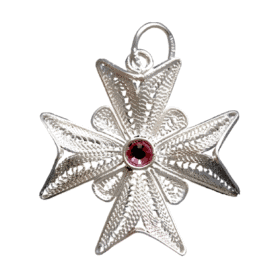
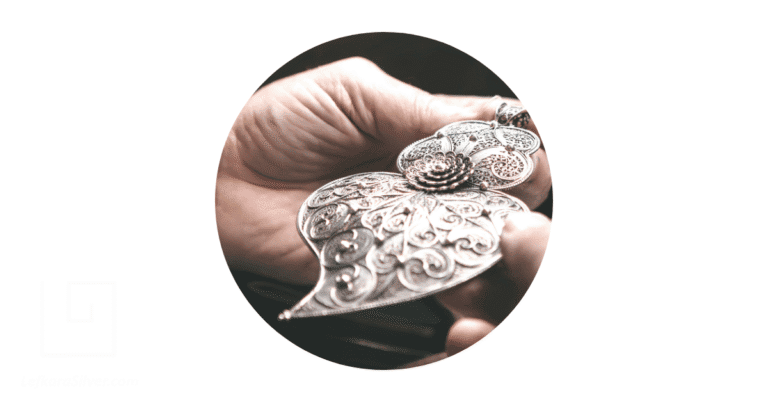
A filigree locket is a pendant that has an open space where the wearer can store precious items like a loved one’s photograph or hair. The filigree art involves shaping thin, pliable threads of precious metal into delicate, airy patterns before soldering them onto a base or connecting them to form a standalone structure.
When applied to a locket, this filigree technique creates a visual depth that makes the piece feel like a relic from a past era. These lockets do more than hold a photo or a small precious piece; they also serve as protective storage and high-detail artistry.
This guide provides the latest information to help with your search for the perfect filigree locket in October 2026 . Throughout this article, we will look at filigree locket trends, along with a curated list of the top 8 vintage-inspired designs for every budget.
We will also break down the history and symbolism behind these lockets, the different types available, and help you choose between gold and silver lockets.
Filigree Locket Trends – Market Insights & Popularity in 2026
Recent market and design shifts for filigree include:
- There’s been a rise in mix metals. Designers are increasingly combining yellow gold filigree with white gold or silver bases, to provide a versatile look that matches other modern jewelry.
- Locket functionality is expanding. There is a growing preference for lockets that serve dual purposes, such as combining a photo compartment with a small space for solid perfume or essential oil diffusers.
- Vines, leaves, and floral patterns dominate the most popular new releases, often replacing the strictly geometric designs seen in early-decade styles.
- Over 40% of custom filigree orders in the last six months included specific personal engravings on the interior, as buyers want a balance of public style and private meaning.
- Many jewelry lovers are choosing to buy authentic vintage lockets or newly crafted pieces that use recycled precious metals to reduce environmental impact.
- Market data suggest that two-thirds of buyers under 35 are prioritizing the longevity of their jewelry purchases, leading to a surge in sales of 14k and 18k gold filigree pieces built to be passed down.
Top 8 Vintage-Inspired Filigree Lockets for Every Budget
If you love vintage jewelry but want a modern piece you can wear daily, these are some vintage-inspired designs you should try:
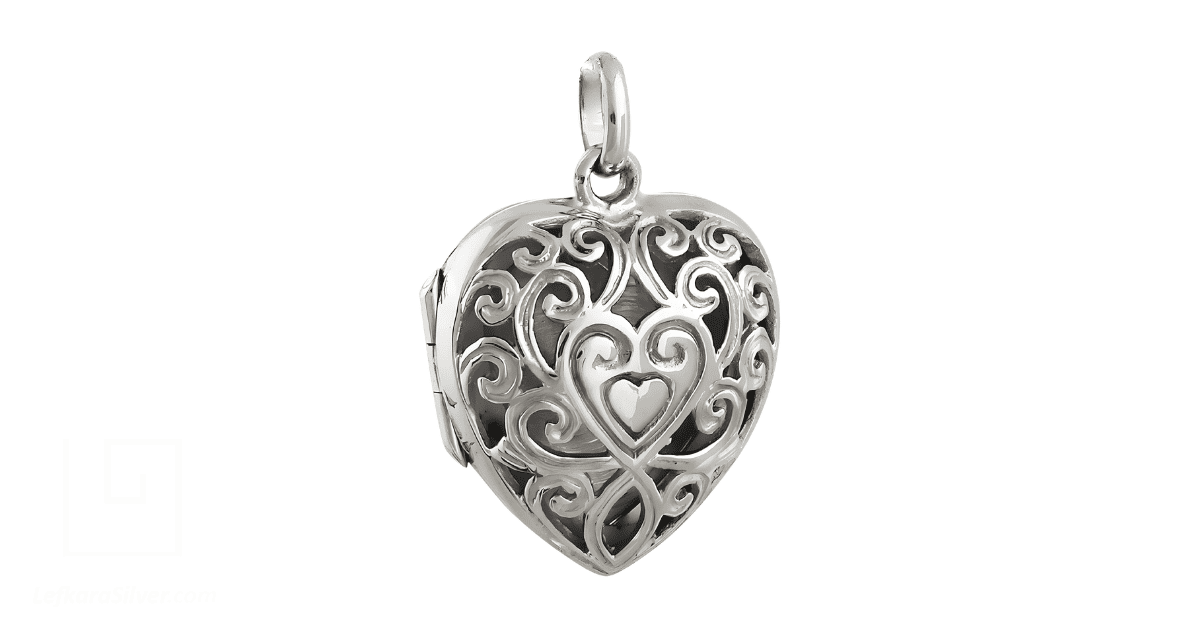
1. The Heart-Shaped Filigree Locket
This usually has a central heart motif surrounded by delicate, twisted metal wires that form scrollwork or floral patterns. The metal is often thin and airy, and it has a light feel despite its weight.
Heart lockets are widely considered the top choice for sentimental gifts because they provide a direct, visual connection to the wearer’s personal life. You can find them in sterling silver or gold-plated brass.
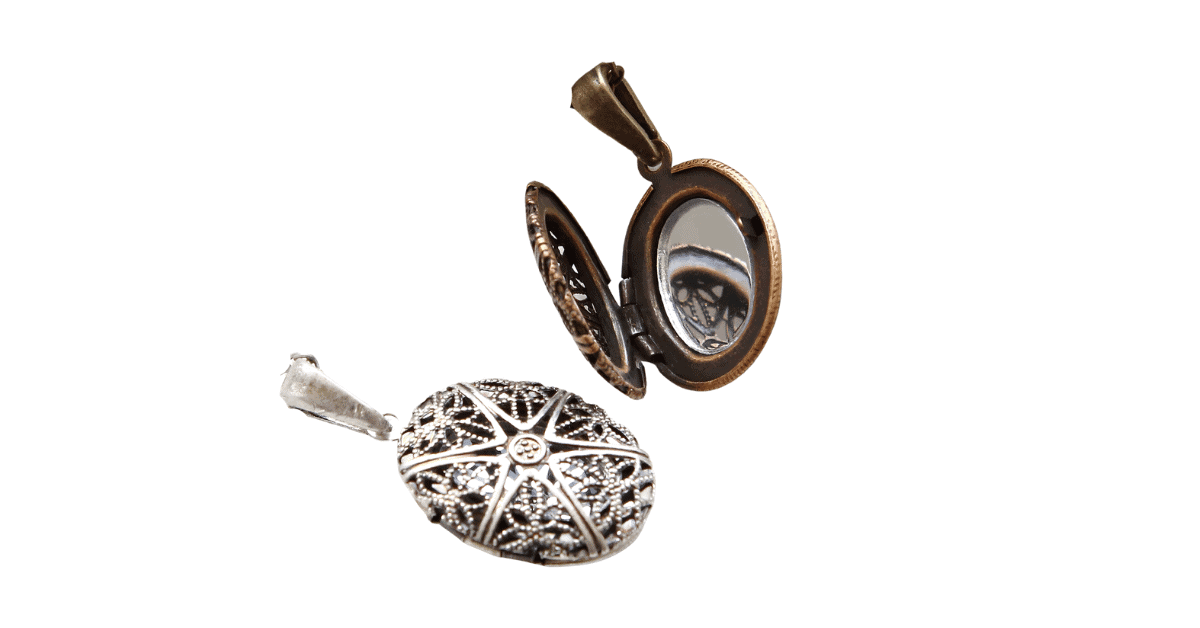
2. The Oval Edwardian-Style Locket
Oval lockets provide a larger canvas to show off beautiful, repetitive patterns. Drawing inspiration from the Edwardian era, these lockets often contain symmetrical, vine-like filigree that covers the entire surface of the locket. The oval shape is elegant and fits comfortably against the chest, working well with a variety of necklines.
The most complex oval filigree designs are often made up of a combination of metal-supported backgrounds, which makes them surprisingly sturdy for everyday wear compared to pure openwork styles.
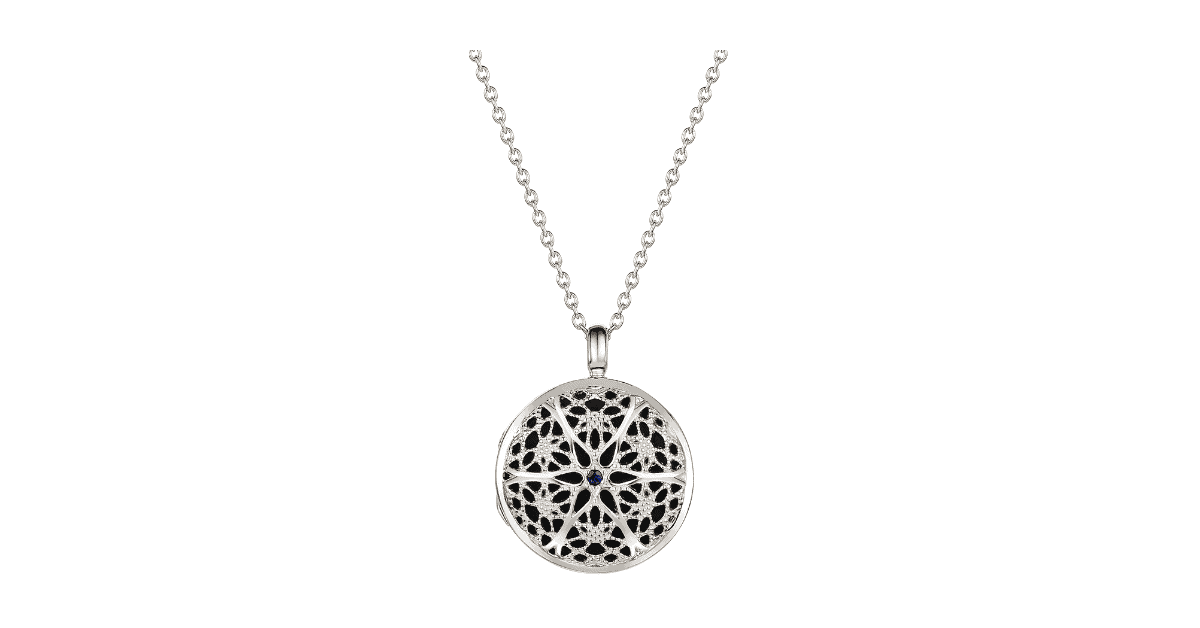
3. The Round Art Deco Filigree Locket
This style leans into the 1920s aesthetic of bold lines and balanced shapes. Art Deco filigree focuses on repeating hexagonal or diamond patterns that surround a central circle.
This design captures the era’s fascination with symmetry and architecture. A major advantage of round Art Deco lockets is that they appear larger than they are.
4. The Floral Vine Locket
Nature-inspired jewelry has been popular for thousands of years, and this locket style focuses on wrapping the entire piece in metal leaves and flower buds. The filigree is usually denser here, with overlapping vines that create a sense of texture and depth.
These lockets often have a “lived-in” or antique finish, which is achieved by darkening the recessed areas of the metal. This antique effect is a clever way to highlight the details, as it makes the fine threads of the filigree stand out against the backdrop.
If you’d like a piece that looks like a family heirloom handed down through generations, go for this design.
5. Celtic Knot Filigree Locket
These lockets have the classic, endless loops associated with Celtic art. The metalwork is often thicker and more structural than typical lacy filigree. Celtic designs are popular because they represent connections and eternity.
6. Floating Crystal Filigree Locket
For a modern twist on a vintage classic, the floating locket encases tiny charms or photos behind a clear crystal panel, framed by a filigree border. This design allows for complete customization, as the wearer can swap out the internal tokens whenever they choose.
The filigree acts as a decorative frame for the crystal, adding a touch of traditional artistry to a very modern concept. Floating lockets are often the most affordable option on the market, as the crystal components are relatively inexpensive to produce. They are perfect for you if you want to change the contents of your locket to reflect different memories or seasons.
7. Prayer Box Filigree Locket
The prayer box is shaped like a tiny, ornate cube or capsule. It functions as a secret, lockable vessel for small folded notes, herbs, or keepsakes. This style is very private, as the contents are completely hidden from view. The craftsmanship on a prayer box is often higher than that of a flat locket because the filigree must be wrapped around multiple sides of the object.
8. Marquise-Shaped Filigree Locket
The marquise locket offers a unique silhouette that stands out from standard circles and hearts. The filigree on a marquise locket is arranged in a starburst or fan pattern, and emphasizes the length of the piece.
This shape is particularly flattering on the neckline and is known for adding a sense of height, hence an excellent choice for pairing with V-neck outfits.
The History and Symbolism Behind Filigree Lockets
The craft of filigree traces its origins back over 3,000 years to ancient civilizations across the Mediterranean and beyond. Jewelers originally discovered that they could manipulate extremely thin threads of gold and silver to create designs that looked like heavy, but retained a lightweight, airy quality. By the time lockets became widespread in the 16th century, filigree was the preferred method for decorating these small, secret cases.
As the centuries passed, the symbolism of the filigree locket grew alongside its popularity. During the Victorian era, these pieces were essential for mourning. They often beared the image or a lock of hair from a loved one who had passed. It was not just about the photo inside; the metalwork on the outside served as a symbolic protective barrier, treating the contents like a precious, sacred relic that required a decorative, fortified home.
In the Art Deco period, the role of filigree changed again, shifting from a mourning tool to a symbol of modern luxury and precision. Craftsmen used laser cutting and advanced casting techniques to produce geometric, symmetrical patterns to reflect the era’s enthusiasm for machines and speed.
Even as production methods became more efficient, the locket’s sentimental core remained. Today, filigree lockets continue to serve as a bridge between the past and the present.
Different Types of Filigree Lockets
You will find that filigree lockets come in a wide range of types and designs, classified primarily by their physical shape, overall size, historical era, and specific patterns.
Common options include the heart, which has always been a top choice for sentimental gifts, and the oval, which offers a sleek, traditional profile often found in vintage collections. Round lockets provide a balanced look, while square or rectangular versions have a more modern or geometric aesthetic. Regardless of the shape, the internal space is always the priority, as it must house your chosen memento securely.
The size of a filigree locket dictates both the visual impact and the functionality of the piece. Smaller lockets are subtle and work well for those who prefer delicate, everyday wear. Larger lockets act as bold statement pieces, with more surface area for filigree work and often accommodating larger photos or multiple mementos. You should pick a size that aligns with your lifestyle.
Other types are classified under eras. Filigree lockets from the Victorian period often contain heavier, more ornate metalwork and mourning themes, while Edwardian designs are light and airy. Art Deco lockets shift toward sharp, geometric, and symmetrical wire patterns, and they reflect the design trends of the early 20th century.
Some lockets use metal-supported filigree. Others use openwork filigree to create a see-through effect that looks stunning but requires careful handling to prevent the thin wires from snagging on fabrics.
Choosing the Right Metal – Gold vs Silver Filigree Lockets
The right metal for your filigree locket boils down to your budget, natural skin tone, and how often you plan to wear the locket. The metal you choose dictates not just the color but also how well the pattern holds up against daily wear and tear.
Silver is the best choice if you love a bright, cool finish and are on a budget. It is also soft enough for jewelers to shape into highly detailed, complex patterns. The downside of silver is the maintenance: it naturally tarnishes when exposed to air and moisture, so it requires regular polishing to keep those wire patterns bright. If you have cool-toned skin, the crisp look of silver often complements your complexion better than yellow metals.
Gold is a premium option if you’re concerned about durability and longevity. While 14k or 18k gold is harder and more resistant to bending than silver, it provides a warmer, richer aesthetic that fits a vintage, romantic style. Gold is less prone to tarnish, so you need not worry a lot about the maintenance.
If you have warm skin tones, yellow or rose gold is usually the most flattering choice. Keep in mind that while gold costs more upfront, it often serves as a better investment for pieces intended to be passed down through generations.
When choosing among these metals, consider your daily habits. If you work with your hands or lead an active lifestyle, the increased hardness of gold offers better protection against the accidental bending of fine filigree wires.
However, if you want to build a collection of different styles without spending a fortune, silver lets you own multiple designs at a much lower price than gold.
What to Put Inside Your Filigree Locket
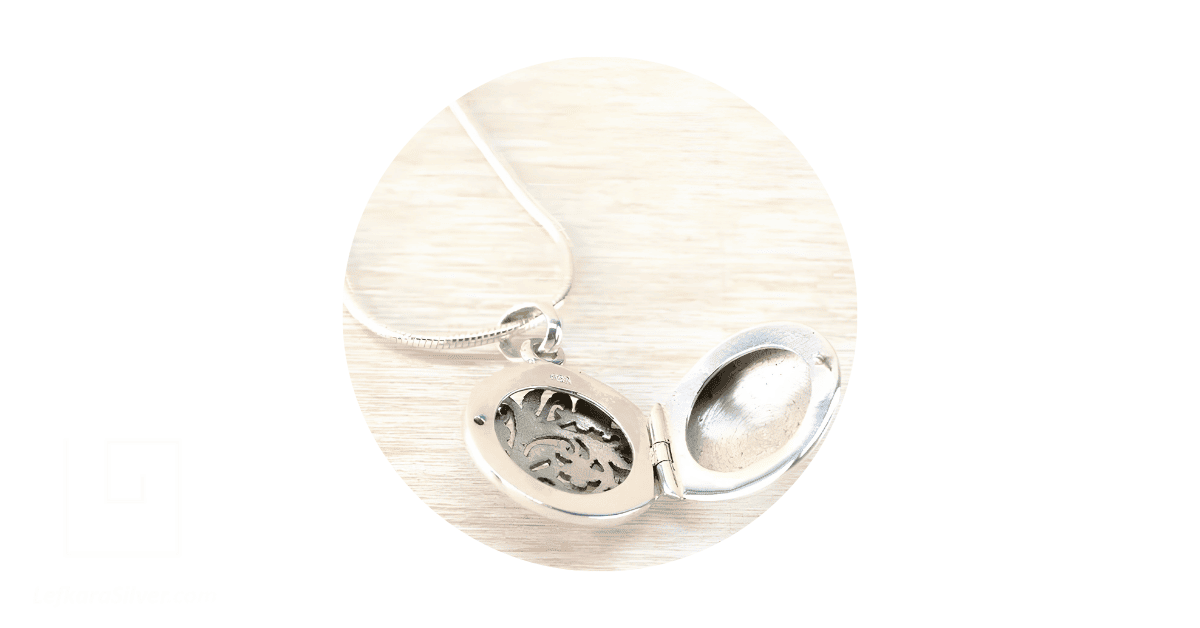
The most popular item for a locket is a photo of a loved one or place, but there are many more options that let you keep memories and bits of your daily life close to your heart in ways photos simply cannot capture.
Beside photos, here are some other items that can fit into your filigree locket:
- Pressed Flowers: Place a tiny blossom from a wedding bouquet, a dried leaf from a significant trip, or a petal from your favorite garden. These hold the scent and color of a specific moment.
- Fabric Swatches: A small piece of silk from a wedding dress or a scrap of linen from a baby blanket adds a tactile connection to the past.
- Handwritten Notes: Transcribe a line from a love letter, a short affirmation, or a date written in your own handwriting on a thin piece of paper. Rolling or folding a tiny note allows you to keep a secret message hidden inside the locket that only you know is there.
- Locks of Hair: This traditional keepsake remains one of the most intimate ways to keep a loved one near. Whether it is from a partner, a child, or a pet, a small, braided strand tucked safely behind the frame provides a profound sense of connection.
- Miniature Charms: Since many filigree lockets have a bit of depth, you can tuck in a tiny metal charm. A small key, a star, or a birthstone adds weight and personal meaning.
- Essential Oil Infusers: If your locket is deep enough, place a small piece of cotton soaked in your favorite scent. This turns your jewelry into a personal diffuser, providing a subtle, calming fragrance that lasts throughout the day.
- Sand or Soil: Keep a pinch of sand from a beach where you were married or soil from a home that holds deep nostalgia. These fine, natural materials ground you and remind you of the places that shaped your history.
How to Style Your Filigree Lockets – From Casual to Formal
When you want to keep things casual:
- Let your locket do the talking by wearing it as a solo piece over a plain white t-shirt or a simple knit sweater.
- If you want to layer, choose chains of different lengths and weights.
- Mix a thin, simple gold or silver chain with a heavier, more textured one to give your neck a bit of edge.
For formal events:
- Focus on harmony.
- Match the metal of your filigree locket to the rest of your jewelry, such as earrings or rings.
- If your locket contains gemstones or diamonds, ensure your other accessories are subtle so they do not compete with the filigree detail.
- Avoid wearing high, busy necklines that hide the locket.
Always check your clothing for loose threads before putting on a filigree piece, as it can catch and pull on fabrics throughout the day. By keeping your outfit clean and letting the jewelry provide the texture, you create a look that feels both classic and current.
Filigree Locket Gift Ideas for Men and Women
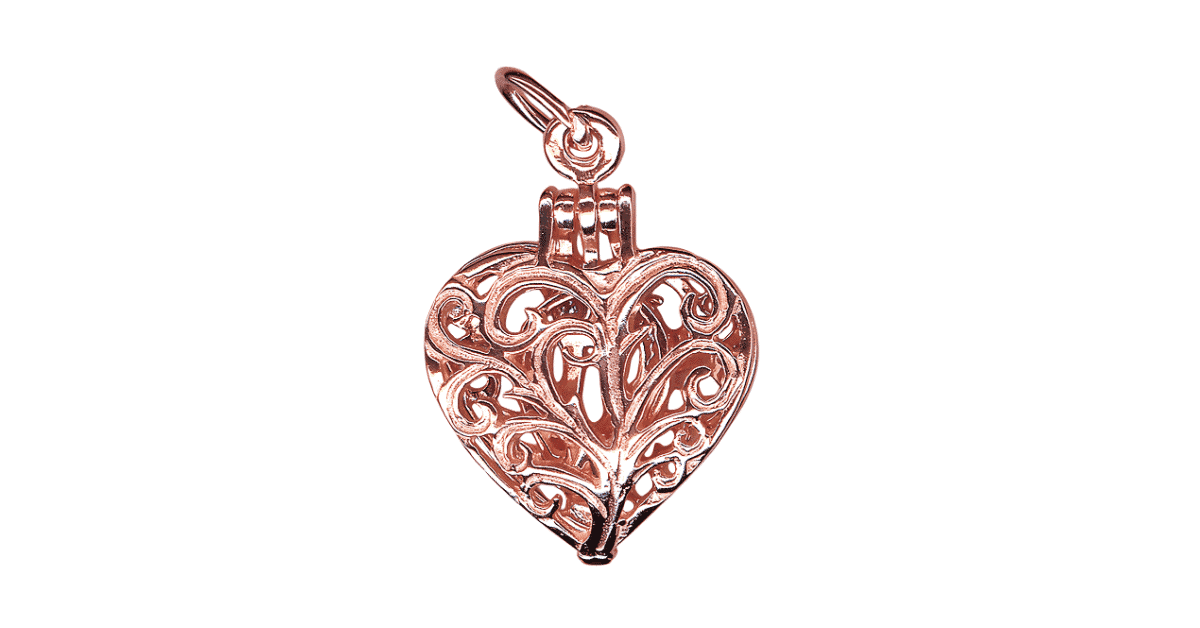
A filigree locket stands out as one of the most beautiful and thoughtful gifts you can give, because it blends deep personal meaning with style.
For women, filigree lockets can make perfect gifts for anniversaries, birthdays, or major life milestones. Heart-shaped lockets are the gold standard for romantic gestures, but for an extra layer of antique charm, you can choose a filigree locket with floral motifs. If you want to go the extra mile, look for lockets that offer a professional photo-insertion service.
Prices for high-quality sterling silver filigree lockets typically range from $50 to $150, while 14k solid gold versions can command prices upward of $500 depending on the weight and craftsmanship. When selecting a gift, consider the recipient’s personal style: those who prefer a modern aesthetic often opt for white gold or platinum, while vintage enthusiasts gravitate toward the warm tones of yellow gold or brass.
Men also appreciate the understated, rugged detail that filigree can provide, particularly when it appears on thicker, more structured pieces like cufflinks or heavier pendant chains. Celtic-inspired knotwork or geometric filigree patterns provide a masculine edge that works well for sentimental lockets containing a photo of a spouse or child.
You can also consider the vintage-style lockets that can be attached to a pocket watch chain or a heavy-duty bracelet. There’s also the option of customizing your locket with a date or initials on the back with an additional $20 to $40 extra cost.
Where to Buy Authentic, High-Quality Filigree Lockets
If you want authentic, high-quality filigree lockets, antique shops and specialized vintage jewelry retailers are the most reliable sources. These vendors often carry one-of-a-kind items from the Victorian or Edwardian eras, which feature hand-soldered wirework that is difficult for mass-market machines to replicate.
If you prefer a brand-new piece but want that antique look, our artists at Lefkara Silver, prioritize hand-finishing and can make a custom piece for you. Many independent designers create custom work in which you can choose the metal, filigree pattern, and photo placement. These artists usually provide better after-care services, which is a major advantage given that filigree can be delicate and occasionally requires professional cleaning.
Make sure you’re choosing a jeweler who openly describes their assembly process, that way, you can protect your investment and ensure the structural integrity of the delicate wire patterns for years to come.
How to Clean & Maintain Your Filigree Locket
To keep your piece in top shape:
- Stick to a routine that avoids harsh chemicals.
- Never use ultrasonic cleaners or heavy-duty polishing machines; the intense vibrations can snap those delicate wire designs.
- A simple, at-home cleaning method involves a bowl of lukewarm water mixed with a tiny drop of mild dish soap.
- Dip the locket briefly, then use a very soft-bristled toothbrush to gently nudge away any debris from the crevices.
- Rinse it under a thin stream of cool water and pat it dry immediately with a clean, lint-free cloth. Never let your locket air dry while wet, as trapped moisture can leave spots on the metal.
- Always keep your filigree locket in its own dedicated soft pouch or a separate jewelry box compartment.
- If you live in a humid climate, add a small silica packet to your jewelry box to help keep moisture at bay and slow the natural tarnishing of sterling silver.
- Remove your locket before you jump in the shower, head to the pool, or apply lotions and perfumes.
- If you notice your silver locket starting to darken, a quick rub with a specialized jewelry polishing cloth will restore its original shine without stripping the delicate details.
Final Thoughts on Filigree Lockets
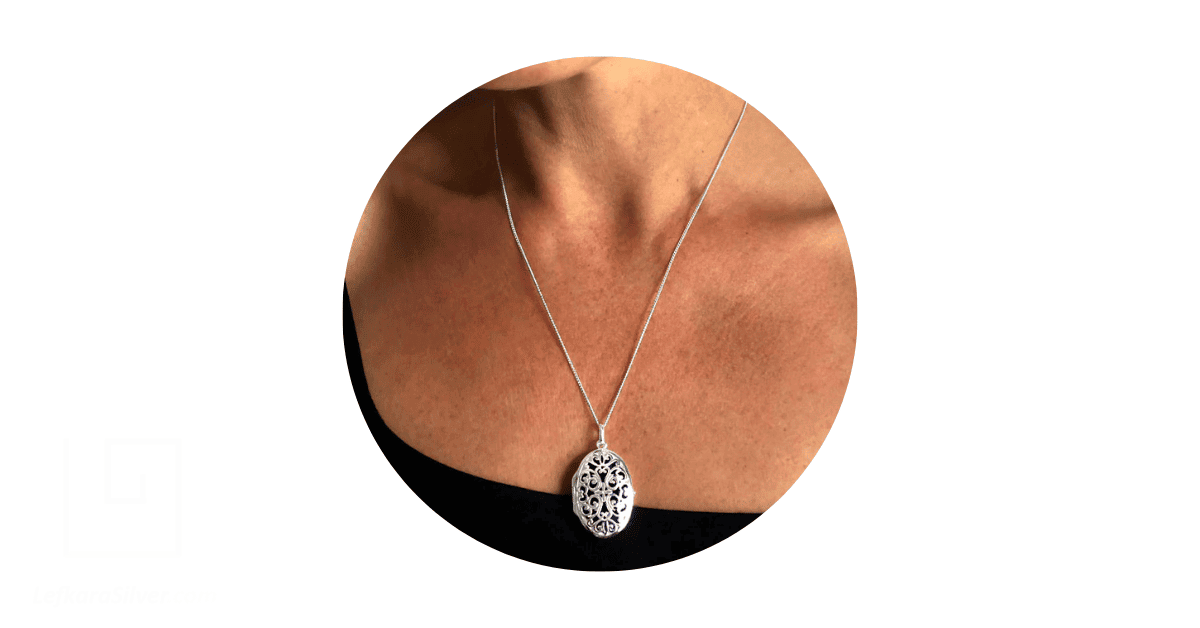
We have covered everything you need to know before choosing your next filigree locket. We looked at how to pick the right shape, what to tuck inside to make it your own, and how to style these lockets for everything from a coffee run to a formal wedding.
If you are hunting for a vintage treasure or a modern, inspired design, always stay informed on current market trends for 2026 and know where to source high-quality craftsmanship.
Here are some important points to remember:
- Filigree takes its name from the Latin words for “thread” and “grain,” describing the fine metal wires and small beads used in the craft.
- The Victorian era remains the peak period for filigree popularity, largely driven by mourning jewelry trends.
- Unlike engraving, which removes metal from a surface, filigree involves adding, twisting, and soldering thin wires onto a base.
- Ultrasonic cleaners can cause irreparable damage to filigree jewelry due to the high-frequency vibrations.
- Most filigree lockets are categorized as either openwork, where the design has no backing, or metal-supported, where the wires sit on a solid surface.
This content was last updated on October 2026. Follow our website, LefkaraSilver.com, to stay informed about new jewelry offers, news, and buying guides.