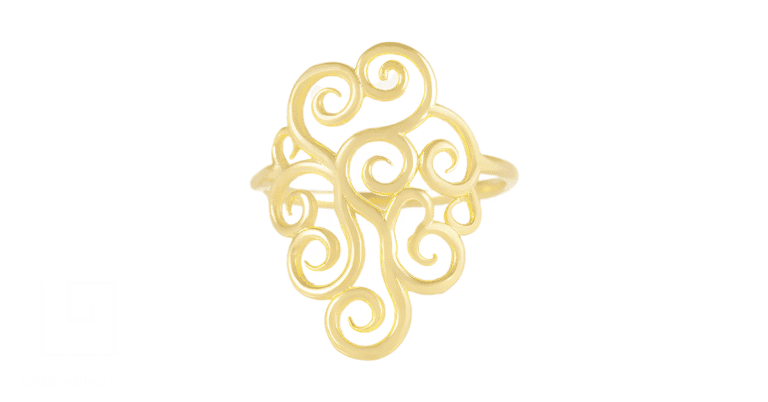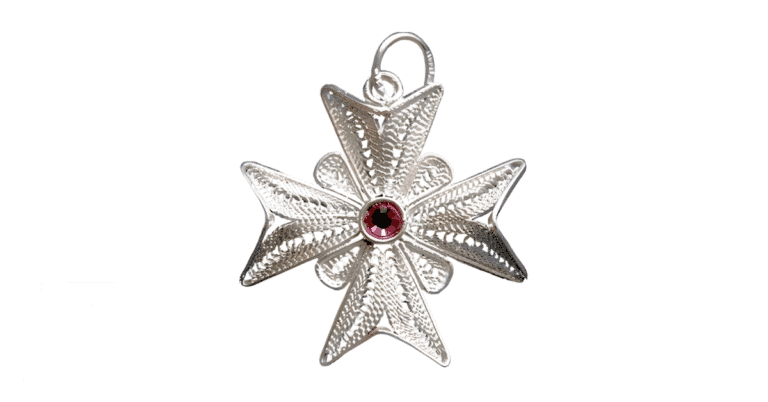
Gold Ring: What You Should Know Before Buying
Buying gold rings requires a basic understanding of metals and materials. Pure gold is naturally soft, which means it bends and scratches easily if you wear it every day. To fix this problem, jewelers mix pure gold with other metals such as silver, copper, and zinc. This mixture creates an alloy.
The amount of pure gold in this alloy determines the karat weight. For example, a 14-karat ring contains 58.3% pure gold, while an 18-karat ring contains 75% pure gold. T
In this detailed guide, we will discuss key statistics of gold rings for October 2026, 6 unique design ideas for gold rings, different types of gold rings, trending gold rings for women, stylish gold rings for men, 14k gold rings vs 18k gold rings, where to find vintage gold band rings for weddings, tips for identifying real gold rings, how to measure the right size for your gold rings and care and maintenance tips for gold rings.
This guide contains the latest information as of October 2026.
Key Statistics of Gold Rings for October 2026
The jewelry market continues to change, and the current numbers point to some trends in how people buy fine metals this year.
- The global gold jewelry market is projected to reach $320 billion by the end of this year, showing a steady annual growth rate of 5.2%.
- In the United States, 90% of all engagement rings sold are crafted from 14-karat gold because it balances strength with a reasonable price tag.
- Online sales of fine jewelry now account for 22% of total market revenue, marking a 4% increase from previous years as buyers feel more comfortable shopping digitally.
- Demand for rose gold rings has jumped by 18% over the last 2 years, largely driven by buyers looking for vintage-inspired styles.
- The use of recycled gold in custom rings has grown by 35%, as younger buyers push for more ethical sourcing options.
- Approximately 65% of men purchasing wedding bands choose bands wider than 5mm for a more comfortable and substantial fit.
6 Unique Design Ideas for Gold Rings
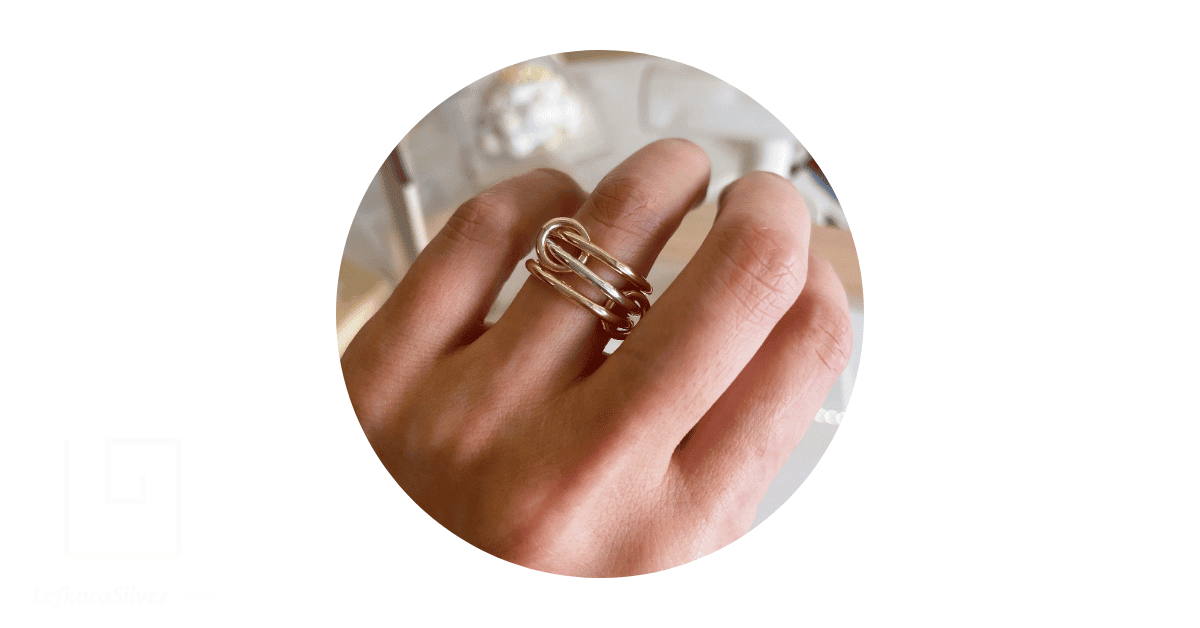
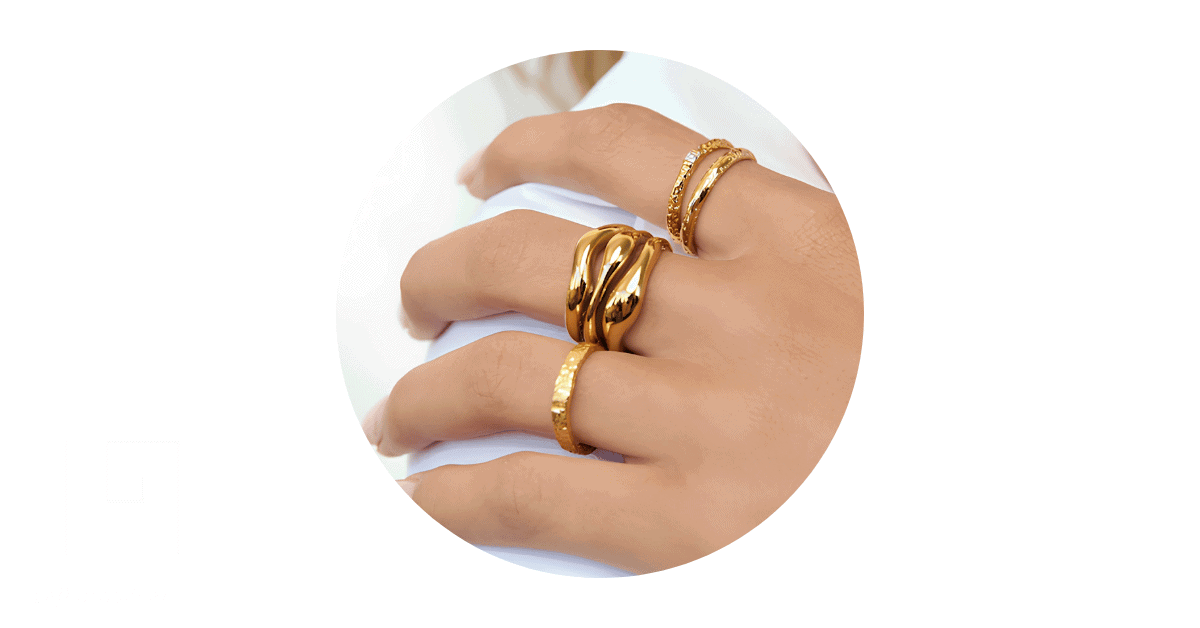
Custom rings are a huge trend right now. Wearing a piece of jewelry that matches your exact taste gives you a great way to express your personal style. For those who want to customize their gold rings but aren’t sure what to do, here are some unique ideas to explore.
1. Geometric and Structural Shapes
Geometric designs bring strong lines, sharp corners, and distinct shapes to your jewelry. These rings look bold and stand out immediately from round, traditional bands.
Many people choose this style because it pairs perfectly with modern outfits and daily fashion. The clean angles reflect light differently than curved surfaces, giving the metal a very crisp, sharp look.
Geometric rings often use 18K gold, which is 75% pure gold, to provide a rich color that contrasts well with the hard edges. This design works beautifully for anyone who wants a modern, structural piece on their finger.
2. Two-Tone Gold Blends
Two-tone rings combine different colors of gold, like yellow and white, or rose and yellow. This mix creates a striking visual contrast that catches the eye right away.
Couples often pick two-tone designs for their wedding bands because the mixed metals represent unity and balance. The combination also makes it incredibly easy to wear the ring alongside other jewelry of varying colors without clashing.
You get a lot of flexibility with this style. It is a highly versatile option that looks effortlessly cool and fits seamlessly into any daily wardrobe.
3. Textured and Brushed Finishes
Textured finishes give the metal a rugged, matte, or hammered appearance. Instead of a high-polish shine, these rings offer a muted, understated look that many people find highly appealing.
The brushed effect hides daily scratches exceptionally well, making it a highly practical choice for anyone who works with their hands. Hammered surfaces reflect light in scattered, irregular patterns, which adds visual interest without being too flashy.
4. Meteorite and Wood Inlays
Adding materials like meteorite dust, whiskey barrel wood, or antique walnut creates a piece filled with history and character. The gold acts as a strong, protective frame for these unique center strips.
Using historical or natural elements gives the ring a strong earthy vibe. A thin channel of dark wood or grey meteorite dust creates a beautiful visual break in the shiny gold band.
5. Vintage-Inspired Halos with Colored Gemstones
A vintage-inspired halo surrounds a center stone with a ring of smaller diamonds or colored gemstones. This layout makes the middle stone look much larger and gives the whole piece a classic, historical feel.
Placing a colorful stone like a sapphire or ruby in the center of a yellow gold band brings out the warmth of the metal. The contrast between the bright gems and the rich gold creates a timeless aesthetic that never goes out of style. This design works exceptionally well for custom engagement rings, adding a touch of old-world charm to a completely new piece.
6. Engraved and Monogrammed Bands
Engraving allows you to add initials, special dates, or short phrases to the inside or outside of your band. It is a simple addition that holds heavy sentimental weight for the wearer.
A polished or brushed gold surface provides the perfect blank slate for custom typography. You can choose a classic script for a traditional look or a bold block font for a modern edge.
This idea remains incredibly popular because it guarantees that no one else in the world has a ring exactly like yours.
Top 6 Custom Gold Ring Makers in 2026
Casting House
Located in Chicago, USA, Casting House specializes in rapid 3D prototyping and CAD modeling. They offer fast turnaround times and high-quality casting for custom fine jewelry. They manage everything from the initial digital design to the final stone setting at a single domestic facility.
Krikawa Custom Jewelers
Located in Tucson, USA, Krikawa Custom Jewelers builds every ring from scratch. They specialize in Mokume Gane, a traditional Japanese metalworking technique that creates wood-grain patterns in mixed gold alloys. They offer a highly collaborative process with dedicated design consultants to help you build the perfect ring.
JewelPin
Based in Jaipur, India, JewelPin produces high volumes of 14K and 18K gold pieces. They handle custom orders focusing on natural gemstone settings. They have access to over 200 natural stone varieties. Their large-scale operation handles export logistics highly effectively.
UVARA Jewelry
Operating out of Dongguan, China, UVARA Jewelry focuses on fast production and e-commerce fulfillment. They maintain a massive inventory of ready-to-sell designs and quickly produce custom samples. They can ship in-stock items within 72 hours, making them a great option for fast-moving trends.
Richie Gold & Diamonds
Situated in Dubai, UAE, Richie Gold & Diamonds works with high-purity metals. They create bespoke pieces using 18K, 21K, and 22K gold. Their services include heavy diamond encrustation and trading wholesale precious metals, providing a highly luxurious end product.
CrownRing
Based in Montreal, Canada, CrownRing produces heavy-weight designer bridal jewelry. They focus on thick metal profiles that withstand decades of wear. Their custom options focus heavily on engagement and matrimonial sets using high-grade gold, platinum, and palladium.
Different Types of Gold Rings
There are different types of gold rings available for both men and women. Some of which include the Rose Gold Ring, whose pink color comes from a mix of pure gold and copper. The typical 14K rose gold ring contains about 58% gold, and 42% copper, and silver. This type of ring has a warm, romantic look and pairs beautifully with vintage designs. Because copper is an extremely hard metal, rose gold rings offer excellent durability for daily wear. They do not tarnish but can develop a slight, desirable patina over many years.
The White Gold Ring contains pure gold mixed with white metals like palladium, silver, or nickel. It usually receives a rhodium plating to give it a bright, icy, and highly reflective finish. This metal makes white diamonds look incredibly clear and colorless. White gold requires a new rhodium plating every few years to maintain its bright white appearance.
The Gold Nugget Ring mimics the rough, organic texture of a raw gold nugget pulled straight from the earth. This style is heavily textured and asymmetrical, offering a bold and rugged look. It is a popular choice for men who want a heavy, substantial piece of jewelry that stands out from standard smooth bands.
The Yellow Gold Ring is the classic choice, offering a rich, warm hue that never goes out of style. It provides the closest color to pure 24K gold while keeping enough alloy mixed in to remain hard and wearable. Meanwhile, the Domed Classic Band features a simple, rounded surface that offers a comfortable fit. It remains the most common choice for traditional wedding bands worldwide.
Trending Gold Rings for Women
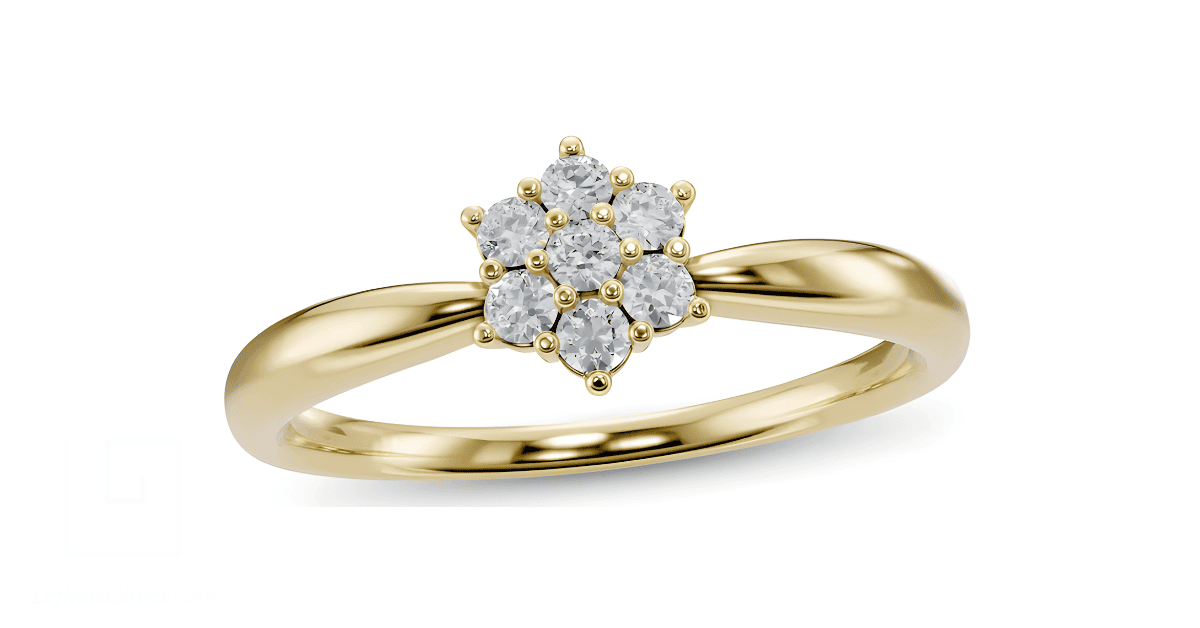
Ring styles shift and change with the seasons, yet certain classic designs hold their ground as permanent staples in any jewelry collection. Right now, the shift towards modern minimalism mixed with bold geometry stands out. Simple 14K gold bands with subtle cutouts or open spaces are highly requested.
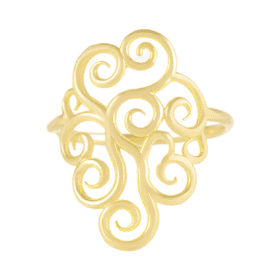
Roughly 70% of daily-wear rings purchased this year feature minimalist profiles. Another massive trend centers on nature-inspired details. Women love rings made of floral motifs, winding vines, and delicate leaf patterns. Adding a touch of color with non-traditional stones like green sapphires, garnets, or even abalone shells brings a lot of personality to the piece.
Rose gold accounts for nearly a third of non-bridal ring purchases due to its warm, universally flattering pink tone. This softer metal color pairs beautifully with organic, woodland-style designs.
Chunky, bold statement rings are also making a major comeback. Thick cigar bands and dome rings crafted from 18K yellow gold catch the eye instantly. Women also favor large cocktail rings set with a brilliant center diamond or vibrant gemstone. These heavier pieces carry serious weight on the hand.
A high-quality chunky 18K gold ring contains exactly 75% pure gold, giving it a deeply rich, yellow hue that lower karats simply cannot match.
Stylish Gold Rings for Men
Gold rings are easily among the most popular accessories for men, offering a quick way to express personal style and quiet confidence. Men no longer stick to plain metal circles; today’s market provides countless stylish designs for guys who want a piece that truly speaks to their identity.
Some of the most stylish gold ring designs for men include:
- Classic Domed Gold Bands: The timeless choice provides maximum comfort and durability for everyday wear. Over 60% of men still choose a variation of the classic domed band for their wedding ring. You can find top-tier versions of these at traditional fine jewelers like Valerie Madison.
- Textured and Brushed Gold Bands: High-shine polished finishes are giving way to hammered, brushed, and matte textures. A textured finish is highly recommended for men who work with their hands, as it naturally hides daily scratches and scuffs.
- Two-Tone Gold Rings: Mixing yellow gold with white or rose gold creates sharp contrast and matches any watch or outfit you throw on. Joseph Jewelry is a great destination for building these dual-metal designs, giving you total flexibility if you want a custom, multi-colored look.
- Rings with Unique Inlays: Many men want rings that tell a story. Designs with meteorite dust, dinosaur bone, whiskey barrel wood, or antique rifle stock paired with a solid gold base are incredibly popular right now. Rustic & Main specializes in these exact types of custom, handcrafted gold bands wrapped around rare, historical materials.
- Wide Statement and Geometric Bands: Men who want bolder accessories choose wide rings with strong architectural lines, flat edges, or subtle gemstone details. Ken & Dana Design offers fantastic custom engagement rings and wide statement bands that merge sleek, modern shapes with the traditional weight of yellow gold.
14k Gold Rings Vs 18k Gold Rings – Which is Best for Your Lifestyle?
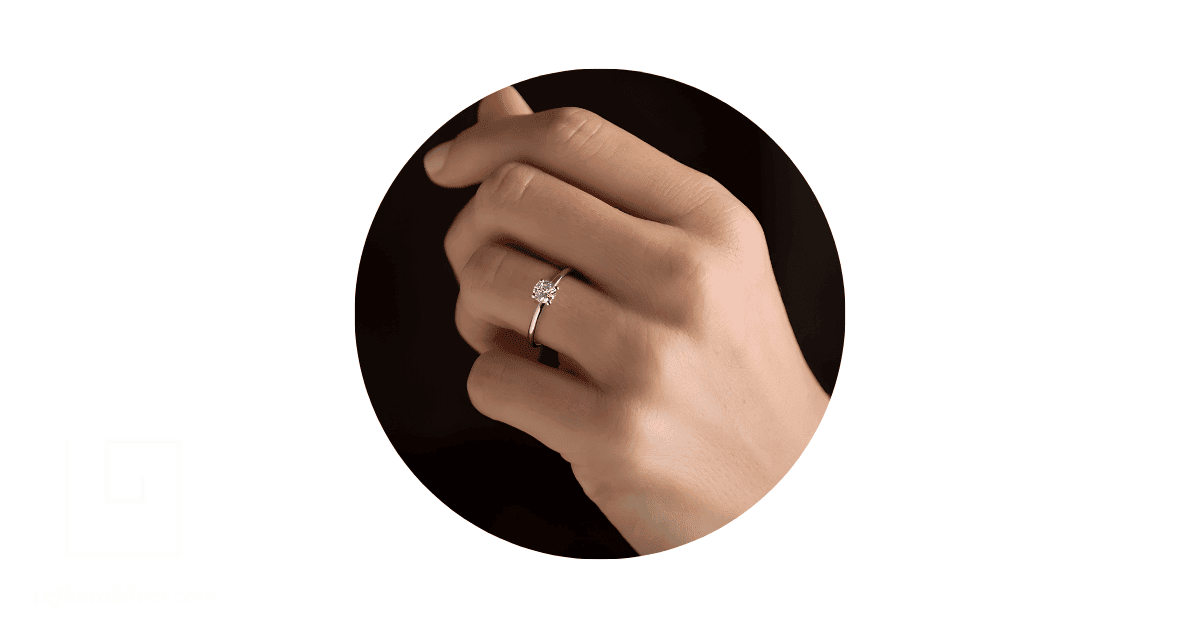
Karat is just a term for a purity scale that goes up to 24. A 24k ring is 100% gold, meaning all 24 slices are pure gold. While that sounds great, pure gold is actually very soft, roughly the same hardness as a human fingernail. If you wore a 24k ring every day, it would bend, warp, and scratch before your first anniversary. To fix this, jewelers mix pure gold with other metals like copper, silver, or zinc to make it last.
14k gold contains 14 parts gold and 10 parts other metals, making it 58.3% pure. On the other hand, 18k gold consists of 18 parts gold and 6 parts other metals, reaching 75% purity. This difference in filler metals changes how the ring looks, how much it costs, and how it handles your daily routine.
| Feature | 14k Gold | 18k Gold |
|---|---|---|
| Gold Content | 58.3% | 75% |
| Durability | High (Hard to scratch) | Moderate (Softer) |
| Color | Warm yellow | Rich, deep yellow |
| Price | More affordable | Premium |
| Skin Sensitivity | Rare reactions | Great for sensitive skin |
If you lead an active life, 14k gold is likely your best match. This metal is the standard for a reason: it’s tough. If you hit the gym, work with your hands, or find yourself constantly bumping your hands against desk edges, 14k can take the hit. In fact, about 90% of wedding rings sold in the United States are made of 14k gold because it strikes a good balance between price and strength.
If you have sensitive skin or a metal allergy, 18k gold is the way to go. Because it has a higher gold content and fewer base metal alloys like nickel, it is much less likely to cause a rash or skin irritation. It also has a deeper, more saturated yellow glow that screams luxury. However, since it is softer, it will show tiny surface scratches faster. 18k gold is significantly heavier than 14k gold due to the density of the metal, giving it a high-end feel that many people prefer for mens gold rings.
Where to Find Vintage Gold Band Rings for Weddings?
Hunting for vintage gold rings is much more rewarding than picking one out of a mall catalog. These rings often contain hand-engraved patterns, “milgrain” beaded edges, or unique shapes that modern machines simply don’t produce anymore. When you buy vintage, you get a ring with a history and a soul, often for a price that beats brand-new retail. True antique rings are at least 100 years old, while vintage rings generally fall in the 20- to 99-year-old range.
Your best bet for finding these gems is visiting local estate jewelers or specialized antique shops. These places buy directly from private collections, so the stock changes constantly. You can also check out estate auctions and even high-end pawn shops, where you can often find heavy, solid gold bands from the Victorian or Art Deco eras. Online marketplaces like Etsy or dedicated estate jewelry websites are also gold mines, though you’ll want to make sure they have a solid return policy and a clear photo of the “hallmark,” that is, the stamp inside the ring that proves its karat weight.
Prices for vintage gold bands vary based on weight and age, but they are often quite fair. A simple 14k vintage gold band usually sells for between $300 and $700, depending on its thickness. If you want something more ornate, like a 1920s floral-carved band or a heavy 18k Victorian piece, prices typically range from $1,200 to $2,800.
Tips for Identifying Real Gold Rings
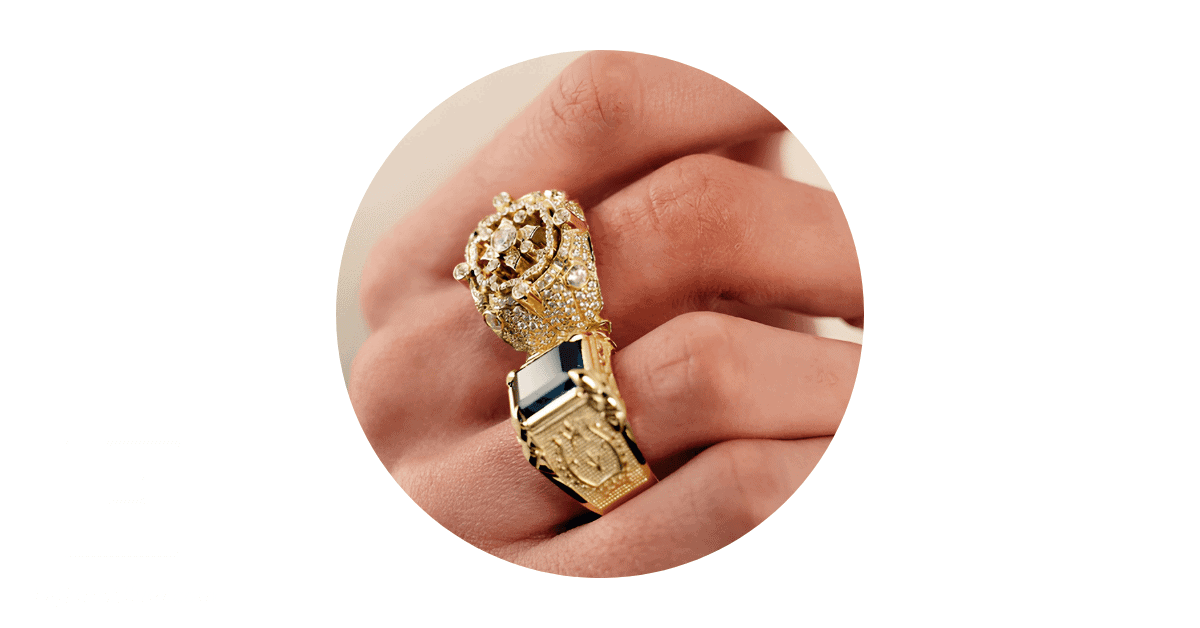
Fakes are everywhere, and because gold is worth so much, people find ways to make cheap metal look like the real thing. It is common to find rings that look perfect on the outside but are just brass or silver with a thin wash of gold on top. Knowing how to tell the difference can save you a lot of money and regret.
- Check for the hallmark. Real gold jewelry almost always has a small stamp on the inside of the band. In the US, you will see marks like 10K, 14K, or 18K. In Europe, these are often numbers: 375 means 9K, 585 means 14K, and 750 means 18K. If you see “GF” (gold filled) or “HGP” (heavy gold plate), the ring is not solid gold.
- Use a strong magnet. This is one of the easiest tests you can do at home. Real gold is not magnetic. If your ring snaps toward a magnet, it is likely made of steel or nickel with a gold coating. Keep in mind that some fake rings use non-magnetic metals like lead or copper, so this is just one piece of the puzzle.
- The float test. Gold is very dense. Pure gold has a density of about 19.3 grams per cubic centimeter. If you drop a solid gold ring into a glass of water, it will sink quickly and sit flat on the bottom. Many fake rings are made of lighter metals and might float or fall through the water more slowly.
- The vinegar test. Put a few drops of white vinegar on the metal. If the ring is real gold, nothing will happen. If it is a fake or a cheap alloy, the metal will change color or start to fizz.
- The skin test. If you wear the ring for a full day and it leaves a green or black mark on your finger, it is a sign that the gold is thin or fake. When gold is real, it does not react with your sweat to turn your skin green. This happens when copper or silver in the ring oxidizes.
- The ceramic plate test. Take an unglazed ceramic plate and drag your ring across it. A real gold ring will leave a yellow or gold streak, while a fake will leave a black or grey mark. Just be careful, as this can scratch your ring.
How to Measure the Right Size for Your Gold Rings?
Getting the right fit for a ring is a bit of a science. Your fingers change size throughout the day based on the weather, what you eat, and even how much water you drink. It gets even harder if you are trying to buy a ring as a surprise for someone else. If you get it wrong, you might have to pay a jeweler to resize it, and some rings with complex patterns or stones all the way around cannot be changed easily.
To measure your own finger, you can use a simple piece of string or a thin strip of paper. Wrap it around the base of the finger you plan to wear the ring on and mark where the ends meet. Use a ruler to get the length in millimeters. Most people find that their fingers are about half a size larger on their dominant hand. It is also a good idea to measure three or four times at different times of the day. Fingers are usually smallest in the cold morning and largest in the evening when they are warm.
If you are trying to find a partner’s size without them knowing, the best way is to “borrow” a ring they already wear. Make sure it is a ring they wear on the correct finger, since your ring and middle fingers are rarely the same size. You can press the ring into a bar of soap to leave a perfect circle or trace the inside of the ring onto a piece of paper. You can then take that paper or the soap mold to a shop to find the match.
Another trick is to ask one of their friends or family members. Often, sisters or best friends have swapped jewelry before and might already know the size. If you are stuck between two sizes, always go with the larger one. It is much easier for a jeweler to make a gold ring smaller than it is to stretch it out.
Care and Maintenance Tips for Gold Rings
Gold is hardy, but it is not invincible. If you want your ring to keep that rich glow instead of looking like something you found in a dusty attic, you need to take care of it. Regular maintenance also stops bacteria from building up in the setting holes, which can lead to skin irritation. Because gold is a soft metal, it picks up scratches and dirt from everyday life, which can eventually dull the metal and make the stones look cloudy.
You do not need to spend a fortune at a jeweler every month to keep things clean. You can do a great job at home with a few basic items. Grab a small bowl of warm water and add a few drops of mild, detergent-free dish soap. Soak your gold ring for about 15 minutes to loosen the oils and grime. This is especially important if you wear your ring while cooking or using lotions. Once the soak is done, use a soft-bristled baby toothbrush to gently scrub the metal. Pay close attention to the areas behind the stones and inside the band, where sweat and skin cells gather.
After scrubbing, rinse the ring under clean running water and pat it dry with a soft, lint-free cloth. Never use toothpaste or baking soda to clean your gold, as they are too abrasive and can leave tiny scratches that ruin the finish. Also, keep your jewelry away from chlorine. Exposure to chlorine, such as in swimming pools or household bleach, can weaken the structure of gold and cause the metal to break. If you have a lower karat piece, like 9K or 10K, be extra careful. Rings with a lower gold content tarnish faster because they contain more base metals, such as copper and silver, that react with air and moisture.
While home care is great for weekly upkeep, you still need to see a professional once or twice a year. A jeweler has specialized tools, like high-speed polishing wheels, that can remove deeper scratches and restore the original luster of the metal. More importantly, they check the prongs and settings. An annual professional check-up ensures your stones are secure, preventing the heartbreak of a diamond falling out. They can also deep-clean the piece using ultrasonic machines that reach dirt trapped in places a toothbrush simply cannot find.
Concluding Thoughts on Gold Rings
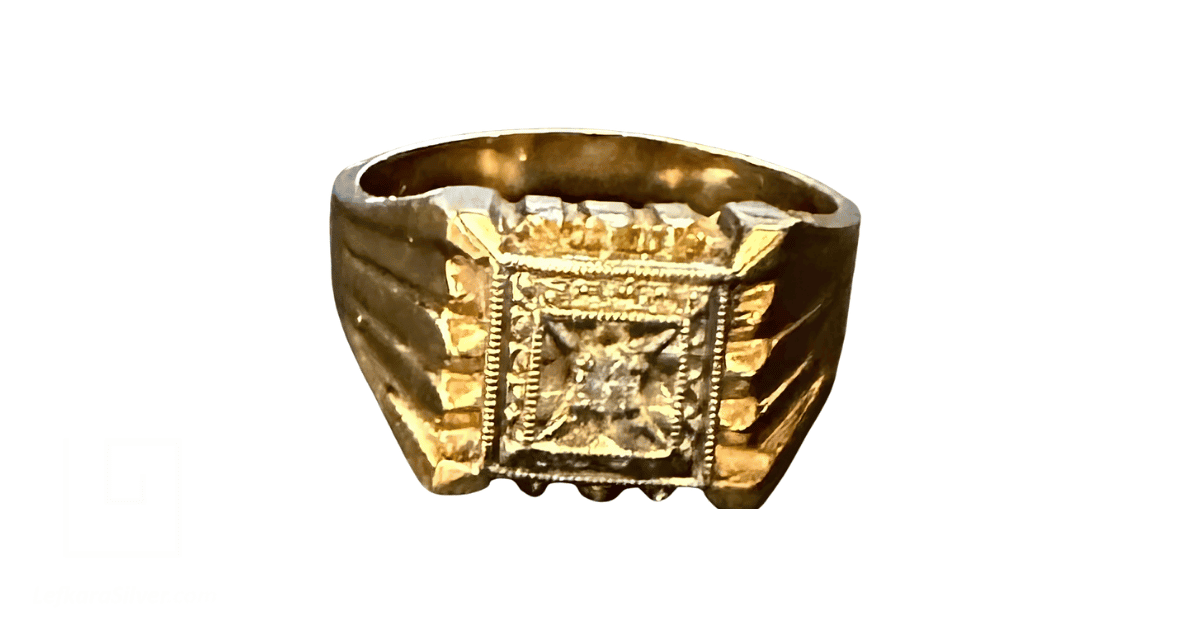
We have looked at a lot in this guide, from the latest gold ring statistics for October 2026 to creative design ideas that break the mold. We covered the different types of gold, trending styles for women, and the best men’s gold rings for those who want a mix of luxury and toughness. We also talked about why 14K gold might beat 18K for your specific lifestyle, where to hunt for vintage bands, and how to measure your finger so your ring actually stays on.
Here are some points to remember:
- The purest form of gold, 24K, is so soft that it can be scratched with a human fingernail.
- 14K gold is the standard for 90% of all wedding rings sold in the United States and the UK.
- NASA uses gold on satellite parts and astronaut helmet visors to block solar heat and radiation.
- Experts estimate that roughly 244,000 metric tons of gold have been found across the globe to date.
- 18K gold is 75% pure gold, giving it a much deeper yellow color than 14K versions.
This information was last updated in October 2026. Whether you are buying your first band or adding to a collection, remember that the right gold ring is one that fits both your finger and your daily routine. Keep it clean, get it checked by a pro, and it will stay bright for a lifetime. Follow our website, LefkaraSilver.com, to stay informed about new jewelry offers in our Jewelry collection, the latest trends, and expert buying guides!
Gold Rings FAQs
These are answers to some frequently asked questions about gold rings in 2026
How Much Does an Actual Gold Ring Cost?
Prices for a real gold band usually start near $200 and can jump over $2,000 for heavy designs. A 14K ring often costs 30% to 50% less than an 18K piece of the same size. You pay for the gold weight plus the hours of work put into the design.
How Much is a 24K Gold Ring Worth?
A 24K ring contains 99.9% pure gold, and its worth follows the daily global market price. These rings often weigh 5 to 10 grams to prevent bending. Expect to pay from 20% to 40% over the raw metal value for the craftsmanship.
Is There Fake 24K Gold?
Fake 24K gold is all over the market and usually consists of brass with a 0.5-micron coating. Authentic pure gold must carry a 999 stamp to prove its quality. Industry data suggests 10% to 15% of gold sold by unverified sellers is not actually pure.
Can I Shower With 14K Gold On?
You can shower in 14K gold, but daily exposure can dull the shine by 15% within a year. Harsh chemicals like chlorine can even cause the metal to break over time. Most experts suggest removing it to stop soap scum and mineral buildup from hiding the glow.