What Are Precious Metals?
Precious metals are rare, naturally occurring metallic elements that have high economic value. They aren’t just shiny materials used to make expensive rings or necklaces; they are chemical elements that generally resist corrosion and oxidation better than base metals like iron or copper. Because they are scarce and have unique properties. They play a massive role in both the industrial world and the financial sector. The most common ones are gold, silver, platinum, and palladium. While gold is the famous “safe haven” people run to when the economy gets shaky, metals like silver and platinum are actually workhorses in industries ranging from solar energy to automotive manufacturing.
We are going to cover a lot of ground here to get you up to speed. We will look at key statistics of precious metals in October 2026, break down 10 ways to invest in precious metals for dummies, and examine the different types of precious metals and their features. We will also figure out the best precious metal to invest in for your specific goals, highlight top precious metals investment companies, and point out the best dealers to buy precious metals from online.
Key Statistics of Precious Metals in October 2026
The market is showing intense movements driven by interest rate speculation, shifts in industrial demand, and geopolitical tensions, suggesting a volatile yet opportunity-rich landscape. These statistics have been thoroughly fact-checked.
- Gold prices are currently eyeing the $4,000 per ounce mark as bullish momentum continues, despite the fact that the odds of an immediate Federal Reserve rate cut have dropped below 50%.
- Industrial applications now account for more than 50% of global silver demand, driven largely by the booming solar panel and electric vehicle sectors.
- Financial experts are currently recommending a portfolio allocation of 5% to 10% in precious metals to hedge against inflation, though some institutional strategies are testing allocations as high as 20%.
- The automotive sector still consumes roughly 80% of the world’s palladium supply and 40% of platinum supply for catalytic converters, creating price sensitivity as the market shifts toward EVs.
- The platinum market is facing a structural supply deficit projected at 848,000 ounces for 2025 due to constrained mining outputs and lower recycling rates.
- Since the early 1970s, the price of gold has increased by approximately 10,000%, reinforcing its long-term status as a store of value.
- In scenarios where global pension funds allocate just 20% of their portfolios to gold, it would require 181,956 metric tonnes of metal, which is nearly 57 times the annual new mine supply.
- While gold is often taxed as a collectible in the U.S. with a maximum capital gains rate of 28%, certain investment vehicles can alter this tax liability.
- Short-term volatility in silver prices can be two to three times greater than that of gold on any given trading day, offering higher risk but higher potential reward for traders.
- Global central banks hold over 36,700 metric tonnes of gold, representing about 17% of all gold ever mined, as they continue to buy at multi-decade highs to diversify reserves.
10 Ways to Invest in Precious Metals for Dummies

If you want to invest in precious metals, you have plenty of options beyond burying a chest of doubloons in your backyard. The market offers everything from paper assets that track prices to heavy bars that require a reinforced floor. For a beginner, the trick lies in matching the method to your risk tolerance and your desire for physical possession.
Here is a breakdown of the primary ways you can enter this market.
1. Physical Bullion Bars
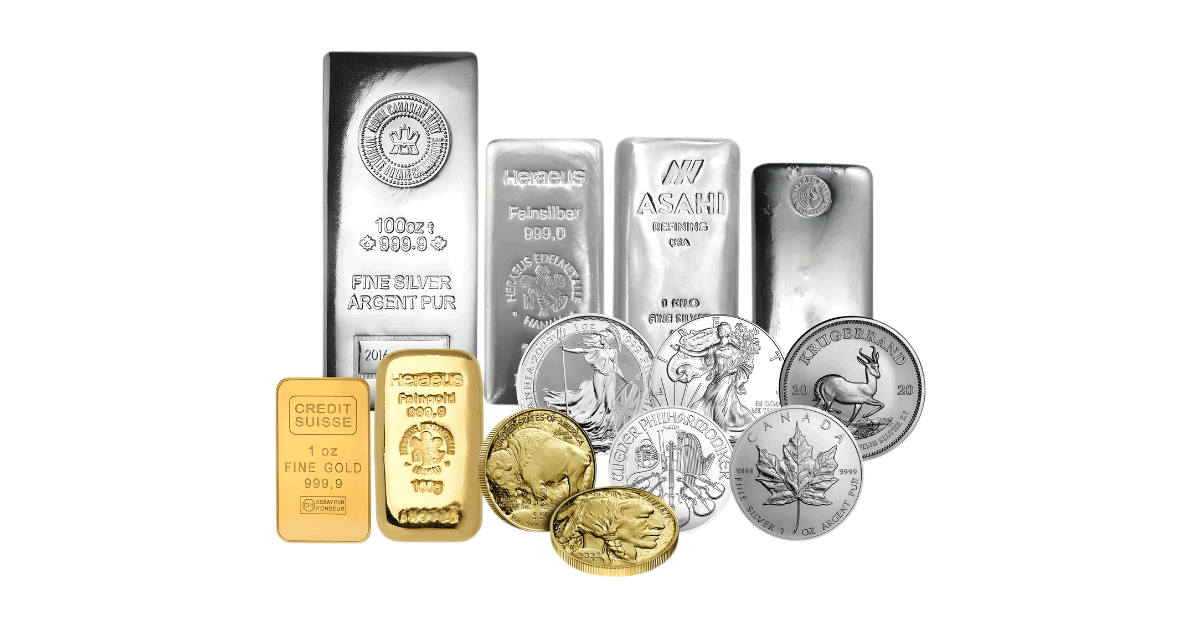
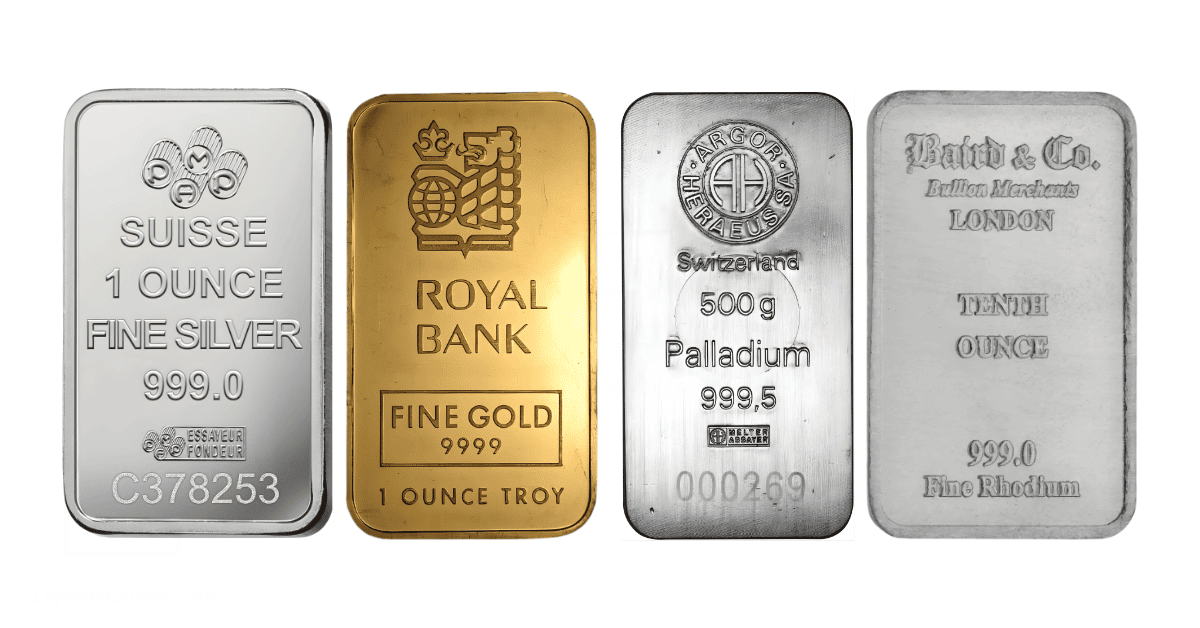
Buying bars is the most direct route to owning metal. You get a tangible slab of gold, silver, platinum, or palladium. This method is generally the most cost-effective way to buy physical metal because the “premium”—the cost you pay over the spot price of the metal to cover manufacturing and dealer profit—is usually lower on bars than on coins. Bars come in sizes ranging from 1 gram up to 400 ounces, though 1-ounce and 10-ounce bars are the standard for most retail investors.
The main thing to watch here is storage and security. If you buy large silver bars, for instance, you need a significant amount of space because silver is much less dense in value than gold. You also need to verify the purity. Investment-grade gold bars must typically be at least 99.5% pure, while silver is usually 99.9%. You own the asset outright, meaning there is no counterparty risk, but you bear the full responsibility of keeping it safe from theft or loss.
2. Sovereign Bullion Coins
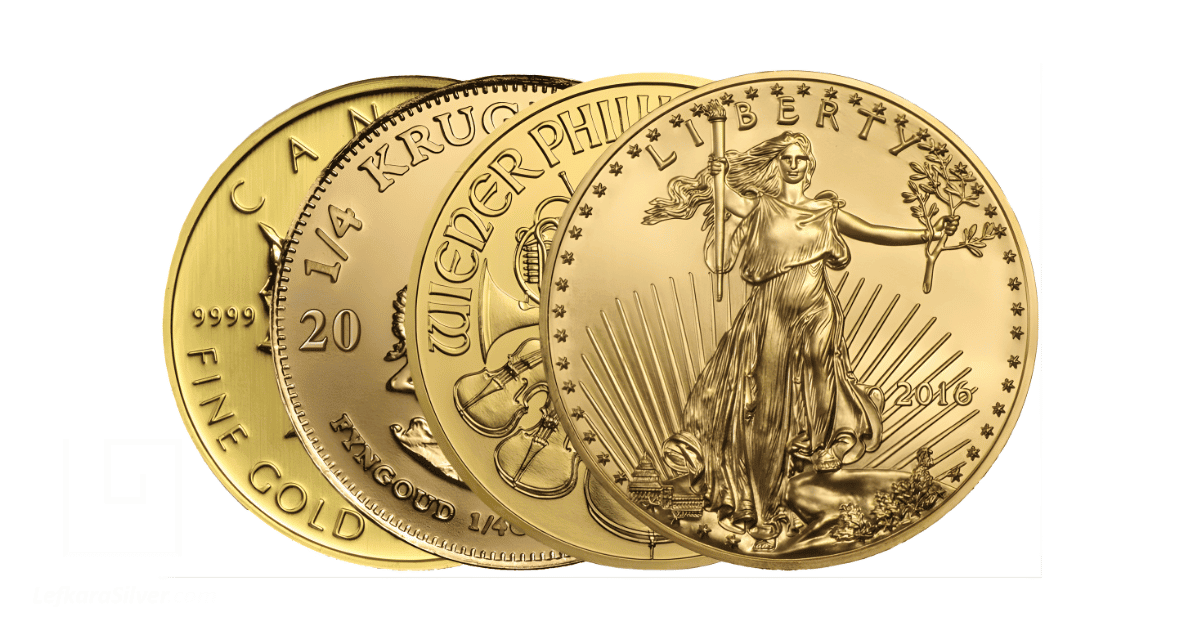
Governments mint these coins, and they carry a face value, technically making them legal tender in their country of origin (though their metal value is far higher). Examples include the American Eagle, Canadian Maple Leaf, and South African Krugerrand. Beginners often prefer coins over bars because they are harder to counterfeit and easier to sell (liquidate) in smaller increments.
Because coins require more intricate manufacturing and have a collectible appeal, they carry higher premiums than bars. For example, you might pay a 5% to 10% premium over the spot price for a gold coin. However, this extra cost often comes with better liquidity. Dealers worldwide recognize a Canadian Maple Leaf instantly, which makes the selling process smoother than trying to offload a generic bar from a lesser-known private mint.
3. Exchange-Traded Funds (ETFs)
If you want to trade price movements without renting a safe deposit box, ETFs are a strong option. These funds trade on stock exchanges just like shares of Apple or Tesla. A fund like the SPDR Gold Shares (GLD) or iShares Silver Trust (SLV) holds physical metal in a vault, and each share you buy represents a fraction of that metal. This removes the hassle of shipping, insurance, and storage.
ETFs are highly liquid and allow you to buy and sell instantly during market hours. However, you do not physically own the metal in a way that lets you hold it. You own a paper claim. You also pay an annual expense ratio—essentially a management fee—which typically ranges from 0.25% to 0.50% of your investment annually. This creates a slow drag on your returns over decades compared to holding physical metal, but for short-to-medium-term trading, it is often the most efficient method.
4. Mining Stocks
Buying shares in mining companies creates a different dynamic called “leverage.” When the price of gold rises, a mining company’s profits often rise by a much larger percentage, potentially causing the stock price to skyrocket. For instance, if gold costs $1,500 an ounce to mine and the price moves from $1,600 to $1,700, the miner’s profit margin just doubled, even though the gold price only rose about 6%.
The downside is that you take on company-specific risks. A mine could flood, workers could strike, or management could make bad debt decisions. Even if gold prices go up, a poorly managed mining company can still see its stock price drop. This method requires you to analyze balance sheets and operational reports, making it more work-intensive than simply buying the metal itself.
5. Streaming and Royalty Companies
This is often considered the “smart money” approach to mining. These companies do not dig holes in the ground. Instead, they provide upfront cash to mining companies to help build the mine. In exchange, they get the right to buy a percentage of the future metal production at a fixed, deeply discounted price—sometimes as low as $400 per ounce for gold.
Companies like Franco-Nevada or Wheaton Precious Metals operate with high profit margins because they avoid the variable costs of running a mine, such as fuel and equipment maintenance. They also hold a diversified portfolio of mines. If one mine fails, they have fifty others producing cash flow. This offers exposure to the upside of metal prices with significantly less risk than owning a single traditional mining stock.
6. Precious Metals IRAs
The IRS allows you to hold specific types of physical gold, silver, platinum, and palladium within a self-directed Individual Retirement Account (IRA). This allows your investment to grow tax-deferred (or tax-free in a Roth IRA). The catch is that you cannot store the metal yourself; it must sit in an IRS-approved depository.
This method combines the tax benefits of a retirement account with the stability of hard assets. However, the costs can be higher than a standard IRA. You will likely pay setup fees, annual custodian fees, and storage fees. Also, the IRS is strict about what you can include. For example, gold coins must be 99.5% pure, but the American Gold Eagle is an exception allowed despite being 91.67% pure. Getting the rules wrong can lead to immediate tax penalties.
7. Precious Metal Certificates
Certificates act as proof of ownership for gold or silver stored elsewhere. This concept dates back to when paper money was essentially a gold certificate. Today, programs like the Perth Mint Certificate Program allow you to own unallocated (pooled) or allocated (specific bars) metal stored in their vaults.
This cuts out the maker’s premium you pay on coins and the shipping costs of physical delivery. It is a low-cost way to own the asset without the physical burden. However, you face counterparty risk. If the issuing institution collapses, you become a creditor rather than a physical owner (unless you have fully allocated, segregated storage). It is vital to only use institutions with government backing or massive, audited reserves.
8. Futures Contracts
Futures are for serious traders who want to bet on the price direction of a metal on a specific date in the future. You can control a large amount of metal with a small amount of capital upfront. For example, a standard gold contract on the COMEX controls 100 troy ounces. If gold moves $10, your contract value moves $1,000.
This high leverage cuts both ways. You can lose more than your initial investment if the market turns against you. Futures contracts also have expiration dates, meaning you cannot simply hold them forever like a gold coin. You must sell the contract or “roll” it over to a new month before it expires, otherwise, you might technically be on the hook to take delivery of a massive amount of physical metal (though brokers usually prevent this for retail traders).
9. Jewelry
Jewelry is the only investment on this list you can enjoy wearing while it (hopefully) gains value. It has a “dual utility” as wealth and fashion. In some cultures, particularly in India and China, high-purity jewelry (22k or 24k) functions as the primary family savings vehicle.
From a strict investment standpoint, jewelry is inefficient. The markup over the raw metal value can exceed 300% to cover design, craftsmanship, and retail overhead. To break even, the price of gold needs to rise dramatically. However, if you stick to simple, high-karat pieces and buy from markets with low labor costs, the markup drops, making it a more viable way to store wealth.
10. Mutual Funds
If picking individual mining stocks feels too risky, mutual funds offer a basket of them. These are actively managed, meaning a professional fund manager decides which mining companies to buy and sell. This provides instant diversification across different miners, geographies, and metals.
Because these funds are actively managed, they often charge higher fees than passive ETFs. You are paying for the manager’s expertise in avoiding bad mines and picking winners. This is a good “middle ground” for beginners who want exposure to the mining sector’s leverage but lack the time or skill to analyze geological reports and corporate balance sheets.
Different Types of Precious Metals And Their Features
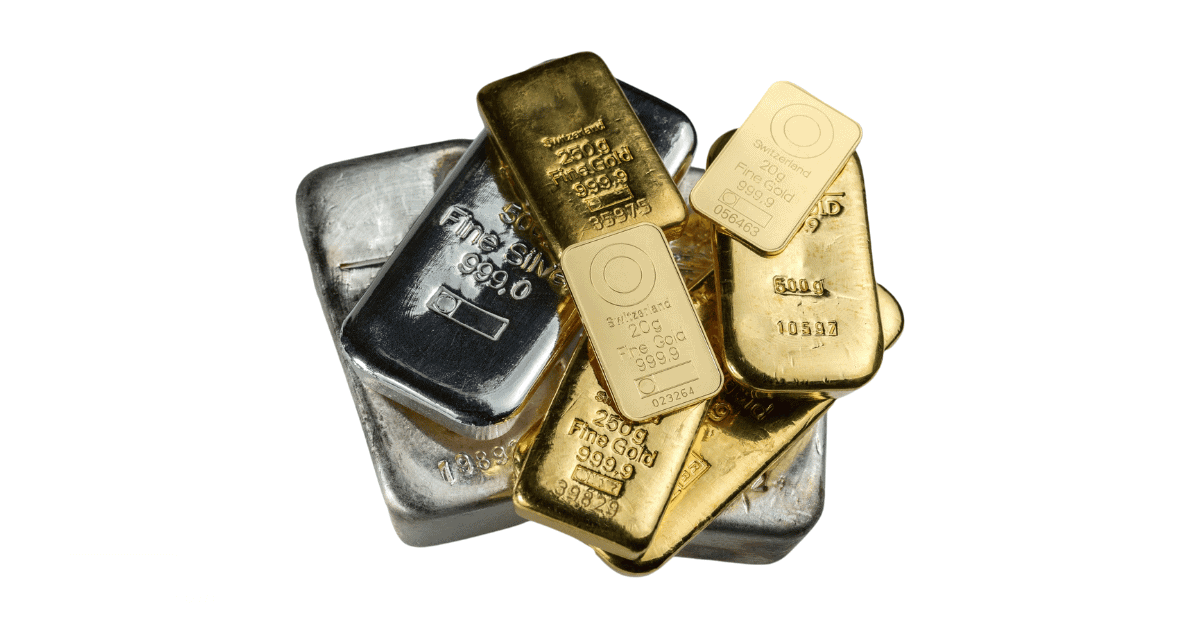
When people talk about investing in metals, they usually mean the “Big Four”: Gold, Silver, Platinum, and Palladium. However, the family of precious metals extends beyond that. These elements share similar chemical properties, such as high resistance to corrosion and high melting points, but they serve vastly different roles in the global economy.
Gold primarily serves as money and a store of value; its price is driven by fear, inflation, and central bank policy. Silver straddles the line between money and an industrial commodity. It is used in everything from Silver Price Trends to solar panels, making it more volatile. The PGMs (Platinum, Palladium, Rhodium) are heavily industrial, relying on the automotive sector’s demand for catalytic converters to scrub exhaust fumes. This makes their prices sensitive to manufacturing cycles and green energy trends.
| Metal | Symbol | Primary Uses | Investment Characteristics |
|---|---|---|---|
| Gold | Au | Currency, Jewelry, Central Bank Reserves, Electronics. | The Anchor. Low volatility compared to others. Acts as a hedge against inflation and market crashes. Highly liquid worldwide. |
| Silver | Ag | Solar Panels, Batteries, Medical Equipment, Jewelry, Coins. | The Volatile Sibling. Moves in the same direction as gold but with bigger swings. Heavy industrial reliance means economic booms can boost prices. |
| Platinum | Pt | Catalytic Converters (Diesel), Jewelry, Hydrogen Fuel Cells. | The Industrial Value. Historically priced higher than gold, now cheaper. Demand is tied closely to the auto industry and green hydrogen technology. |
| Palladium | Pd | Catalytic Converters (Gasoline), Electronics, Dentistry. | The Supply Shock Risk. Supply is highly concentrated in Russia and South Africa. Prices can spike violently based on geopolitical sanctions or mine strikes. |
| Rhodium | Rh | Catalytic Converters (NOx reduction). | The Wild Card. Extremely rare. Prices are incredibly volatile (can swing thousands of dollars in months). Not easily tradeable for beginners. |
| Ruthenium | Ru | Electronics (Resistors), Chemical Industry. | The Specialist. Used to harden platinum and palladium alloys. Very small market, difficult for retail investors to access physically. |
| Iridium | Ir | Spark Plugs, Crucibles, OLED Screens. | The Niche. Extremely dense and corrosion-resistant. Like Rhodium, it is hard to invest in without specialized dealers. |
| Osmium | Os | Fountain Pen Tips, Electrical Contacts. | The Dense One. The densest natural element. Very brittle and toxic in certain forms (oxides). Rarely used as a pure investment vehicle. |
The Best Precious Metal to Invest in
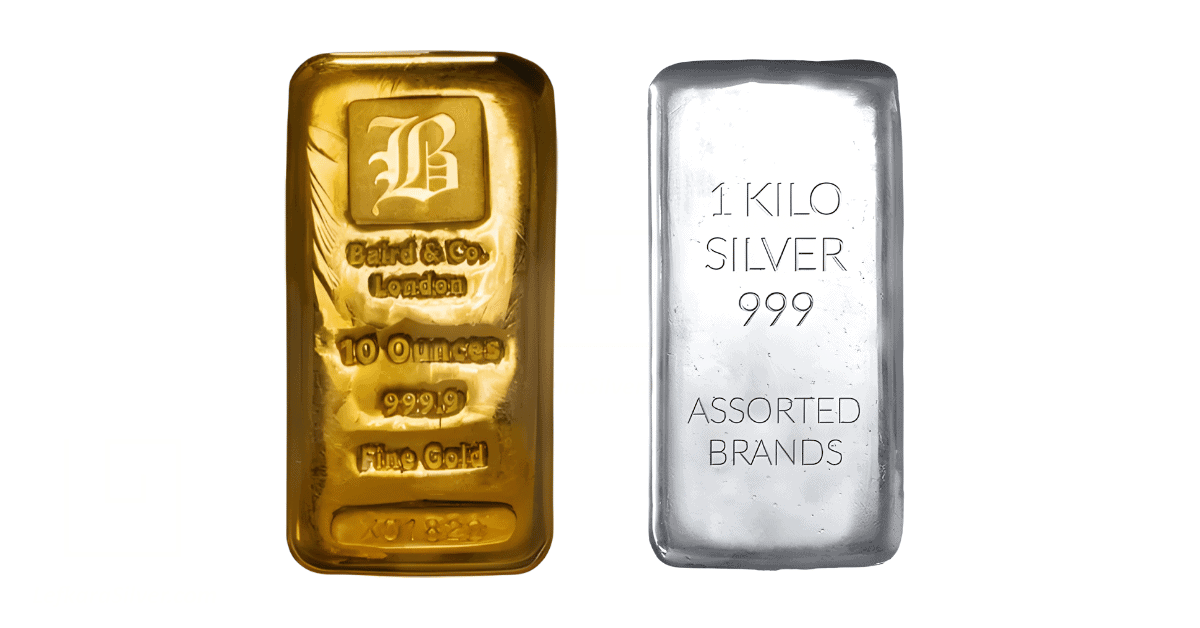
We have looked at the specific traits of the big four—gold, silver, platinum, and palladium—but picking a winner for your portfolio depends on what you actually want your money to do. If you want a metal that acts as a “safe haven” to protect your wealth when the stock market takes a nosedive, gold remains the undisputed king. Gold has maintained its purchasing power for thousands of years, effectively acting as insurance against inflation and currency devaluation. It is less volatile than its counterparts, meaning you won’t see the wild price swings that can happen with silver or palladium. Central banks around the world know this, which is why they have been buying gold at record rates over the last few years to diversify their own reserves away from the U.S. dollar.
However, if you have a higher tolerance for risk and want to chase bigger returns in 2026, silver is arguably the best buy. Silver is much cheaper per ounce than gold, which makes it accessible to everyone, but it also has a dual personality. It acts as a monetary metal like gold, but roughly 50% of all silver demand comes from industrial applications. The green energy transition is a massive driver here; silver is a critical component in solar photovoltaic (PV) panels and electric vehicles. As the world moves toward renewable energy, the industrial hunger for silver is outpacing supply. Global silver demand has outstripped supply for three consecutive years, creating a physical deficit that could push prices significantly higher when manufacturing output is strong.
For the contrarian investor looking for a value play, platinum is the dark horse for 2026. While gold hits all-time highs, platinum is currently trading well below its previous records and is historically cheap compared to gold. South Africa produces about 70% of the world’s platinum, and ongoing power supply issues there have severely restricted mining output. At the same time, demand is rising because platinum is replacing the more expensive palladium in automotive catalytic converters. If you believe in the future of the hydrogen economy, platinum is also the key catalyst used in hydrogen fuel cells. While it carries more risk than gold, the supply-demand imbalance suggests platinum has substantial room to run.
Top Precious Metals Investment Companies
Finding a trustworthy place to buy precious metals is just as important as picking the right metal. You need a dealer or company that offers transparency, fair pricing (low premiums over the spot price), and secure storage options if you do not want to keep bullion in your house. For those looking for absolute security and history, The Royal Mint stands out as a premier option. Owned by the UK government, they have over 1,100 years of experience. They allow investors to buy physical gold, silver, and platinum coins and bars. A major perk is their “The Vault” service, where you can buy allocated metals that they store for you within their highly secure gates, saving you the headache of buying a home safe or worrying about theft.
For investors who prefer the ease of trading stocks but want the safety of physical metal, Sprott is a top-tier choice. unlike standard ETFs that might just trade paper contracts, Sprott’s physical trusts (like the Sprott Physical Gold Trust or Silver Trust) are fully allocated. This means the shares you buy are backed by actual metal sitting in a vault, not financial derivatives. Sprott holds billions in assets, and their funds are a favorite for serious investors because they offer the option to redeem your shares for physical metal if you meet their minimum requirements. This bridges the gap between the convenience of the stock market and the security of holding a physical asset.
If you are looking to use your retirement savings to invest, you should look at reputable Gold IRA companies like Augusta Precious Metals or Goldco. These companies specialize in helping US investors move funds from existing retirement accounts (like a 401 (k)) into a self-directed IRA backed by physical gold and silver. They are consistently rated high for customer education and transparency regarding fees. When dealing with IRAs, it is vital to avoid companies that use high-pressure sales tactics or hide their spread costs.
The Best Dealers to Buy Precious Metals From Online

Every investment journey starts with that first transaction. When you decide to trade your hard-earned cash for gold or silver, you are essentially trusting a stranger to send you a high-value asset through the mail. Trust and reputation are everything here. You want a dealer that ships discreetly, insures the package, and charges a premium that doesn’t make your eyes water. Based on track records, customer service, and transparency in 2026, here are a few of the heavy hitters where you can shop with confidence.
- JM Bullion: This dealer is a favorite for a reason. Their site is incredibly easy to use, and they are upfront about availability. If they say it is in stock, it ships fast. They are known for having a robust selection of coins and bars without hidden fees at checkout. They frequently offer “spot price” deals for new customers, which is a fantastic way to start your stack without paying the usual premiums.
- APMEX (American Precious Metals Exchange): Think of APMEX as the massive department store of precious metals. If you want a specific, obscure coin from the 1800s or a standard 1-ounce gold eagle, they likely have it. Because they are so big, their premiums can sometimes be slightly higher than the budget guys, but you are paying for reliability and an inventory that is practically unmatched.
- SD Bullion: If your main goal is getting the most metal for your money, this is often the place to look. They built their reputation on offering the “lowest prices, period.” They regularly undercut the competition on standard bullion products like silver buffalo rounds or gold bars. It’s a no-frills experience focused on value.
- The Royal Mint: For those in Europe or anyone who values government backing, The Royal Mint is the gold standard—literally. Buying directly from the mint ensures authenticity. For UK investors, many of their coins are exempt from Capital Gains Tax, which can save you a massive headache (and a lot of money) down the road.
- BullionVault: Not everyone wants to bury gold in the backyard. BullionVault is excellent if you want to own physical gold but have it stored in professional vaults in Zurich, London, or New York. You technically own the specific bars, but you don’t have to worry about buying a safe or insuring delivery. It is great for trading in and out of positions quickly.
Should You Invest in Precious Metals? Pros and Cons
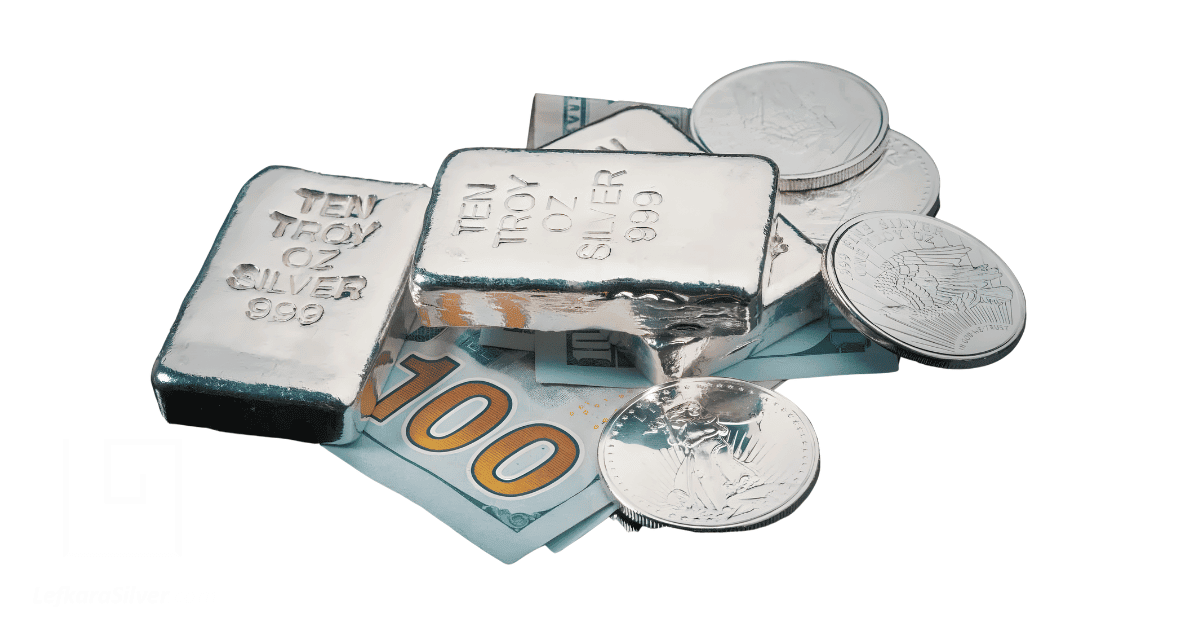
It is easy to get swept up in the excitement of holding a heavy gold bar or a shiny stack of silver coins. There is something primal about it that digital numbers on a screen just can’t match. But investing in precious metals isn’t a magic bullet for wealth. It is a tool, and like any tool, it works best when you know what it can and cannot do. It protects wealth brilliantly, but it won’t pay you a monthly salary. Before you move a chunk of your savings into metals, you need to weigh the very real benefits against the frustrating downsides.
The Benefits
- Inflation Hedge: This is the big one. When the cost of living rises and the purchasing power of paper currency melts away, gold and silver tend to hold their ground. An ounce of gold buys roughly the same amount of goods today as it did 50 years ago, whereas a dollar bill from 50 years ago buys significantly less.
- Tangible Ownership: You own it. You hold it. There is no counterparty risk. If the internet goes down or a bank faces a crisis, your physical metal is still sitting in your safe. It is one of the few financial assets that is not someone else’s liability.
- Portfolio Diversification: Metals often march to a different beat than the stock market. When stocks take a nose dive due to economic fear, gold often shoots up. Adding metals can smooth out the rollercoaster ride of a standard investment portfolio.
- High Liquidity: You can take a gold coin to almost any country in the world and convert it into local currency within an hour. It is recognized globally as money.
- Privacy: In many jurisdictions, buying physical metal (below certain dollar thresholds) can be done privately with cash, keeping a portion of your wealth off the digital grid.
- Accessibility: You don’t need thousands of dollars to start. You can buy fractional gold coins or start with silver, which is much more affordable for beginners.
The Downsides
- No Passive Income: This is the biggest knock on metals. A rental property pays you rent; a stock pays you dividends; a bond pays you interest. Gold just sits there. It relies entirely on price appreciation to make you money.
- Storage and Insurance Costs: If you hold it yourself, you need a good safe. If you have a lot, you need to pay for insurance or a safety deposit box. These costs eat into your returns year after year.
- The “Spread”: When you buy physical metal, you pay a “premium” above the spot price to cover manufacturing and dealer profit. When you sell, you often get the spot price (or slightly less). You start your investment in the hole, needing the price to rise just to break even.
- Volatility: While gold is relatively stable, silver and platinum can be wild. They have industrial uses, so if the economy slows down, demand for these metals drops, and the price can tank quickly.
- Tax Rates: In the U.S. and some other places, precious metals are considered “collectibles.” This means if you sell them for a profit, you might get hit with a higher capital gains tax rate than you would with stocks or real estate.
- Theft Risk: You can’t hack a gold bar, but you can steal it. Having valuable metals in your home requires you to be smart about security and secrecy.
When is the Right Time to Invest in Precious Metals?
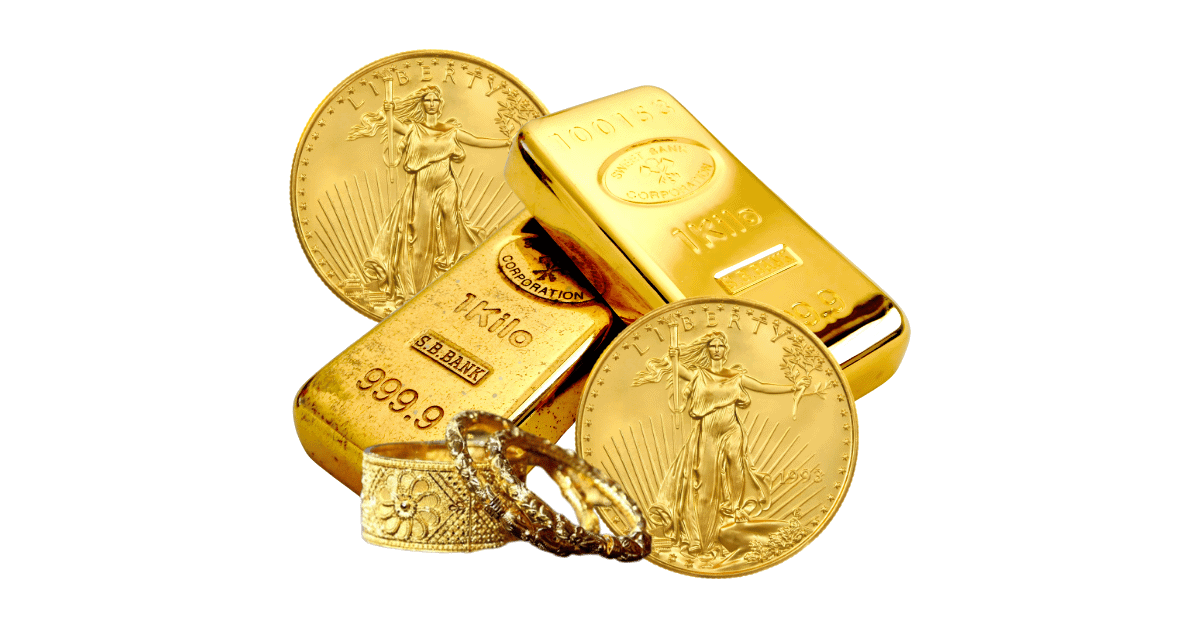
Timing the market is notoriously difficult, even for the pros on Wall Street, but history gives us a few reliable clues if you pay attention to the calendar and global events. Generally speaking, precious metals don’t follow a straight line, and knowing the seasonal behaviors of each metal can save you a significant amount of cash on premiums. For Gold, the sweet spot for buying often lands in early January or late summer. This is largely driven by physical demand in Asian markets; prices tend to rally around the Chinese Lunar New Year in January or February and spike again in autumn due to the Indian wedding season and Diwali festival.
Silver is a bit more temperamental, often earning its reputation as “gold on steroids” because it swings much harder in both directions. The best time to buy silver is usually during periods of general market calm or specifically in June, a month that historically shows weaker price action for the white metal before it drafts off gold’s autumn rally. Since silver is heavily tied to industrial output, you want to pick it up when manufacturing numbers are soft, but before a full-blown economic recovery kicks into high gear.
If you are looking at Platinum and Palladium, you have to throw out the jewelry calendar and look at the car lot. These metals are critical for catalytic converters, so the right time to invest is when the automotive industry is bottoming out but showing signs of life. Palladium is notoriously volatile and reacts sharply to supply chain hiccups, meaning the best entry point is often during a price dip caused by temporary production news, rather than seasonal holidays. Platinum prices are also sensitive to supply constraints from South Africa, so buying during labor strikes or production halts in that region can be a smart play if you have the stomach for risk.
Economic cycles play a massive role here as well, regardless of the month. The ideal macro-environment for buying precious metals is when real interest rates are low or negative. When traditional savings accounts pay you peanuts compared to inflation, the opportunity cost of holding a non-yielding asset like gold drops to zero, driving prices up.
Things to Consider When Investing in Precious Metals
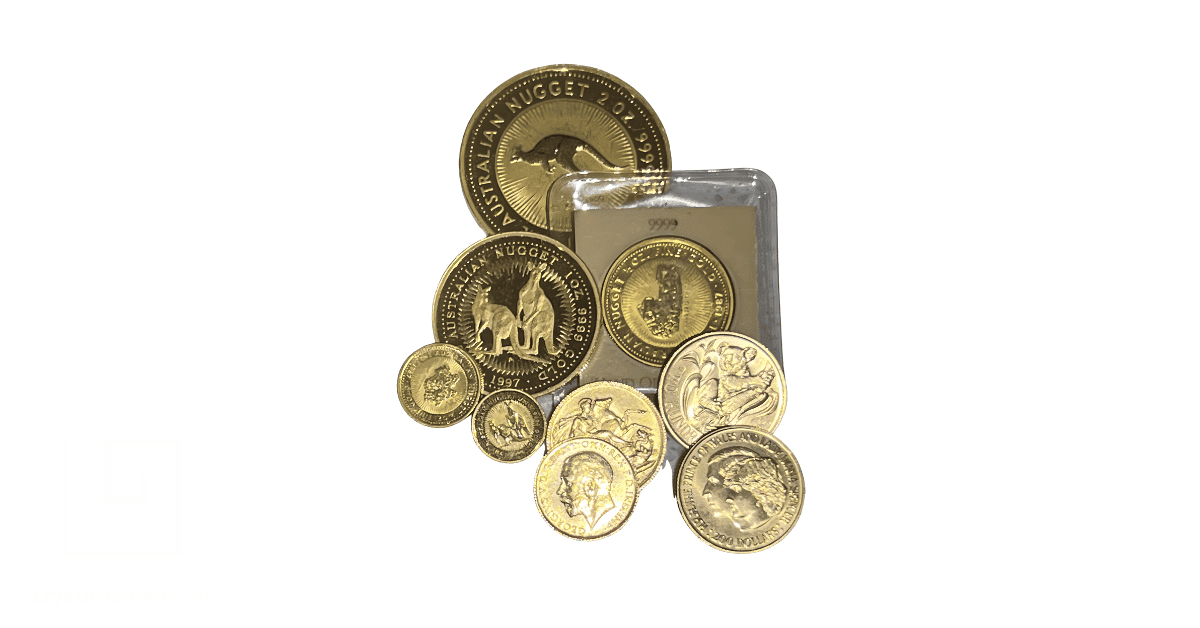
Before you trade your cash for coins or bars, you need to pause and realize that buying metal is not the same as buying a stock; it comes with physical logistical headaches and unique financial quirks that can eat into your profits if you aren’t careful.
Here is a breakdown of the traps and factors you need to watch out for to keep your investment safe.
- Do not assume all metals behave like gold. While gold is the steady grandfather of the group, Silver prices can be two to three times more volatile on any given day. Platinum and Palladium are even more erratic because they rely on industrial demand; if the economy slows down, their value can plummet much faster than gold.
- You will never pay the “spot price” you see on the news. You always pay the spot price plus a premium, which covers minting and dealer profits. Premiums on silver can be significantly higher percentage-wise than gold, sometimes exceeding 10% or 15% over spot for government-minted coins. You need to account for this cost immediately because the price has to rise by that amount just for you to break even.
- Unless you are buying a gold or silver ETF, owning physical metal means you are responsible for it. You can pay for a safety deposit box, install a high-end home safe, or pay storage fees at a depository. These costs are ongoing and reduce your net return year after year.
- Not all metal is easy to sell. A one-ounce Gold Eagle coin is recognized worldwide and can be sold for cash almost instantly at a coin shop. However, a 100-ounce silver bar or an obscure platinum ingot might take longer to unload, or you might have to accept a lower price to find a buyer quickly.
- Precious metals do not pay dividends, interest, or rent. You only make money if the price goes up. In a high-interest-rate environment, holding a metal that pays you nothing can feel like a wasted opportunity compared to bonds or dividend stocks.
- The taxman watches metal sales closely. In many jurisdictions, including the U.S., profits from selling physical gold and silver are taxed as collectibles, which often carries a higher maximum tax rate (up to 28%) compared to the standard long-term capital gains rate applied to stocks.
- While gold is mostly money and jewelry, the other metals are factory components. Over 50% of silver demand and the vast majority of platinum group metals go to industry. If technological shifts occur—like electric vehicles replacing gas cars (reducing the need for catalytic converters)—the long-term demand for platinum and palladium could take a serious hit.
The Tax Rates of Precious Metals Investments
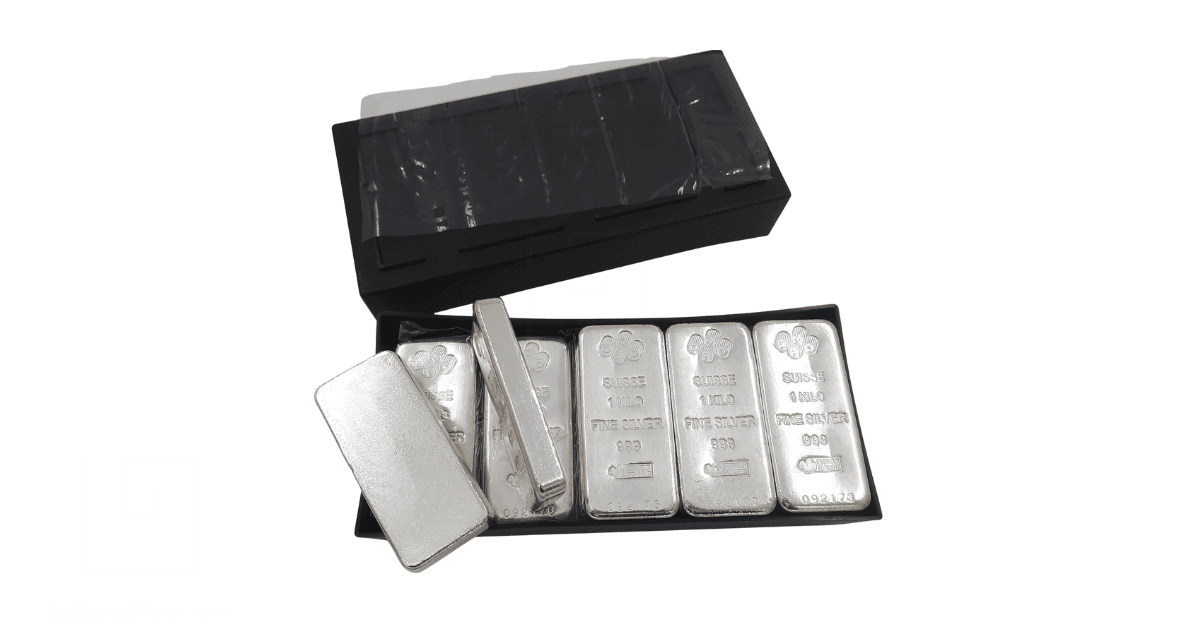
Taxes are the uninvited guest at every investment party, and precious metals are no exception. The government views your shiny bars and coins differently than they view your stocks or savings account. To them, a gold bar isn’t just a financial instrument; it often falls into the same category as art, antiques, or a vintage stamp collection. This classification matters because it changes how much profit you actually keep in your pocket when you decide to sell. If you make a profit, the taxman wants a piece of the action, and the specific rate depends heavily on where you live and exactly what you bought.
In the United States, the Internal Revenue Service (IRS) classifies gold, silver, platinum, and palladium as “collectibles.” This is a massive distinction from standard financial assets. If you hold your metal for more than one year and sell it for a profit, you do not pay the standard long-term capital gains rate of 15% or 20% that applies to stocks. Instead, you face a maximum tax rate of 28%. This higher rate applies to physical holdings like coins and bars, and often to Exchange-Traded Funds (ETFs) that are backed by physical metal, such as the SPDR Gold Shares (GLD) or iShares Silver Trust (SLV). If you sell in less than a year, the profits count as ordinary income, which means they are taxed at your regular marginal tax rate, potentially reaching 37% for high earners.
Across the pond in the United Kingdom, the rules shift significantly based on the specific coin you hold. Investment gold is generally exempt from Value Added Tax (VAT), which is a huge win for buyers. However, silver, platinum, and palladium typically get hit with a 20% VAT charge upon purchase, which instantly puts you in a hole; the price needs to rise by 20% just for you to break even. When it comes to selling, you have to worry about Capital Gains Tax (CGT). But here is the loophole: gold and silver coins that are considered legal tender in the UK, such as the Gold Britannia or the Gold Sovereign, are completely exempt from CGT. You can make unlimited profit on these specific coins without owing a penny in capital gains tax because they technically count as currency.
For investors in the European Union, the situation mirrors the UK regarding VAT. Investment gold is largely VAT-free across EU member states. However, silver bars usually attract the full VAT rate of the specific country, which can range from roughly 19% to 21%. Some investors try to get around this by buying “margin scheme” goods or buying silver that is stored in a bonded warehouse (freeport) where VAT does not apply until you take physical delivery. It is vital to check the specific rules for your jurisdiction, as tax laws change. For instance, funds that hold metals in a trust structure might offer different tax treatments compared to holding the metal in your hand, sometimes allowing for the standard capital gains rates rather than the higher collectibles rate.
Invest in Precious Metals: Concluding Thoughts
We have covered a lot of ground in this guide. We looked at the key statistics defining the market in October 2026 and broke down 10 ways to invest in precious metals for dummies, ensuring you know the difference between buying a physical bar and a paper contract. We analyzed the different types of precious metals—gold, silver, platinum, and palladium—and their unique industrial and monetary features.
We also argued over which is the best precious metal to invest in based on your risk tolerance, and listed the top precious metals investment companies and the best dealers to buy from online. Whether you are looking to hedge against inflation or just like the idea of owning a tangible asset, knowing these details is what separates a smart investor from a lucky one.
To wrap things up, here are some of the most interesting facts and figures regarding investing in precious metals that every investor should keep in mind:
- Gold is incredibly dense: All the gold ever mined in human history would fit into a single cube with sides measuring just 25 meters (approx. 82 feet).
- The 28% Tax Hit: In the US, physical gold and silver are taxed as “collectibles,” meaning the long-term capital gains tax rate is significantly higher than the rate for stocks.
- Silver’s Conductivity: Silver is the single most electrically and thermally conductive metal, making it indispensable for solar panels and electric vehicles.
- Platinum Deficits: Structural challenges in mining have projected a platinum supply deficit of 848,000 ounces in 2025.
- Strategic Allocation: As of September 2025, major financial institutions like Morgan Stanley have endorsed allocating up to 20% of a portfolio to gold as a core inflation hedge.
- Legal Tender Loophole: In the UK, coins like the Britannia and Sovereign are exempt from Capital Gains Tax because they are legal currency.
- Industrial Demand: Over 50% of global silver demand comes from industrial use, compared to only about 10-15% for gold.
Content last updated: October 2026.
Invest in Precious Metals: FAQs
Here are answers to some frequently asked questions about investing in precious metals:
Are Precious Metals a Good Investment?
They serve as excellent insurance against economic chaos rather than just standard growth assets. Historically, gold prices climbed by roughly 10,000% since the early 1970s, proving its incredible staying power during inflation. Many financial advisors recommend keeping 5% to 10% of your portfolio in metals to smooth out stock market bumps. It acts as a tangible safety net when paper currency loses purchasing power.
What Are The Disadvantages of Investing in Precious Metals?
Unlike stocks that pay dividends, a gold bar sits in a safe doing absolutely nothing to generate passive income. You also face the maximum 28% collectibles tax rate in the US on profits held over a year, which cuts into your returns. Physical ownership means dealing with theft risks or paying annual storage fees often exceeding 0.5% of the asset’s value.
What is the Best Precious Metal to Invest In?
Gold remains the heavyweight champion for stability, commanding a massive daily trading volume of over $130 billion globally. It offers the highest liquidity and lowest volatility among the group, making it the safest bet for most conservative portfolios. However, silver often outperforms during aggressive bull markets due to its dual role in heavy industry and investment demand.
Which Metal Brings Wealth?
While gold preserves existing riches, silver often builds new wealth through explosive price movements. Silver is significantly cheaper, currently trading around 86 times lower than gold, allowing small investors to accumulate massive physical quantities. If you want pure price tag shock, rhodium often trades far higher than gold, sometimes hitting $14,000 per ounce due to extreme scarcity.
Should I Buy Silver or Gold?
Gold suits the cautious investor wanting to sleep well, while silver fits those hungry for aggressive gains. Silver is much more volatile because over 50% of its supply feeds industrial needs like solar panels and electronics. A balanced approach often involves splitting capital, but remember that silver prices can swing two to three times harder than gold on any given day.
Which Metal is Best for Long-Term Investment?
Gold wins the marathon for preserving purchasing power over decades or even centuries. Research shows a Roman centurion’s salary in gold holds roughly the same value as a modern US Army captain’s pay, proving its inflation-fighting power. Since the US dropped the gold standard, the metal has averaged an annual return of over 7%, handily beating cash savings.
What Are The 4 Valuable Metals?
Gold, silver, platinum, and palladium form the core group of investment metals. While gold boasts a market cap over $13 trillion, silver serves vital industrial needs in electronics and energy. Platinum and palladium are significantly rarer, primarily driving the auto industry, with palladium often seeing supply deficits. Together, they offer a mix of stability and industrial growth potential.
Which Metal is Rarest?
Rhodium typically holds the title for rarity among traded metals, often trading at prices far higher than gold. Annual production is incredibly low, sitting at roughly 1 million ounces compared to gold’s massive output. This scarcity creates extreme volatility, making it a wild ride for investors. It is physically 100 times rarer than gold in the Earth’s crust.
Can Silver Hit $100 An Ounce?
Reaching triple digits means doubling the historical all-time high of nearly $50 seen in 1980 and 2011. With solar energy demand expected to devour 20% of annual silver supply by 2030, a supply crunch is possible. However, reaching $100 likely requires severe hyperinflation or a total breakdown of the dollar. It is a bold target, but not impossible.
How Much Gold Should a Beginner Buy?
Financial pros usually recommend keeping gold exposure between 5% and 10% of your total net worth. This amount acts as a safety net without dragging down growth from stocks. Beginners should start with widely recognized 1-ounce coins like American Eagles to keep premiums low. Never put your entire savings into a single basket.
Which Precious Metal is The Best Investment?
Gold is the safest bet for wealth preservation, offering lower volatility and high liquidity. Silver, however, is the speculative favorite, often moving 2 to 3 times more intensely than gold. If you want to sleep soundly, gold is the answer. If you want aggressive gains from industrial growth, silver takes the prize.
What is The King of All Metals?
Gold sits on the throne because central banks hold over 35,000 tonnes of it as a financial anchor. It carries zero counterparty risk and has served as money for 5,000 years. While other metals like rhodium are more expensive, gold’s $13 trillion market size makes it the ultimate standard for global value.