What You Should Know About Diamond Earrings
Diamonds on your outer ear are more than just a bit of light. A good pair works just as well with a casual hoodie as it does with a formal gown, so everyone can buy them. As of October 2026, the way people buy and wear these pieces has changed. This article gives you the most current facts to help you pick a pair that fits your life and your wallet.
We will look at several important topics to help you make a smart choice. We will cover the key statistics of diamond earrings as of October 2026 to show you the latest market shifts. You will find details on 6 reputable stores for diamond earrings of different designs, so you know where to get the best quality. We also look at the must-have diamond earrings styles for men and women, and settle the debate between the better of lab-grown vs. natural diamonds.
If you need help with your look, we have tips on how to style your diamond earrings and a list of factors to consider before buying diamond earrings. We also talk about choosing the right diamond earrings carat size, the average price of diamond earrings, and where to find the best diamond earrings on sales.
If you’re looking for something more unique than diamond earrings, check out our opal earrings collection here.
Key Statistics of Diamond Earrings as of October 2026
The diamond market is moving toward lab-grown stones and ethical sourcing faster than most people expected. Here are some more interesting facts and statistics of diamond earrings in 2026:
- Lab-grown diamonds now make up 42% of all diamond earring sales globally.
- The total value of the global earring market hit $84 billion this year.
- About 68% of all buyers still pick round brilliant cuts over any other shape for their studs.
- Sales of diamond earrings for men grew by 24% in the last twelve months.
- Most people spend an average of $1,450 when buying a pair of high-quality diamond studs.
- Online jewelry shops now take a 35% share of the total diamond jewelry market.
- Roughly 55% of shoppers say that a brand’s stance on the environment is their main reason for buying.
- Around 15% of new diamond earring designs in 2025 use recycled gold or platinum for the settings.
- Buyers are moving away from traditional sizes, with a 30% rise in sales for stones under 0.50 carats used in multi-piercing “ear stacks.”
- The resale value for high-quality natural diamond earrings has stayed steady at 60% of the original retail price.
6 Reputable Stores for Diamond Earrings of Different Designs
It is essential to check whether a jewelry shop is legitimate and trustworthy before you spend money on diamonds. You want to know that the stones are exactly what the seller says they are, especially when it comes to grade and origin. Our team reviewed many shops to assess their backgrounds, prices, and customer reviews. We found that these six options are solid choices for your next pair of earrings. They offer a mix of high-quality stones, fair prices, and great service.
1. Hing Wa Lee Jewelers
This shop has physical stores in San Gabriel and Walnut. They focus on high-end pieces and have a wide range of designs, from basic studs to bold hoops. Their team helps you learn about cuts and sizes so you know what you are getting. You can book a time to talk to an expert for help, which makes the process easy if you are new to buying diamonds.
They offer curated collections that fit both classic tastes and modern looks. Because they have physical locations, you can see the stones in person to check their sparkle. Their focus on education helps you make a choice that fits your budget and style without any pressure.
2. Keyzar
This brand sells online and focuses on lab-grown diamonds that are easy on the planet. They give you many ways to make your earrings look exactly how you want. You can pick from nine different diamond shapes, like round or pear, and choose your metal color. Choosing lab-grown diamonds can save you between 20% and 40% compared to mined stones of the same size.
They use 14K and 18K gold to make sure the settings last for a long time. Their site is easy to use, and they show clear pictures of their work. If you want a specific diamond cut or a certain carat weight, they have plenty of options that you can change with a few clicks.
3. VRAI
If you care about how your jewelry is made, this online store is a great pick. They grow their diamonds in a foundry that uses zero emissions, which is a big deal for sustainability. They use recycled gold for their settings to help the environment even more. VRAI is unique because they are Carbon Neutral Certified, meaning their diamonds have no carbon footprint.
Their prices range from a few hundred dollars for simple studs to over thirty thousand for large, diamond-heavy hoops. They offer many shapes that you won’t find in every store, like the trillion or baguette cut. Because they grow their own diamonds, they keep the quality high and the prices fair.
4. DiamondsByUK
This store provides IGI-certified diamonds that are grown in labs and are 100% conflict-free. They offer a special service where you can create a one-of-a-kind pair of earrings from scratch. Their team can usually finish a custom design in just one to two weeks, which is much faster than many other jewelry shops.
They focus on the 4Cs—cut, color, clarity, and carat—to make sure every stone is top-tier. If you are finding your ideal pair, their experts will help you pick a setting that keeps the stone safe. They have a reputation for being honest about their prices and the quality of their stones.
5. Davis Jewelers
They have both a physical store and a large online site. They spend time helping buyers understand how to pick stones that look good on their specific face shape. They offer everything from small huggie hoops for work to large drops for big events. Their team specializes in helping you find a gift that matches the person’s personality.
They carry both natural and lab-grown stones, giving you a choice based on your values. A well-cut diamond can look much larger than a poorly cut stone of the same weight, and their team helps you find those high-performing cuts. They also offer advice on which metals, like platinum or yellow gold, work best for your skin tone.
6. Angara
Angara is an online shop that offers a huge selection of stones. They categorize their earrings by how they fit different face shapes, like round or heart-shaped. In 2026, many experts think that oval and pear-shaped drops will be the top choices for fashion lovers. They also offer colored diamond accents, like pink or yellow, for people who want something different from white stones.
They provide a clear guide on how to pick the right size for your earlobes so the earrings don’t look too big or too small. Their prices are competitive, and they offer frequent deals to help you save money. They make it easy to see exactly what you are buying with high-resolution videos of the earrings in motion.
The Must-Have Diamond Earrings Styles for Men and Women
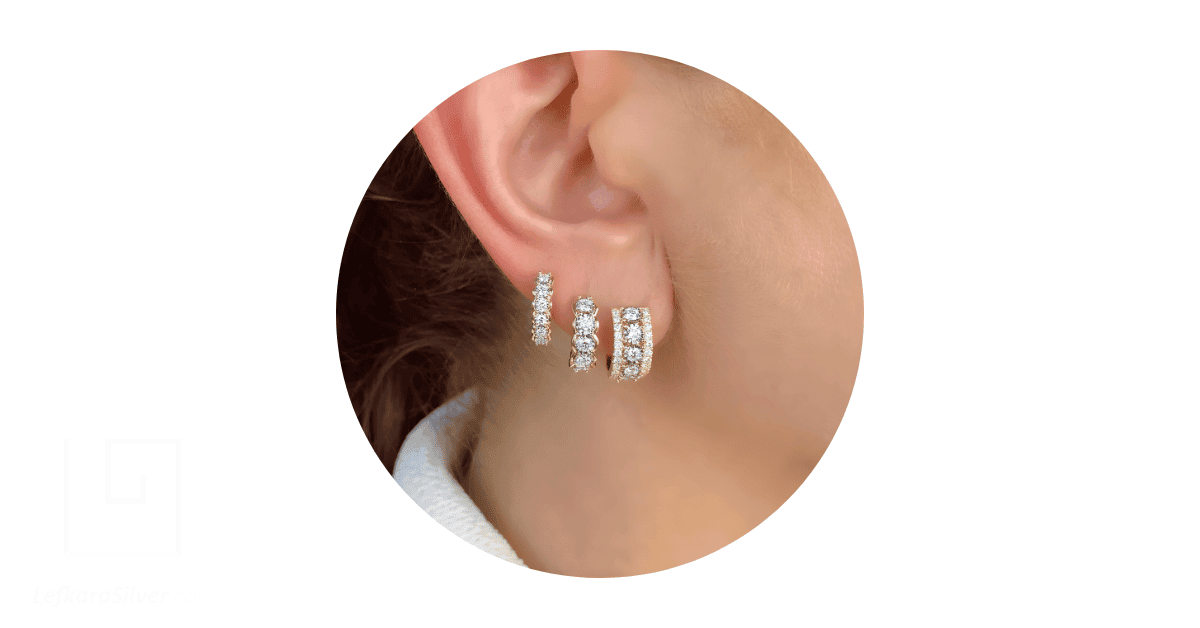
Diamond earrings come in many forms, each designed to suit a specific look or need, from work meetings to late-night parties. For men, women, and gender neutral pieces.
Must-Have Diamond Earrings for Men
Men are wearing diamonds more than ever in 2026. It used to be just for special stars, but now it is common for any guy who likes a clean, sharp look. Recent market data show that lab-grown diamonds now account for about 20% of the total diamond market, and men are a big part of that growth. Men usually look for designs that are sturdy and not too fussy.
Solitaire studs are the top choice for guys because they are simple and strong. A round or princess cut stone in a four-prong setting is a classic that never goes out of style. Bold hoops are also becoming a staple, with small, thick designs that have diamonds along the edge. Black diamond studs are a great choice for a modern feel that isn’t as flashy as white stones. For those who want a bigger look without a massive price tag, cluster earrings use several small stones to create a large, bright surface.
Must-Have Diamond Earrings for Women
Women love these earrings because they work with any outfit, and they make a great gift for any occasion. A pair of diamonds is a simple way to feel dressed up, even if you are just wearing a t-shirt.
Every woman needs a pair of classic solitaire studs. Round diamonds are like the little black dress of jewelry—they fit almost any look and never go out of style. Huggies are another must-have; these are small hoops that sit tight against the ear and are comfortable enough to wear all day. For events that need more drama, drop earrings add length and movement. Elongated shapes like pear and marquise help round faces look thinner and more defined.
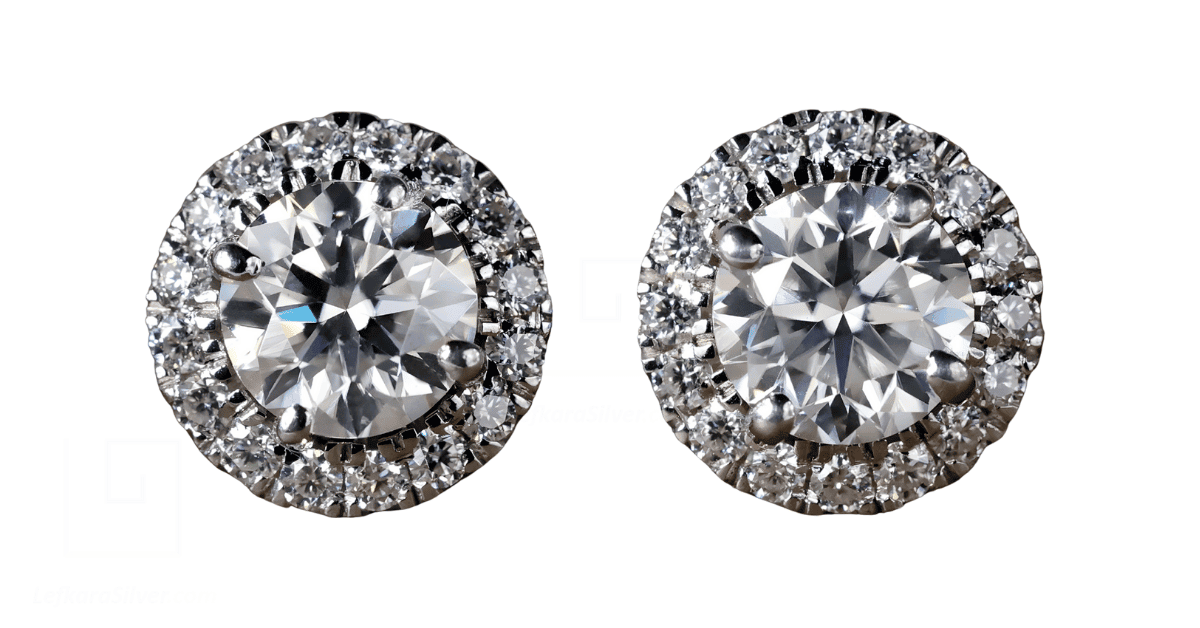
Halo studs are perfect if you want a big look on a budget, as they feature tiny stones around a center diamond to make it look larger. Ear climbers are a cool choice for 2026, as they follow the curve of the ear for a bold, sculptural look. Finally, bezel studs are great for active women because the metal wraps all the way around the stone, keeping it very secure so it won’t fall out during exercise or busy days.
Lab-Grown vs. Natural Diamond Earrings – Which is Better?
Natural diamonds formed billions of years ago deep in the earth under extreme heat and pressure. Lab-grown diamonds are made in specialized settings using tech that mimics those exact conditions. Both are real diamonds and look identical to the naked eye because they share the same chemical structure. Even expert jewelers often need advanced machines to tell them apart.
| Feature | Natural Diamonds | Lab-Grown Diamonds |
|---|---|---|
| Origin | Mined from the earth over billions of years. | Made in a lab in a few weeks. |
| Price | High due to rarity and mining costs. | Up to 80% more affordable than natural stones. |
| Resale Value | Tends to hold value well over time. | Generally has little to no resale value. |
Deciding between the two depends on what you value most for your jewelry box. If you want a bigger stone for a smaller price tag, lab-grown is the clear winner. You can buy a 2-carat lab-grown diamond for roughly the same price as a 0.50-carat natural diamond. This makes them a great pick for daily wear or when you want a heavy look without the massive bill.
Natural diamonds are better if you view your jewelry as an investment or a rare piece of history. Because natural diamonds are finite resources, they maintain a market value that lab-made stones simply can’t match. If you are buying a gift that you want to pass down through several generations, the rarity of a natural stone adds a layer of sentiment that feels special to many people.
How to Style Your Diamond Earrings?
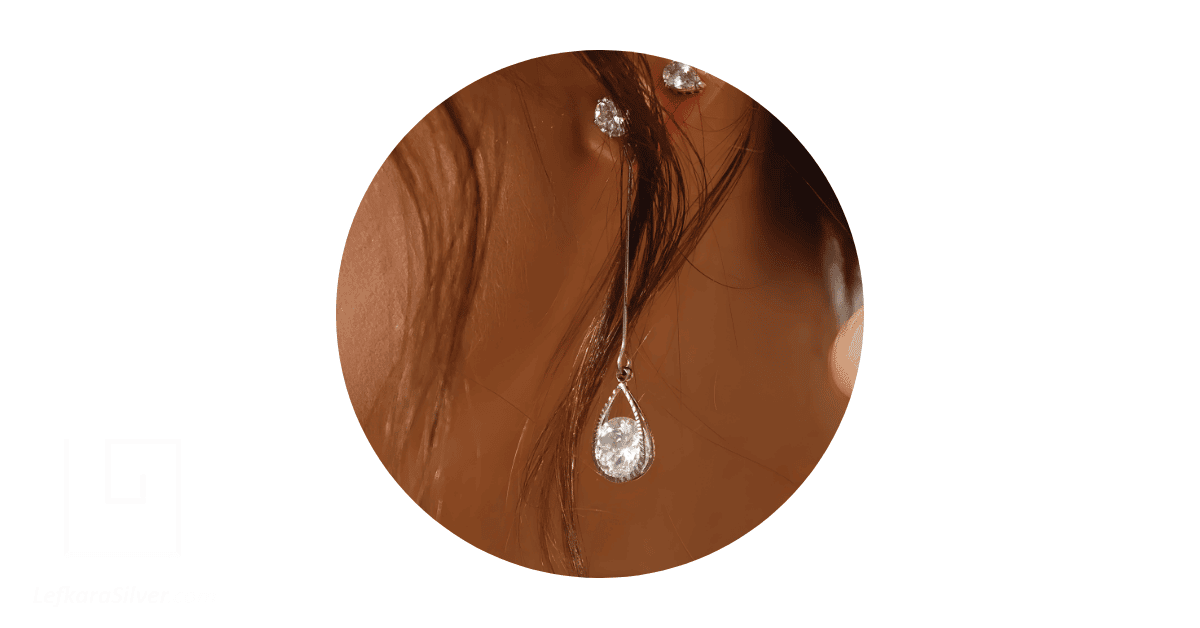
Styling is the secret that makes your jewelry work for you. It’s not just about putting on a pair of studs and heading out the door; it’s about making sure your diamond earring styles match the vibe of your outfit and the shape of your face. The right pair can tie your whole look together, while the wrong pair can feel out of place or even distracting.
For a casual day out, like grabbing coffee or running errands, simple studs are your best friend. Round brilliant studs are the most popular choice, accounting for a large share of all diamond earring sales. They look great with a plain white t-shirt and jeans because they add a spark without looking like you’re trying too hard. If you have multiple piercings, try stacking studs in different sizes to create a layered look that feels current and fun.
In the office, you want to look professional but polished. Small hoops or “huggies” that sit close to the lobe are perfect because they don’t get caught in your hair or headset. For those with a round face, opting for longer drop earrings can help make the face look thinner.
If you have a square or angular face, round hoops or studs can help soften those sharp lines.
When you’re heading to a formal event like a wedding or a gala, it’s time to bring out the drama. Drop earrings or large “inside-out” hoops—where diamonds are set on both the front and inner back of the hoop—catch the light from every angle.
Most experts suggest that for evening wear, you can comfortably go up to 2 carats total weight or more to ensure your hair doesn’t hide your earrings. Just remember to keep your other jewelry simple if your earrings are making a big statement, so you don’t look cluttered.
Factors to Consider Before Buying Diamond Earrings
Spending time on research helps you get the most out of your money while ensuring you do not pay for quality traits that are invisible to the eye. You want to walk into a store or shop online with a clear idea of what makes a stone look good on your ear versus what simply looks good on a lab report.
These are some of the things you must consider before making a purchase in 2026:
- Cut Quality: This is the most vital part of the stone because it controls how the diamond reflects light and how much it sparkles. A stone with an excellent cut can look up to 30% brighter than a stone with a poor cut, even if they weigh exactly the same.
- Color Grade: Since earrings sit on either side of your head, they do not get the same close-up look as a ring. Most shoppers find that diamonds in the G to J color range look completely white once set in metal, saving you a large amount of cash.
- Clarity Rating: You can often pick a stone with lower clarity because small marks inside are hard to see from a distance. Buying an ‘eye-clean’ diamond means you pay less for a stone that looks perfect to anyone standing at a normal distance.
- Metal Choice: The metal holds your stones in place and affects how the diamond color is seen by the eye. Platinum is a top pick for people with sensitive skin because it is hypoallergenic and does not contain the nickel found in some white gold alloys.
- Security of Backings: You need to check how the earrings stay on so you do not lose your investment during a busy day. Screw backs and locking backs provide much better security than standard push-back friction posts, especially for larger stones.
- Diamond Origin: Deciding between stones grown in a lab or those pulled from the ground affects the price and your personal values. Lab-grown diamonds are chemically identical to mined ones but often cost 80% less, letting you buy a much larger stone for the same price.
Choosing the Right Diamond Earrings Carat Size
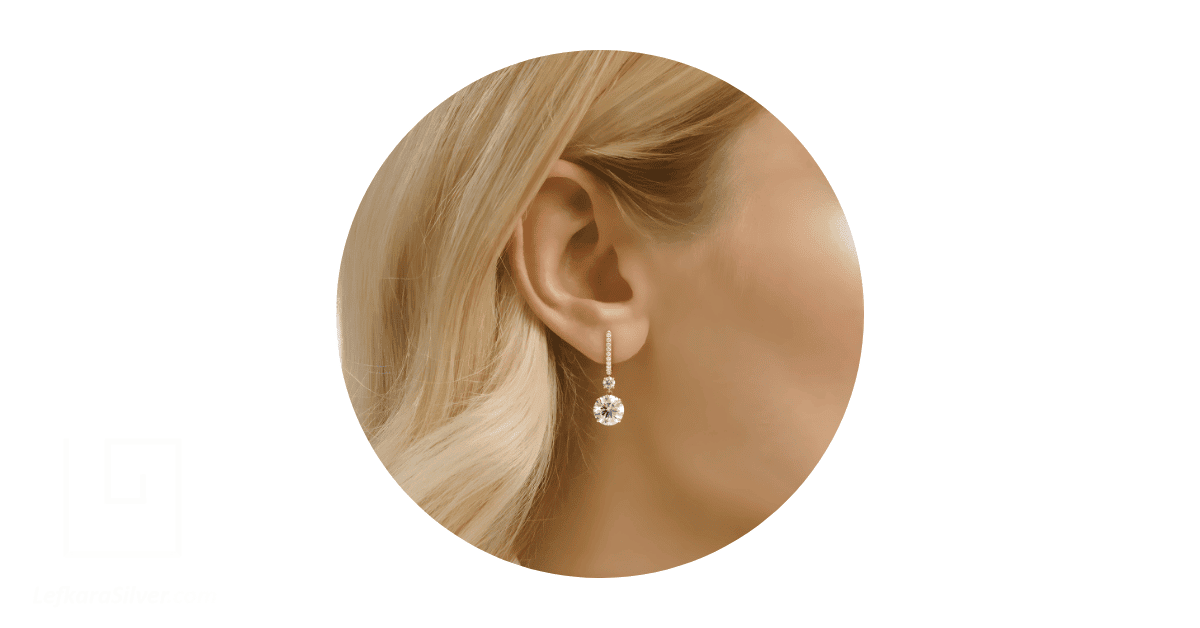
Carat refers to the weight of a diamond, not its physical size, which is a common point of confusion for many buyers. In the world of earrings, most stores list the “carat total weight” (CTW), which is the combined weight of the diamonds in both ears. If you see a pair of studs listed at 1.00 CTW, it means each ear gets a 0.50-carat stone. This distinction is key to making sure you do not end up with rocks that are half the size you expected when you open the box.
The visual size of a diamond also changes based on its cut and shape. A round 1-carat diamond is roughly 6.5mm across, while a 0.50-carat stone is about 5mm. Some shapes, like ovals or emerald cuts, can look larger than round ones of the same weight because they have a bigger surface area. Data shows that stones under 0.50 CTW are often chosen for second piercings, while 1.00 CTW to 1.50 CTW are for a main pair of daily studs.
To find the best fit, start by considering your lobe size and face shape. If you have smaller features or petite earlobes, a very large stone might look heavy or sit uncomfortably. On the other hand, people with long hair or larger features often find that stones under 1.00 CTW disappear against their hair. A good rule of thumb is to look at your ear in the mirror and imagine a stone that covers about one-third of your lobe for a classic look.
I would also like to let you know where you plan to go while wearing them. Small studs are great for the office or a workout because they stay out of the way and do not snag on clothes. For significant events like weddings or galas, many people choose sizes over 2.00 CTW to make a clear statement. If you want the look of a big stone without the high price, choose a halo setting that surrounds a smaller center diamond with tiny rocks, making the whole piece look much broader.
What is the Average Price of Diamond Earrings?
Diamond earring prices shift quite a bit based on a few core details that change how much you pay at the register.
The biggest price mover right now is the stone’s origin. Lab-grown diamonds typically cost 30% to 50% less than natural diamonds of the same quality, and in some cases, the price gap is even wider. Another thing that often trips people up is “total carat weight” or CTW. If a jewelry tag says 2.00 CTW, it means the pair totals two carats, which means each individual earring holds a 1.00-carat stone. This is a huge detail because one large stone costs significantly more than two smaller ones that add up to the same weight.
The metal you pick for the setting also changes the final bill. Platinum is the heavy hitter here because it is rare and lasts a long time without changing color, but it costs much more than gold. The standard “Four Cs”—cut, color, clarity, and carat—still run the show, especially the cut grade. A well-cut diamond reflects more light and can look larger than a poorly cut stone of the same carat weight, making it the smartest place to put your money.
The shape of the stone plays a role in the price too. Round diamonds are the most popular and often cost more because of the high demand and the amount of raw stone lost during the cutting process. On the other hand, shapes like oval or pear can offer a larger look for a lower price per carat. On average, you can expect to pay anywhere from $500 for a simple pair of lab-grown studs to over $5,000 for high-quality natural diamond sets, depending on how many boxes you check for quality and size.
Where to Find the Best Diamond Earrings on Promotion Sales?
You can get your hands on a great pair of diamonds without emptying your bank account if you time your purchase right. Jewelry stores frequently run seasonal sales, and you should use those windows to your advantage. The best times to find deep discounts are during Black Friday, Cyber Monday, and late January, when stores try to clear out stock after the winter holidays. During these windows, expect to see price drops between 20% and 50% on popular styles. If you miss the winter sales, late summer is another quiet time for jewelers when they are more likely to offer deals to keep people coming through the doors before the busy autumn season starts.
Online shops often give you a better price than physical boutiques because they have fewer overhead costs like rent and in-store staff. Many will give you a 10% to 15% discount just for signing up for their newsletter, which is an easy win for any shopper. When looking for the best deals on buying diamond earrings, keep an eye out for “anniversary sales” or “end-of-season clearance” events.
These events are often the only times you will find high-carat stones at a fraction of their usual cost. Some retailers drop prices by as much as 60% on discontinued designs or older settings to make room for new inventory. It is also smart to check for holiday-specific promotions around Mother’s Day or Valentine’s Day, but try to buy at least three weeks before the actual holiday to avoid the last-minute price spikes that happen when demand is at its peak.
How to Care for Your Diamond Earrings?
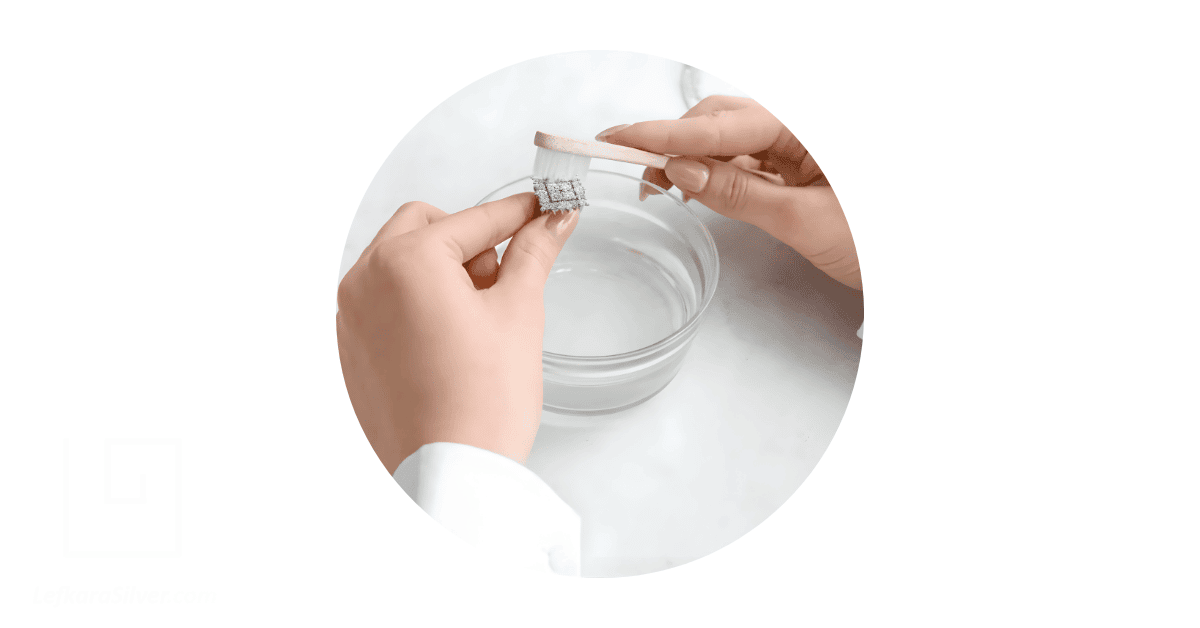
Diamond earrings need a consistent routine to stay in top shape, just like any other high-end jewelry you own. Keep them away from the gunk that builds up over time. Your skin has natural oils that stick to stones, making them look cloudy and flat. Cleaning your earrings once a week with warm water and a tiny bit of mild dish soap keeps that film from building up. Use a soft baby toothbrush to reach the back of the setting where lotion, hair products, and sweat hide. This simple habit keeps your jewelry looking clear without needing expensive gear.
Watch out for harsh chemicals that can do permanent damage. Items like hairspray, perfume, and even your shower soap leave a residue that blocks light from hitting the stone. Chlorine in swimming pools can eventually weaken the metal holding your diamonds in place, so always take them off before you go for a swim. It is also a smart move to put your earrings on last after you finish your morning routine to avoid getting beauty products on them.
Store your pieces separately so they don’t get hurt. Even though diamonds are the hardest material on earth, they can scratch each other if they are tossed together in a pile. Using a fabric-lined box with separate slots prevents stones from rubbing against one another and leaving permanent marks. A quick check of the prongs every few months helps you catch any loose parts before a stone falls out and goes missing.
Diamond Earrings – Wrapping Up
We covered a lot of ground in this guide, from the latest market stats showing a 20% jump in lab-grown diamond sales as of October 2026 to styling tips for your next big event. We looked at 6 reputable stores like Hing Wa Lee, VRAI, and Angara, and found the must-have styles for both men and women.
We broke down the choice between lab-grown diamonds and natural ones, talked about the factors to consider before you buy, and how to pick the right carat size. You also learned about average prices, where to find the best sales, and how to keep your jewelry in great condition with regular care. This article was last updated in October 2026.
Always remember that:
- Diamonds are naturally lipophilic, meaning they attract grease and oils from your skin almost instantly.
- Lab-grown diamonds often cost 80% less than natural stones of the same quality and size.
- The Round Brilliant cut is the most popular choice, featuring 58 facets to help light bounce around.
- Platinum is a hypoallergenic metal, making it the safest choice for people with sensitive ears.
- Standard 1.00-carat total weight studs usually feature two 0.50-carat diamonds rather than one large stone.
- The oldest known earrings found by archaeologists are estimated to be roughly 8,500 years old.
Diamond Earrings FAQs
Here are answers to some frequently asked questions about real diamond earrings in 2026:
How to Identify a Real Diamond Earring?
Watch how the stone handles heat by breathing on it; real diamonds clear up in 1 to 2 seconds while fakes stay cloudy. You can also drop the stone in water to see if it sinks, as true diamonds have high density. Most authentic pairs are stamped with 14K, 18K, or 950 Plat.
Do Real Diamond Earrings Have Screw Backs?
Many high-end pairs use these for safety, but they aren’t a requirement for authenticity. Screw backs are common for stones over 1.00 carat to prevent loss. However, about 60% of daily studs use friction backs because they are easier. Check for a 14K or 18K stamp on the post regardless of the style.
How Much Should I Spend on Diamond Earrings?
Most shoppers spend between $500 and $2,000 for a solid pair of everyday studs. If you want lab-grown stones, you can get the same look for 30% to 50% less than mined versions. Aim to keep the cost under 10% of your annual jewelry budget for a smart purchase. High-quality 0.50 carat total weight sets offer great value.
How Much Do 1 Carat Diamond Earrings Cost?
A pair with 1.00 carat total weight usually runs between $1,500 and $4,000 for natural stones. Remember, this means each ear gets a 0.50 carat stone. If you buy lab-grown, that price drops to roughly $600 to $1,200. Prices jump quickly once you cross the I-color and VS2-clarity marks.
How Much is Kim Kardashian’s Diamond Earring?
The famous pair lost in the ocean during a 2011 trip to Bora Bora was worth $75,000. These were 7-carat total weight studs, though she luckily found them in the water. Today, a similar set of natural 3.5-carat stones per ear would sell for over $150,000.