Pearl Necklace – An Overview
The pearl necklace is a total classic. This accessory has gracefully pirouetted through centuries of style, and it’s trending in these modern times. Whether it’s a simple, elegant strand passed down through generations or a chunky, baroque piece layered with gold chains, the pearl necklace tells a story of sophistication and personal style. It’s a statement.
This guide is your deep dive into the luminous world of pearl necklaces, packed with the latest information as of October 2026. We’ll explore everything you need to know, from the key statistics of pearl necklaces in October 2026 to a rundown of reputable brands for delicate pearl necklaces. You’ll learn the difference between types of pearls and which one is best for your necklace.
We’ll also guide you in understanding the quality of your pearl necklaces, choosing the perfect size and length, and modern ways to style them for any occasion, including some cool pearl necklace layering ideas.
Key Statistics of Pearl Necklaces in October 2026
Driven by evolving fashion trends, a renewed focus on sustainability, and its adoption by a new generation of wearers, the pearl necklace is more relevant than ever. Here are some of the most compelling facts and figures of the pearl necklace market in 2026.
- The broader pearl jewelry market is experiencing rapid growth, with a projected Compound Annual Growth Rate (CAGR) between 11.3% and 13.8% for the period from 2025 to 2032, signaling strong and sustained consumer demand.
- Consumers are increasingly eco-conscious, a trend reflected in the fact that cultured pearls, produced through sustainable farming methods, account for over 90% of the pearl market.
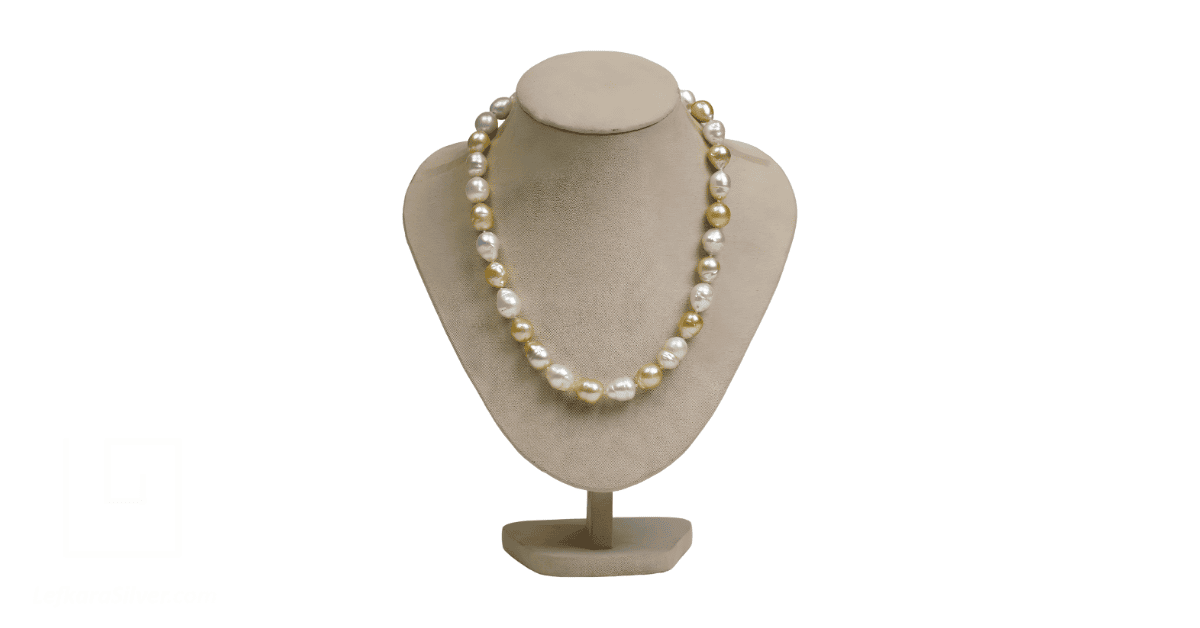
- Forget just simple strands. Key design trends for 2026 include a shift toward bolder, more artistic styles. Sculptural shapes using irregular baroque pearls, layering with mixed metals, and pops of color with lavender and golden pearls are dominating the fashion scene.
- The way we buy pearls is changing. E-commerce is the fastest-growing distribution channel for pearl jewelry, making it easier for consumers worldwide to access a diverse range of styles, from high-end luxury brands to niche online retailers.
- North America holds the largest share of the pearl jewelry market as of 2024, driven by high disposable incomes and a cultural affinity for luxury goods. The Asia-Pacific region, however, is the fastest-growing market, thanks to a deep-rooted cultural appreciation for pearls and rising luxury consumption.
If you are interested in other jewelry, you can learn about Silver Jewelry Facts here.
10 Reputable Brands for Fine Pearl Necklaces
When you want to purchase real pearl necklaces, you should be on the lookout for brands that have a rock-solid reputation for quality materials and sharp craftsmanship. The best online retailers not only offer stunning designs but also provide the expertise and transparency you need to make a confident purchase.
The following are brands that have been tested and trusted over the years:
1. Mikimoto
Mikimoto is the OG of cultured pearls, and its name is practically synonymous with luxury. Kokichi Mikimoto, the brand’s founder, is credited with creating the world’s first cultured pearls, which completely revolutionized the jewelry industry. This is the brand you turn to for heirloom-quality pieces, especially their flawless Akoya pearls, known for their brilliant luster and perfectly round shape.
Mikimoto also offers breathtaking South Sea, Tahitian, and Freshwater pearl jewelry. Their grading standards are incredibly strict, ensuring only the top 1% of any pearl harvest makes it into their collections. This level of perfection comes with a price, of course. A simple pair of Akoya studs might start around $300, but necklaces and more elaborate pieces can easily soar into the hundreds of thousands.
2. Tiffany & Co.
Tiffany & Co. has a storied history, dating back over 185 years, and its pearl collections live up to the legendary name. They specialize in timeless designs, primarily featuring high-quality Akoya and Freshwater pearls, often accented with diamonds and set in precious metals.
Like Mikimoto, Tiffany’s quality is top-notch, but you are also paying a premium for the brand prestige. While they offer a range of styles, their focus is on iconic, classic looks, single-strand earrings, stud earrings, and elegant bracelets. If you’re looking for an instantly recognizable signature design, Tiffany’s is a sure bet.
3. Tasaki
This Japanese brand, founded in 1954, is celebrated for its exceptional pearl quality and innovative, high-fashion designs. Tasaki is one of the few luxury brands that operates its own pearl farms, giving them unparalleled quality control over their Akoya and South Sea pearls.
What truly sets Tasaki apart is their collaborations with cutting-edge designers, resulting in bold, sculptural pieces that challenge the traditional view of pearl jewelry. Their “Balance” collection is a prime example of their modern aesthetic. Be prepared for luxury pricing, as these are wearable works of art designed for the serious jewelry enthusiast.
4. Pure Pearls
Pure Pearls has carved out a niche as a specialist, focusing exclusively on cultured pearls and offering them at direct-to-consumer prices. This brand is for the buyer who wants heirloom-quality without the luxury-brand markup. The founder, Ashley McNamara, sources pearls directly from farms in Japan, French Polynesia, Australia, and China, cutting out the middlemen.
They offer a vast selection of all major pearl types, including Japanese Akoya, Tahitian, South Sea, and Freshwater pearls. Every piece is made to order in their Los Angeles workshop, allowing for a high degree of craftsmanship and personalization. Pure Pearls excels at providing detailed education for its customers, empowering them to make informed decisions based on quality and value. Prices are significantly lower than the big luxury houses, making it an excellent choice for both first-time buyers and seasoned collectors.
5. Pearls of Joy
Similar to Pure Pearls, Pearls of Joy is an online-specialist brand founded in 2002 that prioritizes quality and value by sourcing directly from pearl farms. This model allows them to offer high-grade pearls at competitive prices, appealing to a wide range of budgets. They’ve built a strong reputation over two decades, serving tens of thousands of customers.
Pearls of Joy offers a comprehensive selection, including Akoya, Hanadama, Tahitian, South Sea, and Freshwater pearls. Their CEO, Kevin Canning, is a recognized pearl expert, ensuring that the company’s grading is transparent and honest. With a 100-day return policy, they signal strong confidence in their product quality, making them a trustworthy choice for online shoppers.
6. Yoko London
If you’re looking for pearls that make a glamorous, red-carpet-worthy statement, Yoko London is your brand. Established in 1973, this family-run company specializes in sourcing rare, large, and uniquely colored pearls, from South Sea to Tahitian and vibrant Freshwater varieties. Their designs are bold and innovative, often featuring delicate, diamond-accented settings.
Yoko London is known for pushing the creative boundaries of pearl jewelry, creating pieces that are both fashion-forward and timeless. They work with some of the most reputable and sustainable pearl producers, ensuring both ethical sourcing and exceptional quality. Their pieces are for the statement buyer who isn’t afraid to stand out.
7. Jewelmer
Jewelmer is the undisputed master of the rare and luxurious golden South Sea pearl. This brand cultivates its pearls in the pristine waters of the Philippines, producing gems with an unmatched warm, golden glow. Jewelmer is not just a jewelry house but also the world’s largest producer of golden South Sea pearls, with a strong focus on environmental sustainability and community upliftment.
Their designs often pair these magnificent pearls with diamonds and precious gemstones, reflecting a blend of Filipino artistry and contemporary French design. Owning a Jewelmer piece is an investment in rarity and responsible luxury. Their prices are in the high-end luxury range, suitable for serious collectors.
8. Paspaley
When it comes to the finest white South Sea pearls, Paspaley is the most prestigious name in the industry. This Australian brand has been at the forefront of pearling for over 80 years, cultivating huge and lustrous pearls from the Pinctada maxima oyster. Their pearls are celebrated for their natural white and silver hues and impressive sizes.
Paspaley’s designs blend timeless sophistication with contemporary elegance, creating breathtaking high jewelry. As with other top-tier luxury brands, you can expect to pay a significant premium for the Paspaley name, which is synonymous with the pinnacle of South Sea pearl quality.
9. Assael
Assael is a luxury brand with a rich heritage, known for its connoisseur-level curation of exquisite South Sea and Tahitian pearls. The founder, Salvador Assael, was a key figure in introducing the world to both the luxurious South Sea pearl in the 1950s and the exotic Tahitian pearl in the 1970s.
Today, the House of Assael creates couture designs featuring not only pearls but also rare coral and precious gemstones. Their jewelry frequently appears at major auctions, cementing their status as a collector’s favorite. This is a brand for those who demand perfection and appreciate timeless, sophisticated design.
10. Mizuki
For a modern, minimalist, and slightly edgy take on pearls, Mizuki is a standout designer. Founded by Mizuki Goltz, the brand blends her Japanese heritage with a New York contemporary aesthetic to create sophisticated, effortlessly wearable pieces.
Mizuki’s designs often feature Tahitian or cultivated pearls as the focal point, set in delicate gold settings, on open-ended cuffs, or strung on leather wristbands. Diamonds are used frequently but subtly. Each piece feels unique and personal, perfect for the fashion-forward individual who views jewelry as a form of self-expression.
Types of Pearls: Which One is Best for Your Necklace?
The type of pearl you choose for a necklace dramatically influences its style, value, and overall look. From the classic round white pearl to exotic black and baroque shapes, each variety has a unique story and charm.
| Pearl Type | Origin | Key Features | Common Colors | Size Range | Ideal For |
|---|---|---|---|---|---|
| Freshwater | Cultivated in the lakes and ponds of China. | Versatile in shape, size, and color. Known as the “chameleons” of the pearl world, they are the most affordable type. | White, pink, peach, and lavender. | Varies widely. | Everyday wear and affordable, versatile jewelry. |
| Akoya | Primarily cultivated in the saltwater oceans of Japan and China. | Famed for their perfectly round shape and sharp, mirror-like luster. | White with rose, cream, or silver overtones. | 2mm to 10mm. | Traditional single-strand necklaces, chokers, and elegant, formal pieces. |
| Tahitian | Cultivated in the black-lipped Pinctada margaritifera oyster in French Polynesia. | The only naturally dark pearls, known for their exotic and dramatic appearance. | Range of dark colors including black, charcoal, and silver, often with overtones of green, blue, or pink. | Typically 8mm to 16mm. | Statement necklaces, pendants, and modern designs. |
| South Sea | Grown in the Pinctada maxima oyster in Australia, Indonesia, and the Philippines. | The largest and rarest of all cultured pearls, considered the pinnacle of luxury. They have a thick nacre and a satiny luster. | White (from the silver-lipped oyster) and Golden (from the gold-lipped oyster). | Typically 8mm to 20mm. | Luxurious, high-impact necklaces such as graduated strands or statement pendants. |
| Baroque | Found in both saltwater and freshwater varieties. | Celebrated for their irregular, non-spherical forms, prized for their unique, organic beauty. | Varies depending on the pearl type (Freshwater, Tahitian, etc.). | Varies widely. | Artistic, one-of-a-kind necklaces that showcase individuality and character. |
What Are the Different Types of Pearl Necklace?
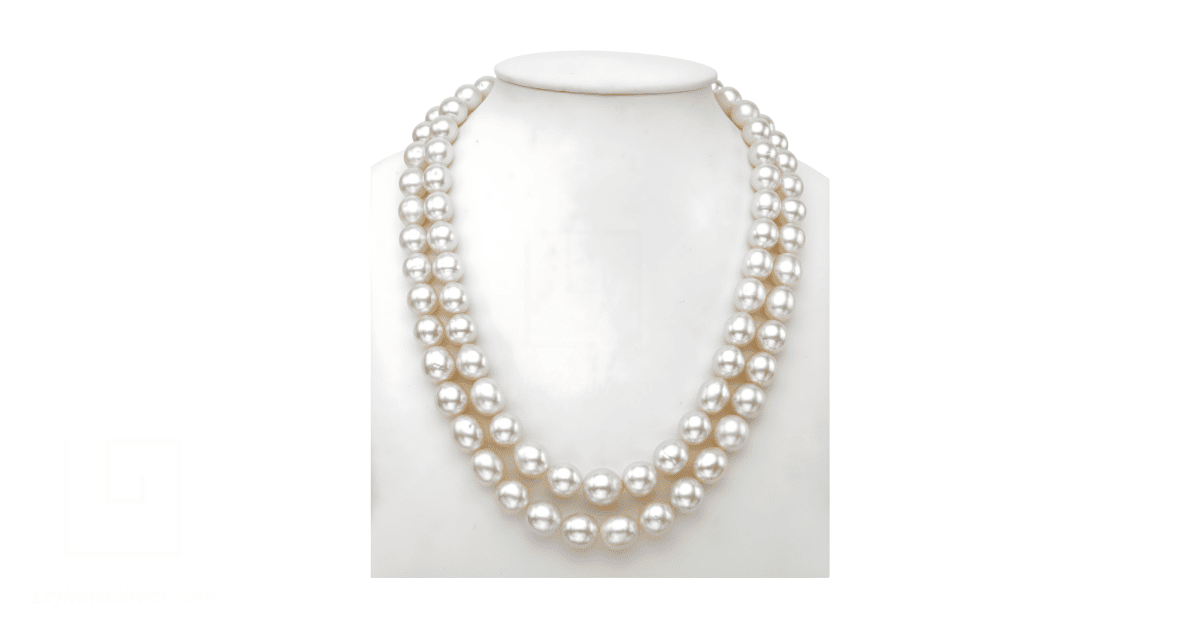
Just like any other necklace, pearl necklaces come in a variety of lengths and styles, each designed to complement different necklines, occasions, and personal tastes.
- Collar (12-13 inches): This style fits tightly around the high part of the neck and often consists of multiple strands. It has a luxurious, Victorian feel and looks incredible with V-neck dresses or off-the-shoulder tops.
- Choker (14-16 inches): The choker rests snugly at the base of the neck. This style is incredibly versatile, working just as well with a formal gown as it does with a casual blouse. It’s a fashion-forward look that beautifully highlights the neckline.
- Princess (17-19 inches): The most popular and versatile length, the princess necklace sits just below the collarbone. It’s a go-to for almost any outfit, from crew necks to V-necks, making it a perfect choice for both everyday wear and special occasions. This is often the length chosen for classic single-strand Akoya necklaces.
- Matinee (20-24 inches): Falling to the upper chest, the matinee length strikes a wonderful balance between casual and formal. It’s an excellent choice for business attire, adding a touch of sophistication to suits, blouses, and dresses.
- Opera (28-36 inches): The opera length is all about drama and glamour. This long, flowing style can be worn as a single strand for a regal look or doubled up to create a layered choker effect.
- Rope (Over 36 inches): The most versatile of all, the rope necklace offers endless styling possibilities. Famously championed by Coco Chanel, a rope can be worn long, knotted, or wrapped multiple times to create different looks. Some are even designed with hidden clasps that allow them to be broken down into shorter necklaces and bracelets.
- Station Necklace (Tin Cup): This modern style features individual pearls spaced along a delicate chain. It creates a light, minimalist look that is perfect for everyday wear and layering with other necklaces.
Understanding the Quality of Your Pearl Necklaces
Knowing the quality of a pearl necklace before you buy is crucial, because not all pearls are created equal. You’re investing in a piece of nature’s art, and you want to be sure you’re getting the real thing, not a fake. The value and beauty of a pearl necklace are determined by a combination of factors, and being able to spot them is the key to a smart purchase.
The Gemological Institute of America (GIA) uses seven value factors to assess pearl quality, which is the closest thing we have to a universal guide in an industry without a standardized grading system.
- Luster: This is the big one—the soul of the pearl. Luster refers to the way light reflects off the pearl’s surface, creating that deep, inner glow. Top-quality pearls have a sharp, bright luster, where you can see your reflection clearly on the surface. A pearl with poor luster will look dull, chalky, or milky.
- Surface Quality: As organic gems, almost no pearl is completely flawless. They can have tiny blemishes like pits, bumps, or spots. The key is how noticeable these are. A pearl considered “clean” will have minimal to no visible imperfections. While some minor flaws can be hidden by drill holes, numerous or severe marks can decrease the pearl’s value and durability.
- Shape: The perfectly round pearl is the rarest and often the most valuable shape, especially for classic strands. However, don’t discount other shapes! Symmetrical forms like drops and ovals, and unique, irregular baroque pearls are highly prized for their character and are often used in modern, artistic designs.
- Color: Pearls come in a beautiful spectrum of natural hues, from classic white and cream to exotic black, gold, and pastel shades like pink and lavender. A pearl’s color is made up of its dominant body color and its overtone, which is a subtle, translucent color that glimmers over the surface. A pink overtone on a white Akoya pearl, for example, is highly sought after and can increase its value.
- Nacre Quality: Nacre is the beautiful, iridescent substance that the mollusk secretes to form the pearl. Thick nacre is directly linked to great luster and durability. For saltwater pearls like Akoya, thin nacre might show the bead nucleus underneath, giving it a dull, chalky look—a sign of a lower-quality pearl. Freshwater pearls are typically solid nacre, which makes them very durable.
- Size: All other factors being equal, larger pearls are rarer and more valuable. Pearl sizes are measured in millimeters, and even a small increase can dramatically boost the price. For example, a 9mm Akoya pearl is much rarer and more expensive than a 7mm one.
- Matching: For a pearl strand, how well the individual pearls match in all the other quality factors is critical. A well-matched necklace will have pearls that are uniform in size, shape, color, and luster, creating a cohesive and harmonious look.
How to Pick the Perfect Size and Length of Your Pearl Necklace?
Choosing the right size and length for a pearl necklace is the secret to making sure your pearls look intentional and stylish, rather than looking like you borrowed them from grandma’s jewelry box. The right combination can flatter your neckline, complement your outfit, and suit the occasion perfectly.
Here are some essential tips to consider when making your choice:
Selecting the Right Length:
Pearl necklace lengths have classic names, and each one creates a distinct style.
- Choker (14-16 inches): Sits high on the neck and offers a classic, slightly formal look. It pairs beautifully with off-the-shoulder tops and strapless dresses, drawing attention to the neckline.
- Princess (17-19 inches): This is the most popular and versatile length. An 18-inch princess necklace typically rests right at the collarbone. It is considered the go-to classic length, perfect for almost any outfit or neckline, from crewnecks to V-necks.
- Matinee (20-24 inches): This length falls to the upper chest and is an excellent choice for business or semi-formal wear, adding a touch of elegance to a daytime outfit.
- Opera (28-36 inches): A dramatic and glamorous length, the opera necklace can be worn as a single long strand or doubled up to create a chic, layered choker look. It’s perfect for formal events.
- Rope (Over 36 inches): The ultimate in versatility, a rope necklace can be layered multiple times, knotted in the front for a vintage 1920s feel, or even wrapped around the wrist as a bracelet.
Choosing the Perfect Pearl Size:
The size of the pearls, measured in millimeters, determines the necklace’s visual weight and impact.
- Delicate (6-7mm): This size is dainty and subtle, making it ideal for younger women, those with petite frames, or for a more understated, everyday look.
- The Classic (7-8mm): This is the most popular and versatile pearl size range. It’s universally considered the “go-anywhere” size, appropriate for the office, formal events, or even paired with a casual t-shirt and jeans. If you’re buying a first pearl necklace, this size is a can’t-miss choice.
- Luxury Statement (9-12mm and larger): Pearls in this range are bold, luxurious, and make a statement. These larger sizes are typically found in South Sea and Tahitian pearls and are perfect for formal occasions or for anyone wanting to command attention. Keep in mind that as pearl size increases, the price often rises exponentially due to rarity.
Modern Ways to Style Your Pearl Necklace for Any Occasion
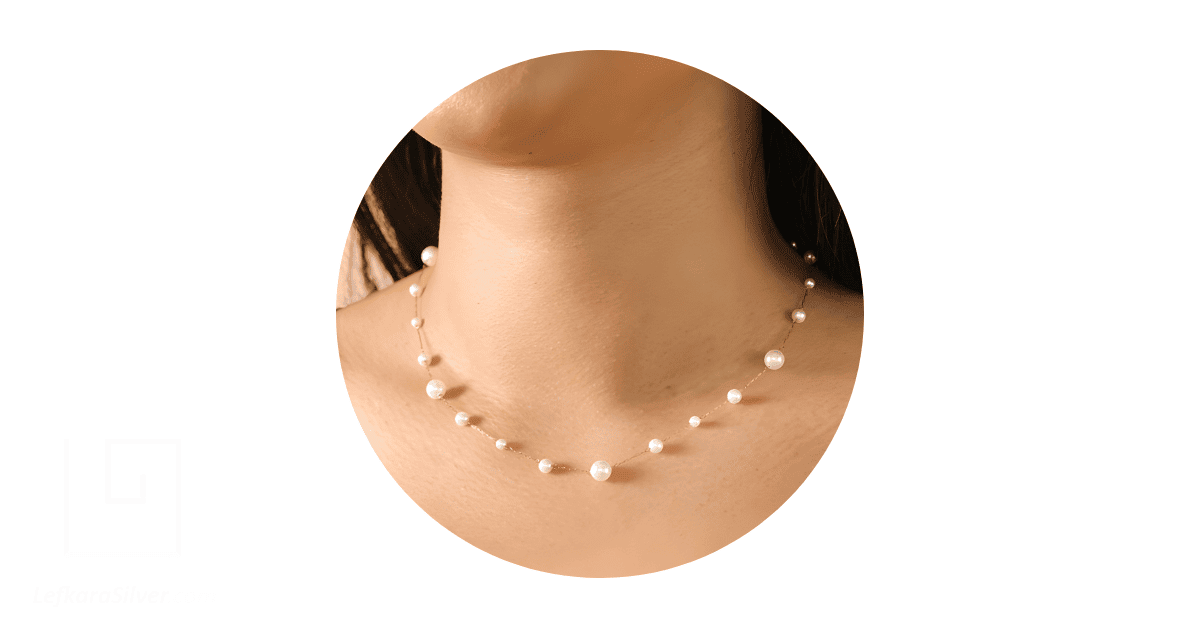
Pearls have shed their prim-and-proper reputation and are now a staple of modern, fashion-forward style. Forget the idea that they’re only for formal events or older generations. From pop culture icons to fashion influencers, pearls are being worn in fresh, innovative ways that feel both timeless and incredibly current. The key is to style them with confidence and a touch of creativity.
One of the most popular modern approaches is layering. Don’t be afraid to mix and match. Start with a classic pearl choker (16 inches) and layer it with a longer, mid-length princess strand (18 inches). For even more texture and visual interest, add a delicate gold or silver chain. Combining pearls of different shapes, like classic round Akoyas with unique baroque pearls, adds an artistic, eclectic vibe. You can also layer different pearl colors, such as classic white strands with darker Tahitian pearls for a dramatic contrast.
Pearls are no longer just for dressing up. A simple pearl strand or a pendant can add a touch of effortless elegance to your most casual outfits. Throw a princess-length necklace over a plain white t-shirt or a simple cashmere sweater paired with jeans. This high-low mix creates a polished yet relaxed look. This styling trick instantly elevates your everyday wear, proving that pearls can be a versatile accessory for any day of the week, not just special occasions.
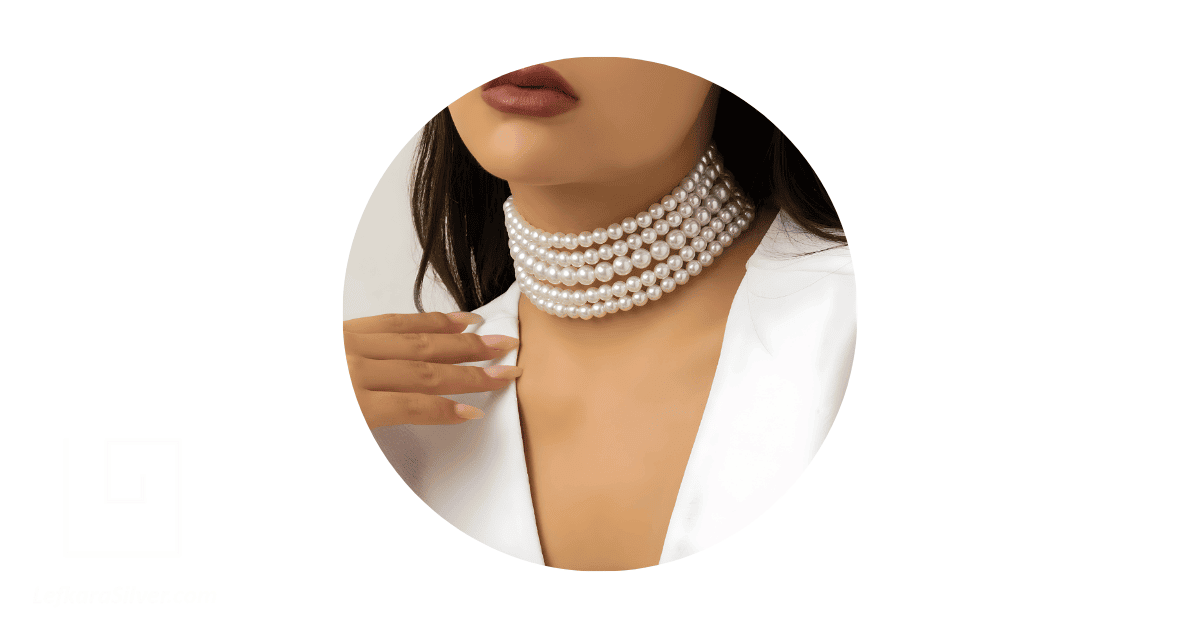
For evening or formal wear, you can move beyond the single strand. A multi-strand choker creates a bold, sophisticated statement that pairs perfectly with a little black dress or an off-the-shoulder gown. Another modern take is to mix textures; try pairing a classic pearl necklace with a chunky gold chain or other metallic pieces. This creates a powerful contrast between the soft, organic feel of the pearls and the hard, edgy look of the metal, resulting in a style that is both chic and contemporary.
Pearl Necklace Layering Ideas
Layering pearl necklaces is a fantastic way to modernize a timeless classic, transforming it from a simple accessory into a dynamic style statement. The fundamental rule for a successful layered look is to play with different lengths to create depth and visual interest. A common and effective combination starts with a pearl choker (14-16 inches) sitting high on the neck, followed by a princess-length strand (17-19 inches) that rests just below the collarbone, and finished with a longer matinee (20-24 inches) or opera-length (28-36 inches) necklace. This cascading effect draws the eye downward and works beautifully with various necklines, from plunging V-necks to simple crewnecks.
Combine the classic, uniform roundness of Akoya pearls with the organic, irregular shapes of baroque pearls for an artistic contrast. Incorporating different materials is another pro-styling tip; weave in delicate gold chains, lockets, or personalized charms between the pearl strands to break up the uniformity and add a contemporary edge. For a vibrant twist, you can even pair white or cream pearls with colored gemstones. To prevent tangling, it’s highly recommended to use a necklace spacer or a clasp extender to keep each strand separate and evenly spaced.
The key to a flawless layered look is balance. While it’s fun to experiment, sticking to a maximum of two to four layers usually prevents the look from becoming overwhelming. When your necklace is the star of the show, keep other accessories minimal. Simple pearl studs or small hoop earrings are perfect companions that won’t compete for attention.
How Much Does a Pearl Necklace Cost?
The value of a pearl is determined by seven key factors established by the Gemological Institute of America (GIA): size, shape, color, luster, surface quality, nacre quality, and matching. A pearl with excellent luster will have sharp, clear reflections on its surface, while a low-quality pearl will appear dull or chalky. Shape is also critical; perfectly round pearls are the rarest and most valuable, especially in saltwater varieties like Akoya.
Different types of pearls command vastly different prices due to their rarity and cultivation process. Generally, saltwater pearls are more expensive than freshwater pearls because saltwater oysters typically produce only one or two pearls at a time, while a freshwater mussel can yield up to 50.
- Freshwater Pearls: These are the most affordable, with prices for fine quality pieces ranging from $75 to over $5,000. They offer a wide variety of shapes and natural pastel colors.
- Akoya Pearls: Known as the classic white pearl, a fine quality Akoya necklace can range from $1,500 to over $6,000. These are prized for their high luster and nearly perfect round shape.
- Tahitian Pearls: Famous for their natural dark colors, these “black pearls” are considered an exotic luxury. Fine quality strands typically range from $2,000 to over $36,000.
- South Sea Pearls: These are the largest and most prized cultured pearls in the world, available in white, silver, and golden hues. A fine quality necklace can range from $2,000 to over $135,000, making them a significant investment.
Quick Test to Check if Your Pearl Necklace is Real
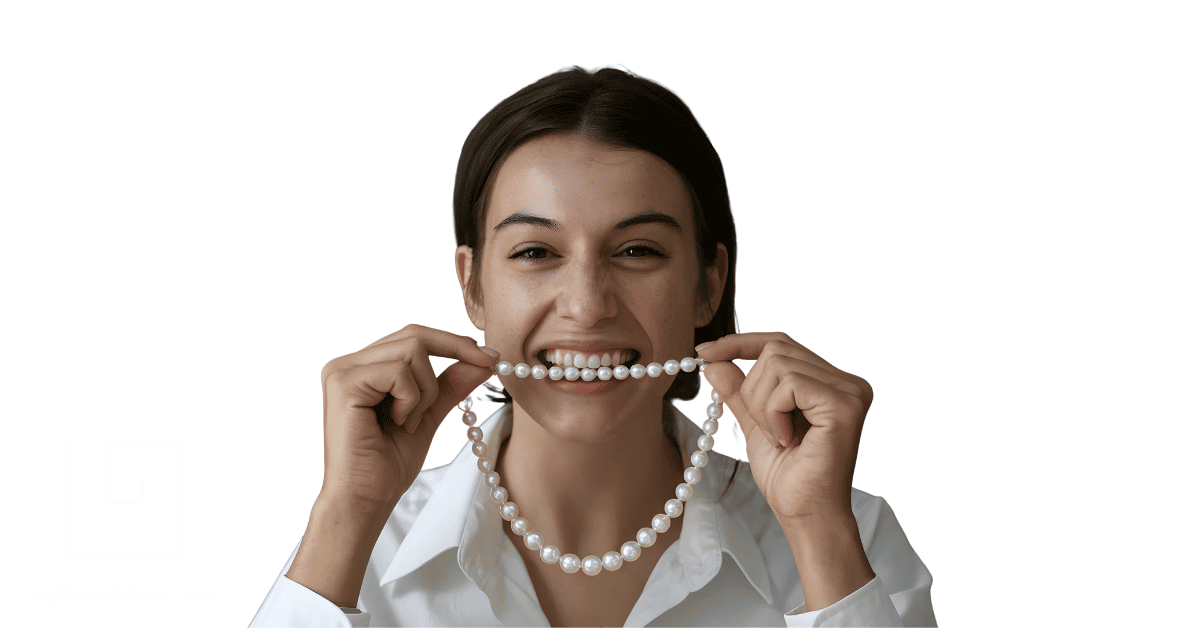
With so many high-quality imitations on the market, it’s easy to be fooled by fake pearls that look incredibly convincing at first glance. These imitations are often made from glass, plastic, or shell beads coated with an iridescent finish to mimic a real pearl’s luster. Before investing in a piece, it’s essential to perform a few quick tests to verify its authenticity.
Here are some simple, at-home methods you can use to determine if your pearl necklace is real:
- The Tooth Test: This is the most famous and reliable quick test. Gently rub a pearl against the front of your tooth. A real pearl will feel slightly gritty or sandy due to the natural, microscopic texture of its nacre. An imitation pearl will feel perfectly smooth and glassy.
- Look for Imperfections: Real pearls are a product of nature, so they are rarely flawless. Look closely at the pearls; they should have slight irregularities in shape, size, or surface. You might notice tiny blemishes, ridges, or pits. If every pearl on the strand is perfectly identical and flawlessly spherical, it’s a strong indicator that they are machine-made.
- Feel the Temperature: Real pearls are cool to the touch and will take a few seconds to warm up against your skin. Fake pearls, especially those made of plastic, will feel closer to room temperature and will not have that initial coolness.
- Check the Weight: Real pearls are typically heavier than their imitation counterparts. If you hold a strand of real pearls in one hand and a strand of fakes in the other, the real ones should feel denser and more substantial. However, be aware that solid glass fakes can be quite heavy, so this test is most effective for identifying plastic imitations.
- Inspect the Drill Holes: Examine the holes where the pearls are strung. Real pearls usually have clean, small, and sharply drilled holes. Fake pearls often have larger holes, and you may see chipped or flaked coating around the edges, revealing the bead material underneath.
Pearl Necklace Maintenance and Care Tips
To ensure your pearl necklace remains beautiful for generations, proper care is essential. Pearls are delicate organic gems and require a different maintenance routine than their harder gemstone counterparts. With a Mohs hardness of only 2.5, they are soft and can be easily scratched or damaged.
Following a few simple guidelines will preserve the luster and prevent damage.
- After each wear, gently wipe your pearls with a soft, damp cloth. This removes any traces of perspiration, body oils, or chemicals that they may have come into contact with throughout the day.
- Never store your pearl necklace by hanging it, as this can stretch the silk thread over time. Lay the necklace flat in a soft, fabric-lined jewelry box or a velvet pouch. Store pearls separately from other jewelry to prevent harder stones and metals from scratching their delicate surfaces.
- Never wear your pearls while swimming or showering. Chlorine in pool water and chemicals in soap can severely damage them. Also, avoid wearing them while doing housework, as cleaning agents contain harsh chemicals that can erode the pearl’s surface.
- Pearls benefit from the natural oils in your skin, which help maintain their moisture and luster. Storing them in a dry environment, like a safe deposit box, for extended periods can cause them to dehydrate and crack.
- If you wear your necklace frequently, it should be restrung once a year or every two years. Check the silk cord for signs of stretching or discoloration. Professional restringing with knots between each pearl will not only keep the strand clean and tight but also prevent all the pearls from scattering if the necklace breaks.
- For a more thorough cleaning, use a soft cloth dampened with a mixture of lukewarm water and a mild, perfume-free soap, such as Ivory. Wipe each pearl individually. “Rinse” with a separate cloth dampened with clean water. Never submerge a pearl necklace in water, as it can weaken the silk thread. Always lay it flat to dry completely before storing.
Pearl Necklace: Final Thoughts
This article has addressed everything about pearl necklaces, key statistics and trends, top pearl necklace brands, and the different pearl types available. We’ve also looked into various pearl necklace types, how to assess their quality, and how to choose the right size and style. Furthermore, we’ve provided tips on layering pearl necklaces, discussed pearl necklace costs, explained how to identify a real pearl necklace, and offered essential advice on pearl necklace care.
Here are a few of the most interesting facts about pearl necklaces:
- The easiest way to check if a pearl is real is the tooth test; a real pearl will feel slightly gritty against your tooth, while a fake one will be perfectly smooth.
- The most popular and versatile pearl necklace size for everyday wear is between 7.0mm and 8.0mm.
- Pearls are one of the softest gems, with a hardness of only 2.5 on the Mohs scale, making them susceptible to scratches.
- Perfectly round pearls are the rarest and most valuable shape, which is why most classic strands are highly prized.
- Tahitian pearls, often called “black pearls,” are one of the only naturally dark pearls, displaying a stunning range of colors from gray and green to peacock.
- The global pearl jewelry market is projected to grow at a robust CAGR, with some analyses suggesting a rate as high as 13.8% between 2025 and 2035.
This content was last updated in October 2026.
Follow our website, LefkaraSilver.com, to stay informed about new jewelry offers, news, and buying guides
Pearl Necklace FAQs
Here are answers to some frequently asked questions about pearl necklaces in 2026.
Is a Real Pearl Necklace Worth It?
Absolutely, a real pearl necklace is a worthwhile investment in timeless style and enduring value. Unlike fleeting fashion trends, high-quality pearls retain their value and are often passed down as family heirlooms for generations. Their versatility allows them to be worn with everything from casual wear to formal attire, making them a staple in any well-rounded jewelry collection.
Is There Any Value in Old Pearl Necklaces?
Old pearl necklaces can be incredibly valuable, especially if they feature natural pearls, which are exceedingly rare. For context, a natural pearl pendant once owned by Marie Antoinette sold at auction for a record-breaking $32 million. A vintage strand of high-quality Akoya or South Sea pearls with excellent luster and clean surfaces can still be worth a significant amount.
Are The Pearls at Tiffany Real?
Yes, the pearls sold at Tiffany & Co. are real and of high quality, which is consistent with the brand’s long-standing reputation. The company offers a variety of genuine pearls, including classic Japanese Akoya, luxurious South Sea, and fashionable Freshwater pearls. Tiffany is known for its meticulous craftsmanship and strict grading standards, ensuring their pieces meet high expectations for luxury jewelry.
Can I Wear My Pearl Necklace Every Day?
You can certainly wear your pearl necklace every day, provided you follow proper care guidelines. Pearls are soft organic gems, ranking only 2.5 on the Mohs hardness scale, so they require gentle handling to avoid scratches. The most important rule is to make them the “last thing on, first thing off” to avoid contact with chemicals in perfumes and cosmetics, which can damage their luster. In fact, wearing your pearls often is beneficial, as the natural oils from your skin help keep them from drying out.
How Much Does a Real Freshwater Pearl Necklace Cost?
The cost of a real freshwater pearl necklace is generally the most accessible, making it an excellent entry point into pearl jewelry. Prices can start below $100 for entry-level fashion pieces and range up to $5,000 or more for fine-quality strands with high luster and near-round shapes. Freshwater pearls are more affordable because one mollusk can produce up to 50 pearls in a single harvest, compared to saltwater oysters which typically produce only one or two. The final price depends heavily on the quality, size, and uniformity of the pearls.
How Much Should a Real Pearl Necklace Cost?
The cost of a real pearl necklace varies dramatically depending on the pearl type, size, and quality. A classic Akoya pearl necklace, known for its superior luster, might range from $150 to over $6,000. The most luxurious options are South Sea pearls, which are the largest and rarest, with fine quality necklaces ranging from $2,000 to over $135,000. Ultimately, the price of any pearl necklace is determined by the seven GIA value factors, with luster being the most critical component influencing its beauty and cost.
How Can You Tell a Real Pearl?
The easiest and most reliable home method to identify a real pearl is the “tooth test.” Gently rub the pearl against the front of your tooth; a real pearl will feel slightly gritty or sandy due to its natural nacre structure, while a fake pearl will feel perfectly smooth. Additionally, real pearls are rarely flawless, so look for minor surface imperfections, subtle variations in shape, and a deep, luminous luster that fake pearls can’t replicate. Almost all real pearls today are cultured, meaning they have tiny irregularities that distinguish them from machine-made imitations.
Do Real Pearls Sink or Float?
Real pearls are dense and will sink when dropped into a glass of water. Most common imitation pearls, which are often made of plastic or coated plastic beads, are much lighter and will typically float or sink very slowly. However, this test isn’t foolproof, as some high-quality fakes made of solid glass will also sink, but they often feel heavier than real pearls of a similar size. The sinking property is a good initial indicator, but should be combined with other tests for a conclusive result.
Can Pearls Be Worn Every Day?
Yes, pearls can be worn every day, but they require mindful care because they are very soft. The cardinal rule for daily wear is “last on, first off.” Put your pearls on after all cosmetics, perfumes, and hairsprays are applied, and take them off before anything else. Wiping them with a soft cloth after each wear prevents the buildup of oils and chemicals that can damage their luster over time.
What is the Vinegar Test for Pearls?
The vinegar test is a destructive method that should never be used on pearls you wish to keep. It involves dropping a pearl into vinegar to see if it dissolves. Because real pearls are made of calcium carbonate, they will react with the acid and dissolve, confirming their authenticity but also permanently destroying them. This test is an old wives’ tale for consumers and is not recommended for verifying your jewelry.
What Kind of Clasp do Real Pearls Have?
Real pearl necklaces are typically finished with high-quality clasps made from precious metals to match the value and durability of the pearls themselves. You will commonly find clasps made of 14K or 18K gold, sterling silver, or platinum. Common styles include the traditional filigree fish-hook clasp, lobster clasps, or more decorative safety clasps, all designed to securely hold the weight of the strand.
What is the Prettiest Pearl?
Japanese Akoya pearls are famed for their sharp, mirror-like luster and are the quintessential “classic” white pearl. For those seeking opulence, the rare Golden South Sea pearls offer a breathtaking, warm glow, while Tahitian pearls are celebrated for their exotic, dark body colors with vibrant overtones of peacock, green, or aubergine.