What You Should Know About Silver Spoons
The phrase “born with a silver spoon” makes these utensils sound like they are only for the ultra-wealthy or people who strictly eat caviar for breakfast. But if you look at the current market, silver spoons are actually practical, historical, and surprisingly accessible pieces of art.
Whether you are looking for a heavy-gauge Georgian basting spoon to use at Thanksgiving, or you just found a weird little spoon with a windmill on top in your attic, or want to prepare a silver spoon as a child dedication gift, there is a high value and long history packed into that metal.
In this guide, we are going to break down everything you need to understand about this niche. We will dig into the key statistics of silver spoons as of October 2026, and point you toward reliable stores to buy silver spoon sets so you don’t get ripped off.
We will also sort through the different types of silver spoons by quality and designs, teach you how to know the value of your silver spoon without paying for an appraisal, and show you how to identify an authentic sterling silver spoon using those tiny hallmarks on the back, amongst other things.
Key Statistics of Silver Spoons as of October 2026
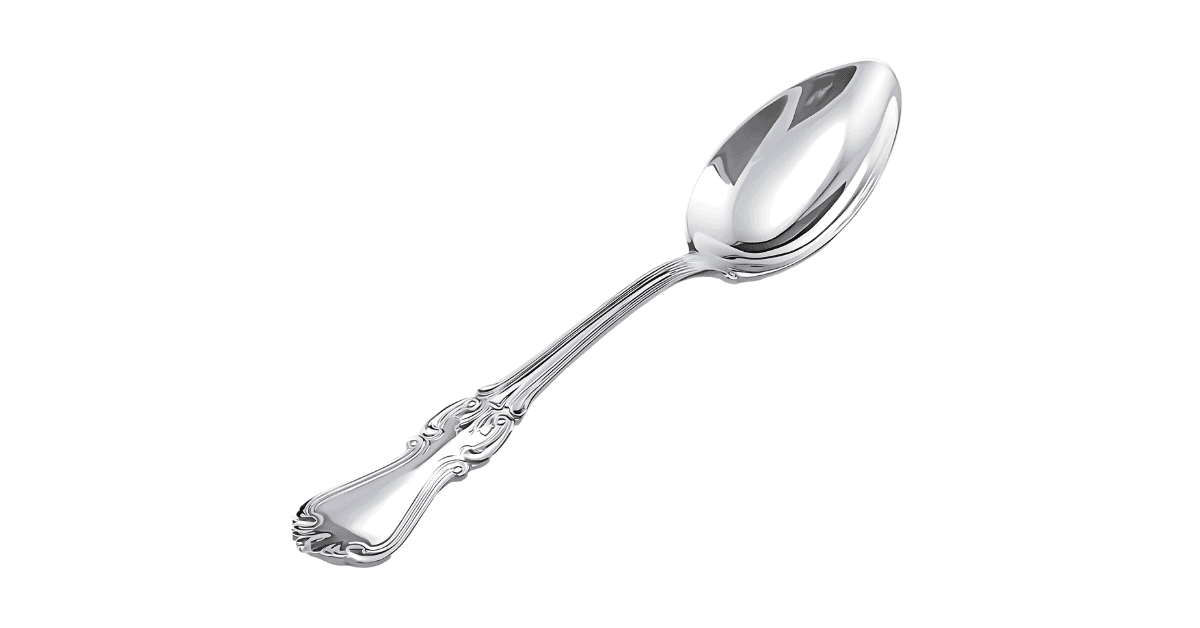
Below are some key facts and statistics you need to know about silver spoons:
- To be legally sold as “sterling silver” in the US and UK, a spoon must contain at least 92.5% pure silver, while the remaining 7.5% is usually copper to add strength.
- If you find a rare “Apostle Spoon” from the 16th or 17th century, you could be looking at a value ranging from $500 to over $5,000 per spoon, depending on the condition and the specific saint depicted.
- For the more common souvenir spoons that surged in popularity during the late Victorian era, the vast majority sell for under $60, with a large percentage trading hands for less than $30.
- A complete set of Georgian or Regency sterling spoons can fetch anywhere between $1,000 and $5,000, making them a solid mid-range investment.
- Antique spoon rings, a popular way to repurpose damaged flatware, trace their history back to the 17th century, where servants would allegedly craft them as wedding bands.
8 Reliable Stores to Buy Silver Spoon Sets
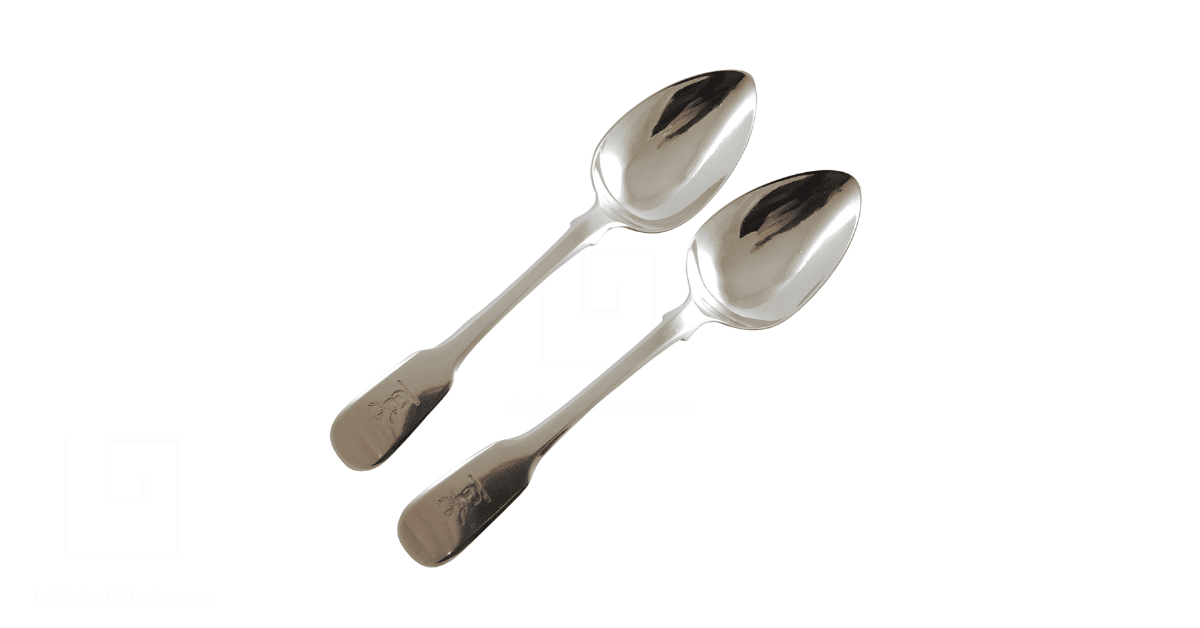
Buying silver can be a bit tiring. The market is flooded with fake silver spoons that look real but turn out to be cheapily produced or a heavily worn plated piece that’s seen better days. You need sellers who stand behind their hallmarks and actually know what they are talking about.
Our team has dug deep into the market to find the best of these stores. We looked for reliability and fair pricing. We checked customer reviews to make sure these places deliver on their promises. These are the certified, reliable stires where you can get everything from a modern dinner set to a rare 17th-century collectible without worrying about getting ripped off.
1. Silver Superstore
Based in the US, Silver Superstore has built a massive reputation for stocking both new and estate silver. What sets them apart is their replacement service. If you lost a spoon from your grandmother’s 1950s set, there is a high probability that they have the exact match sitting in their warehouse.
They operate primarily online, so you can easily browse thousands of patterns from the comfort of your couch. Their customers say they provide excellent service with great pricing.
2. Lefkara Silver Spoons
This is the place to go for high-value items. Lefkara Silver Spoon prices are fixed, but there is often room to make an offer. We offer strong buyer protection policies, meaning if the item doesn’t match the description, you aren’t stuck with it. Wherever you are in the world, we can reach you, and you can take advantage of our current discount sales.
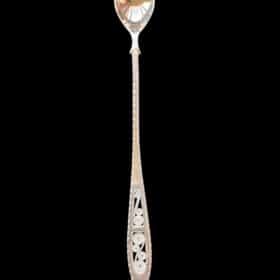
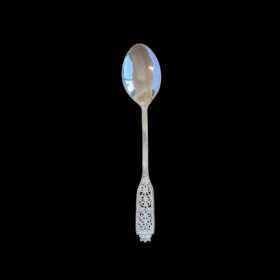
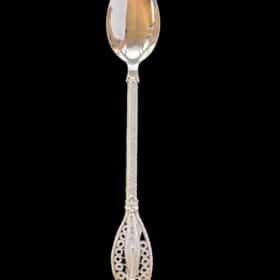
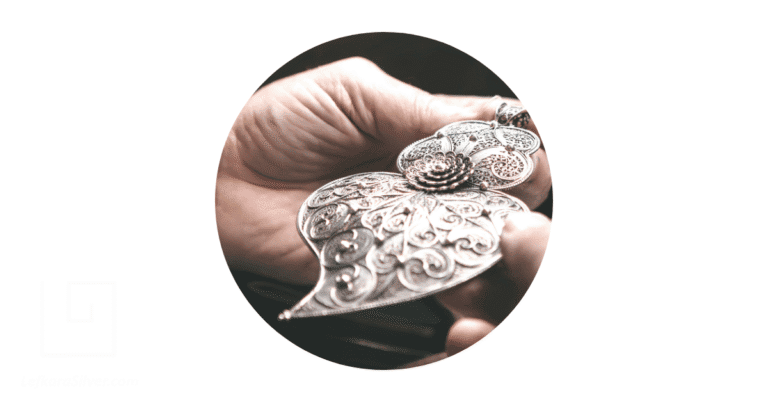
Each silver spoon in the Lefkara Silver collection is handmade, and you’ll find a variety of options, from coffee spoons, to teaspoons, baby feeding spoons, serving spoons, etc., all with a fine openwork finishing.
3. AC Silver
With a 4.6 rating on Google reviews, this store is best for you if you want expertise with a side of British charm. Located in Newcastle upon Tyne, UK, this store is run by Andrew Campbell, a guy who really derives joy in personally handpicking what he customers needs. They specialize in high-quality antique silver and jewelry. They also offer free delivery on all silverware and jewelry.
4. Christofle
When you want brand-new luxury and have the budget to match, Christofle is the silver standard. This French store has been supplying royalty and the ultra-wealthy since the 1830s.
You can find their boutiques in major cities like Paris, Berlin and New York, but their online store is fully stocked for global shipping. They are famous for their silver-plated wares which are plated to an incredibly high micron thickness,. They also produce sterling silver sets that are hand-finished by master silversmiths.
5. Hemswell Antique Centres
Hemswell is another fantastic option. Located in Lincolnshire, UK, it’s Europe’s largest antique center. While it’s a physical location comprising several massive buildings, it has modernized with a very functional website.
The benefit here is the vetting. The dealers operating out of Hemswell are professionals. You can find everything from affordable individual teaspoons to massive cased canteens of cutlery. They provide detailed condition reports on request, so you know exactly what you’re getting.
6. Georg Jensen
If you’re a fan of the modern, organic look, you’ll love the Georg Jensen silverware collection. This Danish design house changed the game in the early 20th century by moving away from stiff, ornate Victorian styles to fluid, sculptural forms. Buying from their official stores or certified retailers ensures you aren’t getting a knock-off.
7. Liberty Tabletop
Liberty Tabletop is currently the only flatware manufacturer producing exclusively in the United States. They are known for high-end stainless steel, and they offer a level of quality and transparency that is rare today.
They are a reliable source for quality, heavy-weight utensils that are safe, non-toxic, and made to last. It is an excellent choice if you want to support local manufacturing and need a workhorse set for daily dining.
8. Robbe & Berking
Based in Germany, this family-run company is obsessive about quality. They are one of the few remaining manufacturers that specialize in sterling silver and heavy silver plate. Their peices are handcrafted in the Flensburg silver manufactory.
You can buy from them online or through select high-end retailers. Their “silver plate” is actually 150g massive silver plating, which is significantly thicker than the industry standard. They guarantee availability for their patterns until at least 2040, so you don’t have to worry about your pattern being discontinued.
Different Types of Silver Spoons by Quality and Designs
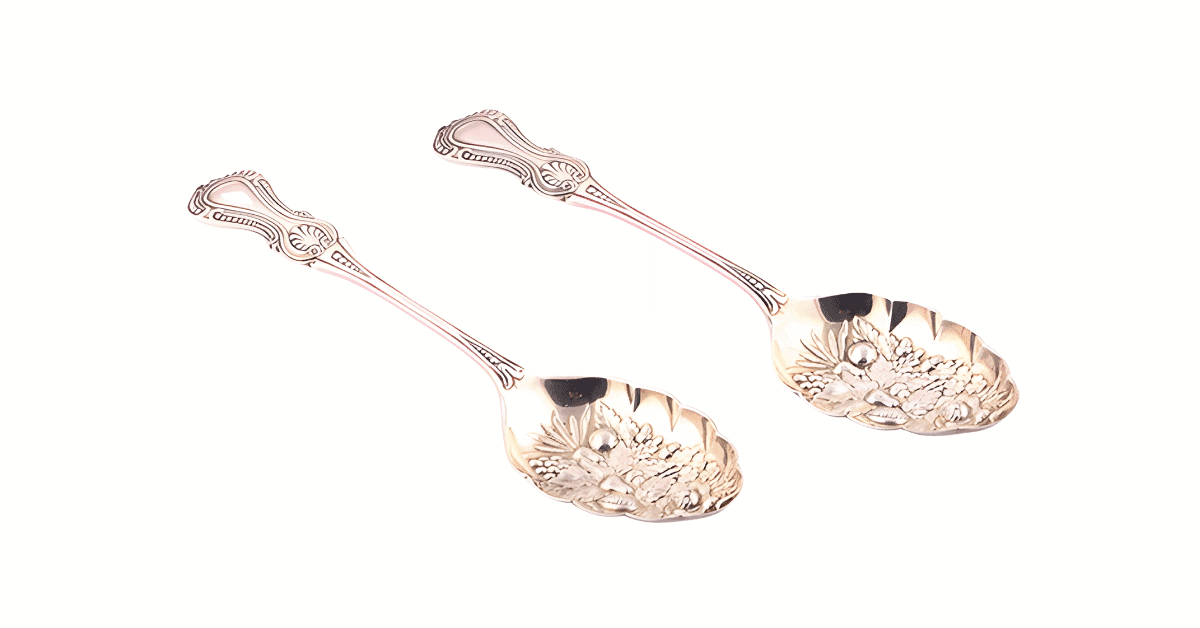
The type of silver spoon you hold tells a story about the technology available at the time and the social trends of the era.
Types of Silver Spoons by Material and Quality
Sterling Silver
This is an alloy containing 92.5% pure silver and 7.5% other metals, usually copper, to give it strength. You will usually see a “925” stamp or a Lion Passant hallmark on British pieces. It holds its value well and can last for centuries if you don’t abuse it.
Silver Plate (EPNS)
Electroplated nickel Silver (EPNS) is what made silver accessible to the middle classes in the 19th century. It involves using electricity to fuse a thin layer of pure silver onto a base metal like copper or nickel. It looks great when polished, but over time, the silver can wear off at the high points (like the heel of the bowl), revealing the brassy metal underneath. It has little melt value but can still be beautiful.
Sheffield Plate
This is the great-grandfather of silver plating, developed in the 1740s. It was made by physically fusing a sheet of silver to a sheet of copper with heat, like a sandwich, and then rolling it thin. It’s distinct from electroplating. You can see the copper glowing through on worn edges, which collectors actually call “bleeding” and find quite charming.
Types of Silver Spoons by Era and Design
Apostle Spoons
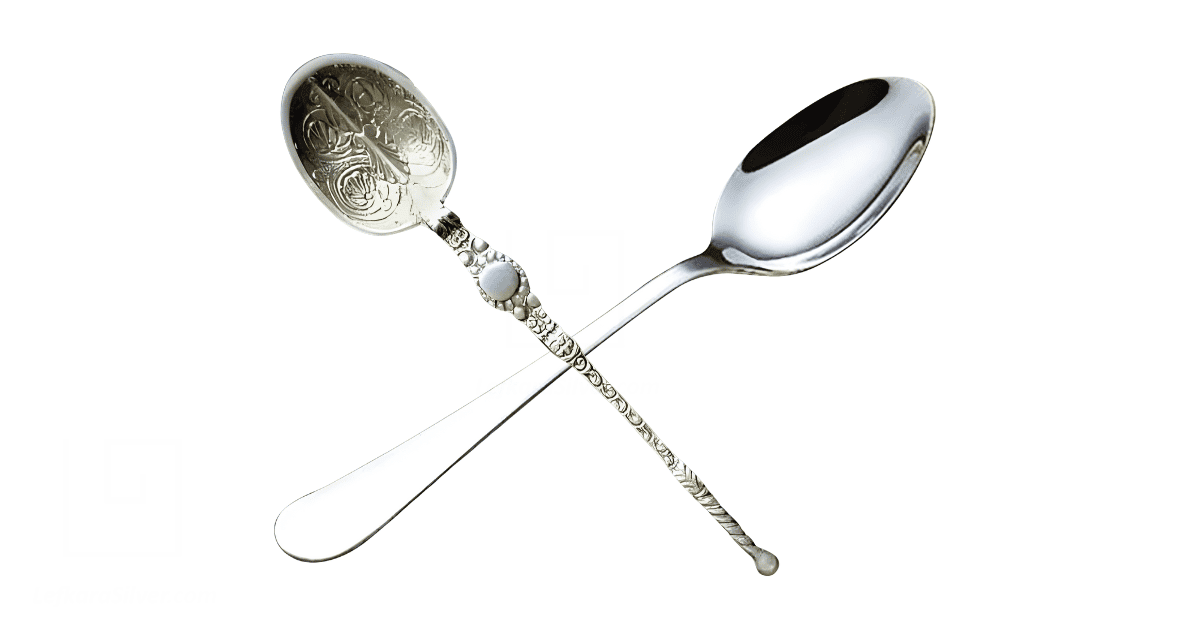
These are the heavyweights of the antique world, dating back to the 15th, 16th, and 17th centuries. They have a figure of an apostle or saint at the top of the handle (the finial). Originally, a wealthy godparent would give a spoon representing the child’s patron saint at a christening.
Trefid Spoons
Populating tables in the late 17th century, Trefid spoons are easy to spot. The handle end is flat and notched into three sections, looking a bit like a stylized paw.
Hanoverian Pattern
As we moved into the 18th century, the Hanoverian pattern took over. These spoons have a ridge running down the front of the stem and an upturned tip. Interestingly, in the Georgian era, spoons were placed face down on the table, so the crests were engraved on the back of the handle, not the front.
Old English Pattern
By the 1750s, people got tired of the upturned tip digging into their palms. The Old English pattern flipped the tip down. It’s a simple, elegant rounded handle that became the canvas for “bright-cut” engraving. This is one of the most common patterns you will find in antique shops today because it was produced for decades.
Fiddle Pattern
This originated in France but exploded in popularity in England in the 19th century, the handle is shaped like the body of a violin (fiddle) with distinct “shoulders” near the bowl. It is sturdy, practical, and was the standard everyday flatware for the Victorian middle class.
Kings Pattern
Emerging in the early 19th century, the pattern is heavy and ornamented, with shells, scrolls, and honeysuckle motifs. It was designed to sparkle in candlelight and hide scratches better than plain silver. It remains one of the most popular patterns for formal dining today.
How to Know the Value of Your Silver Spoon?

The first thing you have to understand is the difference between “melt value” and “collectible value.” If your spoon is made of solid silver, its price is set by the metal’s weight alone. Since the market price of raw silver changes daily, this baseline moves too. However, the history and the artistry of the spoon is also another factor that determines the price of your silver spoon. A spoon crafted by a famous maker like Paul Storr or Hester Bateman can fetch a premium far higher than its weight in silver.
When you look at a spoon, check the hallmarks first. These little stamps are your roadmap. If you see a “Lion Passant” (a walking lion), you are looking at British sterling silver, which guarantees a 92.5% purity.
Some of the factors that influence the prices are as follows:
The Maker and Origin
Names matter. Collectors hunt for specific town marks, too. Pieces from historic assay offices that are no longer around, like York or Exeter, are often more expensive than standard London pieces.
The Pattern and Rarity
Detailed, hand-wrought designs beat machine-made patterns almost every time. Apostle spoons, which contain figures of the apostles on the handle, are highly sought after, with rare early examples selling for $1,000 to over $5,000. On the flip side, those souvenir spoons you see with city names or enamel shields? Most of those sell for under $60, and many are worth less than $30 unless they depict a very rare historical event.
Condition
You want a spoon that shows its age gracefully, not one that looks like it went through a garbage disposal. Scratches, dents, and heavy wear reduce value. Be careful with monograms. While they are part of history, some buyers prefer “clean” pieces. However, never try to buff out a scratch yourself; over-polishing can rub away the hallmarks, destroying the spoon’s value entirely.
Completeness of the Set
A single spoon is nice, but a complete set of antique silver spoons with the original box? Game changers. Collectors love continuity.
How to Identify an Authentic Sterling Silver Spoon?
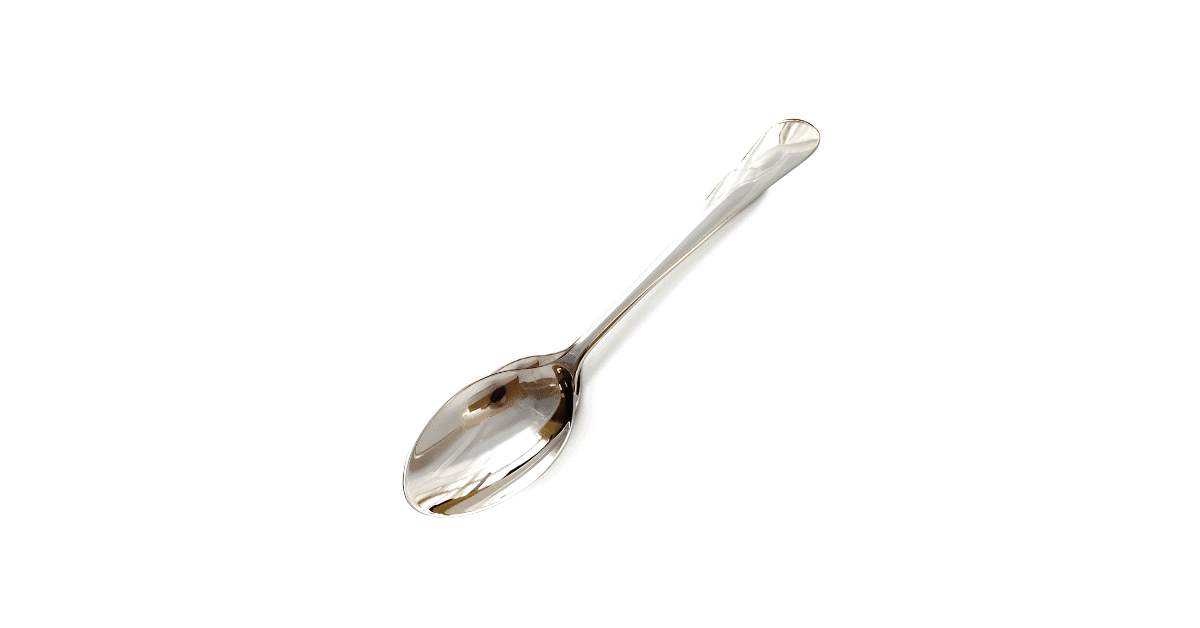
Sterling silver is an alloy containing 92.5% pure silver and 7.5% other metals, usually copper. The first clue to identifying real sterling silver spoons is always the stamp. American silver made after the 1850s will almost always say “STERLING” or “925.” If you are looking at older British pieces, you should look for a walking lion symbol.
If you don’t see a mark, or you are at a flea market and can’t quite tell, try the magnet test. Silver is non-magnetic, so, if you put a strong magnet against the spoon and it sticks firmly, walk away. That is likely steel or a base metal plated in silver.
Silver is the best heat conductor of all metals. If you put an ice cube on a real sterling spoon, it should feel cold instantly in your hand, and the ice will melt faster than it would on a stainless steel surface. Also, listen to it. If you tap a sterling spoon, it produces a long, high-pitched ring, unlike the dull thud of plated base metals.
Here is a quick breakdown to help you spot the difference between common silver-plated and sterling silver spoons:
| Feature | Silver Spoons (Plated / Base Metal) | Sterling Silver Spoons |
|---|---|---|
| Markings | Often stamped with “EPNS” (Electro Plated Nickel Silver), “A1”, “Quadruple Plate”, or simply the brand name without a purity number. | Stamped with “925”, “Sterling”, “92.5”, or the Lion Passant (British). |
| Wear Patterns | You might see brass, copper, or a dull grey metal showing through on high-touch areas where the thin silver layer has rubbed off. | The metal is the same color all the way through. If scratched, it is still silver underneath. |
| Maintenance | Can be tricky to polish; aggressive cleaning can strip the plating off entirely. | Tarnish can be polished away to reveal the original shine without damaging the core integrity. |
| Feel | Can feel lighter or have a different balance depending on the base metal used (nickel, brass, copper). | generally feels heavier and denser than stainless steel or plated counterparts. |
Popular Silver Spoon Manufacturers and Their Markers
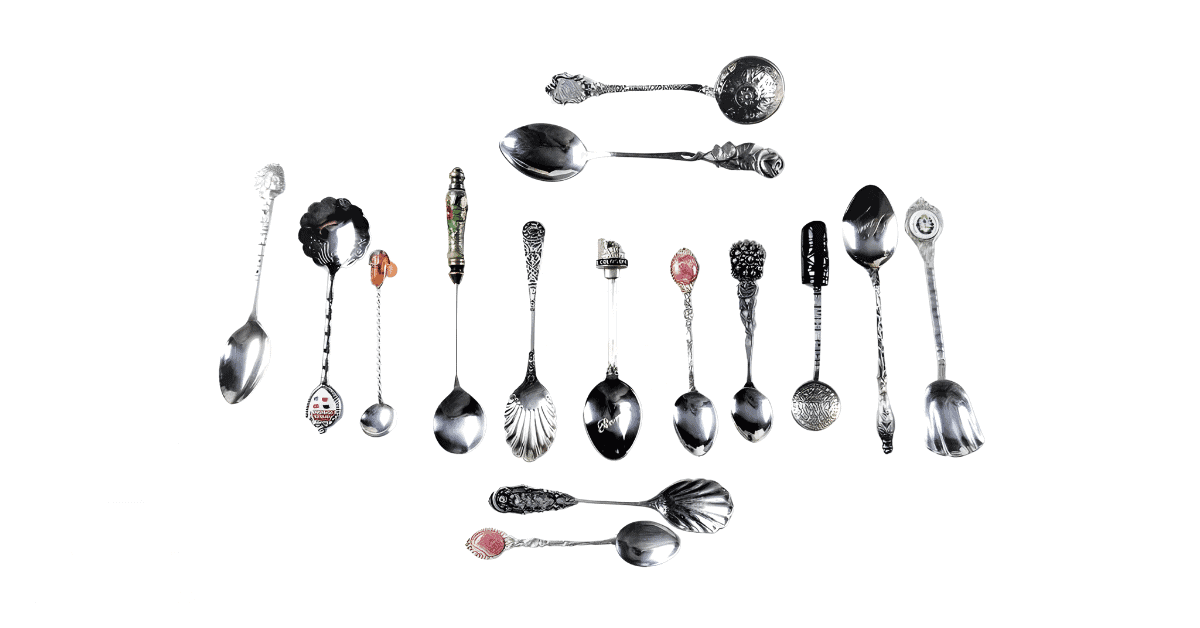
Thousands of silversmiths have hammered away at precious metals over the years, but a few names are most notable. These manufacturers didn’t just make spoons; they created legacies that sit in museums and cabinets alike.
Here are 10 of the most notable silver spoon manufacturers you should know.
Gorham: Founded in Rhode Island in 1831, Gorham is a titan of American silver. They gained massive fame after Mary Todd Lincoln purchased a tea service for the White House in 1859. On their sterling pieces, you will also see the word “Sterling” stamped clearly.
Wallace Silversmiths: Founded by Robert Wallace in 1835, the company is known for its three-dimensional designs that look good from every angle. The marker is straightforward: look for the name “WALLACE” alongside “STERLING” and a stag’s head symbol.
Reed & Barton: This manufacturer has been crafting silverware since 1824 in Taunton, Massachusetts. Reed & Barton were the choice for the 1996 Atlanta Olympics medals, proving their metalworking chops go beyond the dining table. Their stamp usually features the full name “Reed & Barton” and “Sterling”.
Hester Bateman: She is the rockstar of 18th-century English silver. Taking over the family business in 1760 after her husband died, she transformed it into a powerhouse of efficient production and elegant design. Her mark is a simple script “HB”.
Paul Storr: He was the master of the Regency period in England. His work is monumental and often features sculptural elements like lion masks and shells. The marker to hunt for is a bold “PS”.
Benefits of Using Silver Spoons
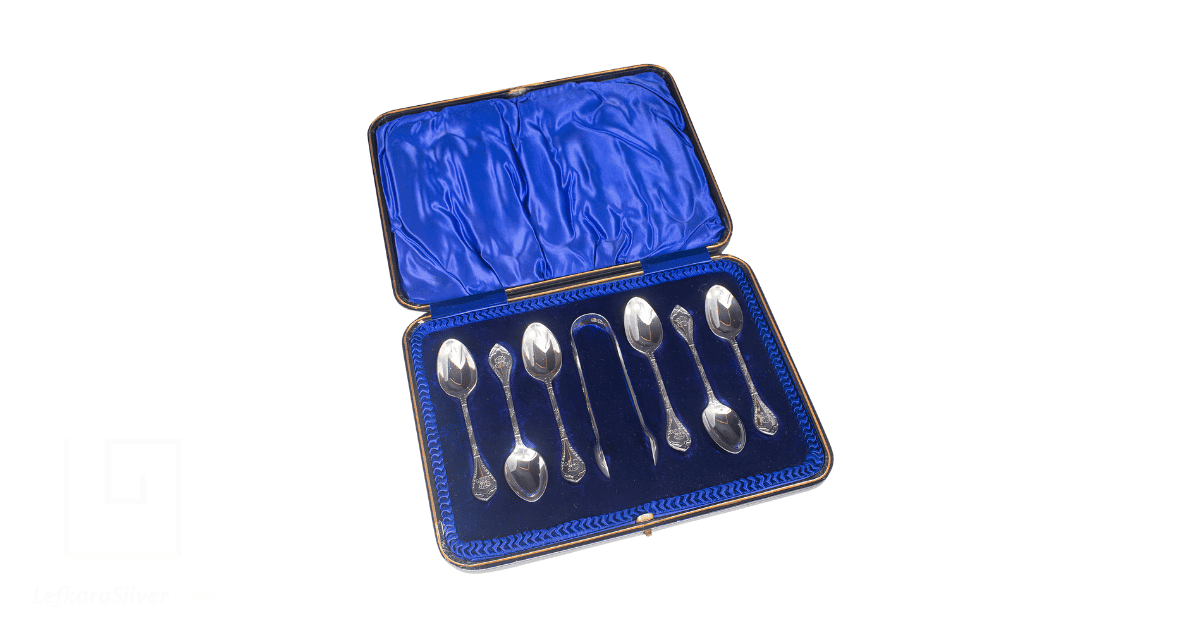
You might think buying silver spoons is just about showing off at dinner parties or storing value in a safe, but there are actual functional reasons to eat with them.
The following are the practical benefits of using silver spoons:
- It Kills Bacteria: Silver is naturally oligodynamic. Unlike stainless steel or plastic, which can harbor germs in microscopic scratches, silver ions attack bacterial cells.
- It Makes Food Taste Fresher: This sounds unreal, but it is a fact that silver is non-reactive with most foods, so it doesn’t alter the flavor of what you are eating. It keeps the taste pure, which is why high-end tea and coffee services are almost always made of silver.
- It Detects Toxins: Historically, royalty used silver to detect poison. Silver reacts to sulfur and other acidic toxins by changing color (tarnishing). This reactivity acts as a natural warning system, though in modern times, it mostly just tells you if your eggs are too sulfurous!
- Incredible Durability: While ceramic breaks and plastic degrades, a solid silver spoon can literally last for centuries. If it gets bent, it can be reshaped. If it gets scratched, it can be polished.
- Cooling Properties: Silver has high thermal conductivity. If you are eating ice cream or a cold dessert, the spoon instantly cools down to match the food’s temperature, enhancing the sensory experience of the cold treat.
- Health Boosting Properties: Some traditions, particularly in Ayurveda, suggest that eating from silver can boost immunity and improve digestion. While we rely on modern medicine today, the anti-inflammatory and antioxidant properties of silver have been recognized for thousands of years.
How to Care for Your Silver Spoons
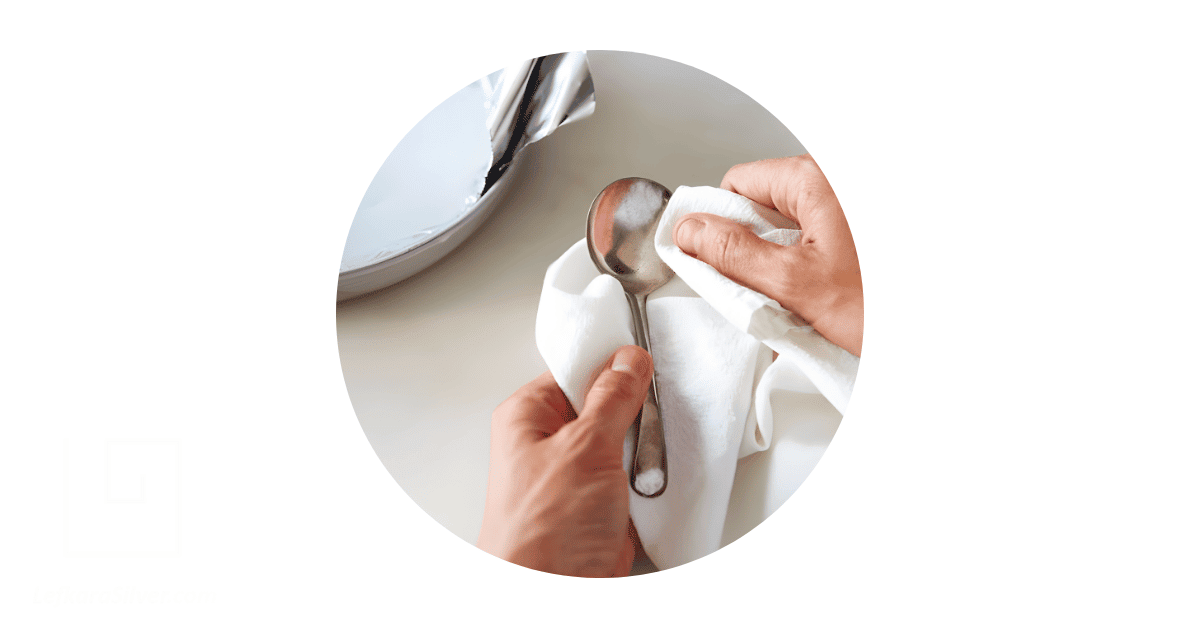
Taking care of your silver spoons isn’t much different from maintaining any other silver jewelry, but because they come into contact with food, heat, and mouths, they need a little extra attention to stay in top shape.
Wash your spoons right after you use them. Silver hates sulfur, and foods like eggs, mayonnaise, onions, and mustard are packed with it. If you let those residues sit, they start a chemical reaction that turns your bright silver dark and patchy. Hand washing is always the safest bet, especially for antique or sterling silver spoons. Use warm water and a mild dish soap that doesn’t smell like lemons or oranges, as citrus acids can be too harsh. Grab a soft sponge or a cotton cloth to wipe them down.
Once your spoons are completely dry, store them in a low-humidity area. For your fancy pieces, wrap them in acid-free tissue paper or specially treated flannel cloth bags that absorb sulfur from the air.
You don’t need to scrub your spoons until they look like chrome when polishing them, a little bit of dark patina in the deep crevices of a pattern actually makes the design pop and gives it character. For light tarnish, a buff with a specialized silver polishing cloth is usually enough. If you need a deeper clean for heavy black oxidation, use a high-quality silver cream or foam.
Stay away from those “magical” chemical dip baths. They are aggressive and strip away a layer of silver every time you use them, eventually leaving the metal looking dull and lifeless. With just a bit of regular, gentle maintenance, your spoons will survive for generations.
Final Thoughts on Silver Spoons
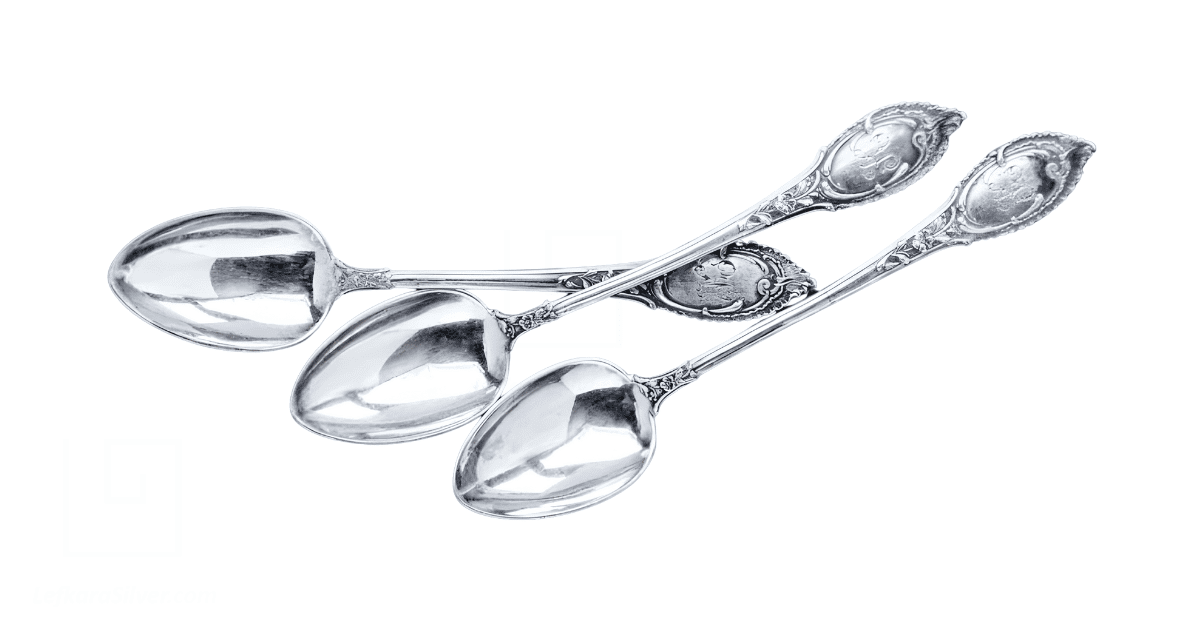
We have covered a lot of ground here, from listing 8 reliable stores to buy silver spoon sets and the different types of silver spoons by quality and design, we figured out how to know the value of your silver spoon, and learned how to identify an authentic sterling silver spoon.
Here are a few key points to take with you:
- Sterling silver is an alloy made of 92.5% pure silver and 7.5% copper to give it strength.
- The phrase “born with a silver spoon” comes from a time when spoons were expensive gifts given by godparents, marking a child’s wealth.
- Silver is a natural antimicrobial agent, which is one reason it became the standard for eating utensils.
- Servants in the 17th century would sometimes steal a silver spoon to craft a wedding ring, starting the “spoon ring” trend.
- Sheffield plate, invented in 1742, involves fusing a thin layer of silver over copper, making silverware more affordable.
- Apostle spoons, featuring figures of the 12 apostles, are among the most collectible and can fetch thousands of dollars.
- Silver is the most conductive metal for heat, which is why a silver spoon gets hot instantly in a cup of tea.
This content was last updated in October 2026. Follow our website, LefkaraSilver.com, to stay informed about new jewelry offers, news, and buying guides.
Silver Spoon FAQs
Here are answers to some frequently asked questions about silver spoons in 2026:
How Much is a Silver Spoon Worth?
Common silver-plated spoons often trade for just $1 to $15, while standard sterling teaspoons usually fetch $20 to $60 based on the current scrap silver price. However, rare antique pieces, like 16th-century Apostle spoons, are worth between $1,000 and $5,000+ at auction.
Are Silver Spoons 100% Silver?
Functional spoons are almost never 100% silver because the pure metal is simply too soft to hold its shape during daily use. Instead, the industry standard is Sterling Silver, which is an alloy containing 92.5% pure silver and 7.5% copper for added durability. Cheaper options use silver plating, where a microscopic layer of silver covers base metals like nickel or brass.
Can You Sell Silver Spoons?
You can absolutely turn that flatware into cash through antique dealers, pawn shops, or online marketplaces. Collectors hunt for specific patterns, paying premiums for complete sets or rare makers like Paul Storr. Even damaged pieces hold value as scrap, priced strictly by their weight and the current spot price of silver.
Will a Magnet Stick to a Silver Spoon?
A magnet should never stick to a genuine solid silver spoon because silver is a non-ferrous metal. If you feel a strong magnetic pull, the core is likely steel or iron, meaning the piece is merely silver-plated. This simple physics test instantly weeds out impostors, as 99% of fake silver reveals itself with a single click.