Should You Invest in Silver? Everything You Should Know
Silver isn’t just gold’s less-expensive sibling; it’s a fascinating asset with a double identity. It acts as both a hard asset for protecting wealth and a critical metal for industry, powering everything from solar panels to the smartphone you’re probably reading this on.
This guide gives you the full picture, with all the latest details as of October 2026. We’ll examine the key statistics you need to know and the 7 simple ways to invest like a pro. We’ll look at the big question: what’s the best way to invest in silver—coins, bars, or ETFs? You will also find information on the best time to invest for maximum profit, the top places to buy and sell, and the top 5 reasons to add silver to your holdings today.
We’ll explain how to increase your returns, how to invest in silver without losing money by avoiding common mistakes, how you’re taxed, and what the 5-year predictions look like.
Invest in Silver: Key Statistics for October 2026

The following are the numbers driving the silver market, from its impressive long-term returns to its industrial demand and the expert-recommended portfolio allocation.
- Industrial applications account for more than 50% of all silver demand annually, making it a critical commodity for economic growth.
- The demand for silver in photovoltaics, or solar panels, now makes up nearly 24% of the world’s total industrial use for the metal.
- Silver is known for its price swings; for every 1% change in the price of gold, the price of silver tends to move about 3% on average.
- Long-term investors in silver bullion saw a return of over 320% from 2004 through the end of 2022.
- Financial advisors typically suggest that precious metals should make up between 5% and 10% of a well-rounded investment portfolio.
- When buying physical silver coins and bullion, expect to pay an average commission of 5% to 6% above the metal’s spot price.
- A typical battery electric vehicle (BEV) is thought to use between 25-50 grams of silver, substantially more than the 15-28 grams found in a standard gas-powered car.
- The iShares Silver Trust (SLV), one of the most popular silver ETFs, has an annual expense ratio of 0.50%.
7 Simple Ways to Invest in Silver Like a Pro
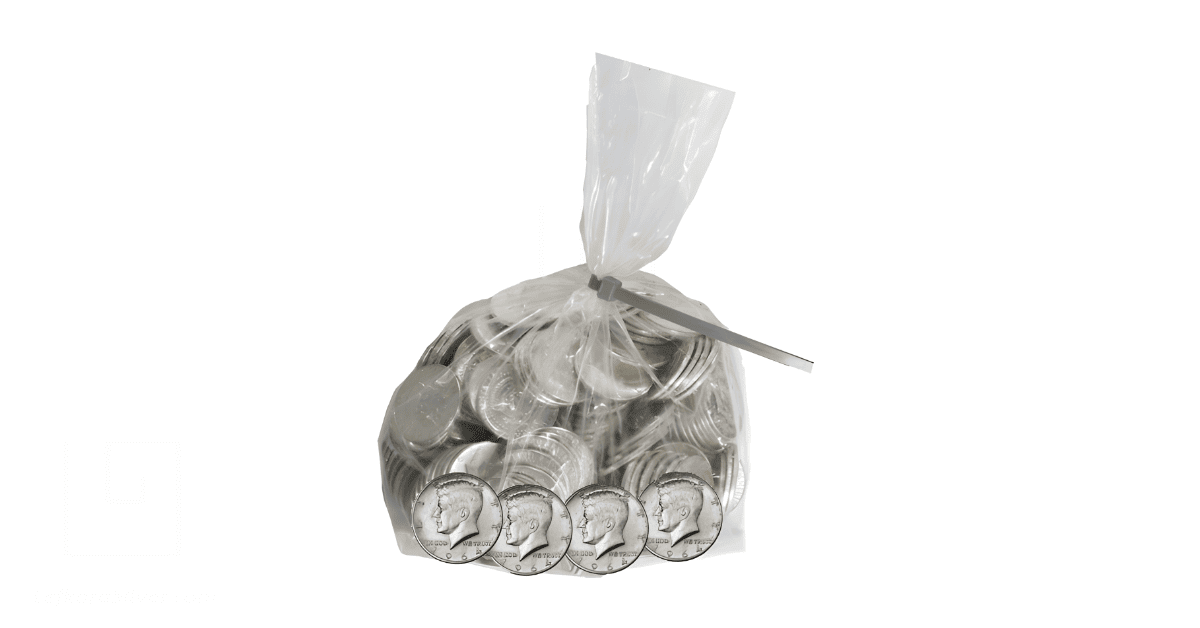
Getting into silver doesn’t have to be complicated. There are a few direct paths you can take to add this precious metal to your portfolio, each with its own set of features. You can choose the method that best fits your goals and comfort level.
1. Buy Physical Silver (Coins & Bars)
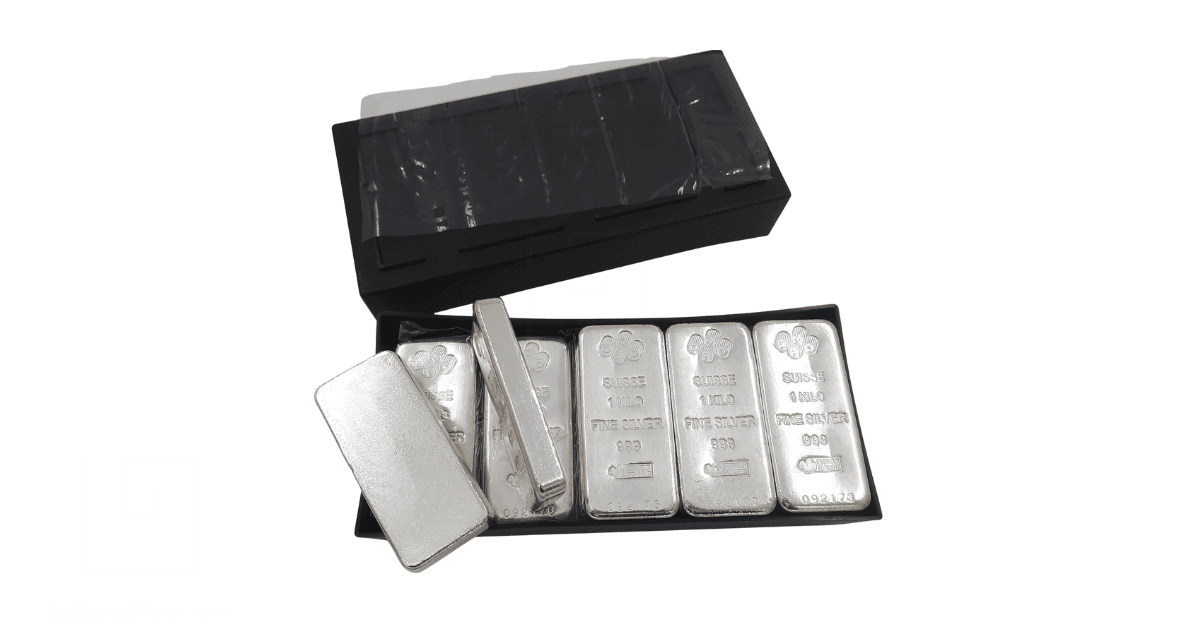
This is the most traditional way to own silver. You buy it, you hold it, it’s yours. Having physical silver, whether it’s shiny new coins or hefty bars, gives you a tangible asset that isn’t just a number on a screen. You can buy from online dealers, local coin shops, and even some banks. It’s a straightforward approach that sidesteps the risks tied to financial institutions.
The main draw here is the absence of counterparty risk—you’re not depending on a third party to make good on a contract. The downside involves logistics. You have to think about where to store it securely, which might mean buying a safe or renting a safe deposit box. You should also factor in insurance costs. When buying, you’ll pay a premium over the “spot price” of silver to cover manufacturing and dealer profits, and selling might not get you the full market value if you need cash in a hurry.
Check out the best places to buy silver bars and coins here.
2. Invest in Silver ETFs
If you want to play the silver market without renting a vault, Exchange-Traded Funds (ETFs) are a popular choice. A silver ETF is a fund that holds physical silver bars in a secure location, and you buy shares of that fund. This gives you direct exposure to silver’s price movements with the ease of trading a stock. You can buy and sell shares through any standard brokerage account.
The big advantages are liquidity and convenience. You can sell your shares instantly on any day the stock market is open, and you don’t have to worry about storage or security. The two largest ETFs that own physical silver are the iShares Silver Trust (SLV) and the abrdn Physical Silver Shares ETF (SIVR). Just remember, you don’t own the actual metal, just a claim to it. These funds also charge an annual fee, called an expense ratio, which can eat into your returns over time.
3. Buy Silver Mining Stocks
Another way to get in on the action is to buy shares in companies that mine silver. This method offers a couple of extra ways to profit. If silver prices go up, the mining company’s profits should increase, often at a faster rate than the metal’s price itself. Additionally, a well-run company can increase its production over time, adding another layer of potential growth that you don’t get from just holding the metal.
Investing in individual companies requires some homework. The company’s stock price is affected by more than just the price of silver; things like management decisions, mining costs, labor issues, and political stability in their operating regions all play a role. Many mining companies are also quite risky, so it’s smart to look for established producers with solid financials. This path gives you more upside potential but also comes with more company-specific risk. For more on precious metals, you can read about investing in gold.
4. Try Silver Mining ETFs
If you like the idea of owning mining companies but don’t want to pick individual stocks, you can buy an ETF that holds a basket of them. This gives you diversified exposure to the silver mining industry in a single trade, which helps lower the risk of any one company performing poorly. You get the benefits of the miners’ potential growth without putting all your eggs in one basket.
These funds, however, are still tied to the health of the silver industry. If the price of silver drops, the entire sector will likely feel the pain, and the ETF’s value will fall. It’s also important to look at what’s inside a specific ETF. Some focus on large, established miners, while others concentrate on smaller, riskier “junior” miners, so their risk profiles can be very different.
5. Trade Silver Futures
This one is for the more experienced traders. A silver futures contract is an agreement to buy or sell a specific amount of silver at a set price on a future date. You’re not usually looking to take delivery of the metal; instead, you’re betting on which way the price will go. The main attraction here is leverage. You only have to put up a small amount of capital to control a large position in silver.
Leverage is a double-edged sword. If you’re right, your profits can be huge and fast. If you’re wrong, your losses can be equally dramatic, and you could even lose more than your initial investment. Futures trading is complex and risky, and it generally requires a larger starting balance. This isn’t the place to start, but it’s a powerful tool for those who know how to use it.
6. Silver Streaming and Royalty Companies
A less common but clever way to invest is through precious metals streaming and royalty companies. These firms don’t operate mines themselves. Instead, they provide upfront cash to mining companies to help them finance the development of a new mine. In return, they get the right to buy a percentage of that mine’s future silver production at a deeply discounted, fixed price.
This business model offers a unique advantage. These companies benefit from rising silver prices but are insulated from the rising operational costs and risks associated with actually running a mine. For example, a streaming company might have a contract to buy silver at $5.75 per ounce, generating a healthy profit on every ounce sold above that price.
This approach provides a lower-risk exposure to the mining industry than buying a mining stock directly. The business generates strong cash flow, which is often used to fund new streaming deals and pay dividends to shareholders.
7. Digital and Pooled Silver Accounts
A modern way to own silver is through digital or pooled accounts offered by precious metal dealers and some financial institutions. With these accounts, you buy an interest in a large pool of physical silver that is stored and insured by the provider. It allows you to buy and sell silver 24/7 through an online platform.
This method combines some of the benefits of physical ownership with the convenience of digital trading. You own a claim to real silver without having to arrange for your own storage. Transaction costs are often lower than buying small bars or coins, and you can purchase silver in small increments, such as by the gram or for as little as $25.
Before opening an account, make sure you understand the terms. Check whether the silver is “allocated,” meaning specific bars are held in your name, or “unallocated,” where you are an unsecured creditor of the company. Allocated silver is much safer in the event the provider goes bankrupt.
What’s the Best Way to Invest in Silver? Coins vs. Bars vs. ETFs
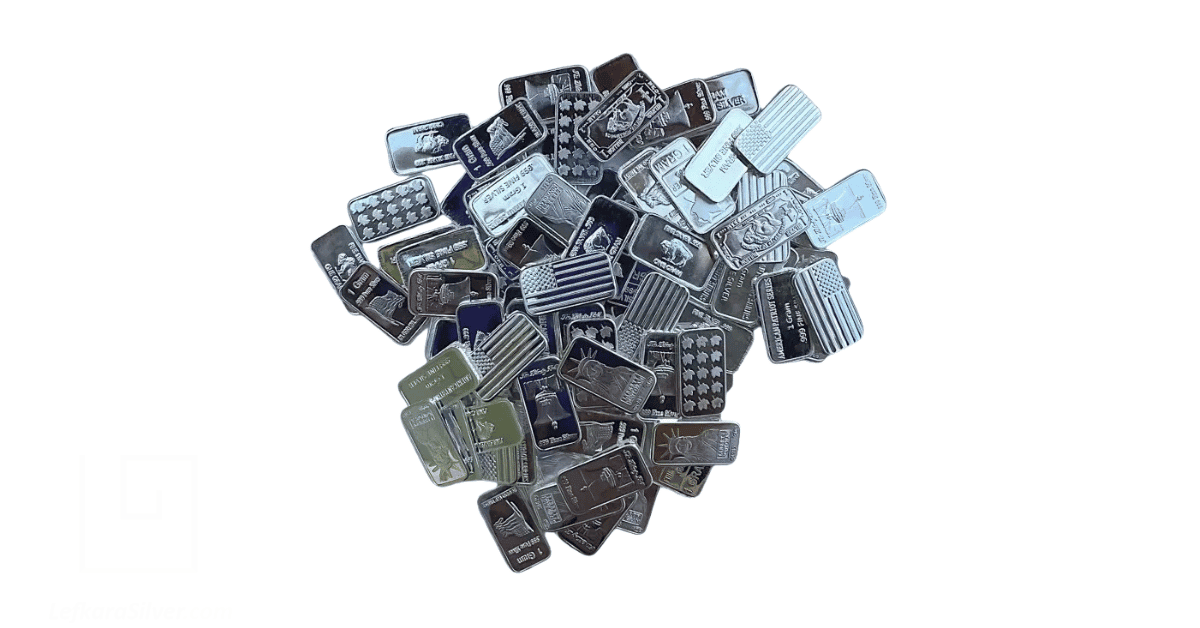
When deciding how to invest in silver, investors often weigh the tangible security of physical metal against the convenience of financial products. Each option—coins, bars, and ETFs—serves a different purpose. The best way really depends on your personal goals, whether you prioritize direct ownership and control or liquidity and ease of use.
For investors seeking a true safe-haven asset, physical silver is often the top choice. Owning physical bars and coins completely removes counterparty risk. In a financial crisis, you’re not relying on a fund manager or a bank; you have a tangible asset with a long history as a store of value. This is the core reason most people turn to precious metals in the first place: as a form of financial insurance. Between coins and bars, bars typically offer more silver for your money because they have lower manufacturing costs, resulting in a smaller premium over the spot price. For those looking to get the most metal for their dollar, silver bars are the most cost-effective option.
On the other hand, silver ETFs like SLV offer unmatched convenience and liquidity, making them a better fit for traders or those who don’t want to handle storage and security. You can move in and out of the market with a few clicks, and the costs are transparent through the fund’s expense ratio. While you don’t hold the metal yourself, a physically-backed ETF does give you direct exposure to silver’s price performance. For many, this blend of market access and simplicity makes ETFs the most practical way to include silver in a modern investment portfolio, especially for those focused on short-term price movements or portfolio diversification rather than long-term wealth preservation.
The Best Time to Invest in Silver for Maximum Profit

Historically, silver prices often follow predictable seasonal patterns, creating strategic entry points for investors. Analysis of price data over the last two decades shows that the market tends to cool off during the summer. June and July frequently present the lowest average prices of the year, offering a potential buying window before prices typically begin to climb again in the late summer and fall. Another dip often occurs in early spring, around March, after the initial demand from the new year subsides. Buying during these calmer periods allows you to get more metal for your money before seasonal demand picks up.
Beyond the calendar, the economic climate is a powerful indicator. Silver is a hard asset, making it a strong performer during times of high inflation and currency devaluation. When the purchasing power of money is falling, investors often move into precious metals to protect their wealth. A key metric to watch is the gold-to-silver ratio, which indicates how many ounces of silver it takes to buy one ounce of gold. A high ratio, for example, above 80:1, can suggest that silver is undervalued relative to gold, signaling a potentially opportune moment to buy.
Economic downturns and periods of stock market volatility also represent prime times to add silver to a portfolio. Because silver has a low correlation to stocks and bonds, it can help balance your holdings when other assets are declining. Furthermore, since over 50% of silver demand comes from industrial applications, a temporary economic slowdown might reduce industrial consumption and lower prices. This can create a valuable entry point for investors who anticipate a rebound in manufacturing and technology, particularly in fast-growing sectors like solar energy and electric vehicles.
Where to Invest in Silver? The Best Places to Buy and Sell
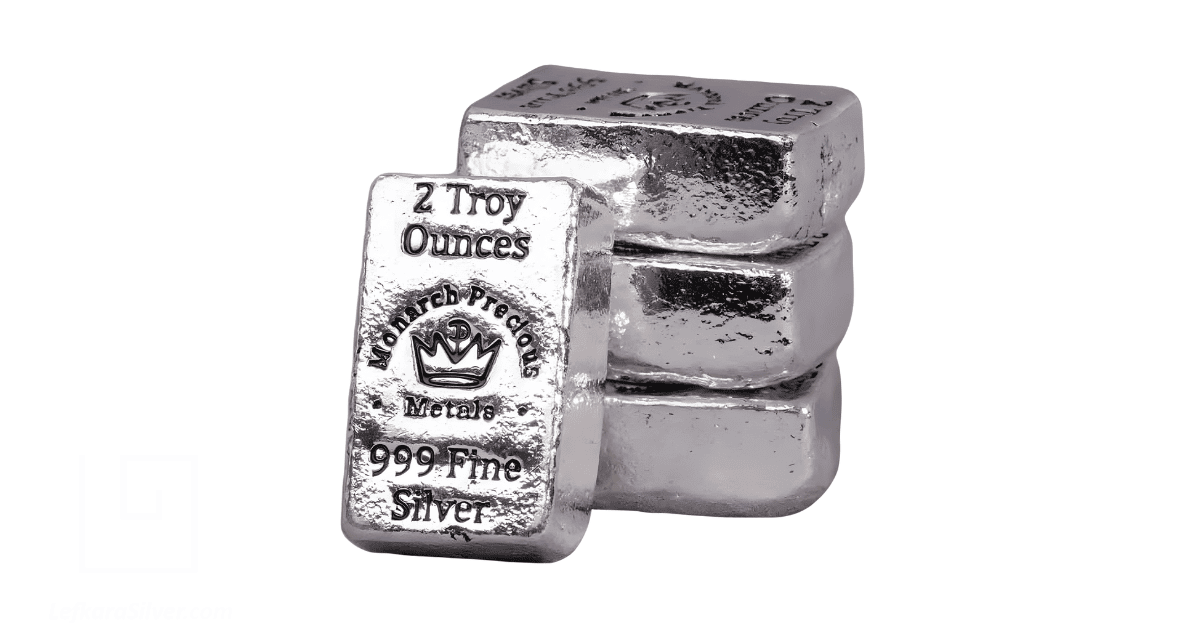
There are different places to start with silver investment, including buying and selling silver bars, coins, ETFs, and more. Finding a trusted source is key to making a sound purchase and getting a fair price when you sell.
Here are some of the best places to buy and sell silver:
- Reputable Online Bullion Dealers
These are often the most popular and convenient options. Websites like APMEX and JM Bullion offer a wide selection of silver bars, rounds, and coins from mints worldwide. Their pricing is transparent, typically showing the spot price plus a premium. They also offer buy-back programs, making it easy to sell your silver when the time is right. - Local Coin Shops
A trusted local dealer offers the benefit of seeing the silver before you buy it and avoiding shipping fees. It’s a good way to build a relationship with an expert who can offer direct advice. When selling, you can get an immediate in-hand payment. Just be sure to check the dealer’s reputation and compare their buy-and-sell prices against the current spot price. - Brokerage Firms
If you prefer a hands-off approach without physical storage, a standard brokerage account is your gateway to silver-backed financial products. You can easily buy shares in a Silver ETF (Exchange-Traded Fund), such as the iShares Silver Trust (SLV), which tracks the price of silver. You can also purchase stocks in silver mining companies, which offer a different type of exposure to the metal’s value. - Directly from Government and Private Mints
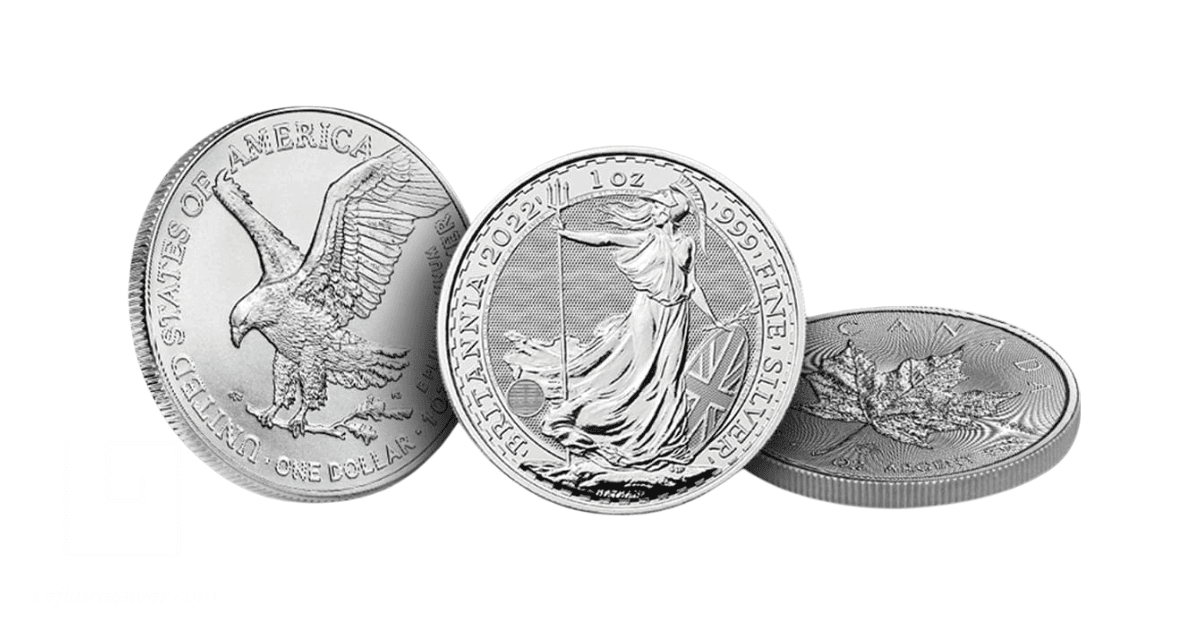
You can buy newly released coins directly from government mints like the U.S. Mint or the Royal Canadian Mint. These institutions guarantee the authenticity and purity of their products, such as the popular American Silver Eagle coin. While buying directly from a mint ensures quality, you will often pay a higher premium than you would for the same items from a bullion dealer. It’s essential to know the difference when considering your silver coin investment options.
Top 5 Reasons to Invest in Silver Today
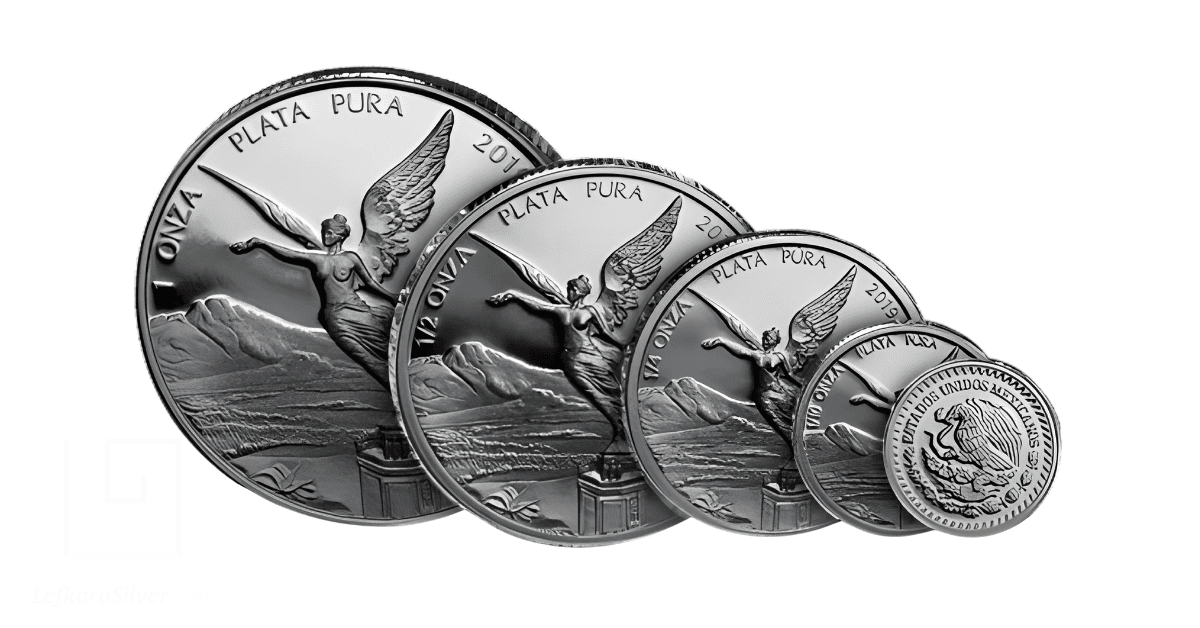
Investing in silver presents some distinct benefits in 2026, and the reasons go far beyond just its shine. For anyone on the fence, a closer look at its unique position in the global market reveals a compelling case for adding it to your portfolio.
- Surging Industrial Demand
Silver is a critical component in modern technology, and its use is growing at a rapid pace. More than 50% of all silver demand comes from industrial applications. It is the most electrically and thermally conductive metal, making it essential for electronics, 5G mobile technology, and electric vehicles. The green energy transition is a massive driver, as silver paste is a key part of manufacturing solar panels. A standard residential solar panel can contain up to 20 grams of silver, and with solar energy capacity expanding globally, this demand isn’t slowing down. This constant industrial need provides a strong floor for silver’s value, independent of investment trends. - Greater Accessibility and Affordability
Compared to gold, silver is significantly more accessible to the average investor. Its lower price per ounce means you can acquire a meaningful physical amount without a massive capital outlay. This accessibility makes it easier to buy and sell in smaller increments, offering more flexibility. The gold-to-silver ratio, which tracks how many ounces of silver it takes to buy one ounce of gold, is a helpful indicator. When this ratio is high by historical standards, it can suggest that silver is undervalued relative to gold, pointing to a potential buying opportunity. - A Hedge Against Economic Instability
Like other precious metals, silver acts as a reliable store of value. During times of inflation, currency devaluation, or geopolitical tension, investors often turn to tangible assets to protect their wealth. Silver has been used as money for thousands of years and has never defaulted or gone to zero. Holding physical silver means you have an asset with no counterparty risk, unlike stocks, bonds, or even cash in a bank. It is a form of financial insurance that tends to perform well when paper assets struggle. - Effective Portfolio Diversification
Adding silver to an investment portfolio can reduce overall risk. Silver’s price movements have a weak correlation with traditional assets like stocks and bonds. This means that when the stock market is down, silver’s value may hold steady or even increase, helping to balance out losses elsewhere. Experts often recommend a modest allocation to precious metals, typically between 5% and 10% of your total portfolio, to get the benefits of diversification without taking on too much commodity risk. - High Growth Potential
Silver is known for its price volatility, which can be two to three times greater than gold’s. While this means higher risk, it also presents the opportunity for significant returns. A 1% price move in gold can translate to an average move of 3% for silver. Furthermore, the silver market has been experiencing a structural supply deficit, meaning global demand has been consistently outpacing what is produced by mining and recycling. This fundamental imbalance between supply and demand could lead to substantial price appreciation over the long term.
How to Maximize Your Returns When You Invest in Silver?
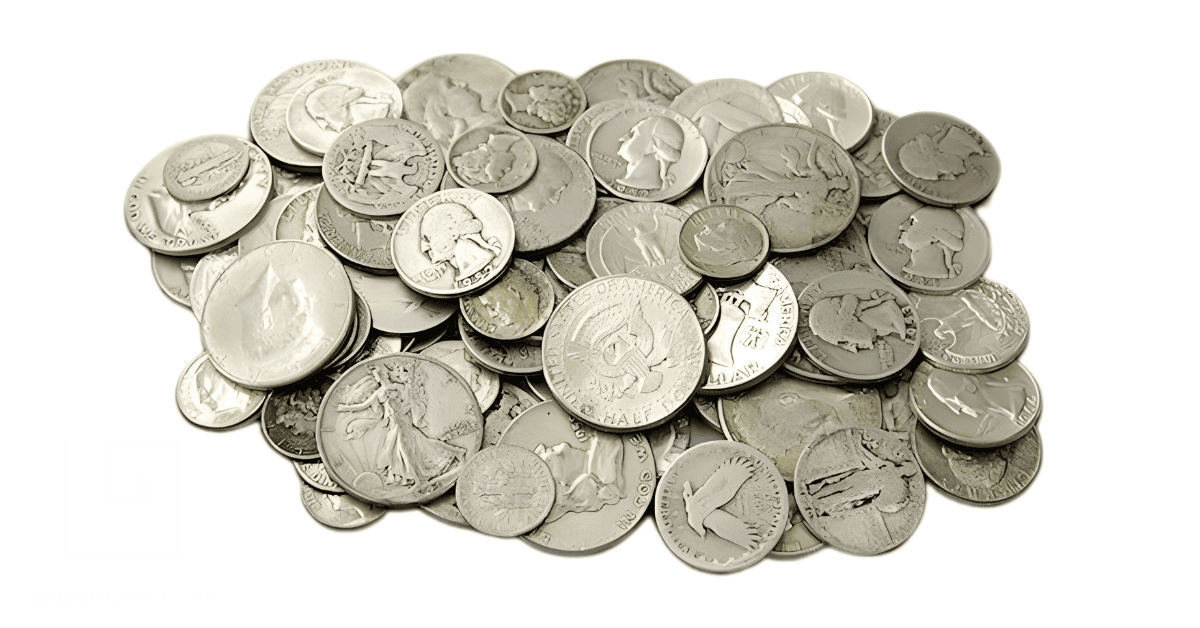
Unlike owning stock in a company that pays dividends, making money from a silver investment relies on one thing: price appreciation. The basic strategy is to buy the metal at a certain price and sell it later at a higher price. The difference between your purchase price and your selling price, minus any associated costs, is your return. Since a bar of silver doesn’t generate income or cash flow while you hold it, your profit is entirely dependent on someone else being willing to pay more for it in the future than you did.
This is a key difference between holding physical silver and investing in companies that mine silver. Silver mining stocks can provide returns in two ways. First, their stock price can rise along with the price of silver, often at a faster rate due to operational leverage. Second, some mining companies pay dividends to their shareholders, providing a stream of income. However, these stocks also carry business-specific risks, such as management issues or production problems, that are separate from the silver market itself.
For those holding physical silver or silver-backed funds, maximizing returns means knowing when and how to buy and sell. The volatility of the silver market can work for you if you have a clear strategy, but it can also lead to losses if you make impulsive decisions. Success often comes down to managing costs, understanding the different investment products, and having a long-term perspective.
Here are some tips to help maximize your returns:
- Pay Attention to the “Premium”: When you buy physical silver, you will always pay a price slightly above the current market value, or “spot price.” This extra charge is called a premium, and it covers the costs of manufacturing, distribution, and the dealer’s profit. To maximize your return, shop around and buy from reputable dealers with competitive premiums. Silver bars typically have lower premiums than government-minted coins, making them a more cost-effective choice for pure investment purposes.
- Use Dollar-Cost Averaging: Timing the market is notoriously difficult. Instead of trying to buy at the absolute bottom, consider a strategy called dollar-cost averaging. This involves investing a fixed amount of money at regular intervals, regardless of the price. By doing this, you buy more ounces when the price is low and fewer ounces when the price is high. This approach smooths out your average cost over time and reduces the risk of investing a large sum right before a price drop.
- Select the Right Investment Vehicle: Your returns can be heavily influenced by the type of silver investment you choose. Physical bullion offers security but comes with storage and insurance costs. Silver ETFs (Exchange-Traded Funds) provide excellent liquidity and low transaction fees, but don’t give you direct ownership of the metal. Investing in gold has similar options. For experienced traders, silver futures offer high leverage but also carry a much higher risk of significant loss. Match your choice to your risk tolerance and investment goals.
- Plan for the Long Haul: Silver’s volatility can be unnerving in the short term. Prices can swing dramatically based on economic news or shifts in industrial demand. The most successful silver investors are often those who hold their positions for several years, allowing them to ride out the short-term noise and benefit from long-term trends like rising industrial use and ongoing currency debasement.
How to Invest in Silver Without Losing Money: Mistakes to Avoid
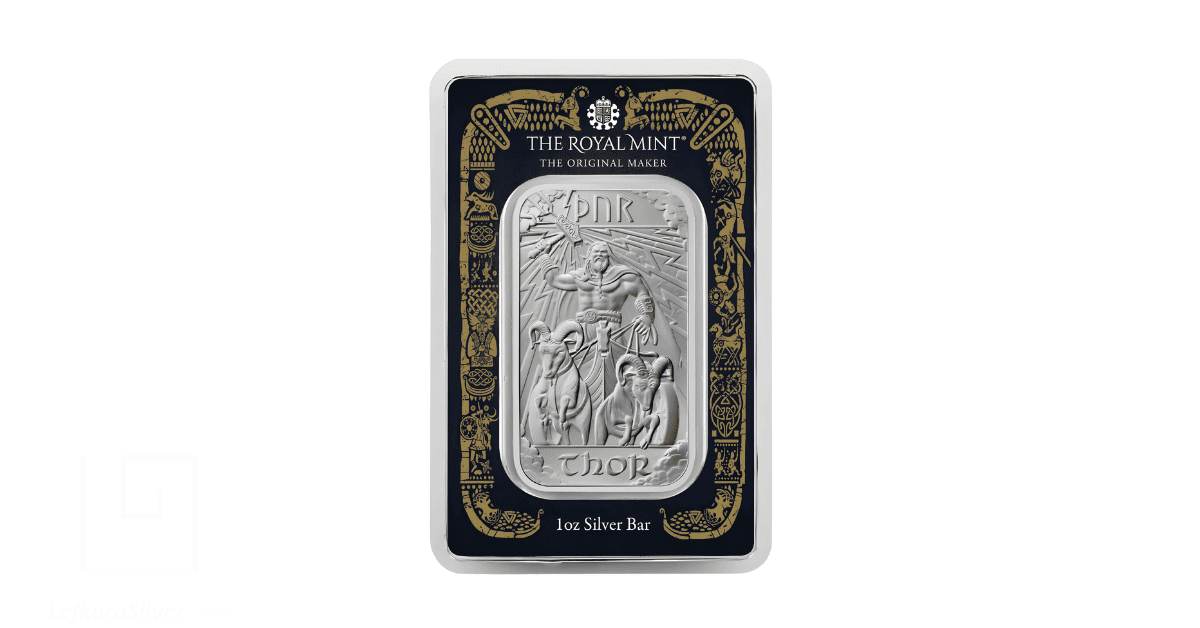
Any investment has its ups and downs, and you should be prepared to lose some money. You have to build a strategy that minimizes big mistakes and protects you from substantial losses.
Here are some common missteps to watch out for when you decide to buy silver.
- Ignoring the Spot Price: The spot price is the current market price for raw silver. Dealers will always add a premium on top of this to make a profit, which is normal. The mistake is not knowing the spot price before you buy. This simple piece of information is your baseline for a fair deal. Without it, you’re flying blind and could easily overpay.
- Paying Too High a Premium: Premiums vary based on the type of silver product (coins often have higher premiums than bars), the dealer, and market demand. A little comparison shopping goes a long way. Before committing, check the prices from a few different reputable dealers to get a sense of the standard markup.
- Forgetting About Storage and Insurance Costs: Physical silver needs a safe home. Storing it yourself in a high-quality safe or renting a bank safe deposit box comes with costs. You also need to think about insurance. Many standard homeowner’s insurance policies have very low limits for precious metals, so you might need an additional rider to cover your investment. These costs add up and affect your total return.
- Buying on Emotion: Market hype and fear can drive prices to extreme highs and lows. Making decisions based on the panic or excitement of the moment is a recipe for buying high and selling low. A better plan is to set your investment goals beforehand and stick to them, whether that means buying a set amount regularly or targeting a specific percentage for your portfolio.
- Choosing the Wrong Product for Your Goals: Are you a collector or an investor? Collectible coins, or numismatics, have value based on their rarity and condition, not just their silver content. This means you’ll pay a much higher premium. If your goal is to invest purely in the metal itself, stick to bullion bars and common bullion coins where the price is much closer to the spot value.
- Not Verifying the Purity: Investment-grade silver bullion should be at least 99.9% pure (.999 fine). Always buy from well-known, reputable dealers who can guarantee the authenticity and purity of their products. If a deal from an unknown seller seems too good to be true, it almost certainly is.
How Are You Taxed When You Invest in Silver?
When people talk about taxes on precious metals, gold often comes up first. In the UK, for example, certain gold coins produced by The Royal Mint, like the Britannia and Sovereign, are considered legal tender and are exempt from Capital Gains Tax (CGT). This gives them a distinct tax advantage for British investors.
In the United States, however, the Internal Revenue Service (IRS) views gold differently. It doesn’t get the same favorable long-term capital gains tax rates that stocks and bonds do. Instead, it’s classified as a “collectible.” This distinction is critical for any investor to understand.
When you invest in silver in the United States, the tax rules are similar to those for gold. The IRS also classifies silver bullion, coins, and even silver ETFs as collectibles. This means any profit you make from selling your silver is taxed at the collectibles capital gains rate. This rate can be as high as 28%, which is notably more than the 0%, 15%, or 20% long-term capital gains rates for most other investments. This higher tax rate applies if you hold the silver for more than one year. If you sell within a year, the profit is taxed as ordinary income, which could be even higher depending on your tax bracket.
These tax rules apply regardless of how you invest. Whether you sell physical silver bars, profit from an ETF like the iShares Silver Trust (SLV), or trade in silver futures, your gains are considered income from a collectible. It’s a key factor to build into your financial planning, as the tax bill can take a significant bite out of your returns. Furthermore, unlike in the UK and European Union, states in the U.S. may charge sales tax on the purchase of silver, adding another cost to consider at the time of investment.
5-Year Predictions For Those Who Invest in Silver
Silver’s price path is known for its energetic swings, often moving more dramatically than gold. This volatility comes from its dual identity as both a precious metal and a vital industrial component. Looking ahead, you can expect this lively performance to continue. Over the next five years, the demand from tech sectors, especially in renewable energy like solar panels and electric vehicles, is set to grow.
At the same time, its role as a safeguard during economic shakiness remains strong. This means silver’s value will be shaped by both industrial hunger and investor sentiment, creating a dynamic environment.
While no one has a crystal ball, expert analysis points toward a generally positive trend for silver prices. Here’s a look at what the forecasts suggest for the coming years.
| Year | Predicted Price Range (per ounce) |
|---|---|
| 2026 | $35 – $48 |
| 2027 | $40 – $55 |
| 2028 | $45 – $65 |
| 2029 | $50 – $75 |
| 2030 | $55 – $90+ |
Invest in Silver – Key Takeaways for Potential Investors
This guide covered a lot of ground, from the key statistics for October 2026 to the simple ways you can get started. We looked at the differences between coins, bars, and ETFs, pinpointed the best times to buy, and showed you where to find reputable dealers. You’ve seen the top reasons to add silver to your holdings, how to improve your returns, and the common mistakes to sidestep.
We even touched on taxes and what the next five years might hold for silver’s price. It’s clear that whether you’re interested in precious metals or industrial commodities, silver holds a unique position. For those interested in comparing it with its yellow counterpart, you can also read our guide on how to invest in gold.
Here are a few final thoughts to keep in mind:
- More than 50% of silver demand comes from industrial applications, including electronics, solar panels, and medical devices.
- Silver’s price is famously more volatile than gold’s. On average, for every 1% price move in gold, silver tends to move about 3%.
- Physical silver is a tangible asset you can hold, with no counterparty risk, unlike stocks, bonds, or even ETFs.
- The average electric vehicle uses between 25 and 50 grams of silver, a figure that’s expected to rise with new technology.
- NASA uses silver ions to purify water for astronauts on the International Space Station.
- Many countries, including the UK, charge a Value Added Tax (VAT) on physical silver purchases, which is an important cost to factor in.
This article was last updated in October 2026.
Investing in Silver FAQs
Here are answers to some frequently asked questions about investing in silver this year:
Is it Worth Investing in Silver?
Yes, due to its dual role. Over 50% of silver’s demand is industrial, crucial for solar panels and EVs, supporting its long-term value. It also acts as a hedge against inflation and economic uncertainty, making it a strong portfolio diversifier with significant growth potential from both industry and investment demand.
Will Silver Hit $100 an Ounce?
Reaching $100 is ambitious but possible during major economic shifts, like hyperinflation or a currency reset. This would require the gold-to-silver ratio to fall from its historical average of around 60:1 to below 20:1. Such a price reflects a crisis scenario where demand for hard assets explodes.
Is it Better to Buy Gold or Silver?
It depends on your goals. Silver is more affordable, allowing you to buy more metal for your money. However, it’s also more volatile; for every 1% price move in gold, silver often moves about 3%. This makes silver a higher-risk, higher-reward play compared to the relative stability of gold.
Will Silver Skyrocket in 2026?
Many signs point to a strong year for silver. A persistent supply deficit combined with record industrial demand, projected to rise by another 4%, creates a powerful setup. This imbalance, coupled with investor interest as a safe haven, could certainly cause a significant price surge in 2026.
What Will 1 Oz Of Silver be Worth in 10 Years?
Long-term forecasts are optimistic, driven by the green energy transition. With increasing use in solar and EVs, demand is set to climb steadily. Some expert analyses suggest silver could reach $90 per ounce or more by the early 2030s, assuming these industrial trends continue their current pace.
Why is Silver So Cheap?
Silver is much more abundant than gold; the Earth’s crust contains roughly 17 times more silver. Historically, it was also phased out as circulating currency in the 20th century, reducing its monetary premium. This combination of greater supply and changed monetary status keeps its price more accessible.
Why is 925 Silver So Cheap?
Because it’s not pure silver. Known as sterling silver, 925 is an alloy containing only 92.5% silver, with the rest being other metals like copper for durability in jewelry. Investment-grade silver is at least .999 pure, so 925’s lower purity and non-investment purpose keep its price down.
Is Silver a Good 5 Year Investment?
It appears to be a very strong candidate for growth over five years. The demand from green industries like solar and EVs provides a solid foundation. With many experts forecasting prices could reach the $55 to $90 range by 2030, it offers a compelling case for long-term appreciation in a portfolio.
Is Silver Going to Boom?
The fundamentals certainly point toward a potential boom. The market has faced a major supply deficit in recent years, with demand outpacing supply by as much as 25%. This growing imbalance, driven by industrial consumption and investor interest, creates a powerful argument for a significant price surge.
What is the Downside of Buying Silver?
Its primary downside is sharp price volatility. Physical silver also introduces storage costs, insurance needs, and the risk of theft. Furthermore, purchases in some countries are subject to a hefty Value Added Tax (VAT) of 20% or more, which you must overcome just to break even on your investment.
Is Silver a Good Investment in 2026?
Yes, the outlook for 2026 remains positive. The relentless demand from the technology and renewable energy sectors is expected to continue tightening the market. Expert price predictions for 2026 fall within a healthy $35 to $48 per ounce range, suggesting solid potential for continued gains for investors.
Which Silver is Best to Buy For Investment?
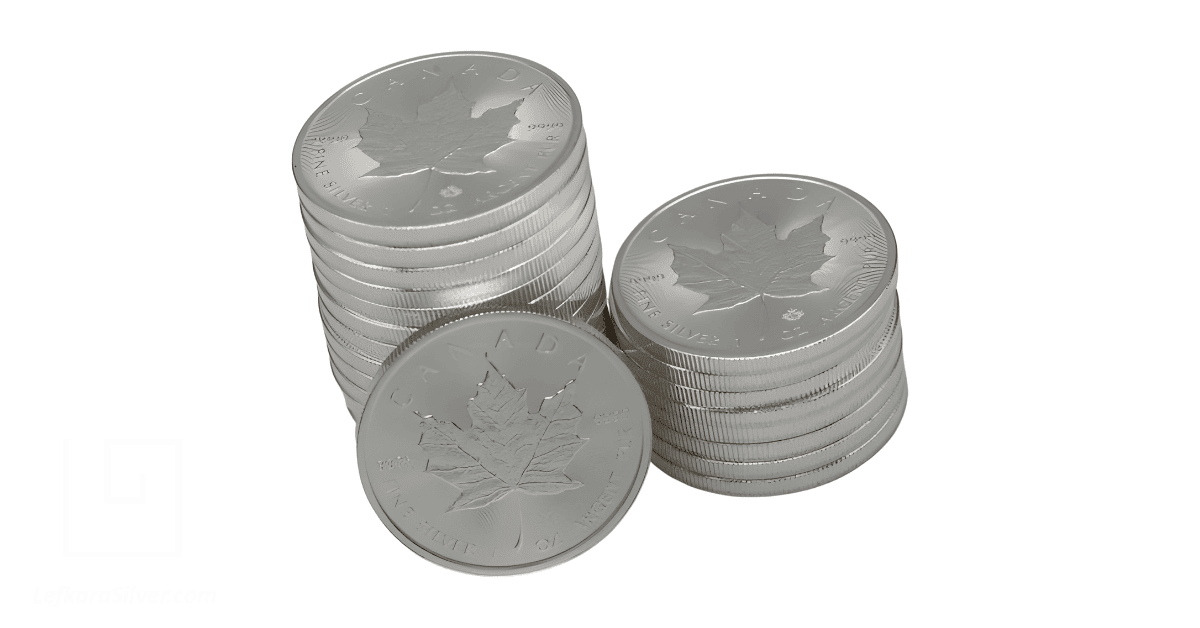
For investment purposes, focus on high-purity bullion bars and coins. You should only buy silver that is stamped as .999 or .9999 fine, as this is the global standard. Government-minted coins like the American Silver Eagle and Canadian Maple Leaf are ideal as they are easily recognized and traded worldwide.