Types of Earrings You Should Know
Earrings are the quickest way to change your vibe without buying a whole new wardrobe. They frame your face and draw attention to your eyes, making them one of the most powerful tools in your jewelry box.
In this guide, we will examine key statistics for different types of earrings in October 2026 to see which styles are currently trending. We will also go through the 8 best types of earrings with names & pictures for every face shape to help you find your perfect match. We’ll explain different types of earrings and their meanings so you know what your jewelry says about you. If you want to fill up your cartilage, you’ll find the types of earrings for the upper ear. For those who struggle with itchy lobes, we’ve found some must-have earring styles for sensitive ears.
We will also check out earring types for those without piercings and the 10 common types of earrings for ladies that everyone should own. If you’re shopping for a guy, we’ll show you how to choose the right types of earrings for men. You’ll get practical styling tips for different types of earrings and a list of the most secure types of earring backs & closures, so you don’t lose your favorite pieces.
Key Statistics of Earrings in October 2026
The earring market is moving fast, with a huge jump in online shopping and a move toward sustainable materials.
- The global jewelry market value has reached $310 billion.
- Digital sales now represent 25% of all jewelry spending worldwide.
- About 60% of people now choose lab-grown stones for their classic studs to save money and stay ethical.
- The market for men’s types of earrings has grown by 15% in the past year alone.
- Around 45% of buyers now look for hypoallergenic metals like titanium to avoid skin problems.
- Interest in ear cuffs and other non-pierced styles went up by 20% this season as people avoid new piercings.
- Hoop earrings are still the most popular style, making up 35% of all global earring sales.
- Demand for sculptural silver pieces increased by 12% among younger buyers who want a bold look.
- Custom earring orders have risen by 18% as people want a one-of-a-kind style that feels personal.
- Data shows the average person now keeps 12 different pairs of earrings in their collection to match various moods. narrows down to a pointed chin. Long or oblong faces are narrow and stretched out, and diamond faces peak at the cheekbones with a narrow forehead and jaw. Knowing these lines helps you pick the right “frame” for your face.
8 Best Types of Earrings With Names & Pictures for Every Face Shape
Earrings have a long history as a primary accessory. People started wearing them thousands of years ago, with early evidence dating to ancient civilizations such as Mesopotamia and Egypt. Back then, they often served as symbols of status, power, and even protection against misfortune. Today, they remain a staple of daily fashion, acting as the finishing touch that pulls an outfit together. While personal taste drives most choices, choosing a style that suits your face shape can make a noticeable difference in your overall look.
To find your match, first identify your face shape by looking in the mirror. Common categories include round, oval, square, heart, and diamond. A round face is about as wide as it is long, with soft edges. An oval face is slightly longer than it is wide with balanced proportions. A square face features a sharp, defined jawline with a forehead of similar width. A heart-shaped face is wider at the forehead and tapers down to a pointed chin. A diamond face has wide cheekbones with a narrow forehead and chin.
1. Stud Earrings
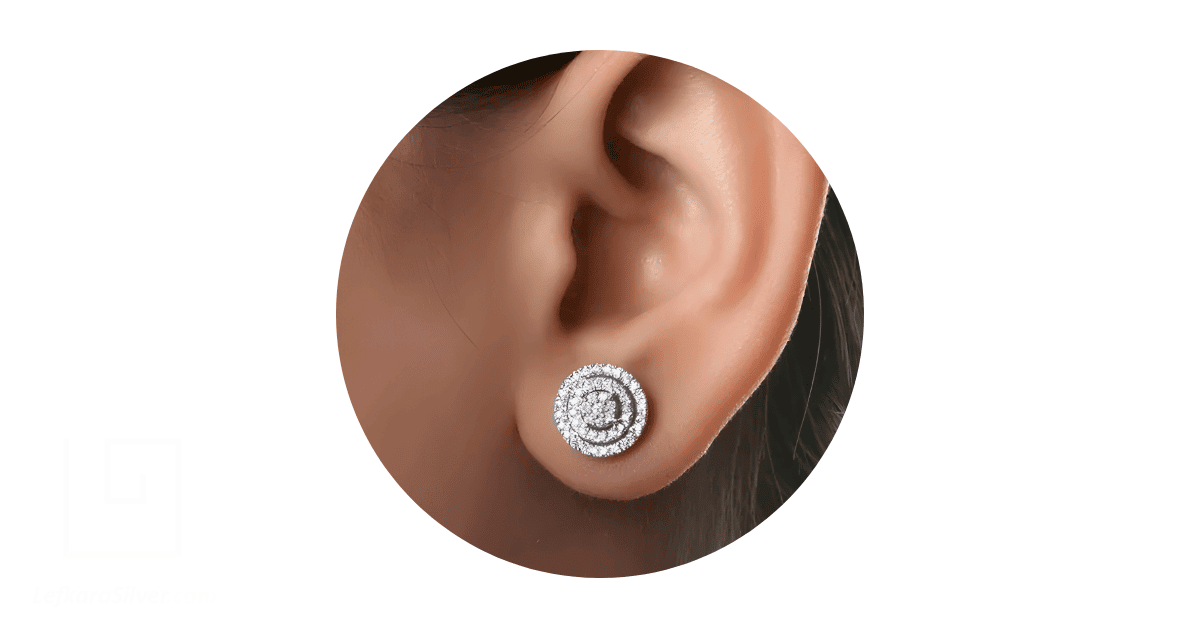
Studs are the most classic, versatile style available. They feature a single gemstone, metal ball, or design attached to a post that sits directly on the earlobe without dropping or dangling. Because they remain stationary, they work for virtually every face shape, particularly oval and diamond faces, as they provide a subtle, clean look without altering the perceived length or width of the face.

For those with a round face, small studs can work if paired with other pieces, but they are generally less impactful than longer styles. If you have a square face, round or pearl studs help soften the strong lines of your jaw. Many top brands, including Lefkara Silver, offer high-quality stud collections that cater to both minimalist and bold tastes, making them a safe choice for any beginner.
2. Hoop Earrings
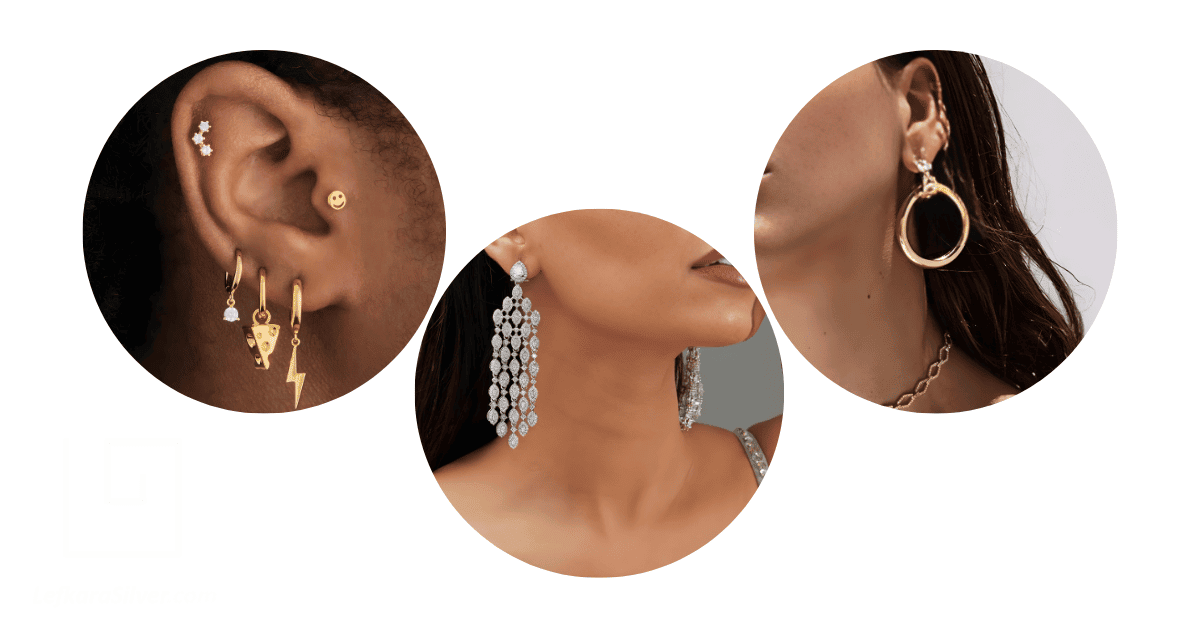
Hoop earrings are circular or semi-circular pieces that loop from the front of the earlobe to the back. They are incredibly popular because they come in every size imaginable, from tiny, tight-fitting huggies to massive, dramatic statement circles.

For people with a square face, hoops are a top-tier choice because their rounded edges provide necessary contrast to a sharp, angular jawline. On the other hand, those with round faces should reach for oval or oblong hoops rather than perfectly circular ones to create an impression of length.
3. Drop Earrings
Drop earrings hang just below the earlobe and are typically stationary, holding a fixed ornament like a gemstone or metal shape. This style is excellent for round faces, as the downward extension helps draw the eye vertically, giving the face a more elongated and slimmer appearance. They provide more interest than a standard stud but remain practical enough for office environments.
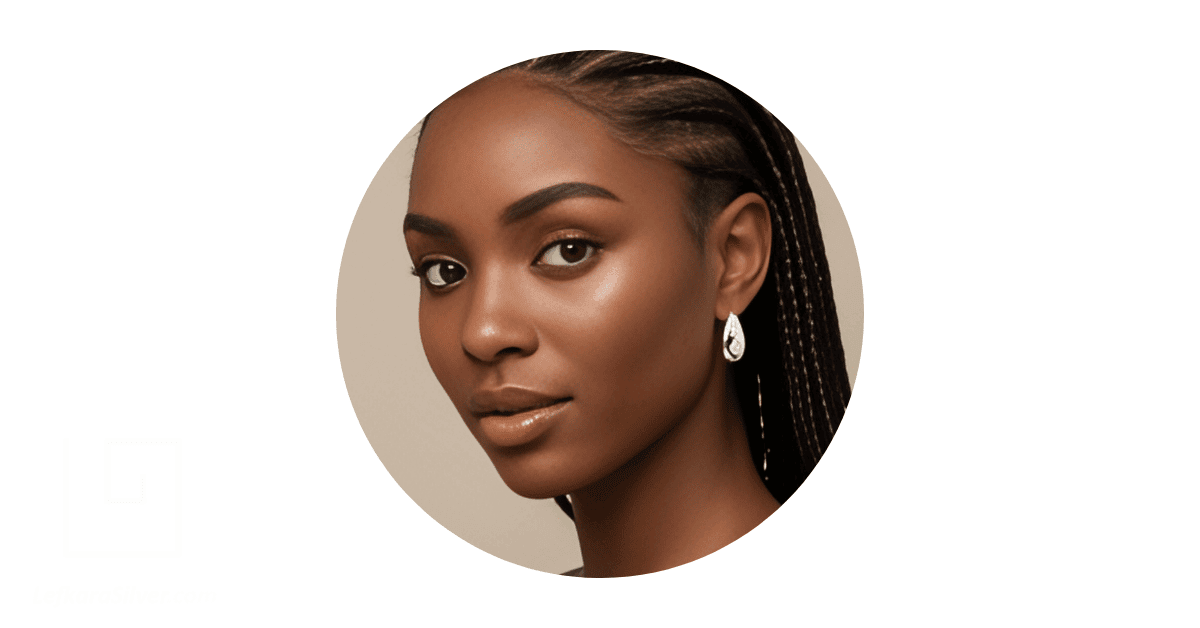
If you have a heart-shaped face, look for drop earrings with a wider base, such as teardrop shapes. This adds volume near your narrow chin, creating a better proportion. You can find an excellent selection of drop styles from brands like Tiffany & Co., which offers various lengths to suit your specific features.
4. Dangle Earrings
Dangle earrings are similar to drops but differ because they are free-moving and often incorporate multiple components that sway when you move. Their fluidity makes them a favorite for evening wear and formal events. Because they create a long line of movement, they are perfect for round faces to break up the circularity, and also work well for square faces if the design is curved or soft rather than jagged.

The swaying motion draws significant attention, so if you have a diamond face shape, look for dangles that are slightly wider at the bottom to balance your cheekbones.
5. Chandelier Earrings
Chandelier earrings are ornate, multi-tiered dangles that mimic the shape of their namesake light fixture. They are the most luxurious style, often featuring numerous gemstones and complex metalwork. Because they tend to be wide and voluminous, they are ideal for heart-shaped faces, as they add weight and interest to the lower half of the face, balancing a broader forehead.

Individuals with an oval face can pull off almost any chandelier design, as their balanced proportions allow them to handle the scale of these bold pieces.
6. Threader Earrings
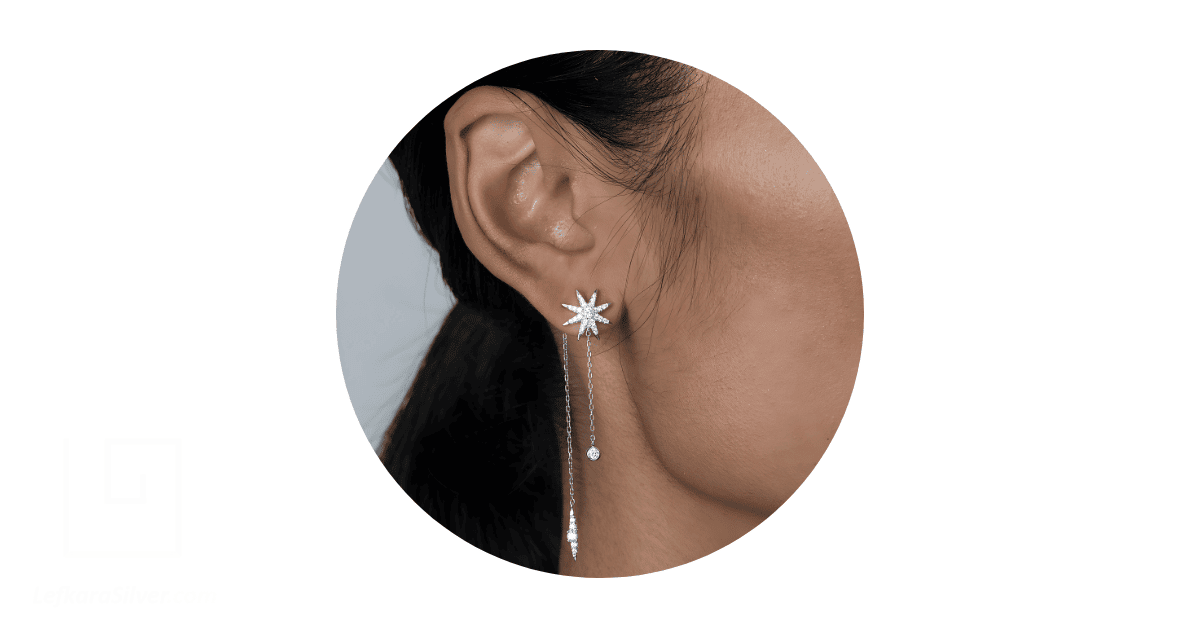
Threader earrings feature a long, thin chain or wire that passes through the piercing, with both ends hanging down to create a sleek, modern look. This minimalist style is highly adjustable, as you can pull the chain to your preferred length. They are perfect for oval faces because they accentuate natural balance without being too heavy or overwhelming.
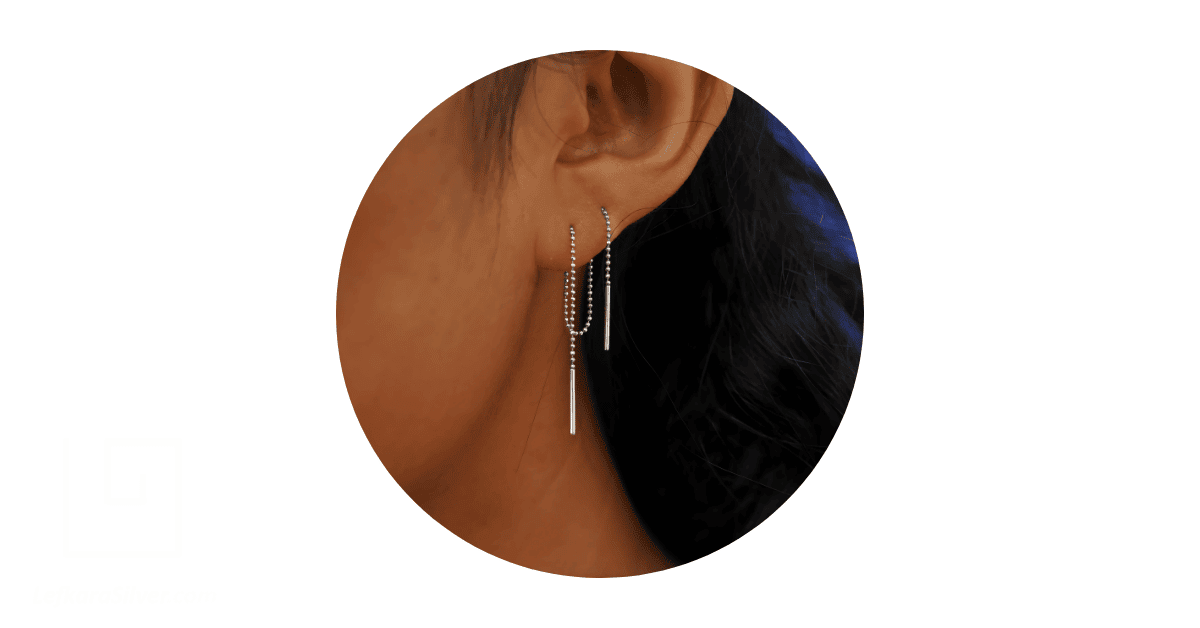
If you have a round face, threader earrings can create a vertical line that helps lengthen your appearance. They offer a refined alternative to standard dangle earrings for those who prefer a contemporary aesthetic.
7. Ear Climbers
Ear climbers, also known as crawlers, are designed to sit along the edge of your ear, appearing to “climb” upward from the lobe. They are a modern, edgy alternative to traditional hanging earrings and require only one piercing. They are a fantastic choice for diamond face shapes because they highlight the cheekbones while maintaining a close, balanced fit.
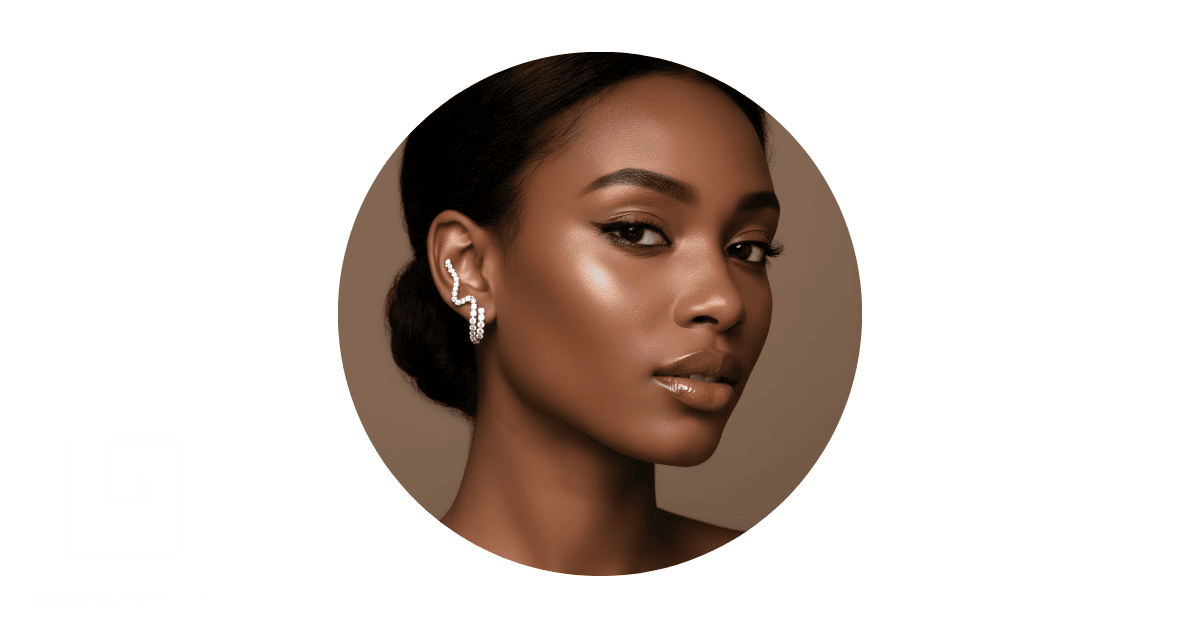
Because they follow the curve of the ear, they provide a structured, geometric appearance that works well for people with square faces who want to add a sense of directionality without lengthening the face.
8. Huggie Earrings
Huggies are mini hoops that fit very tightly against the earlobe. They are perfect for people with diamond face shapes because they add sparkle and interest without dragging the face down or adding excessive width.

Because they are low-profile and comfortable, they are ideal for people who want a polished, understated look that works 24/7. Those with oval faces can wear huggies in stacks or on their own, enjoying the style’s versatility.
Different Types of Earrings and Their Meanings
The history of earrings is deeply tied to cultural identity and social standing. Throughout centuries, different styles have emerged to reflect everything from religious beliefs to personal wealth. Stud earrings, for instance, are widely considered the standard for reliability. They represent simplicity and modesty. In many cultures, a basic metal or gemstone stud is the first piece of jewelry a child wears, signifying the start of their personal style journey. Materials like 14K gold or surgical stainless steel are preferred for studs because they are biocompatible and durable for constant wear.
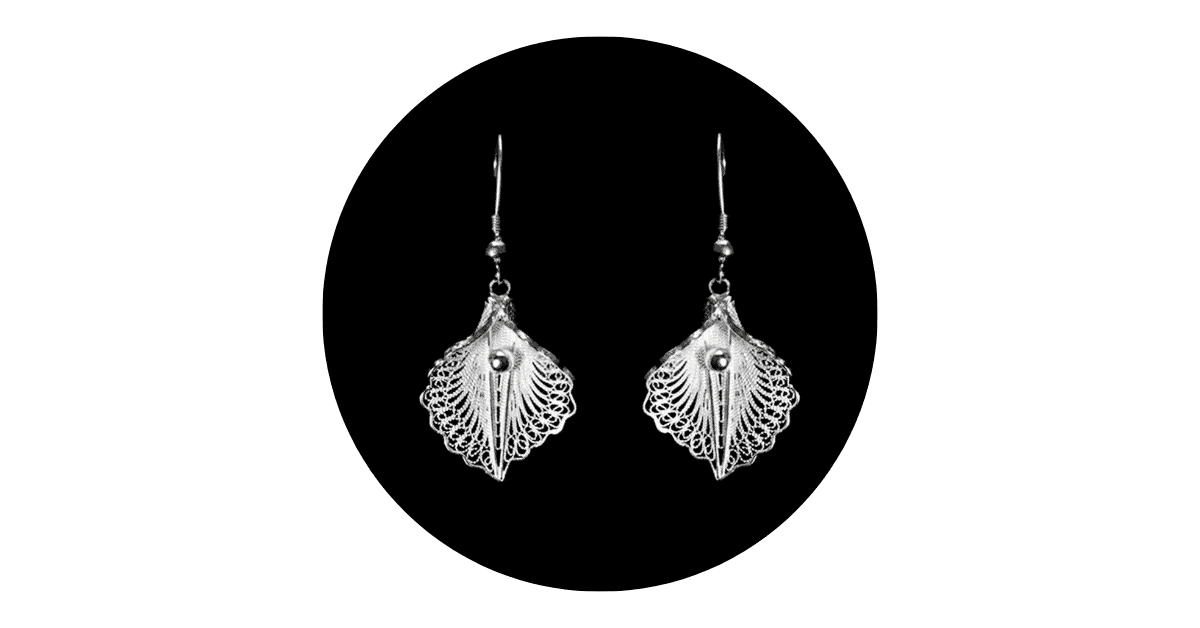
Hoop earrings carry a deep symbolism of unity and infinity. Because they form a complete, unbroken circle, they have been viewed historically as a sign of wholeness. Throughout different eras and regions, from Mesopotamia to modern urban fashion, the hoop has been a persistent symbol of cultural strength and identity. Hoops are best crafted from precious metals like yellow gold, white gold, or sterling silver. These metals provide the necessary strength to maintain the circular shape while allowing for intricate textures or gemstone pavé settings.
Dangle and drop earrings are frequently associated with elegance and high-status events. Historically, the movement of these earrings was designed to catch light and draw attention to the face, signaling grace. In some traditions, specific designs of dangle earrings were used to indicate rank or marital status. When making these, weight is a critical factor. Lightweight metals like titanium or 18K gold are excellent choices because they prevent the earring from pulling the earlobe down, ensuring comfort for the wearer during long events.
Chandelier earrings are inherently tied to luxury. Reminiscent of grand lighting fixtures, they suggest wealth and celebration. Because of their elaborate construction, they often feature a mix of metals and numerous gemstones. Platinum or high-karat gold is essential for these pieces, as the structure must be sturdy enough to hold several tiers of stones while remaining refined. These are the pieces most likely to be passed down as heirlooms, meaning the choice of high-quality, tarnish-resistant metal is paramount.
Threader and ear climber earrings represent modern self-expression. Unlike the traditional status symbols of the past, these styles are chosen for their artistic geometry and minimalist appeal. They often signify a desire for versatility and a curated, modern aesthetic. Since these styles are often thin and delicate, they are typically made from precious metals like sterling silver or gold. These materials are chosen for their flexibility yet strength, so they retain their shape after being threaded through the ear or adjusted along the cartilage.
Types of Earrings for the Upper Ear
The upper ear refers to the stiff, flexible area above your earlobe made of cartilage. This includes the outer rim, known as the helix, and the inner folds, like the daith or the rook. You can absolutely pierce this area, and many people choose to do so to add more variety to their look.
However, you need to be cautious with the jewelry you pick for this spot. Unlike your fleshy earlobe, cartilage has a very limited blood supply, which means it heals much more slowly and is more prone to stubborn infections. While a lobe piercing might be fine in six weeks, upper ear piercings often take six months to a full year to heal completely.
The best types of earrings for the upper ear are:
- Flat-back studs (labrets)
- Huggies or mini hoops
- Barbells
Flat-back studs are a top choice because the flat disc on the back won’t poke your head while you sleep or talk on the phone. Huggies are another great pick because they wrap tightly around the ear, reducing the chance of your hair or a sweater snagging the metal. Barbells are excellent for specific spots like the industrial or tragus because they stay put and don’t put uneven pressure on the healing hole.
These styles work best because they offer stability and keep the area clean while your body does the hard work of healing.
Must-Have Types of Earrings for Sensitive Ears
Sensitive ears are essentially an allergic reaction waiting to happen. You can tell you have them if your piercings feel hot, itchy, or turn bright red within a few hours of putting in a new pair. In worse cases, your ears might swell or produce a clear fluid. Nickel is the most common cause of these reactions, affecting roughly 18% of the population.
If your skin is this picky, you need to focus on high-purity metal options. Implant-grade titanium (specifically ASTM F-136) is often considered the safest metal because it is inert and used in medical surgeries. It doesn’t leak chemicals into your skin, which keeps the peace.
Another safe bet is niobium, which is an element that is naturally nickel-free and very heavy-duty. If you love the look of gold, always go for 14k or 18k. Avoid gold-plated jewelry at all costs, as the gold layer is often only 0.5 microns thick and wears off quickly, revealing the itchy nickel or brass underneath. Platinum is also a fantastic choice for those with highly sensitive skin because platinum jewelry is usually 90% to 95% pure, making it one of the cleanest metals you can put in your body.
If you happen to wear a pair that turns your lobes into a red mess, pull them out immediately. Your ears aren’t going to “get used to” a metal they hate. Clean the area with a simple saline spray twice a day to help calm the skin. Health experts warn that using harsh cleaners like rubbing alcohol or hydrogen peroxide on an allergic reaction can kill healthy skin cells and actually delay the healing process. Stick to your titanium or high-karat gold studs until the skin feels totally normal for at least a week.
Types of Earrings Without Piercing
Plenty of people love wearing earrings but want to skip the piercing. If you can’t deal with the pain of a piercing or just don’t want permanent holes in your lobes, you are in the right place. It is perfectly normal to skip the piercing parlor and stick to styles built for unpierced ears. The jewelry world has spent decades building clever ways to keep gems on your ears without a hole, and some of these designs are so good that people won’t even know they are fakes.
Clip-on earrings are the most well-known choice. These use a hinge or a screw to grip the lobe. Clip-on earrings became a major fashion trend in the 1920s when short bob haircuts made ears more visible to the public. Today, you can find paddle-back clips, which use a wide metal plate for security, or screw-backs that let you change the pressure yourself. For those with thin ears, resin clips are a newer option that uses clear plastic to stay in place with simple tension while remaining nearly invisible.
Magnetic earrings are a sleek, modern pick for a clean look. They use two small, strong magnets to stay in place. These are great for people who want the look of a simple stud without any bulky metal showing. About 10% to 20% of people have a nickel allergy, which makes magnetic earrings with high-purity coatings a safe and comfortable alternative to cheap metal studs. They work well on the lobe and can even mimic a cartilage piercing if the magnets are strong enough.
Ear cuffs and wraps are perfect if you want to add some edge to your style. These pieces slide onto the outer rim of your ear and stay there by hugging the cartilage. Wraps are larger and often hook over the top of the ear, allowing heavy designs to sit comfortably without pulling. Ear cuffs date back to Ancient Greece around 350 BCE, where they were worn as symbols of status and wealth. Because they don’t need a hole, you can stack five or six of them up your ear to create a heavy look without any of the healing time.
If you are looking for brands that take non-pierced styles seriously, look at names like Kenneth Jay Lane or EARA. Kenneth Jay Lane has been a leader in high-end clip-ons for years, making pieces that stars wear on the red carpet. Brands like Baublebar and Kendra Scott also offer plenty of clip-on versions of their most popular designs. For those who want high-end luxury, even Chanel and Ralph Lauren maintain a steady supply of clip-ons in their classic jewelry lines.
10 Common Types of Earrings for Ladies
Earrings are easily the favorite accessory for most women. There are a few styles that every lady should keep in her box because they work for any event and look good on almost every face shape.
Studs are the foundation of any jewelry stash. These small pieces sit right on the lobe with a post and a back. They are perfect for work or the gym because they don’t catch on your hair or clothes. You can get them in simple metal, pearl, or gem options to suit your mood.
Hoop earrings are a classic that never seems to age. They form a circle from the front of your lobe to the back. Hoop earrings are among the oldest forms of jewelry, with Sumerian women wearing them as early as 2500 BCE. Small hoops are great for a clean look at the office, while giant hoops add a bit of drama to a night out. They are great for softening the lines of a square face.
Huggies are like the smaller, more comfortable cousin of the hoop. These tiny rings sit tight against the earlobe, literally hugging it. They usually have a hinge that clicks shut, making them very secure for 24/7 wear. Because they are low-profile, many women wear them in second or third holes to build a stacked look. They are a smart pick if you want the hoop look without the weight.
Drop earrings hang just below the lobe and usually stay fairly still. They are like a stud with a little extra length, often ending in a single pearl or gem. Drop earrings are known to create a vertical line that helps a round face look longer and slimmer. They are a middle ground between the simple stud and the moving dangle, giving you a bit of elegance without too much flash.
Dangle earrings are all about movement. Unlike drops, these pieces are built with joints or chains so they can swing as you walk or turn your head. They can be short and playful or long enough to touch your shoulders. The moving parts catch the light more often, making them much more noticeable. They are the best choice when you want to make sure people see your jewelry.
Chandelier earrings are the most ornate type of dangle. They have multiple levels that widen out, looking like the fancy light fixtures they are named after. These are usually heavy and very detailed, making them the top choice for weddings or black-tie parties. Because they are so wide at the bottom, they help balance out a heart-shaped face with a narrow chin.
Threader earrings are a modern, minimalist dream. They consist of a thin chain with a post on one end that you pull through your piercing. The chain then hangs on both sides of the lobe, and you can change the length whenever you want. Threaders are popular because they are incredibly lightweight, often weighing less than a gram per pair. They offer a sleek look that works perfectly with a simple dress or a plain t-shirt.
How to Choose the Right Types of Earrings for Men?
It is officially no longer the 1950s. Seeing a man with earrings is now as common as seeing a man wearing a watch. Earrings have moved from being a rebel symbol to a basic part of a guy’s style toolbox. To pick the right pair, you need to know how the piece works with your face and your skin.
Face shape is the first thing you should look at. Since earrings sit right next to your face, they change how people see your features. If you have a round face, you should avoid circular hoops and opt for square or triangular studs. These sharp shapes add lines that help your face look longer and more structured. Men with square faces or very strong jawlines should do the opposite; pick round earrings or hoops to help take the edge off those sharp angles. If you are lucky enough to have an oval face, you can wear almost anything without a second thought.
The material of the earring is just as important as the look. You must always look for “nickel-free” options. 316L surgical stainless steel is a top pick for guys because it is strong, affordable, and rust-resistant. If you have more money to burn, platinum is the best hypoallergenic metal available, though it usually costs three to four times as much as gold. Also, keep the size in mind for your setting. Studs between 3mm and 5mm are the safe zone for office jobs, as they are small enough to be work-appropriate yet visible.
Styling Tips for Different Types of Earrings
Earrings are just mere accessories that do not add value to an outfit until they are properly styled. You could be wearing a five-carat diamond, but if it clashes with your clothes, it is a waste. Proper styling is the secret sauce that can boost your look from zero to 100 real quick. The first rule of thumb is deciding between a single earring and a pair.
Single earrings remain a huge trend for men who want a focal point that adds a bit of edge without looking like they tried too hard. On the other hand, wearing a matching pair provides a balanced, modern look that works perfectly with high-fashion suits or clean streetwear.
Your skin tone should guide your choice of metal. You can find your tone by looking at the veins in your wrist. If your veins look blue or purple, you have cool-toned skin and should stick with silver, platinum, or white gold. If your veins look green, yellow gold, and rose gold will look much better on you.
Match your earrings to the vibe of your day. Black onyx or matte metal studs are the perfect “stealth” option for casual looks because they don’t draw too much attention. If you are heading to a wedding or a big night out, that is the time to bring out the diamond studs or shiny hoops. Hair length also changes the game. If you have a buzz cut or short hair, bold studs or thick 10mm-15mm huggies will be the star of the show.
Men with long hair should pick dangle earrings because the movement ensures they get noticed even when their hair is worn down. Finally, keep your other jewelry in mind; matching the metal of your earrings to your watch or necklace helps your look feel less messy.
The Most Secure Types of Earring Backs & Closures
Earring backs and closures are the small pieces of hardware that keep your earrings on your head instead of getting lost on a dance floor. Their job is to hold the earring post or wire firmly against your earlobe, keeping the piece steady and centered. Without a good back, even the most expensive jewelry is a liability. Choosing the right closure is the best way to protect your investment and keep your ears comfortable throughout the day.
Screw backs are the gold standard for high-stakes jewelry like diamond studs. These consist of a threaded post, much like a tiny bolt, and a back that you twist on. Screw backs are the most secure choice for valuable gemstones because they cannot slide off without being unscrewed. While they take a few extra seconds to put on, they provide a level of safety that friction backs just cannot match.
For those who want a mix of speed and safety, the La Pousette or Guardian back is a top-tier option. These use a pressure-sensitive mechanism where you squeeze two small tabs to slide the back onto the post. When you release the tabs, the back locks into a specific groove on the metal. They are flat and smooth, which makes them very comfortable for sleeping or talking on the phone. Surveys show that 85% of high-end jewelry owners prefer La Pousette backs for their ease of use and mechanical grip.
Lever backs and latch backs are the go-to for anything that hangs below the lobe. These have a hinged lever that snaps shut, creating a complete loop of metal through your ear. This means the earring cannot fall out even if it gets snagged on a scarf or hairbrush. Lever backs provide a closed loop, making them 95% more secure for active users compared to standard hooks.
Types of Earrings: The Bottom Line
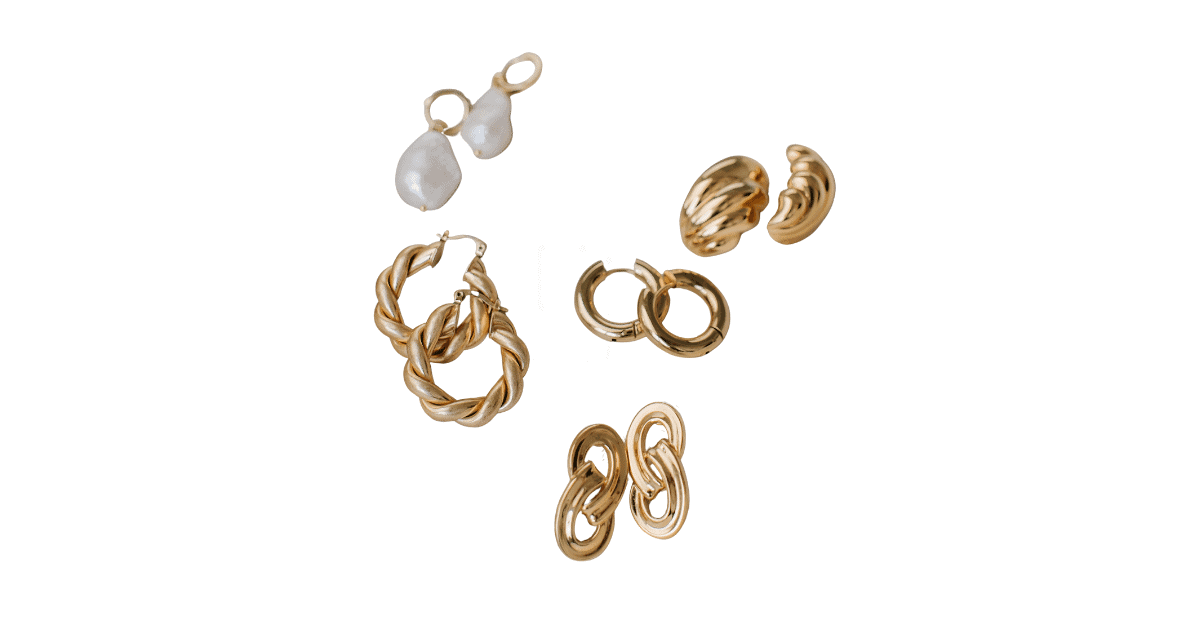
We have looked at everything from the key statistics of different earring types in October 2026 to the best earring types, with names for every face shape. We also talked about non-piercing styles, 10 common types for ladies, and how to pick the right earrings for men. From styling tips to the most secure earring backs, you now have the full picture on how to pick and wear your earrings.
Here are some key takeaways:
- Recent data shows that 42% of jewelry loss happens because of loose friction or butterfly backs.
- Titanium and 14k gold are the top choices for sensitive skin, cutting down on redness for 85% of people with metal allergies.
- Long, vertical earrings are the most popular choice for round face shapes in 2026 to help create a balanced look.
- Men’s earring sales have jumped 20%, with a focus on simple, geometric studs.
- Threader earrings have become a top trend for those with multiple piercings due to their light weight and style.
This content was last updated in October 2026. Follow our website, LefkaraSilver.com, to stay informed about new jewelry offers, news, and buying guides!
Types Of Earrings FAQs
These are answers to some frequently asked questions about different types of earrings:
What Are the Best Earrings for Infected Cartilage?
If your cartilage is infected, stick to high-grade titanium or surgical steel. These materials are used for medical implants because they do not react with human tissue. Flat-back studs are the top choice because they allow for swelling and are easier to clean.
Why Do My Ears Keep Getting Infected When I Wear Earrings?
Most recurrent issues stem from nickel, which is found in most cheap metal blends. About 15% of adults suffer from a nickel allergy that causes redness and crusting. Bacteria also hide in the microscopic scratches on old, worn-out posts. Studies show that nearly 20% of new piercings develop minor issues due to poor cleaning habits.
What Earrings Won’t Hurt My Ears?
Look for metals like titanium, niobium, or gold that is 14k or higher. Pure metals release fewer ions, which prevents the itchy reaction often seen with base metals. Hypoallergenic earrings keep the skin calm and help the piercing hole stay healthy. Over 80% of people with skin sensitivity find relief by switching to implant-grade titanium jewelry.
What to Put on Cheap Earrings So They Don’t Hurt?
You can paint a thin layer of clear nail polish on the posts to create a temporary barrier. This prevents the metal from touching your skin and stops immediate allergic reactions. Some people also use plastic sleeves to cover the metal entirely. Adding a simple protective coating can reduce irritation for up to 60% of fashion jewelry users.