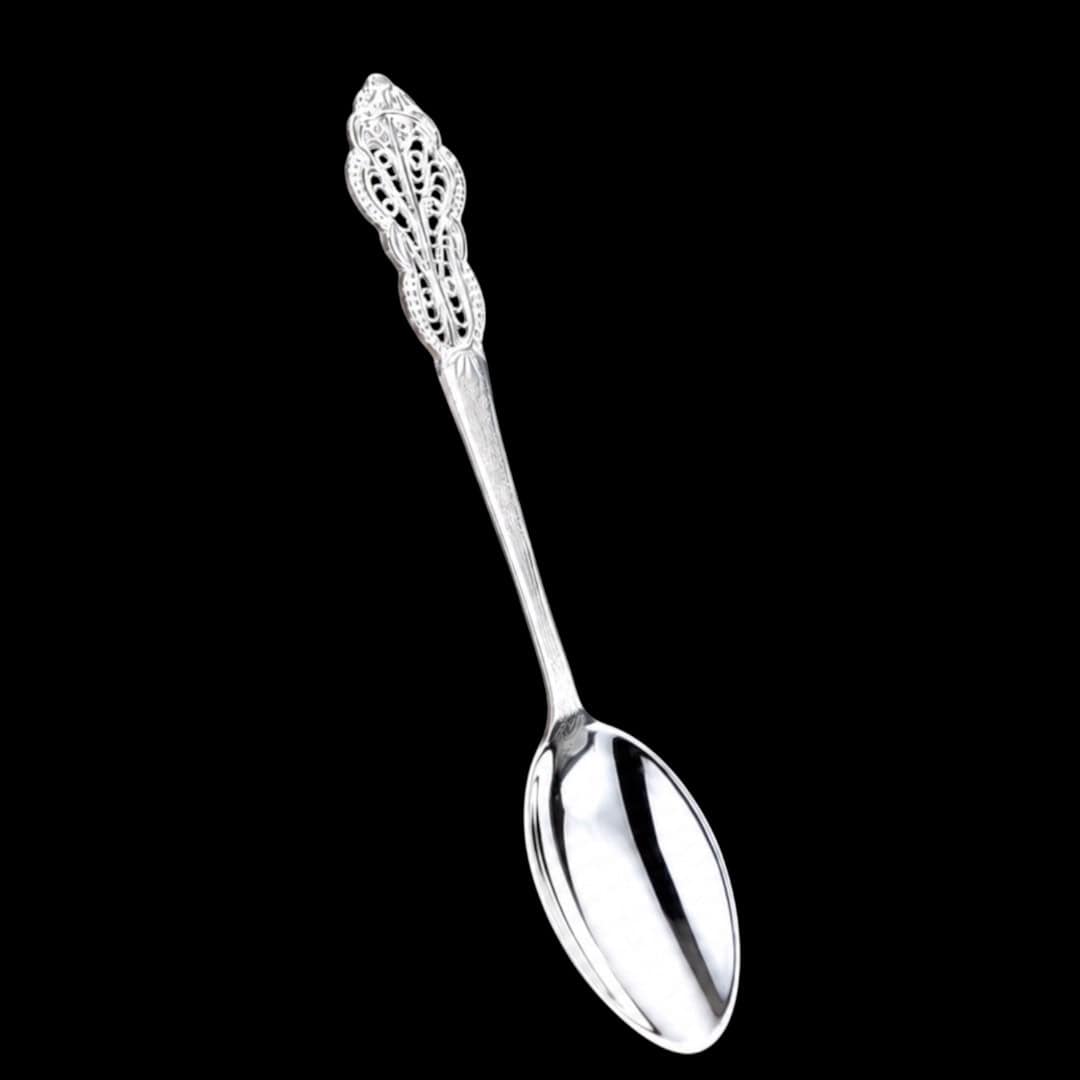
The safest way to clean a silver spoon is the gentlest one: wash it by hand in warm water with a little, mild washing-up liquid, rinse it, and dry it straight away with a soft cloth. That is all silver spoons ever need, mostly.
When a spoon has darkened with tarnish, there are a couple of safe ways to bring back the shine, and a few things you should never do.
This guide covers how to clean silver spoons, from everyday care, removing tarnish without damage, what to avoid, and how to look after fine filigree, so your silver stays bright for years.
Why Silver Spoons Tarnish
Silver tarnishes because it reacts with sulphur in the air and in some foods, forming a thin, dark layer of silver sulphide on the surface. It is a natural chemical change, not dirt and not damage, and it happens to all real silver over time. Eggs, onions, and some other foods speed it up, and so does humid air.
The good news is that tarnish sits on the surface and lifts off cleanly, so a tarnished spoon is not a ruined one.
Care is just one part of owning silver, and our complete guide to silver spoons covers the types, meaning, gifting, and value too.
Everyday Cleaning: The Gentle Method
For regular care, this simple routine keeps a silver spoon in good order and is safe for every piece, including filigree.
-
Fill a bowl with warm, not hot, water and add a small drop of mild washing-up liquid.
-
Wash the spoon gently by hand with a soft cloth or your fingers. Do not use a scourer.
-
Rinse it in clean warm water to remove any soap.
-
Dry it straight away and completely with a soft, lint-free cloth. Drying is the step that matters most, because water left to dry on its own encourages spots and tarnish.
Wash silver by hand and never in the dishwasher. Done regularly, this is often all a spoon needs, and it stops tarnish building up in the first place.
Removing Heavier Tarnish
If a spoon has darkened, there are two safe approaches.
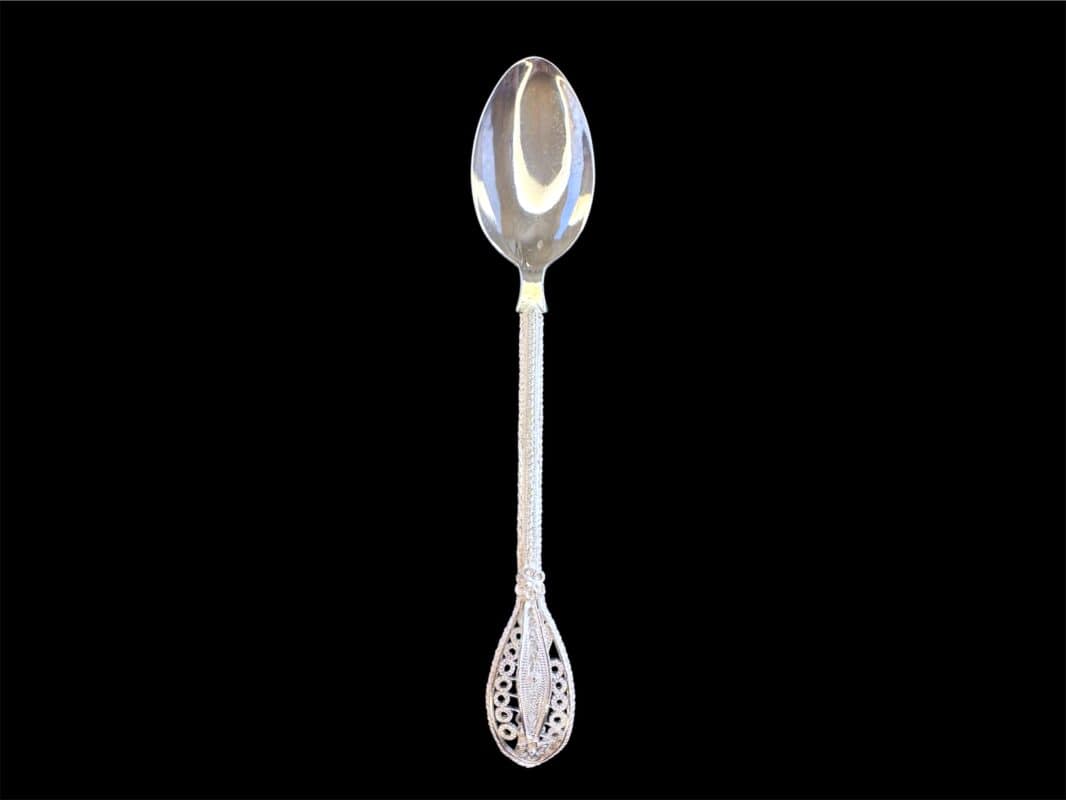
The first is a proper silver polish or a soft, treated polishing cloth. Rub gently along the length of the spoon, not in circles, turning to a clean part of the cloth as it picks up the tarnish. This gives you the most control and is kind to detail, so it is the method we recommend for most pieces.
The second is the baking soda and aluminium foil method, which suits plain, real silver that is heavily tarnished.
Line a heatproof bowl with aluminium foil, rest the spoons on the foil so they touch it, sprinkle over a spoonful of baking soda, and pour on very hot water to cover. The tarnish transfers from the silver to the foil through a natural chemical reaction, and the spoon lifts out brighter within a minute or two. Rinse and dry it fully afterwards. It is quick, but it is not right for every piece.
When Not to Use the Foil Method
The foil-and-baking-soda method is powerful, so keep it for plain, real silver only. Do not use it on:
- Silver-plated spoons. The reaction can wear at the thin layer of silver over time and expose the base metal underneath.
- Antique spoons with a darkened patina. On older pieces the darkness settled into the pattern is often valued, and this method strips it away, which can reduce both the look and the value.
- Pieces set with stones or pearls. The hot water and reaction can loosen settings or harm the stones.
- Pieces with deliberately blackened or oxidised detail. It removes that finish along with the tarnish.
For fine filigree, treat it gently, whichever method you choose. If you are ever unsure whether your silver is real or plated, use the gentle polish method, or read how to tell if a silver spoon is real first, since plated and real silver pieces are cleaned differently.
What to Avoid
A few common mistakes that cause most of the damage to silver:
- Abrasive scourers and cream cleaners, which scratch the surface and dull fine detail.
- The dishwasher, where heat and harsh detergent tarnish and pit silver.
- Toothpaste on detailed or filigree pieces. It is mildly abrasive and can scratch a polished surface and lodge in the openwork, so leave it for plain items at most.
- Long soaking and harsh chemicals such as bleach, which harm silver.
- Rubber bands and newspaper, which contain sulphur and cause dark marks, and leaving spoons wet, which encourages tarnish.
Cleaning a Baby’s Silver Spoon
A baby’s silver spoon needs nothing more than the gentle method discussed above: warm water, a little mild soap, a soft cloth, and thorough drying, kept out of the dishwasher. If you are looking to choose one, our guide to silver spoons for babies has detailed information on picking a piece that lasts. As with any feeding spoon, keep it clean and dry and use it with the normal care you would give a baby at mealtimes.
Storing Silver Spoons So They Tarnish Less
The less air and moisture reach silver, the slower it tarnishes. To keep spoons bright between uses, store them somewhere dry, ideally with an anti-tarnish cloth or a couple of anti-tarnish strips.
Avoid damp cupboards, and keep silver away from rubber bands and cardboard, which give off sulphur. A little airtight bag or a lined box works well. And the simplest tip of all: use your silver. Pieces in regular use tarnish far less than those shut away for years.
Caring for Handmade Filigree
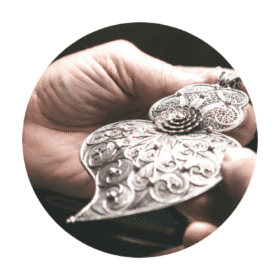
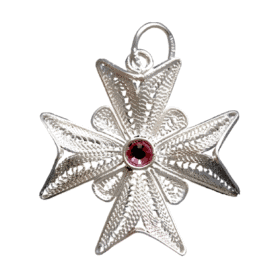
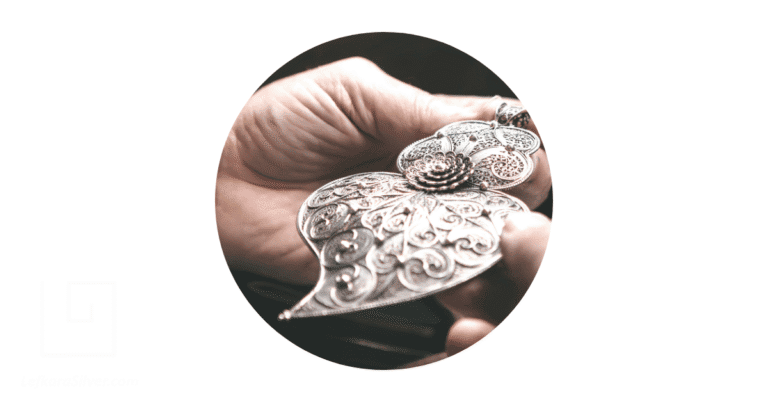
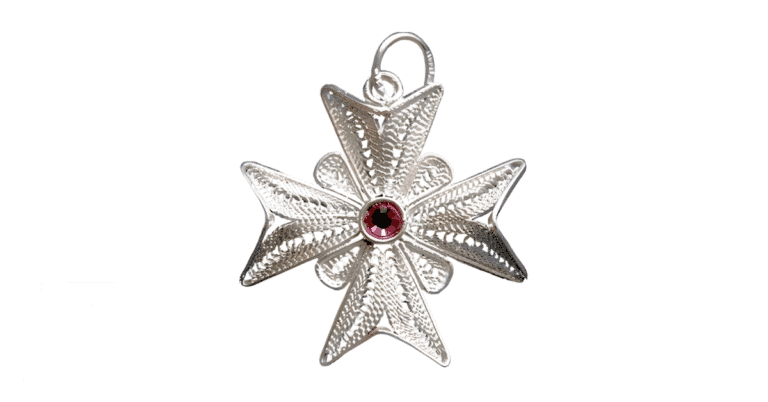
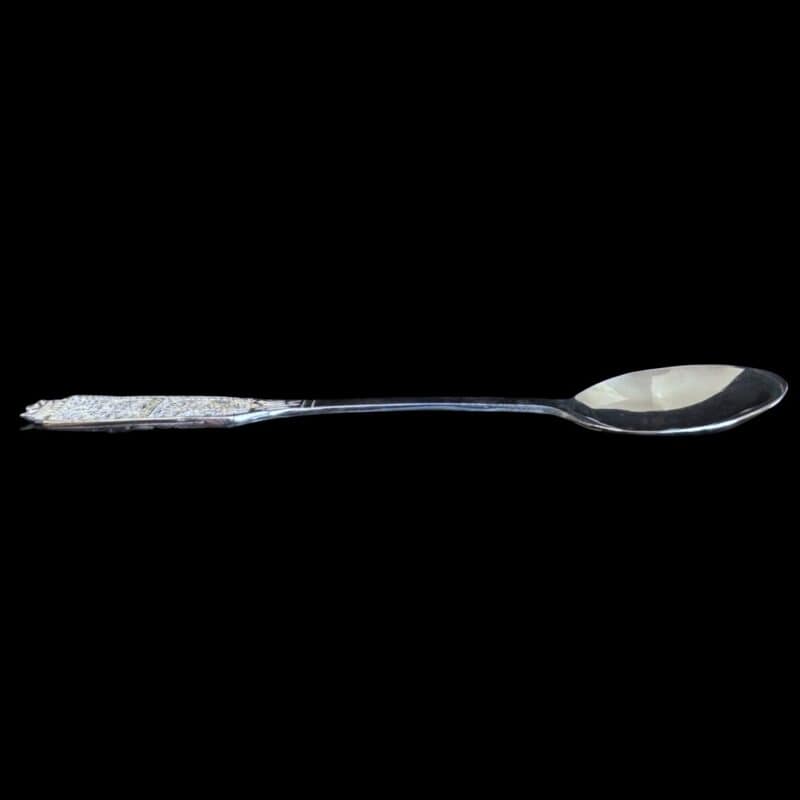
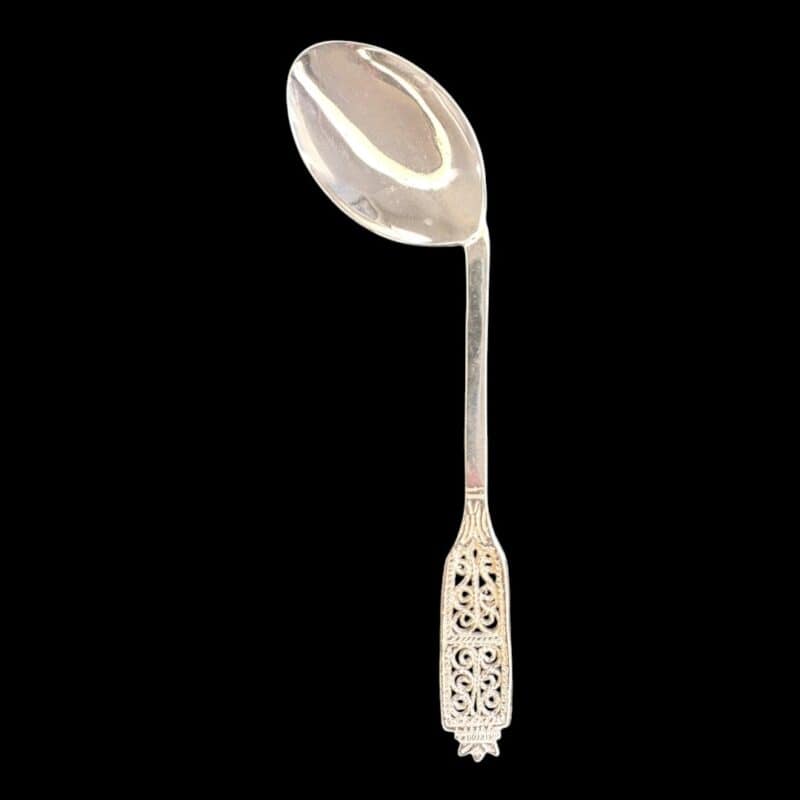
Clean filigree with the gentle soap-and-water method, and if it needs more, use a soft polishing cloth or a soft brush, such as a clean, soft toothbrush kept for the purpose, to reach into the pattern without pressing hard.
Never scrub filigree or use abrasives, which flatten the detail that makes it special. The same gentle care suits our handmade filigree jewellery, so this routine covers most of what you own from us. You can see the pieces it applies to in our handmade silver spoon collection.
Frequently Asked Questions
Does Toothpaste Clean Silver?
It can lift light tarnish on plain silver, but toothpaste is mildly abrasive, so it can scratch a polished surface and lodge in filigree detail. A proper silver polish or a treated polishing cloth is safer and gives a better result, so we would not use toothpaste on a fine or detailed spoon.
How Do You Stop Silver From Tarnishing?
Keep it clean and dry; store it in a dry place with an anti-tarnish cloth or strips, and keep it away from rubber bands and damp air. Using your silver regularly also slows tarnish. Tarnish is normal, so the aim is to slow it, not to prevent it entirely.
Is It Safe to Clean Silver with Baking Soda?
On plain, real silver, the baking soda and aluminium foil method is safe and effective. Do not use it on silver-plated pieces, antiques with a valued patina, or anything set with stones, and be gentle with filigree. If in doubt, use a silver polish instead.
How Do You Clean Silver Cutlery Without Damaging It?
Wash by hand, dry fully, and remove tarnish with a polish or soft cloth rather than anything abrasive. Avoid the dishwasher, scourers and harsh chemicals, and store the cutlery dry. Gentle and regular care beats occasional heavy cleaning.
Keep Your Silver at Its Best
A little regular care keeps handmade silver bright for a lifetime. If you would like to see the pieces this guide is written for, browse our handmade Cypriot silver spoons, each one made by hand in Lefkara.
For the chemistry behind why silver darkens, Wikipedia’s article on tarnish explains the reaction in more detail.