To be “born with a silver spoon in your mouth” means to be born into wealth and privilege, into a life of comfort you did not have to earn. It is one of the most popular sayings in English, and there’s a story behind it: for centuries, a silver spoon was a mark of a well-off household and a gift given to children of means.
This article explains what the phrase means, where it comes from, and how it connects to the living tradition of giving a baby a silver spoon, a tradition we still keep alive by hand in Cyprus.
What Does “Born with a Silver Spoon” Mean?
To be born with a silver spoon in your mouth means to be born into a rich or privileged family, so that money and comfort are there from the start. This is usually used for someone whose advantages came from their family rather than their own effort.
The tone can shift with the context. Sometimes, it’s simply a neutral way of saying someone comes from wealth. At other times it carries a hint of envy or criticism, suggesting that a person’s success owes more to a fortunate birth than to hard work. Either way, the image at its heart is the same: silver, and specifically a silver spoon, standing for inherited comfort.
Where Does the Saying Come From?
The phrase is old, and it grew out of a simple historical fact. Long before stainless steel, a spoon of real silver was something only comfortable families owned, so a child born to such a family really might be surrounded by silver from birth. The spoon became a natural shorthand for that wealth.
This phrase appeared in print in the early eighteenth century. It is often traced to Peter Anthony Motteux’s 1719 English translation of Cervantes’ Don Quixote, which includes the line, “every one was not born with a silver spoon in his mouth.” Related proverbs about spoons and fortune appear earlier still, so the exact origin is not pinned to a single writer, but the sense has stayed remarkably constant for three hundred years.
If you would like the wider picture of silver spoons through history, our complete guide to silver spoons sets it in context.
From Saying to Custom: Gifting a Real Silver Spoon
Alongside this figure of speech was a real and warmer custom: giving a child an actual silver spoon. If wealthy families were born with silver, then giving a baby a silver spoon was a way of wishing that same comfort and security to any child, regardless of the family’s means. The gift said, in effect, “May you want for nothing.”
That is why a silver spoon is still a classic gift for a new baby or a christening today. If you are choosing one, our guide to silver spoons for babies will help you find the one worth keeping.
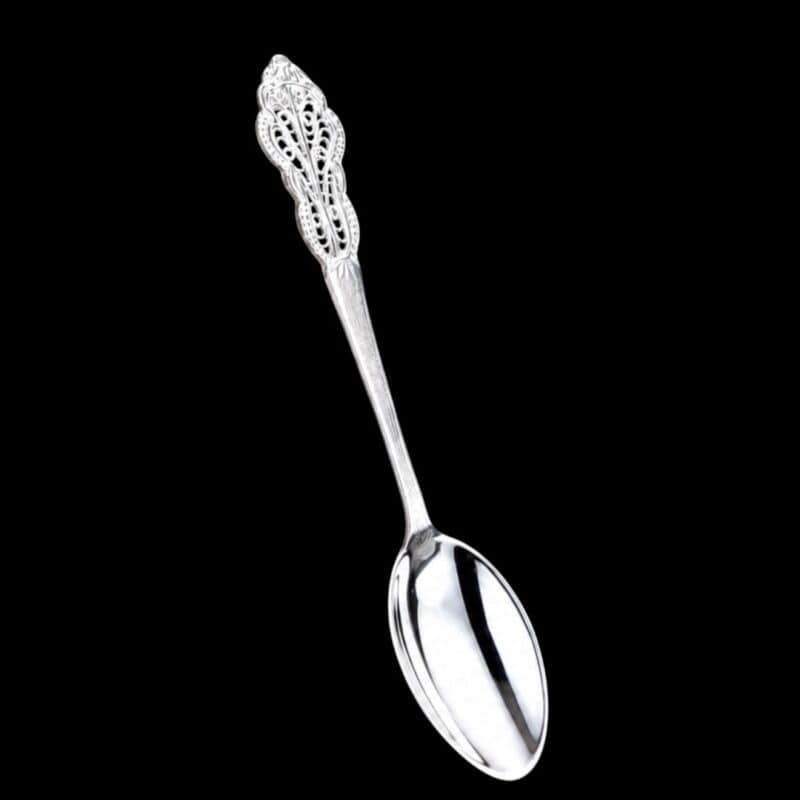
The Christening Spoon Tradition
In the sixteenth and seventeenth century England, godparents often gave silver “apostle spoons” at a christening, each spoon topped with the figure of an apostle. A wealthy godparent might give a full set of twelve, a comfortable one a set of four, and a godparent of modest means a single spoon, often the figure of the child’s patron saint. The silver spoon as a christening gift grew from exactly this practice.
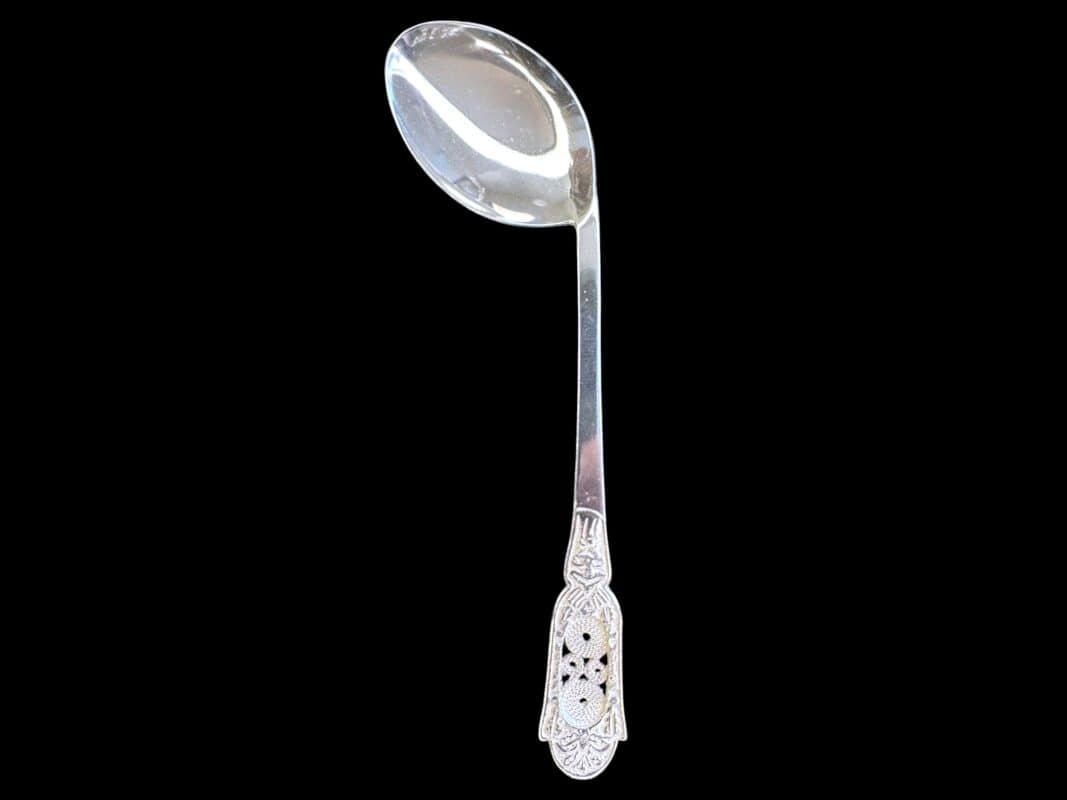
A related folk association links the silver spoon to a baby’s first tooth. Customs like this vary from place to place and are passed down through families, so they take different forms across cultures. What they share is the same idea: a silver spoon to mark a beginning and to wish a child well.
Why Silver?
Silver was chosen for both practical and symbolic reasons. It was valuable and lasting, so a silver spoon was a gift with real worth that could be kept for a lifetime and passed down, which suited an occasion meant to look forward across a whole life. It was also simply beautiful, and a mark of care and status on a special day.
Silver endures. A silver spoon given at birth can still be in the family generations later, which is what makes it such a fitting keepsake rather than something that is used up and forgotten.
The Cypriot and Lefkara Connection
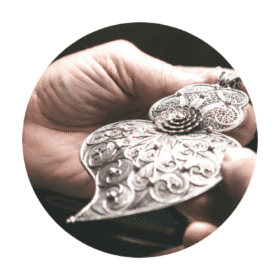
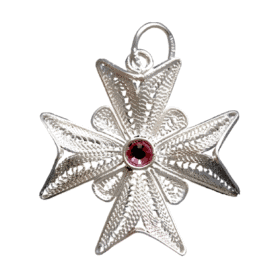
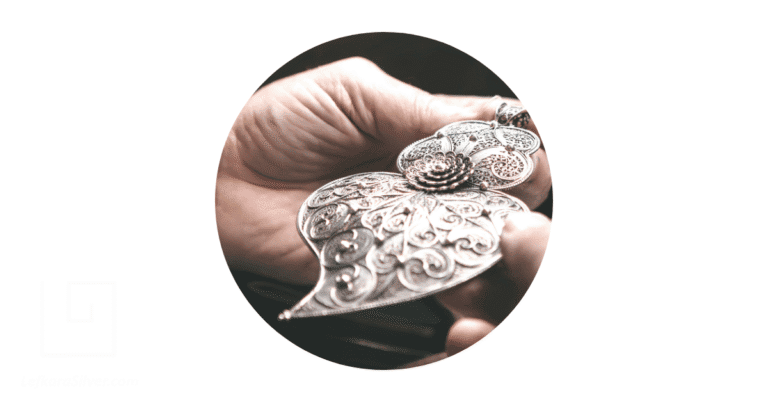
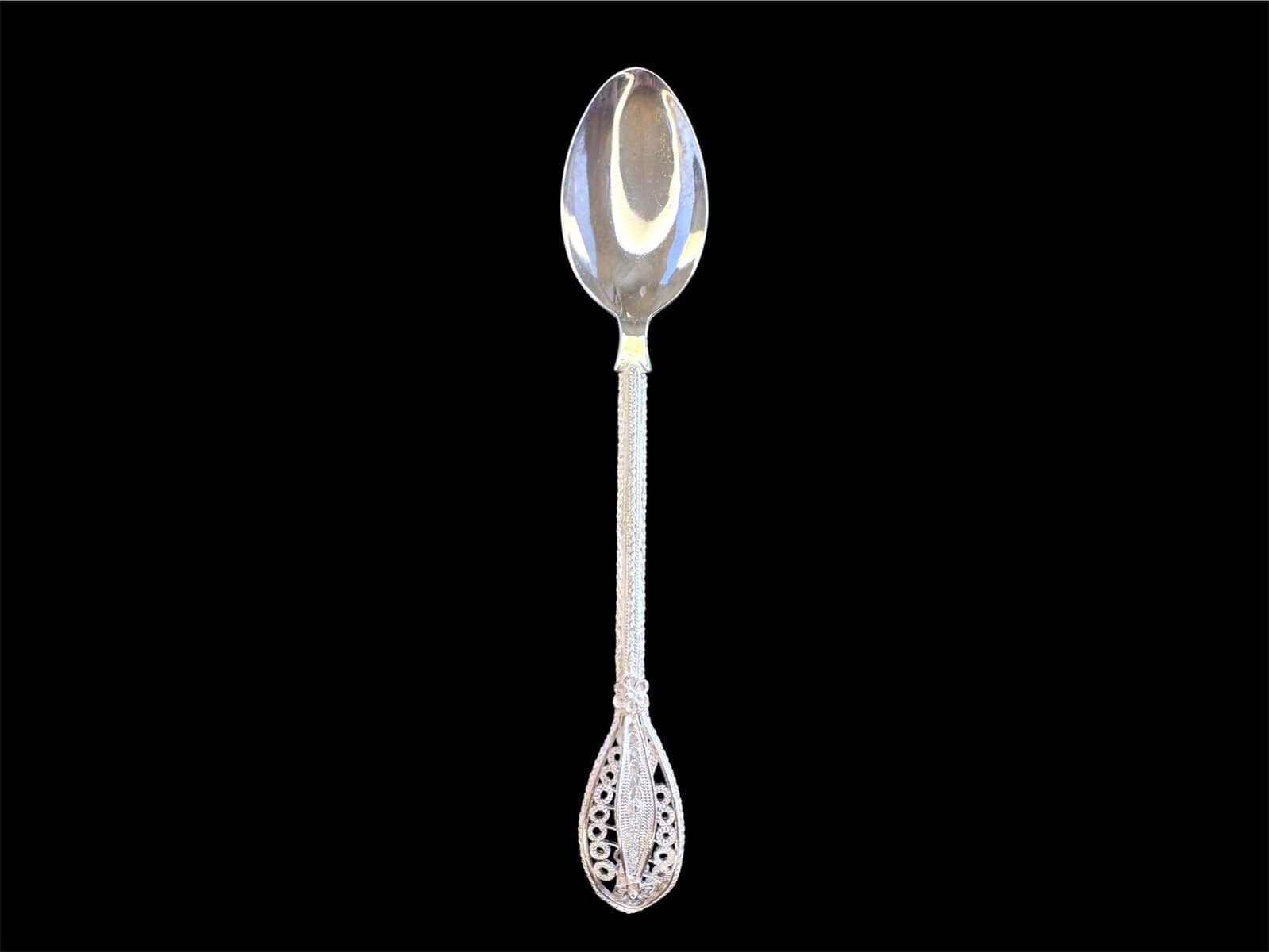
In Lefkara, a village in Cyprus known for its silver, this tradition is still worked by hand. Our silver feeding spoons are made in filigree, so a modern keepsake carries an old craft with it.
The village’s lace, Lefkaritika, was inscribed on the UNESCO Representative List of the Intangible Cultural Heritage of Humanity in 2009, and the silver tradition stands beside it.
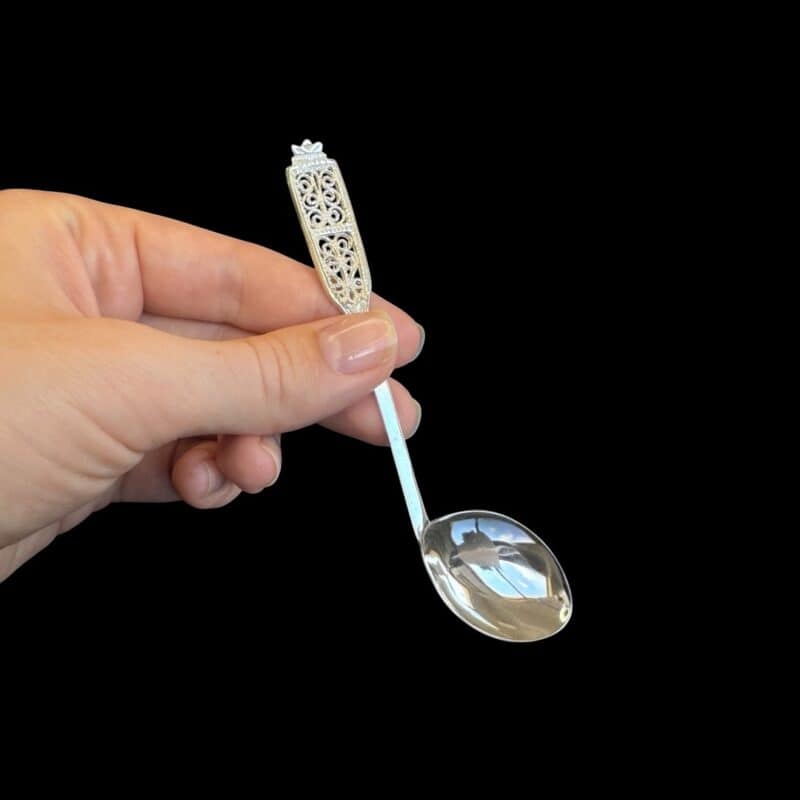
Our Lattice feeding spoon and Medallion feeding spoon are made in this spirit, handmade silver that can be engraved with a name and date and kept for a lifetime. You can see more of them in our handmade silver spoon collection.
Frequently Asked Questions
Where Did “Born with a Silver Spoon” Come from?
It grew from a time when only well-off families owned real silver, so a silver spoon became a symbol of inherited wealth. The phrase is often traced to a 1719 English translation of Don Quixote, though related spoon proverbs are older.
Why Do You Give a Baby a Silver Spoon?
It is a way of wishing a child comfort and security. The custom is rooted in the old tradition of giving silver spoons at a christening, and a silver spoon also makes a lasting keepsake that can be engraved and passed down.
See the spoons behind the tradition
If the story appeals to you, you can see the handmade silver spoons that keep it alive in our Cypriot silver spoon collection. Each one is made by hand in Lefkara, and many can be engraved to mark a name and a date.
Wikipedia’s article on the silver spoon covers the saying and its history in more depth.