Greek Filigree – What Every Buyer Should Know
Filigree is one of the most recognizable and patient forms of metalwork. Unlike other techniques that rely on carving or casting, the filigree method builds a design from the ground up. This produces pieces that have a distinct, airy quality.
In this guide, we’ll cover everything you need toknow about Greek filigree, including:
- The secrets and mythology behind Greek filigree
- Stunning designs to add to your collection
- How to style Greek filigree jewelry for every occasion.
- How to clean and care for your Greek filigree jewelry
- Where to find authentic pieces.
If you are looking for authentic handmade filigree jewelry, check out Lefkara Silver for some of the best pieces available today.
The Secrets & Mythology Behind Greek Filigree
Filigree has deep roots in Greek soil, dating back thousands of years. Early filigree artisans in various regions recognized that by drawing metal into thin wires and curling them into spirals or rosettes, they could create ornaments that looked like they were spun from sunlight itself.
This craft grew alongside Greek mythology. Goldsmiths in places like Epirus and Macedonia refined these techniques over generations, creating pieces that served as both personal adornments and symbols of status, protection, and prosperity, which were passed down as family treasures, carrying with them the blessings and stories of those who wore them before.
The following are some of the most interesting historical facts of Greek filigree:
- Archaeological evidence shows that artisans were perfecting filigree techniques as early as 3,000 BC in regions around Greece, which led to the highly refined styles seen in the 6th to 3rd centuries BC.
- Ancient Greek goldsmiths deliberately chose filigree over molded ornaments to convey a sense of airiness, aiming for a “weightless” look that contrasted with the heavier jewelry styles.
- During the Byzantine era, the filigree craft shifted toward spiritual symbolism, pairing filigree with enameling and gemstones to create wearable icons and crosses meant to shimmer with divine light.
- Many traditional designs, including spirals and endless knots, were not merely decorative but served as a symbolic language to convey specific wishes for love, health, and protection.
6 Stunning Greek Filigree Jewelry Designs to Add to Your Collection
If you like the balance between historical weight and modern aesthetics, these filigree designs are the perfect additions to your jewelry box:
1. The Byzantine Cross
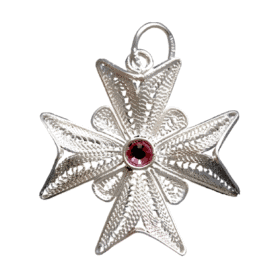
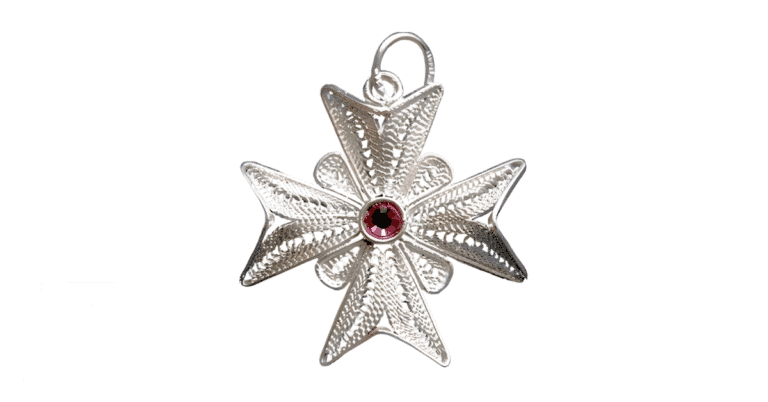
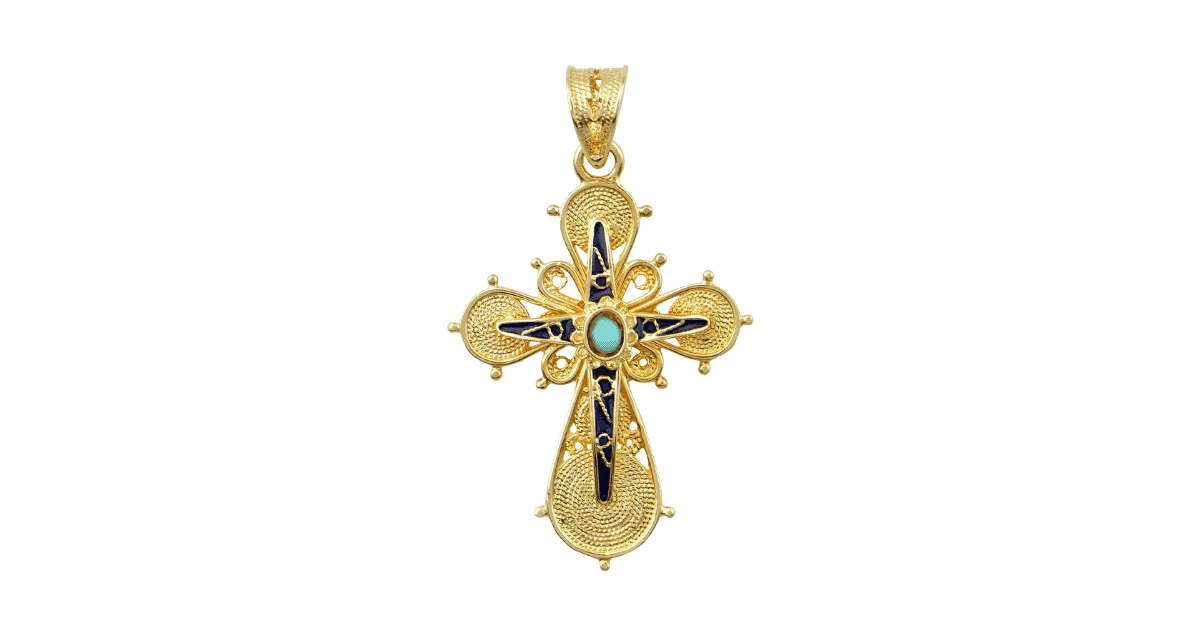
Byzantine-inspired crosses are usually made up of complex, interwoven wirework that tells stories of the era’s rich religious history. These designs are usually crafted with a mix of gold and silver.
More than their visual appeal, the Byzantine crosses represent a deep connection to heritage and protection. They are often built with tiny soldered beads, which add a textured, three-dimensional quality.
2. The Spiral Meander Bracelet
Also known as the Greek key, this is one of the most recognizable patterns in ancient design. When rendered in filigree, the key’s rigid geometry is softened by spiraling wire motifs that run along the length of the cuff or chain.
The spiral meander design stands out because it is a mixture of a very structured ancient symbol with the airy, fluid nature of filigree. It symbolizes infinity and the cyclical nature of life, making it a meaningful choice for those who value longevity and legacy.
3. Floral Filigree Drop Earrings
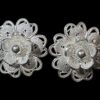
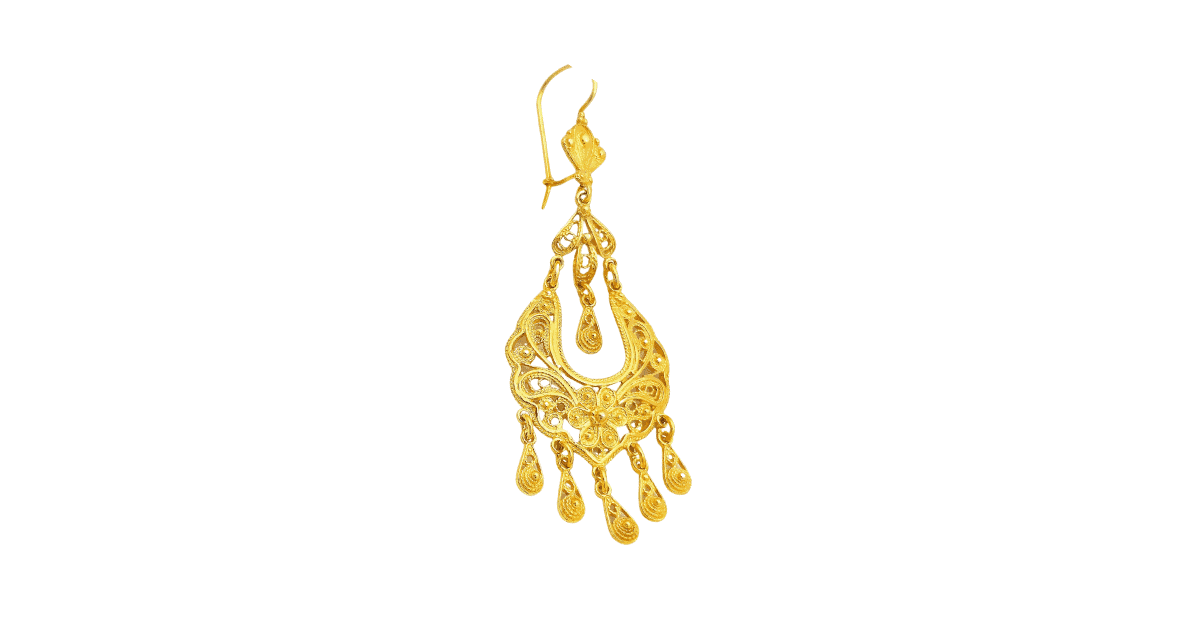
These earrings are inspired by the floral landscapes of the Greek countryside, forming petal and leaf shapes. These earrings are perfect because they have an elegant, feminine look that remains light enough for all-day wear. Filigree floral work often represents growth and renewal, and many artisans incorporate small, teardrop-shaped wires to look like the morning dew on a leaf.
4. The Knotted Love Ring
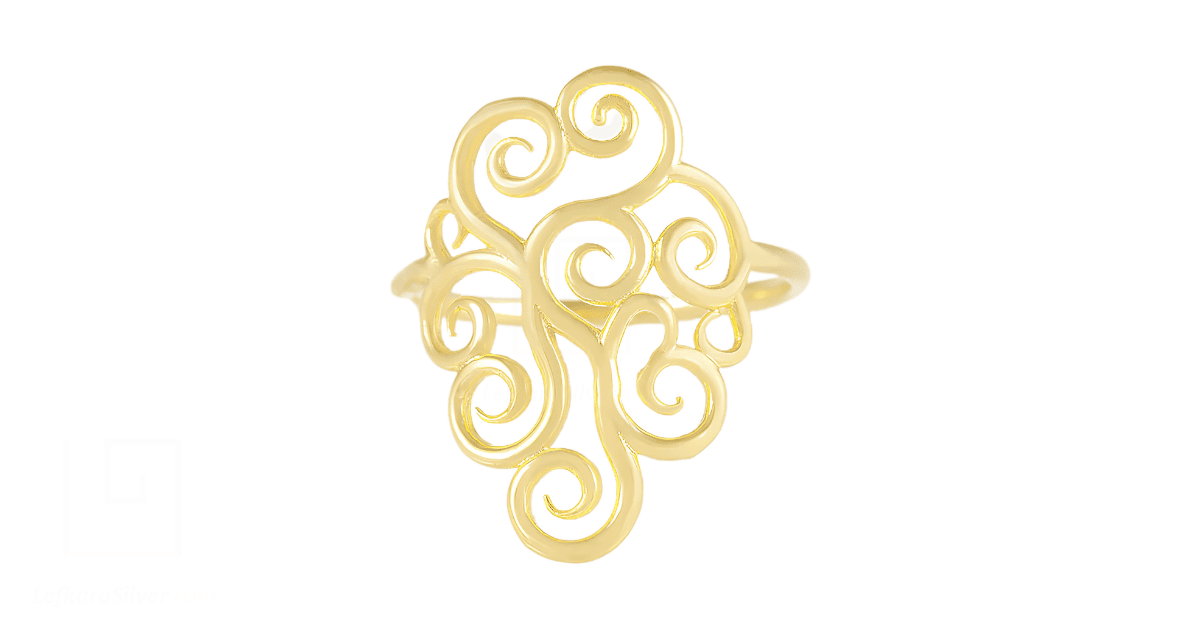
This is a popular design in Greek silversmithing. It symbolizes unbreakable bonds and enduring relationships. They are made of wires that twist and turn upon themselves, forming a dense, woven surface that resembles lace made of precious metal.
The ring feels airy yet incredibly detailed. It is a great piece for formal occasions.
5. Shield-Shaped Pendant
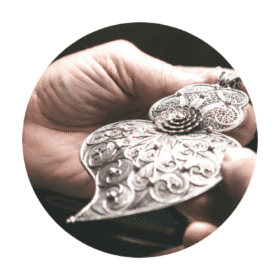
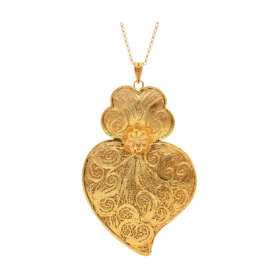
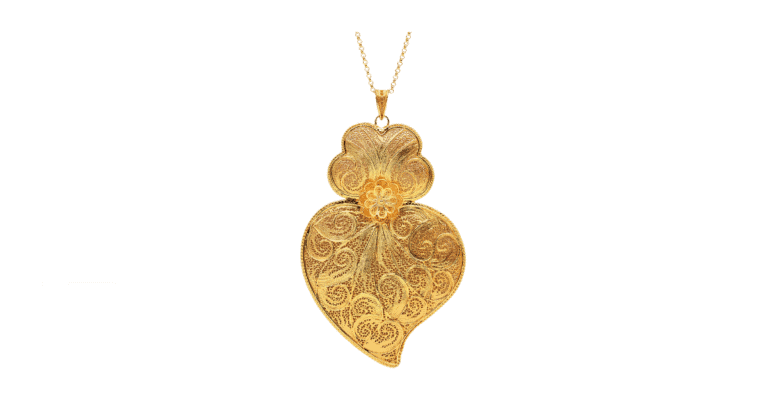
Shield-shaped pendants are often filled with dense, scroll-like filigree patterns. These pieces are intentionally bold and are typically worn on a heavier chain to balance their weight.
This design is like a modern version of an ancient talisman. The scrollwork inside the shield often contains hidden symbols, such as birds or vines, which historically served as protective charms for the wearer.
6. Granulated Rosette Brooch
Rosettes have been a staple of Greek filigree since the 6th century BC. This brooch style focuses on a central, flower-like structure surrounded by concentric rings of fine wire and tiny golden grains.
The beauty of the rosette lies in its symmetry and technical precision. It is an excellent piece for pinning onto blazers or scarves, providing a touch of vintage character to an otherwise modern outfit.
How to Style Greek Filigree for Every Occasion
Greek filigree pieces surprisingly match well with modern, minimalist attire to create a look that is both grounded and current. Here’s how to style yours for every occasion:
- Casual Daytime: Wear a single filigree cuff or a set of small knot rings with a plain white T-shirt and jeans. The filigree adds a point of interest to a simple outfit without appearing overdone.
- Workplace Professional: Choose filigree drop earrings or a subtle pendant. These pieces provide a sophisticated finish to business-casual attire, such as a silk blouse or a tailored blazer.
- Formal Events: Layer multiple filigree pieces, such as a statement necklace and a matching bracelet. When worn with a solid-colored evening gown, these designs become the highlight of your outfit.
- Mixing Metals: Don’t be afraid to mix your gold and silver filigree to create dimension. Many traditional Greek designs already feature bimetal construction, making them natural pairs with other jewelry in your collection.
- The Power of One: If you are unsure how to balance the look, let a single, larger filigree piece be the only accessory you wear.
Popular Types of Greek Filigree Jewelry
Greek filigree jewelry exists in a variety of styles, from simple to complex, multi-layered pieces that look like they belong in a museum. Each piece relies on the same core technique, yet the final look changes completely based on the intended use and regional inspiration.
Some of the most popular types of Greek filigree are:
Greek Filigree Crosses: These are perhaps the most recognizable form of this craft from Greece. They are often made up of fine silver or gold wire twisted into knots, spirals, or floral patterns. These crosses are popular as gifts for christenings, weddings, or religious milestones because they represent both faith and heritage. When styling your filigree cross, keep it simple; wear it on a thin chain to let it stand out against your skin.
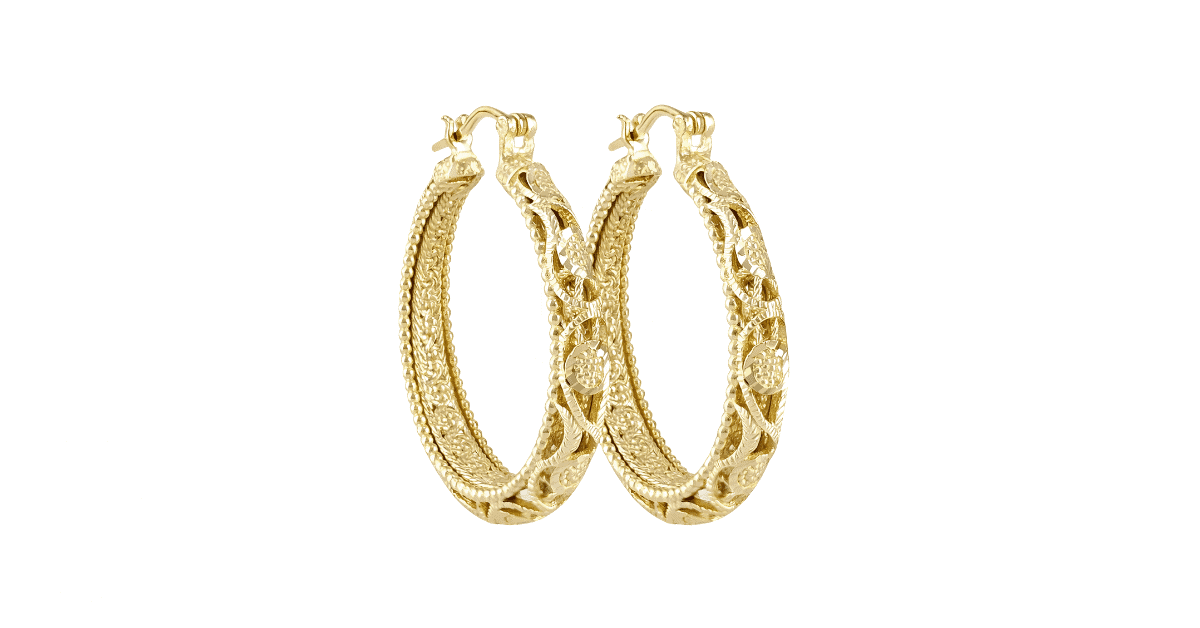
Greek Filigree Earrings: They add a touch of history to a modern outfit. From the dangling drops to bold, circular hoops with complex latticework, you can find these earrings everywhere. They make the perfect gift choices because they do not require sizing, so you can easily buy them as gifts for someone else.
Greek Filigree Rings: Unlike solid metal bands, these rings are often airy and lightweight, despite their complex appearance. If you like vintage-inspired jewelry, then these rings would be perfect for you. Be sure to avoid wearing them while doing manual labor or tasks that might damage the delicate wire threads.
The Symbolism of Ancient Greek Filigree
The patterns found in Greek filigree are not just for show; they have deep-rooted meanings. Spirals and knots are often described as symbols of infinity, the cycle of life, or the movement of water and wind. For the ancient Greeks, gold was frequently associated with divine light and the sun, while silver was believed to act as a shield against negative energy. In the past, when an artisan twisted these metals into different shapes, they were creating a protective charm for the person who would eventually wear it.
The Greek filigree cross itself holds a distinct place in this tradition, particularly in regions like Epirus. These Greek filigree cross designs are often inspired by nature. In old times, these designs were meant to bring prosperity, protection, and love to the wearer. The complexity of this craft often showed the wearer’s status or the importance of the occasion, such as a bridal set meant to symbolize a long and fruitful union.
Other than the cross, the shapes used in filigree, such as the palmette or the rosette, were tied to stories of gods, heroes, and the natural world. Artisans would replicate the geometry they saw in nature because they believed that by wearing these shapes, they could keep themselves connected to the natural order.
Today, these stories continue to drive filigree’s popularity. When you wear a piece of filigree today, you’re not just putting on a metal accessory; you’re also wearing a tradition that has lasted for thousands of years, adapting to new eras while keeping its symbolic heart intact.
Where to Buy Authentic Greek Filigree Online
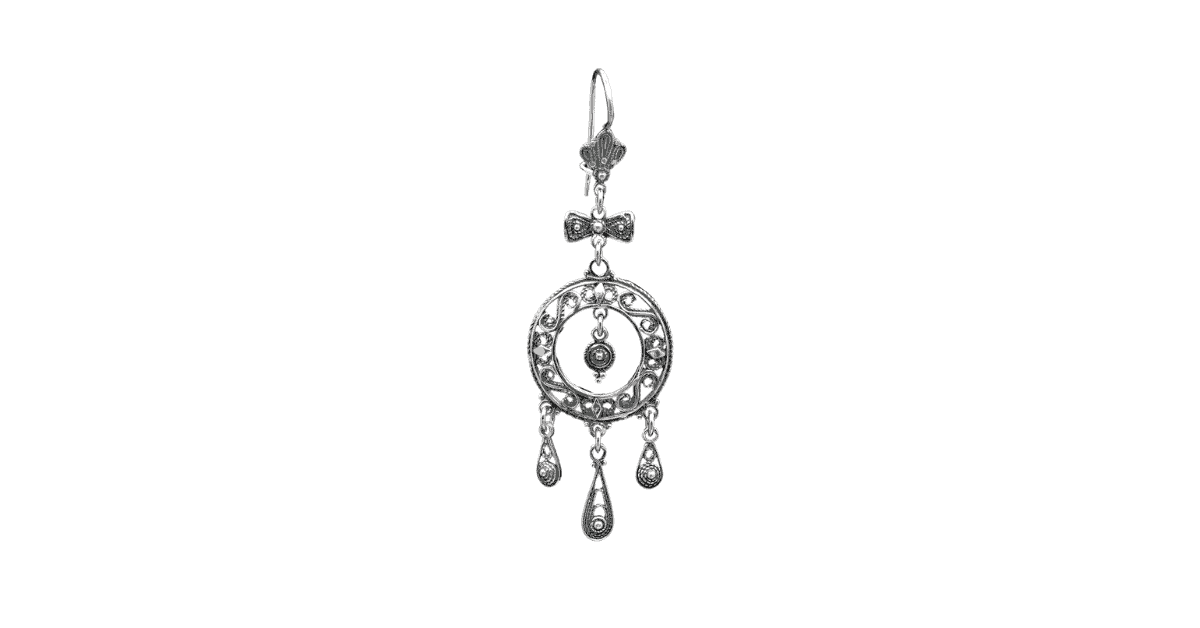
To tell a real Greek filigree, you need to pay attention to detail. If you look closely at a piece of jewelry, you should see evidence of manual labor. Real handmade filigree carries tiny, intentional variations because no machine can perfectly replicate the human hand.
If you are buying your Greek filigree online, here are some of the best places you can find them:
- Kotinos Jewelry: This store stands out for its direct connection to traditional workshops. This ensures that the techniques they use look like historical practices.
- Museum-affiliated stores: These are another excellent bet. These shops often partner with local artisans to keep ancient styles alive, providing a level of historical accuracy that cannot be found elsewhere.
- Smaller, independent online shops: When buying from these stores, pay attention to whether the artisan’s name or the specific village where the jewelry was made is usually listed; this is usually your safest option. When a shop explicitly details the filigree’s regional origin, it is a strong sign that the business is invested in authentic, high-quality production.
Before you click ‘buy,’ keep these tips in mind to ensure you are getting an original piece:
- Weight-to-Size Ratio: Filigree is famously lightweight. If the piece you want to buy is heavy, it might be a cast replica of real filigree.
- Solder Points: Check the joints where the wires meet. Authentic work uses minimal, precise soldering. Excessive solder blobs show that a piece was made from a cheap, hurried manufacturing process.
- Maker Information: Reputable sellers often provide details about their filigree artisans or the region where the piece was made. If this isn’t clear, it’s a red flag.
- Return Policy: Established sellers who stand behind the quality of their work will offer clear, fair return windows. If your jeweler doesn’t offer this, you can ask them about it.
Gold vs. Silver Greek Filigree: How to Choose the Best Metal
Greek artisans have always worked primarily with gold. They treat it as a symbol of divine light and wealth. Gold is highly malleable, so it allowed master filigree artisans of ancient Greece to stretch the metal into incredibly thin, thread-like strands that maintained their shape while looking almost weightless.
Silver became more common in regional jewelry production, especially as the craft moved into specialized centers in Epirus, where it was valued for its durability and cultural association with protection. Today, both metals are still used, though the choice depends entirely on your budget and how you plan to wear the jewelry.
Gold filigree is the standard for special occasions and heirloom-quality investments because it is naturally resistant to tarnish and corrosion, meaning a high-karat gold piece will maintain its luster for decades with minimal care. However, bear in mind that it costs more.
Silver is the top choice for you if you love the traditional, rustic, and deeply historical aesthetic of Greek jewelry. Silver filigree is more affordable than gold. It is a harder metal than gold, so it is durable for daily use, though it requires regular cleaning to prevent oxidation. This is perfect for you if you prefer a cooler tone and want a versatile piece.
How is Greek Filigree Made?
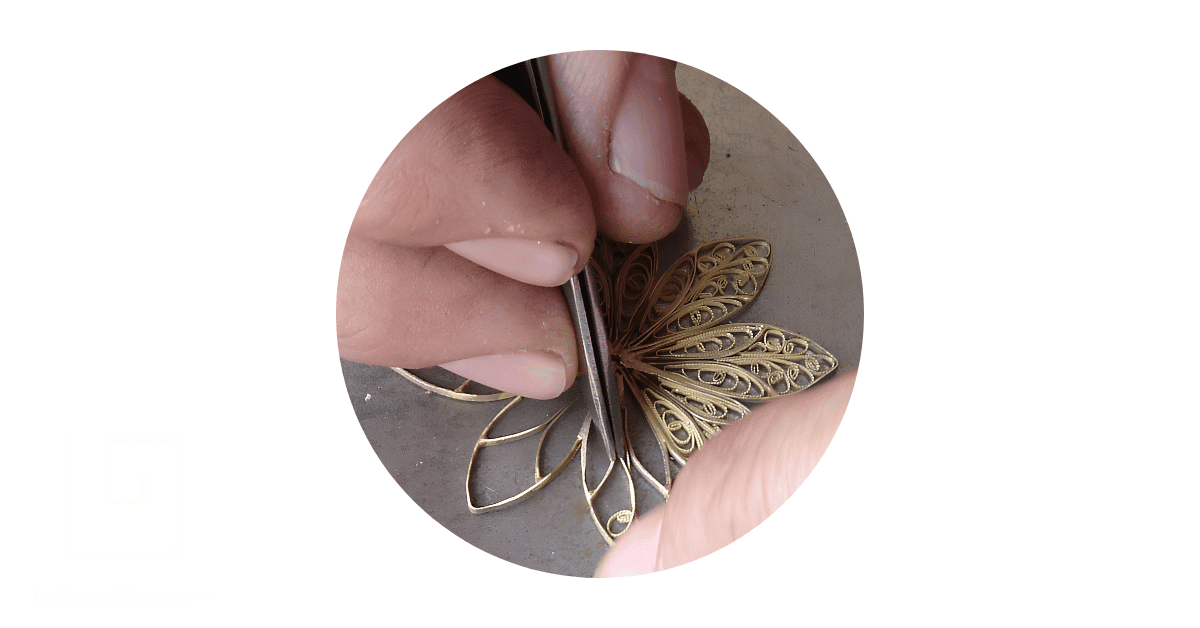
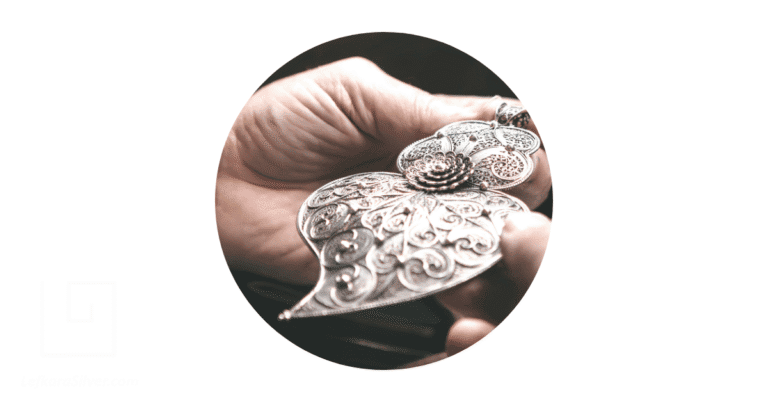
Making filigree requires patience, a steady hand, and deep focus. The process begins with preparing the metal. Artisans take this metal and draw it through a series of plates with progressively smaller holes until it becomes an incredibly thin wire. Once the wire is thin enough, it is often twisted or flattened to add texture and visual interest.
After the wire is ready, the artisan creates a frame that serves as the outer boundary of the design. It is then shaped into spirals or geometric shapes, fitting them inside this frame. Jewelers usually use fine-tipped tweezers and a magnifying glass to position every curve perfectly.
Once the pattern is arranged, the pieces must be joined. The artist uses tiny amounts of solder and applies precise heat. When the metal is heated just enough, the solder flows into the joints, bonding the delicate threads without melting the design. This soldering stage is critical because excessive heat will destroy the fine wirework, while too little will leave the piece structurally weak.
How to Clean and Care for Your Greek Filigree Jewelry
The lifespan of a filigree piece depends almost entirely on how you treat it. It is easy for dust, skin oils, and lotions to get trapped in filigree jewelry. If you leave these substances on it, they can cause tarnish and buildup, which makes the metal look dull and can eventually weaken the soldered joints.
To keep your jewelry looking like new, follow these simple maintenance steps:
- Clean it gently: Never use harsh scrubbing tools or ultrasonic cleaners, which can snap the wires. Instead, mix a small amount of mild, pH-neutral soap in warm water. Soak the piece for a few minutes, then use a very soft-bristled brush to remove any trapped dirt. Always rinse with clean water and pat it dry with a soft, lint-free cloth.
- Storage matters: When you are not wearing your filigree jewelry, store it individually. A soft, padded jewelry box or individual velvet pouches will prevent your pieces from catching on other items.
- Watch the chemicals: Remove your jewelry before using perfumes, hairsprays, or cleaning supplies. These chemicals can react with the metal, especially if it is silver, and accelerate tarnishing.
- Check for damage: Check your jewelry occasionally for any loose ends or bent sections. If a wire gets caught on clothing, do not try to force it back into place yourself. Take it to a professional jeweler who has the right tools to reshape the wire without damaging the surrounding design.
By avoiding rough contact and cleaning your pieces regularly with mild soap, you preserve the structural integrity of the metalwork, ensuring the piece stays as sturdy and beautiful as the day it was made.
Other Must-Buy Souvenirs From Greece
While a handmade piece of Greek filigree jewelry is a beautiful memento of your travels, Greece provides a wealth of other treasures that capture its rich culture. In the local markets or boutique shops, you will find items that reflect regional traditions and high-quality craftsmanship.
Olive oil and local food products are at the top of the list for many travelers. Greece is world-renowned for its liquid gold, and you can buy a bottle of extra virgin olive oil from a small-scale producer. It is a nice way to bring the taste of the Mediterranean home. You can find premium bottles for $15 to $30, depending on the region and the size.
Also, artisanal honey is a great idea. It costs around $10 to $20 for a high-quality jar. These items are not just delicious; they represent the agricultural heritage that has defined Greek life for thousands of years.
If you prefer items that last longer, look for ceramics or handcrafted leather goods. Traditional pottery often contains motifs inspired by ancient designs, with prices ranging from $20 for smaller mugs to over $100 for elaborate decorative vases. There are also authentic handmade leather sandals that can usually be found for $40 to $70, offering both comfort and a classic style that pairs well with any wardrobe.
Whichever option you choose, these souvenirs ensure that a piece of your Greek holiday stays with you long after you return.
Greek Filigree – Key Takeaways
We have explored the secrets and mythology behind Greek filigree, looked at six design styles, learned how to style these pieces for any occasion, and also walked through the manual creation process, how to maintain your heirloom pieces, and where to find original items online alongside other must-buy souvenirs from Greece.
Here are some key points to remember:
- Filigree is a sculpting technique where fine metal threads are built up, rather than carved away like in ajouré work.
- The art of filigree has been practiced for over 5,000 years, with early evidence dating back to 3,000 BC in Mesopotamia.
- Greek and Etruscan goldsmiths between the 6th and 3rd centuries BC elevated the technique to create light, airy jewelry that seemed to be spun from sunlight.
- Traditional Greek filigree often incorporates symbolic motifs such as endless knots, birds, and flowers, intended to provide the wearer with protection and prosperity.
- The city of Ioannina became a historic hub for master silversmiths, whose expertise in fine metalwork defined the region’s cultural identity for generations.
- Proper care for filigree includes storing pieces in padded boxes and cleaning them with a soft brush and mild soap to avoid damaging delicate threads.
This content was last updated in October 2026. Follow our website, LefkaraSilver.com, to stay informed about new jewelry offers, news, and buying guides.