Price Difference Between Silver and Sterling Silver: What You Need to Know
When you’re shopping for silver jewelry, the terms “silver” and “sterling silver” are often used, but they are not the same, especially when it comes to price. Understanding the distinctions is key to making an informed purchase. Pure silver is a soft, precious metal in its elemental form, while sterling silver is an alloy, meaning it’s mixed with other metals to enhance its durability. This fundamental difference in their composition is the primary reason for the price variation.
This article breaks down the 5 factors that determine the price difference between silver and sterling silver 925. We’ll explore the sterling silver price per gram, its comparison to pure silver, and the latest silver prices as of October 2026. You’ll also learn about the price differences in specific items like necklaces and rings, variations in the Indian market, and you will discover if 925 silver is pure or not.
5 Factors that Determine the Price Difference Between Silver and Sterling Silver 925
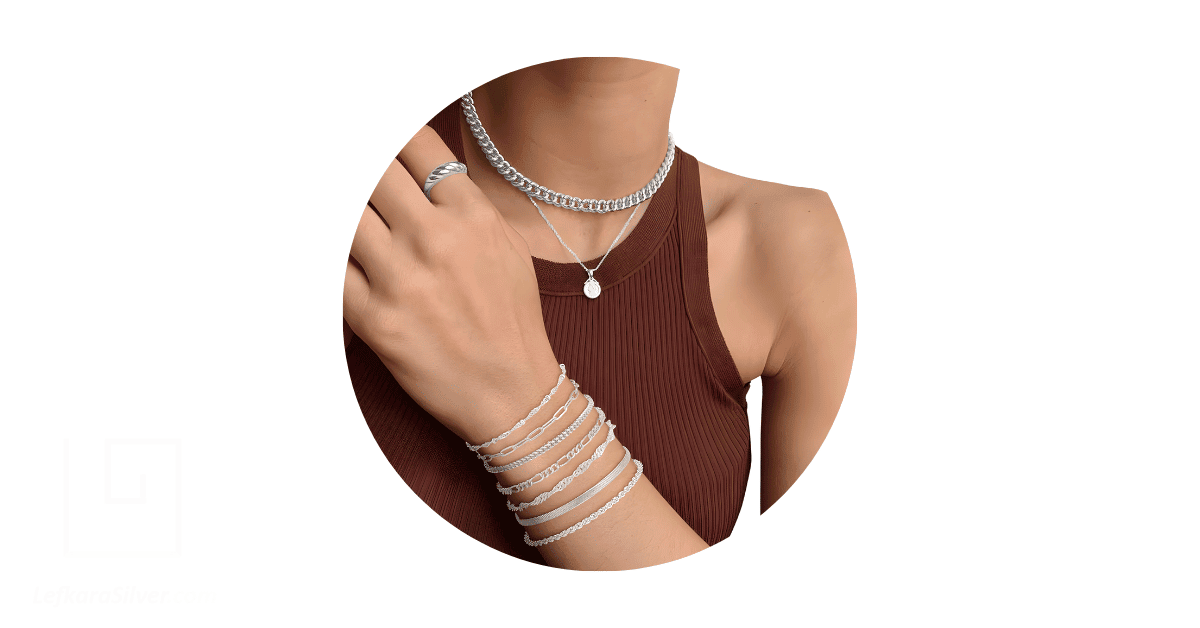
Several factors influence the price difference between silver and sterling silver. Because these two metals have distinct characteristics, their values are calculated differently. Here are five key factors that influence the price gap between them.
1. Material Composition and Purity
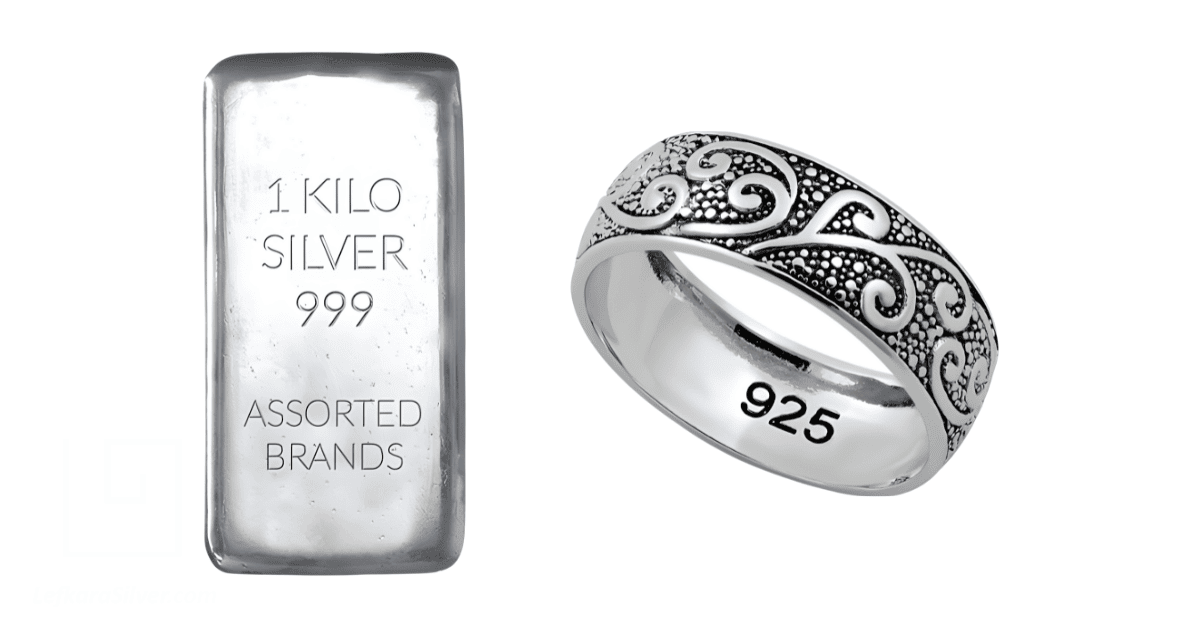
The most significant factor driving the price difference between silver and sterling silver is the purity of the metal. Pure silver, also known as fine silver, is 99.9% pure silver and is stamped with a .999 hallmark. Due to its high purity, it is significantly softer and more malleable. This softness, while beautiful, makes it less practical for everyday jewelry as it can easily be scratched or bent out of shape.
Sterling silver, on the other hand, is an alloy made of 92.5% pure silver and 7.5% other metals, typically copper. This is why you’ll see a “925” or “SS” stamp on sterling silver pieces. The addition of copper makes the metal significantly more durable and harder, which is ideal for jewelry that is worn regularly. Because sterling silver contains less pure silver, its base material cost is inherently lower than that of fine silver. As of October 2026, the price of pure silver is approximately $1.55 per gram, while sterling silver’s value is calculated based on its 92.5% silver content.
2. Durability and Practicality for Jewelry
Durability plays a crucial role in determining the value and, therefore, the price of silver items. Pure silver is very soft, making it unsuitable for most jewelry applications, especially for items like rings or bracelets that are subject to daily wear and tear. Its lack of durability means that it is more often used for investment-grade bullion, such as coins and bars, where it will be handled minimally.
Sterling silver’s composition makes it much more resilient. The addition of copper strengthens the alloy, allowing it to withstand the rigors of everyday use without easily deforming. This durability makes it the preferred material for the vast majority of silver jewelry. While sterling silver is more prone to tarnishing due to the copper content, this is a minor trade-off for its enhanced strength. The practicality of sterling silver for a wider range of applications contributes to its widespread availability and more accessible price point.
3. Market Demand and Applications
The demand for each type of silver is driven by different market needs, which in turn affects its price. Pure silver is primarily an investment. Its price is heavily influenced by the commodities market, with investors buying and selling it as a hedge against economic uncertainty. The demand for pure silver is also growing in industrial applications, particularly in the electronics and green energy sectors, which can impact its price.
Sterling silver’s demand is overwhelmingly driven by the jewelry and flatware industries. Its affordability and durability make it a popular choice for consumers. Because it is priced for mass appeal rather than as a luxury or investment item, the market for sterling silver is much broader. This widespread demand helps to keep prices stable and more affordable compared to the more volatile pure silver market.
4. Craftsmanship and Manufacturing Costs
The cost of producing an item from either pure or sterling silver also contributes to the final price. Pure silver, being very soft, can be challenging to work with for intricate designs. It requires a skilled hand to craft delicate pieces without damaging the metal, which can increase labor costs for artisanal items.
Sterling silver is easier for jewelers to work with. Its hardness allows for the creation of more complex and detailed designs, and it is more forgiving during the manufacturing process. Technology and automation have also made it possible to mass-produce sterling silver jewelry, which significantly drives down production costs. The lower labor and manufacturing expenses for sterling silver are then passed on to the consumer, making it a more affordable option.
5. Brand Reputation and Design Complexity
While the raw material cost is a primary factor, the final price of a piece of jewelry is also heavily influenced by the brand and the complexity of the design. A simple sterling silver ring from a brand like Lefkara Silver will be priced much closer to its melt value. However, a piece from a renowned designer or luxury brand like Tiffany & Co will command a much higher price due to the brand’s prestige and the perceived quality of its craftsmanship.
Similarly, the complexity of the design plays a significant role. A complex, handcrafted sterling silver necklace with detailed engravings will be more expensive than a simple, mass-produced chain. The addition of gemstones can also dramatically increase the price. Therefore, while sterling silver is generally more affordable than pure silver, the final price of a piece can vary widely depending on these artistic and branding factors.
Sterling Silver Price Per Gram
Sterling silver is the go-to material for high-quality, durable jewelry. The addition of copper to it makes the metal significantly stronger and more durable, perfect for creating everything from delicate chains to sturdy rings, without sacrificing the beautiful, lustrous appearance of silver. For this reason, sterling silver is often stamped with “925,” “.925,” or “STER,“ to certify its purity.
The price of sterling silver is directly tied to the fluctuating market price of pure silver, commonly referred to as the “spot price.” This price changes daily based on global supply and demand, economic trends, and market speculation. To calculate the base value, or “melt value,” of sterling silver per gram, you multiply the current spot price of silver by 0.925.
As of early October 2026, with the price of pure silver at approximately $1.56 per gram, the melt value for one gram of sterling silver is about $1.44. However, it’s crucial to remember that the retail price of a sterling silver jewelry piece is always significantly higher than its melt value. This is because the final price incorporates costs for craftsmanship, design complexity, brand reputation, and retail markup.
The Price Difference Between Silver and Sterling Silver Per Gram
The fundamental difference between pure silver and sterling silver, and the primary reason for their price gap, is purity. Pure silver contains 99.9% silver, making it more valuable per gram simply because it contains a higher percentage of the precious metal. Sterling silver, being an alloy of 92.5% silver, has a lower value. While sterling silver’s durability makes it the practical choice for most jewelry, pure silver is favored for investment-grade items like bullion bars and collector coins, where softness is not a concern.
This price difference between silver and sterling silver follows the market fluctuations of silver. The year has seen a significant surge in silver prices, driven by strong industrial demand from the green energy and electronics sectors, as well as investor interest. This, in turn, has widened the price gap between the two metals.
Here is a comparison of the price per gram from the beginning of Q1 to Q4:
| Date (2025) | Price of Pure Silver (per gram) | Price of Sterling Silver (per gram) |
|---|---|---|
| January 1 | $0.97 | $0.90 |
| October 3 | $1.56 | $1.44 |
The Latest Price of Silver and Sterling Silver Today
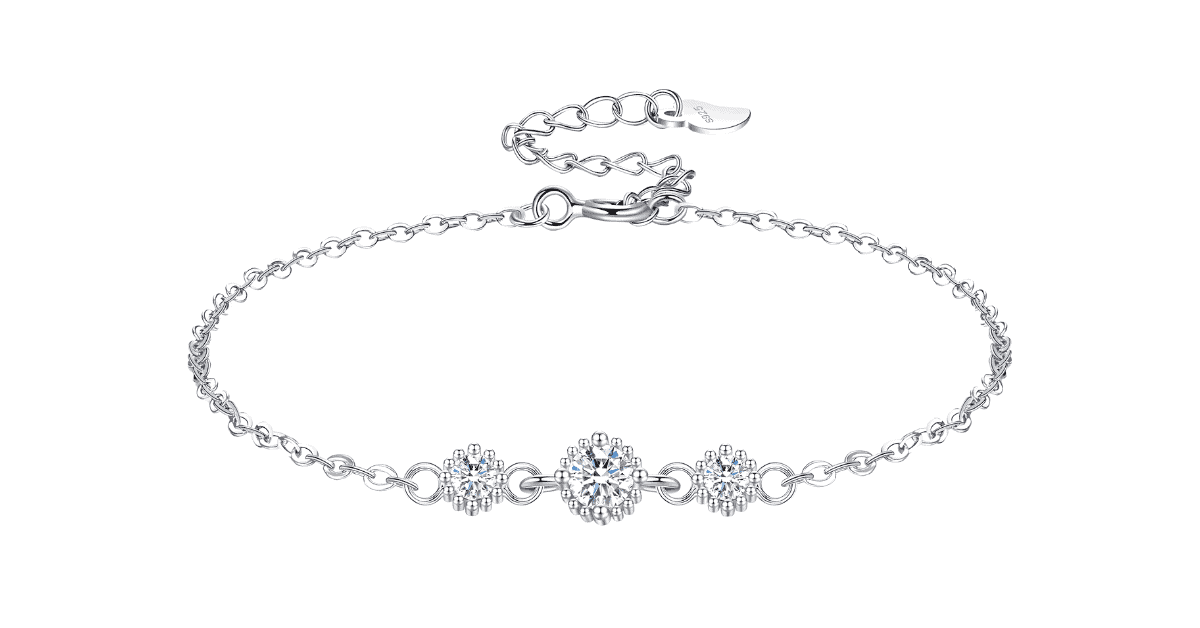
The price of pure silver is approximately $1,558.14 per kilogram, equivalent to approximately $1.56 per gram. Consequently, the melt value of sterling silver is roughly $1.44 per gram.
The market in 2026 has been particularly strong for silver. The year began with silver priced at $0.97 per gram on January 1, marking a 60% increase from its current price. This surge is largely attributed to a structural deficit in the silver market, where industrial demand has outpaced mine supply for the fourth consecutive year. Key sectors driving this demand include photovoltaics, electric vehicles, and AI technology.
Looking ahead, analysts remain bullish on silver’s prospects. The continued push toward renewable energy and technological innovation is expected to sustain high demand. Some market analyses from 2025 noted that silver prices hit highs of around $40 per ounce, a level not seen since the 1980s, indicating strong market momentum that may continue.
Silver Versus Sterling Silver Necklace Prices
When it comes to necklaces, sterling silver is the undisputed favorite among the crowd. The demand for sterling silver necklaces far outpaces that of pure silver ones, primarily due to durability. The difference in their composition and practicality directly impacts the price. A simple, mass-produced sterling silver chain might cost anywhere from $30 to $80, while more delicate, artisan-crafted pieces can easily exceed $100.
In contrast, a pure silver necklace is priced higher due to its 99.9% silver content, but you’re paying a premium for a piece that’s less functional. For example, a 20-gram sterling silver chain might have a raw silver (melt) value of around $16, but its retail price can range from $50 to $200 depending on the brand, design, and craftsmanship.
You can learn interesting Silver Jewelry Facts to help you make better decision when making a purchase.
So, who is each necklace for? Sterling Silver is the go-to for almost everyone. It offers the perfect balance of beauty, durability, and affordability, making it ideal for daily wear, trendy pieces, and timeless gifts. Pure Silver is for the niche buyer. These buyers may include collectors, investors, or individuals with specific metal allergies who require hypoallergenic jewelry and are willing to take the extra care necessary. It’s more of a specialty item than a practical accessory.
What is The Price of a 925 Silver Ring?
A 925 silver ring is the industry standard for silver rings, blending the brilliant luster of silver with the necessary strength for daily wear. Unlike a ring made of pure (99.9%) silver, which would be soft enough to bend and scratch easily, a 925 sterling silver ring is durable and practical. The “925” stamp is a hallmark guaranteeing the piece contains 92.5% pure silver.
The price of a 925 sterling silver ring can vary widely, but most fall within a range of $20 to $200. The final cost depends on several key factors beyond just the silver content. These factors include the ring’s weight, the complexity of its design, the level of craftsmanship involved, and the brand’s reputation. The inclusion of gemstones, whether natural or synthetic, will also significantly impact the price.
To put it in perspective, the value of the raw silver in a ring is only a fraction of its retail cost. For instance, with silver priced at approximately $0.98 per gram, a sterling silver ring weighing 20 grams would have a melt value of about $18.13. The much higher retail price accounts for artistry, labor, and branding.
Price Difference Between Silver and Sterling Silver in India
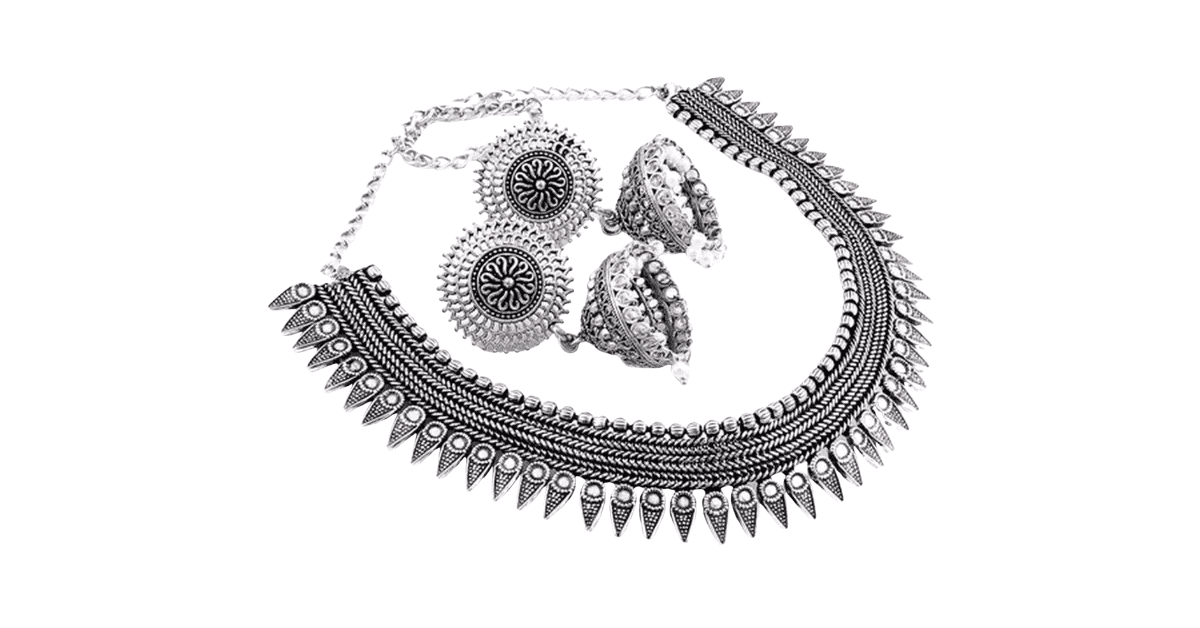
The Indian jewelry market is one of the largest in the world, with a deep cultural appreciation for precious metals like silver. In India, silver is not just for adornment but is also a popular choice for investments, religious artifacts, and gifts.
The prices of pure silver and sterling silver differ in India because they are fundamentally distinct products. Here is a comparison of their approximate prices in India, taking into account that market rates fluctuate daily.
| Metal Type | Purity | Price per Gram (Approximate) |
|---|---|---|
| Pure Silver | 99.9% | $1.76 |
| Sterling Silver | 92.5% | $1.62(Melt Value) |
The Price of Pure Silver
Pure silver is the closest you can get to the raw element itself. Imagine a metal with a brilliant, lustrous white shine that’s highly polishable, that’s pure silver. It’s stamped with markings like “.999” or “99.9” to signify its 99.9% purity, with the remaining 0.1% comprising trace elements.
However, this high purity comes with a trade-off: it’s incredibly soft and malleable. This softness makes it prone to scratching, denting, and changing shape, which is why it’s a challenging material for everyday jewelry and is more commonly used for investment-grade bullion bars and delicate, fine jewelry pieces not meant for rough wear. Because of its high purity, it is naturally more expensive per gram than its alloyed counterparts like sterling silver.
The market price for pure silver is famously volatile. In 2026, the price experienced significant movement, trading around $30 to $32 per ounce early in the year. By June 2025, silver’s value saw a significant upswing, hitting a 13-year high of $37.30 per ounce before settling in the $36 per ounce range. This fluctuation is driven by factors ranging from industrial demand in sectors such as electronics and green energy to global economic trends and investor behavior.
Is 925 Silver Pure or Not?
If you’ve ever looked closely at a piece of silver jewelry, you’ve likely seen the tiny 925 stamp. This number tells you exactly what you’re holding. 925 silver is the most common type of silver used for jewelry and is just another name for sterling silver.
So, is it pure? No, it’s not. The “925” explicitly states the purity level: the piece is made of 92.5% pure silver. The remaining 7.5% is composed of other metals, which are added to create a stronger, more durable alloy. Most often, this other metal is copper, but it can also be zinc or other elements.
This blend is crucial because, as mentioned, pure silver is far too soft for practical use. By adding a small percentage of a stronger metal, jewelers can craft durable, intricate, and long-lasting pieces that can withstand daily wear without easily bending or scratching. Therefore, while 925 silver is of high purity, it is technically an alloy and not pure silver.
Is Sterling Silver a Real Silver?
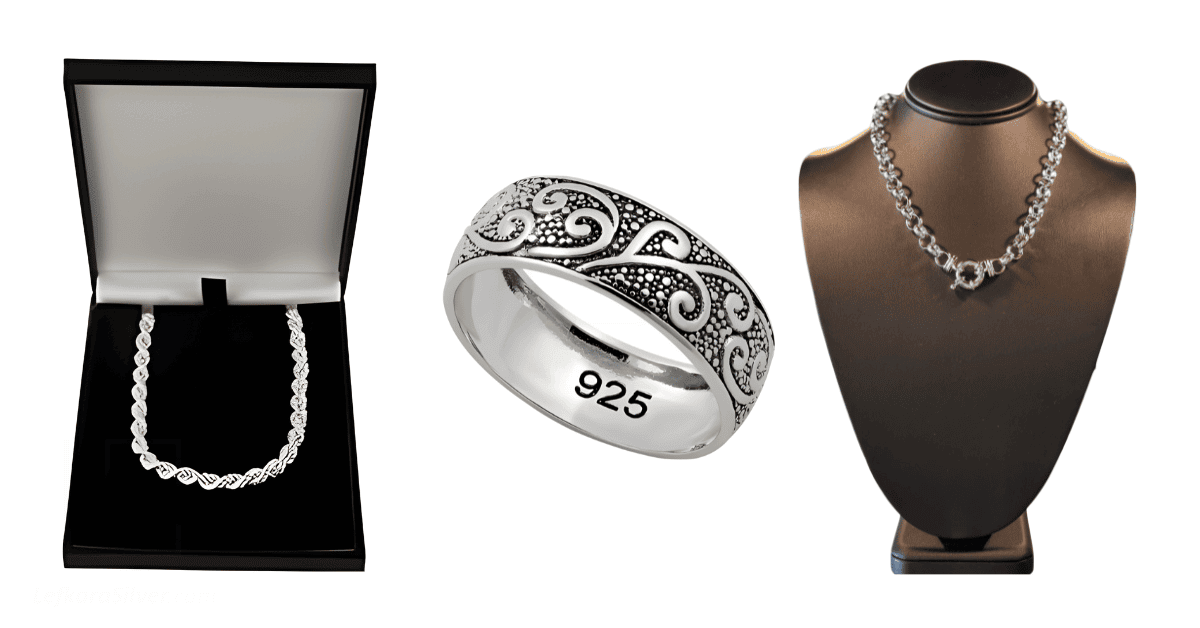
Absolutely. This is where the distinction between “pure” and “real” becomes important. While sterling silver isn’t pure silver, it is unequivocally real silver.
Its high content of 92.5% pure silver is what qualifies it as a genuine silver product, not something that’s merely silver-plated or silver-colored. Think of it like gold jewelry. A 14k or 18k gold ring isn’t pure 24k gold, it’s an alloy mixed with other metals to make it durable enough to wear. Yet, no one would argue that it isn’t “real” gold. The same logic applies perfectly to sterling silver.
The difference between sterling silver and pure silver lies entirely in the 7.5% of added metals. This small addition doesn’t make it “fake”; instead, it makes it functional. Most silver jewelry you encounter is sterling silver precisely because it offers the perfect balance: the beauty and value of real silver with the necessary strength for everyday life. This is in stark contrast to silver-plated items, which consist of a cheap base metal, such as brass or copper, coated with a razor-thin layer of silver that can wear off over time.
Concluding Thoughts on the Price Difference Between Silver and Sterling Silver
In this article, we’ve explored the key differences between pure silver and sterling silver, from their composition and durability to how these factors impact their price. We analyzed the five main factors that influence the price difference between silver and sterling silver, examined specific examples such as necklaces and rings, discussed regional pricing in India, and analyzed the latest market prices per gram for both silver and sterling silver. We also clarified that while sterling silver isn’t “pure,” it is absolutely real silver.
Here are some of the most interesting takeaways from our analysis:
- Sterling silver is an alloy made of 92.5% pure silver and 7.5% other metals (usually copper), which gives it strength.
- Pure silver (.999) is generally too soft for functional jewelry and is primarily used for investment bullion.
- The market price of pure silver reached approximately $1.56 per gram in October 2025.
- Retail prices for sterling silver jewelry saw a dramatic 42% average increase between 2024 and 2025.
- A “925” stamp on jewelry is your guarantee that it is genuine sterling silver.
- Sterling silver is a precious metal that holds value, but it does tarnish; however, this tarnish is a surface reaction that can be easily cleaned and does not damage the metal.
- Industrial demand for silver in sectors like solar energy and electronics significantly impacts its price.
This content was last updated in October 2026. We hope this guide has armed you with the knowledge to shop for silver jewelry with confidence!
Follow our website, LefkaraSilver.com, to stay informed about new jewelry offers, news, and buying guides!
Price Difference Between Silver And Sterling Silver FAQs
Here are answers to some frequently asked questions about the price difference between silver and sterling silver in 2026:
Which is Expensive, Silver or Sterling Silver?
On a pure material basis, pure silver is more expensive than sterling silver. This is because pure silver, also known as fine silver, contains 99.9% silver, whereas sterling silver contains 92.5% silver and 7.5% of a less expensive alloy, such as copper. As of October 2026, the raw value of pure silver is about $1.56 per gram, making the intrinsic metal value of sterling silver roughly $1.44 per gram. However, an intricately designed sterling silver piece can be more expensive than a simple pure silver item due to craftsmanship and brand value.
How Much is 1G of Sterling Silver?
The melt value of 1 gram of sterling silver is approximately $1.44, based on market prices in 2026. This price is calculated based on the percentage of pure silver in the sterling alloy. It is crucial to understand that this is not a retail price; the cost of a finished piece of jewelry will be significantly higher after factoring in labor, design complexity, and brand markup, which contributed to a 42% average price increase on sterling silver items from 2024 to 2025.
How Much is Sterling Silver Worth Compared to Silver?
By weight, sterling silver has an intrinsic value that is exactly 92.5% that of pure (.999) silver. This is a direct reflection of its silver content, which is mandated by law for an item to be called “sterling.” While this makes its raw material value lower, its enhanced strength makes it far more practical for jewelry, adding a functional value that pure silver lacks. For instance, a durable sterling silver ring from a premium brand has a market value far exceeding its $1.44 per gram melt price due to its utility and design.
Which Type of Silver is Most Expensive?
The most expensive type of silver based on purity and raw value is fine silver, which is marked as .999 and is 99.9% pure. This grade is considered investment-grade and is used for bullion bars and coins, commanding the highest price per gram on the commodities market. While other high-purity alloys like Britannia silver (95.8% pure) are more valuable than sterling, some antique sterling silver pieces can be the most expensive items overall. A rare sterling silver piece from a historic brand like Reed & Barton can fetch prices thousands of times higher than its simple melt value.
Why is Sterling Silver So Much Cheaper Than Silver?
Sterling silver’s lower price point compared to pure silver primarily comes down to its composition, as it’s an alloy containing 7.5% of less valuable metals like copper. This dilution of pure silver directly reduces its raw material cost. Furthermore, sterling silver is designed for mass appeal and manufacturing; its durability allows for efficient, large-scale production, which helps keep retail prices accessible.
In contrast, the price of pure silver is more heavily influenced by investment demand and industrial consumption, as it is a key component in products such as solar panels, which account for 16% of global silver demand.
Does 100% Sterling Silver Turn Green?
First, the term “100% sterling silver” is a misnomer, as sterling silver is by definition an alloy containing 92.5% pure silver. Genuine 925 sterling silver does not turn your skin green; instead, it tarnishes when the silver reacts with sulfur in the air, creating a dark layer of silver sulfide that can be easily polished off. A green discoloration on the skin is typically caused by a high concentration of copper reacting with the oils and acids in your skin, indicating that you might be wearing a low-quality silver-plated item rather than authentic sterling silver.
Why is Silver Called Poor Man’s Gold?
Silver earned the nickname “poor man’s gold” because its price per ounce is significantly lower than gold’s, making it a more accessible entry point for investors with less capital. Historically, both metals move in similar directions as safe-haven assets, but silver is much more affordable; for example, if gold is trading at $2,000 an ounce, silver might be trading around $30 an ounce.
This price difference is often measured by the gold-to-silver ratio, which has historically averaged around 50:1 but can fluctuate wildly, sometimes exceeding 80:1, reinforcing silver’s status as the more attainable precious metal.
What Are The Disadvantages of Sterling Silver?
The primary disadvantage of sterling silver is its tendency to tarnish over time. This occurs because the 7.5% copper in the alloy reacts with sulfur compounds in the air, creating a dark layer of silver sulfide that requires regular polishing to remove. Another drawback is that some individuals may have skin sensitivity or allergic reactions to the alloy metals, particularly if nickel is used instead of copper. Unlike pure silver, which is hypoallergenic, the alloys in sterling silver make it slightly less biocompatible for some wearers.
What is The 80/50 Rule for Silver?
The 80/50 rule is an investment strategy based on the gold-to-silver ratio, which indicates how many ounces of silver are needed to buy one ounce of gold. According to this rule, when the ratio is high (e.g., above 80:1), silver is considered undervalued relative to gold, signaling a potential buying opportunity for silver or a time to trade gold for silver. Conversely, when the ratio drops to a lower level (e.g., around 50:1), silver is seen as overvalued compared to gold, suggesting it might be a good time to sell silver or convert it into gold.
Is it Good to Buy Silver Now?
The silver market presents a compelling yet volatile case for buyers. The market is facing a significant supply deficit for the fourth consecutive year, with a reported shortfall of 148.9 million ounces in 2024 due to soaring industrial demand. With silver being essential for green technologies like solar panels and EVs, which account for 16% and 2.9% of global demand respectively, analysts believe it remains undervalued with strong long-term growth potential despite short-term price fluctuations.
When to Convert Silver to Gold?
A strategic time to convert silver to gold is when the gold-to-silver ratio is low, indicating that silver’s value has risen significantly relative to gold. Historically, a ratio below 50:1 is often seen as a signal that silver may be overvalued, making it an opportune moment to trade it for gold. For example, if you acquired silver when the ratio was high (e.g., 80:1) and it later dropped to 40:1, you could effectively double the amount of gold you receive in the exchange. This strategy allows investors to leverage the volatility of the two metals to increase their holdings of their preferred asset.
Is it Better to Buy Gold or Silver in 2026?
In 2026, the choice between gold and silver depends heavily on an investor’s risk tolerance and strategy. Silver has shown stronger performance, with prices rising 22.42% over the year, compared to gold’s more stable movement. However, it is also more volatile due to its dual role as both a precious and an industrial metal.
With over 50% of silver’s demand coming from industrial applications, its price is closely tied to economic growth, while gold primarily functions as a pure safe-haven asset against financial uncertainty. Therefore, silver offers higher growth potential tied to industry, while gold provides more traditional stability.