Filigree Jewelers: What You Should Look Out For
Real handmade filigree often relies entirely on the strength of soldered wire connections. If you’re looking for the best filigree jewelers that sell only original filigree jewelry made by hand, this guide has everything you need to find them.
We’ll look into the following:
- Top-rated filigree jewelers from Cyprus, Minneapolis, and beyond.
- How to spot authentic filigree from cheap, mass-produced imitations
- The essential materials used in making fine filigree
- The market pricing for filigree jewelry work
- Why collectors often prioritize filigree from Cyprus, Portugal, and Greece, among other things.
You can learn more about everything filigree, from the filigree origin story to the styling tips for every occasion in October 2026.
8 Top-Rated Filigree Jewelers From Cyprus, Minneapolis & Beyond
Our team has put together this list of filigree jewelers with strong reputations for their dedication to handcrafted techniques and for the quality and aesthetic appeal of their filigree pieces. These jewelers are located across the globe and ship their work to different countries.
Some of these jewelers include:
1. Lefkara Silver
Located in Cyprus, our workshop is the traditional silversmithing hub, with a focus on silver filigree. Our filigree-making process here involves drawing fine metal threads and hand-twisting them into delicate, complex patterns, which are then soldered to create durable yet airy designs. We focus on preserving centuries-old techniques while providing modern, high-quality customer service.
To purchase a filigree piece from Lefkara Silver, visit our catalog. We have a range of options, from earrings to necklaces, and we handle custom requests for those who want specific, handmade filigree designs.
2. Filigree Jewelers
This filigree jewelry store is located in the North Loop neighborhood of Minneapolis. They specialize in a curated selection of vintage, antique, and modern pieces. Their expertise in sourcing and maintaining modern filigree engagement rings is one thing that makes them stand out in a pool of filigree jewelers.
Their services go beyond retail to include professional appraisal, repair, and custom design consultations. Clients can visit their Minneapolis location for personalized service or look through their collection online.
3. Joalharia do Carmo
Joalharia do Carmo is a historic jewelry store in Portugal that has been operating since 1924. This store partners with artisans from northern production hubs, such as Gondomar, to ensure that every piece of jewelry meets high standards. Each purchase comes with details of the maker and the specific region of origin.
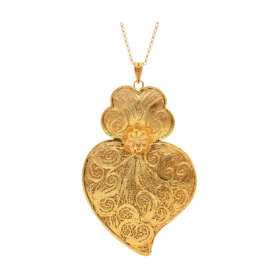
You will find a wide array of pieces, including traditional Viana hearts and ornate earrings. You can make your purchases directly through their retail storefront in Lisbon or by contacting them for inquiries about their current collection of authentic Portuguese gold and silver.
4. House of Filigree
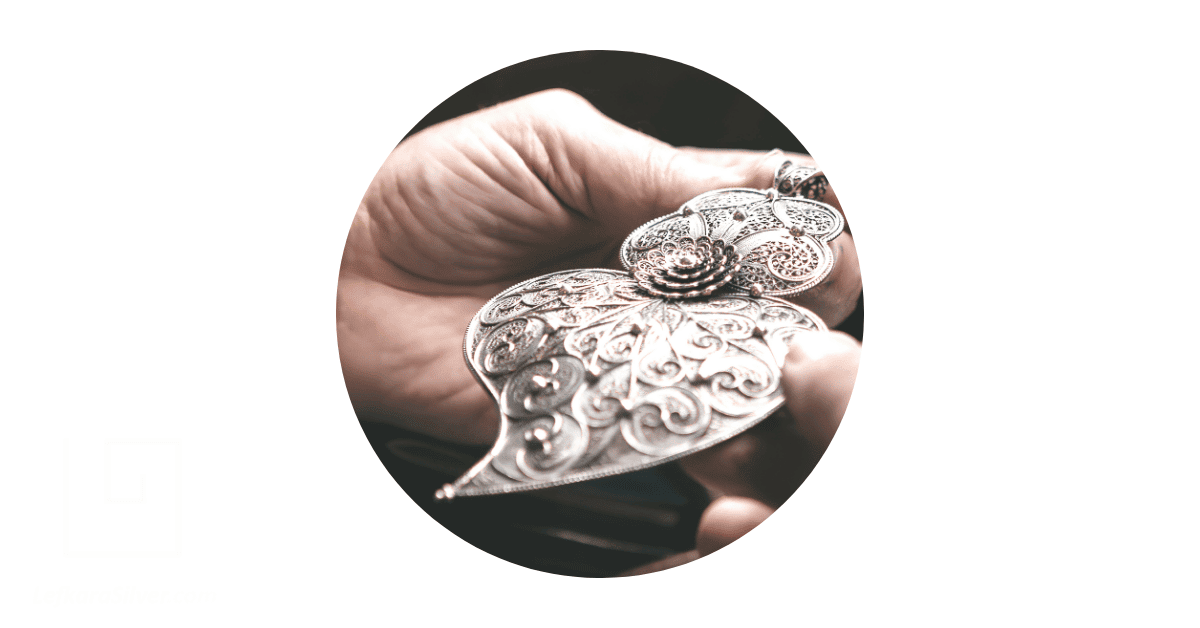
This place is both a workshop, a museum, and a boutique. You’ll learn about the filigree-making process here and see the actual tools and techniques used to form metal threads into traditional patterns. House of Filigree specializes in high-end, hand-signed jewelry that is often made to order.
The filigree jewelry from the House of Filigree is meant for people who prefer craftsmanship over quick retail options, as it focuses on the traditional, labor-intensive soldering method. If you’re interested, you can schedule appointments to learn about the history of specific designs or request custom-made necklaces and pendants directly through the boutique.
5. J. Azzopardi Jewellery
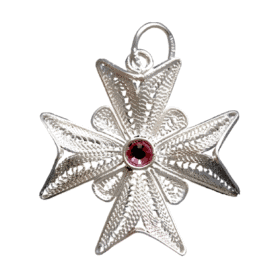
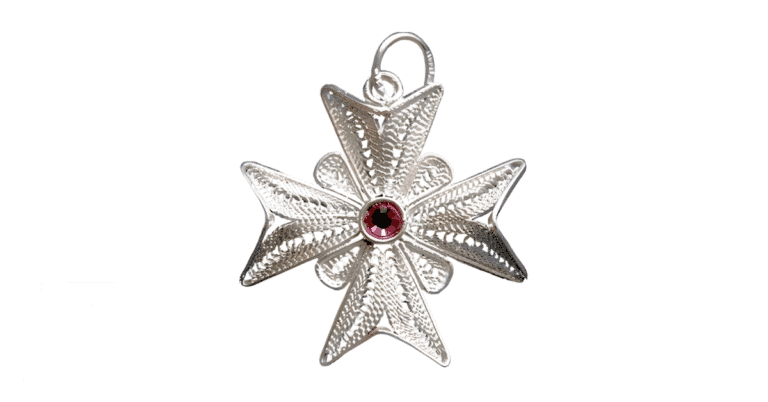
This is a family-run business in Malta that focuses on preserving the local island aesthetic. Their soldering precision is what they are well known for. This precision ensures that their filigree is structurally sound. Their collection is made up of a variety of traditional motifs, such as crosses and floral patterns.
This store is an excellent place to check out if you want to compare different styles side by side. Staff members are highly knowledgeable about the historical significance of their designs, so they always provide detailed guidance on how to maintain the jewelry you buy from them to prevent it from oxidizing prematurely.
6. Portugal Jewels
At Portugal Jewels, family-run workshops in Portugal are connected with a global audience. They prioritize the economic sustainability of their artisans; hence, they ensure that their production remains localized and workers are compensated fairly for the intensive labor that filigree making requires.
Their collection is designed to close the gap between historical folklore and contemporary style. They provide detailed specifications on the metal purity for all their items and offer secure worldwide shipping, so it is easy to get traditional pieces from them even if you live on a different continent.
7. Saliba Filigree
This jeweler has been a notable presence in Malta’s local artistic community. They aim to bridge the gap between ancient traditional and modern tastes. The work done at Saliba Filigree is characterized by denser, stronger wire patterns designed to hold their shape through years of daily use.
Filigree jewelry from this store often comes with personal oversight from the maker and a level of quality assurance that is difficult to find in larger stores. If you are looking for authentic Maltese filigree, you can contact them for a custom piece or buy from their existing inventory of handcrafted silver.
8. Machado Joalheiro
As one of the oldest jewelry retailers in Porto, this store focuses on both antique items and high-end contemporary collections. Their expertise is particularly useful if you want to compare styles across different historical periods, as you’ll find filigree pieces from various eras here.
Their service is highly professional, and they verify the authenticity of their gold and silver jewelry. So, whether you’re in Porto, planning to visit, or far away from there, you can always browse their collection and find what you like, or call to request a specific design.
How to Spot Authentic Filigree vs. Cheap Mass-Produced Imitations
Fake filigree jewelry often looks exactly like the original ones, and you have to be vigilant and quite knowledgeable to tell them apart. One thing you must understand is that filigree is built from individual wire segments, but the fake ones are not made this way; they are cast from a single mold and then stamped or poured. This creates a hollow, fragile appearance.
If you want a real filigree that lasts, you need to look beyond the surface and check how the metal is actually put together. Here are some things to look out for:
- Check the back of the piece well. Real handmade filigree should look clean on both sides, so if the back of what you’re holding is solid, blocked, or poorly finished, it was likely cast in a mold, so you’ve got the fake one.
- Look for symmetry gaps and solder blobs; it should show precise, consistent patterns. If you see thick, uneven globs of metal where the wires meet, or if the pattern looks messy and rushed, it is a sign of cheap production.
- Test the weight-to-size ratio. High-quality filigree is surprisingly light because it is made of fine, air-filled wire. If a piece feels dense, or clunky, it is likely a cheap replica.
- Check the wire ends. The ends of the metal threads used for handmade filigree are tucked into the design. Sharp or protruding wire ends that pull on your clothes are signs of a sloppy, low-quality filigree piece.
- Check out the thickness of the wire. Real handmade filigree uses threads that are as fine as a human hair. The fake replicas, on the other hand, use thicker, coarser wires because machines cannot handle the delicate tension required for the finest work.
What Are Some Essential Materials Used to Make Fine Filigree?
Precious metals are used to make fine filigree jewelry. This is so that they can be stretched into very thin threads without breaking or losing their shape. Jewelers work with mostly gold, platinum, and sterling silver. Each of these metals offers distinct structural benefits, so your choice should depend on whether you prioritize daily durability, budget, aesthetics, which one is perfect for your skin tone, or even a combination of all these features.
Gold, specifically 18k or 22k, is most people’s favorite because it is soft enough to be shaped by hand and still remains strong over time. If you have warm skin tones, gold is usually the most flattering choice for you.
Sterling silver is the most common choice if you’re on a budget. Not only that, silver has a bright, crisp white finish that makes the fine wire patterns stand out clearly, and because it is more affordable, you can choose bolder, complex designs that would be really expensive in gold or platinum.
However, keep in mind that silver is softer and more prone to tarnish; it needs to be cleaned regularly to maintain its beauty. If you have cool skin tones, the bright, reflective nature of silver makes it an even better match for you. Always ask and confirm the purity of your silver, because any alloy below the 925 standard is considered low-quality.
What Price Should You Really Pay for Authentic Filigree?
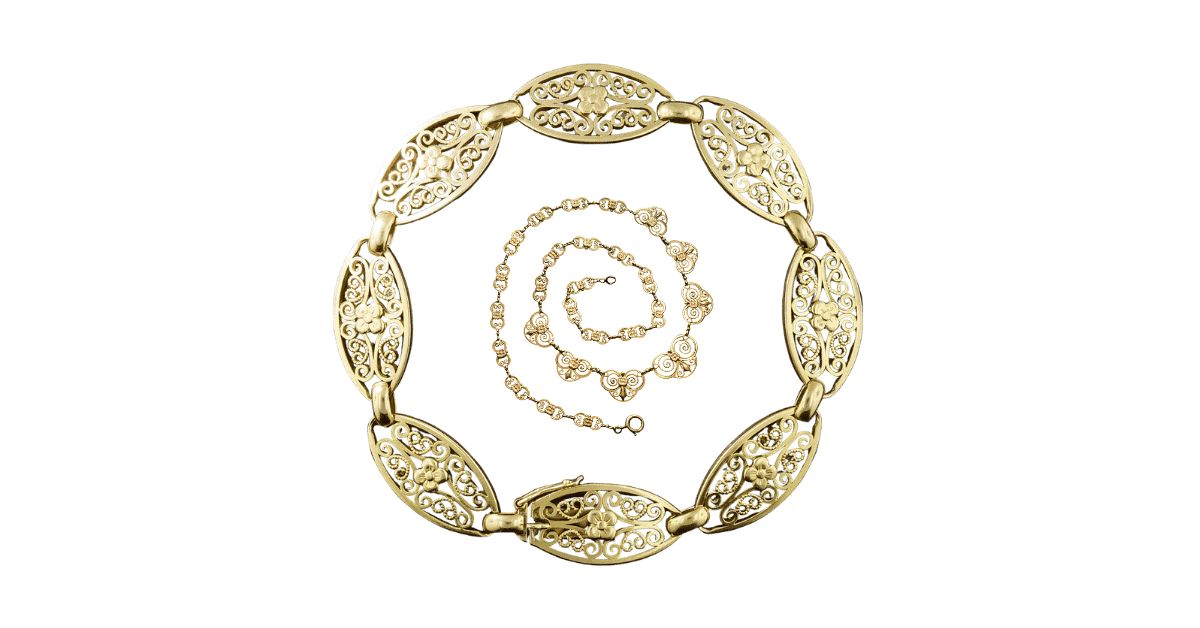
Making handmade filigree takes a great deal of time and requires a steady hand with a deep focus on detail. Filigree jewelers make these pieces from scratch, so labor costs are often the biggest factor in their final price.
However, you do not always need a fortune to own good-quality filigree jewelry, as there are many great brands that still offer affordable options. You can often find beautifully handcrafted silver pendants and earrings priced between 60 and 300 euros from Lefkara Silver and other brands as well.
Simple silver filigree might run from 100 to 300 euros, while elaborate gold pieces often start above 400 euros and can go much higher depending on the weight and design complexity.
Always keep in mind that when you pay for filigree, you are paying for the time, the master’s technique, and a dedication that machines simply cannot replicate.
Why Collectors Prefer Filigree from Cyprus, Portugal, & Greece
Filigree is deeply tied to the history of the Mediterranean, where artisans have been weaving metal threads into lace-like patterns for thousands of years. This is the main reason many filigree collectors focus their search on jewelers in Cyprus, Portugal, and Greece, as these regions are the primary centers of the craft. In these places, the technique is a cultural anchor that has survived through centuries of trade and local tradition.
Many people believe that the best filigree designers reside in these regions because they are the ones who taught the world how to turn metal into light, airy sculptures. In Portugal and Cyprus, there are dedicated workshops where families have passed down their specific secret techniques for generations. This long-standing apprenticeship model ensures that the quality and the “feel” of the filigree remain true to the original, archaic methods.
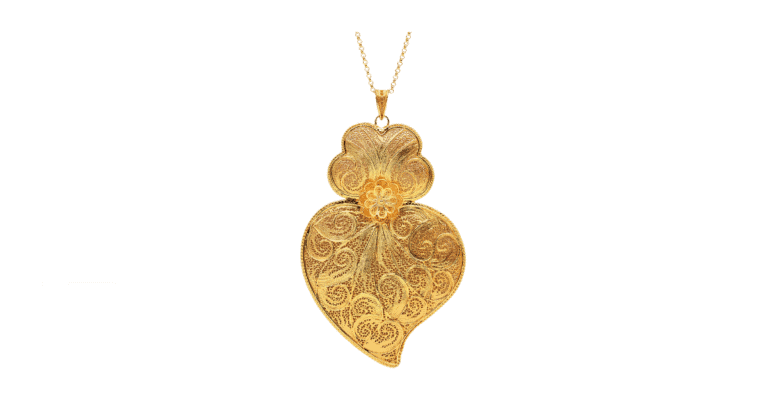
Beyond the technical skill, collectors choose these regions because every piece carries a story from its place of origin. For example, a heart motif from Portugal symbolizes deep devotion, and a knotted ring from Greece represents an unbreakable bond.
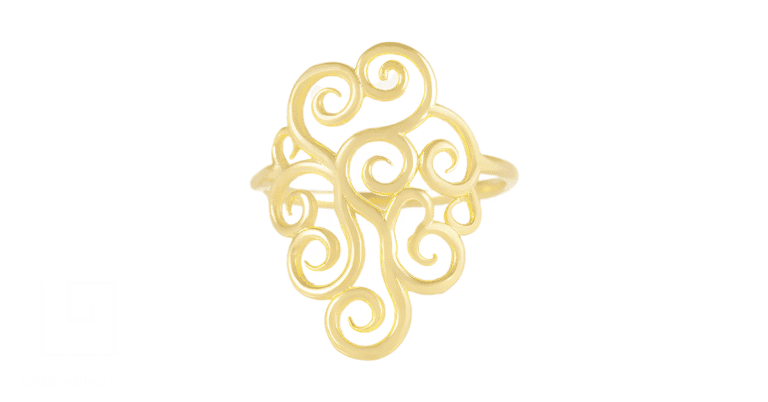
Traditional motifs like spirals and endless knots were never just decoration; they were intended to convey specific wishes for love, health, and protection. When you buy from an artisan in these regions, you are getting an item that is deeply connected to the stories, legends, and heritage of the people who created the design.
Where to Buy Genuine Vintage Filigree?
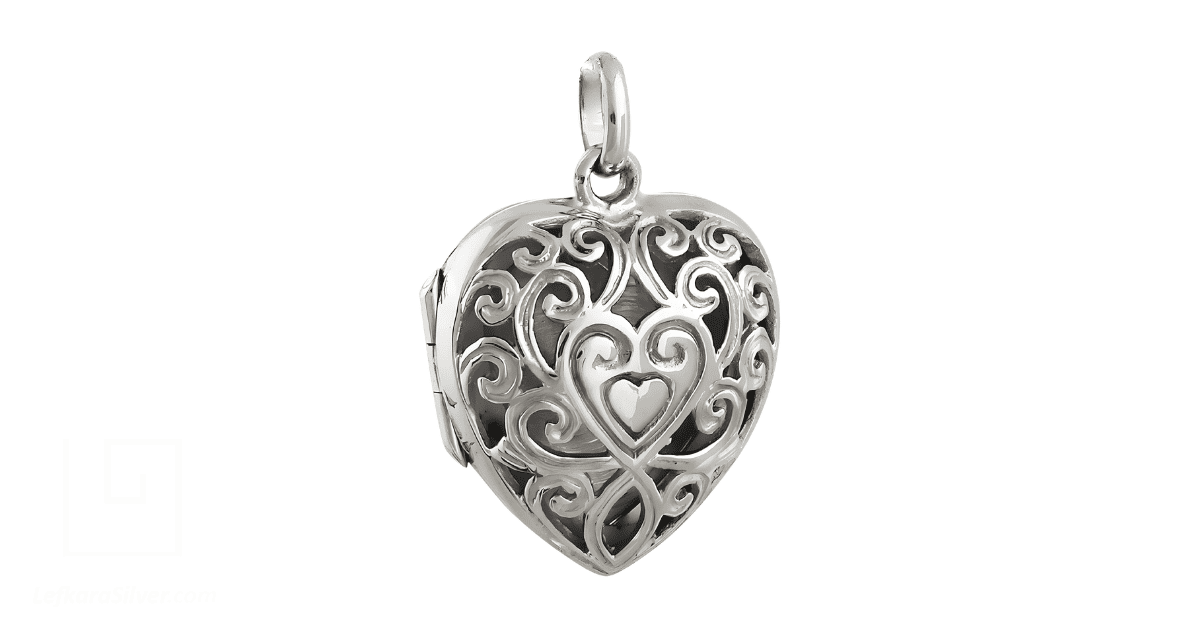
If you want to buy vintage filigree jewelry, you have to go to boutique estate jewelry shops, especially those in major metropolitan areas with a strong history in the fine jewelry trade. These locations tend to have staff who understand the nuances of period-specific collections, such as the airy filigree of the Victorian or Edwardian eras.
You’ll also find vintage filigree in online marketplaces that specialize in vetted antique inventory. When searching these online sites, look for detailed photos of the reverse side; real handmade filigree will show consistent, intentional wire placement, but fake replicas will often look messy, blocked, or poorly finished on the back.
Other places to check are auction houses and dedicated vintage filigree jewelers. Items from the Art Deco period are particularly sought after for their sharp, geometric filigree patterns.
When searching, always check for hallmarks or metal purity stamps to verify the item’s age and quality.
Finding Jewelers for Unique Filigree Engagement Rings
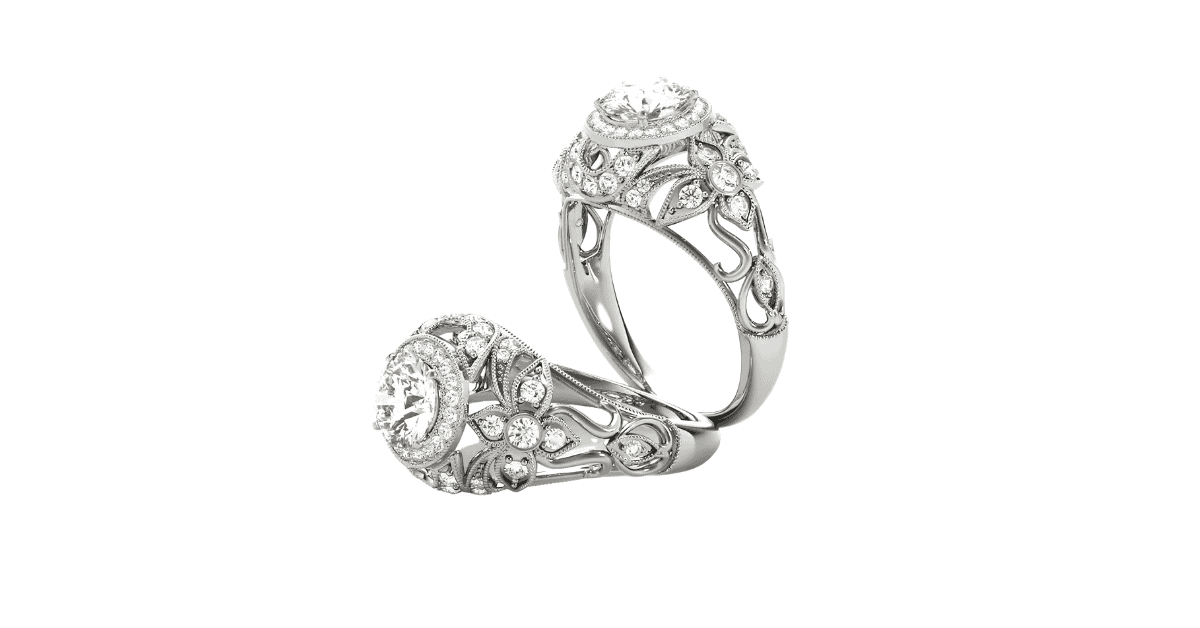
Choosing a filigree design for an engagement ring is a personal, romantic, and quite unconventional choice. These rings often have fine metal threads that give a lightweight, airy structure, which can also help make a center stone look larger by drawing the eye across the ornate, detailed wirework.
Several high-end filigree jewelers specialize in making custom filigree jewelry, even engagement rings. In the previous sections, we mentioned some of these jewelers, such as Lefkara Silver, House of Filigree, Portugal Jewelers, and Saliba Filigree. You will find that many of these jewelers offer custom commissions that allow you to choose the exact pattern and metal that fits your partner’s style.
The prices of filigree engagement rings vary significantly depending on the design’s complexity and the metal used. It generally starts around $200 for simple silver bands and reach several thousand euros for complex custom-set engagement rings in gold or platinum.
If you want your ring made with specific preferences, contact Lefkara Silver’s team to discuss a custom design. The team can walk you through the process, ensure your vision is realized with traditional hand-twisting techniques, and arrange for your unique ring to be shipped directly to your doorstep.
Custom Filigree Jewelers With Excellent Reviews
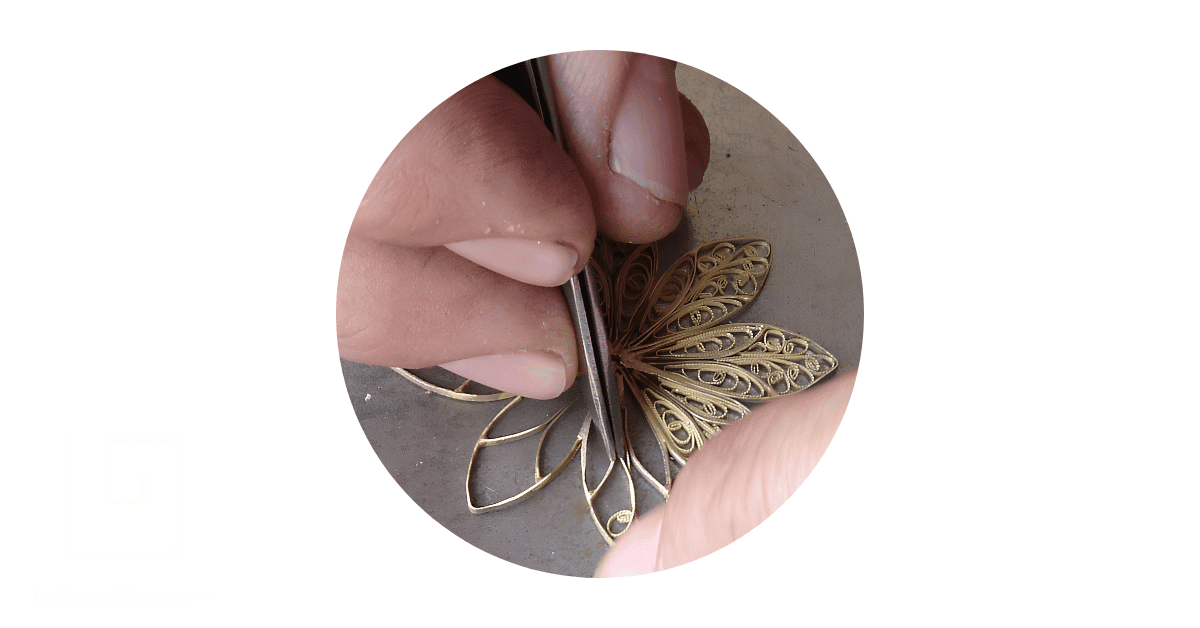
When you choose to customize your filigree jewelry, you can choose specific motifs, such as delicate scrolls, nature-inspired vines, or geometric patterns, to ensure the finished item matches your personal taste perfectly. At Lefkara Silver, we specialize in custom filigree commissions, working with you to create one-of-a-kind designs.
To find more filigree jewelers who can make an expert custom filigree jewelers, look for studios that prioritize handwork over mass-produced casting. Top-tier custom filigree jewelers are often recognized for their ability to balance the structural needs of precious metals with the airy, light appearance that defines true filigree.
Experienced artisans will always suggest choosing 18k gold or 925 sterling silver for your custom piece because they offer the right mix of strength and flexibility for detailed wirework.
If you are ready to see what is possible, you can explore our guide to filigree styles to help inform your next custom project.
Where to Find Expert Filigree Repair Services
Filigree is more fragile than solid metal jewelry and naturally requires more attention over time. Regular wear can cause tiny wires to catch on clothing, bend, or experience stress at the joints, which is why working with a skilled jeweler who understands these delicate structures is important.
Most filigree jewelers also offer dedicated restoration and maintenance services, as they know exactly how to apply heat and pressure to fix a broken link without ruining the surrounding pattern. Always avoid general repair shops that rely on heavy machinery or aggressive polishing when you want to fix your filigree jewelry. Instead, look for jewelers who specifically list antique or heirloom restoration as a core service.
You can find these experts by checking with local independent jewelers who have in-house workshops. Always ask whether the shop employs a jeweler trained in traditional filigree techniques, as this ensures your jewelry remains both beautiful and structurally sound for years to come.
Crucial Things to Look Out for When Choosing a Filigree Jeweler
When you are ready to buy your next filigree piece, here are some things to look out for before you choose filigree jewelers:
- Check for a physical workshop or clear evidence of manual labor. If a store refuses to show you their workspace or cannot explain how their wires are twisted and soldered, look elsewhere.
- Look at the soldering quality. This is the most important indicator of durability. Look for joints that are clean and discreet. If you see thick blobs of solder or messy connections, the piece will likely fall apart within a few months.
- Ask about their metal knowledge. Skilled filigree jewelers will guide you toward the right choice for your needs.
- Verify the level of customization offered. A quality jeweler should be willing to discuss your specific preferences, such as whether you want openwork that stands on its own or a design supported by a metal base. If they only sell identical inventory, they are not the partner you need for a unique piece.
- Request information on repair and maintenance. Filigree needs special care. Ask the jeweler if they perform in-house repairs for bent wires or broken joints.
- Whether you are buying a modern work or a vintage piece, a reputable seller provides details about the region of origin or the specific artisan who made the item.
Filigree Jewelers: Key Takeaways
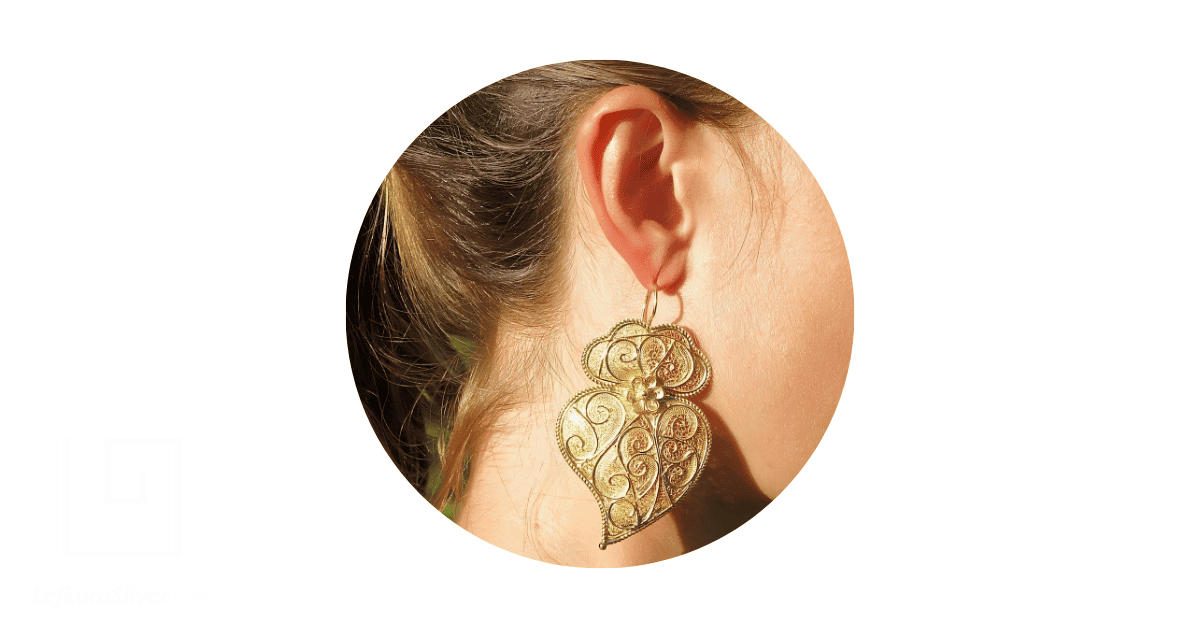
We have covered everything you need to know before choosing a filigree jeweler, alongside tips for identifying original handmade pieces. We also broke down the essential materials used in making filigree jewelry, the fair prices for handmade filigree jewelers’ work, and where to find experts for custom engagement rings and necessary repairs.
Remember that choosing filigree jewelers who offer real handmade pieces is the best way to ensure your piece lasts for generations.
Here are a few things to always keep in mind:
- Authentic filigree is built without a solid backing, relying entirely on the strength of soldered wire junctions.
- True handmade filigree can take up to four weeks of continuous work for complex pieces like ornate crucifixes.
- The Viana Heart, a famous Portuguese motif, was originally commissioned as a token of religious devotion rather than romantic love.
- In regions like Gondomar, Portugal, filigree production is officially recognized as part of the country’s Intangible Cultural Heritage.
- Standard silver jewelry below 925 purity is often considered a cheap imitation and is prohibited in many reputable jewelry markets.
- Ancient goldsmiths favored filigree because it provided a weightless, airy look that contrasted with heavier, cast ornaments.
This guide was last updated in October 2026. Follow our website, LefkaraSilver.com, to stay informed about new jewelry offers, news, and buying guides.